REVIEW · PARIS
Paris: Le Marais & Montmartre Jewish History Walking Tour
Book on GetYourGuide →Operated by Walks In Europe · Bookable on GetYourGuide
A walk from Le Marais to Montmartre tells hard, hopeful stories. I like how this route links everyday Jewish life in old Paris to the cultural world that shaped modern art and ideas, with guides such as Benjamin and Pierre-Luis keeping the pace human and the tone respectful. One thing to plan for: much of what you’ll see is exterior and street-level, so the setting can feel different from the Paris of past centuries.
I also really value the small-group feel and the guide’s hands-on way of making the details stick. You’ll get time to ask questions, and when the subject turns serious, the storytelling stays careful instead of getting performative. It’s also not a tour for every body: there’s plenty of walking and uneven streets.
In This Review
- Key things I’d bookmark before you go
- Walking Jewish Paris: how two neighborhoods tell one story
- Price and value: what $80 buys you in 3.5 hours
- Getting there: BHV Marais vs L’Elephant Du Nil meeting points
- Le Marais walk: Saint-Paul streets and the Agoudas Hakehilos exterior
- Le Village Saint-Paul: setting the tone
- Agoudas Hakehilos: Hector Guimard’s Art Nouveau moment
- What you might not see (and how to handle it)
- The Mémorial de la Shoah stop: reflection without rushing
- City Hall area pacing: tying civic space to community life
- Montmartre transfer and second wind: public transport, then uphill energy
- Montmartre’s Jewish arts trail: Rue Ravignan, Le Bateau-Lavoir, and more
- 7 Rue Ravignan: street-level clues
- Le Bateau-Lavoir: why artists gathered
- Musée de Montmartre pass-by and Rue du Mont-Cenis
- Sacré-Cœur finish: panoramic views and a calmer landing
- Who this tour is best for (and who should skip it)
- Weather, pace, and group dynamics: simple tips that help
- Should you book this Jewish history walking tour?
Key things I’d bookmark before you go
- Small group (up to 9) keeps questions flowing and the route flexible
- Art Nouveau synagogue exterior: Agoudas Hakehilos with Hector Guimard’s design
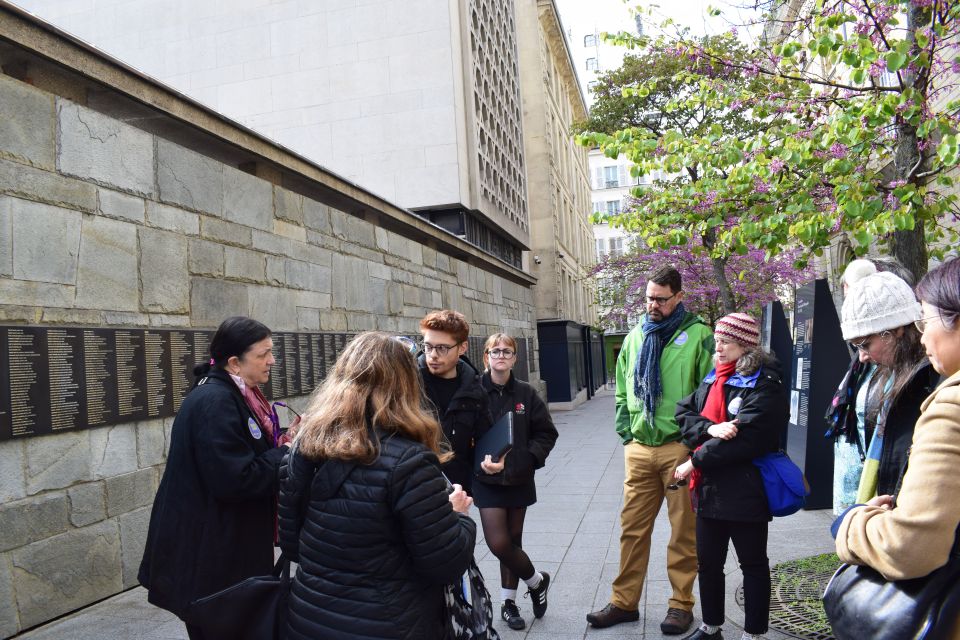
- Mémorial de la Shoah stop focused on significance from the outside
- Public transport transfer between neighborhoods so you’re not just slogging uphill
- Montmartre artist streets tied to Jewish voices in the late 1800s and early 1900s
- Sacré-Cœur panorama as a reflective finish at Square Louise-Michel
Walking Jewish Paris: how two neighborhoods tell one story
This tour connects two famous Paris neighborhoods that, in different ways, helped shape Jewish life and Jewish culture here.
In Le Marais, you’ll follow the threads that run back through medieval roots, neighborhood life, trade, and community institutions that left marks on the streets. The tone is more grounded: you’re dealing with heritage, memory, and how places held real routines—then how history changed those routines.
In Montmartre, the story shifts. The streets you walk are tied to studios, cafés, and the artistic circles that helped define Paris between the late 19th century and the early 20th. I like that the guide treats this as more than names on a plaque. You get the how and why behind Jewish presence in the creative world—not just “who lived where.”
The route also makes practical sense: it’s structured around walkable sections, then a public transport hop to reset your legs and move you without dead time.
You can also read our reviews of more walking tours in Paris



Price and value: what $80 buys you in 3.5 hours
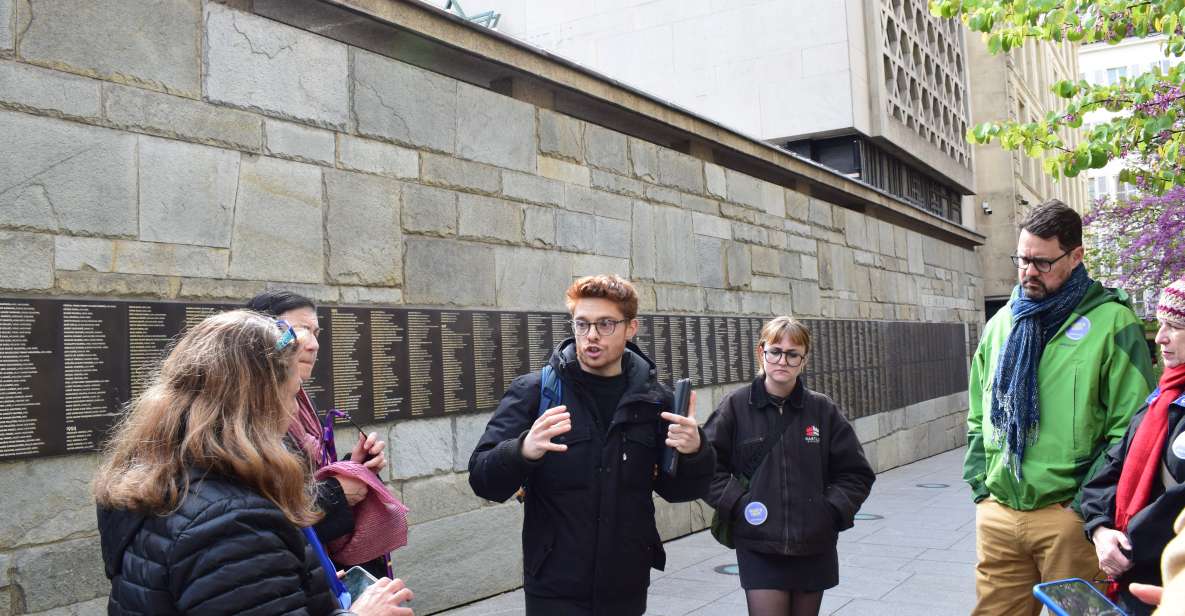
At about $80 per person for roughly 210 minutes, the value comes from two things: the guide work and the pacing.
You’re paying for an expert local English-speaking guide, not just a map. The stops are chosen for meaning (Agoudas Hakehilos, the Shoah Memorial area, Montmartre’s creative streets), and the guide stitches them together with stories across centuries. That matters because a lot of Jewish history in Paris isn’t obvious at first glance from the street.
Second, you get a plan that reduces friction. The tour includes public transport tickets for the transfer between neighborhoods, so you’re not guessing which line to take or losing time to wrong turns.
What’s not included is also part of the value equation: there’s no indoor synagogue time and there’s no entry to monuments/historical sites. So you’re buying context and route design, not a museum ticket day.
Getting there: BHV Marais vs L’Elephant Du Nil meeting points
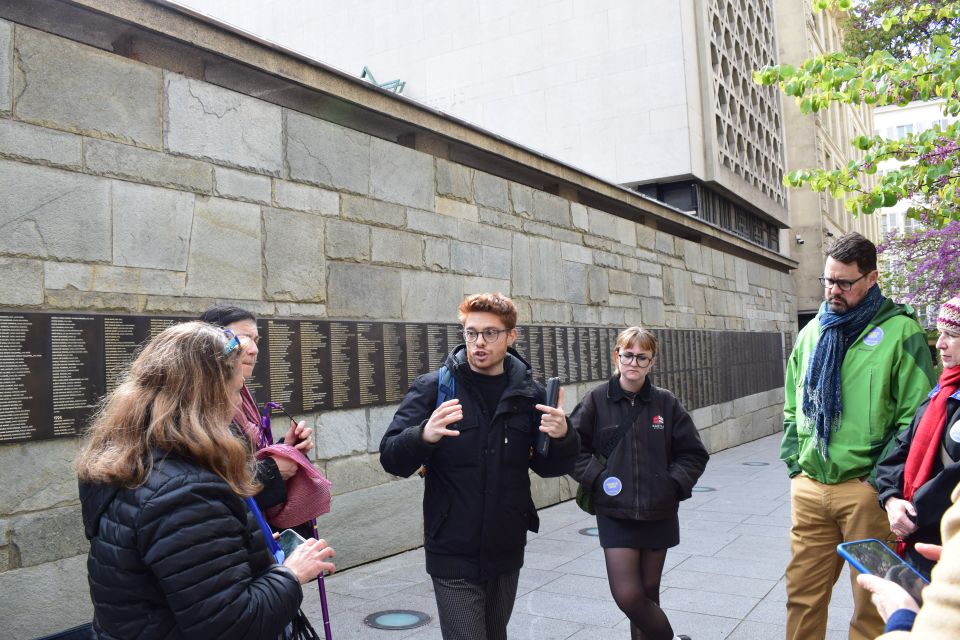
You’ll pick one of two starting options: BHV Marais or L’Elephant Du Nil. This matters because BHV has multiple entrances, and it’s easy to miss the exact one you’re supposed to reach.
I’d do two practical things to avoid stress:
- Arrive 15 minutes early and give yourself buffer time to locate the right spot.
- Have your phone ready to call or message the operator if you don’t immediately see your guide.
One small real-world snag I learned from others: some meet-ups didn’t feature the expected visual cue (like an orange flag). So don’t assume it’s always there. Use time, not luck.
Also note the tour is timed. If you show up late, you can’t join once it starts—so plan your arrival like it’s an appointment.
Le Marais walk: Saint-Paul streets and the Agoudas Hakehilos exterior
Your first major chunk is about 1.5 hours in Le Marais, starting with the historic Jewish district feel and moving through key landmarks.
Le Village Saint-Paul: setting the tone
This section is less about big-ticket monuments and more about atmosphere—streets that preserve a sense of old Paris. It’s a good start because it trains your eyes to notice what you’re actually looking at: old street patterns, community areas, and the way Paris neighborhoods evolved rather than just “appeared.”
You can also read our reviews of more historical tours in Paris





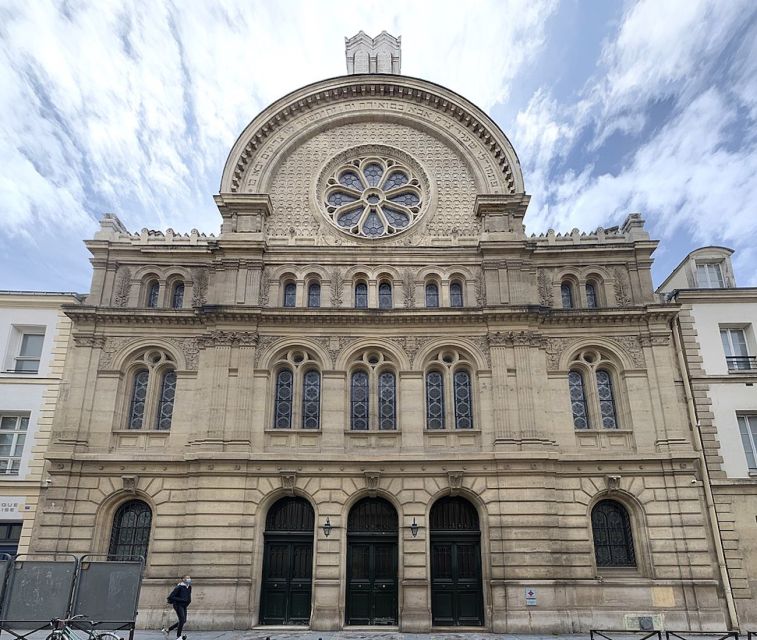
Agoudas Hakehilos: Hector Guimard’s Art Nouveau moment
One highlight is the exterior of Agoudas Hakehilos Synagogue, tied to Hector Guimard, an Art Nouveau master. Even from outside, you’ll get a sense of why design and identity mattered—this wasn’t hidden or incidental. It was part of the city’s visual language.
This is also a good example of how the tour balances art with history. You’re not only told that Jewish life existed; you’re shown how institutions expressed themselves in architecture.
What you might not see (and how to handle it)
A key expectation shift: because the tour focuses on walking and exteriors, you might not see the same “intact neighborhood scene” you’d imagine from photos of other cities. What you’ll get instead is the story behind the street—what used to be there, what changed, and why the place matters now.
The Mémorial de la Shoah stop: reflection without rushing
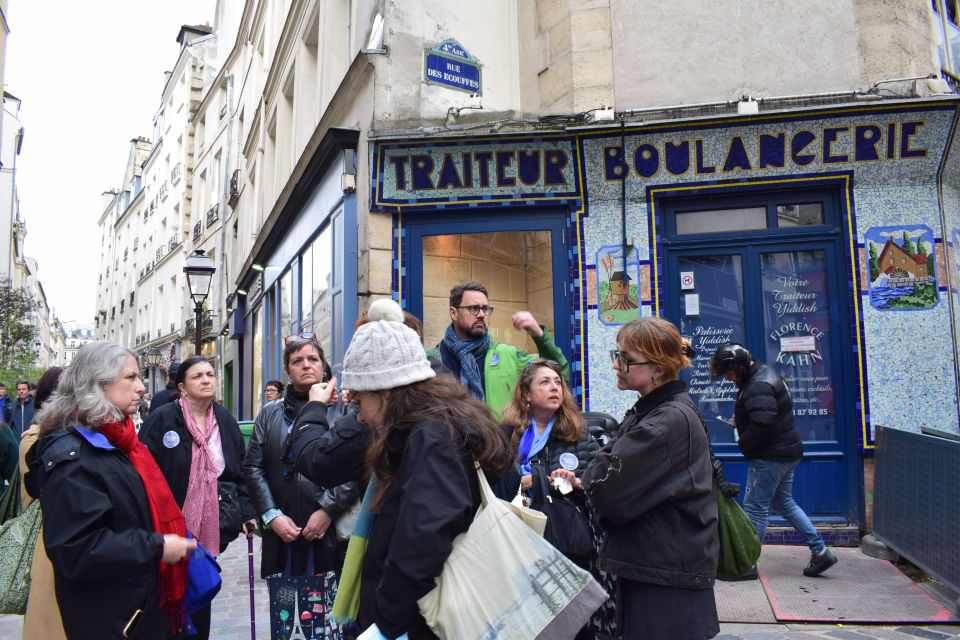
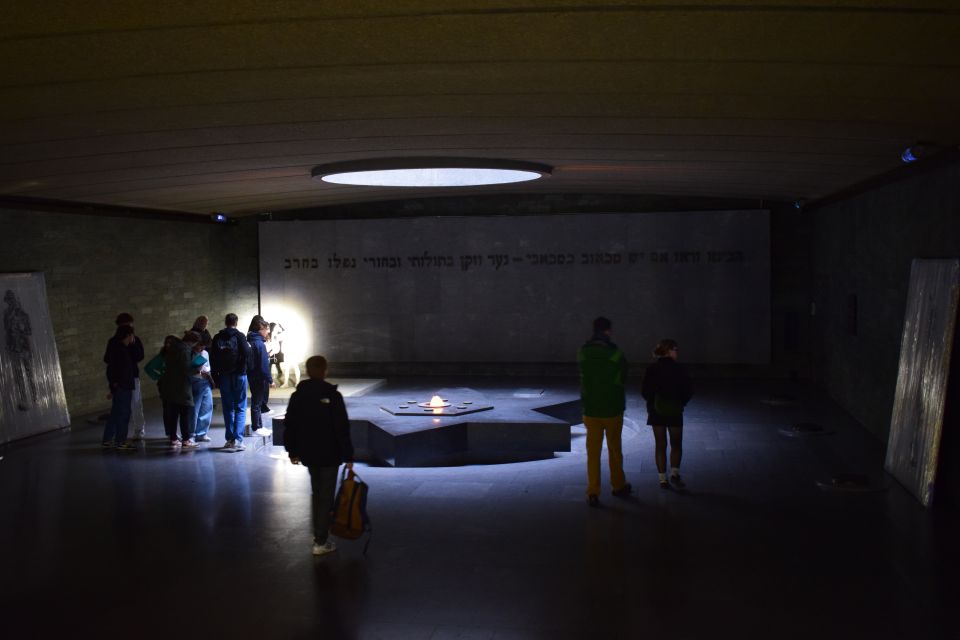
Next comes a Holocaust Memorial area visit at Mémorial de la Shoah. The plan is an exterior-oriented encounter, focused on the significance of the site.
This stop is powerful because the guide’s pacing gives you room to absorb what you’re seeing without turning the moment into a quick photo stop. The best guides also keep the tone grounded and sensitive—especially since the subject is difficult and the stakes are personal for many visitors.
A practical note: even without indoor entry, this kind of stop can still feel emotionally heavy. If you’re the type who gets overwhelmed, take slow breaths and give your body time to catch up. A calm pace here makes the rest of the tour more rewarding.
City Hall area pacing: tying civic space to community life
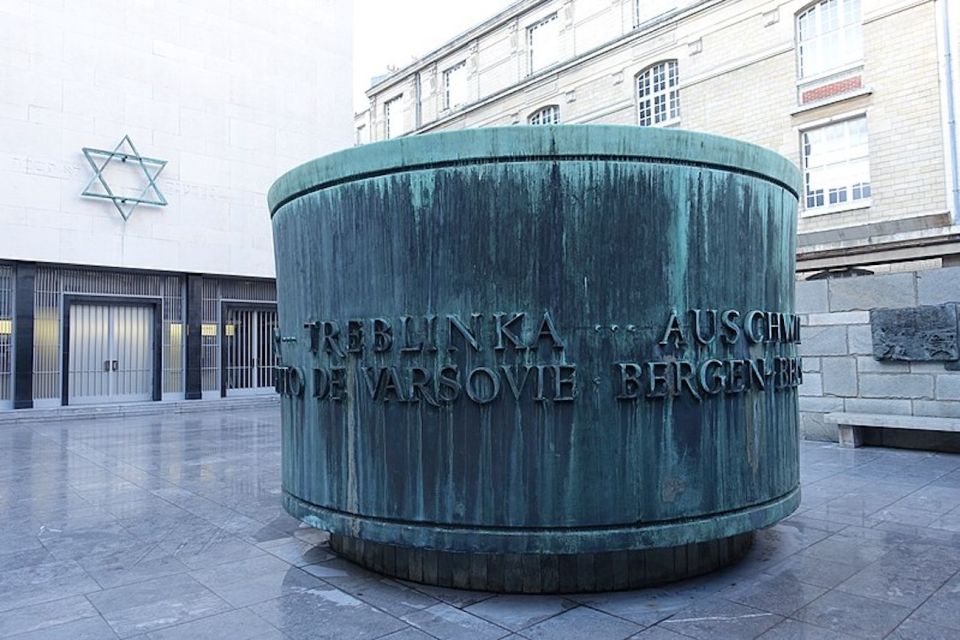
The tour wraps the Marais portion near Hôtel de Ville (Paris City Hall) before moving on. That choice works because it connects neighborhood history to the broader civic map of the city.
In other words: you’re not only learning about Jewish Paris as an isolated “district.” You’re learning how Jewish life was part of Paris—socially, politically, and historically.
It also gives you a natural mental transition point. You finish the Marais story, then reset for Montmartre with a clear line break.
Montmartre transfer and second wind: public transport, then uphill energy
After about 30 minutes of public transport, you head to Montmartre. This is one of the smartest parts of the plan. You keep momentum while avoiding the worst of the transit guesswork.
Once you arrive, the walking feels different: narrower streets, bigger viewpoints, more slopes. This is where comfy shoes matter more than style. Montmartre’s charm comes with effort.
Montmartre’s Jewish arts trail: Rue Ravignan, Le Bateau-Lavoir, and more
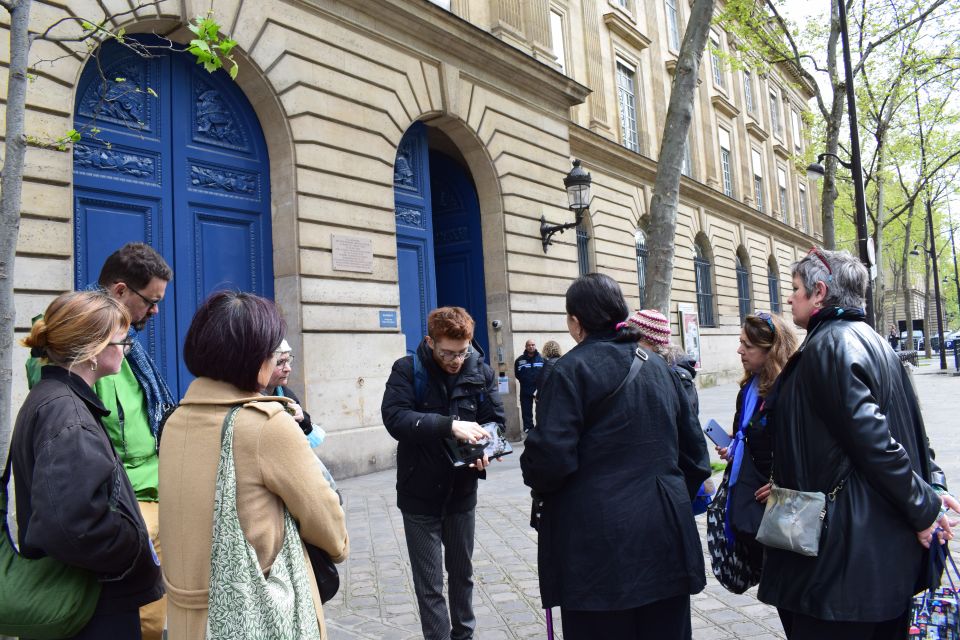
The Montmartre section is roughly 1.5 hours and it’s built around streets tied to creative life.
7 Rue Ravignan: street-level clues
You’ll walk past addresses and local landmarks that connect to how artists and thinkers made space for new ideas. It’s the kind of stop that works best when the guide explains what was happening around the time period—not just the location.
Le Bateau-Lavoir: why artists gathered
At Le Bateau-Lavoir, you’re stepping into a place associated with artistic energy. The guide ties the creativity to Jewish voices in Montmartre’s cultural heartbeat—especially in the late 19th and early 20th centuries.
I like how this doesn’t get treated as a generic “Montmartre art” walk. The guide keeps pulling the thread back to Jewish identity and community contributions.
Musée de Montmartre pass-by and Rue du Mont-Cenis
You’ll also pass by Musée de Montmartre and move toward 16 Rue du Mont-Cenis. These stops help you see how art institutions, studios, and everyday street life overlapped.
Important expectation: because monument entry isn’t included, you’re getting the exterior story and directional context. If you want deep museum time later, you can always build that yourself after the walk.
Sacré-Cœur finish: panoramic views and a calmer landing
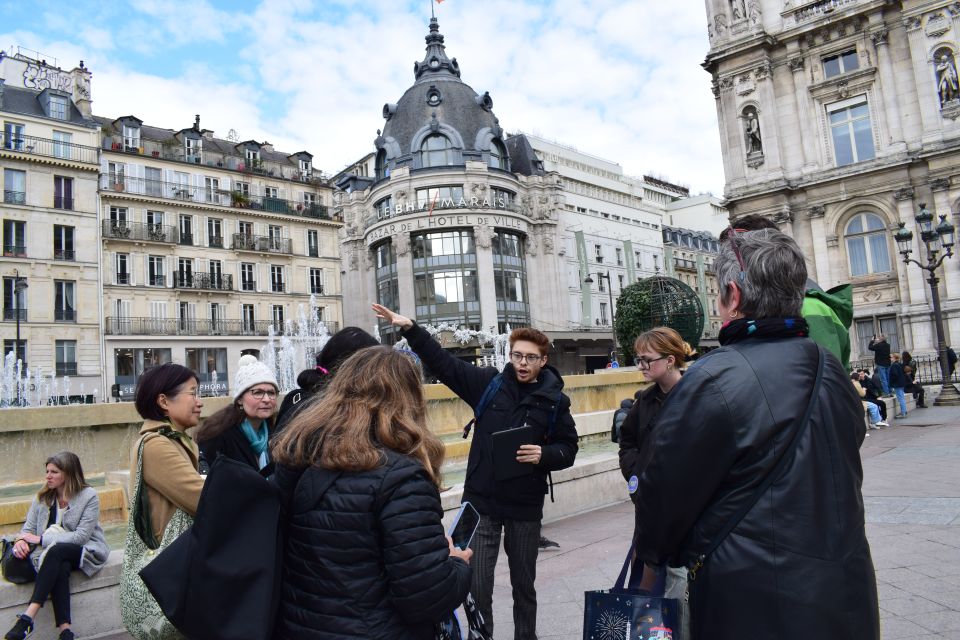
The tour ends at Sacré-Cœur Basilica for sightseeing and panoramic views, then it finishes at Square Louise-Michel with a thoughtful wrap-up.
Why this works: after two neighborhoods and multiple centuries of story—including the darkest parts—ending with open views lets your mind breathe. The guide’s framing here turns the panorama into a reflection on identity and artistic expression, not just a postcard stop.
Also, keep in mind that Sacré-Cœur-area routes involve stairs and uneven sidewalks. If you’re tired, slow down on corners and watch your step.
Who this tour is best for (and who should skip it)
This tour is ideal if you:
- Want Jewish history in Paris told through real street locations
- Like a guided walk where the guide connects art, architecture, and community stories
- Prefer small groups where you can ask questions and keep the pace human
It’s not ideal if you:
- Need wheelchair access or mobility support. The tour is not suitable for people with mobility impairments and wheelchair users
- Want mostly indoor sights or monument entry. Synagogues and historical sites are not entered
- Get overloaded by emotional topics. The Shoah Memorial stop is meaningful and can feel intense
Weather, pace, and group dynamics: simple tips that help
Paris weather can change fast. One common theme in people’s experiences is on-and-off rain, and the tour still moves—so bring a packable rain layer.
Pace-wise, you’ll walk enough that “museum legs” won’t cut it. Think of it as a solid half-day on foot, plus a transit segment.
Group dynamics matter too. If your group includes lots of tangential questions, the timing can drift. The good guides handle it, but your best outcome comes when questions stay focused on Paris and the places on the route.
Should you book this Jewish history walking tour?
Book it if you want Jewish Paris as a story you can walk through—Le Marais to Montmartre, with architecture outside the synagogues, a reflective Shoah Memorial stop, and a Montmartre ending that connects creativity to identity.
Skip it if you need step-free access, require indoor monument entry, or prefer short, light walks with minimal emotional content.
If you’re deciding right now, I’d choose this tour when your goal is understanding. It’s not about checking off buildings. It’s about learning how Paris held Jewish life, how it changed, and how that legacy still echoes in the city streets.