REVIEW · PARIS
Market Visit and Cooking Class with a Parisian Chef
Book on GetYourGuide →Operated by Meeting the French · Bookable on GetYourGuide
A Paris market can feel like organized chaos. In this chef-led class, the trick is learning how to shop smart, then turning what you choose into a 3-course meal. You get a hands-on morning that mixes culture, cooking skills, and real food you can repeat later.
I love how the market visit makes the choices practical, not just pretty. I also love the small group feel, since instructors like Dominique, Frederic, and Marthe have clearly worked to include everyone and keep instructions easy to follow. The one consideration: if you’re expecting a flexible, custom menu for specific dietary needs, the course is built around ingredients found and selected at the market, so plan ahead and ask questions before you book.
In This Review
- Key points before you go
- Market shopping with a Parisian chef: what you’re really learning
- What to watch for
- The cooking class kitchen setup: why small groups feel worth it
- English and French, and what that means for you
- Your 3-course menu: how it stays simple and repeatable
- What techniques you’re likely to take home
- The best part: you don’t just taste, you understand
- Tasting and sharing: the meal becomes the lesson
- Timing, duration, and the reality of a 09:15 start
- Quick advice to make the day easier
- Price and value: is $261 per person fair?
- Who this is best for (and who should look elsewhere)
- The details that make or break the experience
- Recipes by email
- Everything provided for cooking
- Meeting point communication
- Should you book this market visit and cooking class?
- FAQ
- How long is the market visit and cooking class?
- What time does the class run?
- How big is the group?
- Are the instructions in English?
- What will I cook during the class?
- What’s included in the price?
- Where do we meet?
- Can I cancel?
Key points before you go
- A market walk that teaches you how to choose produce and what to look for
- Small-group cooking, capped at 8 people, so you actually get hands-on time
- You cook and taste a full 3-course meal, not just one dish
- English and French instruction, with clear steps for beginner to intermediate cooks
- Recipes are sent to you by email, so you can recreate the meal at home
- An energetic, friendly kitchen mood, often taught in a warm host style
Market shopping with a Parisian chef: what you’re really learning
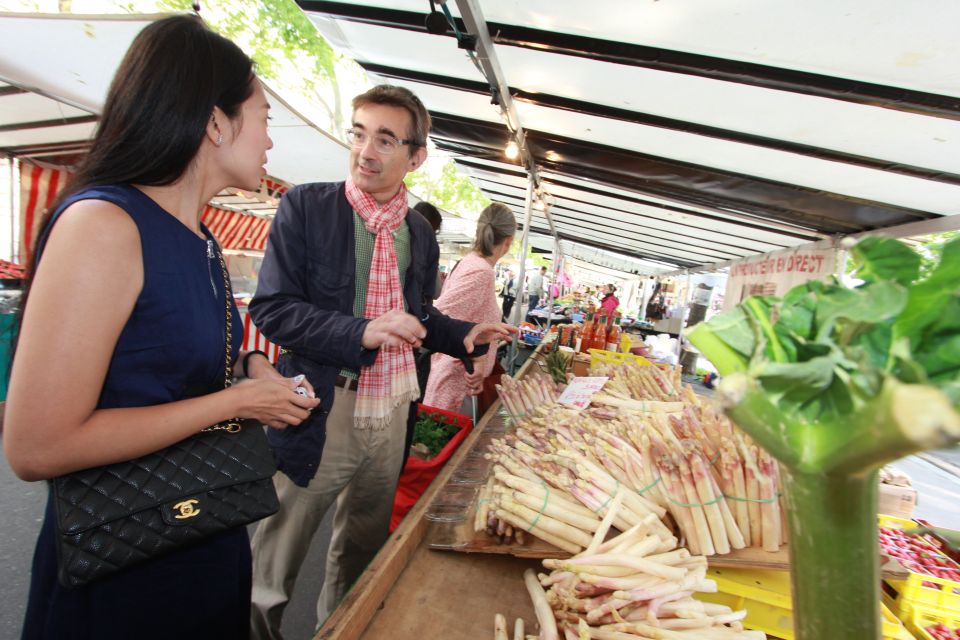
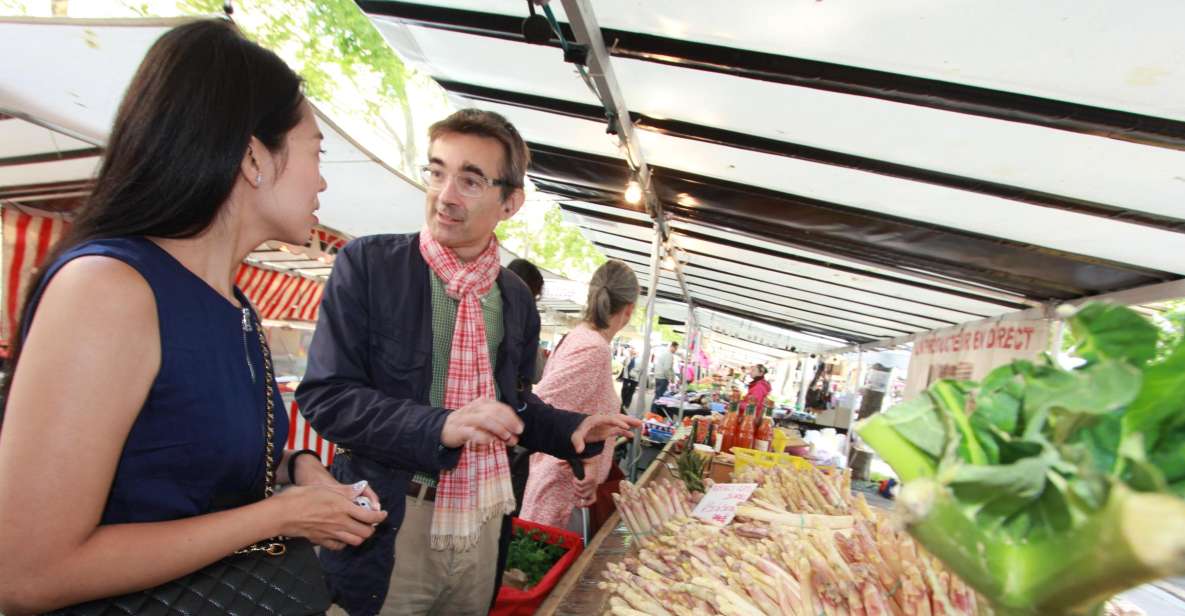
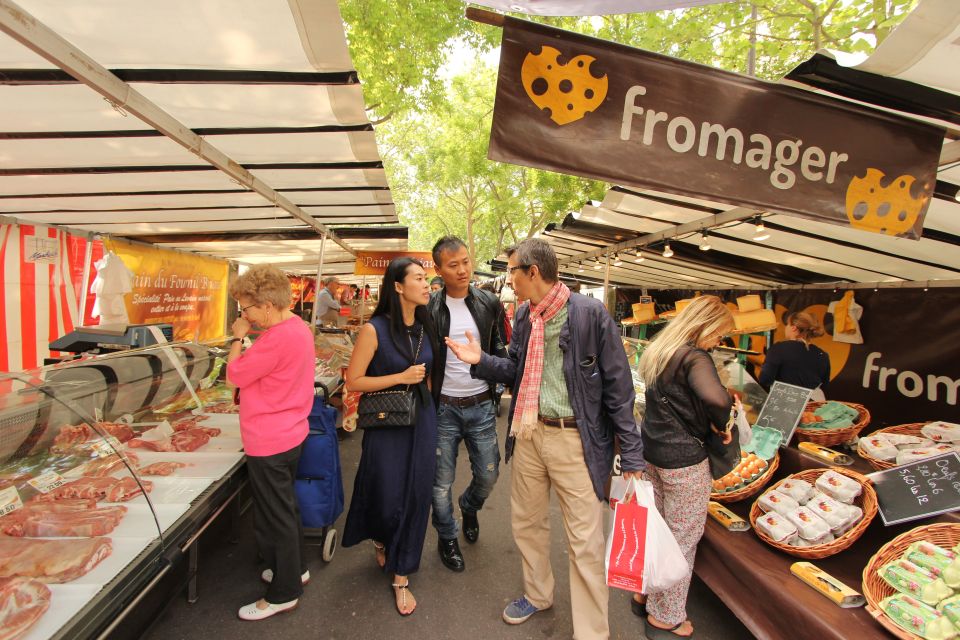
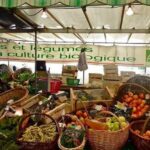
This experience starts where good French cooking starts: at the market. You’ll meet your chef and head out to a typical French market with the goal of picking fresh, local ingredients that match the meal you’ll cook later. The real value here is learning the reasoning behind the shopping, not just collecting ingredients.
In a good market, the vendors know their own products. That means you can ask smarter questions and make better picks. Your chef’s job is to translate that into simple guidance you can use right away. You’ll learn how to find quality quickly, how to spot what’s at its best, and how French cooks think about seasonality.
In past classes, the market part has been a highlight because you get to see the everyday rhythm of food shopping and learn options you might miss on your own. One memorable detail: the chef teaches you how everyday market decisions become a menu plan. That changes your whole approach. Instead of following a recipe blindly, you start shopping with a plan, then cooking that plan.
You can also read our reviews of more shopping tours in Paris

What to watch for
Markets are lively and you’ll likely do quite a bit of walking. Wear comfortable shoes and expect that you’ll be close to other shoppers and stalls. Also, because the course relies on the ingredients chosen in the market, your best bet is to mention allergies or strict dietary limits early.
The cooking class kitchen setup: why small groups feel worth it
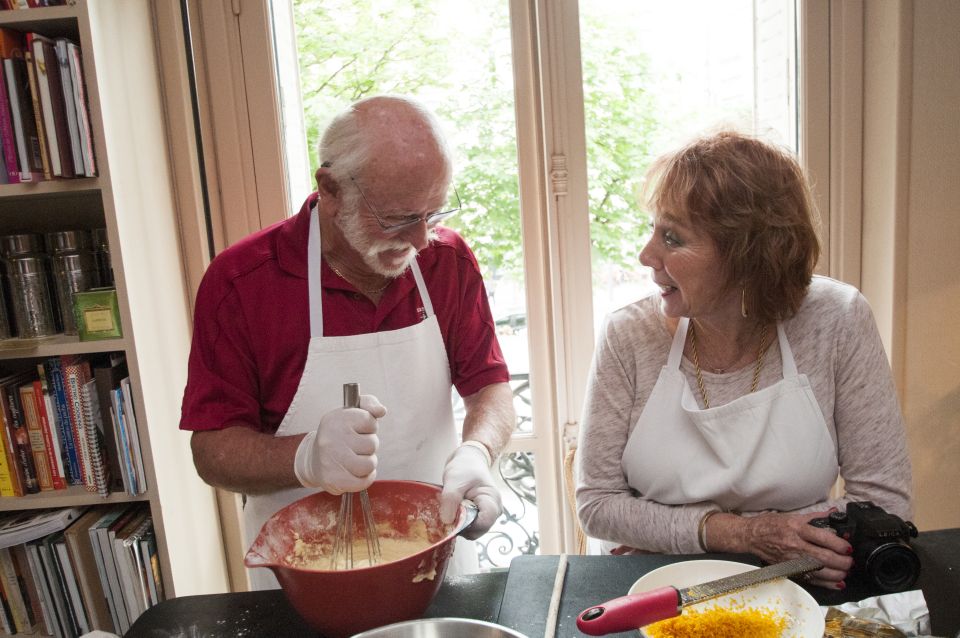
After the market, you head into the cooking part of the day for a full 3-course run. The class is scheduled as a morning experience (Tuesday to Saturday) from 09:15 to 13:45, and it’s built around a small group limited to 8 participants. That size matters more than you might think.
With a larger class, you tend to watch. With a small one, the chef can keep an eye on your technique, correct small issues, and help you troubleshoot as you cook. In reviews, people consistently praised instructors for clear instructions and for bringing everyone into the cooking flow. Even families have reported that the chef paid attention to kids and beginners without making them feel rushed.
The chef also tends to guide the work so you’re not just following steps, you’re understanding why the steps matter. That shows up in how people describe learning techniques they can take home, not only copying a plated dish.
English and French, and what that means for you
The instructor teaches in English and French. That’s helpful even if you only speak English. You’ll still get the practical teaching without needing to decode everything on your own. If you speak French, you can also pick up useful cooking words along the way.
Your 3-course menu: how it stays simple and repeatable
The goal is straightforward: you cook an entrée, a main course, and dessert, using the ingredients you selected in the market. In other words, you leave with both the food and the method. The chef’s promise (and what many people enjoyed) is that recipes are kept simple enough to remake at home.
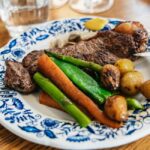
While menus can vary, some past course examples included classics like a savory starter with goat cheese, a salad with homemade dressing, a main featuring seared meat with shallots and glazed carrots, and a finish like a glazed orange cake. You shouldn’t assume you’ll get the exact same dishes, but it gives you a clear sense of the style: classic French techniques, not complicated showpieces.
You can also read our reviews of more tours and experiences in Paris
What techniques you’re likely to take home
Even without a long lecture, a good chef class teaches skills through action. Here are the kinds of techniques these menus typically require, and why you’ll care later:
- Choosing the right ingredient preparation (how fresh produce changes cooking time and flavor)
- Cooking with basic French methods like searing and sauce building, where timing matters
- Balancing savory and sweet so dessert isn’t an afterthought
- Using simple flavor logic (herbs, aromatics, acids, and sweetness in the right places)
If you’ve ever tried to recreate a restaurant dish and got stuck on why it didn’t taste the same, technique is usually the missing piece. This class is built around that.
The best part: you don’t just taste, you understand
Because the day ends with tasting and you’ve done the work yourself, you build a reference point for future cooking. You can taste and compare what you did with what you were aiming for. That’s the shortcut to getting better at home.
Tasting and sharing: the meal becomes the lesson
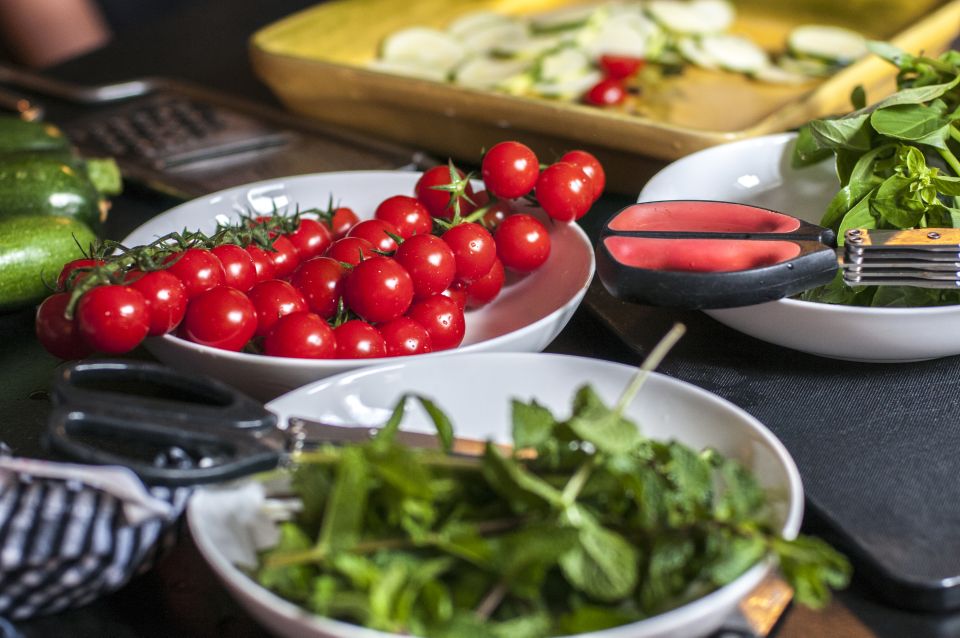
Once you finish cooking, you get to taste what you made. This is included in the experience and tied to a 2-hour cooking class and food tasting window within the total 270 minutes. That timing matters. You’re not racing to the end, and you’re not only tasting someone else’s food. You taste your own results as a group, which turns the class into a shared meal instead of a one-person project.
Reviews often mention how warm and engaging the atmosphere felt. That matters for two reasons:
- Cooking classes can be intimidating if you worry about doing it wrong.
- A relaxed group makes it easier to learn by asking questions and trying again.
At the table, the chef’s teaching style tends to keep things friendly. People have described it as inclusive, and they’ve also mentioned how chefs encouraged experimenting with flavors a bit rather than treating the recipe like a prison sentence. That mindset is what helps you cook confidently later.
Timing, duration, and the reality of a 09:15 start
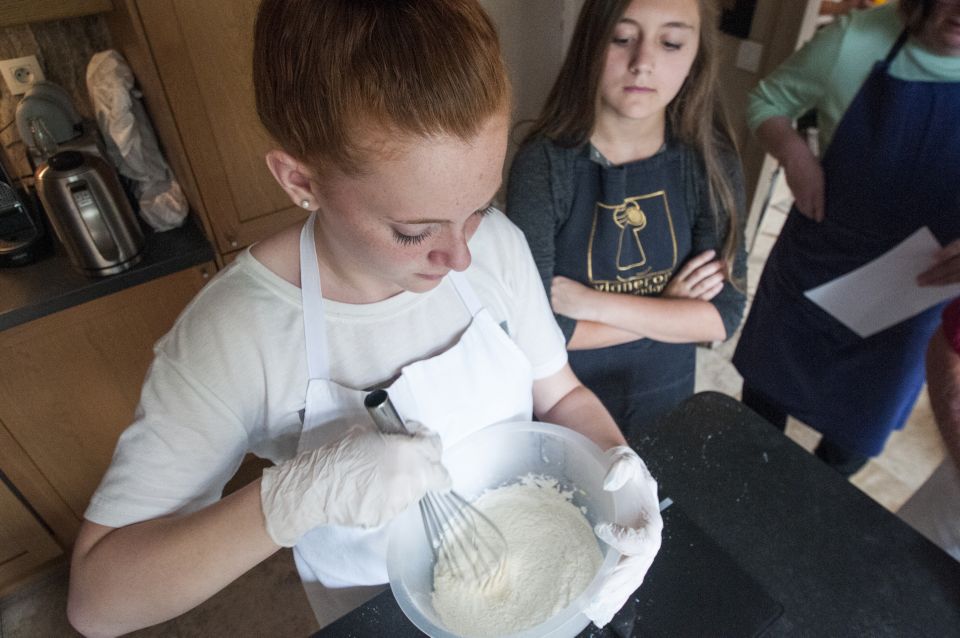
The session runs Tuesday to Saturday, starting between 09:15 and 13:45 (so plan for a full morning). You’re looking at roughly 4.5 hours total, which is a sweet spot: long enough to shop, cook, and eat, short enough that you still have the rest of the day.
Here’s how it usually feels:
- You begin with a market visit focused on ingredient selection.
- Then you move into a kitchen for the cooking portion, with steps that flow from course to course.
- Finally, you taste what you made.
Quick advice to make the day easier
- Eat something light before you go, because you’ll be cooking and then tasting.
- Bring water if you’re prone to needing it while walking.
- Expect the schedule to run like real work: start-to-finish momentum, not a slow demo.
Price and value: is $261 per person fair?
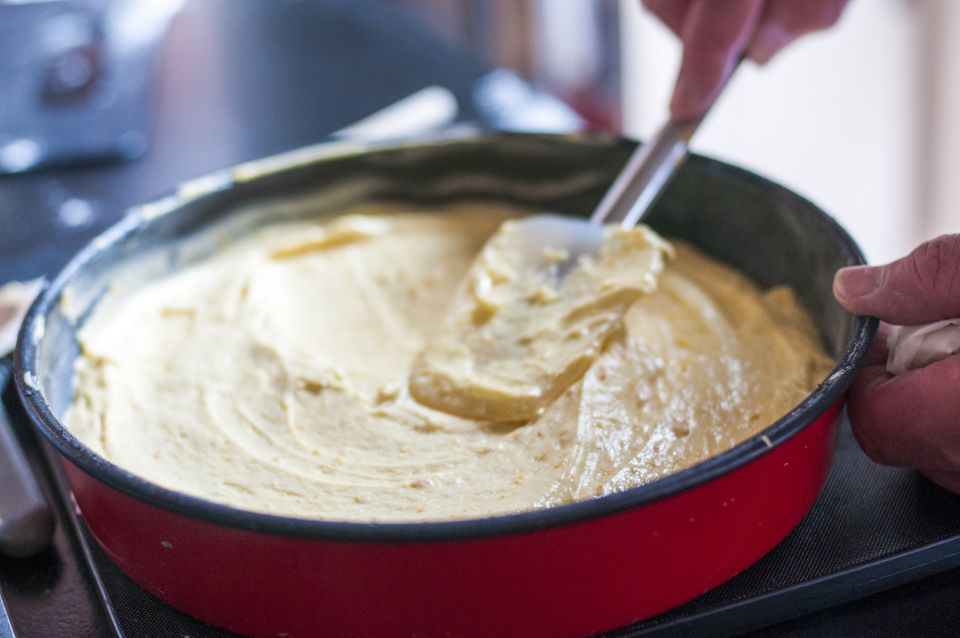
At $261 per person, this isn’t a casual add-on. It’s a structured morning with a chef, a market visit, ingredients, equipment, and a full 3-course outcome.
Here’s where the value comes from:
- You’re paying for guidance, not just food. The chef teaches you how to choose ingredients and how to cook with them.
- Ingredients and utensils are included, so you’re not adding grocery costs on top.
- You get a full meal you can’t easily replicate from a recipe alone, because you learn the technique live.
- Recipes are sent by email, which extends the value after your trip.
If you enjoy hands-on activities and want real culinary skills you can reuse, this price can feel reasonable. If you only want to watch or you’re mainly interested in eating without cooking, you’d probably get less value.
Who this is best for (and who should look elsewhere)
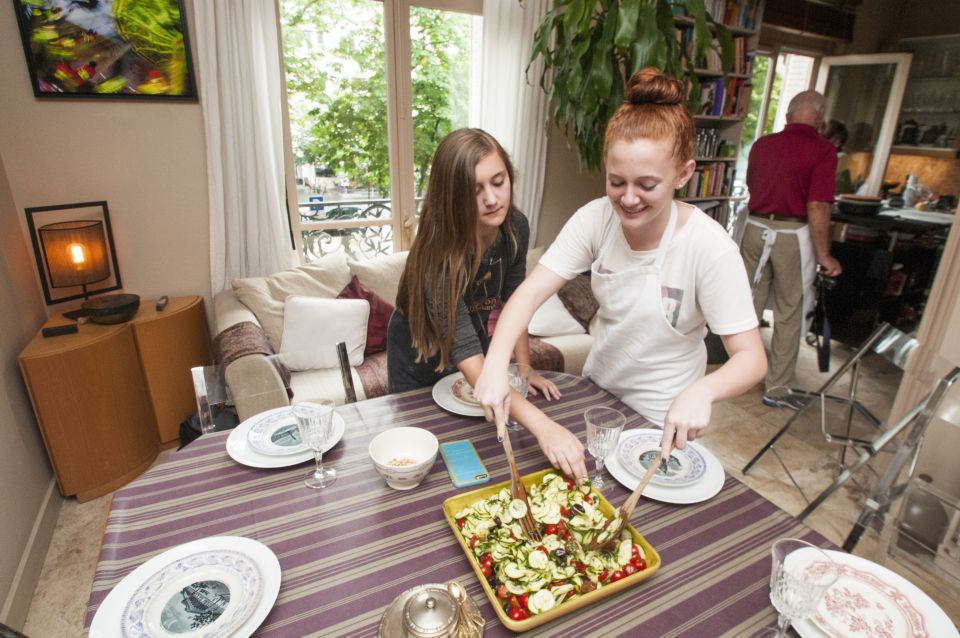
This course fits best if you want an authentic Paris-food experience that’s active, not passive.
You’ll likely love it if:
- You want to learn how to shop in a French market, not just take photos
- You enjoy cooking and want techniques that are simple enough to repeat
- You travel with a partner, friend, or small group and prefer a more personal class
It may be less ideal if:
- You need a fully customized menu based on specific dietary requirements (the menu is shaped by market ingredients)
- You’re looking for a purely sightseeing-based morning rather than cooking work
Family groups can work well too. Some participants have brought children, and the chef’s teaching style has been described as attentive and welcoming.
The details that make or break the experience
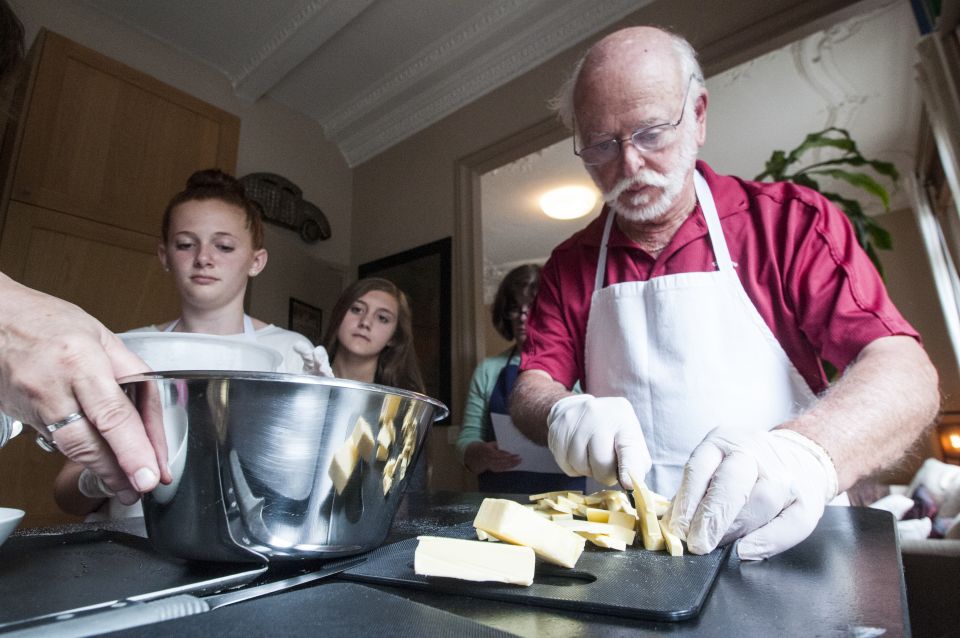
A few practical elements show up again and again in how people judge the day.
Recipes by email
You receive a copy of the recipes by email. This is the part that keeps the class useful after you return home, especially if you want to recreate the meal for friends or practice the dishes again later.
Everything provided for cooking
Ingredients, utensils, and an apron are included. That removes friction. You don’t need to bring pans, specialty tools, or worry about getting set up in someone else’s kitchen.
Meeting point communication
Your meeting point is communicated after booking and may take up to 24 hours. If you don’t hear from the supplier about a week before your visit, there’s an emergency contact number listed. Don’t ignore that window—morning classes depend on showing up on time.
Should you book this market visit and cooking class?
If your idea of a great Paris morning includes real food, a chef who explains what matters, and a hands-on meal you get to eat, I’d book it. The combination of a market walk plus cooking a full entrée, main, and dessert is the kind of value that feels practical, not touristy.
Book it especially early in your trip if you want cooking inspiration for later meals. You’ll come home with recipes, plus the habits behind them: how to choose ingredients and how to think about timing and flavor.
One last check before you go: if you have allergies or strict dietary needs, ask questions before booking so you know how the market-based menu will work for you. If that’s all set, this is a strong way to experience Paris through the way locals actually build a meal.
FAQ
How long is the market visit and cooking class?
The total duration is about 270 minutes (around 4.5 hours). The included cooking portion is a 2-hour class plus food tasting.
What time does the class run?
It runs in the morning between 09:15 and 13:45, Tuesday through Saturday. Exact starting times can vary based on availability.
How big is the group?
It’s a small group limited to 8 participants.
Are the instructions in English?
Yes. The instructor teaches in both English and French.
What will I cook during the class?
You’ll cook a full 3-course meal: an entrée, a main course, and a dessert. You’ll have the chance to taste as well as cook.
What’s included in the price?
All ingredients, utensils, and an apron are provided. You also get a 2-hour cooking class with food tasting, and you receive the recipes by email.
Where do we meet?
Your meeting point is communicated to you once your booking has been processed. If you don’t hear from the supplier up to a week before your visit, you should use the emergency contact number provided.
Can I cancel?
Yes. Free cancellation is available up to 24 hours in advance for a full refund.