REVIEW · PARIS
Guided Tour of Pastries in the Latin Quarter in Paris
Book on GetYourGuide →Operated by Yummy food tours · Bookable on GetYourGuide
A Paris pastry tour with a story beat is hard to beat. This one walks the Latin Quarter with a guide, stacking history next to serious sweets, then ending near the Panthéon. What I like most is the flexible way you can steer the flavor choices and the smooth mix of classic pastries plus lighter bites through the neighborhood.
You’ll also get that nice comfort-food feeling without getting stuck in a single shop. I’m a big fan of guided tastings that actually teach you what you’re eating, and this tour clearly aims for that with the neighborhood history and the stop-by-stop variety. One thing to plan for: it’s a lot of walking in just two hours, so comfy shoes matter.
I found the payoff practical as well as tasty: you’re not just leaving with sugar on your breath, you’re leaving with a booklet that points you toward good places to eat in Paris. If you want a focused introduction to this part of the city, it’s a smart use of time.
In This Review
- Key things that make this Latin Quarter pastry tour work
- Where the tour starts: Odéon and a green-umbrella guide
- The big idea: history plus pastry tastings, not just sugar shopping
- Stop-by-stop: how the route flows from Notre-Dame views to dessert
- Notre-Dame Cathedral viewpoint (brief sight stop)
- Local café tasting
- Local restaurant tasting
- First main bakery segment: a longer tasting stretch
- Second bakery: quicker but still meaningful
- Another restaurant tasting stop
- Local restaurant street food moment (around 15 minutes)
- Two more bakery tastings to finish strong
- Panthéon sightseeing (last sight stop) and finish
- What’s included in the tastings (and why it feels like real value)
- What to choose if you want the tour to match your taste
- The Latin Quarter atmosphere: why this neighborhood fits pastry culture
- Walking tips that keep the tour enjoyable
- Who this pastry tour suits best
- Should you book the Guided Tour of Pastries in the Latin Quarter?
- FAQ
- How long is the pastry tour?
- Where do we meet the guide?
- Where does the tour end?
- Is the tour in English?
- What food is included?
- Does the price include all tastings and drinks?
- Is hotel pickup included?
- Is the tour wheelchair accessible?
- Is the tour good if I do not want to spend all day walking?
Key things that make this Latin Quarter pastry tour work
- Odéon to the Panthéon route gives you a clear walk with strong landmarks at the start and end
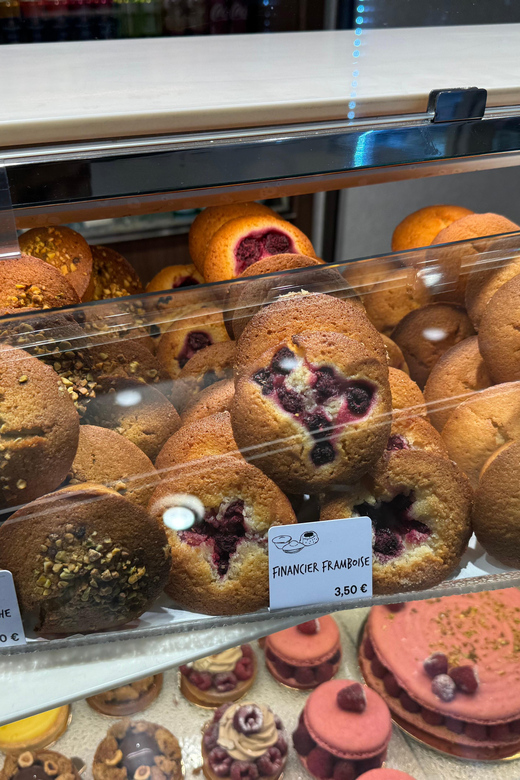
- Multiple tastings across croissants, choux pastries, éclairs, macarons, and more
- Flexible flavor choices so the stops can match your tastes
- History woven into food with a guide talking through the neighborhood
- A built-in restaurant roadmap via a booklet of recommended spots for your stay
- Lots of short stops so you keep moving and never sit waiting too long
Where the tour starts: Odéon and a green-umbrella guide
The experience kicks off at Odéon metro station (Line 4). Your guide meets you in front of the station and will be easy to spot with a green umbrella, which is a small detail that actually matters in Paris where corners and entrances can look the same fast.
This starting point is also a good choice. Odéon is central, easy to reach, and it sets you up to explore the Left Bank afterward without backtracking. If you’re trying to fit a food tour into a busy first or second day, this location reduces friction.
Also, the tour is English, which makes it feel effortless if you don’t want to hunt for English explanations on your own. And while it’s not a short, sit-down tasting, it is designed to be manageable: the total duration is two hours, with frequent stops so you’re not stuck in long stretches without snacks.
You can also read our reviews of more guided tours in Paris


The big idea: history plus pastry tastings, not just sugar shopping
What makes this tour more interesting than a simple walk into shops is the way the guide connects what you’re eating to the neighborhood around you. You’re not only sampling; you’re getting the context for why these kinds of pastries feel so tied to everyday Parisian life.
You can also feel that it’s built for flexibility. The tasting plan includes multiple categories—croissants, seasonal pastries, choux pastries, meringue pastries, crêpe, éclairs, and macarons—but the flavors themselves are handled in a way that adapts. That’s a big deal if you have preferences like buttery vs. cream-filled, or if you’re more excited by a crisp bite than a soft one.
One more practical plus: the pacing is structured. It’s not one long bakery sprint followed by one big finale. Instead, you get a rhythm of café taste, restaurant bites, bakery tastings, and even a street-food moment. That variety keeps you from feeling like you’re repeating the same flavor profile.
And yes, the sweet count is real—so plan to show up with an appetite. One of the best tips from feedback is to avoid eating too much before the tour, because you’ll be sampling plenty of different pastries.
Stop-by-stop: how the route flows from Notre-Dame views to dessert
Here’s how the walk typically unfolds, and what each part is good for.
Notre-Dame Cathedral viewpoint (brief sight stop)
Right after meeting at Odéon, the tour includes a quick Notre-Dame Cathedral sightseeing moment for about five minutes. This isn’t about a deep architectural lecture. It’s more of a visual anchor—an easy way to tie the food stops to the wider Paris scene.
Why it’s worth it: even a short sight stop helps you orient. You get that feeling of, okay, we’re in the center of the city, not off in an industrial zone.
Potential drawback: because it’s short, don’t count on this being a full Notre-Dame experience. It’s a quick photo-and-look kind of stop.
Local café tasting
Next comes a local café tasting. This is a good way to start because café pastries tend to be lighter and easy to follow with other bites later. If you’re the type who likes to ease into a food tour, this opening stop does that.
What to watch for: pay attention to the textures. A lot of French pastry pleasure is in contrasts—crisp outside vs. soft inside, eggy richness vs. butteriness, or subtle sweetness vs. sharp flavor.
You can also read our reviews of more tours and experiences in Paris


Local restaurant tasting
Then you move to a local restaurant for another tasting. This stop shifts the experience slightly from bakery-focused to broader food culture—think of it as building the context for how pastries fit into a meal, not only how they fit on a display case.
Value for you: restaurants usually give a better sense of what’s typical for locals, not just tourist-friendly items.
Possible consideration: if you’re sensitive to very sweet flavors, lean into the guide’s flexibility here and choose something that matches your comfort zone.
First main bakery segment: a longer tasting stretch
You’ll hit a local bakery for about 15 minutes. This longer segment matters because it gives you time to learn what you’re actually ordering and why these pastries are treated as a real skill.
This is where categories like choux pastries and other delicate styles often shine. The timing also helps you slow down for a bit in the middle of the tour.
Practical tip: during these bakery stretches, it helps to take a quick note in your head of what you liked most. Later, when you’re deciding what to seek out on your own, that memory becomes your shortcut.
Second bakery: quicker but still meaningful
After that, another local bakery tasting around 10 minutes keeps momentum. This prevents the tour from feeling repetitive. You’ll likely notice differences between shops even when the pastry family sounds similar.
If you love comparing quality, this is one of the strengths of the format: you’re not judging a single purchase in isolation. You’re sampling across different places.
Another restaurant tasting stop
Then it’s back to a local restaurant for another tasting. This is the mid-tour balancing act. After multiple bakery bites, a restaurant stop can feel like a palate reset.
This part is also a good moment to ask the guide questions about what you should look for later in your Paris trip. The tour includes a booklet with good restaurants for your stay, so you’ll be able to turn the guide’s commentary into an action plan.
Local restaurant street food moment (around 15 minutes)
One stop includes street food for about 15 minutes. This is where the tour shifts from neat pastry counter culture to something more casual and immediate.
Why it’s useful: street food stops you from thinking that the whole Latin Quarter is only for formal cafés. You get a feel for what people grab and eat without turning it into an event.
Consideration: street food can be messier. If you’re wearing lighter clothing, be ready for a bit of sticky sugar and napkin use.
Two more bakery tastings to finish strong
Finally, you’ll move through additional local bakery tastings of about 10 minutes each. Two bakery stops close to the end are smart because they let you finish with favorites rather than burning out before the final sightseeing.
This is usually where more showpiece items like éclairs and meringue pastries can land well, alongside something lighter like crêpe or a cookie-style seasonal pastry. And yes, macarons often appear in a setup like this because they’re portion-friendly and easy to compare.
Panthéon sightseeing (last sight stop) and finish
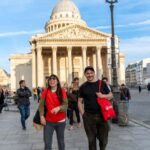
The tour wraps with Panthéon sightseeing for about five minutes, then it ends at the Panthéon itself.
Why this ending point is convenient: you can immediately keep exploring. Panthéon is a strong landmark, and from there you can branch out into nearby streets without feeling trapped in a transit loop.
Potential downside: since the tour ends after a short sight stop, plan your next activity with enough buffer if you want photos or to slow down for a second look.
What’s included in the tastings (and why it feels like real value)
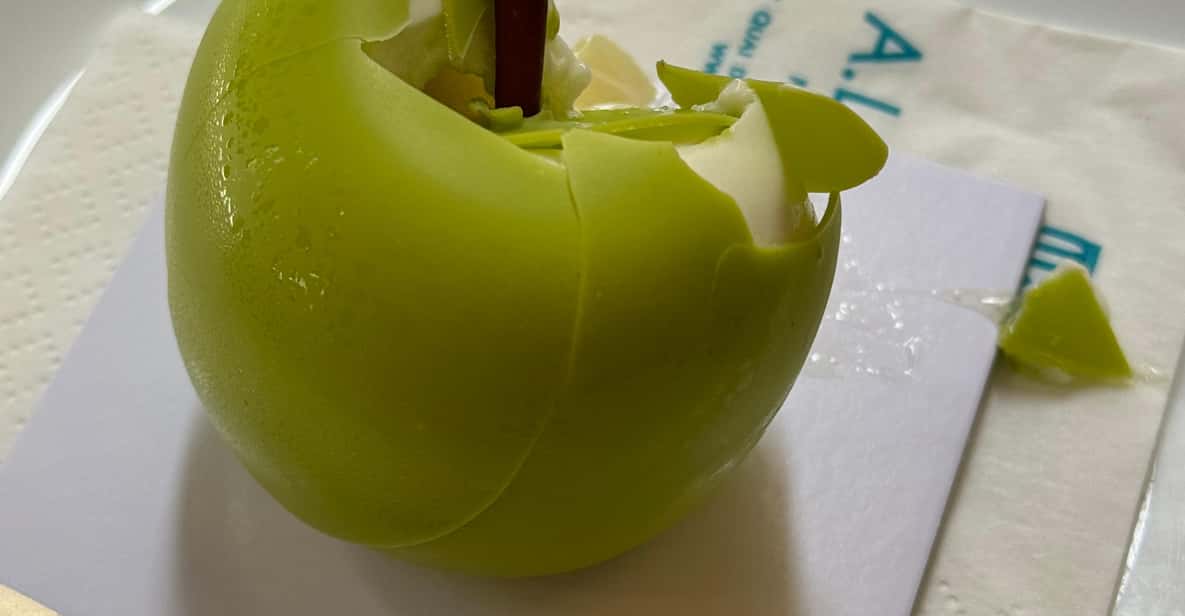
The included food is a core part of the price value. You’ll get tastings like croissants, seasonal pastries, choux pastries, meringue pastries, crêpe, éclairs, and macarons.
A lot of food tours oversell “one pastry plus a walk.” This one stacks multiple pastry categories in a two-hour window. Even if you don’t love every single style, the variety helps you identify what you actually want to chase later.
Also, you’re not just buying sugar. You’re paying for:
- the guide’s time and neighborhood knowledge
- the structured route with multiple stops
- the tasting variety that would be harder to replicate on your own in the same order
- the booklet of recommended restaurants for the rest of your trip
Add in the fact that the guide includes accompanying drinks in the experience, based on feedback you can treat as a positive sign for the tour’s “all-in” feel. (If drinks matter for you, this is a reassuring detail.)
What to choose if you want the tour to match your taste
Because the flavor choices are extremely flexible, you can steer toward what you like most. If you love classic butter-and-crisp textures, lean into croissants and similar pastries early. If you prefer lighter sweetness, pick choices that don’t overwhelm you and save your biggest cravings for later bakery stops.
If you’re trying to keep it from becoming too much sugar, I’d prioritize your top two pastry categories and then treat everything else as a bonus.
The Latin Quarter atmosphere: why this neighborhood fits pastry culture
This part of Paris feels made for food tours. The streets around Odéon and the walk toward the Panthéon move through an area known for its mix of local life and student energy, which usually means more independent shops and a steady flow of everyday eating.
That matters because a guided tour isn’t only about taste. It’s also about the sense of place: you’re learning how Parisian neighborhoods actually eat and snack, not only what’s popular in a postcard.
And since you’re getting a short history thread through the stops, you leave with more than a list of what you tasted. You leave with a mental map of the kind of food you’re likely to find nearby in the days after the tour.
Walking tips that keep the tour enjoyable
It’s two hours, but it’s still a proper walk. The advice is simple: wear comfortable clothes and shoes. Paris streets can be uneven, and pastry tours tend to move at a steady pace between short tasting windows.
A few practical things I recommend:
- Show up ready to snack. One of the strongest tips from feedback is not to eat too much beforehand.
- Bring a small bag for napkins, receipts, or anything sticky. You don’t want to hunt for trash mid-bite.
- If you’re taking photos, do it between stops, not during the handoff at counters.
If you’re sensitive to long standing, choose the pace you can handle and let the guide know you may take a moment during transitions.
Who this pastry tour suits best
This is a great fit if you:
- Want a quick, guided way to taste a lot of French pastry styles
- Like the idea of mixing food with neighborhood context
- Prefer guided flexibility over rigid tasting menus
- Want a plan for where to eat next, thanks to the included restaurant booklet
It also works well for couples, solo travelers, and small groups who want to learn without getting stuck doing everything alone.
If your goal is a deep dive into pastry technique with long explanations, you might find the two-hour structure a bit fast. But if your goal is a satisfying, well-rounded intro to the Latin Quarter food scene, this format is exactly the point.
Should you book the Guided Tour of Pastries in the Latin Quarter?
If $165 feels like a splurge, look at what you’re actually getting: multiple tastings across major pastry types, a guided route from Odéon to the Panthéon, and a booklet that helps you keep eating well after the tour ends. For many people, that’s the difference between buying a couple of desserts and building a real food plan for Paris.
I’d book it if you’re hungry for variety and you want something more meaningful than a random bakery hop. I’d think twice only if you hate walking or you know you get overwhelmed by lots of sweets in a short time—because this tour is built to deliver more than one bite.
In short: if you want a fun, structured taste of Paris with a guide who handles both the history thread and the food stops, this one is a strong choice.
FAQ
How long is the pastry tour?
The tour lasts 2 hours.
Where do we meet the guide?
You meet in front of Odéon metro station on Line 4. The guide waits for you with a green umbrella.
Where does the tour end?
The tour ends at the Panthéon, after a short sightseeing moment.
Is the tour in English?
Yes, the live tour guide speaks English.
What food is included?
Food tastings included can include croissants, seasonal pastries, choux pastries, meringue pastries, crêpe, éclairs, and macarons.
Does the price include all tastings and drinks?
The tour includes the food provided at each stop. Feedback also indicates that accompanying drinks are included.
Is hotel pickup included?
No, hotel pick-ups are not included.
Is the tour wheelchair accessible?
Yes, the tour is wheelchair accessible.
Is the tour good if I do not want to spend all day walking?
It includes a lot of walking in a short time, so comfortable shoes are important, and you’ll want to be ready for an active 2 hours.