Paris’s Marais has layers you can walk through. This small-group tour connects Jewish Paris, the LGBTQIA+ story, and medieval architecture with quick stops you can actually see on foot.
I especially like the way the guide threads modern street life to older stone—think Hôtel de Ville, Saint Gervais, and the clever side streets around Rue des Rosiers. And I love the food moment: you’re treated to a merveilleux pastry stop that keeps the tour from feeling like a lecture.
One thing to weigh: you’ll cover about 2 km, so plan comfy shoes and some patience for a steady walking pace for roughly two hours.
Key points at a glance
- Small group (max 12) or private tour, so questions don’t get lost.
- Jewish Quarter focus on Rue des Rosiers, with culture-and-food context, not just storefront hopping.
- Saint Gervais church stop for a close look at a standout piece of Paris architecture.
- Street art and landmarks around Hôtel de Ville and the Pompidou area for a modern-meets-old feel.
- A pastry included (a merveilleux), with drinks and extra food left to you.
In This Review
- Why This Marais Walk Feels Personal (Not Just Sightseeing)
- Price and Value: What $56 Covers in 2 Hours
- Starting Near Pompidou: Getting Oriented Fast
- Centre Pompidou to Le Marais: Street Art, Major Landmarks, and a Sense of Place
- Hôtel de Ville and the Stravinsky Fountain Area: Paris That’s Fun to Walk Through
- Saint Gervais Church: Architecture You Can See Up Close
- Rue des Rosiers: Jewish Quarter Culture and the Meaning Behind the Street
- The Merveilleux Pastry Stop: A Sweet Reset (And a Real Paris Treat)
- Place des Vosges: Victor Hugo’s Square and the Walk’s Best Photo Window
- Place de la Bastille Wrap-Up: Revolution Streets and a Good Place to Reflect
- Pacing, Walking Distance, and What to Bring
- Who This Tour Is Best For (And Who Might Skip It)
- Should You Book This Marais Tour?
- FAQ
- How long is the Marais walking tour?
- Where does the tour start?
- How much walking is involved?
- Is the tour small-group or private?
- What’s included in the price?
- Is there food or drinks beyond the pastry?
- Is it suitable for vegetarians or for lactose-free/gluten-free/vegan diets?
- What should I bring?
- Is the tour child-friendly and what cancellation options are there?
- Is the tour carbon neutral?
Why This Marais Walk Feels Personal (Not Just Sightseeing)
The Marais is the kind of neighborhood where history isn’t sealed behind ropes. It’s on street corners, in shopfronts, in places of worship, and in the way people use the public spaces.
What makes this tour worth your time is the mix of three stories you might not notice if you walk it solo: old Paris, Jewish Paris, and the LGBTQIA+ community that has shaped how this area feels today. You get landmarks like Saint Gervais and Place des Vosges, but you also get context for streets like Rue des Rosiers, where food, identity, and community overlap in a way that’s very Paris.
I also like that the tour doesn’t pretend the Marais is one single vibe. It moves from art and architecture to church to pastry to neighborhood culture—so you finish with a sense of the area’s personality, not just a stack of facts.
Price and Value: What $56 Covers in 2 Hours
At $56 per person for a two-hour walk, the real value is in what’s included: a local English-speaking guide and a pastry stop. That pastry matters more than it sounds. It’s your break, your reset, and it keeps the pacing friendly for most people.
You also get a structured route across several major “anchor” places—Pompidou area, Hôtel de Ville, Saint Gervais, Rue des Rosiers, Place des Vosges, and Place de la Bastille. Walking between them on your own is easy, but having someone point out the why behind each stop saves you time and helps you understand what you’re looking at.
Two practical considerations for value:
- Drinks and extra food are not included, so if you love the idea of a long café stop, budget for it.
- Food choices are limited by the pastry and what the tour provides; it’s not set up for every dietary need.
You can also read our reviews of more historical tours in Paris


Starting Near Pompidou: Getting Oriented Fast
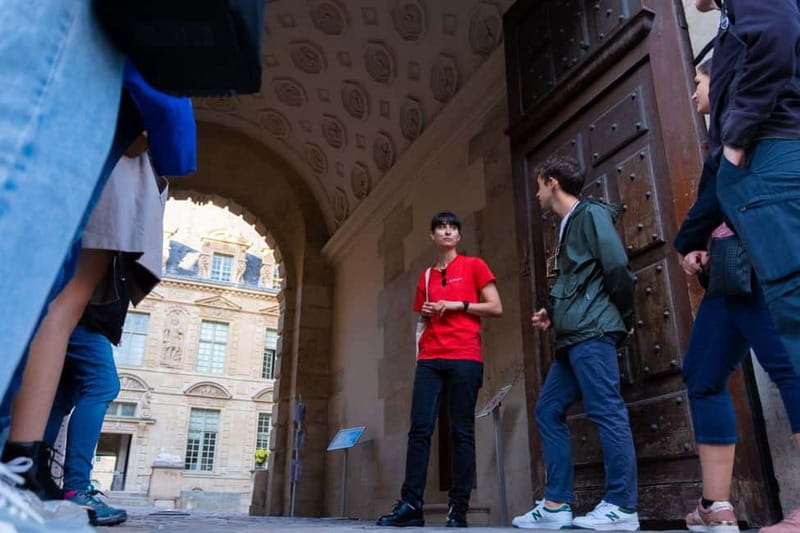
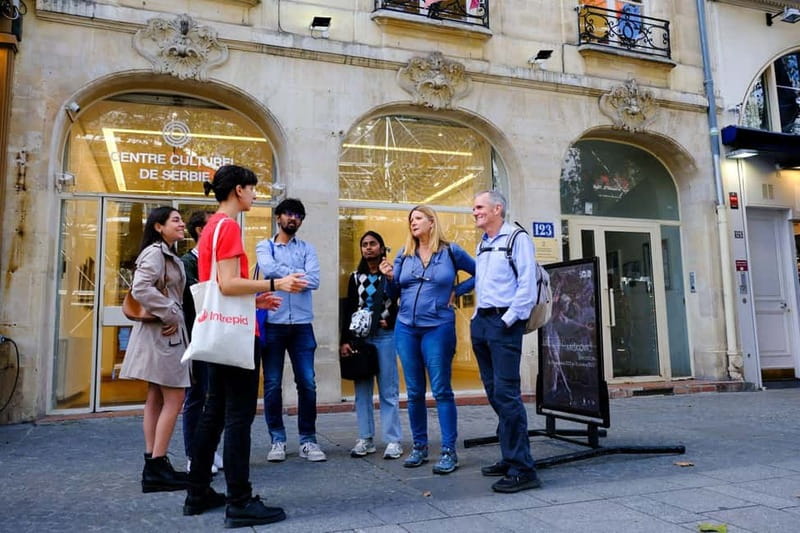
The tour starts near the Pompidou Center, specifically opposite it by the Centre Culturel de Serbie. Your guide will be holding a sign with the partner name, which makes meeting up straightforward as long as you arrive a few minutes early.
From there, you’ll spend time getting your bearings in the surrounding area before the route settles fully into the Marais. This is smart for first-timers. The Marais can feel like a maze on day one. A guided opener helps you recognize the “route logic” quickly—what streets connect, where the big landmarks sit, and how the neighborhood shifts in character as you move.
Also: bring an umbrella if rain is in the forecast. The walking is outdoors, and the stops aren’t designed to shelter you for long.
Centre Pompidou to Le Marais: Street Art, Major Landmarks, and a Sense of Place
One of the tour’s early wins is how it eases you from a landmark-heavy area into the tighter, older-feeling streets of the Marais.
You’ll get a short guided moment near Centre Pompidou (about 10 minutes), then move into Le Marais proper for sightseeing. Expect the guide to point out details you’d miss if you were just scanning for photos: the way the modern city presses up against older architecture, and how public art and street culture fit into the neighborhood’s timeline.
If you like street-level creativity, you’ll probably enjoy this section the most. Several guides leading this route (including names like Camila and Mitch in past groups) are known for making the walk feel like a friendly scavenger hunt—especially when it comes to street art and small visual surprises.
Hôtel de Ville and the Stravinsky Fountain Area: Paris That’s Fun to Walk Through
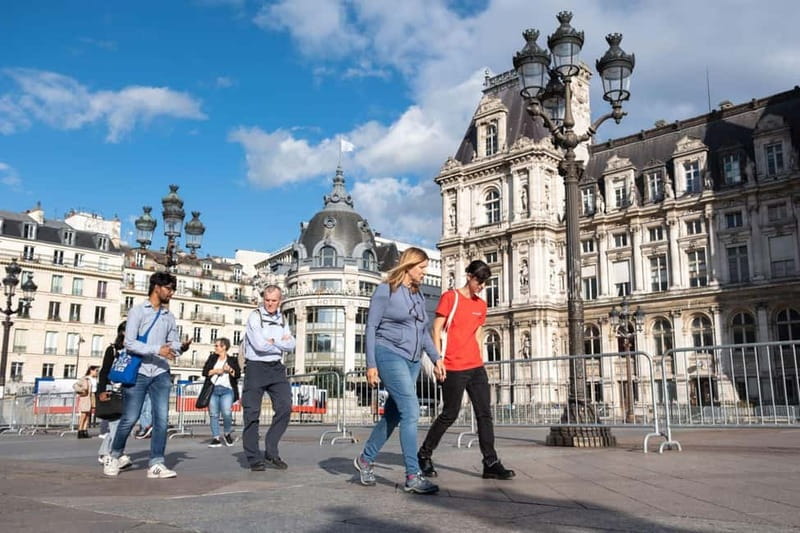
From Le Marais you’ll head toward Hôtel de Ville, with a sightseeing stretch that also connects with the area around the Stravinsky Fountain. Even if you’ve heard of the fountain, don’t rush past it. It’s part of what makes this neighborhood interesting right now: Paris isn’t stuck in a postcard. It keeps layering new meanings on top of old stone.
Hôtel de Ville is a major civic symbol, and the tour uses it well. The guide’s goal here isn’t to recite a timeline. It’s to show you how this part of the city works as a stage—where people gather, where major events historically mattered, and where modern life keeps moving.
Saint Gervais Church: Architecture You Can See Up Close
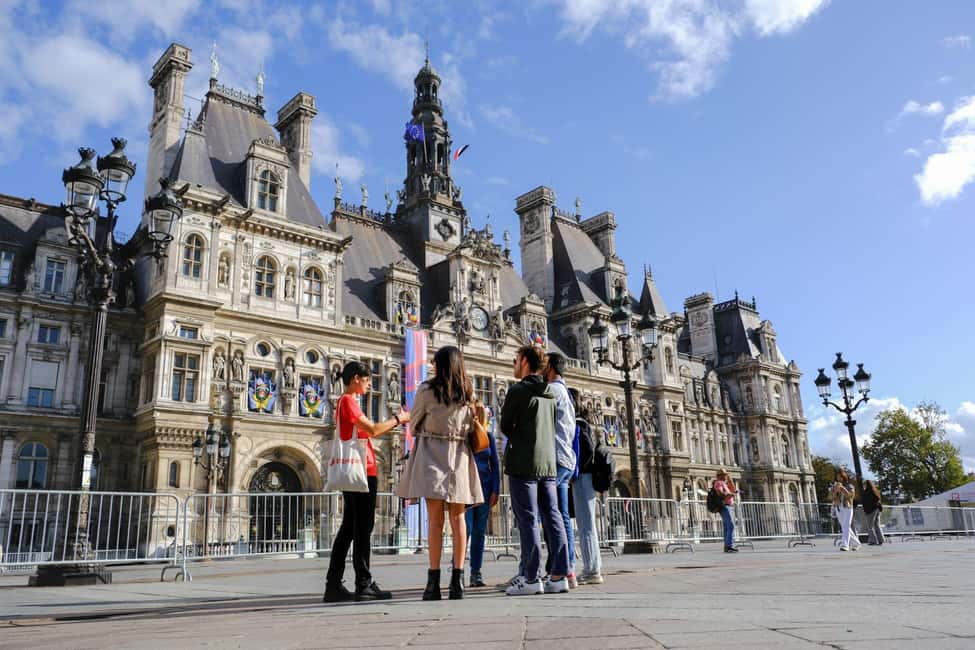
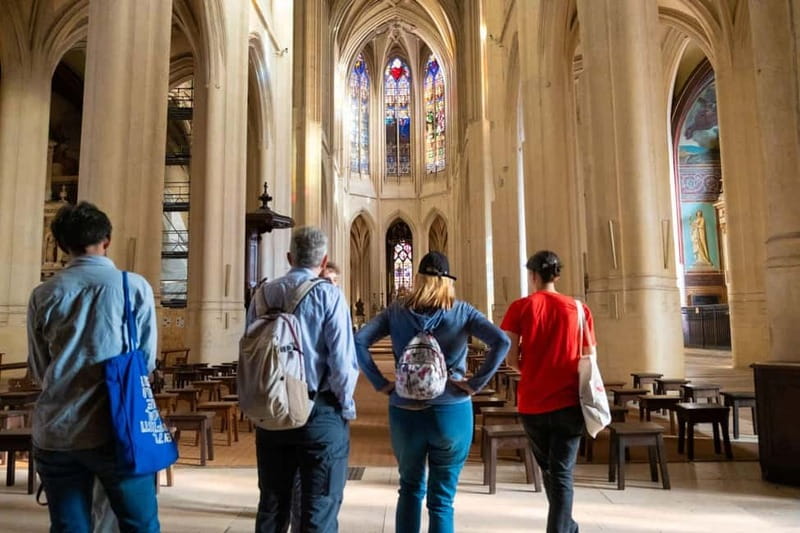
This is one of the strongest “stop-and-look” moments on the route: Saint Gervais Church.
You’ll have time to step in and actually take in the building, not just walk past it. The tour frames the church’s significance and links it to the wider story of the Marais, including how older Paris has survived through waves of change.
Why this works as a walking-tour highlight:
- Churches are one of the best ways to understand European city design because they shape the street layout around them.
- Saint Gervais gives you a payoff after earlier stops, so the pacing feels balanced: modern hints first, then an older anchor with serious presence.






Rue des Rosiers: Jewish Quarter Culture and the Meaning Behind the Street
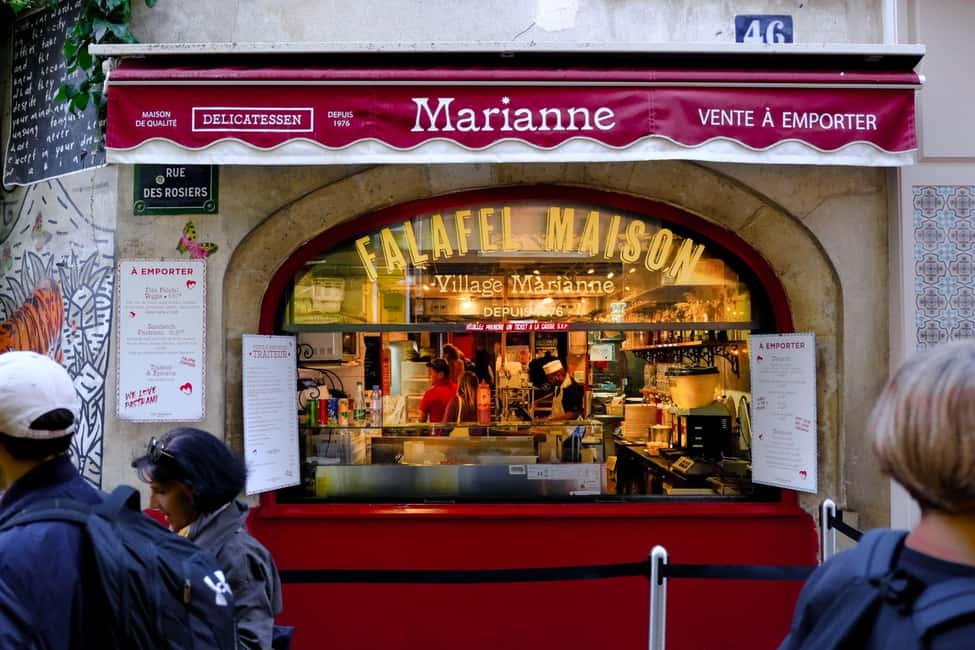
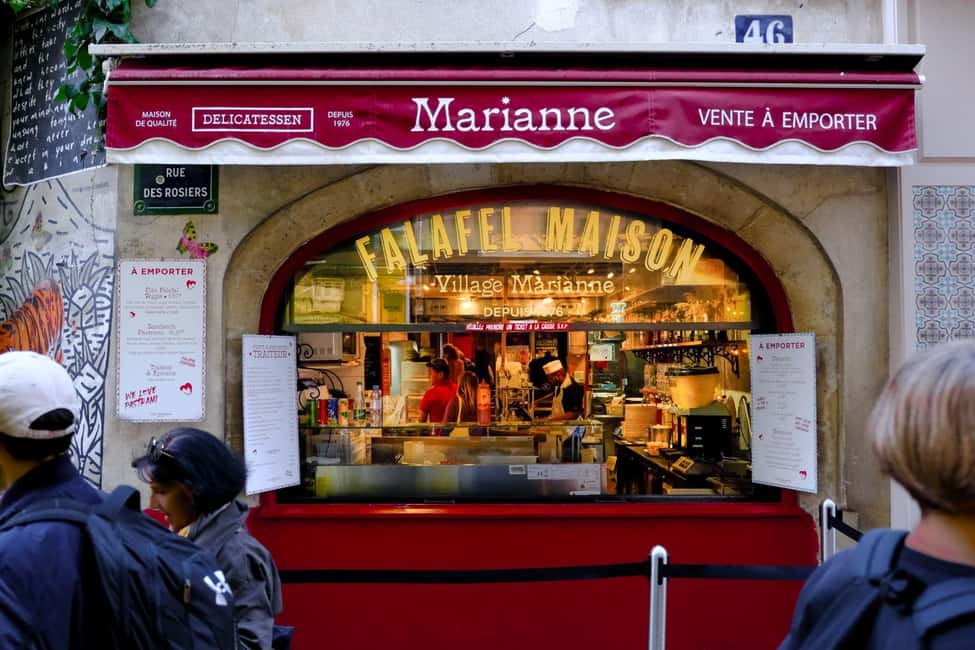
Next comes Rue des Rosiers, the heart of the Jewish Quarter. This isn’t treated like a shopping street where you just grab food and move on. The tour gives you the cultural context for why this street matters and how community traditions shaped the area.
You’ll learn about the Jewish community’s influence as you walk. The route naturally pairs that with the kind of food experience that Rue des Rosiers is famous for—falafel is mentioned as part of the local food scene you’ll encounter in this area.
This is also a great segment if you like asking questions. A good guide can explain the neighborhood’s layers in plain language. Some guides on this route (like Paloma and Laure in past groups) are especially praised for making the history feel like it connects to daily life, not something locked in a book.
The Merveilleux Pastry Stop: A Sweet Reset (And a Real Paris Treat)
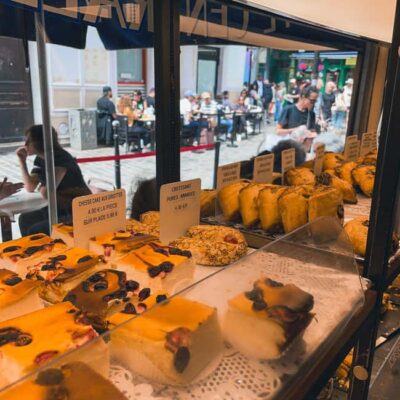
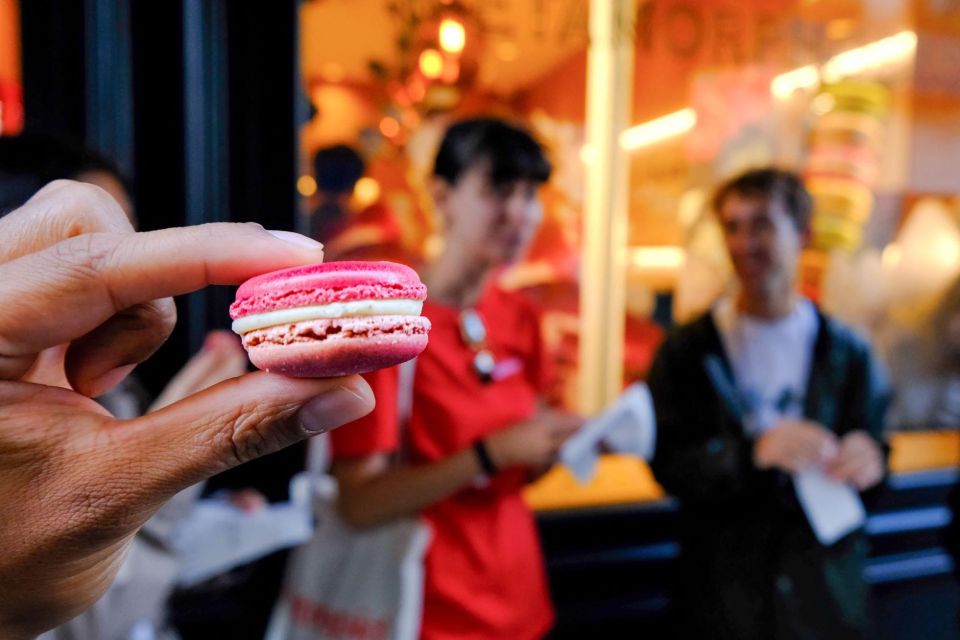
Yes, you’ll eat on this walk. You’re set up for a merveilleux—a meringue-based French pastry. This is the tour’s built-in palate break, and it’s timed so you don’t feel like you’re stopping every ten minutes, but you also don’t burn out before the big landmarks.
A merveilleux is light compared to some heavier pastries, which helps if you’re walking a few kilometers and want something fun rather than a full meal.
One caution: the tour is suitable for vegetarians, but it’s not designed for lactose-free, gluten-free, or vegan diets. If those matter to you, plan to either skip the included pastry or bring your own snack (and check with the guide on the day).
Place des Vosges: Victor Hugo’s Square and the Walk’s Best Photo Window
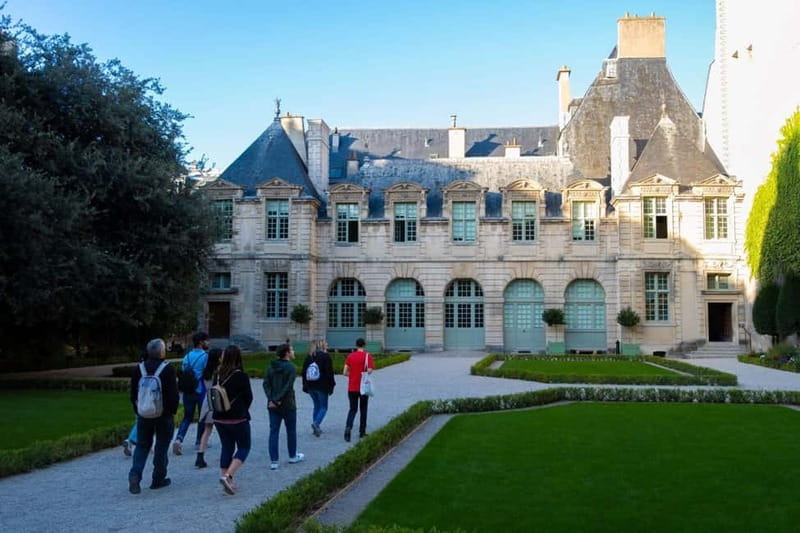
After Rue des Rosiers, you head to Place des Vosges, with sightseeing time that’s short but meaningful. This is one of those squares where everything feels intentional: symmetry, calm corners, and a sense of “old Paris” that’s easy to appreciate after the busy street textures of earlier stops.
Victor Hugo is tied to this square, and the guide uses that anchor to add story without turning it into a lecture.
If you want practical photo advice: take your photos here even if you think you’ve already hit enough landmarks. Place des Vosges is one of the few stops where the space itself helps your pictures look like “Paris in a movie” rather than just “I took a photo in Paris.”
Place de la Bastille Wrap-Up: Revolution Streets and a Good Place to Reflect
The final longer stop is Place de la Bastille, with about 30 minutes allocated for sightseeing. This is a fitting ending because Bastille connects to major French Revolution history, and it’s a location that feels bigger than the smaller medieval lanes you’ve been walking.
It also gives you options after the tour. The information you’ll get on the walk points out that this area is good for grabbing a drink at a local bar, which is perfect because it turns the finish into a mini plan instead of sending you back with no next step.
Pacing, Walking Distance, and What to Bring
This is a 2-hour walking tour covering about 2 km (about 1.2 miles). That’s not a long hike, but it’s enough distance that shoe choice matters.
Bring:
- Comfortable shoes
- Umbrella (if weather is iffy)
What to expect from the pacing:
- The tour includes multiple short sightseeing blocks, so you won’t be stuck walking in silence.
- A small group size keeps the flow smooth, and the guide can adjust if someone needs a slower pace.
Also, this tour is child-friendly. If you’re traveling with kids, you’ll likely appreciate that it’s not an all-day slog, but it still hits meaningful Paris landmarks.
Who This Tour Is Best For (And Who Might Skip It)
You’ll enjoy this tour most if you want a Marais experience that’s more than photos and quick stops.
This is a strong match for:
- First-time visitors who want a guided route with context
- People who like cultural stories—especially Jewish Quarter and LGBTQIA+ history
- Food lovers who appreciate one included pastry stop
- Travelers who value small-group attention (max 12)
You might skip or plan carefully if:
- You need lactose-free, gluten-free, or vegan options; the included food isn’t built for those diets.
- You want a full meal or drinks included. Drinks and additional food aren’t part of the standard inclusions.
- You dislike walking. Two kilometers is manageable, but it still counts as walking.
If you’re booking a private tour, you can also aim for a version where your interests get more attention. That’s the kind of flexibility that makes the Marais feel personal instead of rushed.
Should You Book This Marais Tour?
Book it if you want a structured, human-scale way to understand the Marais’s layers in a couple of hours. The combination of major landmarks (Hôtel de Ville, Saint Gervais, Place des Vosges, Bastille), neighborhood storytelling (Rue des Rosiers), and a real Paris pastry stop makes it good value for $56—especially with a small group.
Hold off if your priority is a long food crawl or if you need strict dietary accommodations. In those cases, you’ll spend energy figuring out substitutions, and the tour’s included food is limited.
My practical tip: if food restrictions matter, message ahead and ask how they handle the included pastry. Then you’ll enjoy the walk instead of worrying about what you can eat.
FAQ
How long is the Marais walking tour?
It lasts about 2 hours.
Where does the tour start?
The meeting point is opposite the Pompidou Center by the Centre Culturel de Serbie. The guide holds a sign with the local partner’s name.
How much walking is involved?
The tour covers about 2 km (around 1.2 miles).
Is the tour small-group or private?
Both are available. It’s designed for a small group with a maximum of 12 people, and a private group option is also offered.
What’s included in the price?
A local English-speaking guide, the walking tour itself, and a pastry are included.
Is there food or drinks beyond the pastry?
Drinks and additional food are not included. You’ll have the included pastry stop during the tour.
Is it suitable for vegetarians or for lactose-free/gluten-free/vegan diets?
It’s suitable for vegetarians, but it’s unfortunately not for lactose-free, gluten-free, or vegan customers.
What should I bring?
Wear comfortable shoes and bring an umbrella.
Is the tour child-friendly and what cancellation options are there?
It’s child-friendly. Free cancellation is available up to 24 hours in advance for a full refund.
Is the tour carbon neutral?
The tour is described as carbon neutral and operated by a B Corp-certified company committed to using travel as a force for good.