REVIEW · PARIS
Paris: Dark History and Ghostly Guided Walking Tour
Book on GetYourGuide →Operated by Irreplaceable Tours · Bookable on GetYourGuide
Paris turns eerie after dark.
This 2-hour dark history and ghost-themed walk threads together public executions, Templar connections, and haunting stories tied to famous central landmarks. I especially like the way the tour starts at the execution-linked meeting point (it gives you the emotional context fast) and how the Notre-Dame exterior becomes a “look closer” moment for symbols and malevolent beings. One drawback: if you want a gentle, family-friendly stroll, this leans into grim real-world punishment and scary legend.
The best part is that it feels like a guided walk through the city’s spine, not a lecture from behind a screen. You’ll hear an ongoing mix of spooky lore, cursed-location origin talk, and a final vampire story, with guides such as Morgan, Dora, Katherine, Catherine, Leo, Joris, Jaed, and Jade showing different storytelling styles across the same core route. I’d plan for the pace to feel brisk at times, since the guide has a lot to cover in a short window and the tour runs rain or shine.
The practical side is simple: you meet near central Paris (closest metro is Hotel-de-Ville, Cité) and you’ll want comfortable shoes and an umbrella. Start times can vary, and you may begin either at Rue d’Arcole or near Notre-Dame, depending on the option for that evening.
In This Review
- Key things you’ll notice fast
- Entering the right mood: executions, symbols, and story-driven Paris
- Where you’ll start near Hotel-de-Ville and Cité
- Pont Neuf: the walking-tour anchor for central Paris lore
- Conciergerie area: crime, punishment, and why the stories stick
- Notre-Dame exterior: demons, symbols, and the art of looking closer
- Templars, cursed locations, and the vampire finish
- Haunted theater and the roaming poet story
- Opera House fire ghost: injury, memory, and the city’s second life
- Price and value: what $35 buys in a short, guided night
- Who this tour suits best (and who should think twice)
- Should you book this dark history and ghostly walking tour?
- FAQ
- How long is the Paris Dark History and Ghostly Guided Walking Tour?
- How much does the tour cost?
- Where do I meet the guide?
- Does the tour include hotel pickup or drop-off?
- What language is the guide speaking?
- Will the tour run in bad weather?
- What should I bring for the walk?
- Is it a private tour or shared tour?
- What is the cancellation policy?
- Is this tour suitable if I’m sensitive to disturbing stories?
Key things you’ll notice fast
- A strong “dark history” spine: the stories are heavier on crime, punishment, and grim episodes than on pure ghost scares.
- Notre-Dame, but on the outside: you spend time spotting symbols and lore around the cathedral exterior, not just walking by.
- Central Paris in a compact loop: Pont Neuf and the Conciergerie area anchor the walk while the guide keeps the theme moving.
- Haunted-theater and Opera House lore: you get both poet and performance-ghost stories tied to Paris’s cultural legends.
- A lively guide-led format: expect Q&A and some group interaction, with a storytelling style that keeps energy up.
- Short but packed: two hours is enough to feel the atmosphere without eating a whole evening.
Entering the right mood: executions, symbols, and story-driven Paris
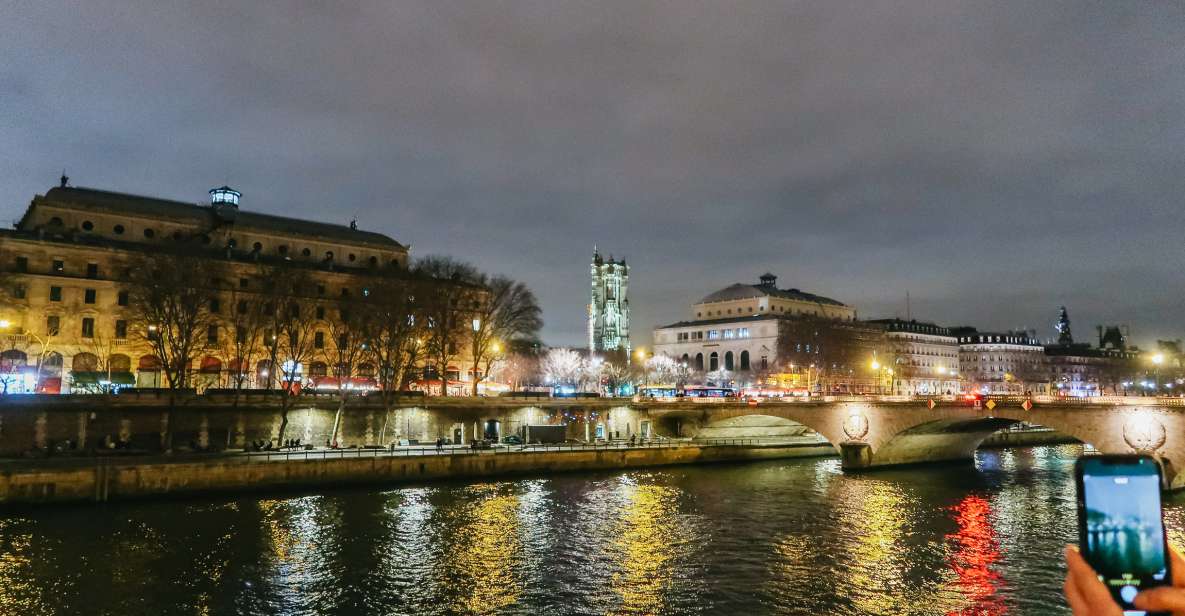
This tour works because it doesn’t treat Paris like a postcard. It treats the city like a layered crime scene, where places you already recognize have older meanings you’ve probably never been taught to look for.
You start by meeting at a site connected to public executions, which matters. It frames the rest of the night: cruel punishments, the idea that guilt wasn’t always deserved, and how the city’s justice system (and its public theater) shaped public memory. From there, the guide switches gears into paranormal storytelling: restless spirits, lingering legends, and the way fear turns into folklore.
The tone is spooky, but it’s not random horror. The guide ties the scary parts to specific locations and to symbols people claim to spot. If you like history that makes you uncomfortable in a useful way, this hits the mark. If you hate gore and heavy true-crime energy, you might find some moments too intense, even though the overall presentation is kept respectful.
You can also read our reviews of more walking tours in Paris



Where you’ll start near Hotel-de-Ville and Cité
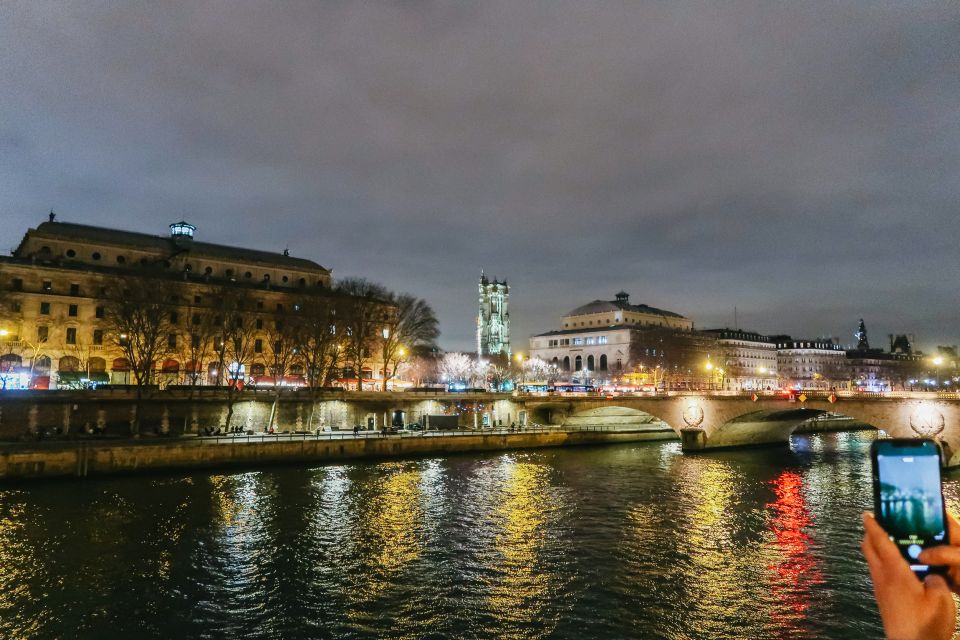
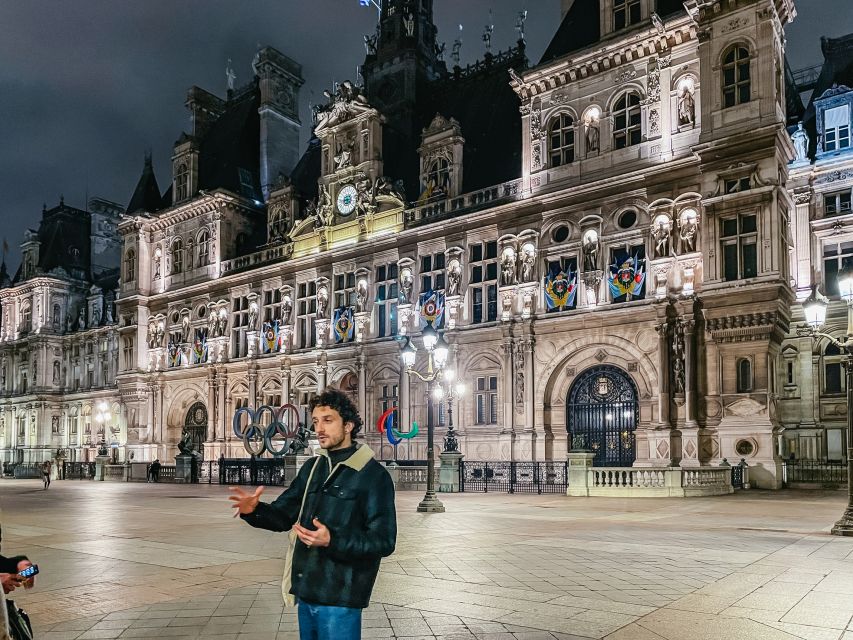
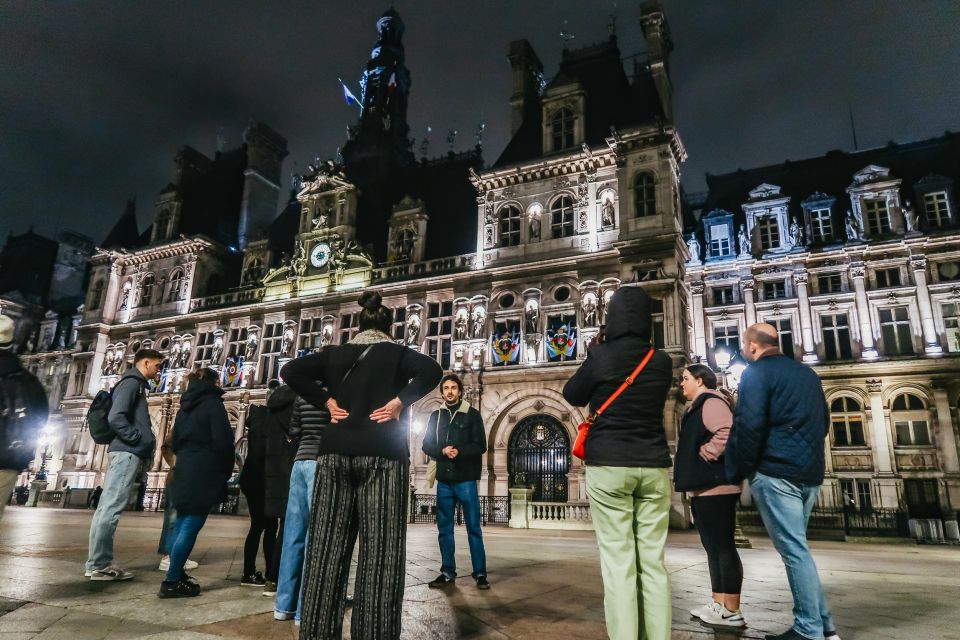
You meet at 1 rue d’Arcole, with the nearest metro stop listed as Hotel-de-Ville, Cité. That’s a convenient base for evening walking because you’re already in the historic core where most sights cluster.
There are also two starting options depending on the schedule: either at 1 rue d’Arcole or near Notre-Dame Cathedral. Either way, the guide keeps the story line moving through the center, and the tour ends back at the rue d’Arcole area. Practically, this is nice because you avoid that “where do we end up” stress.
Bring the basics. The tour runs rain or shine, so you’ll want an umbrella and shoes that won’t slip on wet sidewalks. It’s a walking tour, so you should also dress for evening cool in Paris. Even if the temperature feels mild earlier, night wind can cut fast along the Seine.
Pont Neuf: the walking-tour anchor for central Paris lore
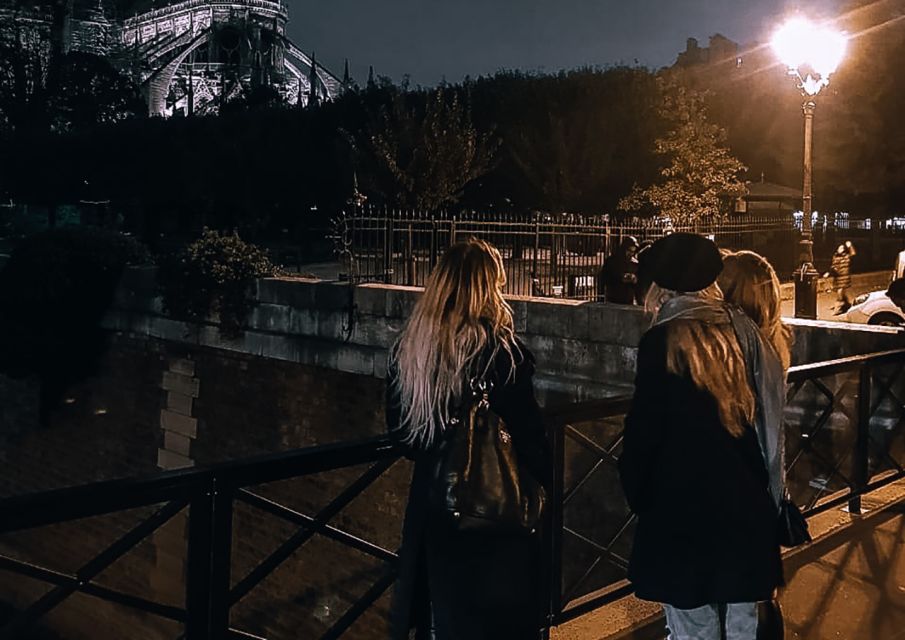
As the night unfolds, Pont Neuf becomes one of the “you’re really in it” checkpoints. Even if you’ve seen this bridge in daylight, the evening context changes what it feels like. The guide uses the crossing and the surrounding streets as a transition point, so you don’t just hear one-off ghost stories.
This stop is mainly about setting a mood and connecting the dots between the city’s physical layout and the stories being told. You’ll get that sense that Paris’s most famous geography is tied to older events—political, criminal, and theatrical. The guide’s approach here is what keeps the tour from feeling like a checklist.
If you’re someone who gets impatient waiting for a group to gather, keep an eye on where you’re positioned at each stop. The guide needs the group to listen in place, and tight sidewalks can slow the pace briefly.
Conciergerie area: crime, punishment, and why the stories stick
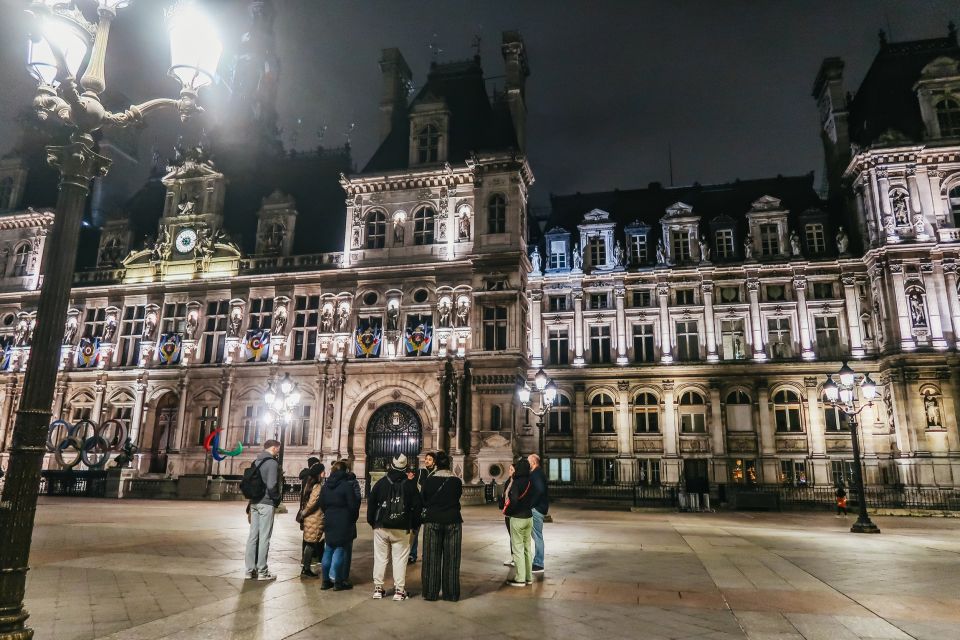
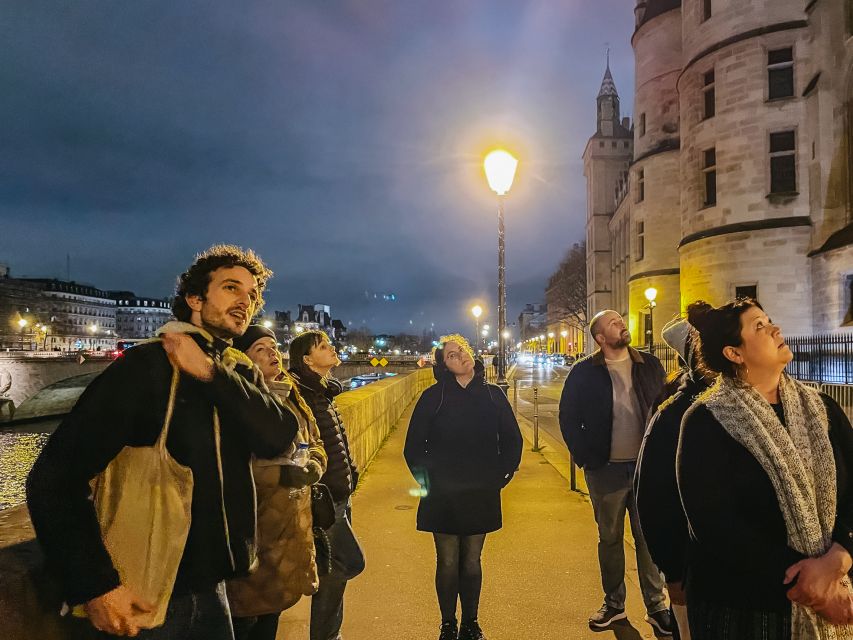
The walk continues toward the Conciergerie, which is perfect for this theme. The building and surrounding area have an automatic “case file” feeling, and your guide uses that to talk about the system behind the cruelty: what happened to criminals, how punishment worked publicly, and how sometimes innocence still didn’t protect you.
This is one of the parts I’d call the emotional backbone. The stories aren’t just there to shock. They help you understand how fear and justice were staged in the same physical spaces. Once you hear it framed this way, the landmarks start feeling less like decorations and more like evidence.
One consideration: the tour has a “dark” reputation, and that tends to show up most strongly around execution and punishment discussions. Some people love that; some people want more ghosts and less crime. If that’s you, you may still enjoy it, but you should mentally prepare for the heavier history.
Notre-Dame exterior: demons, symbols, and the art of looking closer
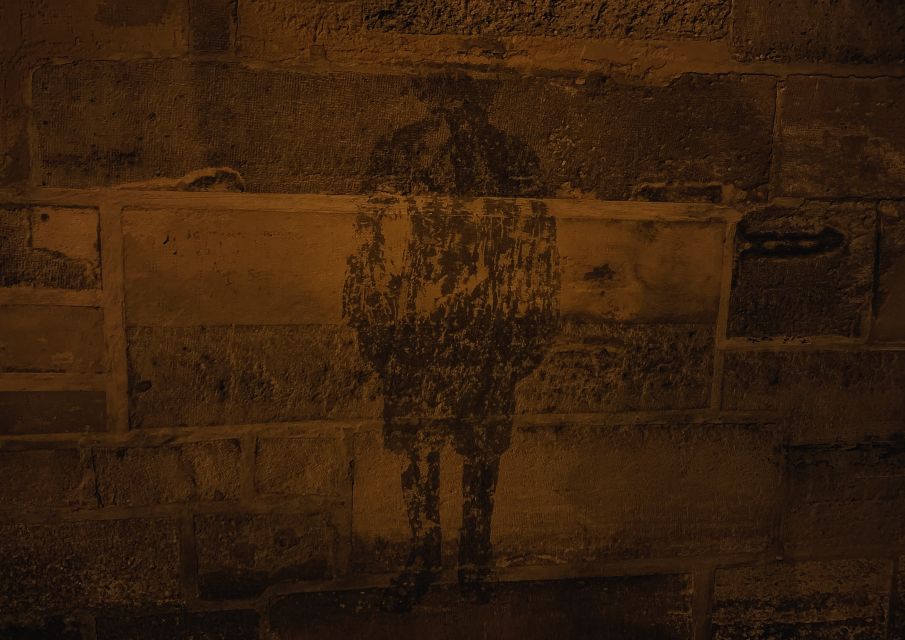
The Notre-Dame portion is where the tour earns its spooky reputation. You don’t only pass by. You stop on the outside and learn how to look for the kinds of details people associate with demons and malevolent beings.
The key value here is attention training. A lot of visitors see Notre-Dame as one big sight. This tour nudges you into a more specific mindset: symbols, carved details, and the legends attached to them. It’s the difference between seeing a building and studying a warning label from the past.
You’ll hear chilling tales tied to the cathedral’s exterior, with the guide pointing out signs and symbols tied to the story being told. It’s a fun contrast to the grim execution-history tone earlier. The night becomes a back-and-forth between human cruelty and supernatural storytelling.
If you’re sensitive to scary imagery, remember that this tour mixes “real-world brutality” with spooky legend. It isn’t presented as gory movie content, but it can still feel disturbing. A good strategy: bring a friend who likes dark stories, or set expectations with the group tone before you go too deep.
You can also read our reviews of more guided tours in Paris



Templars, cursed locations, and the vampire finish
One of the more distinctive threads is the Templars connection. You’ll hear about their secret-society reputation and how that feeds into Parisian legend. Even if you already know Templar myths in other places, this tour focuses on how the lore travels and transforms across the city.
The tour also includes the origin story behind what’s described as the most famous cursed location in Paris. You’ll be guided through the setup for why the place became associated with bad luck and danger. This isn’t just ghost-shop mysticism. The guide connects the curse idea to a broader pattern: how rumors, fear, and reputation can become a kind of unofficial history.
Then you end with a vampire story linked to the final part of the walk. It’s a classic “wrap the night” move, and it works because you’ve already been told how legends take root in real places. By the end, you’re not just hearing spooky lines—you’re seeing how they fit into Paris’s geography.
Haunted theater and the roaming poet story
Another highlight is a tale of a famous French poet who is said to roam a Parisian theater. If you like your horror with literature attached, this stop is a smart change of pace. Paris has plenty of ways to tell scary stories, and the arts-world angle gives it a different flavor than executions and cathedral demons.
Even if you don’t know the poet’s work, the guide explains the ghost legend in a way that stays grounded in place. The effect is like hearing a local rumor with a specific street address.
This part also tends to land well because the tour isn’t only about dread. It’s also about culture—how poets, theaters, and famous names become part of the city’s mythology.
Opera House fire ghost: injury, memory, and the city’s second life
You also hear about the Opera House ghost, described as someone injured in a fire. Again, this isn’t just “spirit walks here.” The story is framed around how memory sticks to landmarks after tragedy.
This is one of the reasons the tour feels more meaningful than typical “scary walk” experiences. It treats legend as a kind of emotional archive. Even if you don’t believe in ghosts, you can still sense how a city keeps telling a story to cope with what happened.
If you’re the type who likes “why this legend exists,” this fits. The guide’s narrative style helps connect the ghost tale to Paris’s built environment.
Price and value: what $35 buys in a short, guided night
At $35 per person, you’re buying two things: a guided storytelling route and the permission to see central Paris with a different lens. This isn’t a museum ticket where you pay and then wander alone. You’re paying for a person who ties landmarks together into one night narrative.
Two hours is a practical length. It’s long enough to hit multiple key stops—meeting point to Pont Neuf to the Conciergerie area and back through the Notre-Dame zone. It’s also short enough that you can still do a proper dinner after, without sacrificing your whole evening.
What you don’t get is hotel pickup and drop-off. That’s normal for walking tours, but it matters. If you’re staying far from the center, budget time to reach the Hotel-de-Ville, Cité area. If you like to keep evenings simple, staying near central metro lines will make the $35 feel even more worthwhile.
Who this tour suits best (and who should think twice)
This is a great match if you like:
- Dark history with a story-first approach
- Ghost and legend talk that stays tied to specific places
- Notre-Dame details you can actually look for during the walk
- A guide who uses humor and interaction to keep attention
It’s a weaker fit if you:
- Want a mild, family-friendly atmosphere
- Prefer mostly ghosts and minimal punishment/crime content
- Are easily disturbed by grim stories
One useful hint from how the tour has been run: the guides do adjust tone based on sensitivity in the group. Guides such as Morgan, Catherine, Dora, and Jaed are often praised for balancing tone so the stories stay engaging rather than out-of-control.
Should you book this dark history and ghostly walking tour?
If you’re visiting Paris for more than one classic postcard photo, I think this is a smart add-on. It turns your evening into something you can’t replicate by reading alone: execution-site context, then cultural legends, then Notre-Dame symbolism, ending with a vampire-style finale. For $35 and two hours, it’s solid value.
Book it if you can handle dark true-crime storytelling mixed with supernatural legend, and if you’re okay walking in weather. Skip or reconsider if you want light and cozy, or if the word dark history makes you think you’ll regret it after you’ve already started.
If you’re ready for Paris with the lights on less and the questions turned up more, this is one of those tours that gives you a different kind of souvenir: the feeling that the city is watching back.
FAQ
How long is the Paris Dark History and Ghostly Guided Walking Tour?
The tour lasts 2 hours.
How much does the tour cost?
It costs $35 per person.
Where do I meet the guide?
Meet at 1 rue d’Arcole. The nearest metro station is Hotel-de-Ville, Cité.
Does the tour include hotel pickup or drop-off?
No. Hotel pickup and drop-off are not included.
What language is the guide speaking?
The live tour guide provides English narration.
Will the tour run in bad weather?
Yes. The tour runs rain or shine.
What should I bring for the walk?
Bring comfortable shoes and an umbrella.
Is it a private tour or shared tour?
You can choose between a shared or private experience.
What is the cancellation policy?
You can cancel up to 24 hours in advance for a full refund.
Is this tour suitable if I’m sensitive to disturbing stories?
The tour includes gruesome and often disturbing stories, so it’s better to go in with that expectation if you’re sensitive.