
REVIEW · PARIS
Paris Uncovered: Unique Guided Walking Tours with a Twist
Book on GetYourGuide →Operated by Memories France · Bookable on GetYourGuide
Paris makes more sense on foot. This is a guided walking tour where you pick your neighborhood theme—Latin Quarter, Montmartre, or Le Marais—and you’ll get the local context that turns landmarks into stories. Some versions also go sideways in the best way, like street art with a local artist or a dance-focused route tied to Paris culture.
I love the way the licensed local guides turn everyday streets into a timeline you can actually follow. Guides like Sarah (fun storytelling in the Latin Quarter) and Tancrède (with personal street-art insights and context) are the kind of people who answer questions without making you feel silly. Even when you just want to walk and look, they keep you oriented.
One possible drawback: if you choose Montmartre, plan for hills and stairs. The routes can be mostly uphill and tight in places, and getting out afterward can be a little annoying—one common note is that taxis are easier than rideshare in peak moments.
In This Review
- Key Highlights You’ll Actually Care About
- Picking Your Neighborhood: Le Marais, Latin Quarter, or Montmartre
- Le Marais: history meets style
- Latin Quarter: literary leftovers and grand viewpoints
- Montmartre: artists, art walls, and big-energy streets
- The Walk Itself: How the Tour Works in 1.5 to 2 Hours
- Small group size helps the guide tailor it
- Your guide’s stories do the heavy lifting
- Le Marais: Fashion Streets, Old Architecture, and Where to Eat Next
- Why this works for you
- A consideration
- Latin Quarter: Sorbonne to the Pantheon on Bookshop Lanes
- Why it’s more than postcard sightseeing
- Who should pick this
- Montmartre: Artists’ Quarter, Hidden Alleys, and Sacré-Cœur Views
- Why the route feels special
- A real consideration: getting out afterward
- Paris Street Art With a Local Artist: Butte-aux-Cailles or Montmartre Walls
- Why I think this tour can be worth it even if you’re not a hardcore art fan
- Emily in Paris Themed Walk: Filming Locations, Plus Real Neighborhood Texture
- Who this suits
- What to watch for
- Cancan Energy in Montmartre and Dance History at the Tuileries
- Montmartre with a Cancan dancer
- Dance history in the Tuileries Gardens
- Which one you should pick
- Price and Value: Why $47 for 1.5–2 Hours Can Make Sense
- Practical Tips for a Smoother Day
- Should You Book Paris Uncovered?
- FAQ
- How much does Paris Uncovered cost?
- How long is the tour?
- Can I choose which neighborhood I visit?
- What neighborhoods and themes are available?
- What language is the tour in?
- How big are the groups?
- Where does the tour start?
- Is hotel pickup included?
- What should I bring?
- Can I cancel and get a refund?
- Is there a pay-later option?
Key Highlights You’ll Actually Care About
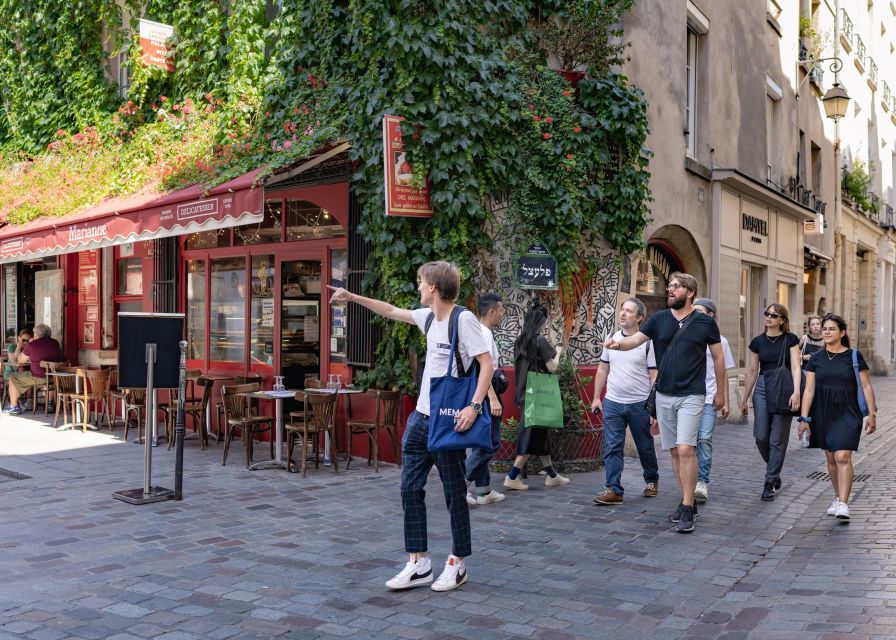
- Max 15 per group means you get more than a drive-by view and it’s easier to ask questions.
- Neighborhood choice at booking lets you match your day to your interests (history, fashion, artists, street art).
- Street art led by a local artist gives you better context than just pointing at walls.
- Montmartre turns into side-street Paris, with hidden alleys and local storytelling that feels personal.
- Emily in Paris themed stops help you connect the filming locations to the real neighborhoods around them.
- Dance history options (from Cancan energy to ballet elegance at the Tuileries) add a fun, non-museum angle.
Picking Your Neighborhood: Le Marais, Latin Quarter, or Montmartre

This experience is built around one simple idea: choose the Paris neighborhood (and theme) you want, then walk it with a local guide. That matters because Paris is big, and first-time visitors often waste time bouncing between major sights without learning how the neighborhoods actually work.
Here’s the practical mental map I’d use when you decide:
You can also read our reviews of more walking tours in Paris



Le Marais: history meets style
Le Marais is for you if you like beautiful streets, architecture, and that Paris blend of old stone plus modern shopping and café life. The tour option focuses on the district’s mix of history and fashion, with time to spot the kinds of buildings and corners you’d miss if you only chased the biggest names.
Latin Quarter: literary leftovers and grand viewpoints
If you want a walk that feels literary and student-era, the Latin Quarter route is the one. You’ll get to see the Sorbonne and admire the Pantheon, plus you’ll roam cobblestone lanes lined with bookshops and cafés. It’s the kind of area where your brain says, I get it now, even if you don’t call it history.
Montmartre: artists, art walls, and big-energy streets
Montmartre is the best pick if you want Paris with personality. This is where the tour concept leans into the artists’ quarter—Picasso, Toulouse-Lautrec, and Van Gogh—and the district’s culture of living, drinking, dancing, and painting. Be ready for more climbing, though. In this area, the views cost effort.
The Walk Itself: How the Tour Works in 1.5 to 2 Hours

Most of these tours land in the 1.5 to 2 hour range. That’s long enough to learn something real, but short enough that you don’t end up exhausted before dinner.
Two things you should expect from the format:
You can also read our reviews of more guided tours in Paris






Small group size helps the guide tailor it
The group limit is 15 guests max. That makes a difference. In real walking tours, bigger groups mean you spend time waiting for people and repeating directions. Here, it’s easier for the guide to pause, answer questions, and adjust stops.
Some guides also adjust to the moment—one note was pacing changes during hot weather—so if you’re the type who likes to stop for photos, ask questions, or just move at a human speed, this setup tends to fit.
Your guide’s stories do the heavy lifting
This isn’t only about seeing sites. The stronger versions of the tour lean hard on storytelling and context. In the street-art options, for instance, the guide is often a street artist, so you’re not just hearing facts—you’re hearing how the scene works. In Montmartre, guide personalities show up in humor and pacing, like Paula’s lively Montmartre vibe or Christina’s animated tone.
Also, many guides sprinkle in practical advice on where to eat, drink, and keep exploring after the tour ends. That’s the difference between a tour that entertains and one that helps you plan the rest of your day.
Le Marais: Fashion Streets, Old Architecture, and Where to Eat Next
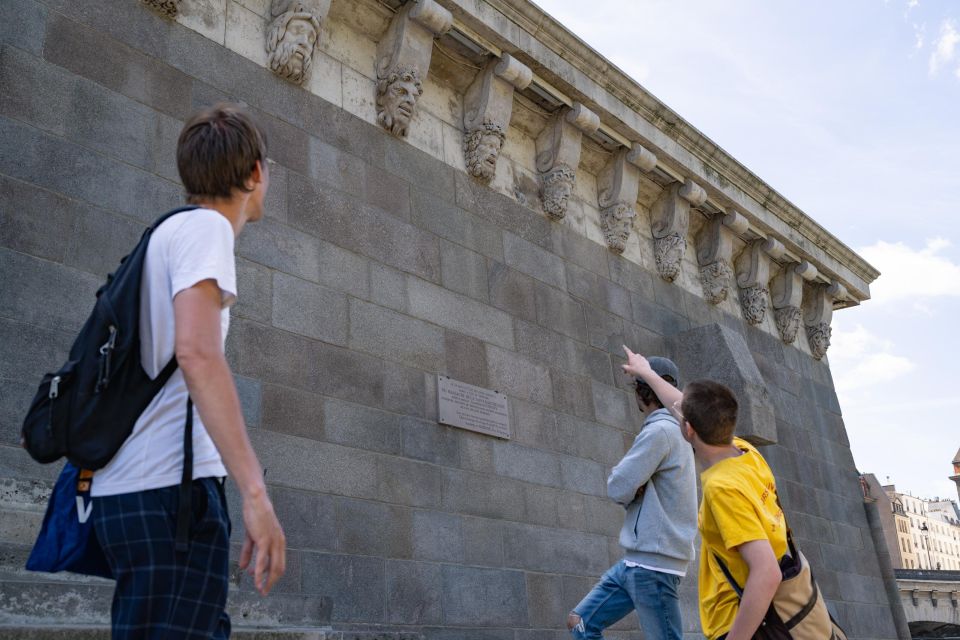
Le Marais on foot is a good “first success” neighborhood choice. It’s compact enough to enjoy without sprinting, but detailed enough that a guide can connect the dots.
What you’re doing in this option:
- Walking the lanes where architecture and everyday life sit side by side
- Exploring why Le Marais is a favorite of hip Parisians
- Getting stops aimed at the district’s blend of cool boutiques, cafés, and gourmet-friendly corners
Why this works for you
Le Marais is the kind of place where you can easily wander for hours and still feel like you missed the point. A guided walk helps you notice what matters: the layout, the style, and the neighborhood rhythm. Then, the food-and-drink tips give you something concrete to do right after—so you don’t end up hungry and indecisive.
A consideration
Le Marais isn’t famous for steep climbs the way Montmartre is. Still, it’s a neighborhood with crowds at peak times, so if you’re sensitive to busy streets, aim for an early start or choose a time when you can actually enjoy the walk rather than squeeze through it.
Latin Quarter: Sorbonne to the Pantheon on Bookshop Lanes
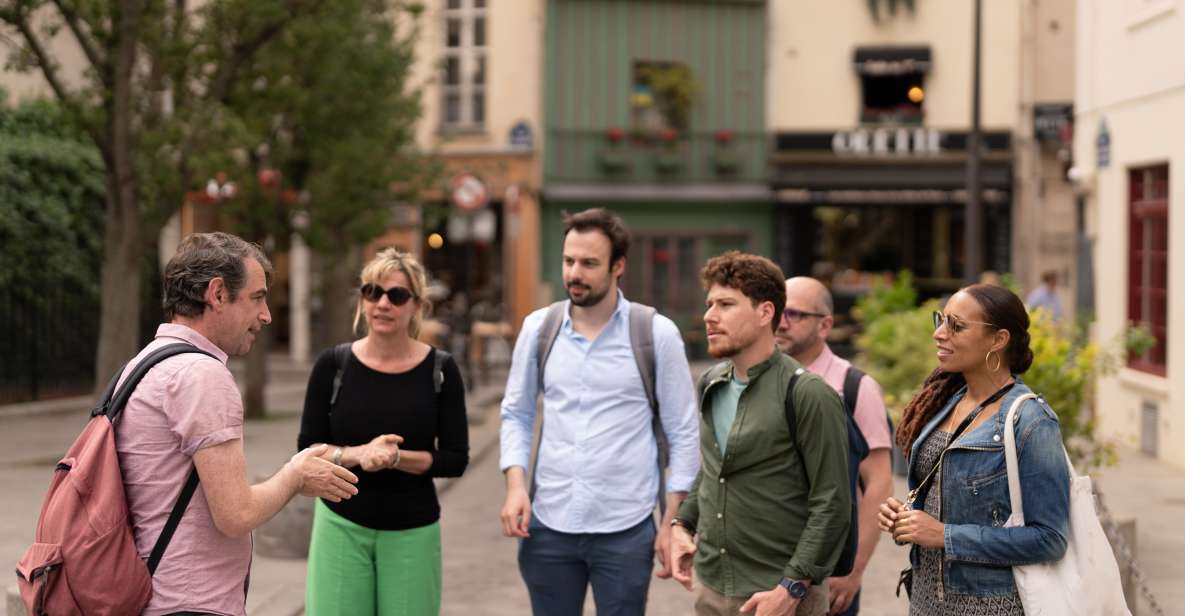
If you love Paris when it feels like ideas in motion, the Latin Quarter tour is a smart pick. This route leans into bohemian and literary energy, with classic “walkable Paris” scenery.
What you can expect on this walk:
- Cobblestone streets lined with quirky bookshops and lively cafés
- A stop at the Sorbonne
- Admiring the Pantheon
- Stories that connect the neighborhood’s past to the way it feels today
Why it’s more than postcard sightseeing
The Pantheon and Sorbonne are iconic, sure. But the value here is how a good guide ties them into the surrounding streets—who lived around here, why the area became important, and what kind of Paris culture grew up alongside the school and institutions.
One standout pattern in the guide style notes: Sarah’s approach—cheerful, funny, and clearly comfortable explaining how the neighborhood became what it is. That kind of guide can turn a short walk into a mental framework you carry all day.
Who should pick this
Choose Latin Quarter if you:
- Want a solid “Paris basics” neighborhood intro
- Like literature and old institutions
- Prefer a route that’s interesting even if you don’t care about one specific monument
Montmartre: Artists’ Quarter, Hidden Alleys, and Sacré-Cœur Views

Montmartre is both charming and demanding. The charm is real: artists’ lore, winding streets, and the sense you’re in a different Paris than the one along the big boulevards. The demand is physical: you’ll likely be walking uphill, with stairs and narrow spots.
This is the artists’ quarter angle:
- Linking Montmartre to Picasso, Toulouse-Lautrec, and Van Gogh
- Seeing the neighborhood as a place where artists lived, drank, danced, and worked
- Working through side streets and smaller roads that most people miss
Many Montmartre versions also work toward Sacré-Cœur. One of the most practical notes from previous guests: ending around Sacré-Cœur is great for photos, but you should factor in the walking effort and the crowd situation at the end. If you’re game for it, there’s often an option to include time with the domes—just know it comes with stairs.
Why the route feels special
The best Montmartre tours don’t just march past highlights. They meander through neighborhoods you don’t normally see—hidden alleys, quiet corners, and viewpoints. That’s where the guide stories start to click, because the street layout itself supports the narrative.
If you want a guide example, names like Ami, Elise, and Maria show up with the same theme: energetic storytelling, lots of context, and stops that help you understand what you’re looking at.
A real consideration: getting out afterward
One practical heads-up that comes up often: arranging transport right after can be tricky. Uber can be difficult to grab in the area at peak times, and taxis may be easier. So if you’re planning dinner reservations far away, give yourself extra time.
Paris Street Art With a Local Artist: Butte-aux-Cailles or Montmartre Walls
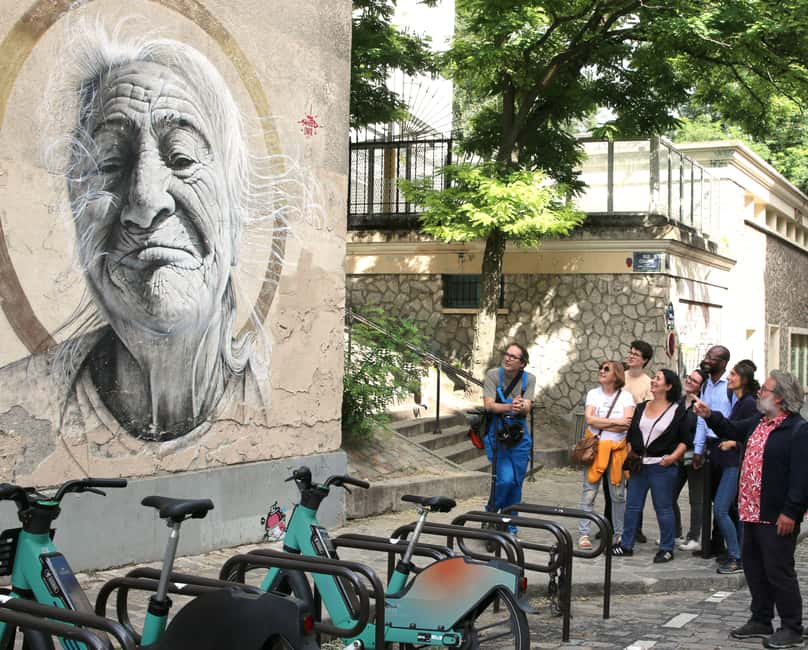
If you’ve seen enough museums for one trip, this street art option is a great reset. Instead of treating graffiti as random decoration, the tour frames it as part of the city’s conversation—who’s painting, what the style means, and how the scene fits into Montmartre or other spots like Butte-aux-Cailles.
What makes it feel different:
- The tour is led by a local street artist
- You get personal insights and stories tied to the art and the neighborhood
- The route tends to focus on some of the best street art you can find on foot
Why I think this tour can be worth it even if you’re not a hardcore art fan
Street art tours succeed when they teach you how to look. With a local artist guiding, you’re more likely to notice layers: style choices, recurring themes, and why certain spots get attention. You also get practical pointers on what to photograph and what to watch for as you walk.
A favorite pattern from guide notes: a street-art guide who answers questions easily, keeps the pace lively, and adds enough background that the art stops being just visual noise.
Emily in Paris Themed Walk: Filming Locations, Plus Real Neighborhood Texture

This option is for you if you enjoy Paris through pop culture but still want a real-world connection. The concept: explore filming locations from Emily in Paris and see Paris through that lens—glamorous landmarks plus the smaller corners that make a neighborhood feel lived in.
How to think about this tour:
- It’s not only a list of scenes; it’s a chance to learn what’s around those places
- You’ll connect what you recognize from the show to how the streets actually work
Who this suits
Pick it if you:
- Want an easy way to “recognize Paris” quickly
- Travel with someone who loves the show
- Like playful sightseeing but still want local context
What to watch for
Because it’s themed, you might spend more time on photo-friendly spots than on deep architecture. If you’re more into architecture and institutions, Le Marais or Latin Quarter may feel more satisfying.
Cancan Energy in Montmartre and Dance History at the Tuileries
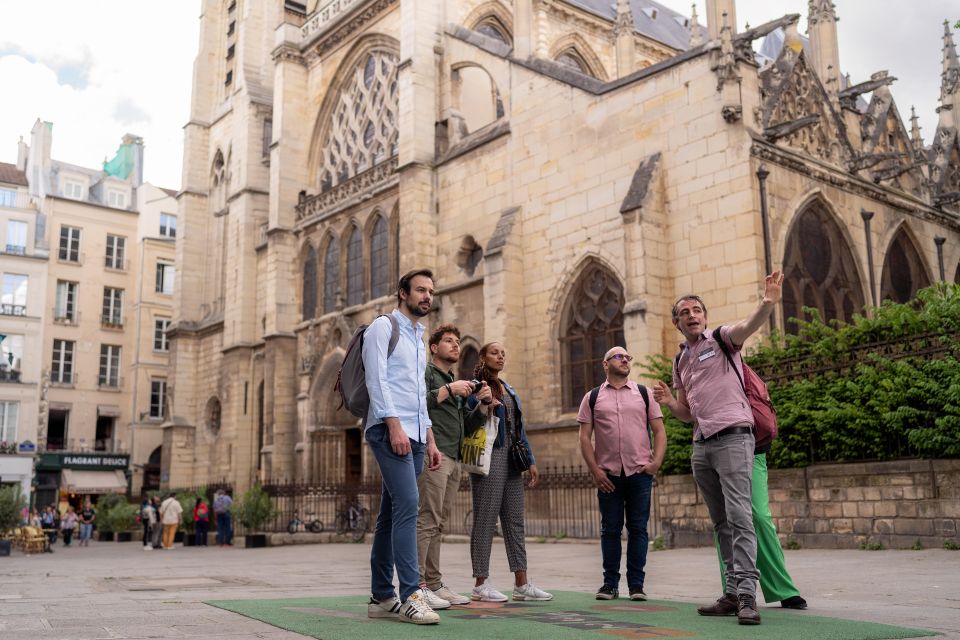
Not every walking tour includes a culture theme you can feel. Here, the twist is movement—Cancan and dance history—tied to the places where that energy makes sense.
Two formats stand out from the options described:
Montmartre with a Cancan dancer
This is the fun, theatrical version. You’ll follow a Cancan dancer through Montmartre’s hidden alleys while learning the dance’s history, meaning, and legendary performers. It’s less about silent sightseeing and more about atmosphere, especially in a neighborhood already associated with artists and nightlife.
Dance history in the Tuileries Gardens
This one focuses on the history of dance in France in the Tuileries Gardens, with time to relax and an expert local to explain what you’re seeing. It’s a nice match if you want a break from constant stairs and still want something you can’t get in a normal walking loop.
Which one you should pick
- Choose the Cancan option if you want energy and performance history mixed into the street setting.
- Choose the Tuileries dance option if you want a calmer walk with a clear theme and a softer pace.
Price and Value: Why $47 for 1.5–2 Hours Can Make Sense
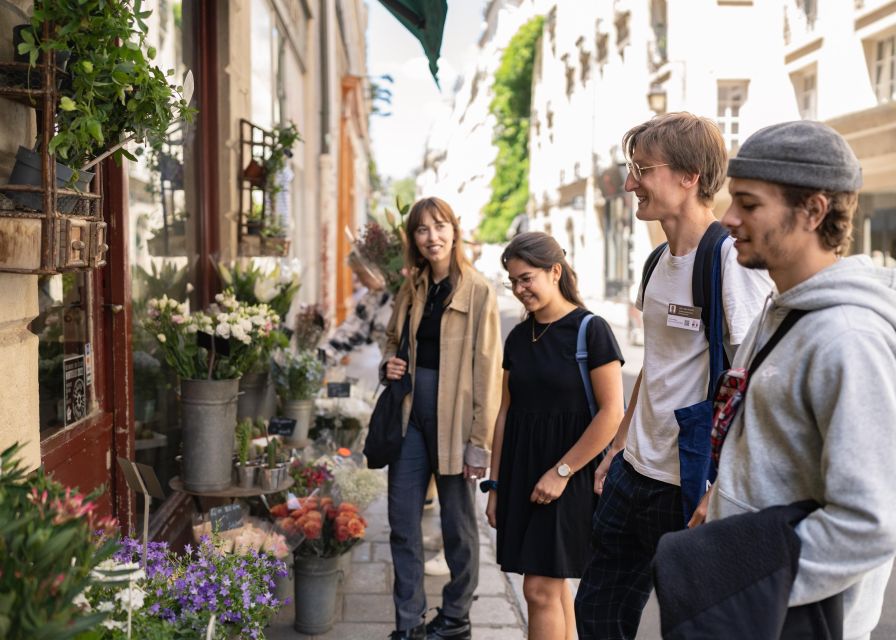
At $47 per person, you’re paying for time with a live guide, plus the convenience of a structured route without planning your own neighborhood storyline.
Here’s the value logic I use:
- Two hours is enough time to feel like you learned something, not just saw a few sights.
- Limited group size helps the guide keep attention on you.
- The tour style includes practical local tips for food and exploration, which can save you time later.
If you compare this with hiring a private guide, this option is a budget-friendly way to get a “local brain” for a fraction of the price. If you’re already spending money on dinners and metro tickets, getting your bearings fast is a smart trade.
Practical Tips for a Smoother Day
Before you go, keep these practical points in mind:
- Bring a charged smartphone. You’ll use it for photos and navigation.
- Don’t expect hotel pickup. Meeting point can vary by option, and you’ll start at the designated location.
- Expect a walking day. Even the gentler routes still mean you’re moving through neighborhoods on foot.
- For Montmartre, wear shoes you trust on uneven sidewalks and be ready for stairs.
- If you’re tight on time after the tour, especially in Montmartre, plan extra buffer for transport.
And one more thing: pick your neighborhood based on your energy level that day. If you want relaxed, go Le Marais or Latin Quarter. If you want personality and views and don’t mind climbing, go Montmartre.
Should You Book Paris Uncovered?
Yes, you should book if you want a guided neighborhood experience that feels personal, not checklist-y. The mix of licensed local guides, small group size (max 15), and the way the tours add practical tips makes this a strong value for first-time visitors and repeat travelers alike.
Choose it especially if:
- You like learning through stories on the street
- You want one structured plan in a city where planning can get messy
- You’re tempted by the twists: street art with a local artist, Emily in Paris filming locations, or the Cancan/dance themes
Skip or think twice if:
- You dread hills and stairs. Montmartre options can be mostly uphill, and that matters.
FAQ
How much does Paris Uncovered cost?
It’s listed at $47 per person.
How long is the tour?
The duration is 1.5 to 2 hours.
Can I choose which neighborhood I visit?
Yes. When you book, you choose the neighborhood you want the tour to cover.
What neighborhoods and themes are available?
Options include Latin Quarter, Montmartre, and Le Marais, plus street art tours, an Emily in Paris themed walk, a Montmartre walk with a Cancan dancer, and a dance history option connected to the Tuileries.
What language is the tour in?
The tour is in English with a live guide.
How big are the groups?
Groups are limited to 15 guests maximum.
Where does the tour start?
The meeting point may vary depending on which option you book.
Is hotel pickup included?
No, hotel pickup and drop-off are not included.
What should I bring?
You’ll want a charged smartphone.
Can I cancel and get a refund?
Yes. You can cancel up to 24 hours in advance for a full refund. Refunds aren’t possible for missed tours.
Is there a pay-later option?
Yes. You can reserve now & pay later.