REVIEW · PARIS
Paris: French Monarchy Intrigues Walking Tour
Book on GetYourGuide →Operated by Daniel MILLE-LEVY · Bookable on GetYourGuide
Paris turns into a crime drama on foot. This French Monarchy Intrigues walking tour strings together five monarchy-era episodes of plots, scandals, and surprising consequences in the places you can still stand and look at today. It’s history told like a binge-worthy series, with clever pop-culture references and a strong focus on how old power games still rhyme with modern life.
I really like the story-first structure. The guide breaks the experience into five clear episodes, walking you through origins and long-tail consequences, so the names and events don’t stay trapped in a textbook. I also like that it works whether you know French history well or you’re starting from scratch, because the tour keeps translating events into plain cause-and-effect.
One consideration: it’s a rain-or-shine walk and you’ll want good shoes. Also, if you prefer pure museum time or a super-quiet stroll, the tour’s focus on intrigue and plot may feel a bit intense, even when it’s entertaining.
In This Review
- Key highlights worth penciling in
- Why French monarchy intrigues feel like modern TV
- Meeting Daniel Mille-Levy on Pont des Arts
- Stop-by-stop: Pont des Arts, secret turns, and Ile de la Cité
- Pont des Arts: the prologue before the plot thickens
- The on-foot stretch: Paris between episodes
- Secret stops: when a small spot becomes a big turning point
- Ile de la Cité: bringing the story closer to the center
- The Louvre finale: a history primer before you buy entry
- Price value: what $45 buys you in Paris time
- Who should book this tour (and who might skip it)
- Practical tips: how to enjoy it without rushing
- Should you book the Paris French Monarchy Intrigues walking tour?
- FAQ
- Where is the tour starting point?
- How long is the tour?
- Is the tour in English?
- Does the tour include Louvre Museum entry?
- Do I need to bring anything?
- Where does the tour end?
- Is food included?
Key highlights worth penciling in
- Five “episodes” of monarchy history told in a show-like sequence, with origins and consequences
- Louvre warm-up near the entrance that helps you place key events before you go inside
- Pop-culture connections that explain why French political stories keep resurfacing in TV, games, and movies
- Places where the past feels present, so you’re not just hearing dates
- Guide Daniel Mille-Levy’s pacing and energy, earned through years of top-rated Paris guiding
Why French monarchy intrigues feel like modern TV
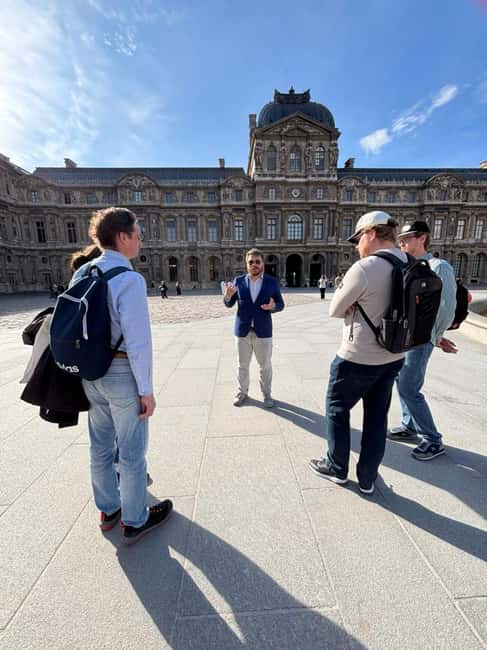
This tour is built around a simple idea: power rarely changes its basic moves. Five episodes in the world of French monarchy unfold with the same ingredients you’d expect from a thriller—improbable coincidences, scandals, family quarrels, and political maneuvering. The twist is that you’re not watching it. You’re walking alongside it, in central Paris streets and landmarks that help you sense the stakes.
I like that the tour doesn’t treat the past like a distant country you can only visit in books. It keeps drawing lines to today: the way rumors spread, how myths get manufactured to justify authority, and how decisions made for private reasons can end up reshaping whole nations. That theme lands especially well in Paris, where the built environment makes history feel ongoing rather than finished.
If you enjoy history with narrative momentum, this is a good fit. The guide’s job is to keep you moving through the story at a steady pace, not to give you a lecture that runs out of steam. And the pop-culture references aren’t random name-dropping. They’re used to show why these monarchy-era plots keep echoing through modern fiction.
You can also read our reviews of more walking tours in Paris



Meeting Daniel Mille-Levy on Pont des Arts
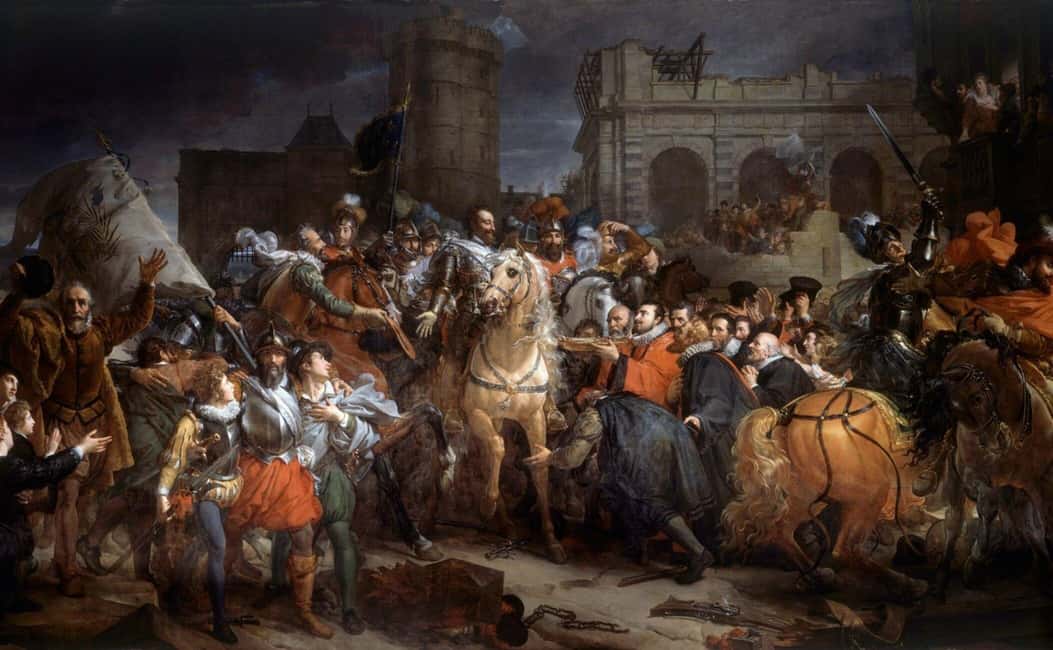
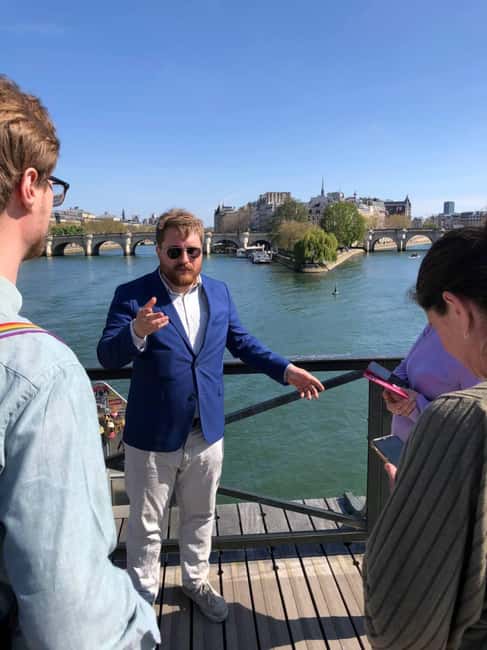
Your tour starts on Pont des Arts, where you’ll find the guide in the middle of the bridge. He’s described as bearded with glasses, wearing a French flag over his shoulders, which makes him easy to spot even if you’re arriving a few minutes early. Starting here matters because it sets a clear Paris baseline: you begin with a landmark that feels made for looking, not just walking.
The tour is in English, and it’s paced as a sequence of short guided moments and short walking stretches. That rhythm is useful if you’re the type who gets restless during long stops, or if you’re traveling with people who only want a manageable amount of standing. You’ll still cover enough ground to feel like you moved through the city, but you won’t get stuck in one place for the entire time.
Daniel Mille-Levy is the key ingredient. The experience is tied to his long track record in Paris guiding, including a large number of five-star reviews from his work in a major tour setting. The feedback pattern is consistent: people emphasize his storytelling energy, his ability to connect small details to huge outcomes, and how well he organizes the “episodes” so the thread stays clear.
Stop-by-stop: Pont des Arts, secret turns, and Ile de la Cité
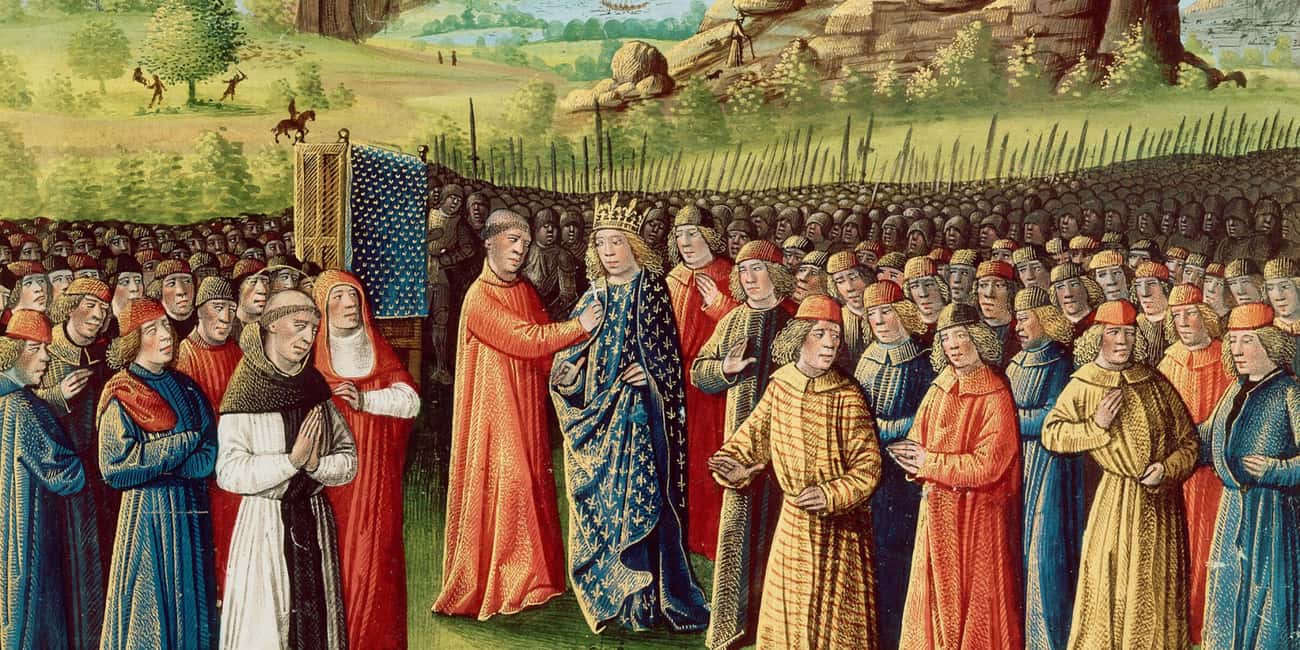
This walk uses the city like a set. You’ll spend some time at the start, then move on foot through short in-between stretches that reset your attention. Interspersed throughout are guided segments and secret stops—places where you get a more focused story beat rather than just passing scenery.
Pont des Arts: the prologue before the plot thickens
You begin with a brief guided introduction right at Pont des Arts. This sets expectations for how the tour will work: you’re going to hear history as episodes with cause, consequence, and relatable patterns. It’s a good moment to get your bearings, because later parts depend on you recognizing why certain corners and viewpoints matter.
One thing I appreciate here is the framing. Instead of starting with a long list of rulers, the guide builds toward what the monarchy era looked like as a living system—families, factions, rumors, and leverage. If you’re the kind of person who likes knowing why events matter before you learn every detail, this start style helps.
The on-foot stretch: Paris between episodes
After the first short guided moment, you’ll walk for a bit. These stretches are short, but they matter because they give you a chance to physically feel the city moving around you while your guide connects events across time. It’s one of those practical travel rhythms: you don’t just hear a story; you transition through space while the story advances.
Because the tour is timed around five episodes, the walking segments also help reset your attention. That makes the longer history themes easier to follow. You’re less likely to feel overloaded, even if each episode covers serious topics like scandals and violence.





Secret stops: when a small spot becomes a big turning point
You’ll have more than one secret stop, each paired with guided time. The goal here is to deliver specific story beats in specific locations, which is where walking tours can either work or fall flat. In this case, the guide’s approach is to pick corners and points that match what you’re hearing, so the history has visual anchors.
From the way people describe the tour, the guide also loves illustrating how tiny details can ripple outward. One story involves a pig crossing the road as an example of how an unglamorous moment can leave an oversized historical footprint. Even if you don’t catch every tiny story detail, the method is clear: you remember the episode because the location and the narrative logic stick together.
Ile de la Cité: bringing the story closer to the center
One of the later major areas you reach is Ile de la Cité, with another guided segment there. This part of Paris tends to feel historically dense, and that’s exactly the advantage for a monarchy-intrigue tour. You’re not only hearing about political maneuvering. You’re standing in a setting that encourages you to picture the decision-making and public theater of older eras.
The tour keeps a steady focus: the episodes aren’t just random snapshots. Each beat is designed to show how events start, how they escalate, and how they carry forward. That structure helps you avoid the common problem with history walking tours, where you learn interesting stories but don’t feel the bigger chain of causality.
The Louvre finale: a history primer before you buy entry
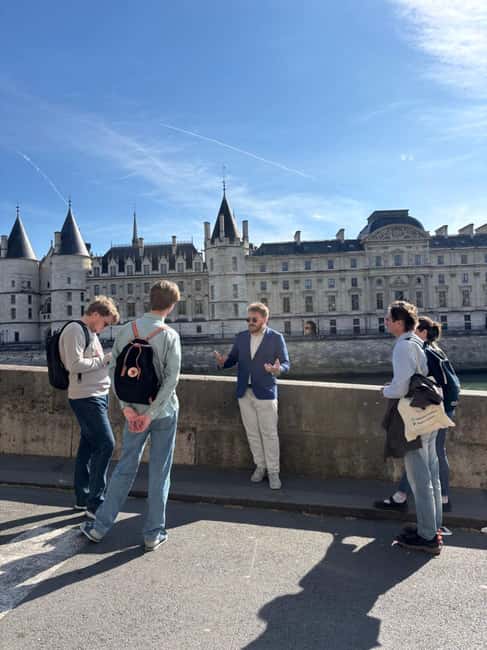
The last stop brings you to the Louvre Museum, and the tour ends back where you started the Louvre segment. Importantly, the final episode takes place not far from the entrance, and it describes key events in the Louvre that set the stage for the dynasty that ruled France during its Golden Age.
This is a smart planning detail. You don’t need to guess why Louvre spaces matter before you see them. You get a storyline first, then you can step into the museum with a clearer sense of what to look for. It’s like reading the prologue of a novel before you reach the first chapter on the page.
Also, the Louvre part is guided time only, not museum admission. The tour does not include Louvre entry tickets, so you’ll want to plan to purchase your own if you want full museum access. The benefit is that you can decide your energy level: if you’re museum-ready, you’ll have context; if you’re not, you still leave with the historical setting.
If you’re the type who usually feels museum fatigue, the tour helps by giving you a reason to care. Instead of wandering through galleries with vague awareness, you can connect what you see to the political logic your guide has explained.
Price value: what $45 buys you in Paris time
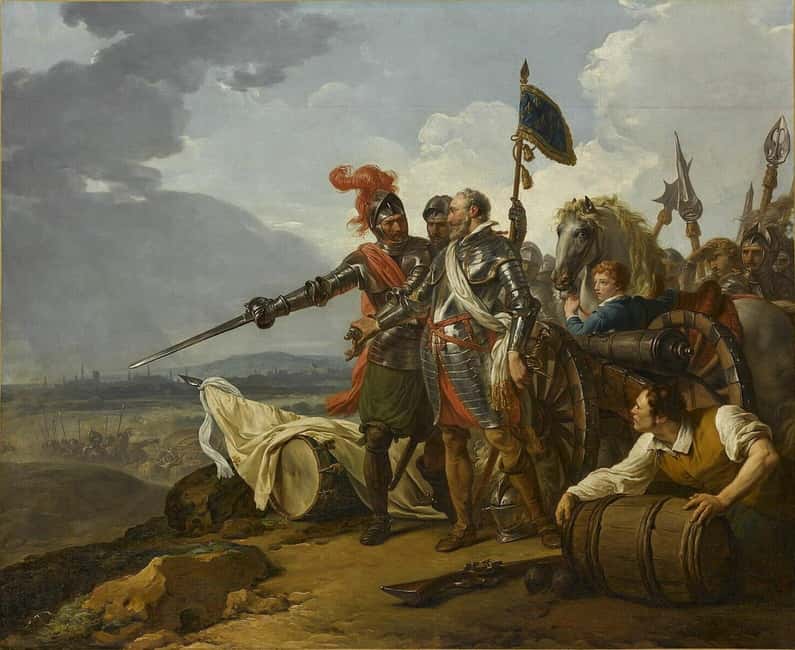
At $45 per person for about 2.5 hours, this isn’t the cheapest thing on a Paris day. But it’s also not overpriced for what you get. You’re paying for a guided, English-speaking storyline with five connected episodes, plus a built-in reason to make your Louvre visit more meaningful.
Here’s the value logic I see: a good history tour saves you time. Without this kind of narrative framework, you often need to spend extra time researching on your own to understand why particular locations and events matter. Even a small amount of built context can change how you walk through the Louvre later.
You also get entertainment value in the form of pop-culture references and tight pacing. Multiple descriptions of the experience stress how engaging the storytelling is, and that matters because it keeps the tour from feeling like homework. You’re not just absorbing information. You’re getting a guided performance that makes connections you might otherwise miss.
And if you’re traveling with someone who isn’t a hardcore history fan, the tour’s accessible framing can help. The structure aims to keep you moving and thinking, not memorizing facts in isolation. That’s often what turns “tour time” into a highlight.
Who should book this tour (and who might skip it)
This is a strong match if you like narrative history, political plots, and the idea that older events explain patterns you see today. It’s also a great fit if you enjoy connecting history to movies, TV series, and games, because the tour explicitly ties monarchy intrigue to pop-culture inspiration.
It’s also a good choice as a Louvre-prep plan. If you’re going to the museum anyway, the ending episode gives you a head start—especially since it focuses on important Louvre events tied to France’s later royal power.
You might consider something else if you want long quiet time in a single location, or if you strongly prefer tours with no intense subject matter. The tour’s promise includes conspiracies, scandals, and murder, even when it’s delivered with humor and perspective. It’s not graphic in the details we’re given here, but the themes are serious.
Practical tips: how to enjoy it without rushing
- Wear comfortable shoes. This is a walking tour with multiple guided stops and on-foot segments, so support matters.
- Prepare for rain or shine. The experience runs regardless of weather, so pack a light rain layer even if the day looks calm.
- Treat it like a series, not a lecture. The five-episode structure works best if you let the story flow from start to finish rather than checking out for side facts.
- Plan your Louvre ticket separately. The tour ends at the Louvre, but Louvre entry is not included.
If you time your Louvre visit soon after, you’ll likely feel the payoff more. The tour is designed to set the stage, so the museum visit doesn’t feel like a random afternoon stop.
Should you book the Paris French Monarchy Intrigues walking tour?
If you want a history walk that feels like story craft—with five connected episodes, strong guide energy, and a Louvre warm-up that gives you something to look for—this is an easy yes. The guide approach, the pacing, and the focus on how old power games echo today are exactly what make it worth your time.
I’d skip it only if your ideal Paris day is slow and quiet, or if you’re not planning to visit the Louvre after. With a Louvre plan in place, this tour can turn a museum visit from wandering into understanding.
FAQ

Where is the tour starting point?
The tour starts at Pont des Arts. Your guide will be in the middle of the bridge, bearded with glasses, wearing a French flag on his shoulders.
How long is the tour?
The tour runs for about 2.5 hours.
Is the tour in English?
Yes, the live guide speaks English.
Does the tour include Louvre Museum entry?
No. The tour includes guided time, but Louvre Museum tickets are not included.
Do I need to bring anything?
You should bring comfortable shoes. The tour takes place rain or shine.
Where does the tour end?
It ends at the Louvre Museum, after the final guided portion. The activity ends back at the meeting point for the tour.
Is food included?
No. Food and drinks are not included, but you can purchase them during a stop along the way.