
REVIEW · PARIS
Paris: Montmartre Highlights Walking Tour with a Local Guide
Book on GetYourGuide →Operated by Paris Tours Experiences · Bookable on GetYourGuide
Montmartre makes Paris feel personal. This small-group walking tour threads together real stories, from Picasso-era art corners to the Wall of Love’s 311 ways to say I love you, and I also like that you end right where the artists still work at Place du Tertre. The only thing to consider is that it’s a talk-and-walk experience on cobblestones, so you’ll want comfortable shoes and patience for the narration.
You start under Sacré-Cœur at Place Saint-Pierre, take in wide views over the city, then follow winding streets through artist hangouts, old cabarets, quiet courtyards, and lesser-known passageways. Along the way, guides like Yazid and Silvia are praised for mixing history with art (and even music), keeping the pace friendly, and making the route feel tailored rather than robotic.
One possible drawback: the tour leans into art and artist stories a lot. If you prefer shorter, lighter explanations, it can feel like you’re listening more than you want, even though the best guides keep it fun and flexible.
In This Review
- Quick Montmartre Wins
- Why This Montmartre Tour Works So Well in 140 Minutes
- Starting at Place Saint-Pierre Under Sacré-Cœur
- The Wall of Love: More Than a Photo Stop
- Bateau-Lavoir: Where Modern Art Took Shape
- Moulin de la Galette: The Windmill Icon and Impressionist Memory
- Maison Rose: The Famous Pink Corner
- Into Lesser-Known Montmartre: Vineyards, Courtyards, Old Cabarets
- Place du Tertre: Artists in the Open Air (and What to Do Next)
- Price and Value: Is $34 Worth 2 Hours of Montmartre?
- Who This Tour Is Best For (and Who Should Skip It)
- Logistics You Should Plan for Before You Go
- Should You Book This Montmartre Highlights Tour?
- FAQ
- How long is the Montmartre walking tour?
- Where does the tour start and how do I find the guide?
- What are the main stops during the walk?
- What is included in the price?
- Is food included?
- What should I bring?
- Is it suitable for wheelchair users?
- What cancellation options are available?
Quick Montmartre Wins

- Sacré-Cœur to stories: You begin at Place Saint-Pierre with early perspective over Paris.
- The Wall of Love details: The guide points out the 311 I love you messages across many languages.
- Bateau-Lavoir context: You see why this old spot matters to modern art and the artists tied to it.
- Moulin de la Galette photo moment: A stop that connects the windmill icon to how impressionists saw the neighborhood.
- Maison Rose + back lanes: You get the famous pink facade plus calmer streets, vineyards, and courtyards.
- Place du Tertre exit: You finish by the open-air painters, with tips for visiting the basilica after.
Why This Montmartre Tour Works So Well in 140 Minutes
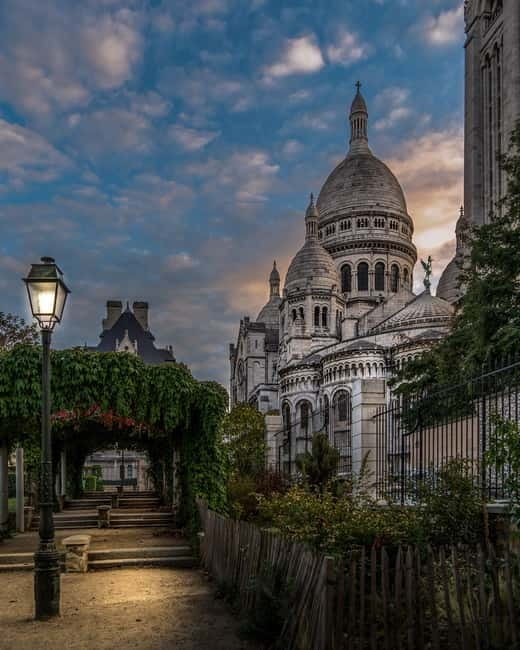
Montmartre is one of those neighborhoods that looks romantic from afar and a little chaotic up close. The value of a good guide is not showing you where famous spots are. It’s helping you understand why these streets, staircases, and courtyards became a magnet for artists, singers, and rebels.
This tour keeps time tight at 140 minutes, and it does it with sensible pacing. The route includes iconic places—like the Wall of Love, Bateau-Lavoir, and Moulin de la Galette—then adds quieter corners so you’re not just doing a highlight photo sprint. You’re walking through the logic of Montmartre: what shaped the artists and what the neighborhood shaped back.
Small groups matter here. The limit is maximum 16 people, which means you can ask questions without shouting, and the guide can adjust the pace. If you’re traveling solo, this is also a solid way to meet people without losing the intimate feel.
You can also read our reviews of more walking tours in Paris



Starting at Place Saint-Pierre Under Sacré-Cœur
The tour begins at Place Saint-Pierre, right beneath Sacré-Cœur. This is smart for two reasons. First, it gives you a natural “reset” point—easy to find, and you’re already at the heart of the hill. Second, it sets the mood with that famous panoramic view over Paris.
This is when the guide usually frames what you’re about to see. You’ll hear the first stories of Montmartre’s past and get a feel for the neighborhood’s personality: artistic, stubborn, and slightly theatrical. If you’ve never been here, this early context helps the rest of the walk click.
Practical note: you’ll be outside for the whole experience, and Montmartre streets can be uneven. Wear shoes you trust on stone. The tour also mentions bringing cash, which is a helpful reminder for any optional purchases or tips you might want to make.
The Wall of Love: More Than a Photo Stop

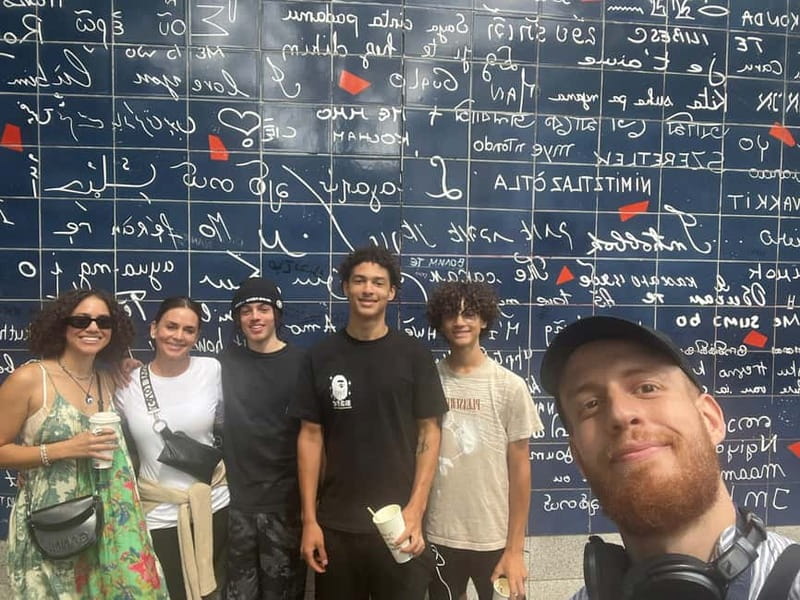
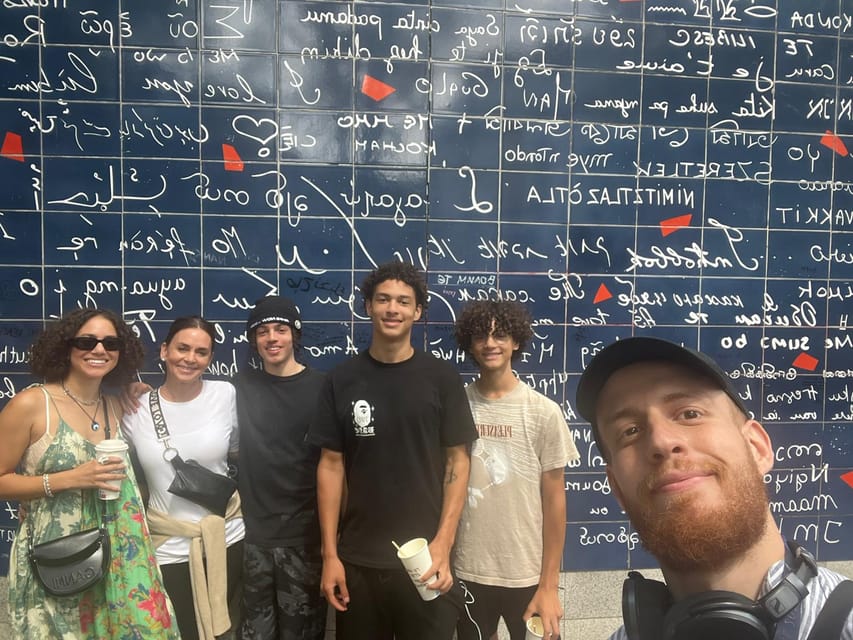
The Wall of Love is the kind of spot that looks simple in pictures and becomes interesting when someone explains the design. You’ll spend about 30 minutes here, and the guide walks you through what makes it stand out: 311 ways to say I love you, written across many languages.
Why it matters: Montmartre has always attracted outsiders and dreamers. That message wall fits the neighborhood’s spirit—public affection, creative design, and a playful rejection of seriousness. If you’re a photographer, you’ll appreciate that it’s not just one angle. There are layers of text and composition, and a guide can point you toward where the light and framing often work best.
Bateau-Lavoir: Where Modern Art Took Shape
Next comes Le Bateau-Lavoir, a stop that feels like a turning point. You’re at the legendary site often described as the birthplace of modern art, and the guide connects it to the artists who lived and painted there. Names you’ll hear include Picasso and Modigliani.
What you’re really doing at this point is switching gears from the romance of Montmartre to its creative engine. The tour doesn’t treat art as a museum topic. Instead, it shows how the environment—cheap living spaces, creative communities, and stubborn individuality—helped artists develop styles that changed the conversation across Europe.
A small downside to know: you may walk through areas that are more about story than spectacle. That’s not a bad thing, but it’s worth understanding. This tour is best when you like meaning behind the landmarks, not just the landmarks themselves.
Moulin de la Galette: The Windmill Icon and Impressionist Memory

You’ll continue toward Moulin de la Galette. This is where the tour leans into how images of Montmartre formed in people’s minds. The windmill is both a real historic structure and an icon tied to impressionist painting, so it works as a bridge between the neighborhood and the art world that chronicled it.
There’s a photo stop here plus a guided segment (about 30 minutes total at this stage). The benefit is that you’re not just capturing a postcard view. You’re learning how artists used settings like this—weather, light, street life, and the mood of the hill—to build a visual identity.
One practical tip: if you’re trying to see the city from Sacré-Cœur later, keep an eye on your timing. The tour ends with guidance for exploring the basilica afterward, so don’t overbook yourself right before or after.
You can also read our reviews of more guided tours in Paris






Maison Rose: The Famous Pink Corner
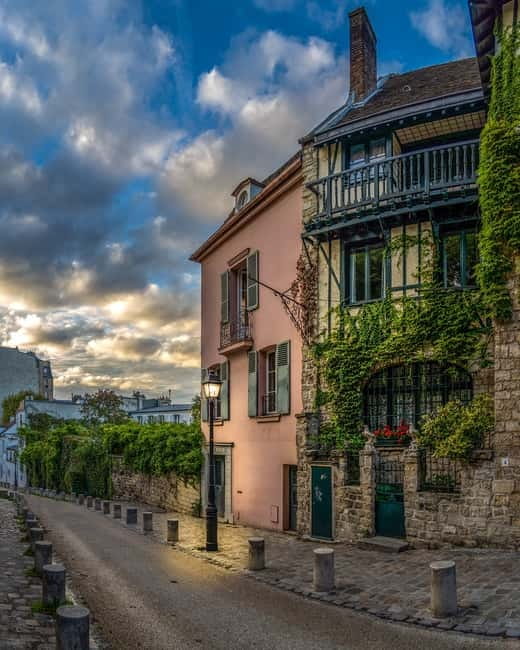
Then you hit La Maison Rose, one of Paris’s most photographed spots. Yes, it’s a quick visual moment, but the guide uses it as a doorway into how Montmartre became a stage for mythmaking: artists, performers, and legends all feeding off each other.
At this stop there’s a break time plus a photo stop and guided time (again about 30 minutes). If you need a breather, this is usually a good point to reset. The tour’s small-group rhythm also makes it easier to move around without feeling rushed.
Into Lesser-Known Montmartre: Vineyards, Courtyards, Old Cabarets
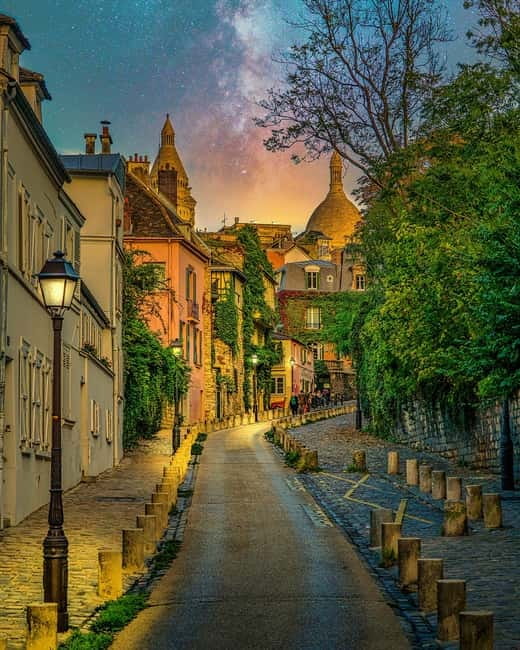
What I like most about this tour is that it doesn’t stop at the obvious. After the main hits, you’re guided into lesser-known corners where Montmartre feels more like a neighborhood than a theme park.
Expect elements like:
- Quiet courtyards
- Vineyards (yes, in Montmartre)
- Old cabarets and hidden passageways
- Smoother transitions between famous points and calmer streets
This is also where the guide’s personality shows up. Guides such as Yazid and Silvia are often praised for storytelling style—sometimes with music or unexpected details that make the walk feel less like a lecture and more like a conversation with someone who truly cares. Yazid, in particular, is mentioned for weaving in a wide range of cultural names, including Van Gogh, Dalí, Dalida, Charles Aznavour, and Edith Piaf, tied back to how Montmartre shaped them and how they helped shape Montmartre.
You’ll get the impression that the hill wasn’t only about art. It was also about revolution, resistance, and eccentricity—people pushing boundaries in a place that allowed strange ideas to thrive.
Place du Tertre: Artists in the Open Air (and What to Do Next)
The tour finishes at Place du Tertre, near the painters who still work in the open air. This is the emotional wrap-up: you’ve walked the streets where artists found identity, and now you see artists working in the present.
The guide takes you to photo opportunities here and (based on what’s included) helps with family pictures at different spots along the way. That’s a thoughtful touch if you’re traveling with kids or if you want consistent photos without handing your camera to strangers.
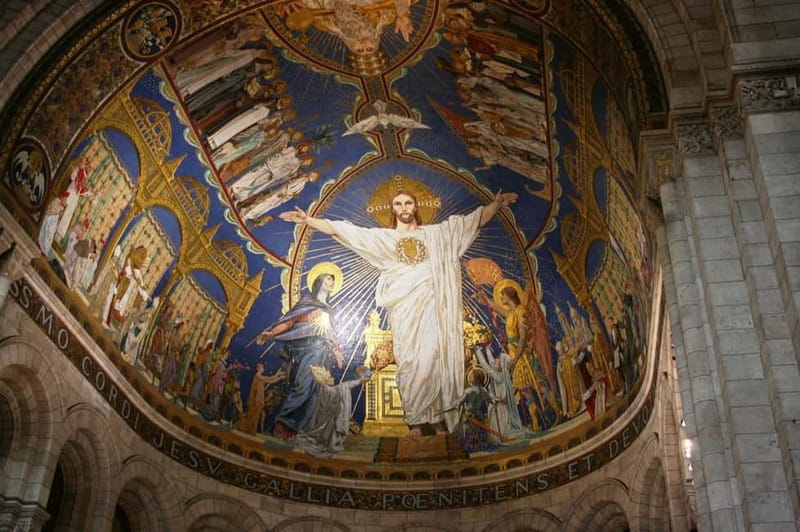
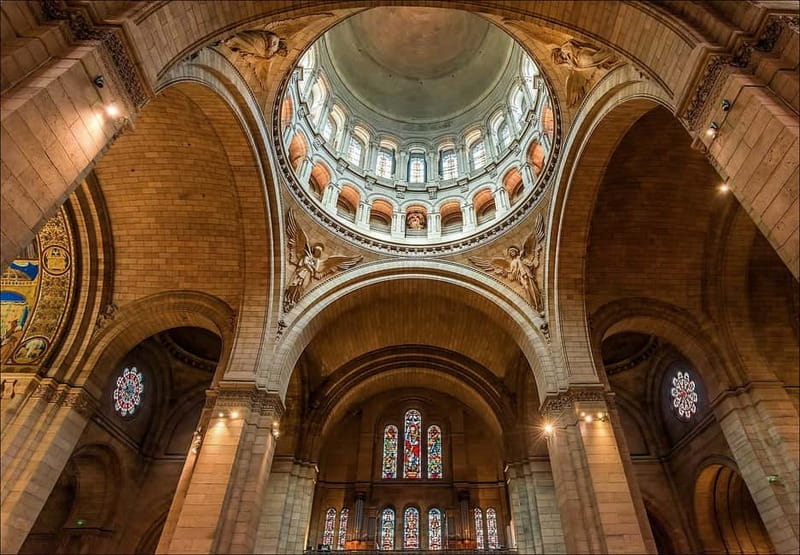
You also get tips for exploring Sacré-Cœur on your own, timed to make the visit easier. That matters. Sacré-Cœur is a magnet, and it’s smarter to plan your inside visit after you’ve already oriented yourself from the outside. This tour’s ending point and guidance set you up well for that.
Price and Value: Is $34 Worth 2 Hours of Montmartre?
At $34 per person for about 140 minutes, you’re paying for three things: a local guide, a structured route through high-impact stops, and the ability to understand what you’re seeing without reading your way through Paris on your phone.
If you walk Montmartre on your own, you’ll get the landmarks. But you might miss why those landmarks matter: the artistic community behind Bateau-Lavoir, the symbolism behind the Wall of Love, and the way Moulin de la Galette became an artistic reference point. This is where the “value” shows up. With a good guide, you leave with mental images and connections, not just a folder of photos.
Also, you’re in a small group of up to 16, and the tour includes family pictures taken by the guide. If you’re the person usually holding the phone, that alone can feel like a bargain.
Where the price might feel less justified: if you hate guided narration or you’re rushing through Montmartre for only quick photos. This tour is best when you’re curious.
Who This Tour Is Best For (and Who Should Skip It)
This experience fits you if you:
- Love art history stories, especially the way artists and places influenced each other
- Like photography but also want the context that improves the pictures
- Want a route that includes both icons and calmer streets
- Travel in a small group size (or as a couple/solo) and enjoy asking questions
It may not fit you as well if you:
- Need wheelchair-friendly access, because the tour is listed as not suitable for wheelchair users and not ideal for people with mobility impairments
- Prefer minimal talking and maximum wandering on your own
- Are traveling with oversize luggage (it’s not allowed)
It is described as adapted for kids, and several guides are noted for keeping the experience engaging for families, including pacing and interaction. So if your group includes children, this can work better than a slow, museum-style art lecture.
Logistics You Should Plan for Before You Go
This is a walking tour, so your main “prep” is simple but important.
Bring:
- Comfortable shoes
- Comfortable clothes for a hilly walk
- Cash
Meeting and ending:
- Start at Place Saint-Pierre area (look for Paris Tours Experiences near the carrousel)
- End back at the meeting point
Language:
- English, with a live guide
Group behavior:
- Small group, max 16 people, which helps keep the experience personal rather than rushed.
Weather:
- It runs outdoors, so check conditions and dress for real Paris street time, not just sightseeing time.
If you’re also planning Sacré-Cœur itself, the tour’s final guidance helps. Use that to reduce time spent guessing once you’re on the hill.
Should You Book This Montmartre Highlights Tour?
Yes, if you want Montmartre to make sense fast. This tour is one of the better ways to connect the famous sites—Wall of Love, Bateau-Lavoir, Moulin de la Galette, Maison Rose, Place du Tertre—into one story about why artists gathered here and how the hill stayed stubbornly itself.
Book it especially if you value a guide who can explain art and culture in human terms. The standout pattern from guides like Yazid and Silvia is energy plus story craft: you’re not just hearing facts, you’re getting characters, connections, and small details that stick. And the family photo touch is genuinely helpful if you’ll be in pictures all trip.
Skip it if you want a quiet, self-paced walk with minimal narration, or if mobility limitations make hilly cobblestone streets hard for your group. Otherwise, for $34, you’re buying time saved and meaning gained—two things Montmartre rewards.
FAQ
How long is the Montmartre walking tour?
The tour runs for 140 minutes (about 2 hours and 20 minutes). Starting times vary, so you’ll want to check availability.
Where does the tour start and how do I find the guide?
You start at Place Saint-Pierre under Sacré-Cœur. The instructions say to look for Paris Tours Experiences near the carrousel where your guide will be waiting.
What are the main stops during the walk?
You’ll visit or pass key sites including the Wall of Love, Le Bateau-Lavoir, Moulin de la Galette, La Maison Rose, and you’ll finish at Place du Tertre near Sacré-Cœur.
What is included in the price?
Included: the walking tour, a local guide, and family pictures taken by the guide at different spots.
Is food included?
No. Food is not included.
What should I bring?
Wear comfortable shoes and comfortable clothes. The info also notes you should bring cash.
Is it suitable for wheelchair users?
No. The tour is listed as not suitable for wheelchair users and not suitable for people with mobility impairments.
What cancellation options are available?
The tour offers free cancellation up to 24 hours in advance for a full refund, and you may also see a reserve now & pay later option.