REVIEW · PARIS
Paris: Le Marais District Guided Walking Tour
Book on GetYourGuide →Operated by Z-Ocean Tours LLC · Bookable on GetYourGuide
The Marais reads like a medieval map. This 2-hour guided walk uses historic landmarks to show how the Marais grew from edge-of-Paris space into today’s central neighborhood. I love the practical, stop-by-stop way the guide explains what you’re looking at, and I especially like the focus on the Jewish quarter sites along Rue des Rosiers.
I also like that the itinerary is tight enough to feel like a real plan, not a wandering stroll. You’ll cover big name sights like Hôtel de Ville and Place des Vosges, plus quieter details that make the district feel lived-in. One possible drawback: this tour is in English, and if you were counting on French, you might need to match the pace and language level.
Expect a classic walking-tour format with comfortable-shoe requirements. It’s wheelchair accessible, but it’s not suitable for pregnant women, so plan accordingly. After the tour, your guide will offer a café stop with a croissant nearby so you can sit, reset, and enjoy the evening.
In This Review
- Key things to know before you go
- Why Le Marais Works So Well on Foot
- Meeting Outside Quick and Getting Your Timing Right
- Hôtel de Ville and the Marais’s Shift from Edge to Center
- Place des Vosges: Architecture That Teaches You to Look
- Maison de Victor Hugo: When a Person Becomes a Landmark
- Paroisse Saint-Paul Saint-Louis: Spiritual Heritage in the Middle of Paris
- Musée National Picasso: Art That Belongs to the Neighborhood
- Pont Marie: A River View With a Different Kind of Perspective
- Église Saint-Gervais and the Feel of Old Streets
- Fontaine du Lycée Charlemagne: Little Details That Make Big Sense
- Rue des Rosiers: Jewish Paris, Street-Level and Specific
- Jardin Anne Frank: A Quiet Stop With Strong Emotional Weight
- The Croissant and Café Break After Your Walk
- Price and Value: Is $42 Worth It?
- Where You’ll Get the Most Out of This Tour
- Should You Book This Marais Guided Walking Tour?
- FAQ
- What is the duration of the Paris: Le Marais District Guided Walking Tour?
- How much does the tour cost?
- Where do I meet the guide?
- What language is the tour guide speaking?
- What’s included in the price?
- Is hotel pickup or drop-off included?
- Is the tour wheelchair accessible?
- What should I bring?
- Is the tour suitable for pregnant women?
- Can I cancel for a refund?
Key things to know before you go
- English-led tour with a live guide, so prepare for English explanations and Q&A
- 2 hours that pack in medieval-era anchors and modern landmarks in one loop
- Jewish Paris focus, especially around Rue des Rosiers and Jardin Anne Frank
- Photo-friendly stops that range from Place des Vosges to Pont Marie and Église Saint-Gervais
- Café croissant break after the walking portion to slow down and take in the atmosphere
Why Le Marais Works So Well on Foot
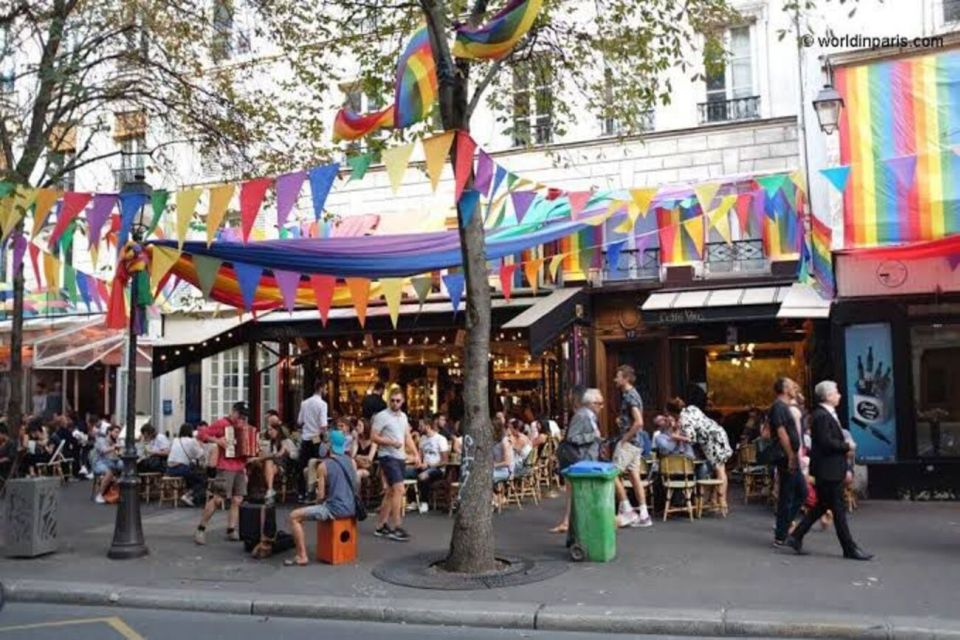
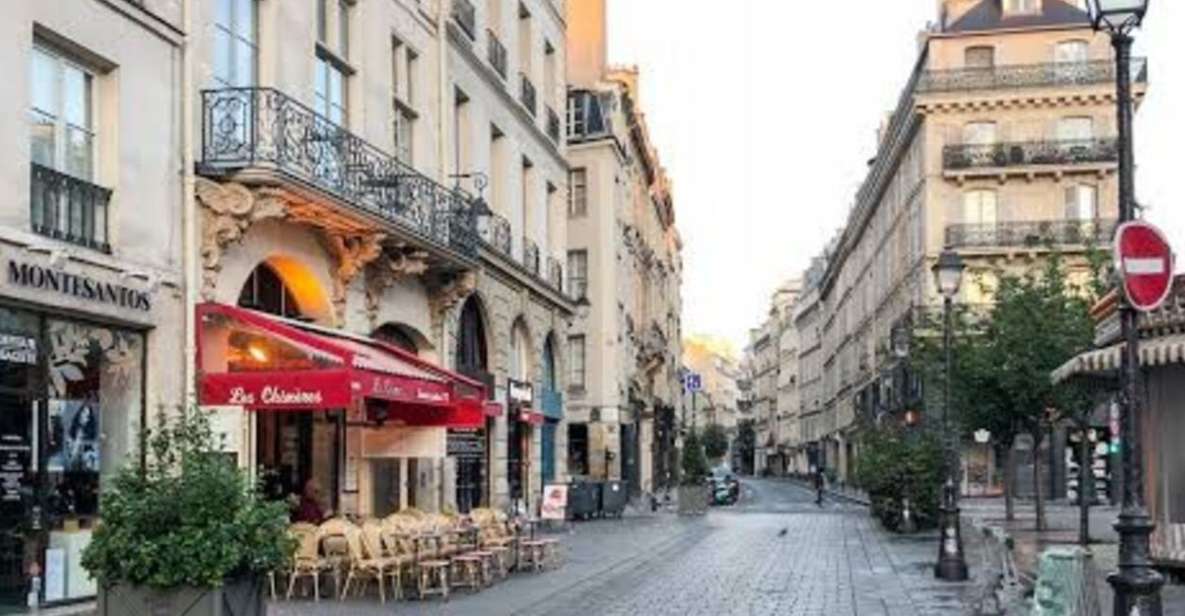
Le Marais is one of those Paris districts where you can feel time layers without needing a museum ticket for every moment. This tour is built for exactly that: you get a route that connects streets and buildings to what the neighborhood meant historically and what it represents today.
The big win here is direction. Instead of walking the Marais and hoping the story clicks, you get guided context that turns each stop into a clue. You’ll see major landmarks, but the pacing is meant to keep you understanding what you’re looking at as you walk.
You can also read our reviews of more walking tours in Paris



Meeting Outside Quick and Getting Your Timing Right
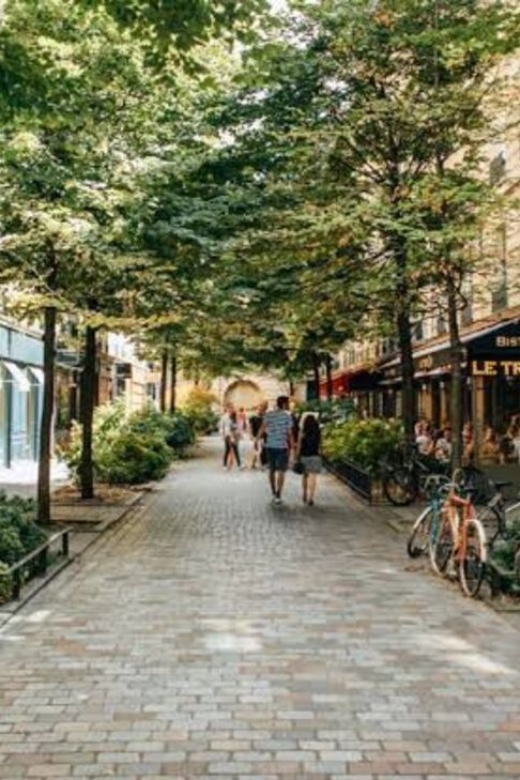
You’ll meet your guide outside the Quick restaurant. That’s a straightforward start point—no complicated underground labyrinth required. From there, you’ll be walking through the Marais at a comfortable touring pace for about two hours.
One small practical note: because it’s a walking tour, you’ll want to wear comfortable shoes and plan for cobblestones and uneven sidewalks. If you’re the type who likes to linger at every doorway, keep your expectations realistic; the itinerary is dense, so there’s not a lot of slack built in.
Hôtel de Ville and the Marais’s Shift from Edge to Center
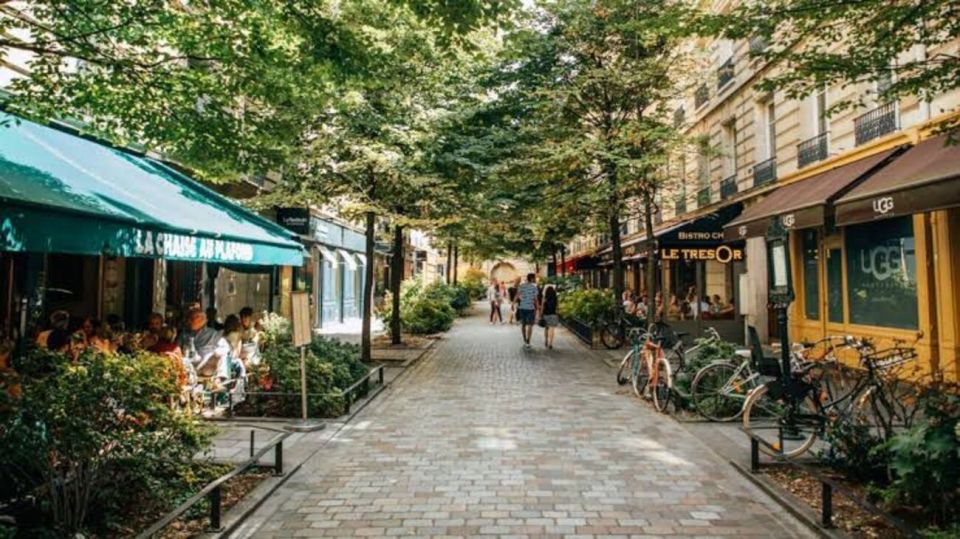
You begin by learning about the Marais’s historic importance, including how it once lay beyond the center of Paris and later became part of the core. That framing matters, because it explains why the district feels different from newer quarters of the city: it’s not just pretty buildings, it’s the physical record of how Paris expanded.
Starting at Hôtel de Ville gives you a strong anchor. Even if you’ve seen it from afar, hearing the neighborhood-story angle first helps you spot relationships between places as you go—what’s near, what lines up, and why these sites ended up where they did.
Place des Vosges: Architecture That Teaches You to Look
Place des Vosges is the kind of square where your eyes naturally keep moving, even if you’re not trying. On this tour, it’s more than a postcard stop. You’ll use the square to understand the Marais’s “center stage” role and the way major public spaces shaped the district’s identity.
I like this part because it trains your attention. You start noticing scale, symmetry, and the sense of enclosure a square creates—things that can be hard to see on your own until someone points out what to watch for.
Maison de Victor Hugo: When a Person Becomes a Landmark
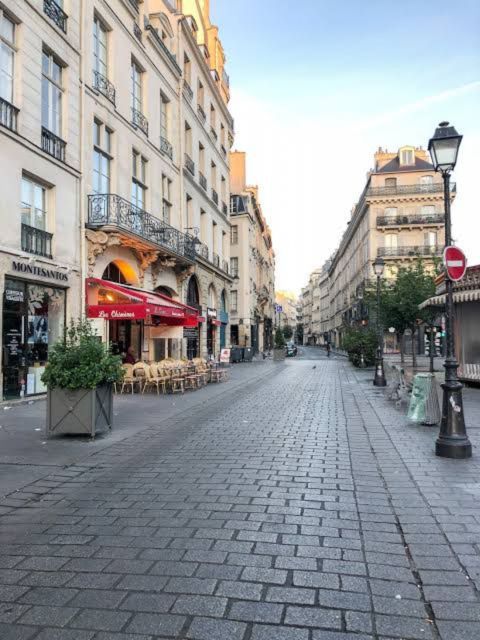
Maison de Victor Hugo adds a human layer to the neighborhood. Once you’re standing there, the Marais stops feeling like a set of famous stones and starts feeling like a place where writers, thinkers, and ideas mattered.
This kind of stop is valuable because it keeps the tour from becoming only dates and dates. A guided explanation can connect the building to how the Marais functioned socially, culturally, and historically—so you don’t leave with a list of places, you leave with a mental map of meaning.
You can also read our reviews of more guided tours in Paris





Paroisse Saint-Paul Saint-Louis: Spiritual Heritage in the Middle of Paris
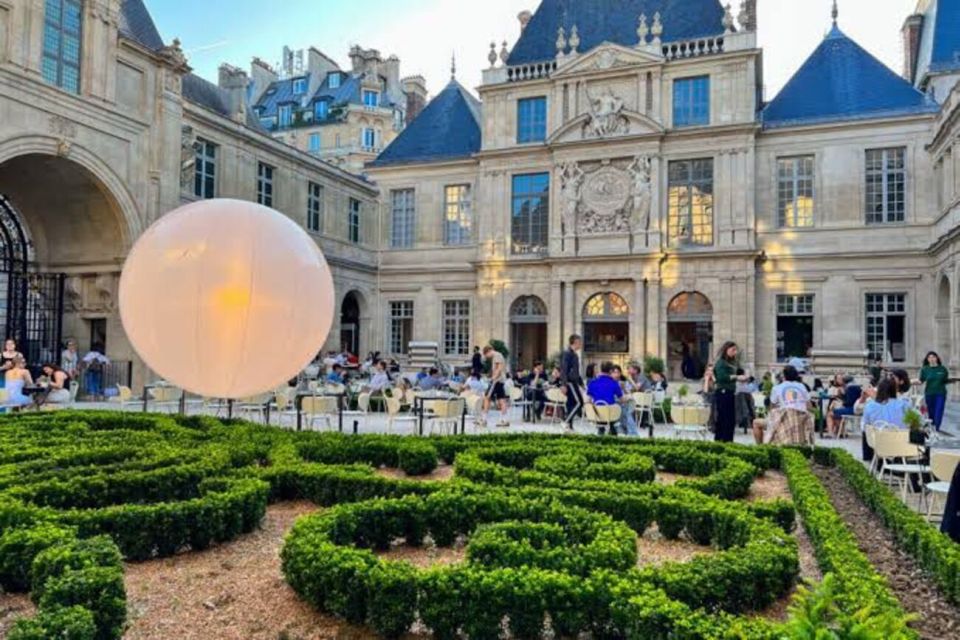
Paroisse Saint-Paul Saint-Louis brings you into the religious history woven into everyday city life. Churches in Paris aren’t just architecture; they’re long-running community institutions.
What you’ll get from a guided stop here is the ability to read details you might otherwise miss. Even if you’re not the type who studies religious architecture, this pause helps you understand why the Marais had staying power across centuries.
Musée National Picasso: Art That Belongs to the Neighborhood
The Musée National Picasso stop is interesting because it links the modern cultural Paris you know with the older streets you’re walking through. Picasso is often associated with broader Paris art history, but placing the museum in the Marais context helps you see how the district supports contemporary creativity too.
This is one of those stops where you can adjust your own interest. If you love art, you’ll likely lean in during the explanation. If you’re more architecture-and-streets than museums, you’ll still benefit from the way the guide ties the site back to the neighborhood story.
Pont Marie: A River View With a Different Kind of Perspective
Pont Marie is a classic photo spot, but the value on a guided walk is the interpretive angle. The bridge gives you a chance to think about geography—how the river corridor helped shape movement, development, and the feeling of “district boundaries” inside the city.
I like bridges on walking tours because they reset your brain. You get a view, then you step back into the streets with a better sense of how the neighborhood sits in relation to the wider city.
Église Saint-Gervais and the Feel of Old Streets
Église Saint-Gervais adds a distinctly old-Paris atmosphere. Standing near major churches changes your pace in a good way. The soundscape shifts, the street rhythm feels different, and you start noticing how people move around landmark buildings.
On this tour, the point isn’t just to see an old church. It’s to understand how these institutions anchored communities over time, helping the Marais stay recognizable as Paris changed around it. If you enjoy architecture, this stop will reward you for taking a slow look before you move on.
Fontaine du Lycée Charlemagne: Little Details That Make Big Sense
You’ll also pass by the Fontaine du Lycée Charlemagne. This kind of stop is easy to miss on your own because it doesn’t dominate the skyline the way bigger monuments do. With a guide, it becomes a clue—something that helps you connect civic life, education, and the district’s layering.
I think these “mid-size” points are where the tour earns its 2 hours. They keep the walk from being only the biggest-name locations. You end with a sense that the Marais isn’t just famous; it’s functional, full of local rhythms.
Rue des Rosiers: Jewish Paris, Street-Level and Specific
Rue des Rosiers is one of the most important segments of this walk. This is where the tour shifts from general medieval Paris storytelling to a more focused look at Jewish neighborhood life.
This section matters because Rue des Rosiers isn’t just historical; it’s still meaningful in the present. Even without buying anything or stopping for food on every corner, you’ll be able to connect what you see around you to the larger narrative your guide brings.
If you like cultural walking tours, this is the part you’ll remember most clearly because it’s grounded in place names, street history, and a sense of community. It’s not a distant “museum story”; it’s a neighborhood story.
Jardin Anne Frank: A Quiet Stop With Strong Emotional Weight
Jardin Anne Frank is a powerful final segment for the Jewish Paris focus. A garden in the middle of a dense city sounds simple, but it often gives you room to process what you’ve learned while still staying in the Marais context.
On a guided tour, this stop works because it closes themes. After walking through Rue des Rosiers and surrounding landmark context, the garden offers a calmer, reflective moment—less about sightseeing energy and more about absorbing the meaning behind the area.
The Croissant and Café Break After Your Walk
Once you complete the tour, your guide offers you a café stop with a croissant at a nearby café shop where you can sit and relax. This is a smart finish. Two hours of walking through compact streets adds up, and this pause makes it easier to enjoy the evening instead of heading out still keyed up.
One practical thought: because the itinerary is active, take the chance to recharge and regroup. If you’re hungry, this is your built-in moment. If you’re not, it’s still useful as a comfortable buffer before you continue exploring on your own.
Price and Value: Is $42 Worth It?
At about $42 per person for a two-hour guided walking tour, you’re paying for two things: (1) an English-speaking guide who explains the neighborhood as you go, and (2) an organized route that hits major landmarks plus the Jewish quarter emphasis.
Compared to DIY walking, the value is in the “why.” Place des Vosges is beautiful whether or not someone explains it, but you’ll get more out of your time if you understand how the Marais’s role changed and how sites like Rue des Rosiers fit into the larger story. If you enjoy history but don’t want to do research between street corners, this format is a good fit.
Where You’ll Get the Most Out of This Tour
You’ll likely enjoy this tour most if you:
- want a guided Marais route that doesn’t require planning every stop yourself
- care about the Jewish neighborhood history around Rue des Rosiers and Jardin Anne Frank
- like mixing famous landmarks with smaller, interpretive stops like fonts and churches
It may be less ideal if you strongly prefer a different language (this one is English-led) or if you’re sensitive to pace. The tour has received positive feedback for clear, friendly guiding, but there are also mentions of a guide speaking quickly and not matching expectations for depth—so come prepared to stay engaged.
Also, since it’s not suitable for pregnant women, skip it if that applies. For everyone else, the “comfortable shoes” tip is the only real gear requirement you’ll be given—keep it simple and go.
Should You Book This Marais Guided Walking Tour?
Yes, I’d book it if you want a guided, organized way to experience Le Marais’s medieval-to-modern story with a meaningful Jewish Paris segment. The combination of major stops (Hôtel de Ville, Place des Vosges, Victor Hugo’s house, Pont Marie) plus focused cultural sites (Rue des Rosiers, Jardin Anne Frank) gives you variety without making the tour feel scattered.
Skip or reconsider if English-only explanations are a deal breaker for you, or if you need a slower, more deliberately paced history lesson. If your goal is to get your bearings fast and leave with a clearer picture of what the Marais represents, this two-hour walk is a practical way to do it.
FAQ
What is the duration of the Paris: Le Marais District Guided Walking Tour?
The tour lasts 2 hours.
How much does the tour cost?
It costs $42 per person.
Where do I meet the guide?
The guide will meet you outside the Quick restaurant.
What language is the tour guide speaking?
The live tour guide speaks English.
What’s included in the price?
A guided walking tour is included.
Is hotel pickup or drop-off included?
No. Hotel pickup and drop-off are not included.
Is the tour wheelchair accessible?
Yes, the tour is wheelchair accessible.
What should I bring?
Wear comfortable shoes.
Is the tour suitable for pregnant women?
No, it is not suitable for pregnant women.
Can I cancel for a refund?
Yes. You can cancel up to 24 hours in advance for a full refund.