REVIEW · PARIS
Paris: Saint Ouen Flea Market Guided Tour
Book on GetYourGuide →Operated by One Journey Tours · Bookable on GetYourGuide
Paris has a way of turning shopping into a story. This Saint Ouen flea market tour is the fast way in. You’ll get a guided walk through some of the biggest sections, plus insider help so you know what you’re looking at. Two things I like right away: the focus on vintage and antiques with vendor context, and the chance to build your own shopping plan right after the tour.
The main drawback? You’ll cover a lot of ground in 90 minutes. If your feet hate long walks, you may feel it by the time you reach the larger market sections.
In This Review
- Key highlights worth your time
- First stop: La Recyclerie near Porte de Clignancourt
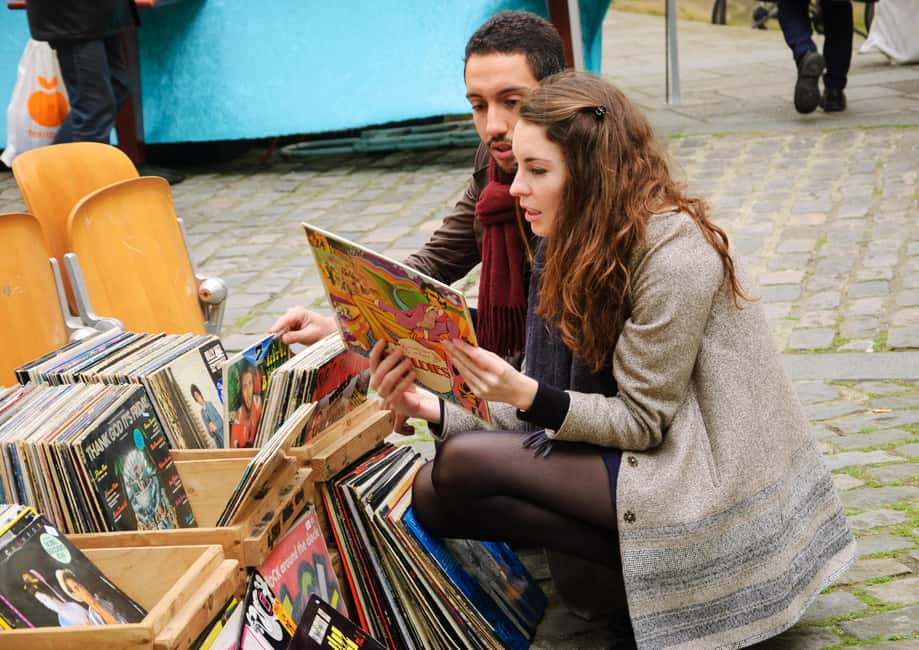
- Marche Vernaison: clothes, jewelry, and collectibles at full volume
- Marche Dauphine: the 70s and 80s dead stock focus
- Marche Biron: art, furniture, and luxury-style pieces
- The full Saint Ouen market pass and what happens after
- Price and value: what $40 buys you here
- How the guide makes a difference (including Joana’s style)
- Practical shopping tips that will save your money
- Best for you if you want Paris vintage with a plan
- Should you book this Saint Ouen flea market tour?
- FAQ
- How long is the Paris Saint Ouen flea market guided tour?
- How much does the tour cost?
- Where do I meet the guide?
- Which market areas are included?
- Is the guide available in English?
- Do vendors accept credit cards?
- What should I bring for the tour?
Key highlights worth your time
- La Recyclerie start at Porte de Clignancourt, easy to find and a great vibe match for vintage shopping
- Marche Vernaison access for clothing, jewelry, and collectibles in a big, maze-like market area
- Marche Dauphine dead stock hunt focused on 1970s and 1980s fashion you might not spot solo
- Marche Biron for art and furniture where the stakes feel higher and the pieces can get dramatic
- Meeting top vendors with stories and getting practical advice on what to inspect closely
First stop: La Recyclerie near Porte de Clignancourt
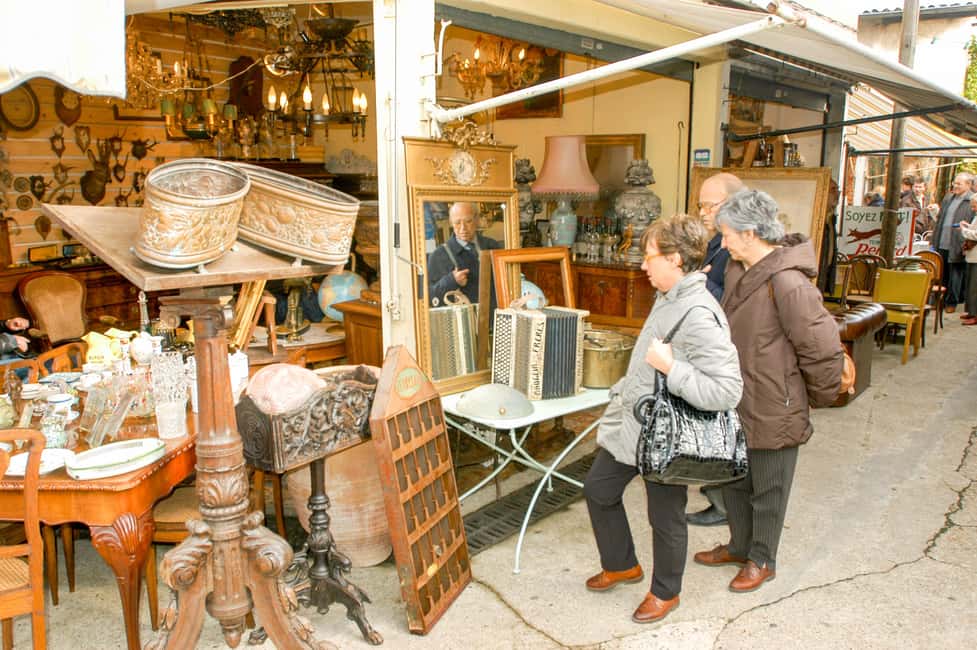
The tour begins outside Porte de Clignancourt metro, in front of La Recyclerie (83 Bd Ornano, 75018 Paris). You’ll spot your guide holding a red and white flag that reads One Journey. This matters more than it sounds. In a huge market like Saint Ouen, a clear start point saves time and stress.
La Recyclerie is also a smart tone-setter. It’s trendy and eco-minded, so you’re not walking straight from a sterile transit stop into a chaos storm. Before you get deeper into the market, you’re in the right mindset: slower, curious, and ready to look.
This also helps if you’re new to vintage shopping. A guide can set expectations fast: what’s worth checking, how to judge quality quickly, and what questions to ask vendors when a piece looks promising but the details aren’t obvious.
You can also read our reviews of more guided tours in Paris


Marche Vernaison: clothes, jewelry, and collectibles at full volume
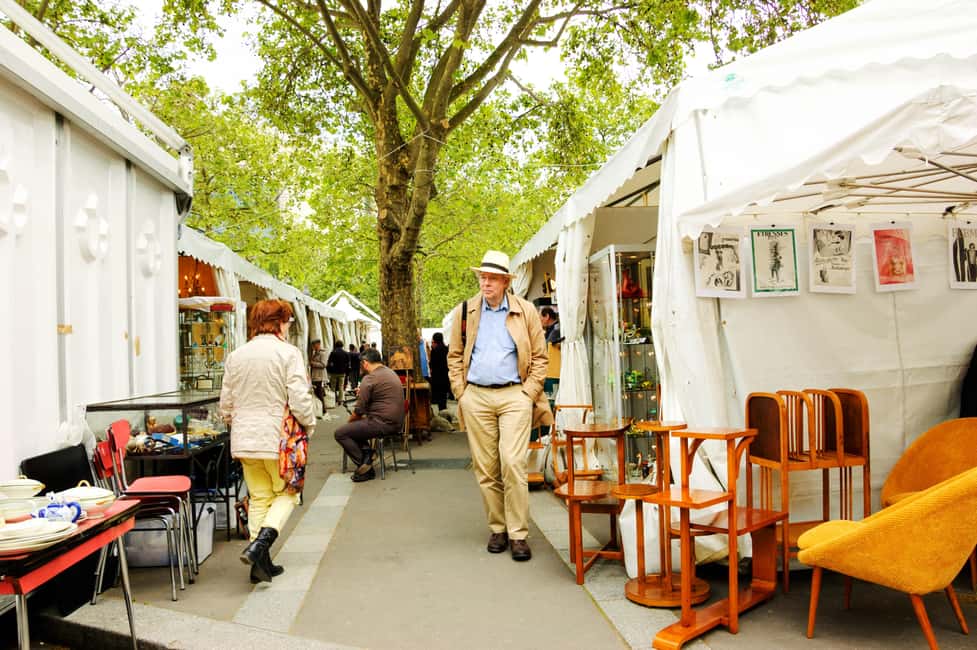
Next, you’ll work your way through Marche Vernaison. This section is known for vintage clothing, antique jewelry, and collectibles. It’s exactly the type of market where going alone can feel like sensory overload. A guide keeps you moving toward the stalls and item categories most likely to match what you want to buy.
What I’d watch for here is the “scan rhythm.” In a market like this, you can’t check everything. You’re trying to spot patterns fast:
- materials and construction details for clothing
- maker marks and metal type for jewelry
- condition clues for collectibles (chips, wear points, missing parts)
The tour format is built for that. You’ll get narratives around items and stalls as you go, which gives you a better chance of understanding what you’re seeing. It turns random browsing into actual selection.
There’s another practical benefit: vendor access and context. If a stall has a story behind a piece, that often connects to why it’s priced the way it is. That’s useful even if you don’t buy right away.
Marche Dauphine: the 70s and 80s dead stock focus
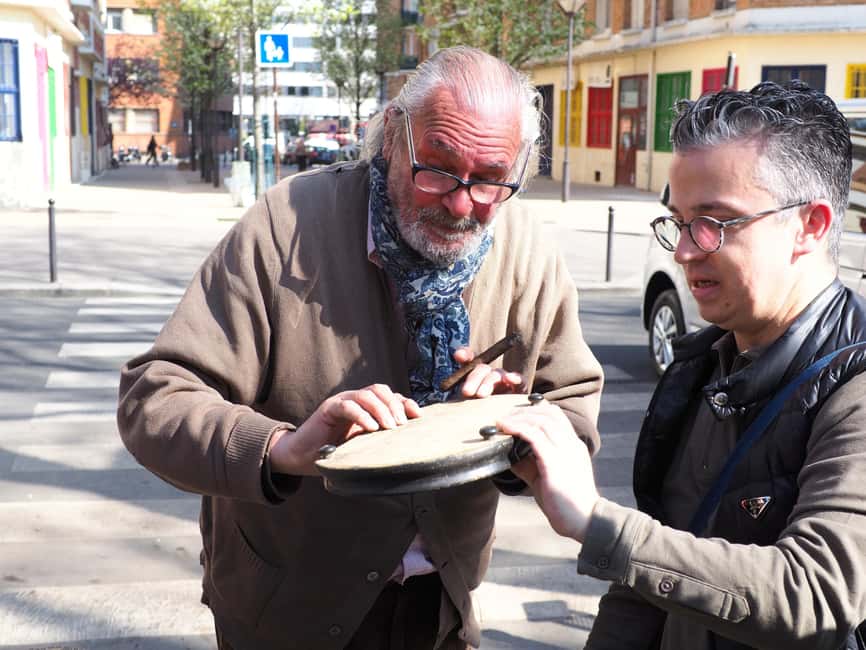
Then comes Marche Dauphine, a section with a cinematic reputation. It has been used in productions like Downton Abbey, which is a fun detail, but the real value is what you’re hunting for in practice.
This stop is aimed at finding untouched dead stock fashion from the 1970s and 1980s. That’s not just “cool old clothes.” Dead stock usually means the item hasn’t been worn or heavily handled in the usual market churn, so the condition can be better than what you’d find in random resale lots.
If you love the styling of that era, you’ll probably enjoy this part most. The 70s and 80s have distinct silhouettes, fabrics, and hardware choices. With a guide, you can learn what to look for quickly:
- tags and labeling details (when present)
- fabric type and how it’s holding up
- signs of storage age versus wear
There’s also a photographic angle here. The market areas are visually strong, and the tour includes plenty of chances to capture rare finds and market scenes. Just remember: if you want to buy, don’t let your camera slow your inspection pace.
Marche Biron: art, furniture, and luxury-style pieces
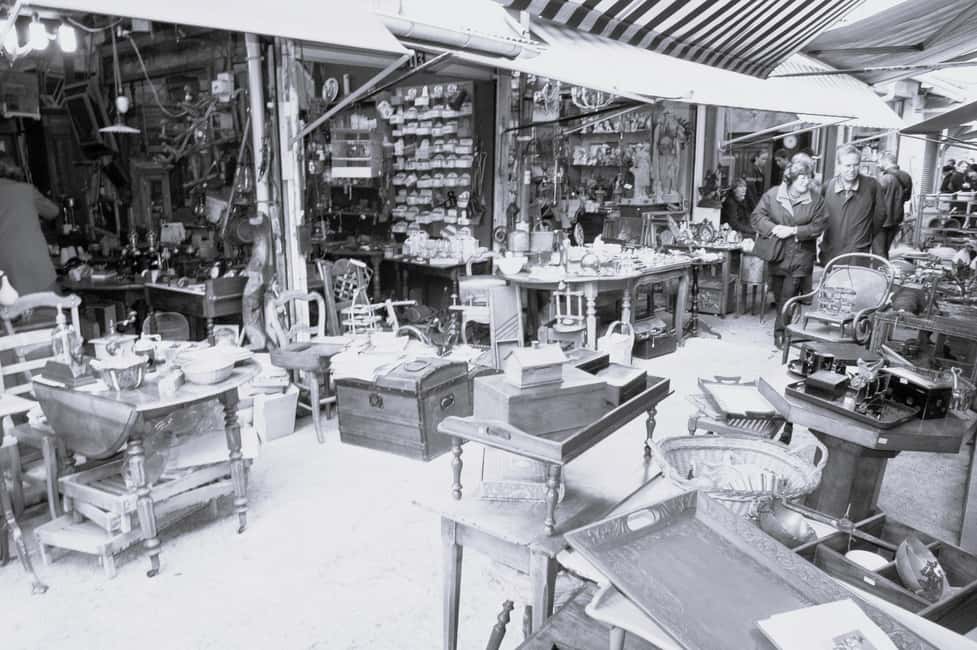
Marche Biron is where the tour energy shifts. This is the market section known for fine art, ornate furniture, and grand tapestries. Even if you’re not planning to spend big, this stop is worth it because it shows you how the market tiers work.
On one level, it’s a shopping walk. On another level, it teaches you to calibrate. When you see furniture and art-style inventory, you start understanding value signals: craftsmanship, condition, originality, and presentation. That knowledge transfers. Later, if you’re shopping for smaller items, you’ll be better at separating “pretty and cheap” from “good quality and worth it.”
The guide’s role becomes even more useful here. You can ask the right questions on the spot and get context without having to guess. A big plus is the small group setting. It keeps conversations possible instead of rushing past every stall like you’re sprinting through a museum gift shop.
The full Saint Ouen market pass and what happens after
The tour continues into the larger Saint Ouen flea market area. This is the part where the market can feel endless. That’s also why the guided portion matters. You’ll get a sense of several sections rather than bouncing randomly from one aisle to the next.
The tour is approximately 90 minutes total, and it’s designed to leave you with momentum, not exhaustion. You still get free time to explore on your own after the guided path. That’s where you can turn your new awareness into actual buys, or just enjoy the hunt.
A guide also provides recommendations for where to grab a Parisian aperitif afterward. That’s a small thing, but it’s smart. In Saint Ouen, being able to switch gears from shopping mode to food and drink mode without wandering around hungry is a win.
You can also read our reviews of more shopping tours in Paris





Price and value: what $40 buys you here
At $40 per person for about 1.5 hours, you’re paying for three things: time saved, navigation help, and access to vendor stories and market sections.
Going solo can work if you already know what you want and enjoy long, freeform wandering. But if you’re trying to shop vintage in a specific way—or you only have a short window in Paris—this guided approach tends to pay for itself. Not because you’ll automatically find something expensive. It pays because you’ll find the right stalls faster and avoid wasting time on items that aren’t what they seem.
Also, the tour includes access to key areas such as Marche Vernaison, Marche Dauphine, and Marche Biron. That’s a practical upgrade. Markets can be sprawling and confusing, and a guided path helps you hit the sections that match the tour’s theme.
Small group size matters here too. If you like a personal conversation about materials and condition, you’ll get more of that.
How the guide makes a difference (including Joana’s style)
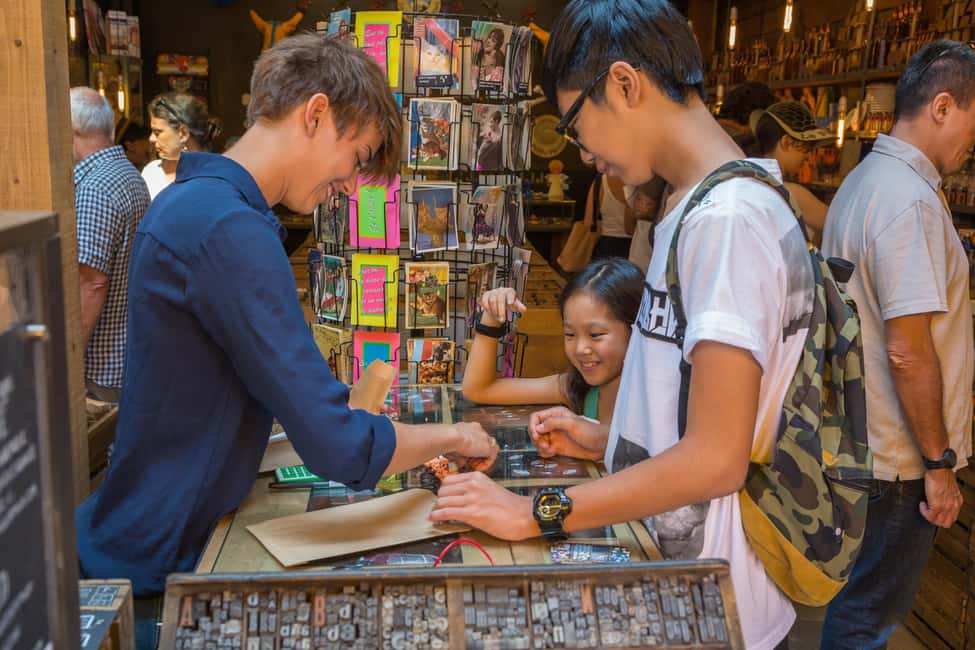
A standout pattern in the experience is the guide’s presentation and know-how. In one booking, the guide showed up in charming period clothing and was described as both pleasant and informative. Another note named Joana specifically as very knowledgeable.
Even without copying anyone’s wardrobe, the takeaway is clear: you’ll get a guide who can explain what makes items notable and how to inspect them. The guide also gives personalized shopping advice based on what you’re into—whether that’s fashion, jewelry, or art-leaning finds.
That personalization is the difference between a generic walk-through and a tour that helps you shop. It’s not only about where to go. It’s about what to look for when you get there.
Practical shopping tips that will save your money
This is where you can turn the tour into smarter decisions.
Bring cash
Some vendors may not accept credit cards. Even if you plan to use a card most of the time, keep a bit of cash for surprises.
Wear shoes built for stubborn cobblestones
The tour involves extensive walking. Your feet will do the schedule.
Use a small bag—and keep it secure
You’ll likely see a lot of foot traffic. Keep essentials tight and close. A small backpack or bag is easier to manage than a loose tote.
Take a few notes
If you like antiques and collectibles, bring a notebook and pen. Write down stall locations, item descriptions, or details like measurements and maker markings. It helps when you compare prices later.
Plan for weather and hydration
Bring water and dress appropriately. Markets run on sun, wind, and long steps, so comfort keeps you shopping instead of rushing.
Snack strategy helps
No food is included in the tour price. A small snack can keep your energy stable when the market goes longer than you expect.
Best for you if you want Paris vintage with a plan
This tour is a strong match if you:
- love vintage fashion and want an efficient route through major market sections
- like antiques and want guidance on what to inspect closely
- want a short, structured window into Saint Ouen rather than a full-day gamble
- enjoy photography and want plenty of moments to capture the scene
- prefer a small group experience over a large herd walk
It’s also good if you’re a collector in training. Even if you don’t buy today, you’ll learn what questions to ask and what details signal quality.
Should you book this Saint Ouen flea market tour?
I’d book it if you want to shop smarter in less time, and if you like the idea of learning from a local guide while you move through the biggest market sections. The price is reasonable for the amount of guided coverage and the chance to get vendor context, plus it ends with time to keep exploring on your own.
I’d skip it if you’re set on a totally freeform wandering day, or if you have limited mobility and 90 minutes of walking would be tough. In that case, you might prefer a slower, independent visit.
FAQ
How long is the Paris Saint Ouen flea market guided tour?
The tour lasts about 90 minutes.
How much does the tour cost?
It costs $40 per person.
Where do I meet the guide?
Meet outside Porte de Clignancourt metro station at La Recyclerie (83 Bd Ornano, 75018 Paris). Look for the guide holding a red and white flag that reads One Journey.
Which market areas are included?
The tour includes access to Marche Vernaison, Marche Dauphine, and Marche Biron.
Is the guide available in English?
Yes, the live tour guide speaks English.
Do vendors accept credit cards?
Some vendors may not accept credit cards, so it’s smart to have cash.
What should I bring for the tour?
Wear comfortable walking shoes, bring a water bottle, and consider carrying a small bag for essentials. Having cash and a notebook/pen can also help for shopping and item details.