REVIEW · PARIS
Montmatre Walking Tour: the essential highlights+
Book on GetYourGuide →Operated by Black Cat Tours Paris · Bookable on GetYourGuide
Montmartre is where Paris turns artistic and a little theatrical. This walking tour links the big icons like Sacré-Cœur with the everyday street scenes—so you feel the neighborhood, not just the landmarks.
I especially like the focus on artist spots (think Place du Tertre and Lapin Agile) and the guide’s talent for connecting what you see to the people and stories behind it. One watch-out: if you book a late start, you can run into slower pace or darker, colder conditions as the day winds down.
In This Review
- Key Highlights You’ll Care About
- Montmartre’s Art Walk in Plain English
- Start at Anvers: The Easiest Way to Get Your Bearings
- Sacré-Cœur: Big Views, Short Lines, and a Spiritual Mood
- Place du Tertre: Artists at Work in the Open Air
- The Quick Side Stops: Cabaret Patachou, an Old Vineyard, and Local Icons
- Lapin Agile: Cabaret Energy Meets Montmartre’s Backstreets
- Moulin de la Galette: The Windmill That Feels Like a Theme Song
- Moulin Rouge: Finish Near the Drama
- Le Bateau-Lavoir: The Artist-Era Detour You’ll Appreciate
- The Best Guide Matters More Than You Think
- Price and Value: Why $41 Often Makes Sense Here
- Timing Tip: Morning or Early Afternoon Wins
- Who This Tour Is For (and Who Should Skip It)
- Should You Book This Montmartre Walking Tour?
- FAQ
- Where is the meeting point for the tour?
- What language is the tour in?
- How long is the walking portion?
- Does the tour include entry to ticketed attractions?
- What stops are included on the route?
- Does the tour run in bad weather?
- Is the tour wheelchair accessible?
Key Highlights You’ll Care About
- Sacré-Cœur views that set the tone fast
- Place du Tertre street artists in action
- Stops tied to Montmartre’s art legends
- Lapin Agile and the cabaret atmosphere next to the ordinary streets
- Moulin de la Galette and windmill views without ticket hassles
- A finish near Moulin Rouge, so the day lands with drama
Montmartre’s Art Walk in Plain English
This is a classic Montmartre route built around what the neighborhood does best: walking streets, watching street life, and picking up stories as you go. You meet at the Anvers metro station (kiosk near the metro) and follow your guide’s sign through the steep, twisty lanes that make Montmartre feel like its own little world.
The tour is about 2.5 hours of walking, and it’s built to show you corners you’d likely skip on your own. That matters because Montmartre is famous, but it can also feel like a “big picture” neighborhood—this tour helps you slow down and notice the details.
Price is $41 per person, and the value is in the guided interpretation. You’re not paying for ticketed attractions; you’re paying for an English-speaking guide who keeps the route moving while turning each stop into context.
You can also read our reviews of more walking tours in Paris



Start at Anvers: The Easiest Way to Get Your Bearings
Your day begins at Anvers metro station, at the kiosk near the metro. The guide holds a sign, which is a small thing, but it reduces stress—especially in a busy area where you don’t want to waste time playing meet-up roulette.
Once you start walking, you’ll feel Montmartre’s layout right away. Streets here are not flat and not straight, so arriving prepared for hills is part of the plan.
This is a good start point for most people because it’s straightforward to reach by public transit. You’ll lose fewer minutes trying to find your way and can spend more time on the neighborhood itself.
Sacré-Cœur: Big Views, Short Lines, and a Spiritual Mood
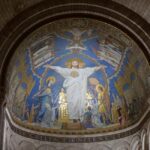
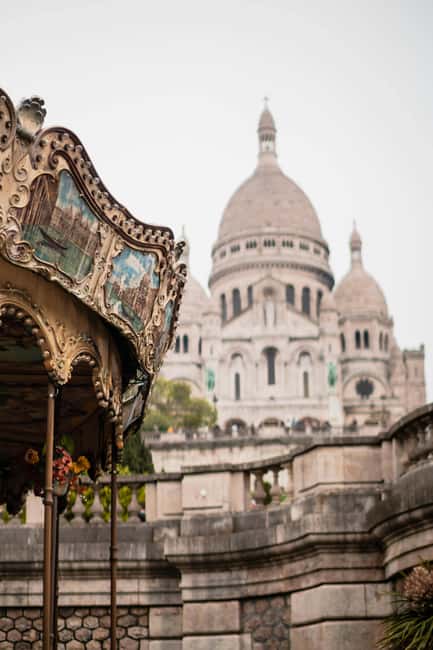
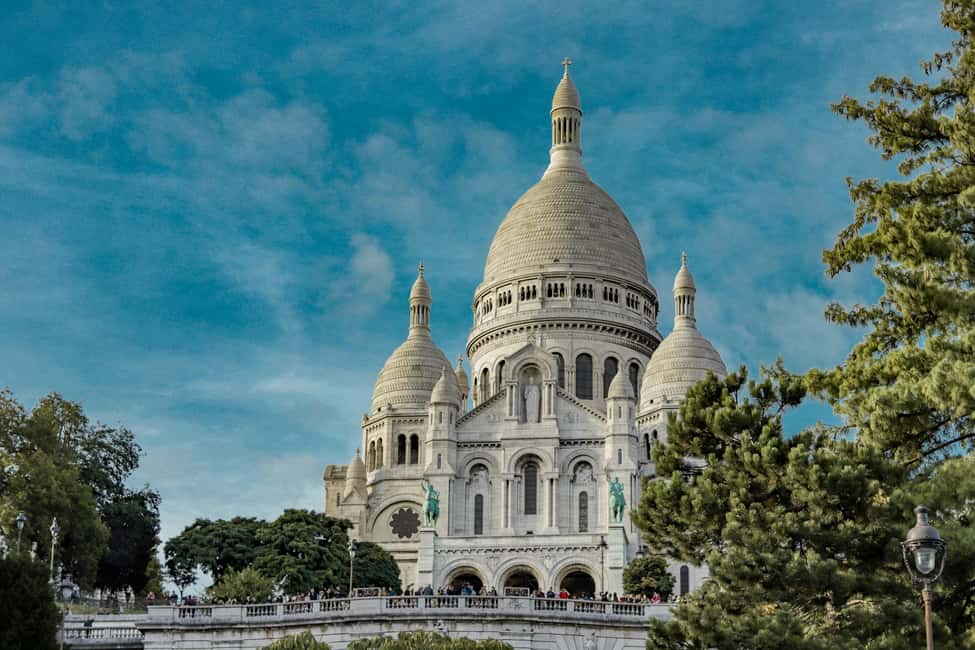
You head first to Basilica of Sacré-Cœur, where you’ll get a guided overview and time to walk around the area. Even without ticketed entry, this stop does a lot for the tour’s mood: the views over Paris, the grand architecture, and the feeling of a place that attracts both believers and romantics.
One practical note: timing can affect how smoothly your basilica moment goes. In a late-day tour, a mass delayed going inside the basilica, so you may want to plan for the possibility that religious services can change the flow.
If you want your Sacré-Cœur experience to feel unhurried, consider a morning or early-afternoon start. That’s also when street energy is stronger and you’re less likely to feel like you’re rushing the last stops in cold dusk.
Place du Tertre: Artists at Work in the Open Air

Next comes Place du Tertre, the famous square where you can watch artists working. This is one of the tour’s best “instant connection” moments: you arrive, you look up at the buildings, and you understand why Montmartre has long attracted painters, performers, and dreamers.
A guide helps here because it’s easy to treat this square like a quick photo stop. With context, you’ll notice what makes the place special—the way it functions as a meeting point between art culture and everyday street life.
There’s also a seasonal reality. If you book late, the artists may be packing up by the end of the tour, and you’ll be dealing with colder, darker conditions. For an experience that stays lively from start to finish, earlier is smarter.
The Quick Side Stops: Cabaret Patachou, an Old Vineyard, and Local Icons

Montmartre is full of small landmarks that are easy to miss if you’re moving too fast. This tour threads in several you’ll likely want to know by name as you pass them.
You’ll go by places like Cabaret Patachou, encounter an area connected to an old vineyard, and stop at the bust of Dilada. You’ll also hear about the Passe-Muraille, a well-known local figure that ties a bit of folklore to the neighborhood’s identity.
These stops aren’t just trivia. They help you see Montmartre as layered: religious monuments, artist spaces, and local legends all living on the same hillside. That’s the point of having a guide—someone keeps you oriented while pointing out what would otherwise blend into the scenery.






Lapin Agile: Cabaret Energy Meets Montmartre’s Backstreets
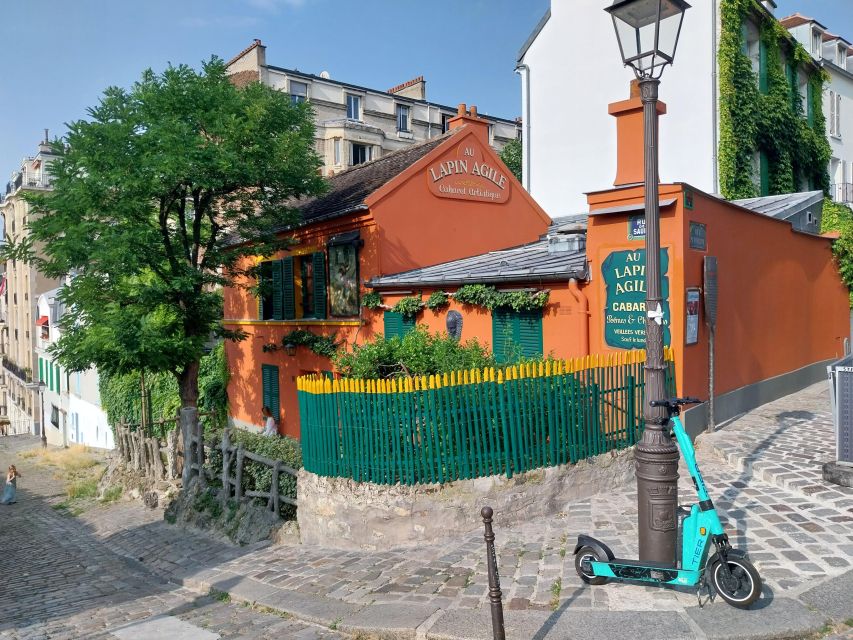
Then you hit Lapin Agile, one of the names that makes Montmartre feel like a storybook of nightlife and creativity. The setting works because it’s not just a polished attraction—it fits the neighborhood vibe, where performance culture and residential streets overlap.
On a guided walk, Lapin Agile is also a chance to understand Montmartre’s dual personality. Yes, it’s romantic and scenic. But it’s also known for pushing boundaries through music, cabaret, and the kind of artistic talk that spills into the street.
This is also where you’ll feel the benefit of not walking alone. Montmartre’s alleys and shortcuts look charming on the map, but getting there smoothly is another matter.
Moulin de la Galette: The Windmill That Feels Like a Theme Song
At Moulin de la Galette, the vibe shifts again. You’re looking at a symbol of Montmartre that’s tied to leisure, art, and the idea of the belle époque—the kind of festive Paris people imagine when they think of past eras.
This stop works best if you slow down for a few minutes and look around. The windmill isn’t just a photo backdrop; it acts like a landmark that tells you how Montmartre became a stage for artists and social life.
Again, there’s a practical benefit: this tour is not built around ticketed interiors, so you can spend your time experiencing the place rather than waiting in lines for paid entry.
Moulin Rouge: Finish Near the Drama
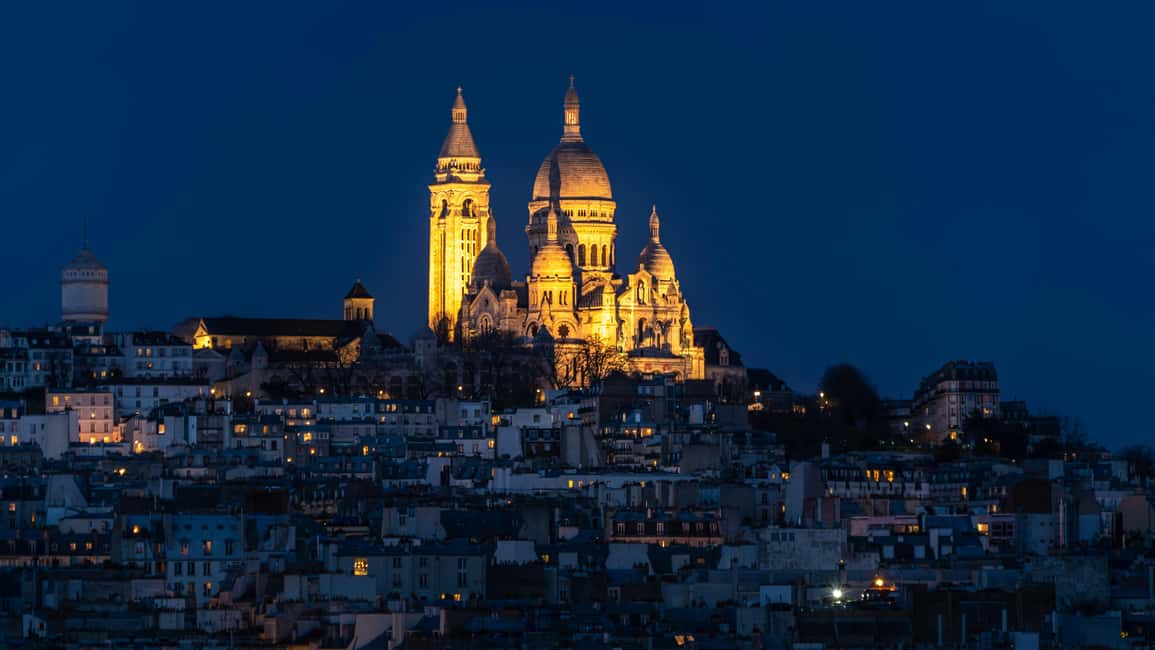
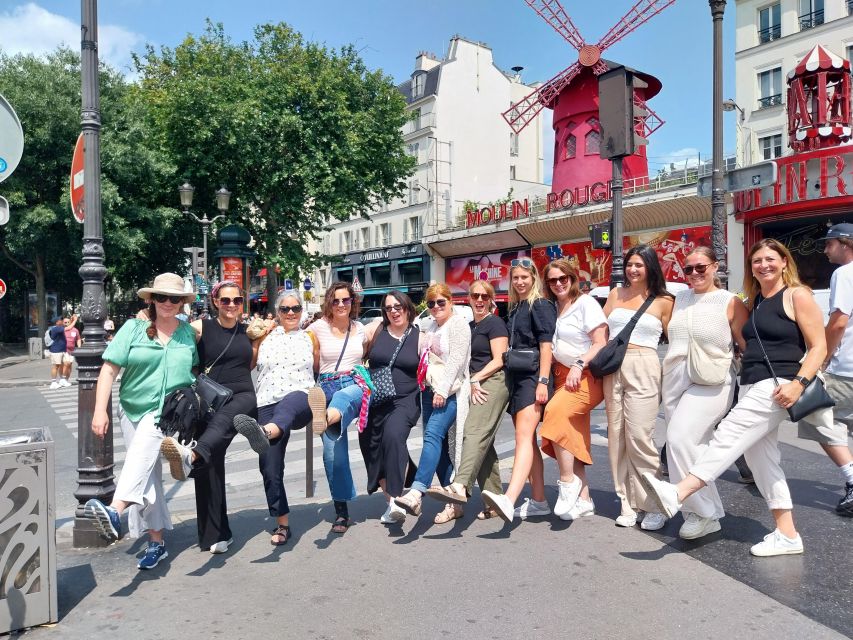
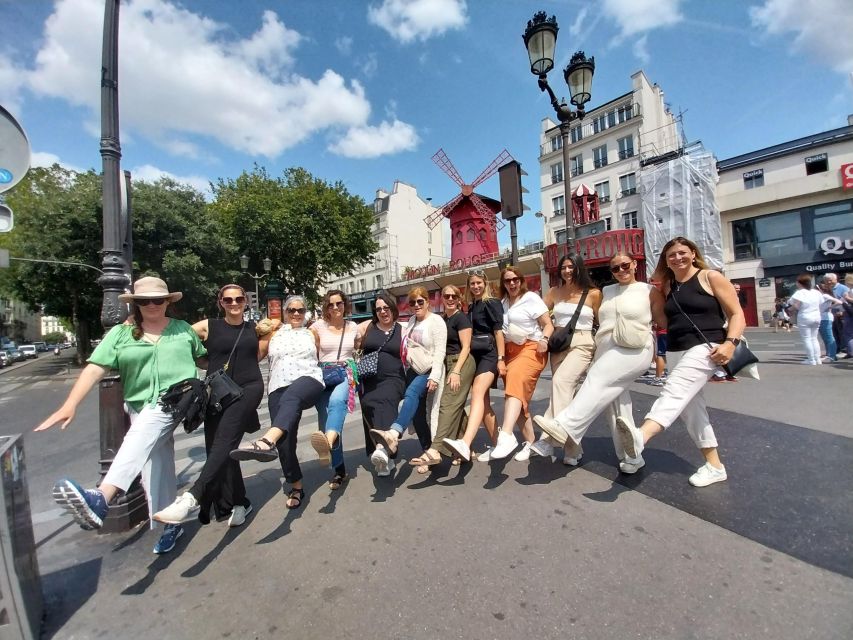
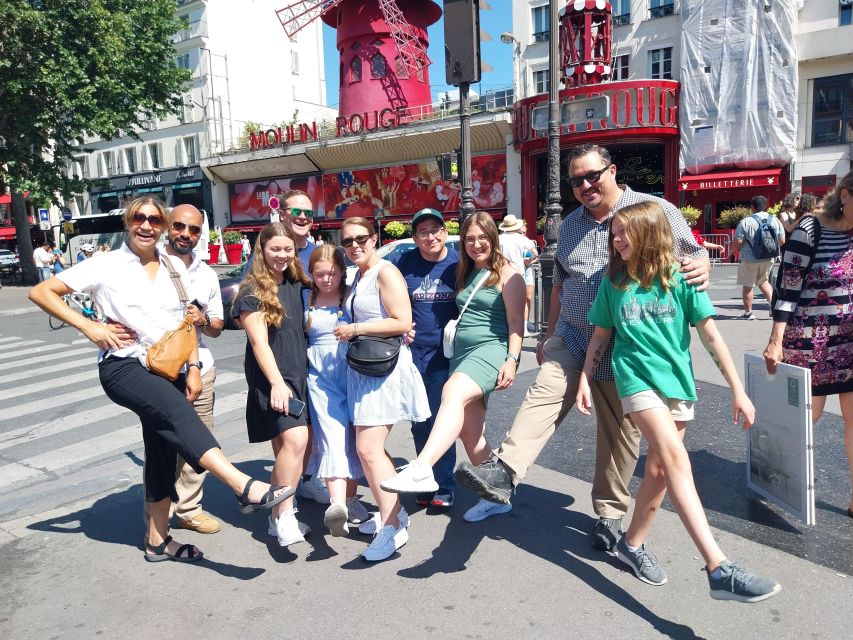
Your tour ends near Moulin Rouge. Even if you’ve seen it before, finishing here gives the walk a satisfying arc: you start with spiritual grandeur at Sacré-Cœur and end with pure show-business energy on the Moulin Rouge side.
This is a smart choice because it lets you keep exploring after the tour on your own terms. You can linger, grab a drink, or simply watch the area’s nightlife rhythms without feeling like you’re still rushing through “tour stops.”
Just remember the day’s light matters. A late start can mean you’re arriving near the end as it gets darker, which can change the feel of the final photos and the walking pace.
Le Bateau-Lavoir: The Artist-Era Detour You’ll Appreciate
You’ll also stop by Le Bateau-Lavoir, another key name in the art story of Montmartre. This is the kind of location that makes you understand why artists kept coming back to these streets.
Even without ticketed entry, the value here is in the connection: you’re not just learning the name, you’re learning why the spot mattered. A good guide helps you make that link between the physical street you’re standing on and the creative environment people built there.
This part of the walk is especially useful if you care about understanding what “Montmartre as an art magnet” really means, not just repeating famous phrases.
The Best Guide Matters More Than You Think
A huge part of the experience is the guide’s voice and pace. In the feedback connected to guides on this route, names like Johnny and Ewan come up for a reason: people describe them as fun, enthusiastic, and full of stories.
You’ll also feel it in the route planning. A good guide does two things at once: keeps you moving so you don’t waste time, and slows you down just enough that the small details land.
If you’re the kind of traveler who likes to know why a place has a nickname or how a spot fits into Montmartre’s changing culture, you’ll likely love the way this tour explains what you’re seeing while you’re still close to it.
Price and Value: Why $41 Often Makes Sense Here
At $41 per person, the tour price isn’t “cheap” in an absolute sense—but it’s fair for what you’re buying. You get a guided walk of around 2.5 hours, in English, with a route that hits multiple Montmartre anchors without requiring paid entries.
Because the tour doesn’t depend on ticketed attractions, you avoid a common trap in Paris tours: paying extra and then spending most of your time managing lines. Here, your money goes toward interpretation and the walking route that helps you see the neighborhood as a whole.
If you’re traveling in a group, the guided component can also feel more worth it. It’s one of those tours where your guide prevents you from missing the best angles and the story behind them.
Timing Tip: Morning or Early Afternoon Wins
Here’s the biggest practical piece of advice I can give: choose a morning or early afternoon start when you can. A late start (one example was 5:30pm) can mean the day ends with cold temperatures and the artists in Place du Tertre may be packing up.
Even if the tour still works, the atmosphere shifts. Early on, you can enjoy both street life and the iconic views with more comfort. Late in the day, you might spend more time with “survival mode” and fewer minutes soaking in the vibe.
So if your schedule allows it, plan for daylight. It makes the whole route feel more intentional.
Who This Tour Is For (and Who Should Skip It)
This tour fits you if you want:
- A guided Montmartre route that combines major landmarks with smaller, character-filled stops
- A focus on street-level art culture (not ticketed attractions)
- A walking experience that’s short enough to feel manageable but long enough to matter
It might be less ideal if you hate hills, or if you’re only interested in inside-the-basilica or ticketed museum time. This walk is about the streets, views, and storytelling—not paid attractions.
Also, if you’re very sensitive to cold or walking in the dark, consider an earlier slot. One late-day experience ran into delays at Sacré-Cœur and colder conditions near the end.
Should You Book This Montmartre Walking Tour?
Yes, I’d book it if your goal is to understand Montmartre as an artistic neighborhood, not just a list of famous sights. At $41, you’re paying for a guide-led route that keeps you from wandering around aimlessly on steep streets.
Skip it (or pick a different option) if you mainly want ticketed interiors or you’re planning a late evening start and hate cold weather. For most people, though, an earlier slot plus a lively English guide is exactly how you get the best mix of views, art atmosphere, and local stories on the same walk.
FAQ
Where is the meeting point for the tour?
You meet by the kiosk near the Anvers metro station, and the guide will be holding a sign.
What language is the tour in?
The tour is guided in English.
How long is the walking portion?
This is a walking tour of around 2.5 hours.
Does the tour include entry to ticketed attractions?
No. This walking tour will not enter any paid ticketed attractions.
What stops are included on the route?
The route includes major Montmartre highlights such as Sacré-Cœur Basilica, Place du Tertre, Lapin Agile, Moulin de la Galette, Le Bateau-Lavoir, and it finishes at Moulin Rouge.
Does the tour run in bad weather?
Yes. The tour takes place rain or shine.
Is the tour wheelchair accessible?
Yes, the tour is listed as wheelchair accessible.