REVIEW · PARIS
Paris Le Marais Walking Tour: Small Group Experience
Book on GetYourGuide →Operated by Dayin · Bookable on GetYourGuide
Le Marais surprises you every step. This 2-hour small-group walk is designed to connect the neighborhood’s old bones—like 1600s architecture and private mansions—with the way it feels today. I love how the tour pairs major landmarks with the side streets that make the area feel personal. I also like that you get a local guide in a group of up to 8, so questions actually get answered. The only real catch is it covers a lot on foot in a short time, so you’ll have to move along if you want the full story.
My favorite part is the mix of scenes: Place des Vosges, Hôtel de Sully, and Hôtel de Ville on one hand, and the Jewish Quarter focus on the other. You’ll spend real time around Marché des Enfants Rouges and Rue des Rosiers, then see how the Templar-era threads and later art-and-boutique culture sit in the same few blocks. If you prefer slow sightseeing with lots of independent wandering, you might feel a bit rushed in a 2-hour format.
In practice, this tour is built for rain or shine and runs with English, French, or Spanish-speaking guides. Meeting points can vary, so make sure you double-check which option you booked before you head out.
In This Review
- Key things to love about this Le Marais tour
- Why Le Marais fits a tight 2-hour walk
- Choosing your start: Temple (89 R. de Turbigo) or Hôtel de Sens
- Hôtel de Sens: a quick look that sets the tone
- Marché des Enfants Rouges and Rue des Rosiers: where the neighborhood gets specific
- Picasso museum photo pause: quick art exposure without committing to a full visit
- Place des Vosges and Hôtel de Sully: 1600s Paris in motion
- Le Village Saint-Paul and Hôtel de Ville: seeing how the neighborhood ends (and changes)
- The guide effect: small group chats that make the history stick
- Price and value: what $64 buys you in real time
- Rain or shine: how to plan for weather and foot travel
- Who this tour is best for (and who should rethink)
- Should you book this Le Marais walking tour?
- FAQ
- How long is the Paris Le Marais walking tour?
- What is the group size?
- Where do I meet the guide?
- What languages are offered?
- Is the tour wheelchair accessible?
- Does the tour run in bad weather?
- What stops are included?
- Is hotel pickup included?
- What’s included in the price?
Key things to love about this Le Marais tour
- Max 8 people means a more personal pace and easier conversations with your guide
- Old-to-new storytelling ties together hôtels particuliers, Templar-era lore, and today’s boutiques and art spots
- Jewish Quarter focus includes stops around Marché des Enfants Rouges and Rue des Rosiers
- Landmark mix in a tight route brings you to Place des Vosges and Hôtel de Ville without wasting time
- Photo stops plus short guided visits keep you moving, but still give you context
Why Le Marais fits a tight 2-hour walk
Le Marais is the kind of Paris neighborhood where the streets do half the job for you. But to get beyond pretty facades, you need someone to point out what you’d otherwise miss—who lived where, why a building exists, and how the area changed over time.
This tour keeps the time practical: 2 hours, on foot, with an intimate group. That matters because Le Marais can be confusing even when it’s gorgeous, and you don’t want to spend your limited sightseeing hours trying to figure out what you’re looking at.
You can also read our reviews of more walking tours in Paris



Choosing your start: Temple (89 R. de Turbigo) or Hôtel de Sens
You’ll start from one of two locations, depending on the option you book. One meeting point is in the Temple area at 89 R. de Turbigo. The other is at Hôtel de Sens, which is convenient if you want to begin with a classic architectural stop right away.
Why this matters: your start point shapes your first impression. Starting near Hôtel de Sens lets you hit a strong “old Paris” moment early, while starting closer to Temple can feel more like you’re easing into the neighborhood streets before the big sights.
If you’re arriving by metro, give yourself a few extra minutes. The tour meeting point “may vary,” and a quick buffer helps you avoid stressing about timing.
Hôtel de Sens: a quick look that sets the tone
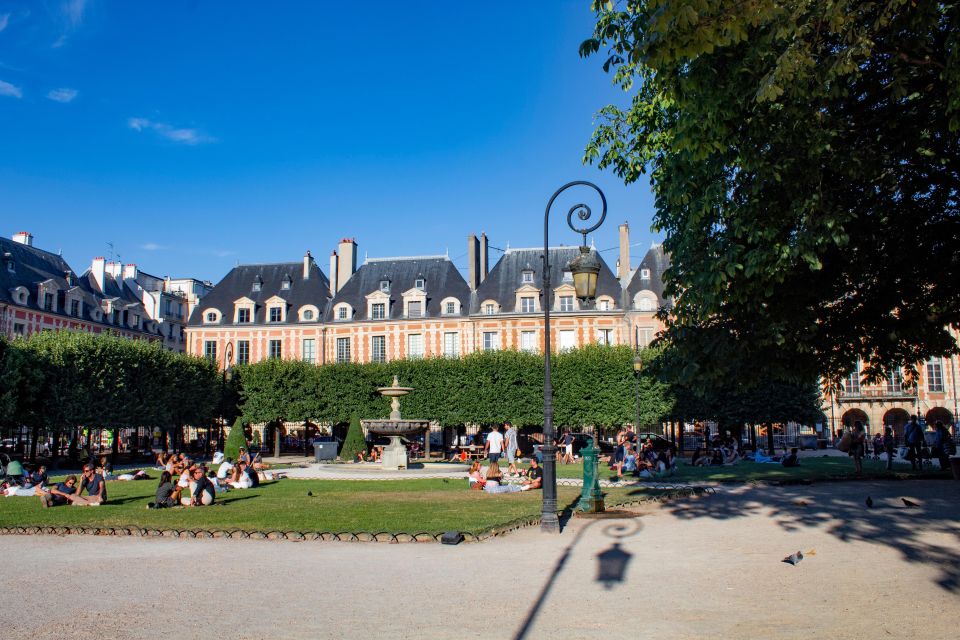
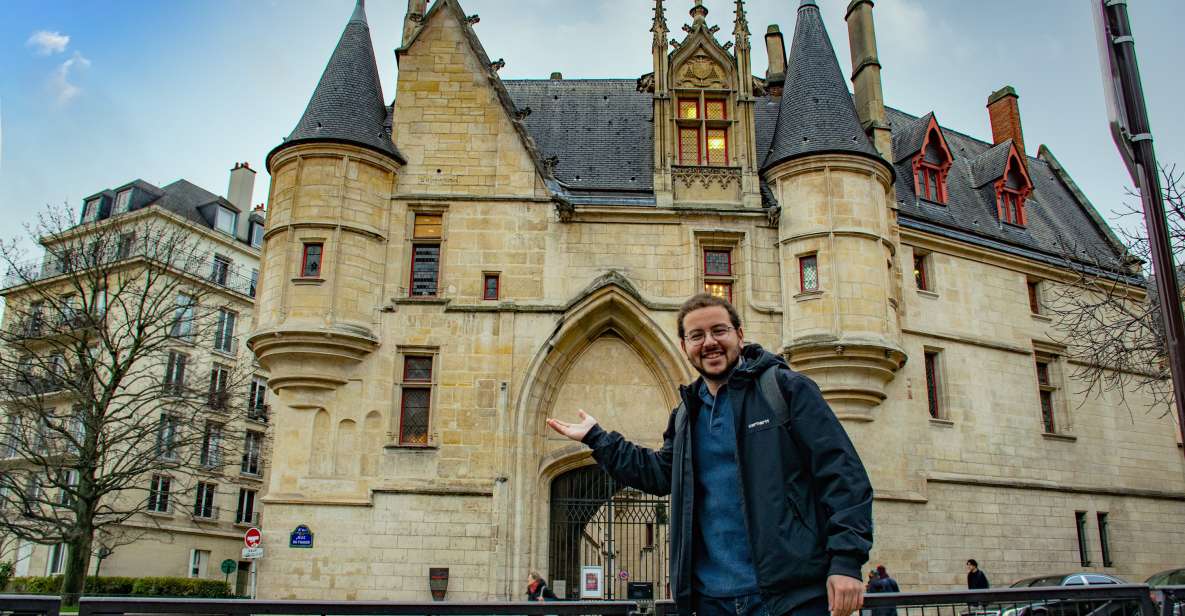
Your first major stop includes a photo moment and a short guided tour at Hôtel de Sens (about 10 minutes). This is the kind of place that can look impressive even without context, but the guide’s job is to tell you what to notice: the style, the purpose of the building, and how this kind of Paris architecture signals the neighborhood’s status over centuries.
In a short tour, the first stop is where you decide whether you’re going to enjoy the rest. When it’s done well, you start seeing details instead of just buildings.
Possible drawback: you only get about 10 minutes here, so if you want to linger or take lots of photos from every angle, you’ll have to do that later on your own after the tour.
Marché des Enfants Rouges and Rue des Rosiers: where the neighborhood gets specific
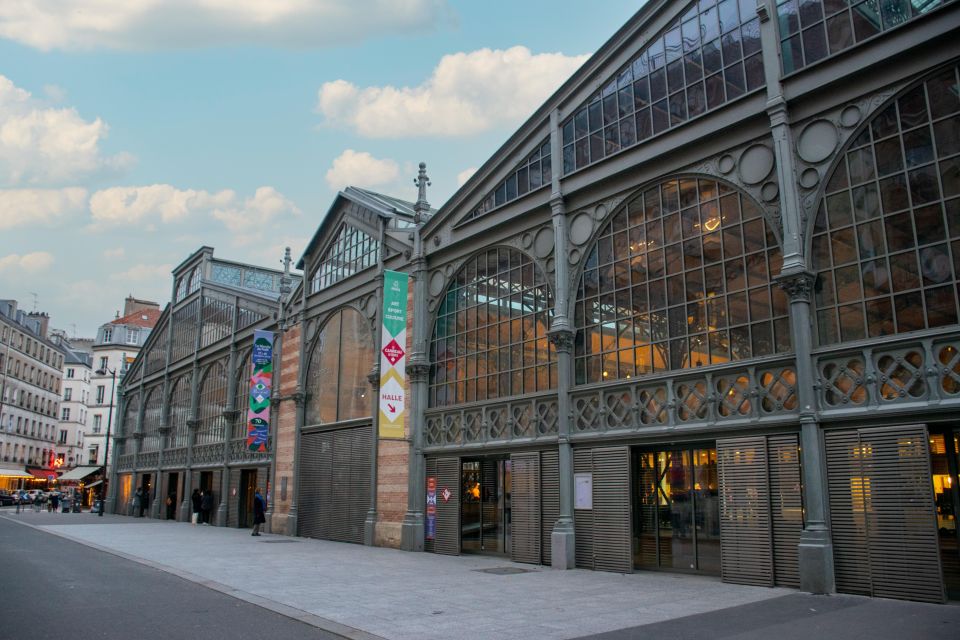
Next up is Marché des Enfants Rouges with a photo stop and guided time (about 15 minutes). This market stop is ideal because it grounds the tour in everyday Paris life. You get a sense of place fast—how the neighborhood mixes visitors, locals, food culture, and history in a small area.
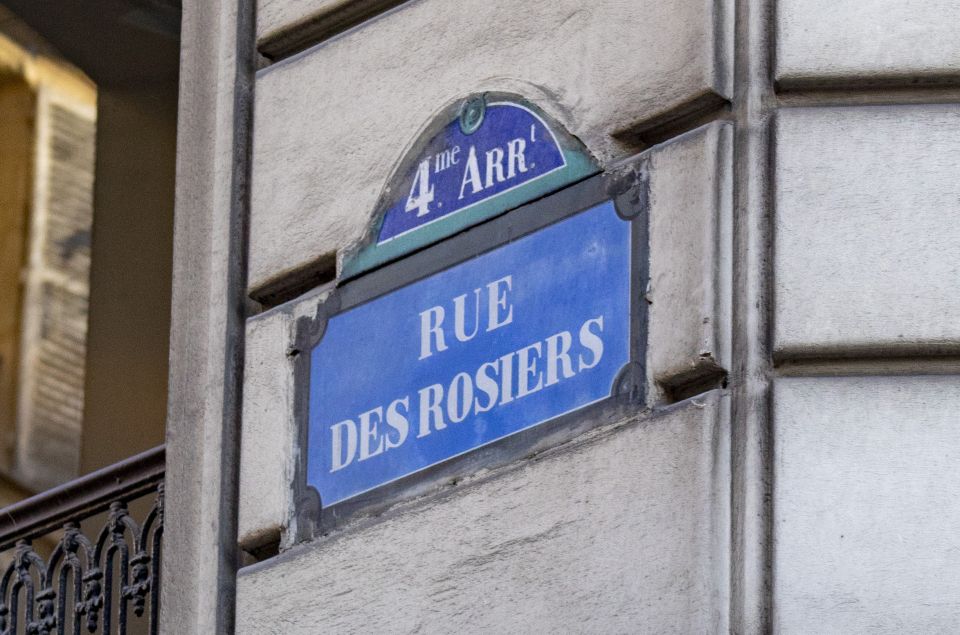
Then the tour focuses on Rue des Rosiers (around 20 minutes total with photo and guided time). This street is closely tied to the neighborhood’s Jewish Quarter identity, and your guide connects the dots between community life, older Paris layers, and what you see today.
Why I like this part: it’s not just sightseeing. It helps you understand what Le Marais was, who it served, and why certain streets and institutions still matter. If you enjoy food markets or cultural neighborhoods—without needing a long museum day—this section is one of the best uses of your time.
Small heads-up: market-area streets can feel busy, and you’ll be walking through along a schedule. If you’re the type who stops for every storefront, you may need to prioritize your favorite streets so you don’t feel like you’re speed-walking your way through Le Marais.
Picasso museum photo pause: quick art exposure without committing to a full visit
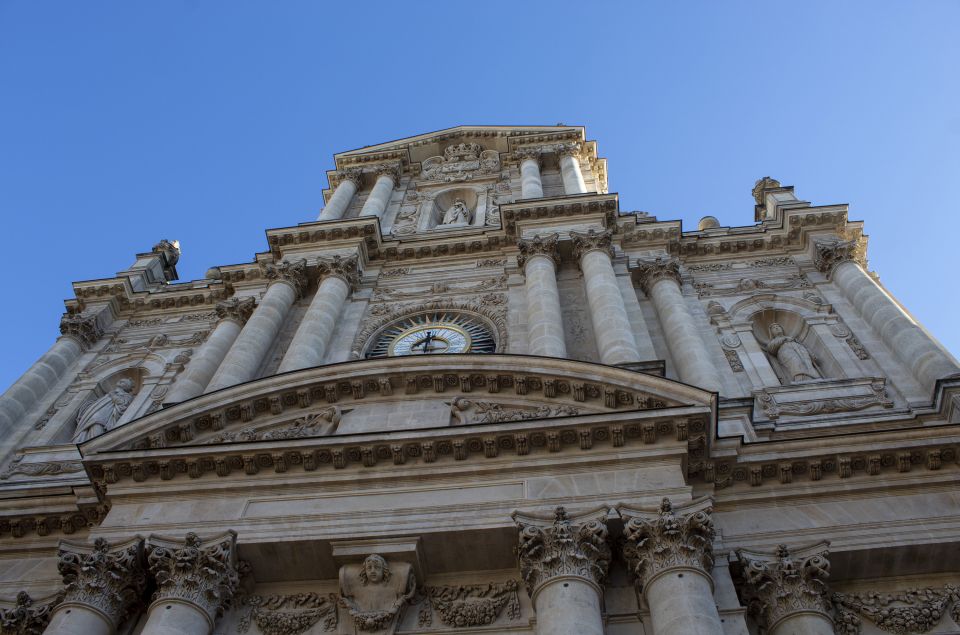
The itinerary includes a Picasso Museum Paris stop with a photo opportunity and a short visit time (about 10 minutes). Even if you don’t plan to become an art-nerd for the day, a quick art stop like this works well inside a walking tour because it signals how the Marais shifted toward galleries, design, and modern creativity.
In other words, you’re not only learning about the older layers—you’re seeing why the neighborhood became the place it is now. It’s the kind of “taste test” that can motivate you to come back later for something longer.






Place des Vosges and Hôtel de Sully: 1600s Paris in motion
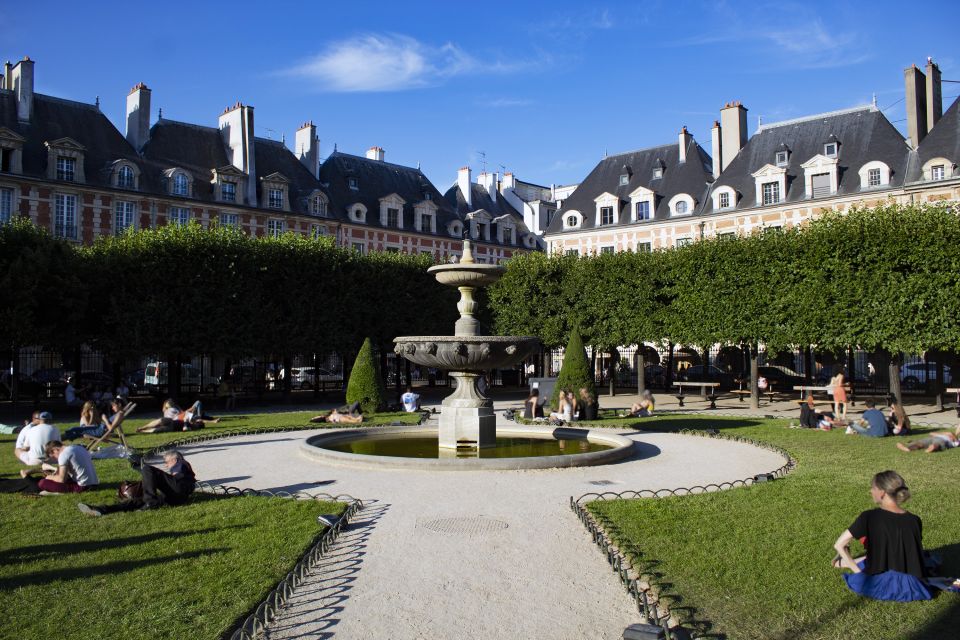
When the tour reaches Place des Vosges (about 20 minutes), you get the neighborhood’s classic postcard view—symmetry, stonework, and the sense of a planned square. The guide adds what to look for beyond the obvious: how this type of space fits into the neighborhood’s long story and why the square became a social and cultural center over time.
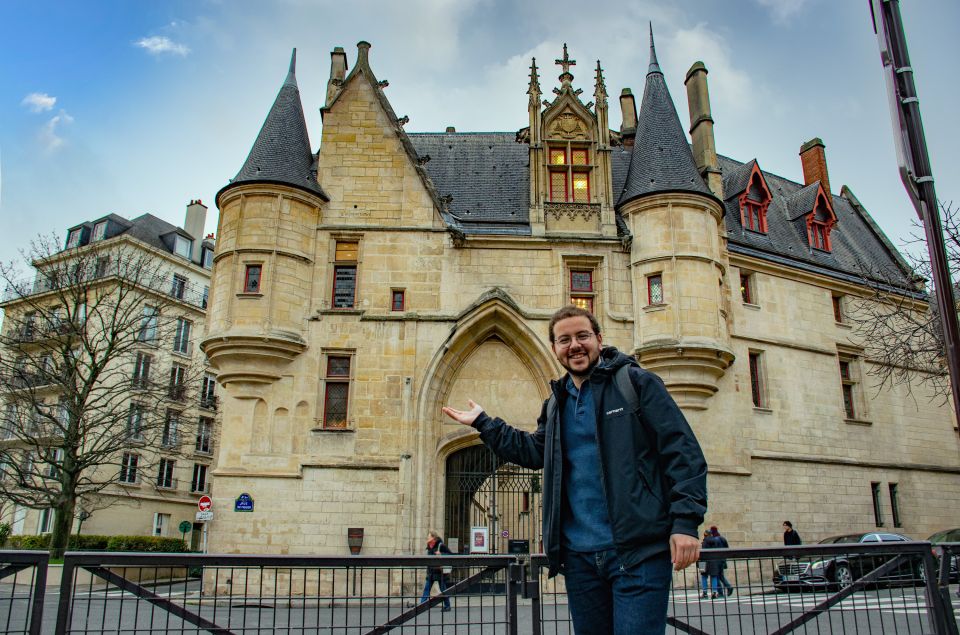
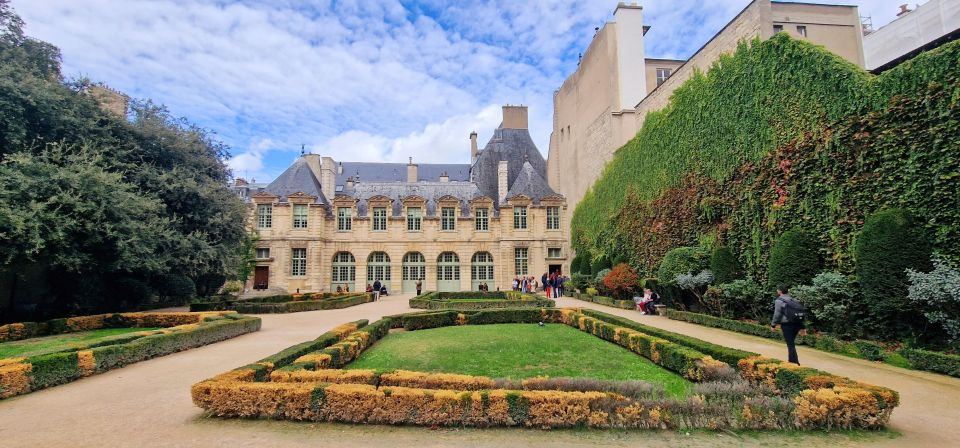
Then you’ll move to Hôtel de Sully with about 15 minutes of photo and guided time. Hôtels particuliers can look similar if you’ve never been trained to notice them. With a guide, you can start distinguishing what makes each building meaningful—who it relates to, what the architectural choices signal, and why these grand private residences mattered in their era.
This section is a strong match if you like architecture but don’t want a full day of heavy lectures. You’ll still get context, just without turning it into a classroom.
Le Village Saint-Paul and Hôtel de Ville: seeing how the neighborhood ends (and changes)
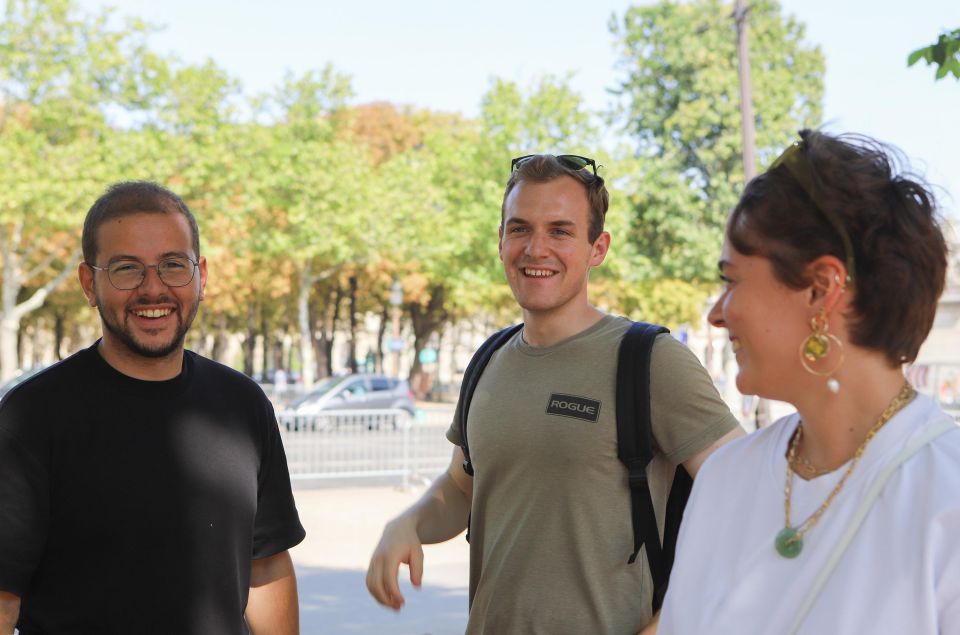
As the tour continues, you’ll reach Le Village Saint-Paul for a short photo and guided stop (about 10 minutes). This part is about atmosphere: how this area of Paris keeps reinventing itself while staying connected to what came before. It’s a good moment to mentally reset, because you’re moving from major historical landmarks into the more “today” feel of the Marais.
Your final landmark is Hôtel de Ville with about 10 minutes of guided time, plus a photo stop. This is where the neighborhood’s map starts to make more sense. After you’ve walked the key segments—market, cultural streets, classic squares, and grand residences—you can look at what remains and understand how Le Marais stitched itself together.
Drop-off locations can be either Hôtel de Ville or Paroisse Saint-Paul Saint-Louis, depending on the option booked. That’s helpful if you want an easier jump into a self-guided afternoon afterward.
The guide effect: small group chats that make the history stick
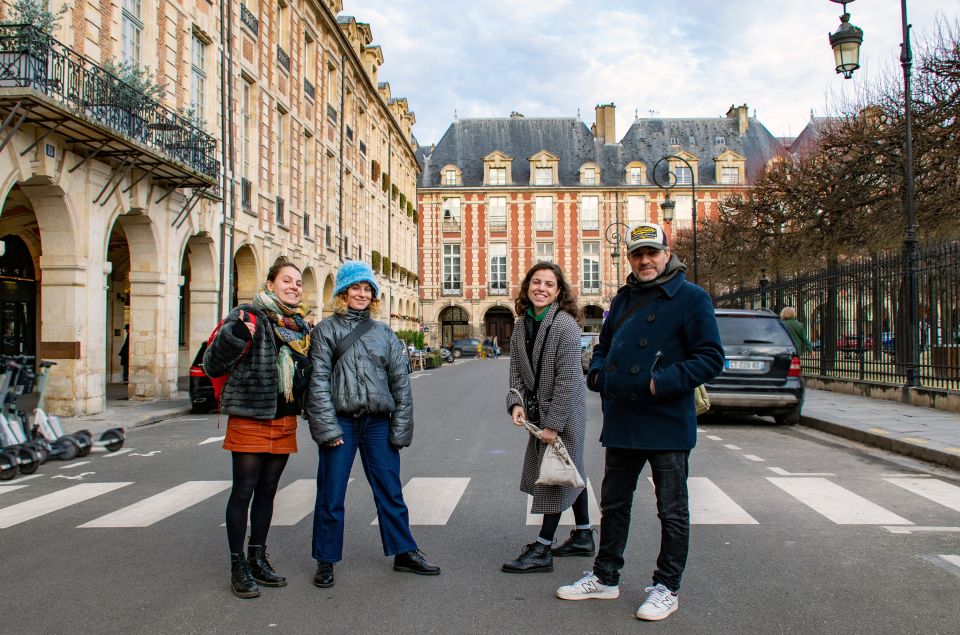
The guides named for this experience—Hugo, Clara, and Walid—all point to the same thing: the best tours don’t just name places, they answer the question you didn’t know you had.
Hugo’s style seems to work great if you want surprising detours and side stories that take you off the most obvious path. Clara’s pacing is a highlight when you want a smooth rhythm that doesn’t feel rushed or slow. Walid’s approach stands out if you like a tour that feels tailored to what you care about, because the tour can adapt based on your interests.
What you’ll feel on the ground: more conversation, more chances to ask why a street or building matters, and less time staring at a facade wondering what you’re supposed to be looking for.
Price and value: what $64 buys you in real time
At $64 per person for a 2-hour walking tour, you’re paying for a tight route plus a local guide. If you were to hire an official guide for that time on your own, it usually costs more. The small-group format helps here: you get guided expertise without the expense of a private escort, but you still avoid the chaos of a giant group.
You also get practical help to navigate afterward—useful if your goal is to see more of Paris without constantly checking your phone. The tour includes tips to navigate the city after, which can help you turn this short outing into a longer, smarter day.
Value check: if you love architectural details, want a cultural neighborhood with clear identity, and prefer learning with real-world context over reading plaques, this is a solid use of your limited time in Paris.
Rain or shine: how to plan for weather and foot travel
The tour happens rain or shine, which is great because Paris weather can change fast. Pack for walking: comfortable shoes matter more than you’d think on uneven sidewalks and cobblestone edges.
You should also expect a steady pace. This isn’t a long linger-along-the-cafés style outing. It’s built to cover a sequence of meaningful stops, so if you’re prone to getting absorbed and staying put, you may need to treat each stop like a quick chapter and then revisit later if you want more time.
Who this tour is best for (and who should rethink)
This experience is especially suited to you if:
- you want a short, high-information day segment in Paris
- you like neighborhoods with both historic architecture and modern culture
- you want a clear focus on the Jewish Quarter area of Le Marais
- you prefer a group of up to 8 instead of a big crowd situation
It may be less ideal if:
- you need wheelchair access and don’t book the private option (wheelchair accessibility is only available with the private option)
- you hate walking on a schedule and would rather roam freely without stops
- you’re the type who needs lots of time inside museums or shops during a tour segment
Should you book this Le Marais walking tour?
I’d book it if you want the Marais experience to make sense quickly. The blend of major landmarks (Place des Vosges, Hôtel de Ville, Hôtel de Sully) with identity-focused streets (Marché des Enfants Rouges and Rue des Rosiers) is a smart way to understand the neighborhood beyond photos.
Book it even more confidently if your travel style includes asking questions and learning as you go—because the guide-led, small-group setup makes that enjoyable. And if you’re on a tight schedule, this is one of the better ways to spend two hours and still feel like you earned your souvenir photos.
FAQ
How long is the Paris Le Marais walking tour?
It lasts 2 hours.
What is the group size?
The group is small, with a maximum of 8 people (private is also available).
Where do I meet the guide?
You’ll meet at one of two starting points, depending on the option booked: Temple, 89 R. de Turbigo or Hôtel de Sens. The exact meeting point can vary.
What languages are offered?
The live guide is available in English, French, and Spanish.
Is the tour wheelchair accessible?
Wheelchair accessibility is available only with the private option.
Does the tour run in bad weather?
Yes. The tour takes place rain or shine.
What stops are included?
You can expect stops around Hôtel de Sens, Marché des Enfants Rouges, Picasso Museum Paris (photo stop and short visit), Rue des Rosiers, Place des Vosges, Hôtel de Sully, Le Village Saint-Paul, and Hôtel de Ville.
Is hotel pickup included?
No. Hotel pickup and drop-off are not included.
What’s included in the price?
Included are a local tour guide, an intimate group (up to 8 or private), a fun walking tour, and tips to navigate the city after.