REVIEW · PARIS
Paris: Roland-Garros Stadium Guided Backstage Tour
Book on GetYourGuide →Operated by Cultival · Bookable on GetYourGuide
Tennis fans get a rare backstage pass. This Roland-Garros Stadium Guided Backstage Tour is a focused, 90-minute walk through the places most people never see, including the Philippe-Chatrier court area and the corridor that leads players toward the clay. I especially like the unobstructed sightlines you get from courtside spots, plus the big match-court tech story behind the retractable roof. A possible drawback: the experience moves at tour speed, and if your group is large or your guide’s language mix is tricky, you may have to work to catch every detail.
What makes it feel worth it is how much story gets folded into a real venue visit. You’ll hear about champions such as Rafael Nadal and Steffi Graf, plus names tied to the French Open like Björn Borg and Chris Evert, and you’ll also get the background on the French Four Musketeers: Jean Borotra, Jacques Brugnon, Henri Cochet, and René Lacoste. The tour runs with a live guide in Spanish, French, or English, and it’s designed so you can picture what a day at Roland-Garros feels like.
In This Review
- Key Takeaways Before You Go
- Why This Tour Feels Like More Than a Stadium Ticket
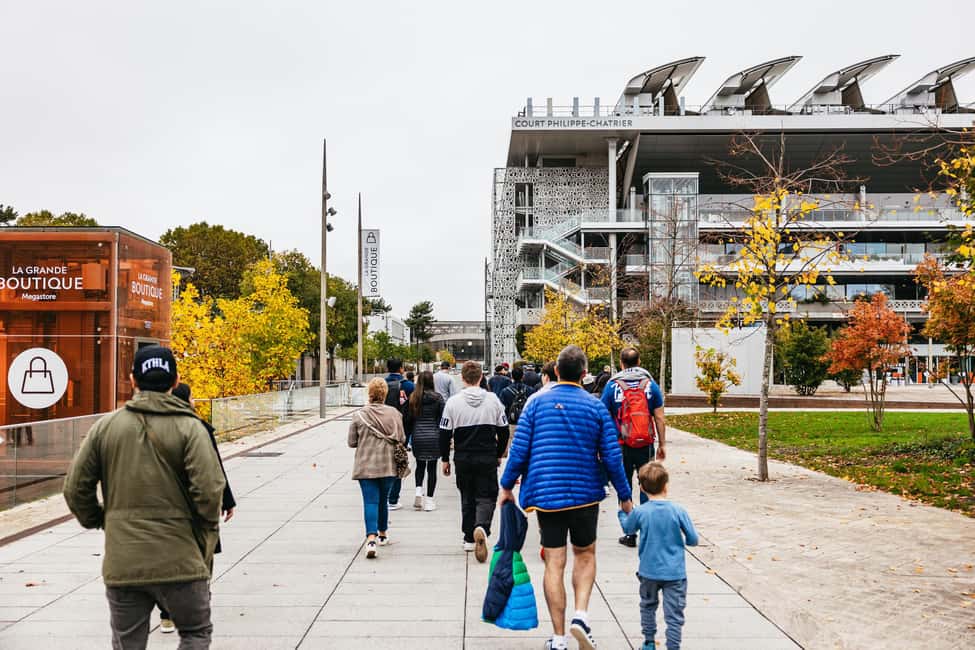
- Where the Tour Starts: Grande Boutique, Gate 36
- The Stadium Walk: Presidential Tribune and Player Pathways
- Philippe-Chatrier Court: Retractable Roof and Real Sightlines
- French Open Legends: Champions, Musketeers, and Eras
- Media Rooms, Trophies, and the Fun Side of Matchday
- Who This Tour Fits Best (and Who Might Hesitate)
- Group Pace and Hearing Your Guide
- Price and Value: $24 for Court Access You Can’t DIY
- Planning Around Timing, Shops, and Nearby Tennis Views
- Should You Book This Roland-Garros Backstage Tour?
- FAQ
- FAQ
- Where is the meeting point for the tour?
- How long is the Roland-Garros backstage tour?
- What languages are the guided tours offered in?
- Is the tour wheelchair accessible?
- What’s included in the price?
- Can I cancel for a full refund?
- Do I have to pay right away to book?
- Will I definitely be able to access every area inside the stadium?
Key Takeaways Before You Go
- Walk the corridor to the clay court and feel how players flow from stadium access to court level
- See Philippe-Chatrier up close, including the look-and-function story of its retractable roof
- Learn French Open legends and eras, from Nadal and Graf to the Four Musketeers
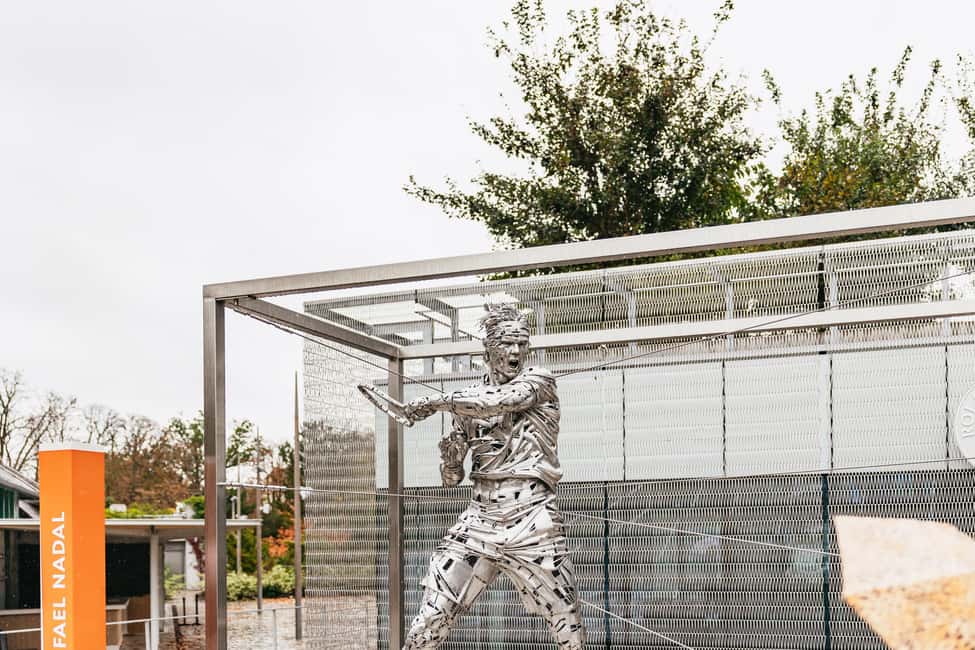
- Get courtside photo moments, including tributes such as a Nadal plaque or statue (depending on what’s on view that day)
- Expect access limits sometimes, since some areas may be off-limits due to stadium activity or renovations
Why This Tour Feels Like More Than a Stadium Ticket
Roland-Garros is special because it’s not just a building. It’s a tennis machine built for one thing: matches on clay, year after year, with the world watching from inside one iconic venue.
This tour turns that attention outward. Instead of only staring at courts from the outside, you get behind-the-scenes movement—corridors, key seating zones, and areas tied to how tournaments operate. I like that it gives you a “match-day map” for your brain: you start to understand where players go, where the media sits, and where the loud moments get shaped.
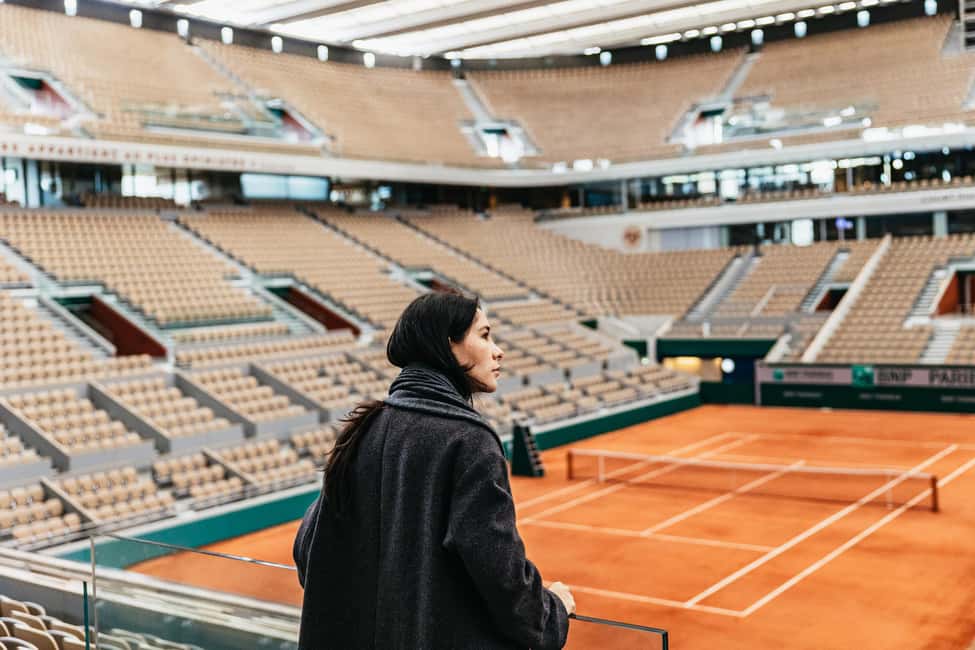
The other big win is the setting. The Philippe-Chatrier court design includes a retractable roof, and seeing it in person helps you understand why this stadium can handle weather while keeping the core tournament experience intact. Even if you’re not a super-hardcore tennis fan, it helps you connect the sport to engineering and architecture.
You can also read our reviews of more guided tours in Paris

Where the Tour Starts: Grande Boutique, Gate 36

Plan to meet with purpose. Your starting point is inside the Grande Boutique on Avenue Gordon-Bennett, at Gate 36.
This matters because the Roland-Garros grounds are large and busy around events. One practical approach: arrive a bit early, head straight to Gate 36, and don’t rely on a vague “stadium entrance” idea. A few visitors have found that start-point maps can be off, so following the Gate 36 cue saves stress.
If you want to get extra mileage, stop by the shop either before or after the tour. The stadium shop is listed as open from 9:30 AM to 6:30 PM, so you can build your schedule around a visit without feeling rushed.
The Stadium Walk: Presidential Tribune and Player Pathways
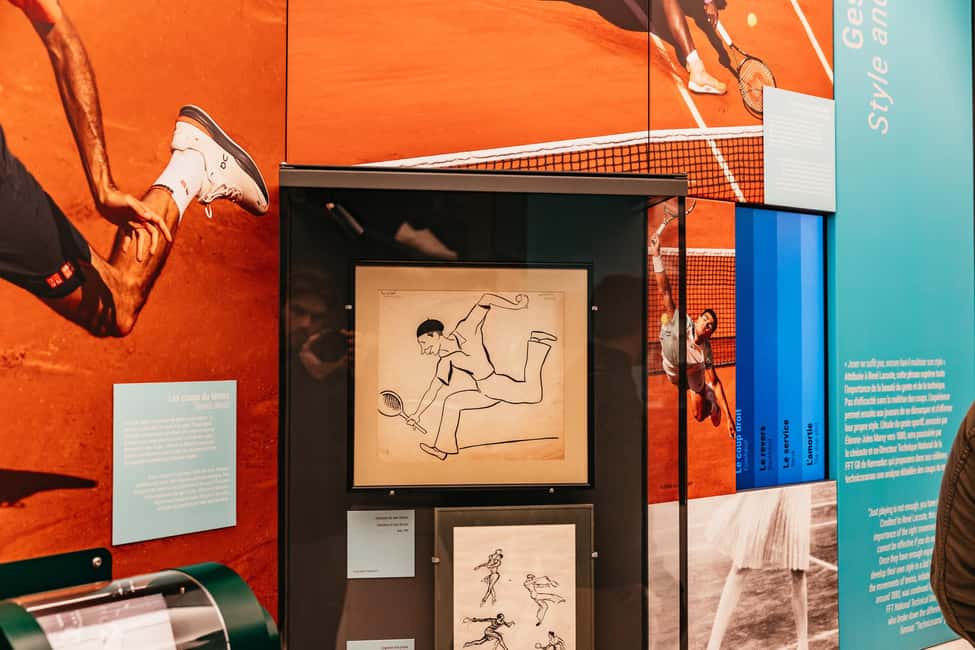
A big chunk of the value here is how you experience the stadium like a system. You’re guided through spaces that connect the grandstand world to the working world.
One highlight is the access to areas described as exclusive, including the presidential tribune. Seeing this seating area does something subtle: it shrinks your mental distance between “the big moment on TV” and the physical place it’s built on. It’s the kind of contrast that makes a guided tour feel more real than a simple self-guided wander.
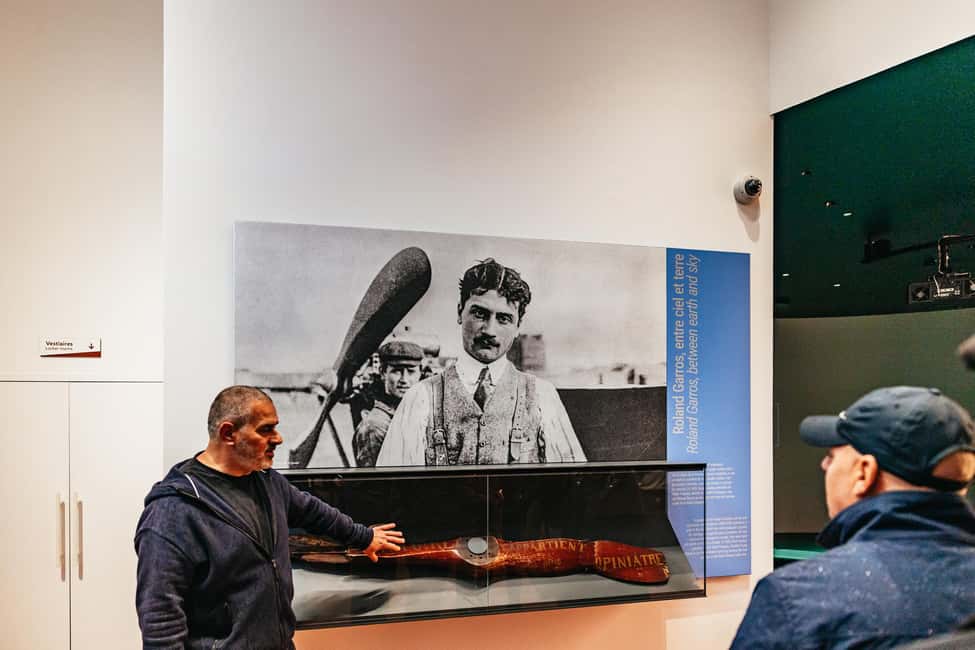
Then there’s the corridor route toward the clay court. That walk is the heart of the “backstage” part. You’re essentially tracing the path players take as they move from controlled access to the space where thousands focus on every serve. I like how the tour uses this movement to teach. It’s not just where things are—it’s what they’re for.
Depending on how the day is going, some areas may not be accessible. That’s not a deal-breaker, but it’s smart to keep expectations flexible. If your dream is a specific room (locker rooms are mentioned as sometimes affected), understand that renovations or event operations can change what’s open.
Philippe-Chatrier Court: Retractable Roof and Real Sightlines
The Philippe-Chatrier stop is what most people picture when they think of Roland-Garros. This is the main arena, and the tour brings you close enough to appreciate how the court feels in space.
The standout feature is the retractable roof. In photos, the roof looks like a design flourish. In person, it reads as a tool: how Roland-Garros protects the tournament experience while keeping the arena’s character. The guide also explains what makes the new Philippe-Chatrier court a technological and architectural masterpiece, and that context makes the structure easier to appreciate without needing engineering homework.
You’ll also get unobstructed views of the clay courts and the surrounding cityscape. That’s more than a nice view. It helps you understand why spectators love this venue: it’s not tucked away. The stadium sits in Paris, and you feel that the city is part of the match story.
If you enjoy photography, this is where you’ll want your camera ready. A few visitors specifically call out seeing tributes on or near the main-court area, including a Rafael Nadal plaque and, in some cases, a Nadal statue/exhibit. What’s on view can vary by time and setup, but courtside symbolism is a big part of the emotional pull of this stop.
French Open Legends: Champions, Musketeers, and Eras
A guided tour earns its keep when it turns landmarks into meaning. Here, the meaning comes through the people tied to Roland-Garros.
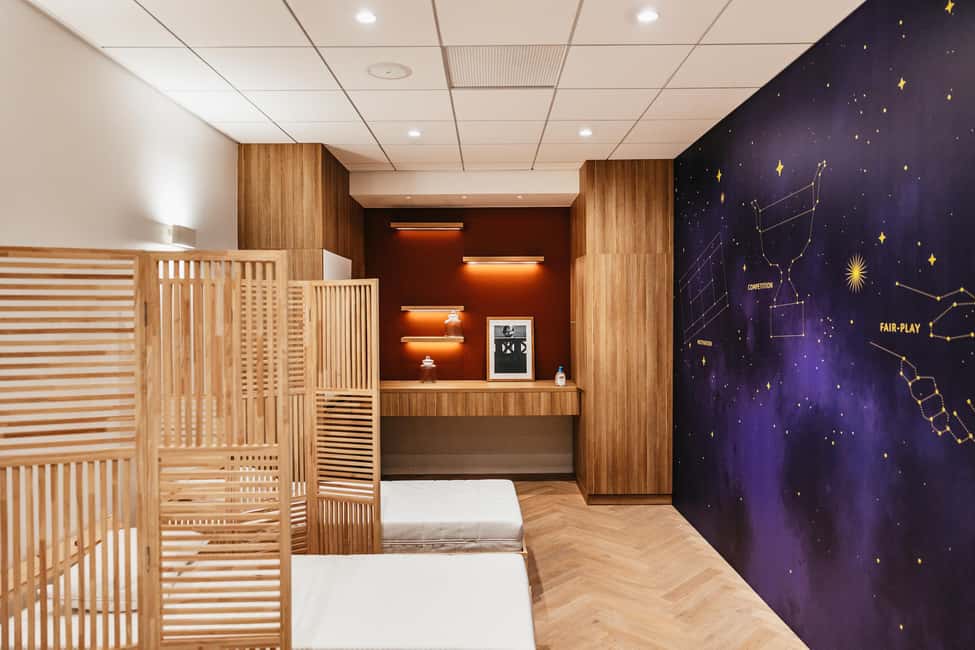
You’ll learn about major French Open champions such as Steffi Graf and Rafael Nadal. The tour also mentions other iconic names: Björn Borg and Chris Evert. Hearing these names while you’re standing near the spaces they’re associated with makes the venue feel like a timeline rather than a static tourist stop.
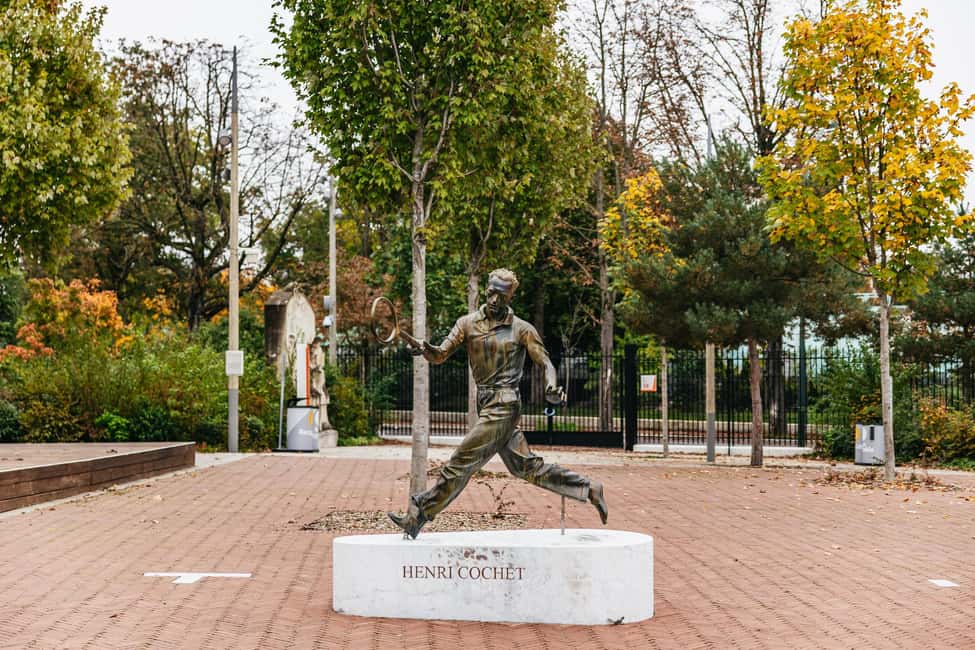
Then the tour widens the lens to the French Four Musketeers—Jean Borotra, Jacques Brugnon, Henri Cochet, and René Lacoste. I like this part because it connects the French Open’s modern glamour to its earlier building blocks. It gives you a sense of where the traditions came from, and it makes the stadium feel rooted instead of manufactured for visitors.
These stories also help if you’re a casual tennis watcher. You don’t need to know stats to understand the stakes. The guide’s anecdotes are meant to make the champions feel human and the stadium feel purposeful.





Media Rooms, Trophies, and the Fun Side of Matchday
Even though this is a “backstage” tour, it doesn’t feel cold or purely technical. There’s room for the human side of tennis operations.
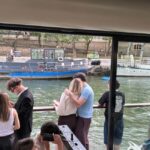
You may see elements linked to how tournaments communicate and run. Reviews mention the media area and even playful moments in media-style settings, like mock interviews in the media rooms. Not every group will get the exact same extras, but the fact that your guide might add this kind of interactive touch tells you the tour isn’t only recitation.
Trophy presentation is another recurring highlight. Some visitors mention seeing trophies behind glass as part of their tour flow. If that’s your thing, keep an eye out during the briefing stops so you don’t miss photo angles.
Locker rooms are a frequent “dream access” point for tennis fans, too. The official guidance says some areas might be inaccessible due to stadium activities, and reviews also note that locker-room access can be limited during renovations. Translation: be excited, but don’t treat it as guaranteed.
Who This Tour Fits Best (and Who Might Hesitate)
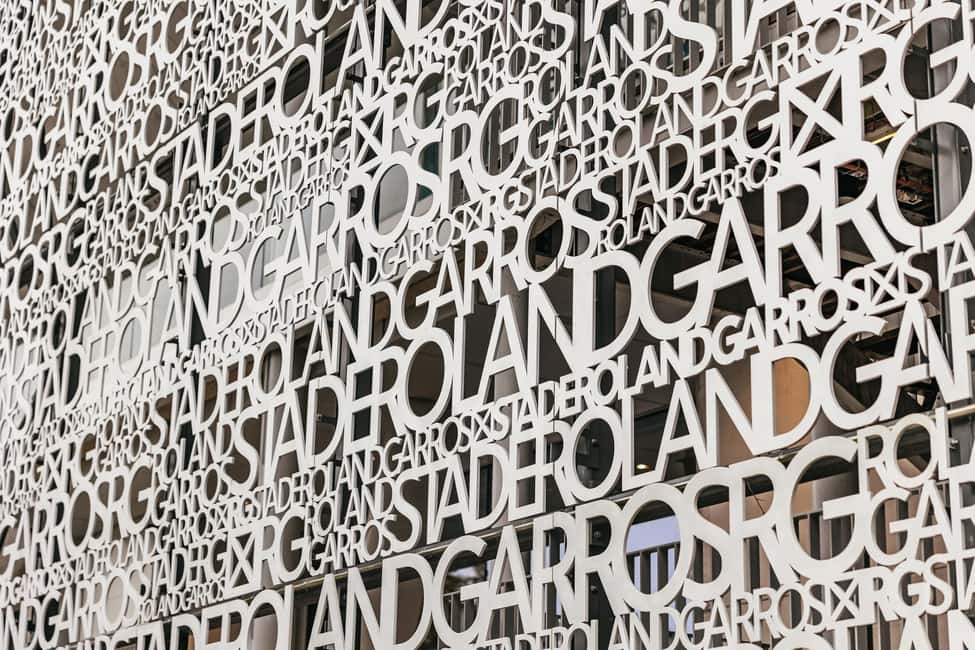
This is a great match if you’re the type of person who likes sports venues as stories. If you follow tennis even casually, you’ll enjoy walking into the spaces where the sport becomes theater—court access, main arena proximity, and the legend context.
It’s also a strong pick if you’re visiting Paris and want something more focused than a long museum day. Ninety minutes is a comfortable window, and it’s built around one destination.
If you’re not into tennis at all, the tour can still be interesting as stadium architecture and sporting operations. But the emotional payoff is clearest for people who recognize names like Nadal, Graf, Borg, Evert, or at least like learning why those names matter.
One more practical note: language can affect enjoyment. Spanish/French/English guides are available, but a few visitors have mentioned occasional hearing challenges when English wasn’t the guide’s first language, or when the group was large. If you’re sensitive to that, arriving ready to concentrate helps.
Group Pace and Hearing Your Guide
This tour is designed to be efficient. That’s a plus for getting maximum access in a short time. It can also mean the group moves quickly through tight spaces.
Some visitors recommend that the commentary waits until the whole group is together before launching into the next section. I’d take that as a hint to show up on time, so you’re not scrambling while the guide is already talking.
If you’re traveling with kids or you’re easily distracted by crowds, plan for the reality of a stadium environment: people, cameras, doors opening, and guided movement. Wear comfortable shoes, and keep your attention on what the guide is pointing out—this is where the tour becomes more than scenery.
Price and Value: $24 for Court Access You Can’t DIY
At about $24 per person for 90 minutes, this tour earns value in a very specific way: it’s not just admission. You’re paying for guided access plus the context that turns access into understanding.
The included items are straightforward: a tour guide and the entrance fee. For a venue like Roland-Garros, that matters. Without a guided format, a lot of the interesting places—like the corridor toward the clay court or the media and court-adjacent zones—aren’t the sort of things you stroll into on your own.
Also, the time is realistic. You’re not committing to a half-day schedule. You can pair it with other Paris highlights while still getting something that feels sports-specific and genuinely “inside.”
Planning Around Timing, Shops, and Nearby Tennis Views
Because the tour is about 90 minutes, you can build a simple schedule: arrive early enough to meet at Gate 36, do the tour, then decide if you want more time in the stadium shop.
The shop hours (9:30 AM to 6:30 PM) make it easy to add a browse without feeling trapped. If you like souvenirs, it’s worth checking what’s available after the tour while the stadium is still fresh in your mind.
One extra thought from the tennis-spotters: there’s a park opposite Roland-Garros where the Simonne Mathieu court is visible. If you still have energy after your tour, that nearby area can extend the tennis mood without adding another paid commitment.
Should You Book This Roland-Garros Backstage Tour?
If you’re a tennis fan, I’d strongly consider booking. You get court-proximity moments, the Philippe-Chatrier focus, and the feel of match-day movement through the corridor and key stadium spaces. The guide-led stories about Nadal, Graf, and the Four Musketeers help the whole visit stick.
If you’re on the fence, decide based on one question: do you want a short, organized, stadium-focused experience? At $24 with a guide and entrance fee, it’s hard to beat as a “one-stop tennis education” in Paris.
If your ideal day includes long, slow wandering with zero crowd pressure, you might find the tour pace a bit intense. And if you’re hoping for specific behind-the-scenes rooms like locker areas, keep in mind that some areas can be restricted on the day.
FAQ
FAQ
Where is the meeting point for the tour?
Meet inside the Grande Boutique on Avenue Gordon-Bennett, at Gate 36.
How long is the Roland-Garros backstage tour?
The duration is 90 minutes.
What languages are the guided tours offered in?
The live tour guide is available in Spanish, French, and English.
Is the tour wheelchair accessible?
Yes, the tour is listed as wheelchair accessible.
What’s included in the price?
The tour includes a tour guide and the entrance fee.
Can I cancel for a full refund?
Yes. You can cancel up to 24 hours in advance for a full refund.
Do I have to pay right away to book?
No. The option is Reserve now & pay later, so you can book without paying today.
Will I definitely be able to access every area inside the stadium?
Not always. Due to stadium activities, some areas may not be accessible on the day of your visit.