REVIEW · PARIS
Paris: Color analysis
Book on GetYourGuide →Operated by Christelle Macia · Bookable on GetYourGuide
Color can change your face fast. This Paris color analysis pairs draping fabric tests with hands-on advice for clothing, makeup, and hair. I love that Christelle Macia uses a personalized method (not the old season-label system), and I love that you leave with two usable tools for shopping. The only real drawback to plan for is the need to come makeup-free, plus the workshop is on the 5th floor without an elevator.
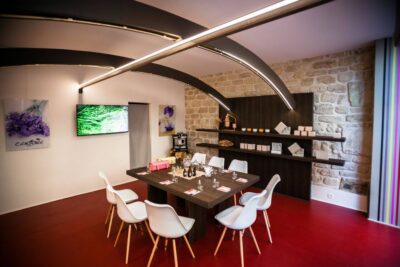
You’ll do this in the Canal Saint-Martin area, in a quiet and bright setup near boutiques and good food, which makes it an easy add-on to a day of wandering. And since it’s a private group with instruction in French and English, you can ask questions in real time.
It’s also tightly focused: about one hour, centered on what colors work on your face and what to buy next. Think of it as getting your personal color compass, so shopping stops feeling like guessing.
In This Review
- Key highlights worth your hour
- Why Paris color analysis feels different here
- Step 1: Draping fabric tests and face-first color awareness
- Step 2: Turning your results into clothing, makeup, and hair choices
- Understanding the categories without getting boxed in
- Makeup colors you can test, not just read about
- Hair color advice that starts with what you already have
- The take-home kit: colorbook and pocket chart
- Paris practicality: where it is and how to reach it
- Price and value: is $165 per person worth it?
- Who should book this color analysis in Paris (and who shouldn’t)
- Should you book this Paris color analysis?
- FAQ
- How long is the Paris color analysis workshop?
- Where is the meeting point?
- Do I need to come makeup-free?
- What do I receive after the session?
- Is this a private session?
- Is the workshop accessible by elevator?
Key highlights worth your hour
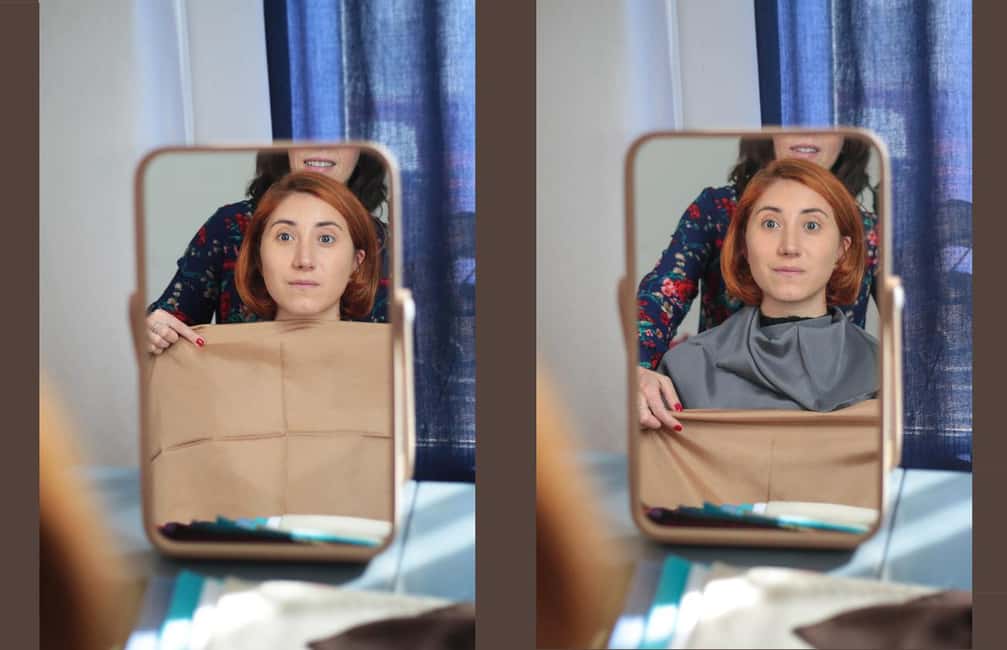
- Draping methodology: fabric-by-fabric color testing directly at your face
- Warm/cool and bright/soft (plus depth): practical outcomes you can use right away
- No generic season box: Christelle skips the 4-season categorization for more personalization
- Upper-body focus: clothing and accessories guidance where color matters most
- Makeup and hair color advice: learn shades that suit your coloring, not trends
- Take-home tools: a colorbook and a pocket color chart to use while shopping
Why Paris color analysis feels different here
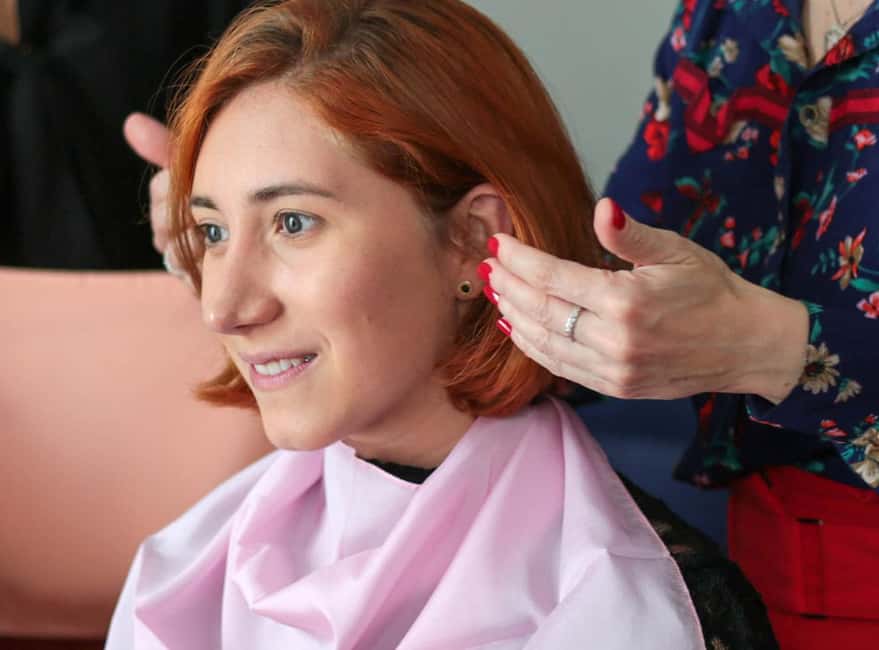
A lot of color advice online is guesswork dressed up as certainty. This workshop uses a more visual, physical approach: you see how fabric colors interact with your skin, eyes, and overall presence in real time. That matters, because your best shade is rarely just about your skin tone. It’s about contrast, undertone, and whether the color makes you look awake or a bit tired.
What I like about this experience is its focus on results you can apply. You’re not stuck with a label and a shrug. You work through a clear process and come away with concrete recommendations for clothing, accessories, makeup, and hair color choices.
Also, there’s a little practical common sense in the way it’s built: you’ll be doing this while looking at yourself directly with simple checks like using your glasses to see color effects clearly. That keeps it grounded and usable.
You can also read our reviews of more tours and experiences in Paris.


Step 1: Draping fabric tests and face-first color awareness
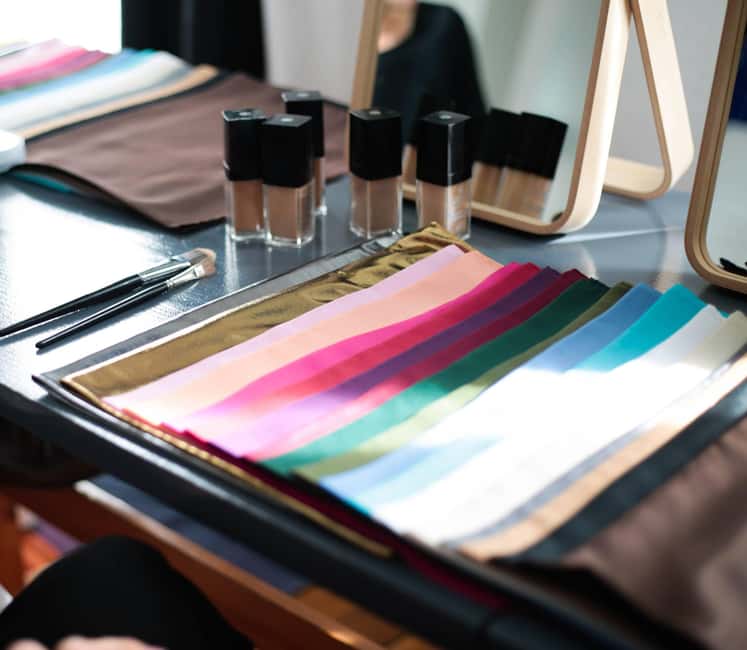
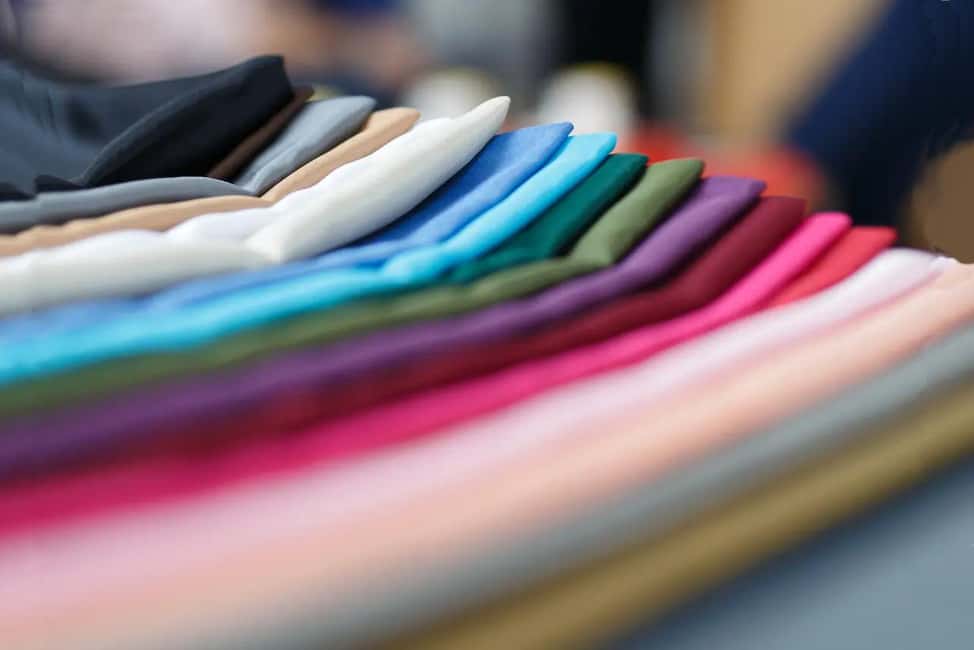
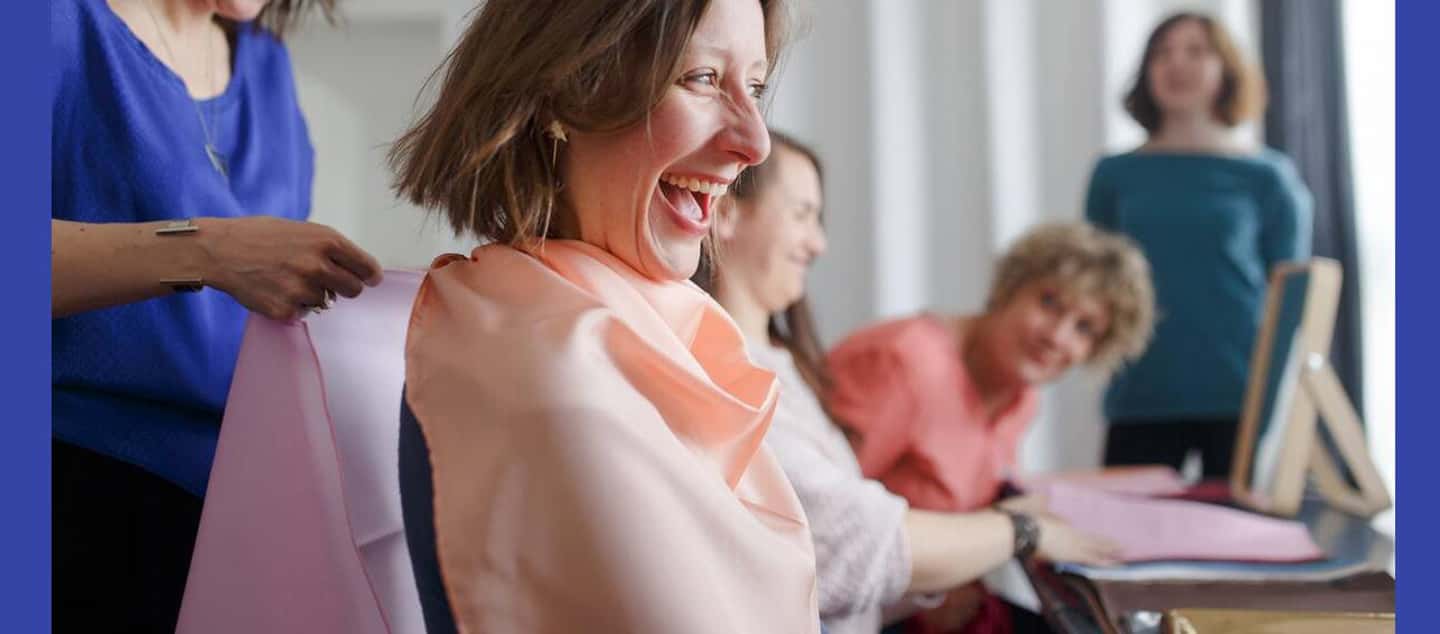
The session starts with color awareness. You’ll be guided through the draping method using a set of fabrics that let you compare how different shades affect your complexion and eyes. The goal is simple: notice which colors give you a boost.
You’ll work through core questions like:
- Are you in the warm or cold range?
- Is it bright, soft/muted, or darker tones that create your healthiest glow?
This is where the method earns its keep. Instead of thinking in vague terms like “I’m peachy” or “I’m olive,” you’re seeing cause and effect. A color that looks flattering on a hanger can be flat on your face. Draping shows you what happens when the shade sits near your features.
One useful detail: the workshop’s entire logic is about draping for personalization, including for people who don’t neatly fit the classic “4 seasons” model. If you’ve ever been told two different systems and neither felt right, this is built to be more flexible.
Step 2: Turning your results into clothing, makeup, and hair choices
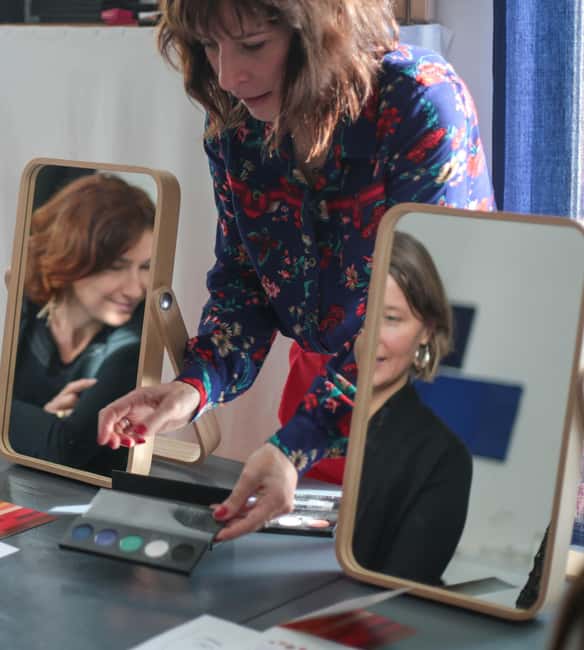
Once you’ve identified what works best, the session moves into advice. This is the part that turns color theory into shopping behavior.
You’ll receive guidance for:
- Colors for your upper body clothing and accessories
- Colors that work for makeup
- Advice on choosing the right hair color direction
Why upper body first? Because that’s where color has the most impact. Neck, jawline, and the area around your eyes and hair make color differences obvious fast. A shade can look great on the lower half and still clash near your face. This workshop prioritizes where it counts.
You’ll also leave feeling less dependent on a third party. The mission is not to hand you a fixed label and stop there. It’s to make you genuinely autonomous in choosing colors with confidence, even when you’re in a store without a consultant beside you.
If you’re the type who wants to look intentional without spending hours researching, this step is where you’ll see the most payoff.
Understanding the categories without getting boxed in
This workshop uses a system based on what you learn through draping: warm/cold, bright/soft, and depth such as darker tones that brighten your complexion and eyes the most.
That’s different from the old “4 seasons” framing. Not because the seasons idea is useless, but because it can be too rigid. People don’t always fall cleanly into one bucket, and when they don’t, they end up searching for a workaround.
Here, the emphasis is on what actually happens when fabric sits next to your face. That’s why you can think of your results as a personal set of rules, not a personality test with clothing attached.
If you’ve ever had color advice that felt like a compromise, this approach aims to reduce that. You’re building your own palette based on what consistently works on you.
Makeup colors you can test, not just read about
Color theory is one thing. Seeing it in makeup on your face is another. The workshop includes makeup color advice, and the experience is designed to make the results visible in the moment.
There’s also a practical instruction that helps you get accurate feedback: come makeup-free. That way, the colors you test are the real variables. If you come with heavy makeup already on, it can mask what your natural coloring is doing.
If you wear glasses, bring them. You’ll use them to check color effects, especially around the eyes and brow area. And if you like doing comparisons, you can bring photos of yourself with makeup and different clothing colors (t-shirt, shirt, jacket, hats, and more). That gives you a helpful reference point during discussion.
The benefit here is confidence. You’re not relying on a screenshot or a swatch card. You’re learning what shades do when they’re applied and seen under real conditions.



Hair color advice that starts with what you already have
Hair can completely change how color works on your face, but it’s also the hardest category to shop for without a guide. This workshop includes advice on choosing the right color for your hair, based on your draping results.
The big value is that you’re not just hunting for a fashionable hair shade. You’re matching hair color to your warm/cool and brightness characteristics. That’s how you avoid that common situation where a hair color looks fine in the mirror but makes everything around your face look dull.
If you’re considering dye, highlights, or even just toning, this kind of guidance can help you make fewer expensive trial mistakes. Bring questions about undertone and how you want your face to look (brighter, softer, higher-contrast). You’ll be able to translate those goals directly into color choices.
The take-home kit: colorbook and pocket chart
One of the best parts of this experience is what you carry home. You don’t just get information and then forget it. You leave with two documents:
- Your colorbook: summarizes your colorimetry results and includes all advice
- Your pocket color chart: a compact guide you can use while shopping for clothing, accessories, and makeup
That pocket chart detail is quietly huge. Most people fail at color advice because they can’t remember it when they’re standing in front of racks. A portable guide makes the recommendations stick.
The colorbook matters too. It’s your reference for the “why” behind the choices, which helps if you’re mixing pieces from different brands or experimenting with new shades.
In plain terms: this is the difference between a fun experience and something that changes your wardrobe habits.
Paris practicality: where it is and how to reach it
The workshop is at 16 av Claude Vellefaux in the Canal Saint-Martin area of Paris (Ile-de-France). It’s a quiet, bright location, and it’s surrounded by fashion boutiques, restaurants, and festive bars—so it works well alongside an afternoon out.
Getting there is straightforward:
- Metro: Goncourt (Line 11) and Colonel Fabien (Line 9)
- Bus: Hopital Saint Louis (Lines 46 and 75)
One logistical detail you should take seriously: it’s on the 5th floor without elevator. The staircase is described as wide and easy, but you’ll still want to plan for stairs.
Also plan to enter the building as instructed after booking. You’ll receive a message with details on how to get inside within 24 hours.
Price and value: is $165 per person worth it?
For $165 per person with a one-hour format, the price is less about “time spent” and more about what you get from the hour.
Here’s the value equation as I’d frame it:
- You get a personalized draping-based assessment (not a generic chart)
- You receive advice for multiple categories: clothing, accessories, makeup, and hair
- You leave with two practical tools: a colorbook and pocket chart
If you’ve spent money on clothing and makeup that didn’t quite work, this kind of guidance can pay for itself surprisingly fast—especially if you shop regularly or like upgrading your routine with intention.
Also, the mission is autonomy. The experience isn’t positioned as a forever subscription or an ongoing label. It’s meant to make you confident in your choices after one session.
Who should book this color analysis in Paris (and who shouldn’t)
This workshop is best for adults who want clearer answers about what colors flatter them, especially if you’ve tried the classic systems and they didn’t feel accurate. It’s also great if you want advice that covers the full picture: wardrobe shades, makeup tones, and hair color direction.
A couple important filters:
- Not suitable for children under 18
- Not suitable for people over 70
Language support is French and English, and the instruction is delivered by a French/English instructor, Christelle Macia. The group type is private, which tends to make Q&A and tailoring feel more direct.
If you’re someone who dislikes vague self-discovery exercises and prefers concrete outcomes, you’ll probably enjoy the structure here.
Should you book this Paris color analysis?
I think it’s a smart book if you want practical results and plan to use them right after. The take-home colorbook and pocket chart are the big reason. They turn the experience into something that follows you into your next shop trip, not something you forget once you leave the room.
Book it if you want:
- a draping method that tests color against your face
- guidance that covers clothing, accessories, makeup, and hair
- personalization that isn’t limited to the 4 seasons model
Skip it if stairs are a hard no for you, because the workshop is on the 5th floor without an elevator. And if you’re not willing to come makeup-free, you’ll get less accurate “read” from the fabrics.
FAQ
How long is the Paris color analysis workshop?
The workshop lasts about 1 hour.
Where is the meeting point?
It’s at 16 av Claude Vellefaux, Paris. You can reach the area by Metro at Goncourt (Line 11) or Colonel Fabien (Line 9), and by bus near Hopital Saint Louis (Lines 46 and 75).
Do I need to come makeup-free?
Yes. You should come without makeup. Bring your makeup in a bag, and bring your glasses to help check colors.
What do I receive after the session?
You leave with two documents: your colorbook (your results and advice) and a pocket color chart (for shopping and choosing colors).
Is this a private session?
Yes, it’s a private group experience.
Is the workshop accessible by elevator?
No. The workshop is on the 5th floor without an elevator. The staircase is described as wide and easy.