REVIEW · PARIS
Discover Paris’ Marché d’Aligre: 2-Hour Market Tour
Book on GetYourGuide →Operated by Meeting the French · Bookable on GetYourGuide
A market like this keeps Paris real. The Marché d’Aligre tour is a quick, local-feeling walk through an indoor covered market and an outdoor street market, plus a stop at the nearby flea market. I especially like the food tastings and the guide-led way you hear the story behind this spot, including its link to the old covered passages. One thing to keep in mind: you’re moving through busy stalls and a street-market setting, so it’s best for people who don’t mind getting a little close to the action.
This is the kind of Paris experience you get when you follow your nose past big-name sights and into daily grocery life. You’ll see walls of spices, jars of tapenades, and plenty of everyday shopping happening right next to neighborhoods that don’t feel designed for tourists.
For $129 and two hours, you’re paying mainly for guide time and tastings (not a long event), so it’s most worth it if you want context, sampling, and a small group pace rather than wandering alone.
In This Review
- Key things worth knowing before you go
- Marché d’Aligre: why this market feels different from the usual Paris stop
- The rare covered market: Marché Couvert Beauvau and the feel of the old passages
- Wandering the indoor stalls: spices, coffee, and specialty foods that make sense to taste
- Moving outdoors: the street market edge and how it changes your pace
- Flea market stop: a quick hit of odd finds (and what to expect)
- Tastings and mint tea: what’s included and how to get the most from it
- Learning the story: how market history changes the way you look
- Small group of 8: the guide attention that actually matters in a market
- Price and value: is $129 for 2 hours worth it?
- Who this tour suits best (and who might feel underwhelmed)
- Should you book this Marché d’Aligre tour?
- FAQ
- Where does the tour meet?
- What metro station is closest?
- How long is the tour?
- How big is the group?
- What language options are available?
- Is transportation included?
- What’s included in the price?
- What extra experience is included beyond the food market?
Key things worth knowing before you go
- Marché Couvert Beauvau: a rare covered market space tied to Paris’s former covered passages
- Indoor + outdoor markets: two different atmospheres in one walk
- Tastings plus mint tea: included food moments, not just looking around
- Flea market stop: a quick swing through odd finds and curious objects
- Small groups (max 8): enough attention from the guide to ask questions
Marché d’Aligre: why this market feels different from the usual Paris stop
Marché d’Aligre sits in that sweet spot where you can still see Paris doing normal business. It isn’t a theme park. It’s where people come to buy food, compare items, and chat with shopkeepers—and that everyday energy is exactly what makes it memorable.
The tour focuses on two connected market spaces: an indoor covered market area called Marché Couvert Beauvau and an outdoor street market beside it. That pairing matters. Indoors, you get shade and the claustrophobic fun of rows of stalls. Outdoors, you see the market spill into the street, with more variety and more back-and-forth.
What I like about the concept is that it gives you structure. You don’t have to know what to look for. The guide helps you notice the details—what’s being sold, how it’s used, and why certain items are favorites here.
You can also read our reviews of more shopping tours in Paris



The rare covered market: Marché Couvert Beauvau and the feel of the old passages
One standout part of this experience is the indoor segment in Marché Couvert Beauvau. This is where you get to experience a covered market space linked to Paris’s famous covered passages, known as les passages couverts.
You’ll hear the history as you walk: this market is described as one of the last 20 remaining from the original covered passages that were built behind the grand boulevards. Even if you’ve never studied Paris architecture, you’ll feel the difference. Covered spaces create a different rhythm—slower pace, tighter sightlines, and that “city-within-the-city” feeling.
Inside, stalls tend to cluster around specialty foods and ingredients you don’t always see at the tourist markets. Expect to spot the kinds of items you’d actually use at home: tapenades, spices, coffee, and other pantry goods. And since the guide is there, you’re more likely to understand what you’re looking at instead of just scanning labels.
Wandering the indoor stalls: spices, coffee, and specialty foods that make sense to taste
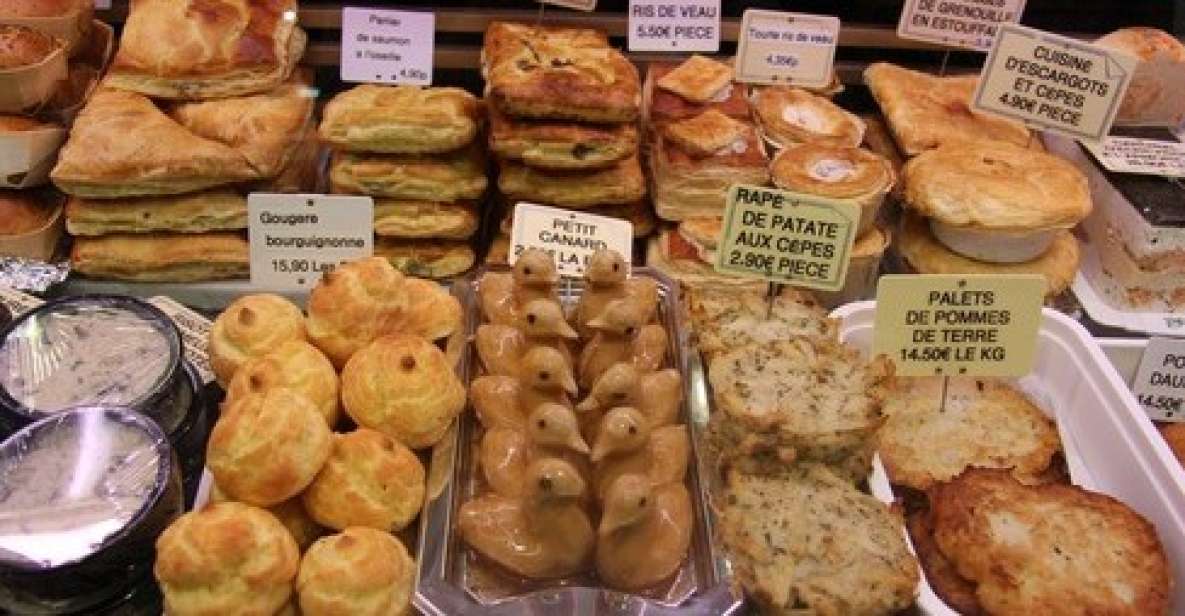
This tour is built for people who want more than photos. The market stalls give you real shopping categories: spices, jars and spreads like tapenades, coffee, and other specialty items. It’s the sort of place where you can understand how Parisians stock up on flavor.
A smart benefit here is that tastings are included. That means you can sample first and then decide what you’d want to buy later. When food is involved, your time feels more “earned,” because you’re not just watching stalls—you’re learning through taste.
Even if your shopping list is modest, this indoor section teaches you how markets like this work. You start noticing product quality, how items are presented, and which stalls are busy for a reason.
Moving outdoors: the street market edge and how it changes your pace
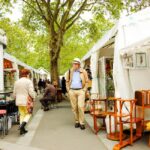
After the covered section, you shift to the outdoor market area, where the vibe gets more open and slightly more chaotic in the best way. The street market side feels like it’s blended into the neighborhood rather than being isolated.
You’ll see a wider mix of items and more motion: vendors working, customers comparing goods, and people carrying bags like this is just another errand. The guided pace is helpful here. If you tried to DIY this, you might miss the best stalls because you’d be busy just figuring out where to look.
This is also where the market’s location really pays off. Marché d’Aligre borders a cluster of North African shops, so the area doesn’t feel like a single-culture bubble. You get a bigger sense of what this part of Paris is like day to day.
Flea market stop: a quick hit of odd finds (and what to expect)
The tour includes a visit to the connected flea market. This part is short on purpose: it’s a fun add-on, not the center of the day.
Based on past experiences, the flea market can be hit-or-miss depending on what’s out that day. The value here is the chance to scan for oddities and quirky objects while you’re already in the area. If you expect a perfect antique treasure hunt every time, you might feel a little let down. If you go with the right mindset—curiosity over certainty—you’ll probably enjoy it more.
Think of it as the market’s “character section.” Even when you don’t buy, it helps the tour feel like a real neighborhood circuit instead of a food-only detour.
You can also read our reviews of more tours and experiences in Paris


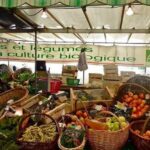
Tastings and mint tea: what’s included and how to get the most from it
Food is the heart of this tour, and the included tastings are designed to help you understand what these markets are really for. You’ll enjoy specialty food samplings during the walk, plus mint tea in a corner café.
That mint tea detail matters more than it sounds. It gives you a pause point where you can reset, breathe, and ask questions without sprinting stall to stall. Two hours goes fast, especially in a market setting, so having a sit-down moment is a real quality-of-life feature.
The tastings also make the price feel more justified. At a market like this, if you’re buying small samples one by one on your own, the costs add up quickly. Here, you’re paying one set fee and getting multiple food moments built in.
Practical tip: pace yourself during tastings. Markets move. If you rush through your samples, you’ll miss the chance to compare flavors and textures that the guide is pointing out.
Learning the story: how market history changes the way you look
One reason I recommend this tour is that it doesn’t treat the market like a postcard. You learn why it exists, including its connection to the old covered passages concept.
That history angle is useful even if you’re not a museum person. It helps you understand why these covered areas were built in the first place—so people could move and shop with some shelter and continuity in a city that can be chaotic to navigate.
Once you know that, the indoor space starts to make more sense. You’re not just looking at stalls; you’re walking through a piece of Paris’s older urban logic. That’s the difference between seeing a market and understanding one.
Small group of 8: the guide attention that actually matters in a market
A big plus here is the small group limit: 8 participants max. Markets can be frustrating with large groups—too much waiting, too little chance to ask questions, and a feeling that you’re always trying to catch up.
With a smaller group, you get a better rhythm. You can stop without holding up everyone. You can ask why something is popular, what it’s best used for, or how to shop like a local. You also get more personalized guidance on what to taste and where to focus.
Guide quality can vary in any city tour, but this experience has had English-and-French guidance under different names, including Christine and Caroline. Past guests highlighted how helpful and lively their explanations felt, plus the way they shared extra Paris tips beyond the strict market route.
You don’t need your guide to be an encyclopedia to enjoy this. You just need someone who can connect what you see to what it means.
Price and value: is $129 for 2 hours worth it?
Let’s talk value like a grown-up.
At $129 per person for a 2-hour tour, you’re not just paying for footsteps. You’re paying for:
- a small-group pace (max 8)
- live guide support in English or French
- included tastings of specialty foods
- mint tea during the tour
- a structured way to experience both the indoor covered market and the street market plus the flea market
If your goal is simply to wander Marché d’Aligre on your own, you can probably do it without a tour. But you’ll likely spend that time figuring out where to go, what’s worth trying, and how to interpret what you’re seeing.
If your goal is to understand the market and sample along the way, the included food moments do a lot of the heavy lifting. In practical terms, the tastings and tea help offset part of the tour fee, and the guided context keeps the experience from becoming random.
Who this tour suits best (and who might feel underwhelmed)
This fits best if you:
- like food markets and want to taste, not just browse
- enjoy guided context, especially about local life and places with character
- want a more neighborhood-style Paris experience without getting lost
- prefer a small group pace where you can ask questions
It might not be ideal if you:
- want a long, full-day itinerary
- expect a flea market that always delivers major finds
- dislike crowded market conditions or prefer quiet, controlled sightseeing
Should you book this Marché d’Aligre tour?
Book it if you want a compact, high-return Paris food experience that mixes covered-market history, real market energy, and included tastings. It’s a smart choice for first-time visitors who already did the big monuments and want something more local, and for return visitors who want a different side of the city.
Skip it if you’re the type who hates close-quarters market wandering or if flea-market browsing is your top priority. In that case, you might be better off spending your time and money on a food-focused day where every minute is guaranteed to match your interests.
FAQ
Where does the tour meet?
The meeting point is at 100, rue du Faubourg Saint-Antoine, 75012 Paris.
What metro station is closest?
Ledru-Rollin is the nearest metro station, and you should use exit 2.
How long is the tour?
The tour runs for 2 hours.
How big is the group?
The group is limited to a maximum of 8 participants.
What language options are available?
The live tour guide offers English and French.
Is transportation included?
No, transportation is not included.
What’s included in the price?
The tour includes tastings of specialty foods and mint tea in a corner café.
What extra experience is included beyond the food market?
The tour also includes a stop to check out the flea market connected to the area.