REVIEW · PARIS
Paris: Evening Cooking Class with Optional Market Visit
Book on GetYourGuide →Operated by Le Foodist · Bookable on GetYourGuide
One hour in, you start tasting and cooking like you belong here. This Paris evening class turns French food from a menu into a hands-on skill, with a small group, a real chef, and a relaxed dinner at the end. If you choose the longer option, you also get a market stop in the Latin Quarter to pick ingredients before the knives come out.
I love that the class is structured around classic French techniques you can actually repeat at home. And I especially like the social rhythm: you cook, taste, and then sit down together for a 4-course meal paired with wine, so it feels like an evening out with new friends, not a lecture.
One thing to consider: you’re choosing an experience that runs about 6 hours when the market option is selected. If your schedule is tight or you prefer a shorter activity, you may want the non-market format.
In This Review
- Key highlights
- Why a Paris Evening Cooking Class Feels Different From a Typical Tour
- Latin Quarter Market Visit: Fresh Ingredients, Real Food Clues
- Getting Oriented in the Kitchen: How the Class Teaches Technique
- Planning Your 4-Course Menu: Building a French Meal Step by Step
- Cooking Together: The Relaxed, Hands-On Rhythm
- Dining as You Learn: Wine, Cheese, and Pairing That Makes Sense
- Timing, Group Size, and the Real Trade-Off
- Price and Value: What $246 Is Really Paying For
- Who Should Book This (and Who Might Skip It)
- Should You Book This Paris Evening Cooking Class?
- FAQ
- How long is the evening cooking class?
- What’s included in the meal?
- Is the market visit optional?
- What language is the class taught in?
- Is it a small-group class?
- What is the cancellation policy?
Key highlights
- Optional Latin Quarter market visit to shop for ingredients before cooking
- Chef-led 4-course dinner where you participate in prep and cooking
- Wine and cheese pairing as part of the meal, not an afterthought
- Small-group format for more direct attention during cooking
- English instruction with clear step-by-step guidance
- Flexibility for dietary preferences, worked into the plan when possible
Why a Paris Evening Cooking Class Feels Different From a Typical Tour
Paris has no shortage of food tours. But a cooking class hits a different nerve because it teaches you what makes French cooking work: timing, technique, seasoning, and the way flavors build from one course to the next. The best part is that you’re not just watching. You’re getting your hands involved, and you’re learning the logic behind each step.
This is also a nice way to slow down the city. Instead of rushing between landmarks, you focus on one thing: making dinner properly. That matters in Paris. Meals are part of the culture, and in this format you get that same pacing—cook, taste, adjust, and then eat what you made, course by course.
The dinner includes a 4-course meal plus half a bottle of wine, and that combo is a big part of the value. You leave with food memories, but you also leave with practical skills you can reuse later.
You can also read our reviews of more shopping tours in Paris

Latin Quarter Market Visit: Fresh Ingredients, Real Food Clues
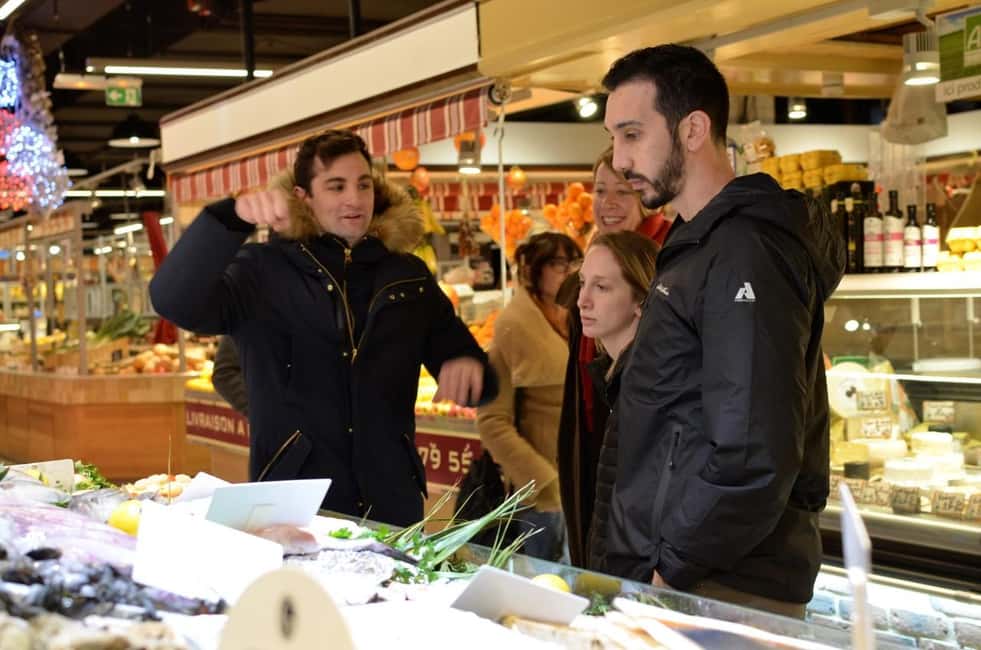
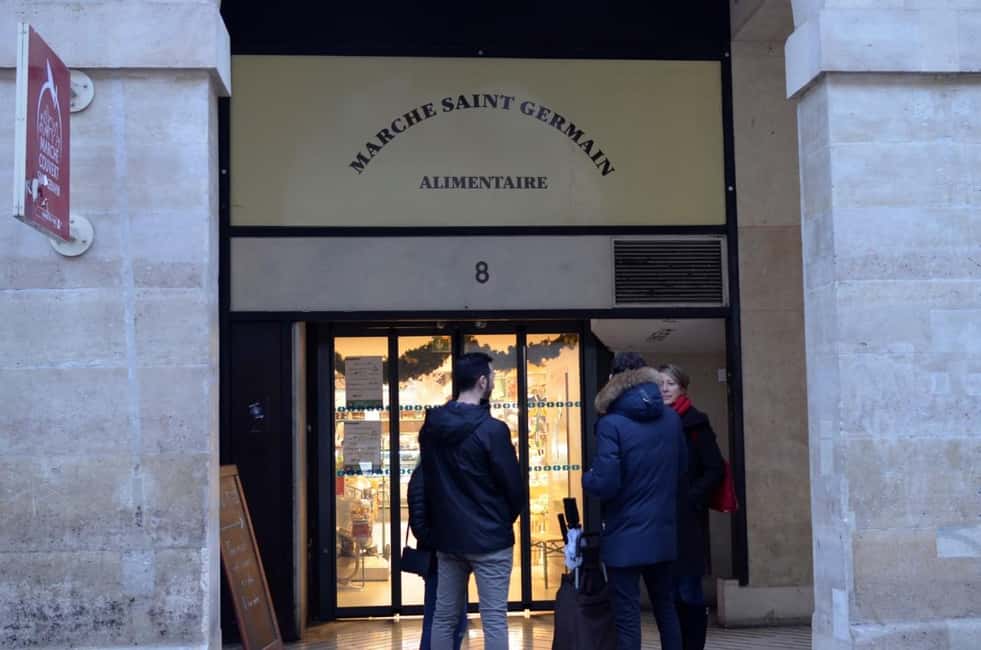
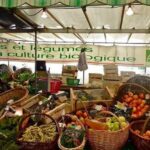
If you pick the longer option, the evening starts with a market visit in the Latin Quarter. The point isn’t to collect souvenirs. It’s to learn how people choose food in Paris—what looks fresh, what seems ripe, and what ingredients are worth paying for.
You’ll pick up ingredients for the menu you’ll cook later. That changes how you cook. Once you’ve selected produce and other essentials yourself, you pay attention to texture and quality while you’re cooking. It also makes the whole meal feel more tied to place, because the food starts in the street-level rhythm of the market.
One of the best details from the experience is the focus on cheese during this part of the evening. In this market setting, you’re not just buying cheese. You’re learning how cheeses fit into French cooking and tasting. If cheese is one of your weak spots, this is the moment where your evening clicks into place.
Getting Oriented in the Kitchen: How the Class Teaches Technique
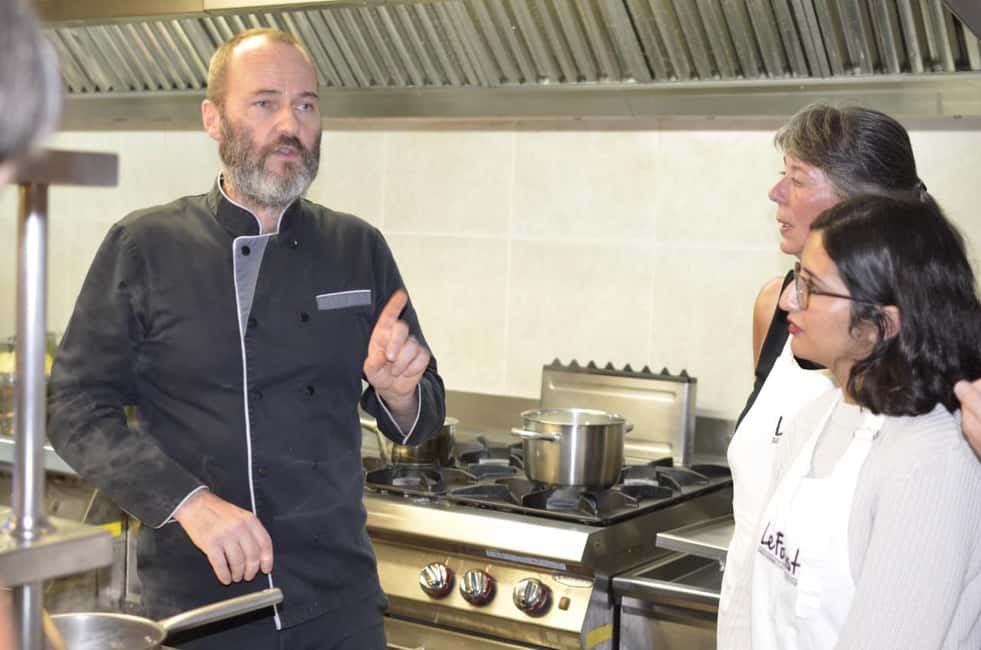
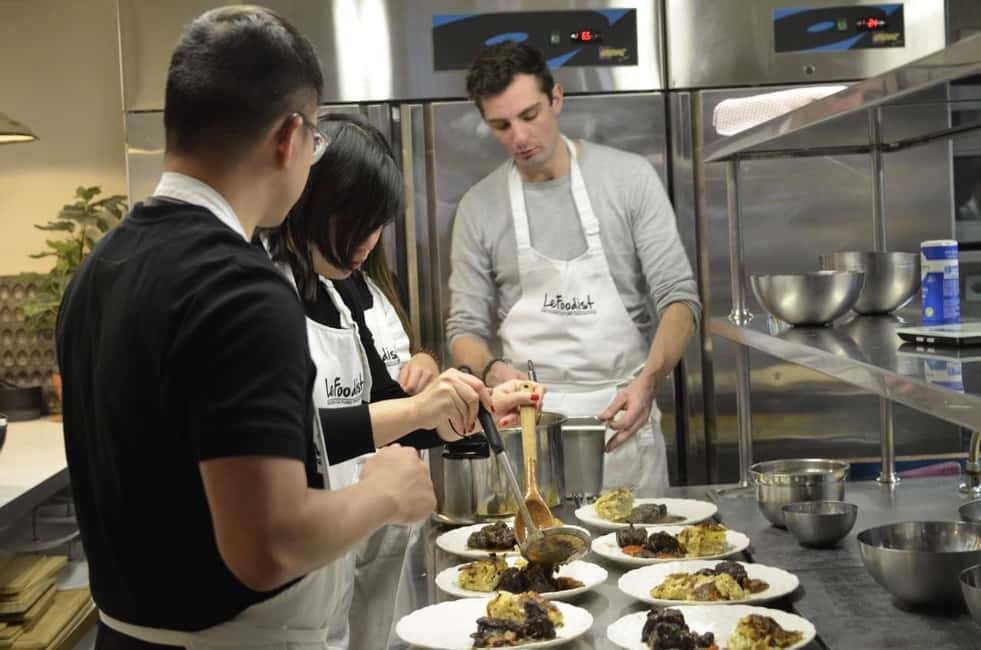
After the shopping option (or straight into cooking if you skip the market), the class shifts to planning and execution. You help plan a 4-course menu, then you cook under the instructor’s watchful eye. The teaching style is practical: you’re shown what to do, and you do it, with guidance as you go.
This is where a small-group format helps. When there are fewer people in the kitchen, you get more hands-on support—questions answered in context, not after the fact. You’re also more likely to actually get to every step, instead of hovering near the counter hoping there will be time for you later.
Chef-led instruction also means you learn the why, not just the what. You’ll get tips that connect technique to result. For example, the class’s emphasis on tasting and pairing makes it easier to understand how seasoning and cooking decisions affect flavor balance.
Also, the instruction is in English, which makes a big difference in a cooking class. You won’t need to translate your way through technique.
Planning Your 4-Course Menu: Building a French Meal Step by Step
French cooking can sound intimidating when it’s described on paper: multiple courses, careful timing, and sauces that look like they take forever. In this class, the menu plan is designed to be doable, while still giving you the satisfaction of making an authentic multi-course meal.
You’ll work with the cookery instructor to plan what you’ll make across the four courses. That structure matters because it forces you to think like a cook: you’re not just making one dish, you’re building a full dinner flow.
The class also sets you up for the biggest learning moment of the evening: how courses relate to one another through flavor, texture, and pairing choices. Even if you only cook one course well, you leave with a framework for how a French meal is assembled.
And if you have dietary preferences, the experience has made room for them in practice. The chefs are described as flexible with dietary needs when informed ahead of time, which is a huge relief if you don’t want to show up and then be stuck.
Cooking Together: The Relaxed, Hands-On Rhythm
This is not the kind of cooking class where you do three minutes of chopping and then stand back while someone else works. You’re involved across the prep and cooking, and the pacing is designed so the evening doesn’t feel frantic.
A detail I like in the way this class runs: you typically cook and eat in a sequence, rather than cramming all dishes onto the table at once. That means you’re focused during cooking, and you get to enjoy each course while it’s fresh and clearly connected to what you just made.
The small-group size also helps the vibe stay friendly. Several people highlighted that the atmosphere feels like cooking with friends, not like being processed. That relaxed tone matters because it keeps learning comfortable. If you’re willing to ask questions, you’ll get good answers.
Two chef names show up strongly in the experience: Chef Luc and Chef Paolo. Both are described as kind, passionate, and clear in their explanations. One of the best parts, in plain terms, is that the chef doesn’t just throw tasks at you. They explain what’s happening and why, and they keep you moving through each step without making you feel rushed.
You can also read our reviews of more tours and experiences in Paris
Dining as You Learn: Wine, Cheese, and Pairing That Makes Sense
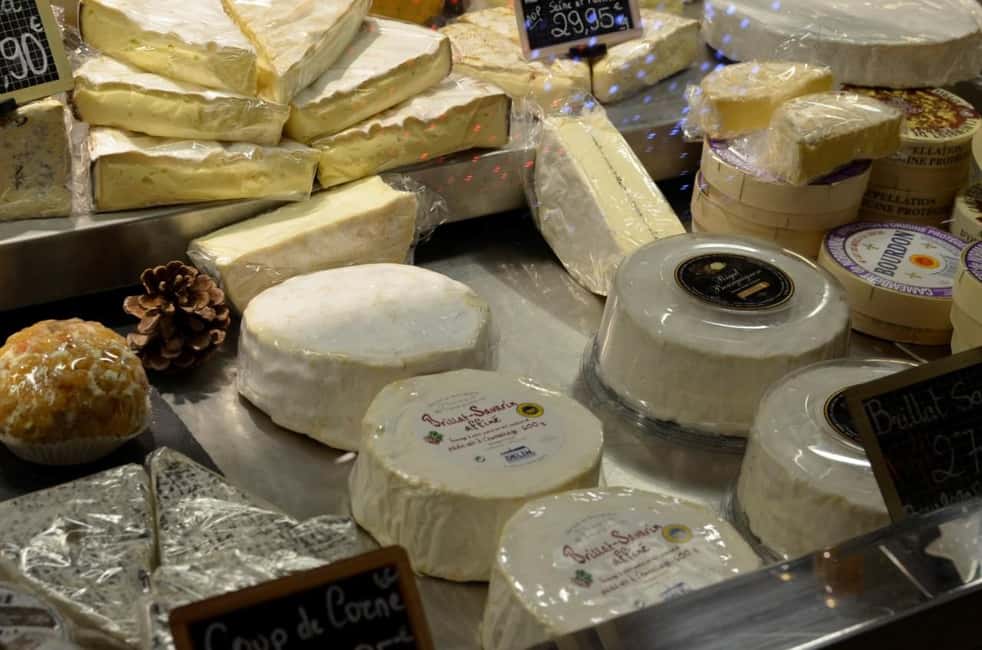
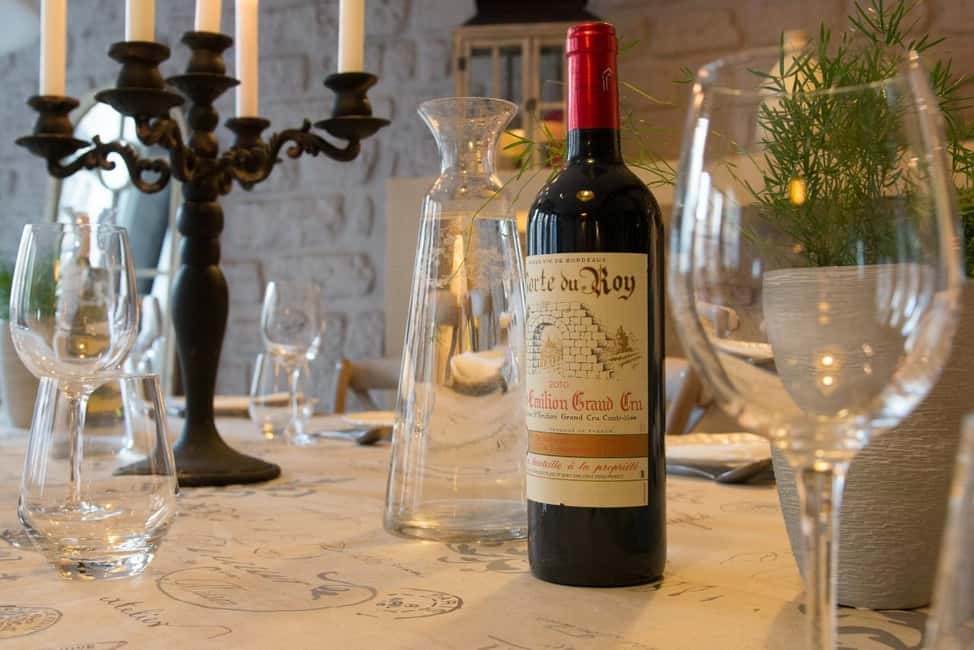
Once the cooking wraps, you sit down to eat what you made. The dinner comes with wine, and the class includes a selection of wines plus one cheese, with instruction on pairing food and wine.
This is where you get something more useful than just alcohol with dinner. The tasting and pairing component gives you a method. You start noticing how flavors interact: acidity, richness, and how the cheese texture can change what you perceive in the wine.
The best version of wine pairing isn’t about fancy vocabulary. It’s about learning what to try next time. If you tend to stick to one go-to wine, this part can nudge you into more confident choices. You’ll likely leave with a better sense of what you personally enjoy with certain flavors, which is more valuable than memorizing rules.
One more plus: the chefs also sit with the group during dinner in a way that turns the meal into conversation. People noted that you can ask questions about Paris and cooking. That’s a practical way to get local perspective without a separate guide talk clogging your evening.
Timing, Group Size, and the Real Trade-Off
The class runs about 270 minutes (around 4.5 hours), and the market option can extend it to the 6-hour evening. That timing is a big factor in whether this fits your trip.
If you want an efficient, food-focused evening, the shorter format may work well. If you want the full arc—shop, cook, taste, and then eat—you’ll probably prefer the longer option. In both cases, you’re investing a chunk of your day, so I’d treat it like a real plan, not a spare-time activity.
Group size isn’t given as a number, but it’s described as small-group, and that shows in the kind of attention people report receiving. If you hate feeling lost in a big class where you only observe, this is the right direction.
As for language and comfort, the instruction is in English, so you can focus on technique instead of translation.
Price and Value: What $246 Is Really Paying For
At $246 per person, this isn’t a budget activity. But it’s also not just a dinner out. You’re paying for several layers:
- Hands-on instruction by an English-speaking chef
- A multi-course meal you help prepare
- Wine included (half a bottle)
- In the longer option, market ingredients picked during a guided visit
- A teaching component that includes wine and cheese pairing
When you break it down that way, the price starts to feel more grounded. You’re essentially buying a guided cooking lesson plus a curated evening meal, not a standalone restaurant experience. And the fact that you participate throughout matters. Cooking classes that are mostly watching tend to feel overpriced. This one is designed for involvement.
Also consider what you’d spend otherwise: a nice Paris dinner can add up fast, and you’d still miss the technique training and the market context.
So if you’re the type who wants to bring something home from Paris that isn’t just photos—this is one of the better ways to do it.
Who Should Book This (and Who Might Skip It)
This class fits best if you:
- love French food and want to learn how it’s made, not just eaten
- want an evening plan that feels social and relaxed
- prefer small groups and direct coaching
- enjoy wine tasting and want pairing explained in a practical way
- like the idea of shopping in Paris’ Latin Quarter for ingredients
I’d also say it’s a strong pick for couples and special occasions. People used it to celebrate anniversaries, and the atmosphere is described as warm and friendly.
You might skip it if:
- you can’t spare about 4.5 to 6 hours
- you prefer purely passive experiences (this one is hands-on)
- you expect a quick food hit rather than a full dinner with wine pairing
Should You Book This Paris Evening Cooking Class?
If you want a memorable Paris night that trades sightseeing stress for real culinary learning, I think this is an easy yes. The combination of a 4-course meal, included wine, and a small-group, chef-led kitchen session is exactly the kind of experience that feels worth the time you spend.
Choose the market option if you enjoy shopping for ingredients, and especially if you like cheese. Choose the shorter option if your schedule is tight but you still want the core cooking-and-dinner experience.
Just do one practical thing before you go: think about any dietary preferences you need to manage and be ready to mention them. When the chefs can work with your needs, the experience becomes that much more comfortable and fun.
FAQ
How long is the evening cooking class?
The experience runs for about 270 minutes (around 4.5 hours). There is also a longer option that runs up to about 6 hours when you include the market visit.
What’s included in the meal?
You’ll enjoy a 4-course dinner that includes a selection of French wine, plus one cheese as part of the tasting and pairing experience. You’ll also receive half a bottle of wine with dinner.
Is the market visit optional?
Yes. You can opt for the longer experience that includes a market visit in Paris’ Latin Quarter, where you pick up ingredients for your cooking menu.
What language is the class taught in?
The instructor teaches in English.
Is it a small-group class?
Yes. It’s described as a small-group cooking class, designed to provide more personal attention during the lesson.
What is the cancellation policy?
You can cancel up to 24 hours in advance for a full refund.