REVIEW · PARIS
Exploring Paris with a Local: Montmartre to La Seine
Book on GetYourGuide →Operated by City Unscripted · Bookable on GetYourGuide
Paris feels personal on a guided walk, with private matching to a local guide and a route built around what you actually like. You’ll go Montmartre to La Seine, with enough freedom to make it feel like you’re sightseeing with a smart friend instead of following a script.
I like that you can still hit headline moments like Eiffel Tower to Montmartre, but also spend time on the in-between streets where Paris shows its real rhythm. One heads-up: attraction tickets and in-day transport aren’t included, so the final cost depends on what you choose to add.
In This Review
- Key highlights that make this Paris day feel different
- How the local-guide matching changes the whole trip
- Your 4-hour route: Eiffel Tower energy to Montmartre vibes
- Starting with big Paris energy
- Then moving into the streets that feel like real life
- Arc de Triomphe stops: seeing scale and symmetry in motion
- The Old Jewish Quarter: neighborhood context you can actually use
- Notre-Dame and the approach to La Seine
- Flexibility in real life: how swaps work without ruining your day
- Walking tour basics (and how to prepare)
- What’s included vs. what costs extra (so you can budget calmly)
- Price and value: is $141 per person worth it?
- Who this tour suits best
- Should you book Exploring Paris with a Local: Montmartre to La Seine?
Key highlights that make this Paris day feel different
- Your guide is matched after a preference chat within 24 hours, so the route fits your vibe
- A half-day thread from Eiffel Tower areas through central sights to Montmartre and onward toward La Seine
- Flexibility during the walk, with real permission to shift direction if it’s a better fit
- Local-guided pacing instead of a race, which helps you actually look at what matters
- Private group size, typically up to about 6 people, so questions don’t get lost
- Guide-arranged bookings when needed, even though admission costs are still extra
How the local-guide matching changes the whole trip

This tour is built around you, not a generic route. After booking, your host contacts you within 24 hours to ask questions about your interests and personality. That step matters more than it sounds. It’s what turns a “see Paris in 4 hours” plan into something closer to: I’ll show you the Paris I’d want to share with a friend who likes the same things I do.
Then you’re paired with a local who spends free time doing the same kind of guiding, for travelers matched to them. The itinerary you get will be outlined, but it stays flexible. That means you’re not locked into one rigid checklist where you have to pretend you’re thrilled by stops you don’t care about.
Also, you’ll meet in a spot that’s convenient for you. If you’d like pickup from your accommodation and you’re within a reasonable distance, that’s part of the package. For a first day in Paris (or a return trip where you want different angles), that convenience cuts down on friction fast.
One more thing I appreciate: the guide will talk with you during the tour if a swap makes sense. If your feet are tired, or you realize you’re more excited by one area than another, you can adjust. It’s not just “see more,” it’s “see the right things.”
You can also read our reviews of more tours and experiences in Paris.


Your 4-hour route: Eiffel Tower energy to Montmartre vibes

Even though the exact order can flex, the tour’s core idea is consistent: you connect major landmarks with the neighborhoods between them. You can expect a route that can include Le Tour Eiffel, Montmartre, and the key in-between stops that help you understand how Paris is stitched together.
Starting with big Paris energy
Most people start this kind of half-day wanting two things at once: recognizable views and context. The Eiffel Tower works for both. It’s an immediate “yes, I’m really here” moment, and your guide can point out what to notice beyond the obvious postcard angle.
The best part is not just seeing it, but learning how it fits into the city’s geography. Paris rewards people who can connect the dots. When you know what direction you’re walking and how landmarks relate, everything feels more intentional.
Then moving into the streets that feel like real life
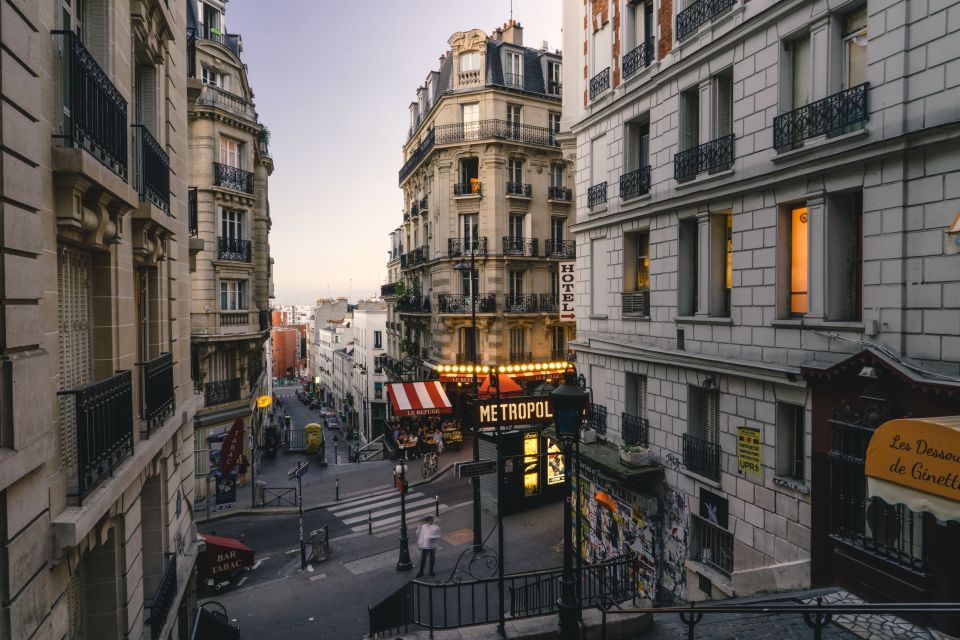
As the route bends away from the most famous vista points, you’ll hit the charm that brochures often miss: the everyday street flow. This is where you’ll likely notice why Montmartre has a personality, not just a viewpoint.
Montmartre is also the kind of area where passion shows. A past guide named Silva got praised specifically for being passionate about Montmartre. That’s the kind of energy you want on this tour. If your guide cares about the neighborhood, you get details you’d never bother to find on your own.
Arc de Triomphe stops: seeing scale and symmetry in motion
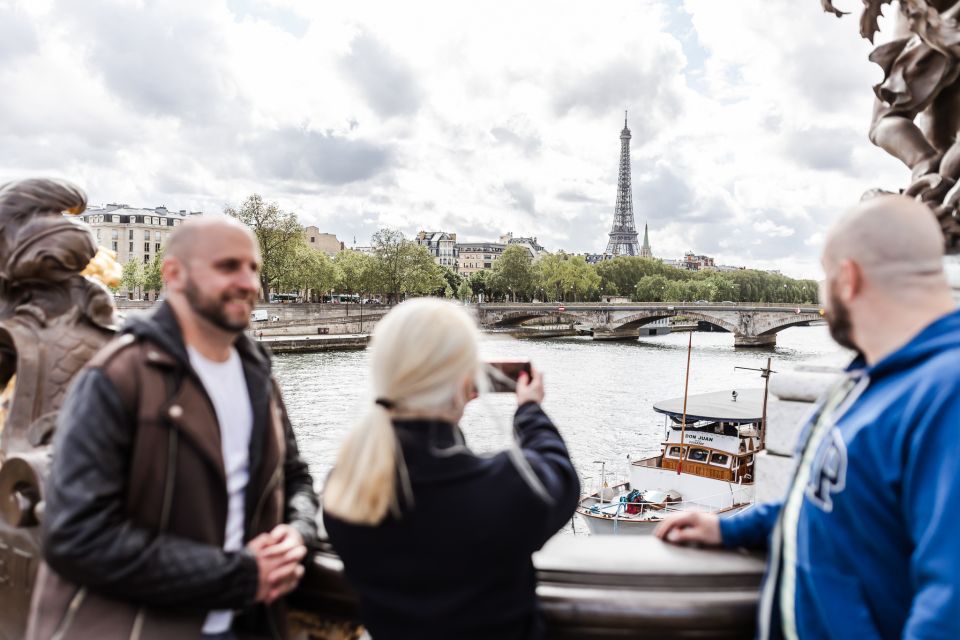
One of the nice surprises is that this tour can swing past major “big photo” moments without turning into a frantic sightseeing stampede. In at least one experience, the route included the Arc de Triomphe along with other classics.
Arc de Triomphe isn’t just a monument. It’s a lesson in how Paris frames space. When you stand nearby with a guide, you can understand how streets and sight lines are designed to create drama. On foot, you also feel the scale in a way that photos can’t fully capture.
What I’d watch for: your guide pacing you so you don’t spend the entire half-day staring at one angle. A good guide uses the monument as a reference point, then gets you moving so you can keep collecting moments instead of waiting in one spot.



The Old Jewish Quarter: neighborhood context you can actually use

This is the part of the tour where the “beyond the tour books” promise starts to feel real. Your route can include the Old Jewish Quarter, and that’s a place where context helps. Without it, it can become just another cluster of streets. With it, you start recognizing how the neighborhood evolved and why certain parts feel the way they do.
I like neighborhoods like this because they reward slow looking. On a guided walk, you’re not just moving through. You’re getting stories and local naming so you can remember what you saw later when you’re back in your hotel writing notes.
This is also a section where questions come easily. If you’re curious about daily life, cultural layers, or why certain streets feel different from the areas around the big monuments, a local guide can give you a clean starting point. You won’t leave with a lecture. You’ll leave with a mental map.
Notre-Dame and the approach to La Seine
Another landmark that can appear on the route is Notre Dame. Even if you’ve seen it in photos before, the experience changes once you’re in the flow of the city. Your guide can help you notice where the setting tightens, where streets broaden, and how people naturally orient themselves toward the river.
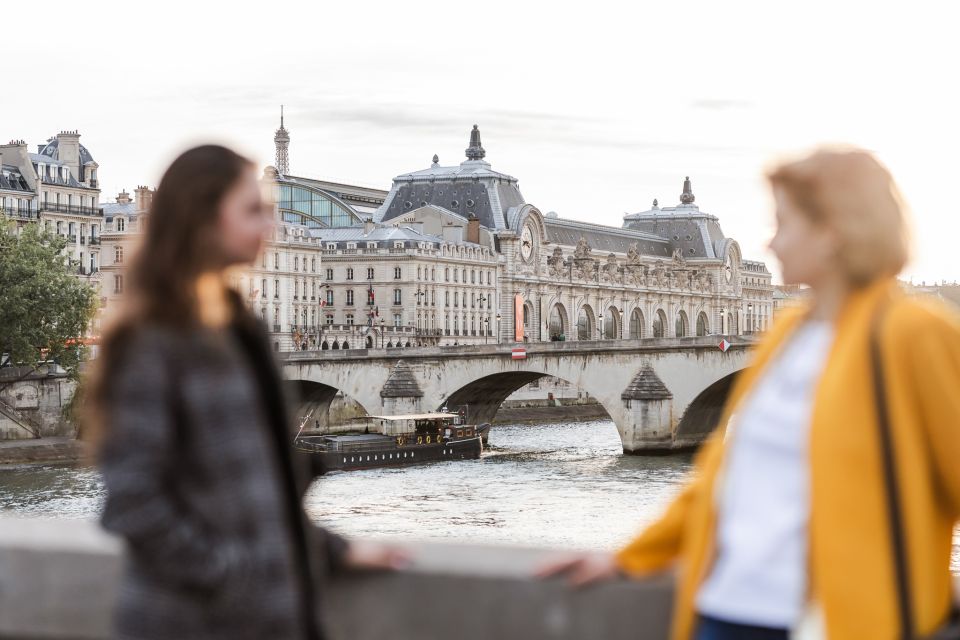
Then you move toward La Seine. This is where Paris shifts from “buildings and monuments” into “water and atmosphere.” On foot, you’ll feel the calmer cadence near the river compared with the thicker energy of central sightseeing corridors.
If you’re the type who wants a satisfying finish to the day, this matters. A half-day that ends by the Seine feels like a reward. It’s also a great moment to pause and review what you loved most so far, because the guide can tailor the ending to your interests.
Flexibility in real life: how swaps work without ruining your day
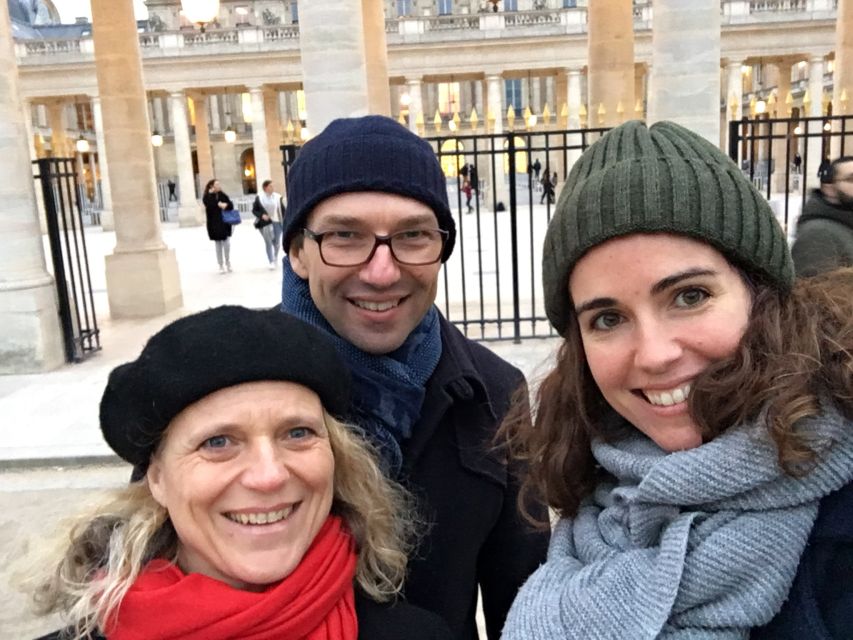
A big selling point here is that the itinerary stays flexible. That doesn’t mean chaos. It means your guide is allowed to adjust based on what you respond to.
During the tour, you can discuss changes, and your guide can suggest them too. Practically, that’s helpful in three common situations:
- The weather shifts or crowds feel too intense in one area
- Your interest suddenly leans more toward a neighborhood vibe than a specific landmark
- Your energy level changes mid-walk, and you want a different pace
This kind of flexibility is especially valuable when you’re matching a route like this to your interests. If you’re a photo person, you’ll naturally want the best viewing stops. If you prefer street life and stories, you’ll want time on the quieter parts. This tour’s design supports that, instead of forcing you into the same template no matter what you like.
Walking tour basics (and how to prepare)
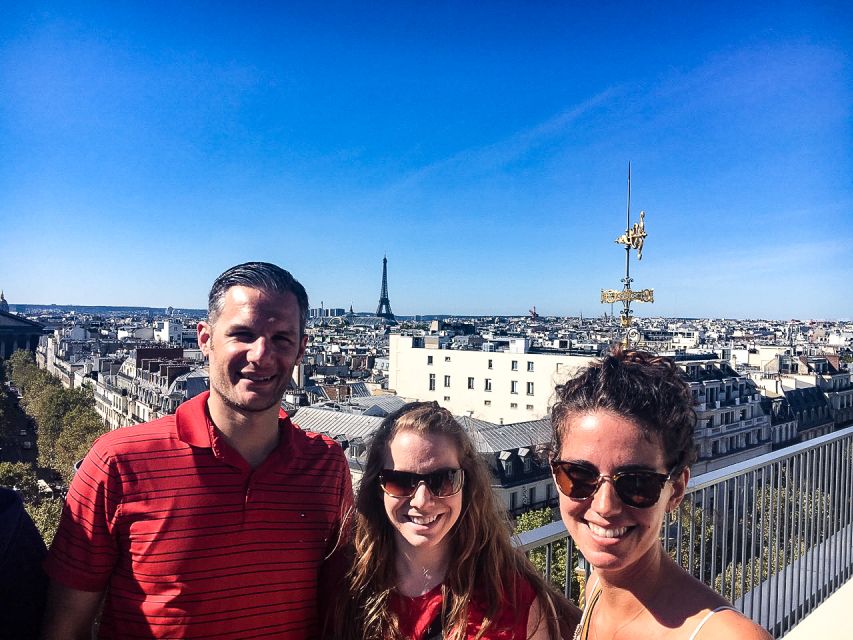
This is primarily a walking tour. Your guide can arrange other transport to venues if needed, but that extra transport would be at an added cost. So, you’ll want to plan like you’re doing a solid half-day on your feet.
My quick preparation tips:
- Wear shoes you can walk in for hours, not just for a museum.
- Bring water and a light layer. Paris weather can be changeable.
- If you’re traveling with a camera, think about a strap you can trust. You’ll want your hands free sometimes.
Wheelchair accessibility is listed as a feature. That said, since this is walking-focused, it’s smart to mention any mobility needs during the initial preference chat so the guide can structure the pacing and route appropriately.
What’s included vs. what costs extra (so you can budget calmly)
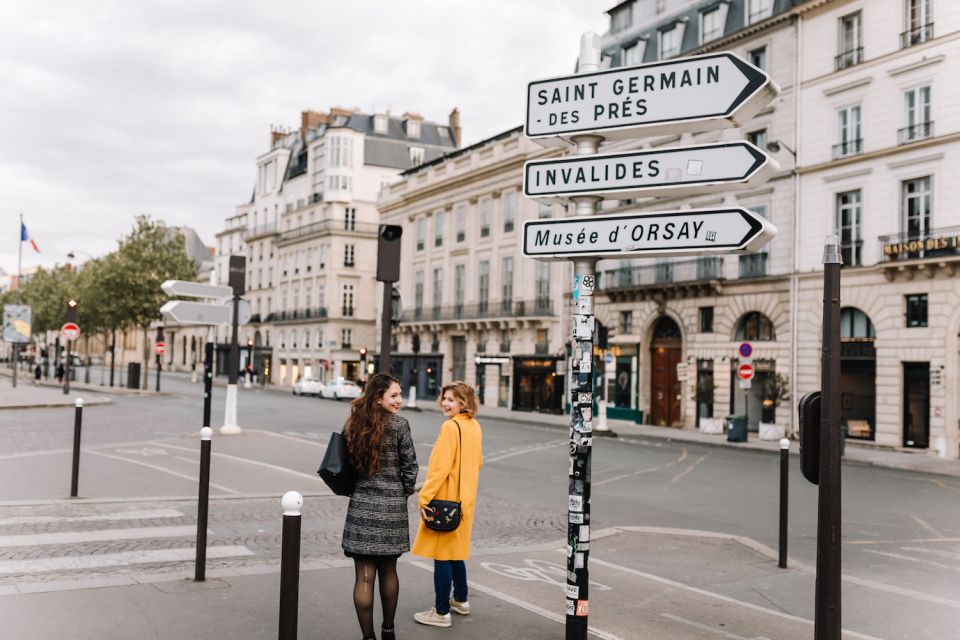
Here’s the clear breakdown:
Included
- A private and personalized 4-hour tour
- A local guide
- Booking of tickets, attractions, and venues as required
- Pickup from your accommodation if you’re within a reasonable distance
- A walking tour (with the option to arrange other transport for extra cost)
Not included
- Food and drinks
- Any tickets into attractions
- Transportation to and from the meeting point
- Public and private transportation during the tour
This is where value thinking helps. Even though attraction admissions aren’t included, the guide booking support can still save you time and hassle. You’re not juggling multiple steps while trying to enjoy the day.
Also, since the tour is private, you’re paying for attention. If you use that attention wisely—asking questions, planning your route with your guide, and choosing what to add—you’ll feel like the time was well spent.
Price and value: is $141 per person worth it?
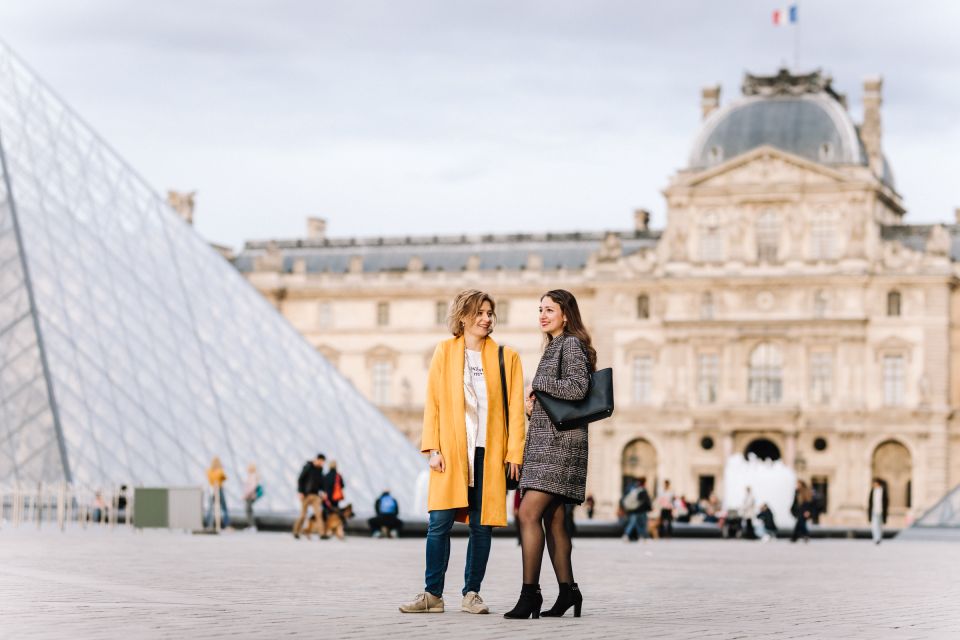
At $141 per person for a 4-hour private experience, you’re not buying a bus ticket and a script. You’re buying three things that matter in Paris:
- Time saved by using a local who can connect neighborhoods efficiently
- Personalization, because the itinerary is built from your interests and personality
- Reduced friction, since you can meet conveniently and have bookings handled when venues require them
What could make it less of a deal is if you add many paid attractions and you also rely on extra transport. But that’s not unique to this tour. Any Paris plan that layers in tickets and rides will grow in cost.
The way to judge it is simple: if you want a guided day that feels like a conversation and includes the highlights you care about, this kind of private, flexible structure often justifies the price faster than group tours do.
Who this tour suits best
This one clicks best if you:
- Want a private guide instead of a crowd-managed timeline
- Like the idea of choosing what you spend time on
- Enjoy walking but want someone to keep the route smart and efficient
- Appreciate context for major landmarks plus neighborhood feel
It also works for different travel styles. If you’re in Paris for the first time, a route that can connect Eiffel Tower areas, major monuments, the Old Jewish Quarter, Notre Dame, and Montmartre gives you a strong “map in your head.” If you’re returning, you can steer the tour toward the neighborhoods and viewpoints you still want, without repeating everything you already did.
And based on the high rating and the specific guide praise, the human factor seems strong. Examples from past experiences highlight guides like Silva bringing passion to Montmartre, and Lily putting together an afternoon that tied together Eiffel Tower, Arc de Triomphe, the Old Jewish Quarter, Notre Dame, and other added stops—presented in a friendly, welcoming way.
Should you book Exploring Paris with a Local: Montmartre to La Seine?
If you want Paris to feel personal, not checklist-like, I think this is a strong booking.
Book it if:
- You like the idea of a guide chosen around your preferences
- You’d rather adjust mid-tour than force yourself through stops you don’t care about
- You want a half-day plan that connects big sights with real neighborhood atmosphere
Skip it (or rethink it) if:
- You’re only interested in paid attraction entries and already have every museum timed and planned
- You hate walking and don’t want to potentially add extra transport for comfort
- You prefer full self-guided freedom with no matching process
One practical note: book at least 24 hours in advance so the best personalized plan can be designed for you. If you’re flexible, the reserve now and pay later option helps you keep choices open while you sort out the rest of your Paris days.