REVIEW · PARIS
Louvre Masterpieces Private Guided Tour with Reserved Access
Book on GetYourGuide →Operated by ExperienceFirst · Bookable on GetYourGuide
Two hours, and the Louvre finally makes sense. This is a reserved-access, private-guided route that turns the museum’s biggest hits into stories, with Mona Lisa as the easy finish line. I like how the experience starts at the controversial Pyramid and builds momentum as you move from the fortress-era spaces to the most famous works.
My favorite part is the time-saver: skip-the-line entry plus a guide who keeps the walk moving. You get the kind of explanations that feel like street gossip about art—delivered in clear, human language, not museum fog.
One thing to consider: a 2-hour tour is a sprint, not a full Louvre education. You’ll see a lot of major works, but you won’t leave with the feeling that you covered everything under the ceiling.
In This Review
- Key highlights to know before you go
- Starting at the Pyramid: fast entry into a complicated first impression
- Meeting point by Louis XIV: don’t waste your first 10 minutes
- The 2-hour route: from medieval foundations to the Sphinx
- The “gossip about masterpieces” approach: how the tour keeps momentum
- Pyramid controversies, then fortress shadows: why that order matters
- The big finish: reaching Mona Lisa without the stress spiral
- Private vs semi-private: choosing your comfort level
- Price and value: $527 per person for a 2-hour shortcut
- Practical tips so the tour feels smooth, not stressful
- Who should book this Louvre reserved-access tour
- Should you book?
- FAQ
- Where is the meeting point for the tour?
- How long is the guided portion?
- Is skip-the-line entrance included?
- Is this tour private or semi-private?
- What language is the guide?
- Where does the tour start and where does it end?
- What should I bring with me?
- Are large bags allowed?
- Is the tour wheelchair accessible?
- What is the cancellation policy?
Key highlights to know before you go
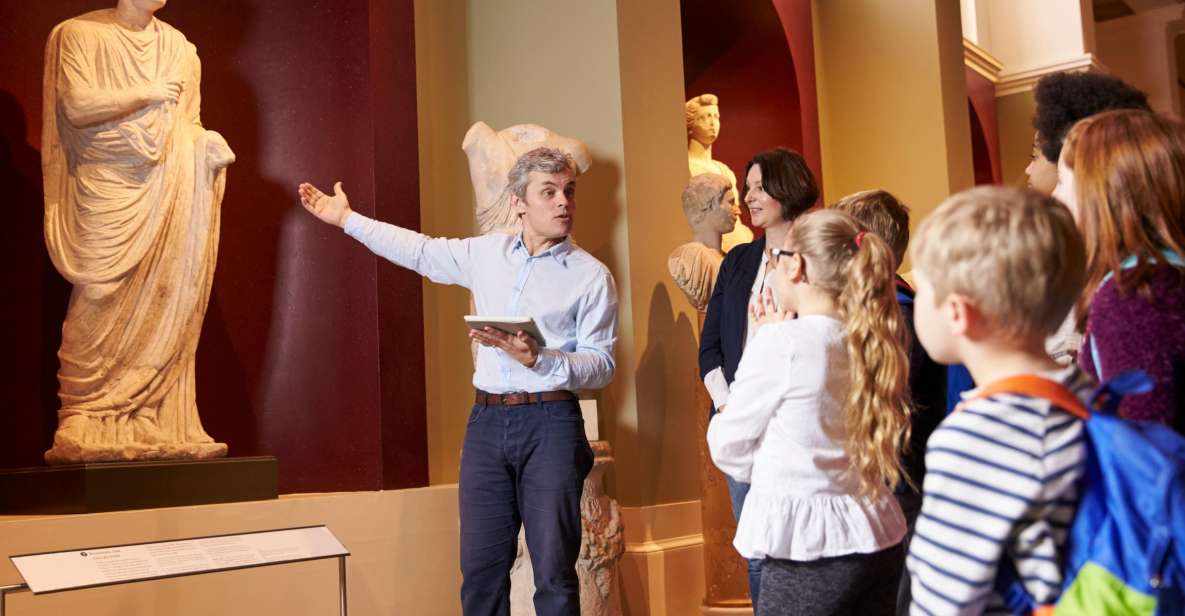
- Reserved access + separate entrance helps you start faster and spend more time looking.
- Pyramid-to-Mona Lisa flow keeps the route logical, with a strong “why am I seeing this?” thread.
- Fortress-era foundations get their moment, so the Louvre isn’t just a gallery of famous names.
- Short, story-driven stops cover controversies and legends, including the scandal angle around well-known pieces.
- Guide-led choices let you steer the itinerary in a private setting, or keep it small with the semi-private option.
- You can stay after the tour ends, with tips to help you continue on your own.
Starting at the Pyramid: fast entry into a complicated first impression
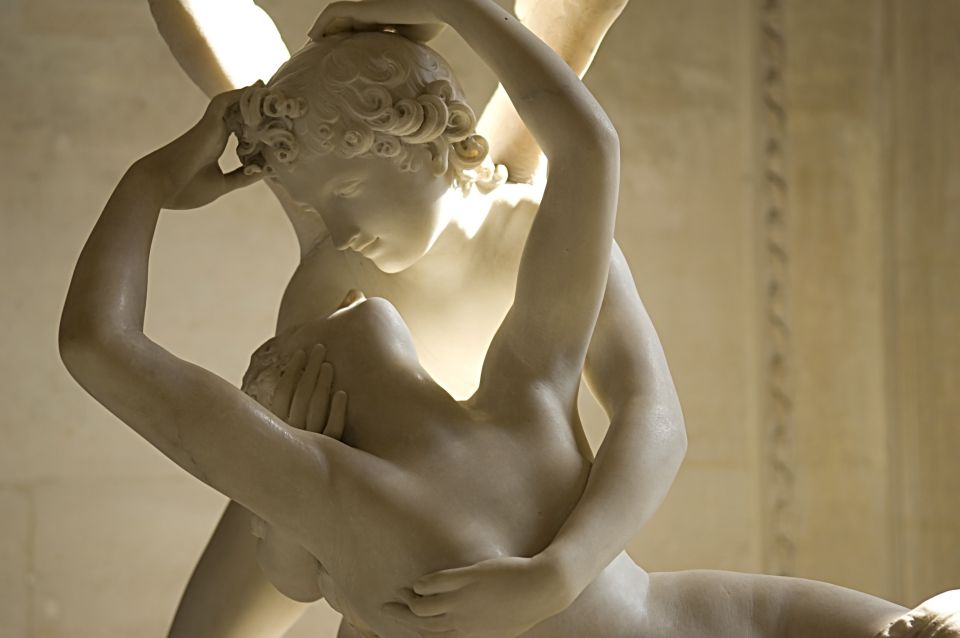
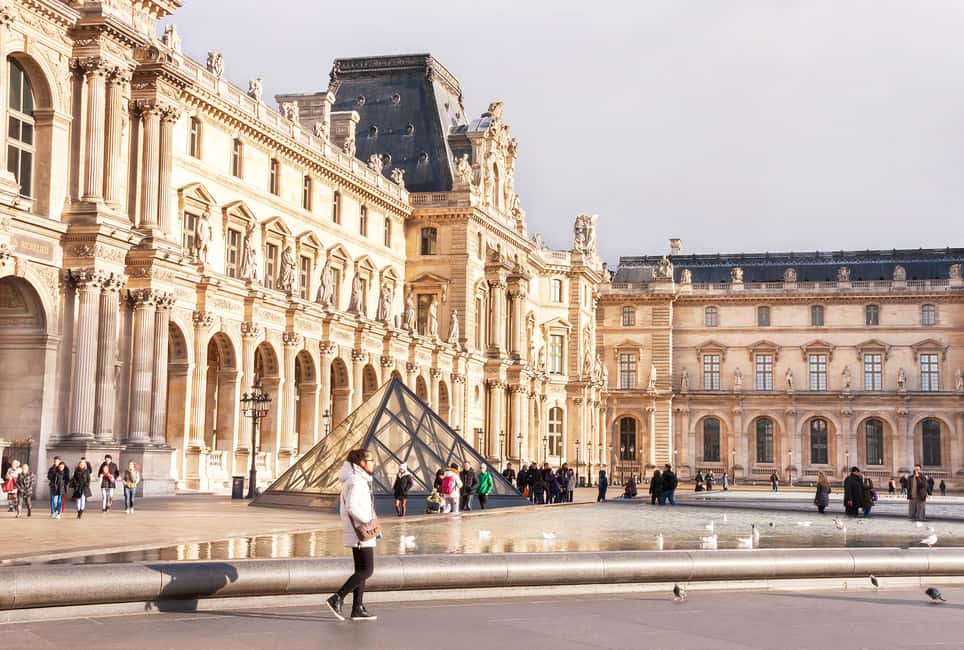
The Louvre can feel like a maze if you walk in cold. This tour flips the script by beginning at the Pyramid area right by the Tuileries Garden, where you’ll also hear the “controversies behind the Pyramid” and get oriented fast. You’re not just at a landmark for a photo; you’re using it as your entry point to how this museum works.
I also like the tone of the start. The guide doesn’t treat the building like a sacred object; you hear entertaining backstories, including that quirky bit about a pesky little red ghost that’s supposedly hung around for hundreds of years. It’s an easy way to get your brain to pay attention before you even reach the galleries.
You can also read our reviews of more guided tours in Paris


Meeting point by Louis XIV: don’t waste your first 10 minutes
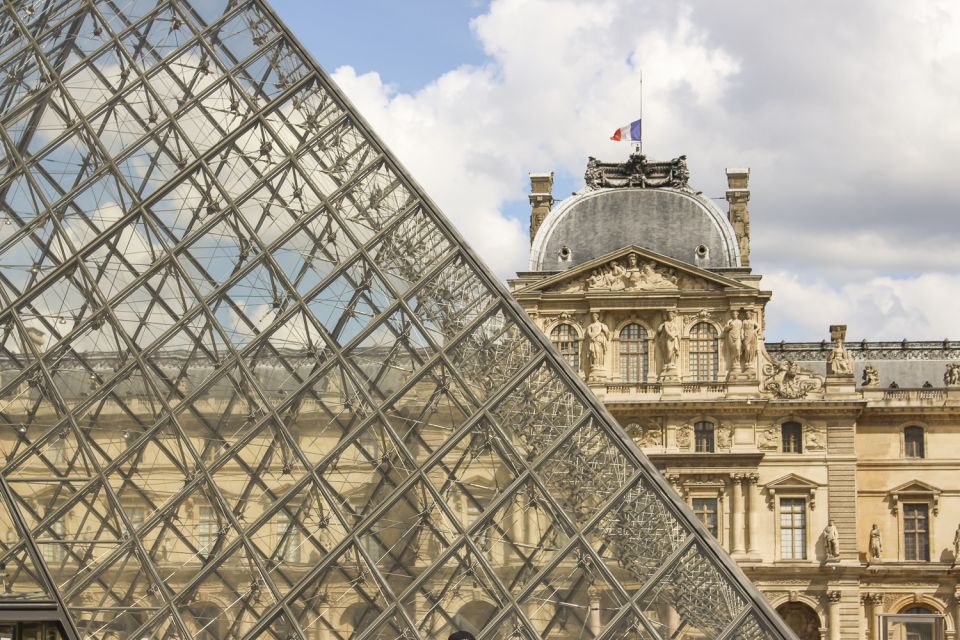
You meet at the statue of Louis XIV on horseback, directly in front of the big pyramid near the Louvre front entrance. It’s a clear landmark, but with Paris crowds, clear landmarks still matter.
The tour’s starting location is listed as 8 Pl. du Carrousel, which is in the same neighborhood. My advice: plan to arrive a few minutes early so you aren’t trying to match faces in the street when everyone’s craning their neck toward the pyramid.
The 2-hour route: from medieval foundations to the Sphinx
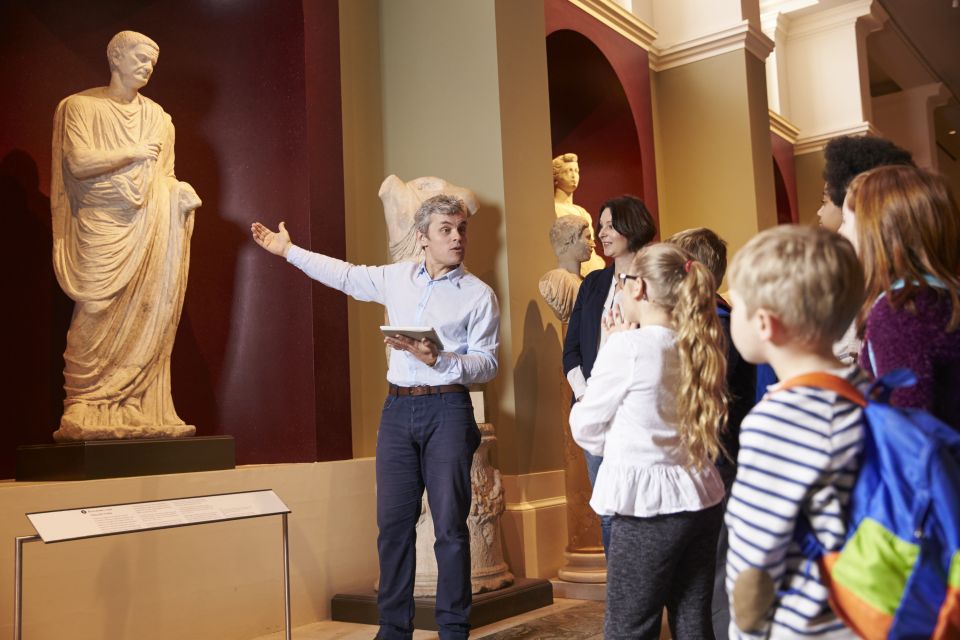
Once inside, the tour shifts you into the Louvre’s earlier life. You’ll walk through the Medieval Foundations area—basically the museum’s older “fortress” identity—and it helps you understand why the building feels like it has layers. That context matters because it changes how you interpret what you’re about to see.
From there, you’ll move into a stop that feels like a scene-setter: the Great Sphinx of Tanis. Even if you’re not an Egyptology person, it’s the kind of object that makes you stop and look up, because it’s memorable on sight and full of puzzle-energy. The tour frames it as riddles that have puzzled people for thousands of years, which keeps it from turning into a silent photo stop.
Then the rhythm changes again: you start passing through major highlights—paintings, sculptures, and artifacts—while your guide ties the works to stories. You’re told scandals and controversies, including murder-and-cannibalism style tales as part of the entertainment. It’s not meant to be a dark lecture; it’s meant to keep you engaged while you move efficiently.
The “gossip about masterpieces” approach: how the tour keeps momentum
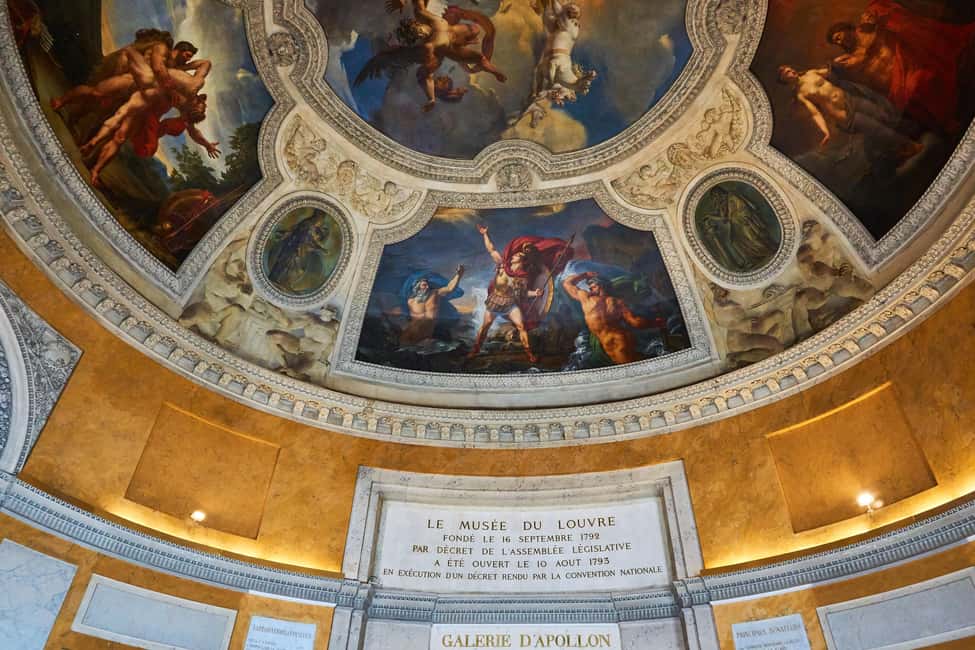
The Louvre has thousands of works, so the real skill here is selection. This tour is built to stop at more than a dozen world-famous pieces, including names you already know and can’t ignore once you see them in person.
You’ll cover legendary staples like Mona Lisa, Venus de Milo, Winged Victory, and more. The way it’s presented is the key: your guide gives the lowdown, and then you get to see the visual evidence right where it belongs. That’s the practical magic of a good guide—turning information into a reason to look closely.
One reason this style works so well is the walking pace. Instead of asking you to “admire” everything equally, the tour guides you between high-impact sights. You don’t need to read every label, because the guide does the sorting for your time.
Pyramid controversies, then fortress shadows: why that order matters
Starting with the Pyramid is smart because it reframes the Louvre’s modern face. You hear about the controversies behind it near the entrance, then you move into the older, shadowier story of the museum’s fortress past. That contrast makes the space feel like a journey, not a queue.
It’s also a good way to reduce overwhelm. If you first step into the Louvre and immediately get hit with hundreds of masterpieces, it’s easy to freeze. By contrast, this route gives you a storyline early—Pyramid to foundations to monumental objects—so you spend less time thinking and more time seeing.
You can also read our reviews of more private tours in Paris






The big finish: reaching Mona Lisa without the stress spiral
The tour concludes at Mona Lisa, which is the most famous lady in the building. By building toward this ending, you get a clear “destination” mindset during the earlier stops.
Once your guided portion ends, you’re free to stay in the museum as long as you wish. Your guide also provides handy tips for what to catch next on your own, which is a major value add. In other words, you’re not only buying a 2-hour highlight sprint; you’re buying a plan for the rest of your visit.
If you’re prone to getting distracted in museums, this structure helps. You know where you’re going, and then you have permission to wander afterward without feeling like you skipped the best stuff.
Private vs semi-private: choosing your comfort level
This is sold as a private guided tour, with the option to customize for a small group of six people as a semi-private experience. That matters because the Louvre is one of those places where group size changes everything.
A private setting usually works best if you want the itinerary to match your interests—art history speed-run, scandal storytelling, or a tighter focus on major works. A small group up to six can still feel personal, but you’ll likely get less tailoring than a true private setup.
If you’re traveling as a couple, this can be a strong choice because you avoid the “follow-the-guide-or-get-lost” feeling that happens in larger groups.
Price and value: $527 per person for a 2-hour shortcut

At $527 per person for a 2-hour tour, this isn’t a budget move. The value only makes sense if you strongly benefit from three things this tour is built around: reserved access, expert storytelling, and an efficient route to the biggest names.
Skip-the-line access is the most obvious payoff. The Louvre is famous for lines and bottlenecks, and that’s exactly where time vanishes. With reserved entry through a separate entrance, you buy back energy for looking, not just waiting.
The second value piece is guidance quality. The guides associated with this experience—like Mariane, Mélina, Sébastien Cormier, and Léa—are praised for detailed explanations and captivating, accessible interpretations. That kind of guide matters because the Louvre is overwhelming without someone to prioritize and translate.
The last value piece is what happens after the tour. You can stay in the museum, and your guide provides tips so your “on your own” time doesn’t become aimless wandering. That’s how a pricey 2-hour tour can still feel like a full-visit win.
Practical tips so the tour feels smooth, not stressful
Bring a passport or ID card, since that’s required. Also, keep luggage and large bags out of the museum—those aren’t allowed, and anything over 55x35x20 cm is not permitted.
This is an outdoor walking tour before you spend time inside, and your guided portion has a clear end point. After the guided time finishes, what you do next is self-guided, so it helps to take note of your guide’s suggestions rather than just drifting.
On the accessibility front, the information provided says wheelchair accessible, but it also says it is not suitable for wheelchair users. That contradiction is worth clarifying before you book, especially if mobility support is a must for your group.
Cancellation is non-refundable, so only book if your date is solid.
Who should book this Louvre reserved-access tour
Book this if you want a guided “high points” hit list with strong storytelling. It’s also a good match if you dislike spending your limited time stuck in lines or wandering without a plan.
It’s especially smart for:
- First-timers who already know the big names but want the why behind them.
- People who enjoy controversy and legend, like the scandal-focused tone around famous works.
- Anyone who values expert interpretation more than slow museum drifting.
It may not be ideal if you want to study art in depth for hours. This is built for momentum and highlights, not for an exhaustive, label-by-label museum marathon.
Should you book?
Yes, if your goal is to see the Louvre’s most famous works in a tight window and you’d rather spend time understanding what you’re looking at. The reserved access, the guided route from the Pyramid to Mona Lisa, and the option to keep it private or small-group make this feel like a smarter use of your hours.
Skip it if you’re hoping for a full, unhurried Louvre education or if your group has accessibility needs that depend on guaranteed wheelchair suitability. For everyone else, this tour is a strong way to get oriented fast and leave with the museum still calling you back for more.
FAQ
Where is the meeting point for the tour?
Meet at the statue of Louis XIV (a man on a horse) in front of the big pyramid, directly in front of the main entrance to the Louvre.
How long is the guided portion?
The tour duration is 2 hours.
Is skip-the-line entrance included?
Yes. You get skip-the-line entry through a separate entrance.
Is this tour private or semi-private?
It’s a private group experience. There’s also an option to customize for a small group of six people as a semi-private tour.
What language is the guide?
The live tour guide is English-speaking.
Where does the tour start and where does it end?
It starts at the Louvre area (with the meeting point at the Louis XIV statue) and ends inside the Louvre at Mona Lisa.
What should I bring with me?
Bring a passport or ID card.
Are large bags allowed?
No luggage or large bags are allowed. Items exceeding 55x35x20 cm are not permitted in the museum.
Is the tour wheelchair accessible?
The information says wheelchair accessible, but it also notes it is not suitable for wheelchair users. It’s best to confirm details before booking.
What is the cancellation policy?
The activity is non-refundable.