REVIEW · PARIS
Paris: Food Market Tour in Bastille
Book on GetYourGuide →Operated by Original Food Tours · Bookable on GetYourGuide
Markets and history share the same sidewalk. This Paris food market tour starts in Bastille and guides you through Aligre’s everyday side of the city. You’ll get fresh tastings while learning why this neighborhood matters, including the French Revolution story.
I especially like how the tour mixes food with real talk. You’re meant to chat with shopkeepers (not just pose for photos), then slow down for a proper breakfast start and a set of tastings like cheese, cured meats, and chocolate.
One thing to keep in mind: if you expect a long free-roam wander where you sample from lots of random stalls, this tour is more structured. It can feel like you pass through parts of the market before the tastings, and the total amount of food is best thought of as guided samples, not a full meal.
In This Review
- Key Highlights You’ll Feel in the Street
- Bastille First: A Tasting-Friendly Start Point That Sets the Tone
- The Walk Through Aligre’s Passages: Where Paris Gets Its Texture
- Aligre Market Under the Roof: Deli Energy, Fish Counters, and Flowers
- Outdoor Aligre: Fruit, Antiques, and the Market-and-Flea Twist
- Tastings That Add Up: Croissant, Coffee, Cheese-and-Cured-Meat, and Wine
- The French Revolution Thread: History That Explains the Streets
- Pacing, Group Size, and the 3.5-Hour Reality Check
- Price and Value: Is $129 Worth It?
- Who This Tour Suits Best (and Who Might Want a Different Plan)
- Quick FAQ
- FAQ
- What’s the duration of the Paris food market tour in Bastille?
- Where do I meet the guide?
- Is the tour guided in English?
- How big is the group?
- What food and drink is included?
- Do I need to mention allergies or dietary requirements?
- Can I cancel for a refund?
- Should You Book This Bastille-to-Aligre Food Market Tour?
Key Highlights You’ll Feel in the Street
- Bastille start with a traditional breakfast rhythm before you head into Aligre
- Aligre Market has two different vibes: covered delis and outdoor market-and-flea mix
- Real shopping conversations with local stall owners, not scripted shopping stops
- Wine + cheese focus over an old wine barrel, with coffee and seasonal sips
- French Revolution storytelling woven into the neighborhood instead of a classroom lecture
Bastille First: A Tasting-Friendly Start Point That Sets the Tone
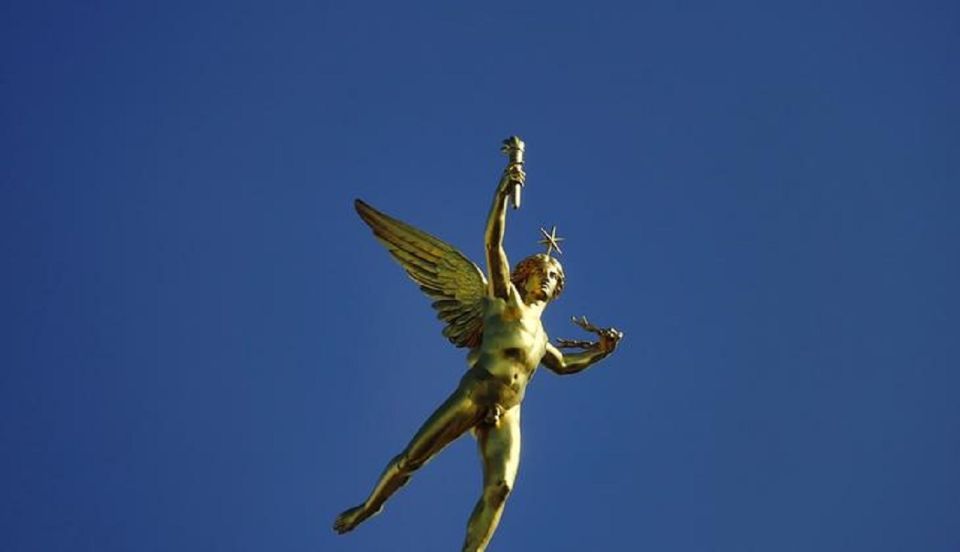
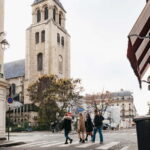
The tour begins at Place de la Bastille, and that matters more than it sounds. Bastille is one of those areas where you can feel modern Paris life without the heavy tourist script. Starting here also helps you get your head around the walk: you’re not just hopping between stops, you’re moving through a living district.
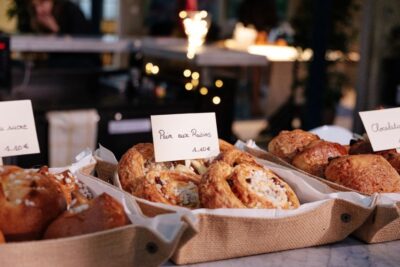
Before you head toward Aligre, you’ll do a traditional breakfast start. That’s a smart choice because the day’s pace is designed around eating: coffee, a fresh croissant, and then the market tastings later. In other words, you won’t arrive hungry and hope the tour magically fixes it.
Also, the meeting point is very specific: between Indiana Cafe and the pizzeria, at the entrance of the Cour Damoye. If you’re using the subway, take Exit 1. Getting this right saves you time and stress, especially in a busy area where detours happen fast.
You can also read our reviews of more food & drink experiences in Paris



The Walk Through Aligre’s Passages: Where Paris Gets Its Texture
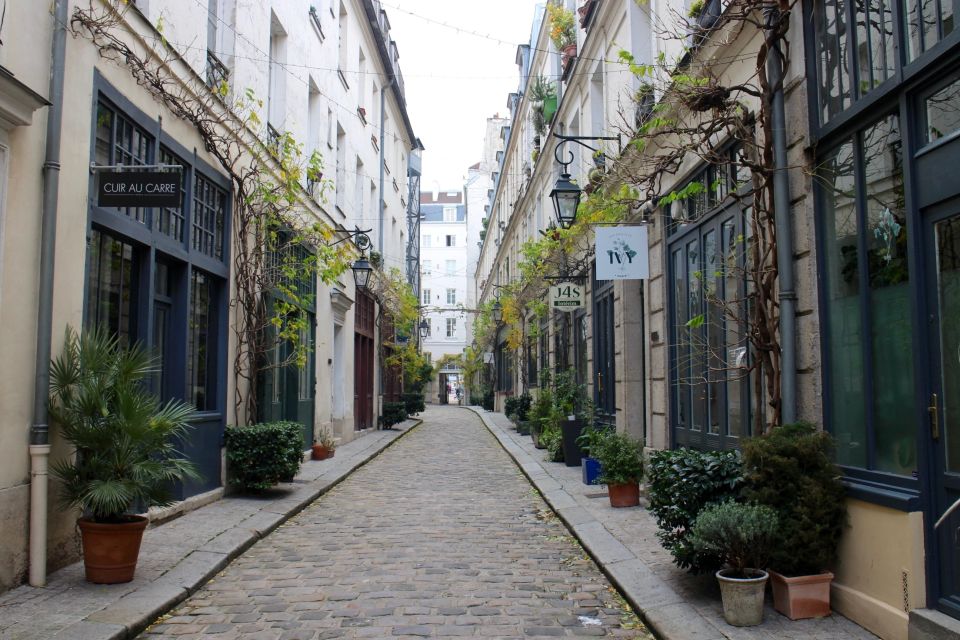
On the way to the market, the tour goes through narrow passages that make this district feel distinctly Parisian. This is one of the tour’s best “value” tricks: those quick walk segments help you understand the neighborhood layout so the market doesn’t feel like a random stop on a map.
Aligre’s character is part old-school local commerce, part creative young energy. The tour leans into that by guiding you past the kinds of shops people actually use, including art and cookshops around the market area. That’s useful because it shows you how Paris districts function beyond the headline sights.
One practical tip: dress for walking. This isn’t a bus tour, and 210 minutes passes quicker than you think once you’re weaving through market lanes.
Aligre Market Under the Roof: Deli Energy, Fish Counters, and Flowers
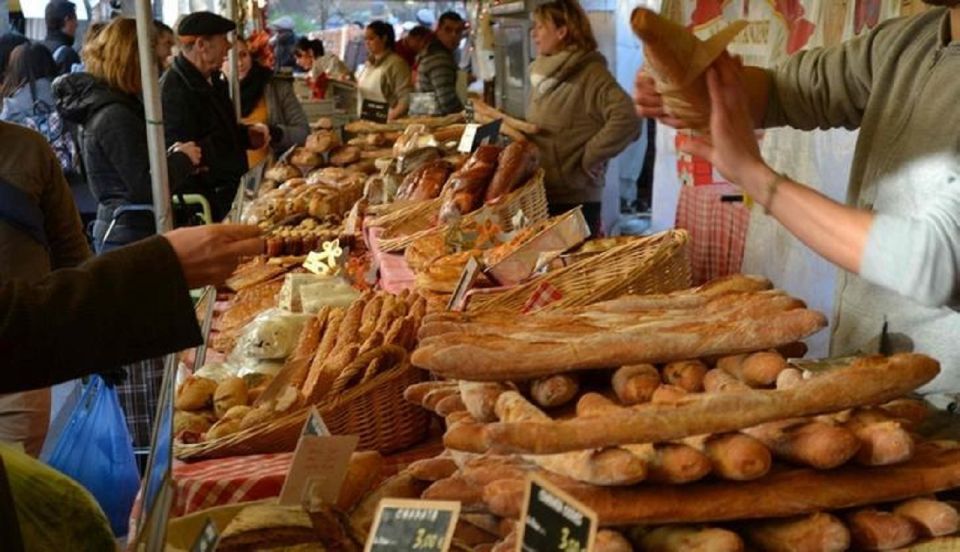
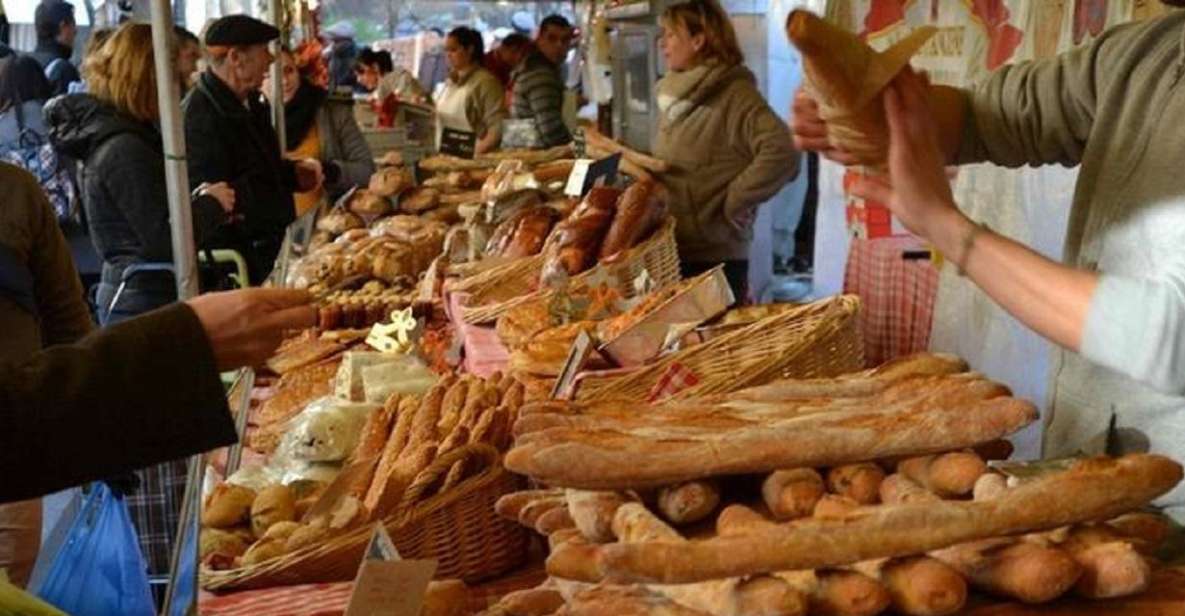
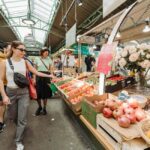
At Aligre, you’ll meet the covered section first. This part is calmer and more shop-like, which changes the feel of your tasting rhythm. It’s where you get that close-up market experience: you can look at ingredients, see how vendors display goods, and understand what people buy for real dinners.
In the covered area, you’re looking at a mix that can include French and Italian delicatessen, fresh fish, poultry, dairy, and fresh flowers. Even if you don’t buy anything on your own, this is the section that helps your brain connect food to sourcing. You stop thinking of groceries as generic and start recognizing categories the way locals do.
This is also where the tour’s tasting approach makes sense. The tour is built to avoid chaos: you’re not trying to sample everything at once. You’re learning what a proper market counter looks like and then moving to tastings planned for you.
Outdoor Aligre: Fruit, Antiques, and the Market-and-Flea Twist
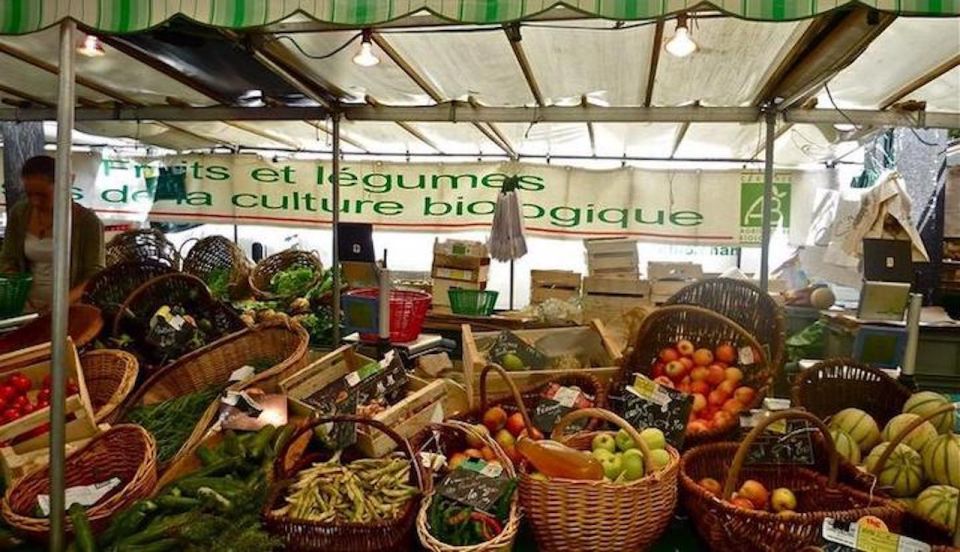
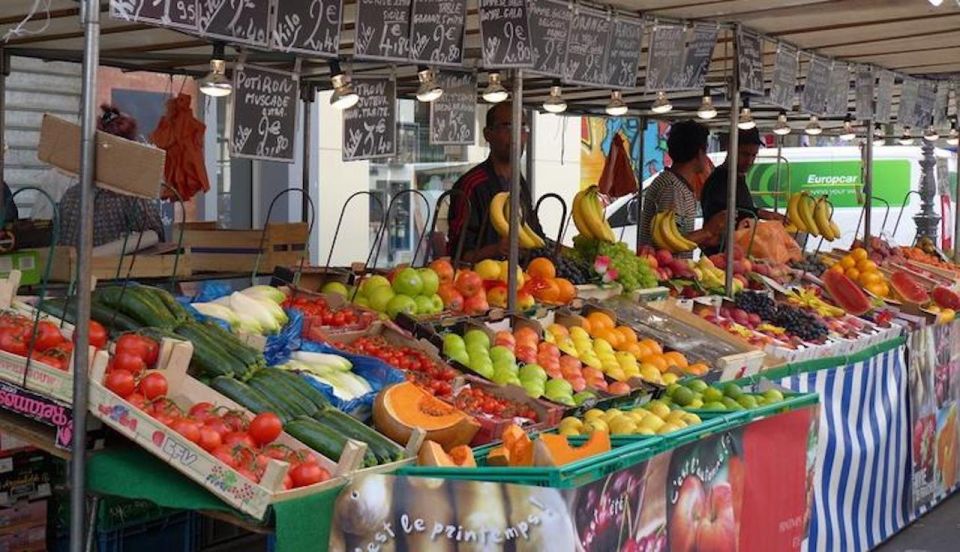
Then you shift to the outdoor section, which has a different personality. It’s described as a curious mix of fruit sellers and antique dealers, so it becomes half market and half flea market. That mix is entertaining in its own right, but it also tells you something important about local shopping culture: Paris doesn’t separate food life from other everyday browsing as sharply as many places do.
This part can also be visually more distracting. If you’re the type who likes to browse slowly, give yourself permission to follow the guide while still pausing for what catches your eye. A good guide will point out what’s worth noticing and keep the pace from turning into a checklist.
If you’re hoping for a long, free-form wander where you fully explore the outdoor counters, just know the tour time is limited. The experience focuses on curated tastings and guided context.
Tastings That Add Up: Croissant, Coffee, Cheese-and-Cured-Meat, and Wine
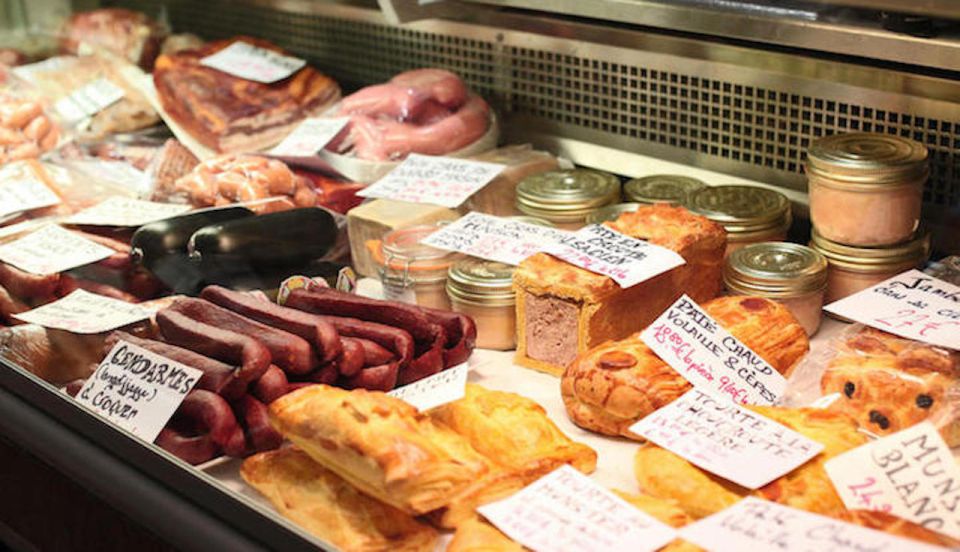
Here’s where the tour earns its keep. You’re not just walking and listening. You get a set of included tastings that reflect how Parisians actually graze.
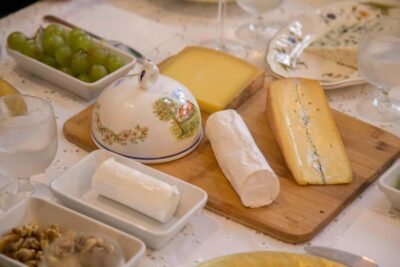
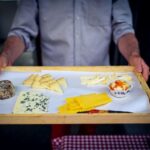
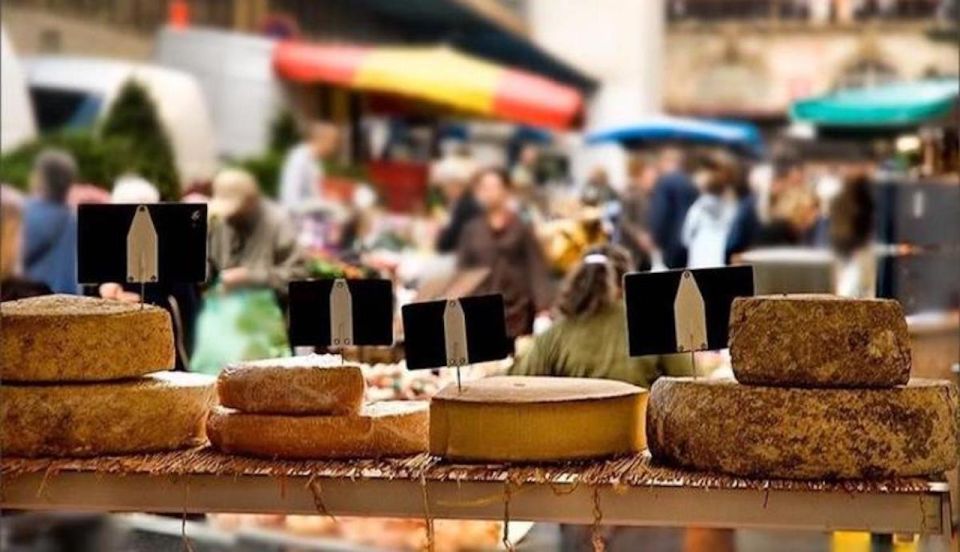
You start with coffee and a fresh croissant, which is exactly the kind of warm, filling anchor that makes market walking comfortable. Later, there’s a wine tasting and cheese and cured meat tasting, including time for people to mingle and ask questions.
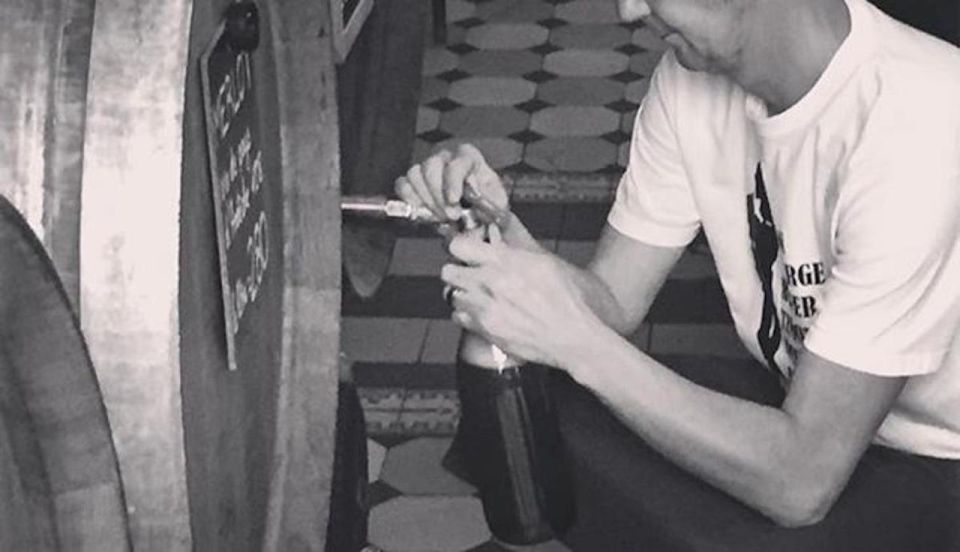
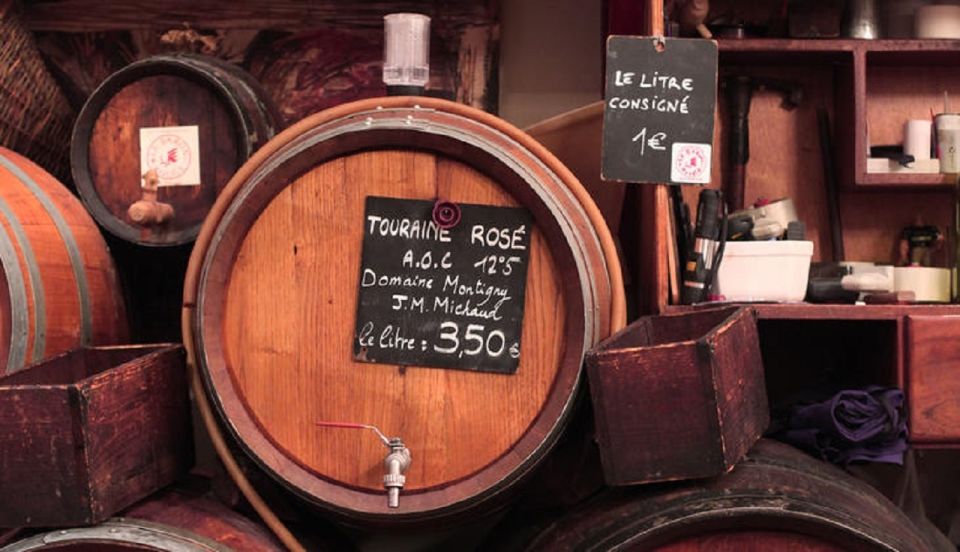
The wine-and-cheese stop happens over an old wine barrel, which gives it a fun, old-world feel without turning it into a performance. And you’ll likely have chances to compare flavors in a way that’s hard to do on your own. It’s one thing to buy cheese. It’s another thing to taste it next to cured meats and talk through what you’re noticing.
Seasonal drinks are part of the deal too. In winter, the tour includes the option of sipping hot chocolate or hot wine. In summer, you’ll enjoy an aperitif. That’s a smart seasonal adjustment because it matches the weather and keeps you in the rhythm of eating while you walk.
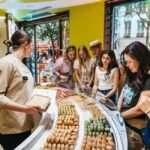
Chocolate shows up as well. One of the guide-led stops features artisanal regional chocolate varieties, and it can include playful guessing games about what you’re tasting. If you like food as a little challenge, this part tends to land well.
You can also read our reviews of more tours and experiences in Paris

The French Revolution Thread: History That Explains the Streets
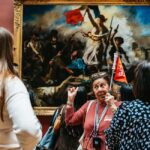
The tour doesn’t treat history like a museum script. You’ll learn about the French Revolution and how it connects to the area. That kind of storytelling matters because it changes how you see the neighborhood. Instead of viewing Bastille and Aligre as just locations, you start understanding them as places shaped by events, trade, and changing identities.
The best guides bring the story down to street-level details and local culture cues. People have described guides like Arthur as warm and chatty with history from the area, plus food insights that made the neighborhood feel personal rather than distant. Others have noted guides such as Sasha and Doreen/Dorine for being informative with practical insider tips.
You don’t need to be a history buff to enjoy this piece. It’s basically there to make the walk stick.
Pacing, Group Size, and the 3.5-Hour Reality Check
The tour runs for 210 minutes (3.5 hours) and keeps the group small, limited to 10 participants. That small size is a real quality factor. It’s easier for the guide to steer you, answer questions, and help you connect with shopkeepers without turning the group into a bottleneck.
Pacing is the main thing to get your expectations right. One review-style concern that you should treat seriously is that the tour can feel structured, with some walking through market sections rather than a long, stall-by-stall drift. There are guided tastings, plus browsing opportunities, but you’re not guaranteed a bite at every counter.
So if your ideal market experience is sampling everything you see, this may not fully match. If your ideal market experience is tasting a focused selection while learning how the neighborhood works, you’ll probably enjoy it a lot more.
The good news: the tour is often described as easygoing and not overloaded. That tends to matter for your comfort. You can keep up, ask questions, and still enjoy the vibe instead of racing.
Price and Value: Is $129 Worth It?
At $129 per person, you’re paying for a lot more than walking. Included items are a big part of the value math: wine tasting, coffee, fresh croissant, food samples, and cheese and cured meat tasting, plus a guided market tour with an English-speaking live guide.
Let’s think practically. Market tours often fail in one of two ways: either you get too little to justify the cost, or you get too much time spent in non-food shopping. This tour is closer to the first category in terms of portions: it’s built around tastings and samples rather than a full meal spread. That can be perfect if you want to keep room for dinner later. If you’re expecting to leave stuffed, plan on eating again after.
Where the value shines is the context. The price buys you access to conversations with shopkeepers and a structure that helps you understand what you’re looking at. It’s also a trade-off for pacing: you can’t cover an enormous market area and still stop for meaningful tastings within 210 minutes.
For many people, that’s exactly the right balance. For others, it feels a little short on food volume. If you’re the second type, consider treating the tour as your food appetizer chapter, then build a fuller meal plan afterward.
Who This Tour Suits Best (and Who Might Want a Different Plan)
This tour fits best if you want:
- A small-group local feel rather than a big tourist parade
- Guided tastings (wine, cheese, cured meats, coffee, croissant, seasonal drinks)
- A walk that teaches you how to read the neighborhood, including the French Revolution angle
It may feel less ideal if you want:
- A long free-roam market browse where you sample from lots of stalls yourself
- A guaranteed large food “meal” experience rather than planned tastings
If you’ve visited Paris before and you’re tired of only seeing the famous stuff, this is the kind of tour that helps you return home with more than photos.
Quick FAQ
FAQ
What’s the duration of the Paris food market tour in Bastille?
It lasts 210 minutes.
Where do I meet the guide?
Meet between Indiana Cafe and the pizzeria at the entrance of the Cour Damoye. If you’re taking the subway, use Exit 1.
Is the tour guided in English?
Yes, the guide is English.
How big is the group?
It’s a small group limited to 10 participants.
What food and drink is included?
Included items are wine tasting, coffee, a fresh croissant, food samples, and cheese and cured meat tasting. Seasonal drinks are also offered (hot chocolate or hot wine in winter, aperitif in summer).
Do I need to mention allergies or dietary requirements?
Yes. Any allergies or dietary requirements must be specified at the time of booking.
Can I cancel for a refund?
Yes. There is free cancellation up to 24 hours in advance for a full refund.
Should You Book This Bastille-to-Aligre Food Market Tour?
If you want a guided, food-forward walk with wine, cheese, coffee, and seasonal sips, and you like the idea of chatting with local shopkeepers in an everyday Paris neighborhood, I’d say this tour is a solid choice. The small group size and the focus on tastings plus neighborhood context make it a good value for the time you spend.
If your top priority is maximum stall-to-stall eating and lots of free browsing time, you should consider whether you’d be happier with a self-guided market plan. This tour is about sampling and learning, not trying to eat your way through every corner.
If you tell me when you’re going (season and day) and what you usually like most in food tours (wine/cheese, pastries, street food, history), I can help you decide whether this one matches your style and suggest how to plan dinner afterward.