REVIEW · PARIS
Paris: 2-Hour Aligre Market Walking Food Tour & Tasting
Book on GetYourGuide →Operated by Original Food Tours · Bookable on GetYourGuide
Forget the postcard markets; meet Aligre. This Aligre Market walking food tour turns a morning stroll into a real conversation with shopkeepers and a solid run of fresh tastings around the 12th arrondissement. I love how the tour blends the market stalls with nearby food shops, so you taste more than one style of French eating. I also like the small-group feel, which makes it easy to ask questions and actually talk food.
One thing to consider: at $129 per person, it is pricier than a casual snack run, so you’ll want to go in hungry and ready to taste through the full lineup. Also, if you have any allergies, you’ll need to confirm them ahead of time.
In This Review
- Key points at a glance
- Why Aligre Market is the right kind of “local” in Paris
- The meeting point near Ledru-Rollin and Faïdherbe-Chaligny
- How the tasting lineup turns $129 into a real food experience
- Aligre Square in the morning: what you’re walking into
- The tastings you should expect (and how to make them count)
- A stop-by-stop flow you’ll feel during the 3-hour outing
- Seasonal sips: hot wine or aperitif depending on the time of year
- The guide makes or breaks it: why Nick and Rebecca got praised
- Group size and pacing: you’ll actually be able to talk
- Who this tour is best for (and who might prefer another format)
- Price, comfort, and planning choices you can control
- Should you book this Aligre Market food tour?
- FAQ
- How long is the Aligre Market walking food tour?
- What’s included in the tastings?
- Where does the tour meet?
- How large is the group?
- What languages is the tour guide?
- What if I have allergies?
- What is the cancellation policy?
Key points at a glance
- Aligre Square mornings (Tue–Sun): you’ll be dropped into the market energy when stallholders are set up on the street.
- 6–8 tasting stops: enough variety to feel like a meal, not just a couple of bites.
- Local chatting is built in: the guide helps you connect with shopkeepers, not just point at food.
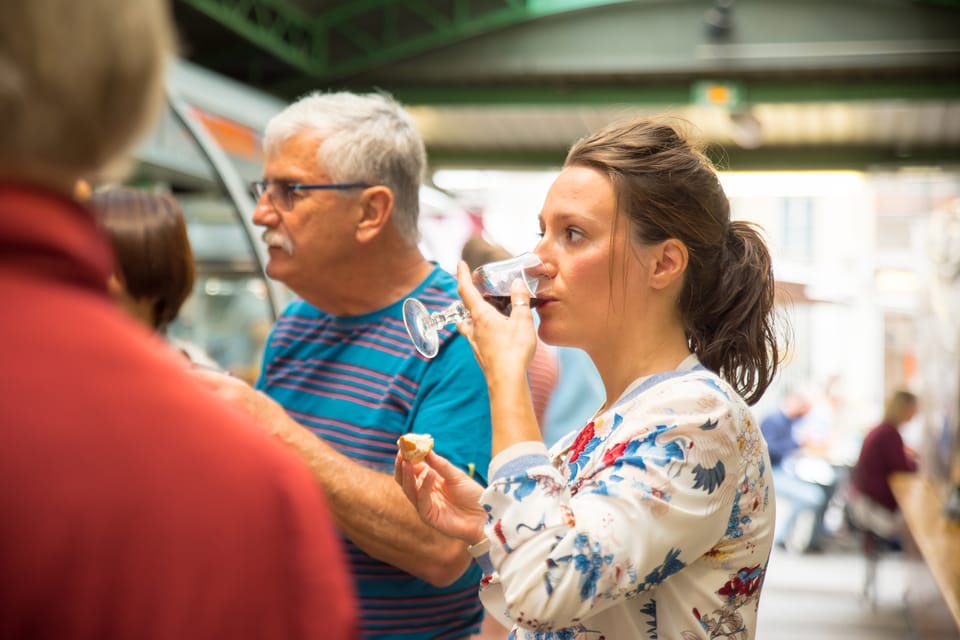
- Wine and seasonal sips: hot wine or hot chocolate in winter; aperitif-style tastings in summer.
- Small group max 10: practical, not crowded, and easier to keep the pace comfortable.
Why Aligre Market is the right kind of “local” in Paris
Paris has plenty of famous food zones, but Aligre does something smarter: it focuses on what people actually shop for. The tour takes place around Aligre Square in the 12th arrondissement, near Opéra Bastille, so you get city energy without the constant tourist crush.
What makes it work is the mix of places. You’ll be moving through the market area and then around it to related food shops and delicatessens. That small shift matters, because you taste the market version of French food and the shop version, side by side.
You also get the social part of food culture, not just the eating. The format is built for conversations with stallholders and shopkeepers, which is where you learn the practical stuff: what to buy, how locals think about pairings, and why certain products show up again and again.
You can also read our reviews of more walking tours in Paris


The meeting point near Ledru-Rollin and Faïdherbe-Chaligny
The tour starts at 159 rue du Faubourg Saint Antoine, 75012, with métro options listed as Ledru Rollin and Faidherbe Chailigny. This matters because the 12th isn’t a single landmark area; it’s a neighborhood. Having a precise street address helps you navigate without stress.
Plan to arrive a few minutes early. With a small group of up to 10, the timing tends to feel tighter than on big bus tours. If you’re catching the metro, give yourself a little buffer so you can start calmly.
How the tasting lineup turns $129 into a real food experience
This tour is priced at $129 per person, and the value hinges on one detail: you’re scheduled for 6–8 tasting stops plus soft drinks and multiple tastings. In practice, that’s how you avoid the common problem with food tours where you spend good money but end up with small bites that never add up.
You also get a clear endpoint. The experience ends with a complimentary glass of wine and a sharing platter of local food. That last part is useful, especially if you’re planning this earlier in your day and don’t want to hunt down dinner afterward.
So yes, it costs more than wandering in a market on your own. But you’re paying for structure: the guide’s introductions, the pacing, and the way the tastings connect to local eating habits.
Aligre Square in the morning: what you’re walking into
Aligre Market runs Tuesday to Sunday in the mornings, with stallholders welcoming people right on the streets of Aligre Square. That street setup is a big part of the tour feel. You’re not just entering a neat enclosed market hall; you’re seeing how daily shopping spills into the neighborhood.
You’ll also notice the surrounding food ecosystem. Around the market are more food-related shops and delicatessens, so the walking route feels natural instead of forced. This is the kind of Paris where you can look at the same kind of product in different forms—at a stall, then again inside a shop.
And because this tour includes short pauses to talk with shopkeepers, the area stays interesting even if you’re not a super foodie. You’ll still learn what to look for, what to ask, and what locals treat as everyday comfort.
The tastings you should expect (and how to make them count)
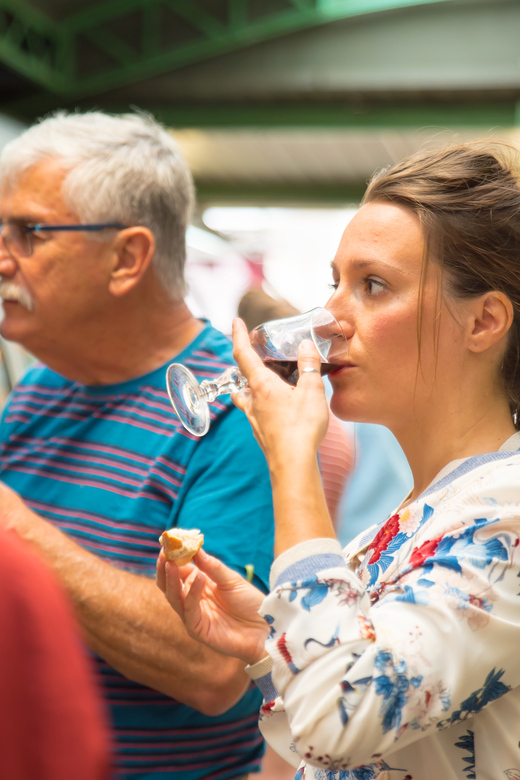
Even without seeing the exact stall names in advance, the food types are specific. You’ll be tasting local cheeses, cured meats, and chocolates, plus wines that tie into those bites. The tour’s center of gravity is classic French pairings: dairy and charcuterie, then sweets, then wine.
Here’s a smart way to get more out of it:
- Start with the savory bites so you build flavor depth before the chocolate.
- Pay attention to what the shopkeepers suggest as pairings, since that’s often the real lesson.
- Pace yourself through the wine, because the tour is still a walking experience after the tastings.
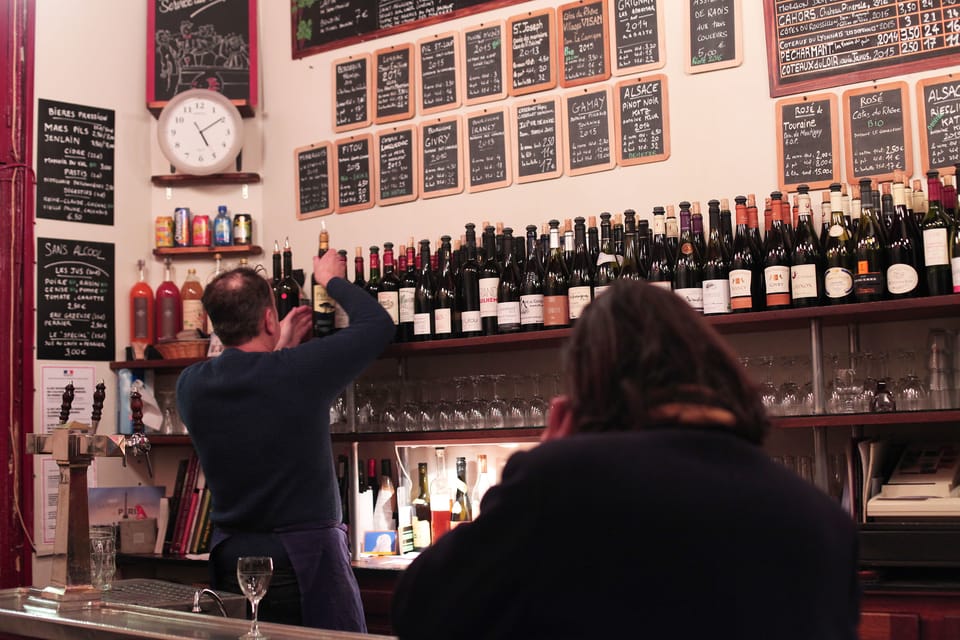
One optional moment you can look forward to is the idea of tasting in a more traditional setting—there’s mention of enjoying wine with cheese on an old wine barrel. It’s the kind of detail that turns a tasting into a memory without turning the tour into a performance.
Also, the tour runs with soft drinks and tastings included. That’s a practical comfort if you’re not planning to go hard on alcohol, or if you simply want to keep your palate fresh.
You can also read our reviews of more food & drink experiences in Paris




A stop-by-stop flow you’ll feel during the 3-hour outing
While the exact order of stalls can vary, the tour is clearly designed around a rhythm: market browsing, guided conversations, tastings, then a final food-and-wine closer.
You can think of the tour in three phases:
Phase one: arriving in the market and getting oriented. You start in the Aligre Square area, and the guide brings in the history of the market while you snack. This early mix is helpful because you’re not just learning trivia; you’re learning what the market is for, so the food makes more sense.
Phase two: 6–8 tasting stops across stalls and nearby shops. As you move through the market and adjacent delicatessens, you’ll sample different categories: cheeses, cured meats, and chocolates show up during this segment. This is also where the guide’s role really matters—your questions land better when someone can translate local culture into a simple explanation.
Phase three: the closing platter and a glass of wine. The end is not just a random last bite. It’s a sharing platter plus a complimentary glass of wine, giving you a final “sit and connect” moment before you go off on your own.
The drawback to this kind of structure is obvious: you need to be open to tasting a variety of foods rather than picking only what you already know you love. If you are extremely picky, you might prefer a shorter tasting format.
Seasonal sips: hot wine or aperitif depending on the time of year
This is one of those tour details that makes the experience feel tailored instead of copy-pasted. In winter, you may be able to sip hot chocolate or a glass of hot wine as part of the experience. In summer, the format shifts toward an aperitif approach.
That matters because it changes the emotional feel of the tour. Hot drinks in winter are cozy and practical. Aperitif-style sips in warmer months feel more social and lighter, especially if you’re starting your day and then heading into the rest of the neighborhood.
If you hate alcohol, you’ll still have soft drinks included. But you should still plan around the fact that wine shows up in the program, including the complimentary glass at the end.
The guide makes or breaks it: why Nick and Rebecca got praised
This tour is built around a live guide in English or French, and the guide quality shows up in how people talk about their experience. Two names come up in the feedback you provided: Nick and Rebecca.
Nick is described as friendly and a private chef, and the big takeaway is credibility plus local context. Rebecca is described as professional, informative, enthusiastic, and clearly passionate about the job. That’s exactly what you want on a market tour: someone who can explain food culture in plain language, then translate it into what you’re tasting in real time.
In a small group of up to 10 participants, the guide’s job is more personal. You’re not shouting over noise. You can ask about ingredients, sourcing, and pairing logic—and the answer helps you buy better food later on your own.
Group size and pacing: you’ll actually be able to talk
A max group size of 10 participants changes the experience. You’ll spend more time close to the stalls and less time packed in a line. It also makes conversations possible—both with your guide and with shopkeepers.
The pace is also important because this is a walking tour. It’s listed as 2 hours in the name, but the duration is given as 3 hours overall. In other words, plan for a few extra minutes of walking and transitions so you don’t feel rushed.
If you’re the kind of person who likes to look at labels, ask questions, and linger near the cheese counter, this group size will treat you well.
Who this tour is best for (and who might prefer another format)
This tour suits you if you:
- want market-to-shop variety in one outing, not just one stop repeated six times
- enjoy casual conversation with locals and want help understanding what you’re buying
- like classic French pairings: cheese, cured meats, chocolate, and wine
It’s also a good fit if you’re staying in or around central Paris and want a different neighborhood flavor. The tour’s location near Opéra Bastille but in the 12th is a practical compromise: reachable, lively, and still local.
You might choose a different type of tour if:
- you want a pure sightseeing route with minimal food structure
- you have strict dietary needs beyond what you can confirm with the organizer
- you are mainly looking for budget snack options
Price, comfort, and planning choices you can control
Let’s talk about value again, but with real decision help. At $129, the goal isn’t to be the cheapest bite in Paris. The goal is to leave with:
- a sense of how locals eat and pair foods
- a full tasting experience with 6–8 stops
- wine included in the form of a complimentary glass
- a final sharing platter to close the loop
To keep it comfortable, come prepared to taste. That means you should not schedule a heavy breakfast right before, because the tastings stack up across the tour.
Also, because allergy information needs to be confirmed, you’ll want to communicate needs clearly when booking. This protects you and helps the guide and shopkeepers keep things smooth.
Should you book this Aligre Market food tour?
If you want a Paris food experience that feels like a neighborhood morning rather than a theme park, I’d book it. The tour’s biggest strengths are the small group size, the market-and-deli route, and the fact that the guide brings you into real conversation with shopkeepers while you taste cheese, cured meats, chocolates, and wine.
The only real reason not to book is if the price feels too steep for your travel budget, or if you can’t confirm allergies in advance. If those aren’t issues, this is the kind of outing that teaches you how to eat well in France, not just what to sample once.
FAQ
How long is the Aligre Market walking food tour?
The experience is listed with a duration of 3 hours, and it’s also described as a 2-hour walking food tour.
What’s included in the tastings?
You can expect 6–8 tasting stops, plus soft drinks and tastings. The tour also ends with a complimentary glass of wine and a sharing platter of local food.
Where does the tour meet?
The meeting point is 159 rue du Faubourg Saint Antoine, Paris 75012, with métro options listed as Ledru Rollin and Faidherbe Chailigny.
How large is the group?
It’s a small group limited to 10 participants.
What languages is the tour guide?
The guide offers the tour in English and French.
What if I have allergies?
Any allergies need to be confirmed, so make sure you share details before the tour.
What is the cancellation policy?
Free cancellation is available up to 24 hours in advance for a full refund.