REVIEW · PARIS
Paris: Fashion History Walking Tour in the Heart of Paris
Book on GetYourGuide →Operated by Fashion History Tour · Bookable on GetYourGuide
A stroll on Rue Saint-Honoré, but make it smart. This 2-hour fashion history walking tour turns famous Paris fashion addresses into stories about designers, cultural power, and even the psychology behind style. You’ll move through the heart of haute couture while still seeing the real Paris: courtyards, gardens, and streets that still feel lived-in.
What I really like is the mix of industry perspective and city-watching. You get named fashion houses and designer stories (including Coco Chanel, Christian Dior, Louis Vuitton, Pierre Balmain, and Goyard), plus a route that links classic luxury to what’s influencing trends right now. A second big plus: the guide is a fashion professional with an advanced fashion-design background, and you’re not stuck in lecture mode.
One possible drawback: it’s a walking tour focused on fashion context, not shop-spree time or museum entries. If you need long breaks, or if you mainly want to browse brands on your own, plan on using the included shop tips afterward.
In This Review
- Key tour highlights at a glance
- Why this fashion history walk feels different than a museum stop
- Starting at La Comédie-Française: your cue for classic Paris + style power
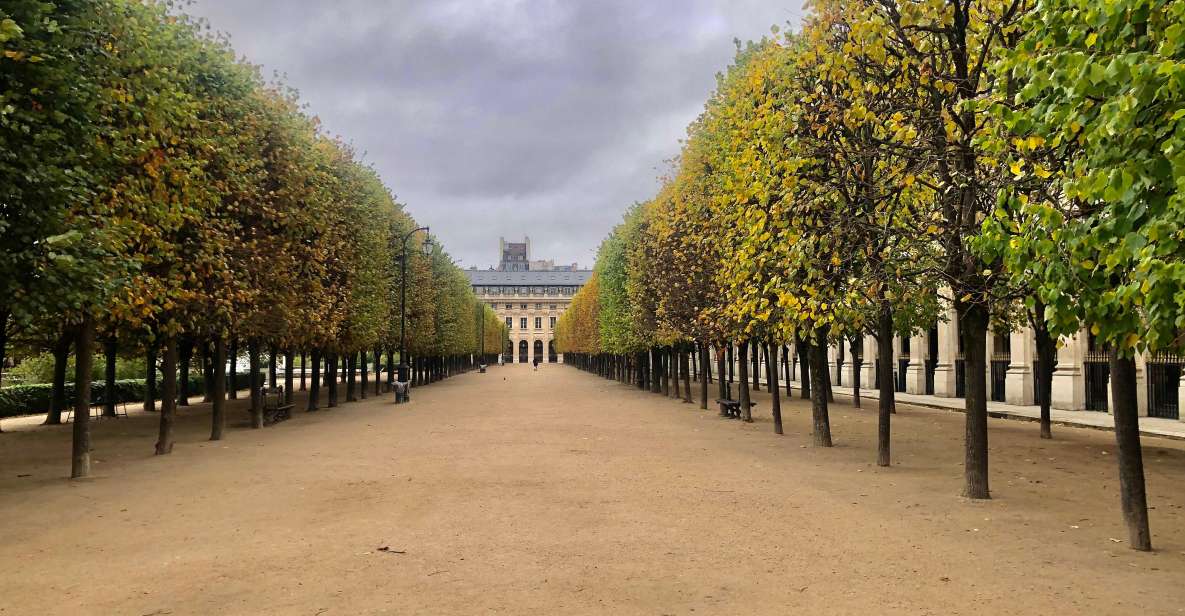
- Palais-Royal gardens: where elegance and restraint share the same space
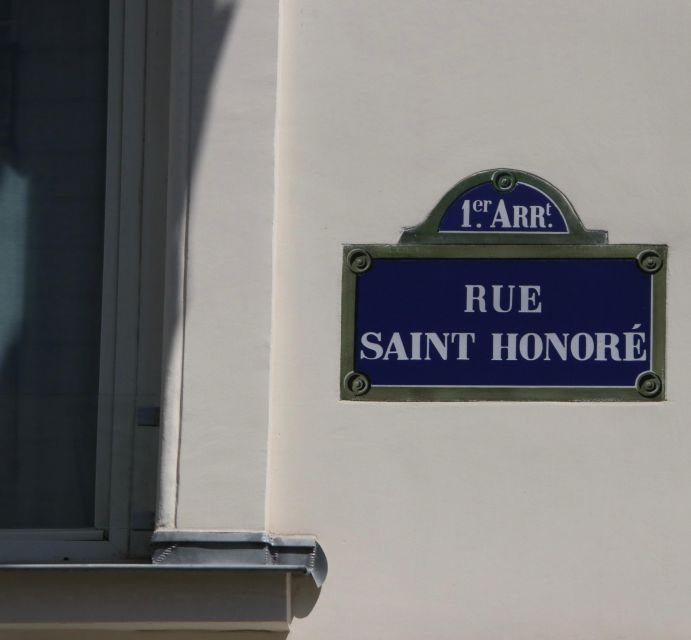
- Rue Saint-Honoré: seeing the couture street that still sets the mood
- Vintage luxury shopping stops: comparing old prestige with current collections
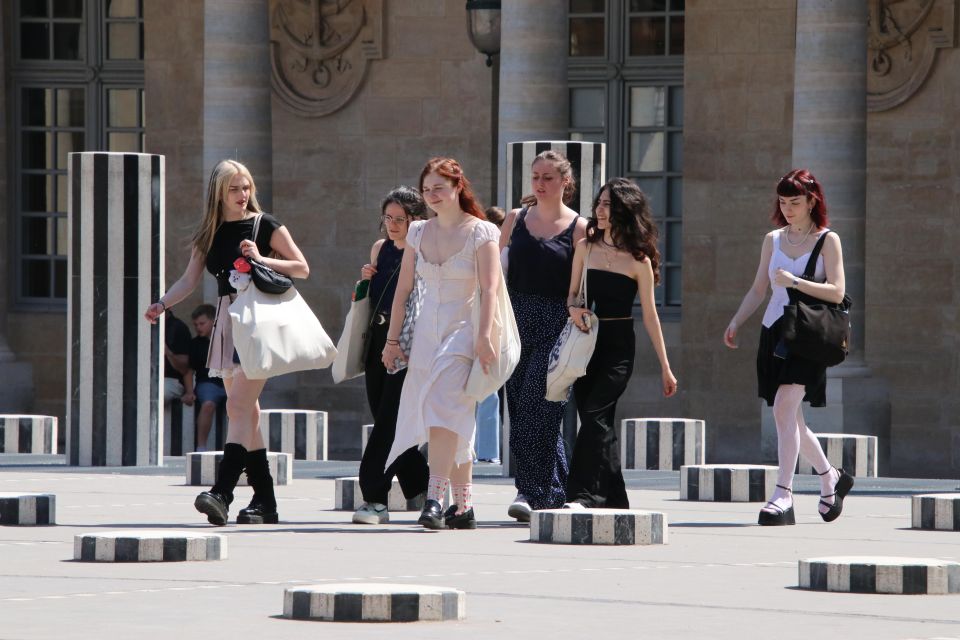
- Colonnes de Buren: how architecture attracts modern fashion influencers
- Place Vendôme: the jewelry epicenter and the economics behind glamour
- Rue Cambon and Coco Chanel: the birthplace story with lasting psychological impact
- Dior, Louis Vuitton, Balmain, Goyard, and the threads between eras
- Pacing, group size, and what to wear for a comfortable 2-hour walk
- Price check: is $104 worth it for a Paris fashion history tour?
- Who this tour is best for (and who might want a different option)
- Should you book this Paris fashion history walking tour
- FAQ
- How long is the Paris fashion history walking tour?
- Where does the tour start?
- Where does the tour finish?
- How much does it cost?
- Is food or drinks included?
- What’s included in the tour?
- What languages is the tour offered in?
- How big is the group?
- Is the tour wheelchair accessible?
Key tour highlights at a glance
- Fashion psychology in real landmarks: you connect designer inspiration to identity, status, and cultural emotion
- Small group (max 10): easier questions, less rushing, more conversational pacing
- Palais-Royal gardens photo stop: a quick breath of classic Paris between couture streets
- Rue Saint-Honoré route: the old-money street feel, with boutiques and fashion-house presence
- Chanel’s Rue Cambon chapter: how one empire began and why it still matters
Why this fashion history walk feels different than a museum stop
Museums show you what fashion looks like. This tour explains why fashion moves the way it does. You’ll talk about influences that shaped luxury fashion—from historic designers to the marketing forces and trend signals that still shape what people want today.
I also like that the tour doesn’t treat Paris like a theme park. Yes, you’ll be near iconic addresses, but the tone stays grounded in streets, storefronts, and the quiet geometry of places like Palais-Royal.
The route also helps you make sense of modern Paris Fashion Week style without needing insider jargon. You’ll hear how runway pieces filter into everyday taste—what people notice, copy, and chase.
You can also read our reviews of more walking tours in Paris



Starting at La Comédie-Française: your cue for classic Paris + style power
Your meeting point is in front of the Comédie-Française (1 Place Colette, 75001), near a metro exit. It’s a smart start because it signals the day won’t be just “fashion facts.” The tour begins in an area where Paris has long played culture and performance at the same high level.
From there, you walk into the fashionable districts and shift your eye from architecture to branding. You start noticing how luxury is staged—through location choices, street energy, and the way certain corners draw attention.
If you’re the kind of traveler who likes to get oriented fast, this start helps. You’ll have a clear mental map of where the couture power lives before you go hunting on your own.
Palais-Royal gardens: where elegance and restraint share the same space
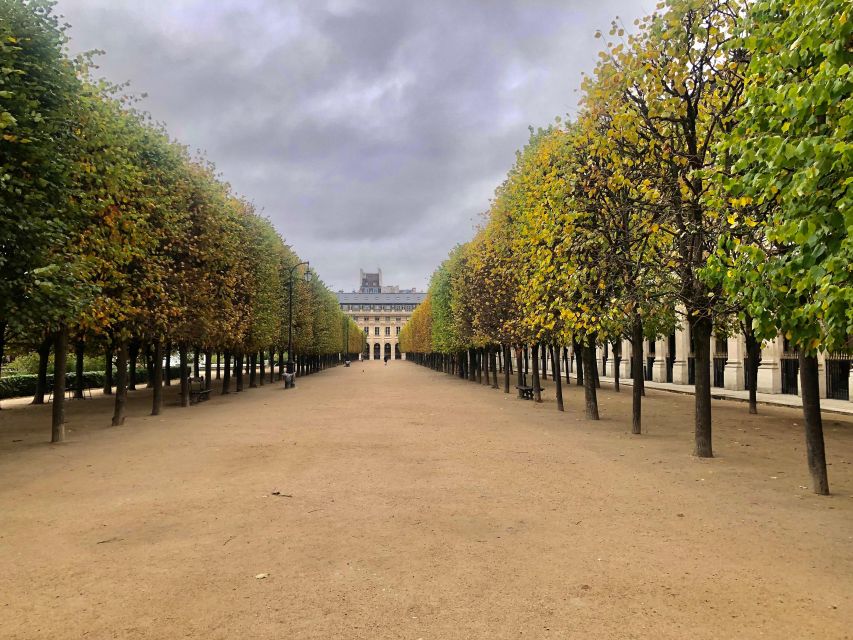
One of the best pacing choices is the Palais-Royal stop. You get a photo stop plus a guided look (about 45 minutes), so it’s not just a quick glance before moving on. This is where the tour gives you breathing room and a visual reset.
Palais-Royal matters for fashion history because it represents a tradition of refined public spaces in Paris—places where people could be seen, where fashion signals traveled quickly, and where taste could be performed without shouting. It’s a good contrast to the more showroom-like energy of the luxury streets.
Practical note: bring comfortable shoes and expect you’ll be walking through a city block style of sightseeing. This garden time helps you avoid feeling like you’re rushing through everything.
Rue Saint-Honoré: seeing the couture street that still sets the mood
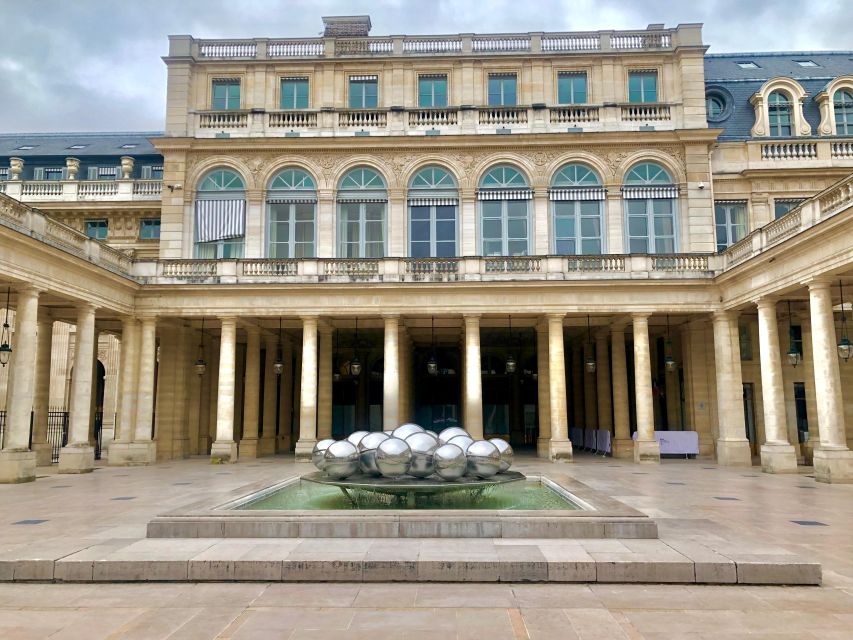
Rue Saint-Honoré is one of the core themes. You spend time here in two guided segments, with sightseeing and walking through the oldest fashion street in Paris. This street is important because it’s not just about big names—it’s about concentration: luxury brands, specialist boutiques, and the long-standing credibility that comes from being there for decades.
What you’ll get is more than “this store is famous.” The guide connects the street’s role to how fashion became part of social identity in Paris. You learn how luxury houses used location and storytelling to influence what people wanted to look like—and who they wanted to be.
You’ll also see the surrounding atmosphere of boutiques that real style-minded locals rely on. That’s where the tour becomes useful even if you’re not buying anything. You’ll pick up shopping logic—what kinds of stores you should look for and what to notice once you’re back out on your own.
Vintage luxury shopping stops: comparing old prestige with current collections
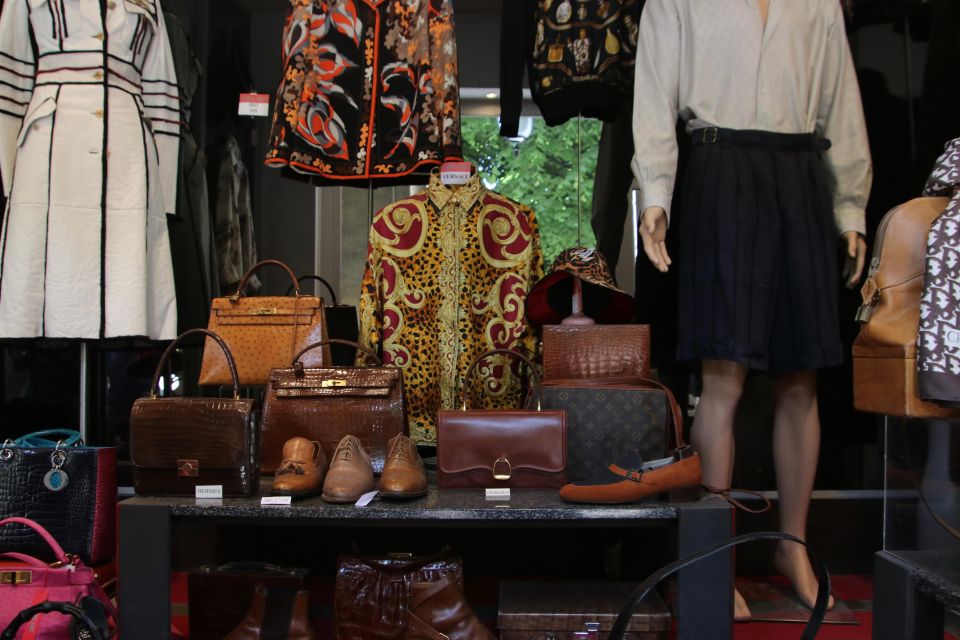
A big “this is why the tour is worth it” piece is the time in vintage shops and small boutiques. This is where you can compare the physical look of older luxury—craft, cuts, details—with what’s showing up today.
It’s not just nostalgia. The tour frames vintage pieces as evidence of how design ideas cycle back in new forms. You’ll connect how certain silhouettes and materials stayed influential because they read as modern, even when the exact trend changes.
If you like photo ops, you’ll also appreciate that vintage stores and boutiques often create more character than a polished mega-brand frontage. Even when you’re not shopping, the visual cues teach you how Paris style communicates confidence.
You can also read our reviews of more historical tours in Paris



Colonnes de Buren: how architecture attracts modern fashion influencers
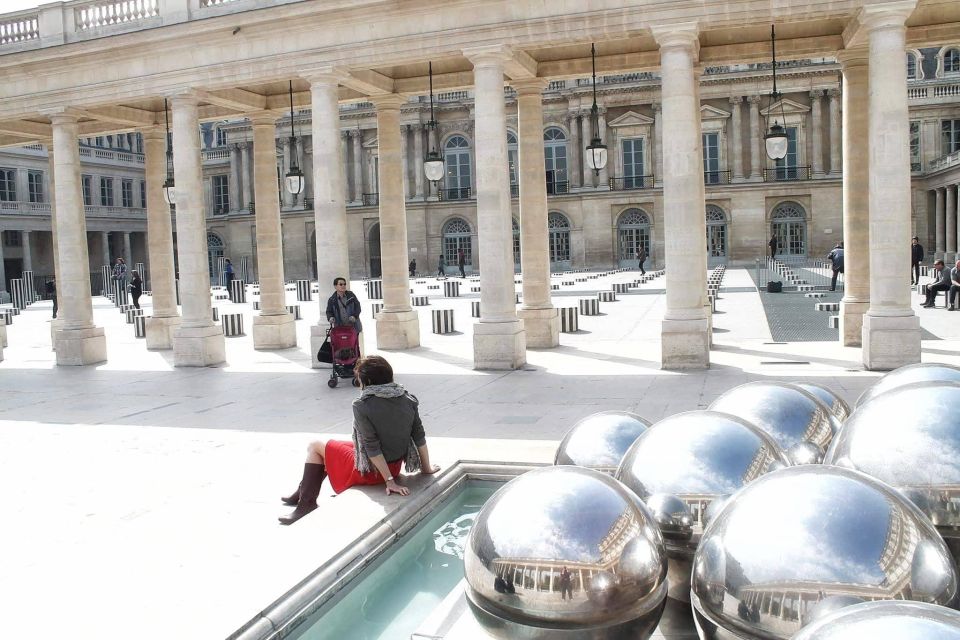
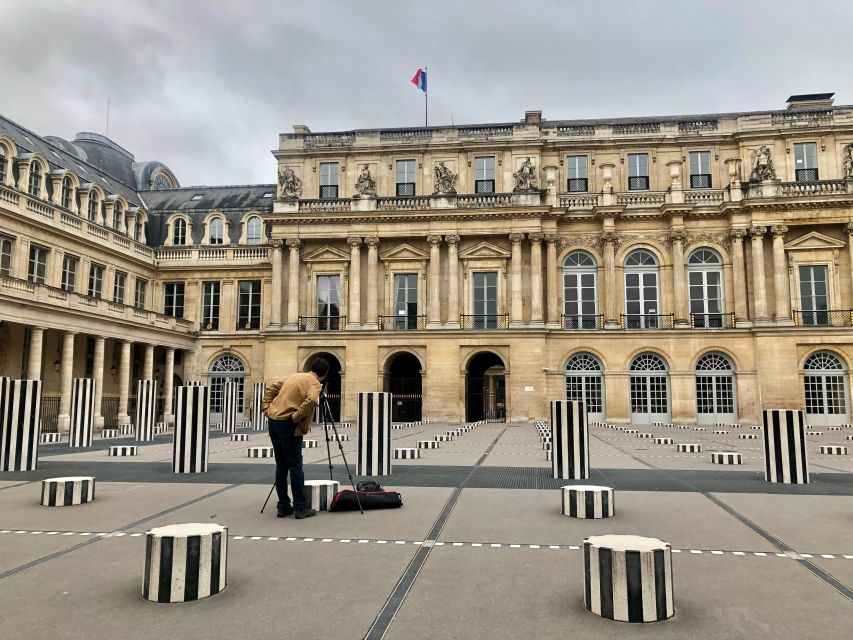
The tour also points you toward Colonnes de Buren, an architectural landmark that has become a magnet for fashion influencers and trendsetters. The value here is simple: you get to connect “Paris as a stage” across eras.
Old luxury worked like branding—made people want to belong. Today, the same psychology plays out through influencer culture, photography, and visible trend signals. Colonnes de Buren is a perfect place to talk about that because it’s instantly camera-friendly and unmistakably Paris in its own contemporary way.
Think of this stop as the bridge between classic couture districts and the online trend economy that now affects what designers make and what buyers chase.
Place Vendôme: the jewelry epicenter and the economics behind glamour
You’ll also spend time around Place Vendôme, described as the epicenter of the French jewelry industry. This is one of those stops where you can feel the scale of luxury—because jewelry is one of the clearest links between craftsmanship and social signaling.
The tour uses this area to help you understand the economics behind luxury fashion. You don’t just hear “it’s expensive.” You get the reasoning—how luxury brands maintain value, why scarcity and legacy matter, and how status products become cultural shorthand.
If you’ve ever wondered why some styles look timeless while others look dated quickly, this section helps you see the machinery behind the scenes.
Rue Cambon and Coco Chanel: the birthplace story with lasting psychological impact
Your route ends with time near Rue Cambon, linked to the origin of Coco Chanel’s fashion empire. This is the emotional core of the walk: the tour doesn’t treat Chanel as a name-drop. It explains the story behind her legacy and focuses on why her contributions still carry a psychological pull in fashion culture.
Here’s what I think you’ll find most practical: Chanel’s story becomes a lens. Once you understand that fashion can shift identity and confidence—not just clothing—you start noticing the same pattern in later designers and modern trends.
And because this section is tied to both history and influence, it gives you something you can carry into future museum visits and fashion exhibitions. You’ll look at details with more intention.
Dior, Louis Vuitton, Balmain, Goyard, and the threads between eras
The tour’s focus on fashion history is structured around designer stories, not a timeline overload. You’ll hear about Christian Dior, Louis Vuitton, Pierre Balmain, Goyard, and more, and you’ll connect them to the larger forces shaping luxury.
I like this approach because it prevents designer names from floating off into trivia. Instead, the tour treats designers as responses to their cultural moment—each one shaping what luxury meant at that time, then influencing what came after.
This is also where the tour’s “current designers making waves” angle fits. You’ll learn how trend direction happens now—through runway influence, but also through media and marketing behavior that changes what sells.
Pacing, group size, and what to wear for a comfortable 2-hour walk
This is a small group format with a limit of 10 participants. That matters because couture questions tend to be specific—about design choices, brand strategy, or what people actually buy. A smaller group keeps the conversation going instead of turning into one-direction lecturing.
Duration is 2 hours, so expect a focused route rather than a slow drift. It’s not described as strenuous, but the simple reality of a city walk applies: wear shoes you can stand and stroll in comfortably.
The tour is wheelchair accessible, which is a big plus for travelers who don’t want to gamble on cobblestones and long distances. If you use mobility aids, it’s still smart to confirm your exact route comfort level with the operator before you go.
Price check: is $104 worth it for a Paris fashion history tour?
At $104 per person for about 2 hours, you’re paying for three things: an industry-professional guide, a targeted route through high-fashion districts, and practical recommendations for where to go next.
For me, the value comes from the combination. If you only wanted street photos, you could walk the area on your own. If you only wanted a fashion lecture, you could find generic tours. Here, you get fashion-history storytelling tied to specific places—plus shop guidance that helps you shop smarter afterward.
Also, this format works well when you’re short on time. In a few blocks of planning, you can understand the logic behind Paris luxury and then decide how you want to continue—shopping, more neighborhoods, or a museum stop.
Who this tour is best for (and who might want a different option)
This tour fits you if you want to understand Paris fashion beyond the runway. It’s ideal for fashion history fans, Chanel or Dior devotees, and anyone who loves the idea of seeing how culture turns into style.
It also works if you’re not an ultra-fashion expert. The tour’s focus on why fashion influences emotions and identity gives non-specialists a clear entry point. You’ll still learn brand history, but through meaning, not just dates.
If you’re hoping for hours of browsing high-end boutiques with free time to buy, this may feel structured rather than indulgent. It’s a guided experience first, with shopping inspiration as the payoff.
Should you book this Paris fashion history walking tour
Yes—if your goal is to connect Paris’s couture streets to real stories and real psychology. I’d book it when you want a fast, high-signal way to understand why Rue Saint-Honoré, Rue Cambon, and Place Vendôme matter, and how that influence reaches today’s fashion culture.
I’d skip or reconsider if you want a purely shopping-focused outing or if you dislike guided walking tours. Also, if you’re the type who needs long food breaks, just remember the tour doesn’t include food and drinks, so you’ll want to plan your timing around a nearby café afterward.
If you do book, bring comfortable shoes, plan to take photos at Palais-Royal and along Rue Saint-Honoré, and then use the guide’s shop tips to keep your momentum going after the walk.
FAQ
How long is the Paris fashion history walking tour?
The tour lasts about 2 hours.
Where does the tour start?
It starts outside the Comédie-Française at 1 Place Colette, 75001 Paris, near a metro station exit.
Where does the tour finish?
The tour finishes near Place de la Concorde.
How much does it cost?
The price is $104 per person.
Is food or drinks included?
No, food and drinks are not included.
What’s included in the tour?
You’ll have a licensed guide who is a fashion professional, a fashion history walking route covering stories tied to designers like Coco Chanel, Christian Dior, Louis Vuitton, Pierre Balmain, Goyard, and others, plus tips and recommendations for fashion-related shopping and activities.
What languages is the tour offered in?
The tour is offered in English and French.
How big is the group?
It’s a small group limited to 10 participants.
Is the tour wheelchair accessible?
Yes, the tour is listed as wheelchair accessible.