REVIEW · PARIS
Montmartre Walking Tour: A Journey Through Art and History
Book on GetYourGuide →Operated by Parisian Tales · Bookable on GetYourGuide
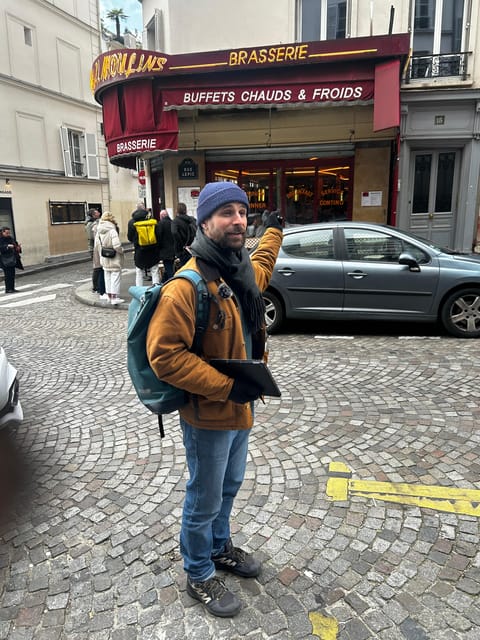
Montmartre makes sense when stories click. I love the small group size and how the guide uses a tablet with pictures to tie art history to the exact streets you’re standing on. It’s the kind of tour where you stop seeing landmarks as postcards and start seeing why artists were drawn to this hill in the first place.
I also like that it’s not just famous names. You get a real mix of art, religion, and politics as the walk moves from Moulin Rouge to Sacre-Coeur, with stops that help you look at Montmartre in a fresh way, even if you’ve been before. One note: expect a lot of uphill walking and uneven pavement, so good shoes matter, and the tour isn’t a fit for children under 10 or people over 80.
In This Review
- Key things that make this Montmartre walk work
- Montmartre is more than landmarks when you have Arthur telling the story
- Where you start at 3 Place Blanche and how the tour builds momentum
- Moulin Rouge to the first viewpoints: learning how to see the hill
- Le Bateau-Lavoir and Montmartre’s studio energy
- Windmills, more viewpoints, and why Montmartre still feels theatrical
- La Maison Rose and the vineyard stop that feels like Montmartre’s wink
- Musee de Montmartre: getting the context before you hit the big finale
- Sacre-Coeur and finishing at Rue du Chevalier de la Barre
- Pace, weather, and comfort tips that keep the tour enjoyable
- Price and value: what $34 actually buys you
- Who this Montmartre tour fits best (and who might want another plan)
- Should you book this Montmartre Walking Tour?
- FAQ
- Where does the tour meet?
- How long is the Montmartre Walking Tour?
- How big is the group?
- Is the tour offered in English?
- Is the tour wheelchair accessible?
- What should I bring and wear?
- Is video or audio recording allowed?
- Are snacks and drinks included?
- Can I cancel if my plans change?
Key things that make this Montmartre walk work
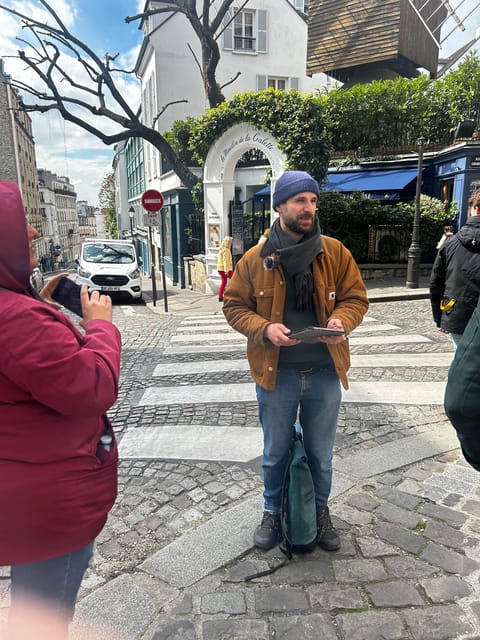
- 10-person limit keeps the vibe friendly and interactive, not lecture-y
- Perfect English from the guide, Arthur, with stories built on solid research
- Tablet visuals show images as you walk, so art history makes more sense fast
- Unbeaten paths that steer you away from the thickest tourist crush
- Women artists get attention, helping correct the usual one-sided art story
Montmartre is more than landmarks when you have Arthur telling the story
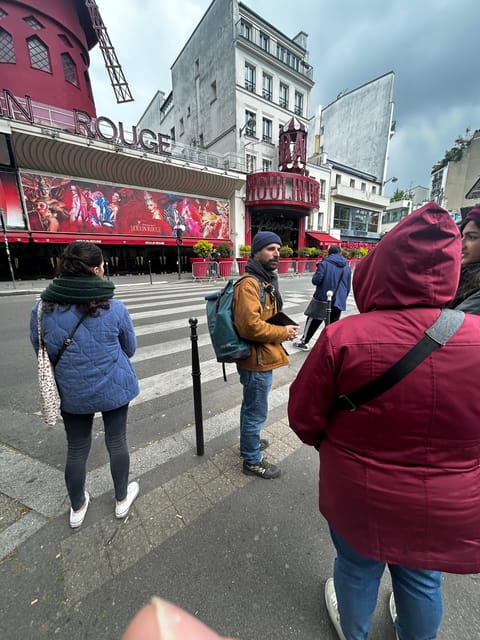
Montmartre has a reputation for being artsy, but that word doesn’t explain much until someone puts the art in context. On this walk, Arthur connects the neighborhood to the period when major artists were working and living nearby, including legends like Picasso and Van Gogh. That approach changes how you interpret what you see: you start noticing settings, tensions, and everyday details that shaped the work.
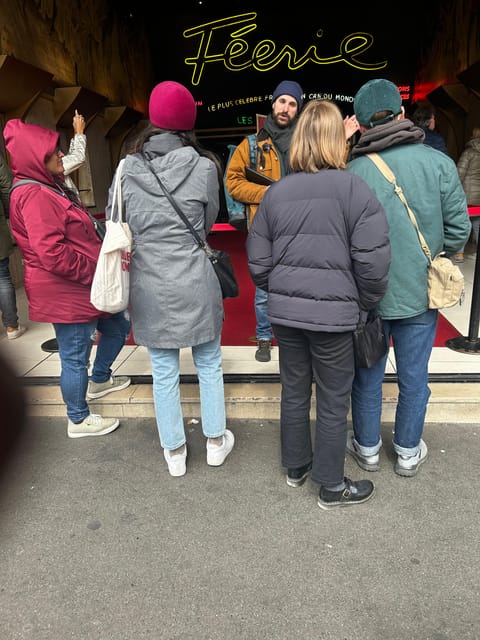
What makes it practical is the way the tour is delivered. The guide uses a tablet with pictures to illustrate points as you go. So instead of guessing what a building, painting, or theme might have meant, you get visual anchors right in the street scene.
And because it’s capped at ten people, you can actually hear and react. The tour isn’t only about moving from spot to spot. It has an interactive feel—short discussions, question moments, and small story turns that keep the group engaged.
You can also read our reviews of more walking tours in Paris



Where you start at 3 Place Blanche and how the tour builds momentum
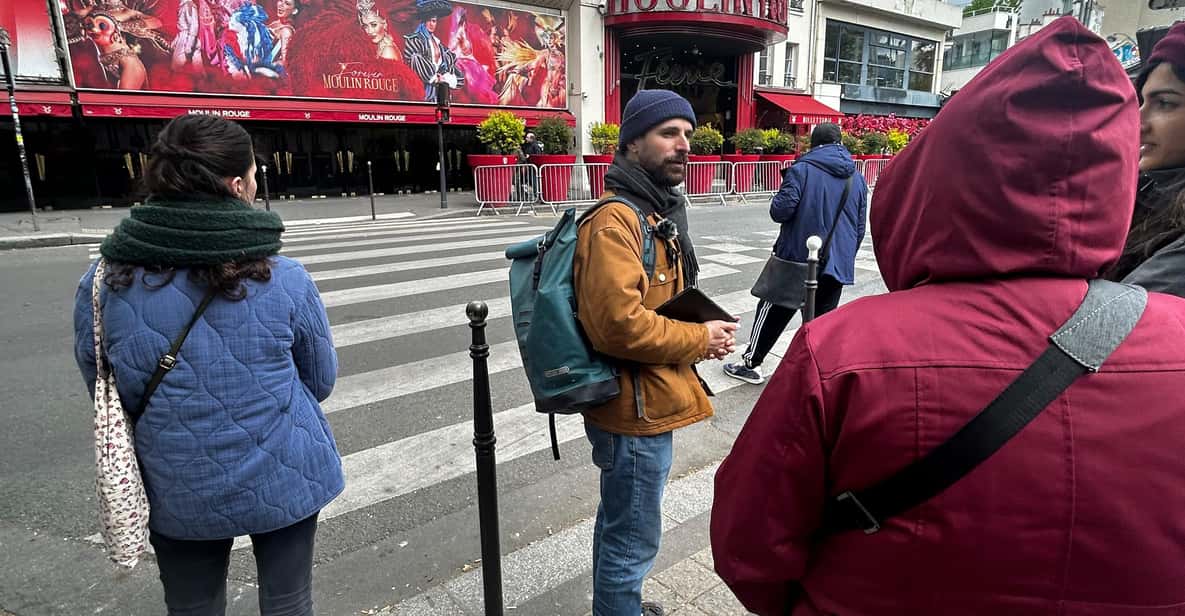
You meet just outside Five Guys at 3 Place Blanche (75009). This matters because it helps you start with the right “map in your head.” From there, the route quickly shifts your perspective from broad views to specific corners, where Montmartre’s character shows up in small ways.
The early part of the walk is also paced to get you ready for the hill. You’re not thrown into a long slog without context. Instead, the guide sets up what you’re going to notice later—art spaces, street life, religious symbolism, and the political undercurrent Montmartre is famous for.
Even the first photo moment works as orientation, not a random pause. You’ll stop, look, and then get the story that explains why the place matters.
Moulin Rouge to the first viewpoints: learning how to see the hill
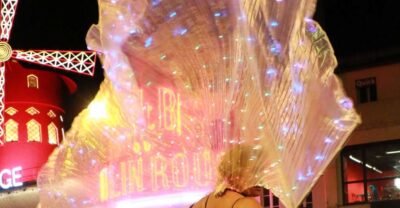
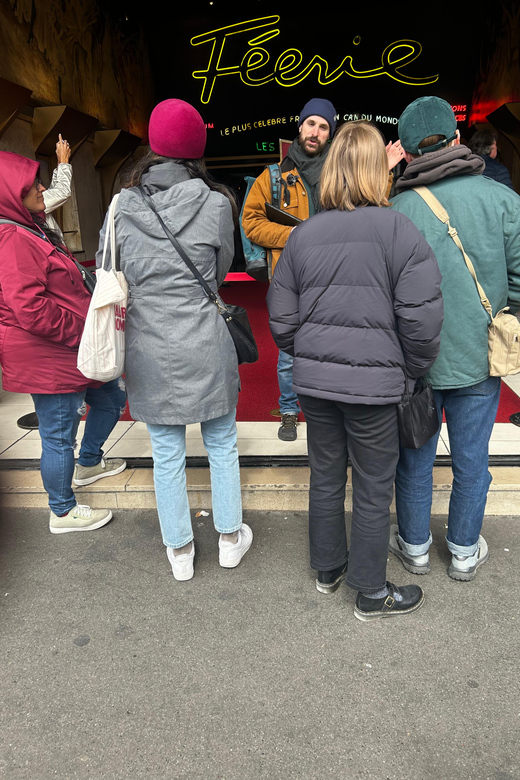
The walk begins with Moulin Rouge, where you get a photo stop plus guided context (about 20 minutes). This is the obvious name, but the tour doesn’t treat it like a photo checklist. Arthur frames it in a way that helps you understand the neighborhood’s mix of performance, public image, and how art life sits next to the realities of city power.
Next comes a secret stop with another guided segment (about 20 minutes). This is where the value of a small group really shows. Instead of chasing the loudest corner in Montmartre, you’re guided to a quieter spot where the story has room to land.
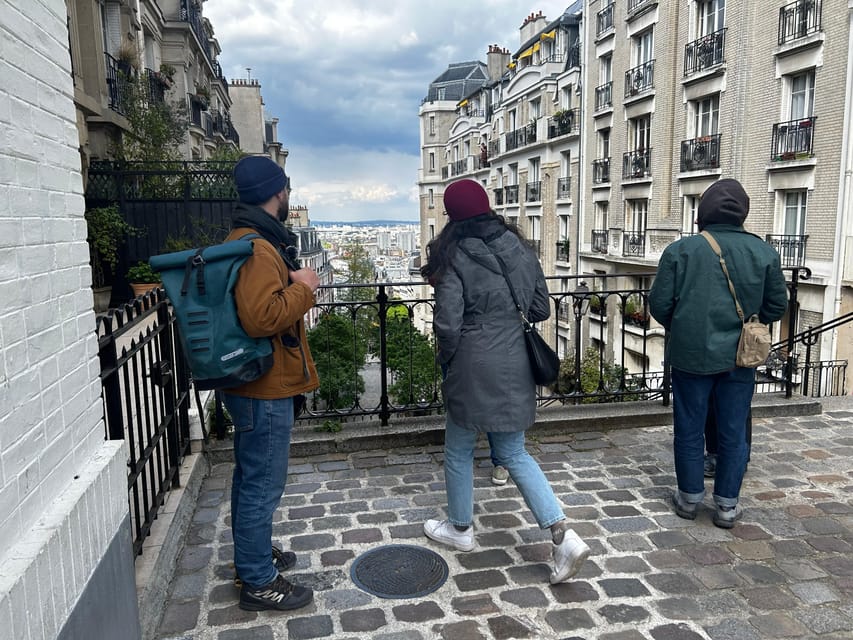
After that, you’ll hit a viewpoint for a short photo and sightseeing pause (around 5 minutes). These viewpoint breaks are important because Montmartre is a “big hill” landscape, and your eyes need to re-map distance and angles. You’ll get quick visual context, then head back into the streets.
If you’re sensitive to walking on uneven pavement or you tire fast uphill, this is also where you’ll feel the tempo. You don’t need to sprint, but you do need to be comfortable moving steadily for the full 2.5 hours.
Le Bateau-Lavoir and Montmartre’s studio energy
One of the most rewarding stops is Le Bateau-Lavoir (about 20 minutes for guided tour and sightseeing). This is the kind of place where art history becomes personal—because it’s not only about famous works. It’s about the environment that made creativity possible: shared spaces, rough edges, and the day-to-day life that shaped what artists produced.
This stop is especially good if you like connecting paintings to people and places instead of memorizing dates. Arthur’s style is to explain the logic of the neighborhood: why artists clustered here, how the area’s culture fed their ideas, and how the streets influenced the art’s mood and subject.
A drawback to keep in mind: this is an active walking tour, not a sit-down museum hour. If you prefer long indoor breaks, you’ll likely want to treat this as a “story walk” first and a “look around” second.
Windmills, more viewpoints, and why Montmartre still feels theatrical
You’ll then move toward the windmills, which include a photo stop plus short guided sightseeing (about 5 minutes). Even if you’ve seen pictures, windmills on Montmartre feel different in person because you can sense how the hill changes sightlines. The guide helps you look at the scene as part of the neighborhood’s identity—not just a quaint backdrop.
Then there’s another viewpoint stop for a short pause and photos (about 5 minutes). These repeated viewpoint moments do more than offer views. They keep you oriented so the rest of the walk doesn’t blur together. By the time you reach the more recognizable spots again, the hill’s layout will actually make sense.
These quick stops are also useful if you’re traveling with someone who wants photos. You’ll get stops built in, not random “let’s take one right now” moments.
You can also read our reviews of more historical tours in Paris





La Maison Rose and the vineyard stop that feels like Montmartre’s wink
La Maison Rose is next, with a photo stop plus guided tour (about 5 minutes). It’s a very recognizable color in a very recognizable neighborhood, and the guide uses it to show how Montmartre’s visual branding—its look, its reputation, its atmosphere—works on both locals and visitors.
Then you’ll reach a vineyard stop (about 5 minutes for guided tour and sightseeing). Montmartre’s vineyards feel surprising if you picture Paris as only stone and traffic. Here, the guide helps you see it as part of the neighborhood’s layers: art life, everyday life, and older traditions that don’t vanish just because the city changes.
Short stops like these are quick, but they’re chosen on purpose. Each one adds a new angle so the walk doesn’t become a single-note experience.
Musee de Montmartre: getting the context before you hit the big finale
The walk continues with Musee de Montmartre (about 15 minutes for guided tour and sightseeing). This is where the tour tightens up the story. After spending time outside with streets, views, and iconic landmarks, the museum stop gives you a place to connect themes and see how local identity shows up in art and culture.
The time is brief on purpose. You’re not meant to disappear into the museum for hours. You get enough guided context to make the later moment at Sacre-Coeur feel more meaningful rather than simply spectacular.
Sacre-Coeur and finishing at Rue du Chevalier de la Barre
The final major highlight is Sacre-Coeur Basilica, with a photo stop and guided tour (about 20 minutes). This is Montmartre’s crown and, for many people, the reason they came. Arthur’s approach helps you understand why this spot matters beyond the photo: religion, public life, and the neighborhood’s long-running role in shaping political and cultural identity.
After that, the tour finishes at 35 Rue du Chevalier de la Barre (75018 Paris). Finishing off in a slightly different location helps you keep moving through the neighborhood instead of retracing every step back to the meeting point.
Pace, weather, and comfort tips that keep the tour enjoyable
This walk runs about 160 minutes (2.5 hours). That’s a sweet spot: long enough for a real story arc, short enough that you’re not stuck walking until your feet revolt.
Here’s what you should plan for:
- Comfortable shoes are non-negotiable.
- Montmartre can be colder than the rest of the city, so pack warm layers if the weather feels sharp.
- If rain is possible, bring an umbrella or a rain coat.
- Water is a smart idea if it’s hot; there’s a supermarket by the meeting point.
Also note the recording rules. Video recording and audio recording aren’t allowed, so come ready to look and listen without trying to capture everything with gear.
Price and value: what $34 actually buys you
At $34 per person, this tour sits in the “worth it” category for me—mainly because you’re paying for interpretation, not just walking.
You get:
- A guide experience delivered in small group format (limited to ten).
- English narration with story structure that connects multiple themes.
- Visual support via tablet images, which saves you from the usual post-tour confusion of seeing random landmarks without meaning.
- A route that includes well-known stops (Moulin Rouge, Sacre-Coeur) plus quieter choices (secret stop, Le Bateau-Lavoir, vineyard) that give the neighborhood depth.
There’s also a trust factor built into the tour style: you won’t be pushed into shopping. The experience is presented as a walk-through for learning and seeing, not a sales route.
Snacks and drinks aren’t included, so factor that in if you’re planning this mid-day. The good news is it’s an easy neighborhood for grabbing water on your own before you start.
Who this Montmartre tour fits best (and who might want another plan)
This is a strong choice if you:
- Like art history that connects to real streets, not just slides.
- Want a neighborhood tour with an emphasis on stories, not a checklist.
- Prefer smaller groups where questions are welcome and the guide can respond to the room.
- Enjoy viewpoints, photos, and short “stop-and-learn” moments instead of long museum marathons.
It’s also family-friendly in spirit, and the walk is ideal for families as well as solo travelers. But there are clear age limits: it’s not suitable for children under 10, and it’s not recommended for people over 80.
The good practical news: it’s marked as wheelchair accessible. If accessibility affects how you plan your day, it’s worth thinking about how you’ll handle uneven sidewalks and hill terrain, even with access options.
Should you book this Montmartre Walking Tour?
If you want Montmartre to feel like more than a scenic set of stops, I think this is a solid booking. The combination of small group size, Arthur’s English storytelling, and the tablet-based picture support makes art history easier to grasp on your feet.
Book it if you’re curious about how artists, religion, and politics rubbed shoulders on this hill—and if you like routes that don’t feel trapped in the biggest crowds. Skip it if your main goal is a slow, low-effort stroll, or if the walking demands won’t work for your age or mobility needs.
FAQ
Where does the tour meet?
Meet just outside the Five Guys restaurant at 3 Place Blanche, 75009 Paris.
How long is the Montmartre Walking Tour?
It lasts about 160 minutes (2.5 hours).
How big is the group?
The tour is limited to a small group of up to 10 participants.
Is the tour offered in English?
Yes. The live guide offers the tour in English, described as perfect English.
Is the tour wheelchair accessible?
The activity is listed as wheelchair accessible.
What should I bring and wear?
Wear comfortable shoes. Check the forecast and bring what you need: an umbrella or rain coat if it’s raining, warm clothes since Montmartre is colder, and water if it’s hot.
Is video or audio recording allowed?
No. Video recording and audio recording are not allowed during the tour.
Are snacks and drinks included?
No. Snacks and drinks are not included, and you’ll manage them on your own.
Can I cancel if my plans change?
Yes. Free cancellation is available up to 24 hours in advance for a full refund. There’s also a reserve now & pay later option.