REVIEW · PARIS
Pairs: The Opera to Hotel des Invalides Guided Walking Tour
Book on GetYourGuide →Operated by europaguia.com · Bookable on GetYourGuide
Napoleon’s Paris walks you straight into drama. This guided walking tour strings together Palais Garnier, the story of Napoleon III, and landmarks like the Champs-Élysées and Pont Alexandre III, with context that makes each stop feel like part of one big plot. I love how it spotlights the opera that inspired Phantom of the Opera, and I love the added payoff of finishing with views toward the Seine and the Eiffel Tower. One thing to consider: it’s a true walk, so plan for time on your feet and outdoor weather.
For $37 per person, you get a live Spanish local guide plus a Spanish audio guide, covering about 2 hours from Place de l’Opéra to Pont Alexandre III. You won’t get transport or entrance tickets included, but you do get a clear, story-driven route that helps you connect the dots fast—especially if you’re short on time.
In This Review
- Key highlights at a glance
- Palais Garnier to Rue de la Paix: starting with Paris at its most dramatic
- Place Vendôme and the Ritz area: glamour with a point
- Place de la Concorde and the Luxor Obelisk: a Revolution stop you’ll remember
- The Champs-Élysées: “beautiful boulevard” that actually comes with meaning
- Pont Alexandre III finish: views you can actually use
- Price and value: what $37 buys you in real terms
- Language, accessibility, and who this tour suits
- Should you book The Opera to Hotel des Invalides Guided Walking Tour?
Key highlights at a glance
- Palais Garnier and the Phantom of the Opera connection: the opera’s story is part of the fun, not just the façade
- Napoleon III’s Paris framing: you’ll hear how the city’s power centers and tragedies shaped what you see
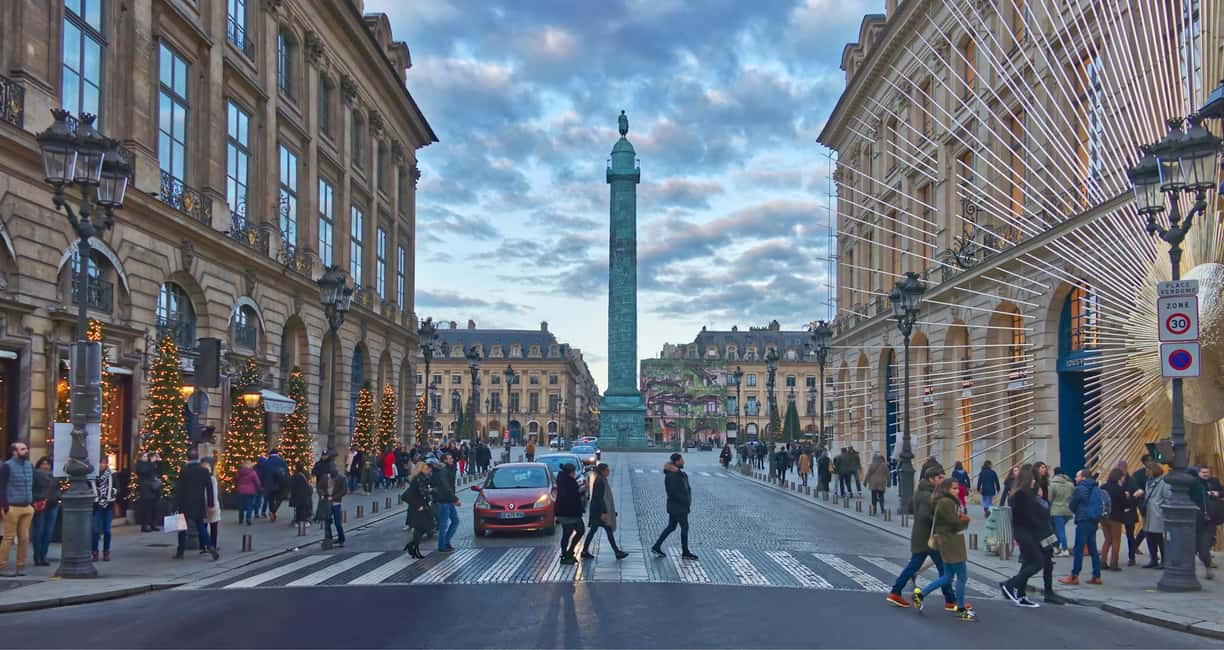
- Place Vendôme and the luxury watch, jewelry, and fashion vibe: a glamorous stop that’s quick but meaningful
- Place de la Concorde and the Luxor Obelisk: Egypt-in-Paris detail plus French Revolutionary context
- Champs-Élysées with Grand Palais and Petit Palais: World Fair 1889 context lands as you look at them
- Pont Alexandre III finish point: dramatic bridge views, with the Seine and Eiffel Tower in sight
Palais Garnier to Rue de la Paix: starting with Paris at its most dramatic
The tour kicks off at Place de l’Opéra, right outside the Opera subway station, where your guide meets you carrying a small white flag with a red flame symbol. That detail matters. Paris has a lot of lookalike meeting points, and having the guide visible helps you get oriented fast before the walk starts.
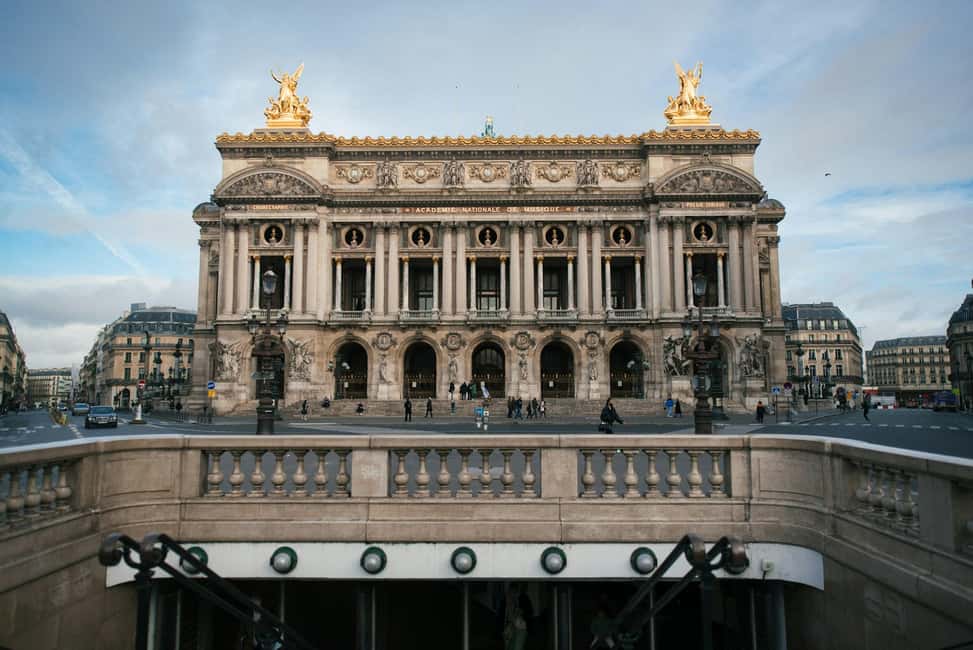
Your first big moment is Palais Garnier. This isn’t just a building stop. You’ll get a guided look at why it exists in the first place: it was built in response to a tragic event in the Emperor’s life, and that “why” changes how you see the architecture. Even if you’re not a theater person, I like tours that explain the human backstory. It makes the exterior feel less like scenery and more like a statement.
Then comes the pop-culture hook: Palais Garnier is also the opera that inspired Phantom of the Opera. If you know the story, you’ll start noticing how theater legends travel across time. If you don’t know it, you’ll still have enough context to connect the dots—no background required.
From there, the route heads along Rue de la Paix, and this is where the tour starts to feel like a guided “Paris in motion” lesson. Rue de la Paix is all about elegance and spending power, and moving through it with commentary helps you spot the shift from grand spectacle to luxury street culture.
You can also read our reviews of more walking tours in Paris


Place Vendôme and the Ritz area: glamour with a point
Next up is Place Vendôme, often described as an opulent corner of Paris, and it’s easy to see why. This is where the tour’s Napoleon III framing stays practical: you’re looking at a place where power, money, and image-making all overlap.
The route here also calls out the luxury brand ecosystem, including the iconic Ritz Hotel as a major character in the scene. You won’t get a shopping tour. But you will understand what kind of Paris this was aiming to project—Paris as style export, not just political center.
A small but useful tip for this stretch: don’t rush. You’ll walk a manageable distance, but at Place Vendôme it’s worth taking a second to look around before your guide moves you on. The value of this kind of tour is that you get explanations, but the payoff comes when your eyes match the story.
Place de la Concorde and the Luxor Obelisk: a Revolution stop you’ll remember
Now you hit Place de la Concorde, framed by the Tuileries Gardens. This is one of those Paris squares where everything feels “important,” and the guided context helps you understand why. The tour emphasizes that this area witnessed the tumultuous years of the French Revolution—so when you look at the open space, it isn’t just pretty. It’s historical stage.
At the center is an Egyptian obelisk: the Luxor Obelisk. That’s a great stop for a “wait, how did that get here?” moment. The tour also makes a darker connection: during the Revolution, this is where the famous guillotine was installed. You don’t need to overthink it, but you should be mentally ready for that shift. Paris can be gorgeous and brutal in the same frame, and this tour doesn’t pretend otherwise.
One consideration: this portion can feel heavy compared with the earlier glamour stops. If you’re traveling with kids or you don’t like grim history, you might want to mentally pace yourself so you don’t feel thrown off by the tonal jump. The upside is that the stop becomes memorable in a way purely scenic photos usually aren’t.
The Champs-Élysées: “beautiful boulevard” that actually comes with meaning
Then comes the legendary Champs-Élysées—described as the most beautiful boulevard in the world—and yes, it lives up to its reputation in the way only a grand city boulevard can. But what makes this tour different is that it doesn’t treat the street like a single photo angle.
Your guide brings in cultural context: French history meeting ancient Greece. That’s the kind of detail that changes your walk. Suddenly you’re not just seeing storefronts and crowds; you’re thinking about the symbols and influences that Paris likes to borrow and remix.
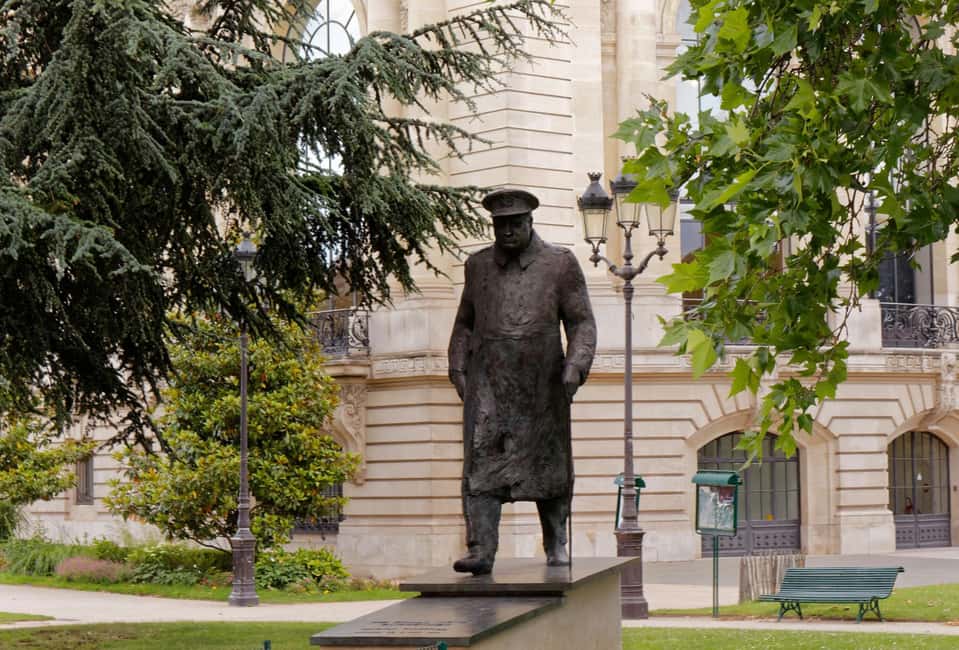
You’ll make a stop between two key landmarks: Grand Palais and Petit Palais. The tour highlights that Petit Palais hosted the 1889 World Fair, which is a huge clue for understanding the architecture’s purpose and pride. The 1889 World Fair angle is a smart inclusion because it turns these buildings into witnesses of a specific moment, not just pretty façades.
Practical note: this is also a high-visibility area, so you’ll likely spend a little time pausing for your group to gather and for your guide to regroup everyone. It’s part of the process, not a problem with the tour.
Pont Alexandre III finish: views you can actually use
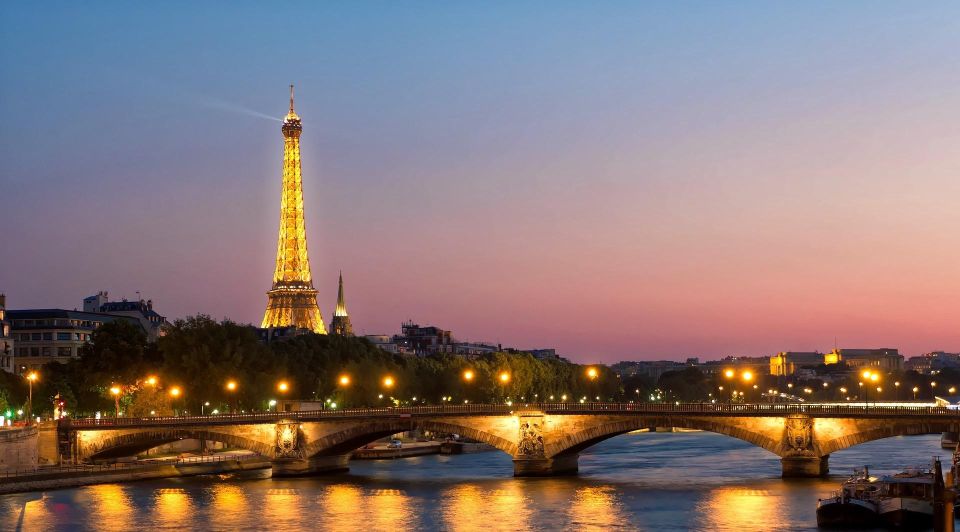
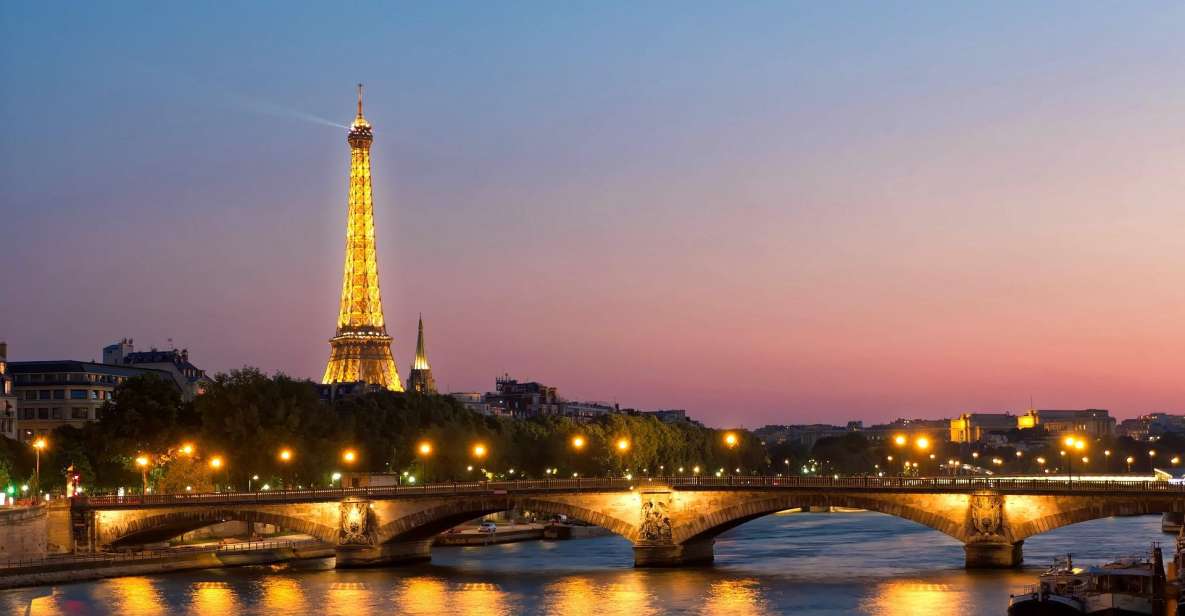
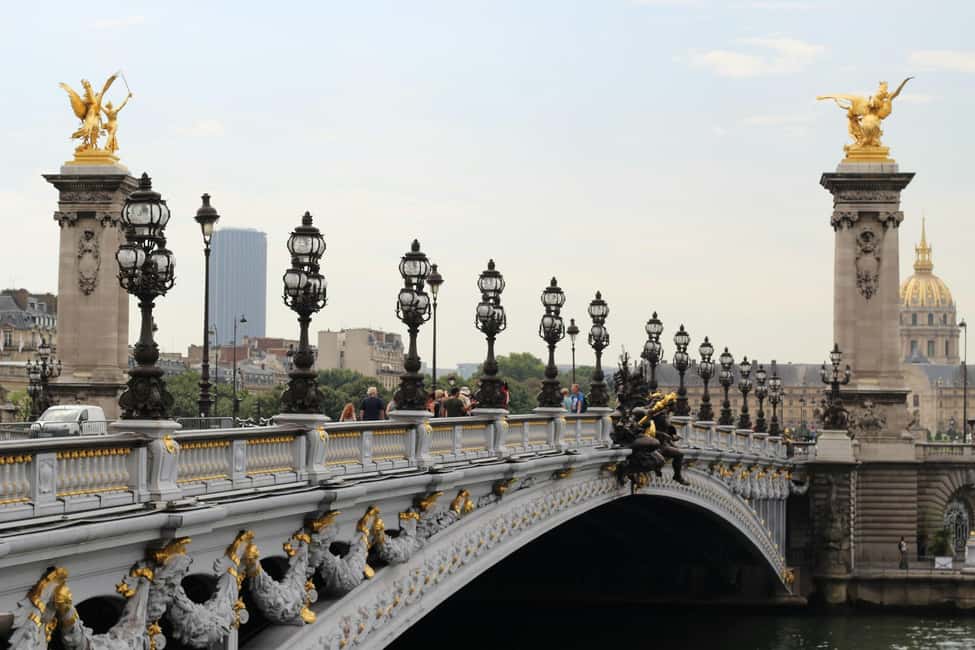
The walk ends at Pont Alexandre III, and this is a strong finish. The bridge is presented as a monumental architectural tribute to a Russian Tsar, and even a quick look tells you it’s designed to be seen from multiple angles. More importantly, your guide positions you so you can see the Seine and the Eiffel Tower.
If you’re planning the rest of your day, this finish is convenient. You land in a place with open sightlines and strong “Paris postcard” structure, which makes it easier to shift into your own plans afterward. Whether you want to head toward sightseeing, dinner, or just a long stroll, the end point gives you options.
Also, the tour description notes that after this, you can plug into Paris nightlife by using a list of recommendations for dancing and eating. Even if you don’t follow the exact suggestions, the fact that the tour thinks beyond the walk is a plus.
You can also read our reviews of more guided tours in Paris
Price and value: what $37 buys you in real terms
Let’s talk value without hand-waving.
For $37 per person and 2 hours, you’re paying for:
- a live local guide (Spanish)
- a Spanish audio guide included
- a structured route with multiple major stops, from Palais Garnier to Pont Alexandre III
What you’re not paying for is just as important:
- transport
- food or drinks
- entrance tickets
So where does the value land? It lands in storytelling efficiency. If you’re trying to understand Napoleon III’s Paris while also seeing big-name monuments, a guided walk is often cheaper than piecing together several self-guided stops and still missing the “why” behind what you see.
If you love architecture, theater lore, and city symbolism, $37 can feel like a bargain because the guide’s explanations turn landmarks into a connected narrative. If you only want the sites with minimal talking, you might find the guidance-heavy format less appealing. Still, for most first-timers or time-crunched visitors, it’s a practical deal.
Language, accessibility, and who this tour suits
The tour runs in Spanish, and there’s an audio guide included in Spanish. That’s great if you’re comfortable in Spanish or you want a structured way to learn city names and context without relying on your phone.
It’s also listed as wheelchair accessible, which matters because Paris sidewalks and curb cuts can be hit-or-miss. You should still be ready for a street-level walk, but it’s a positive signal that the operator has planned for accessibility.
Who this tour fits best:
- First-time visitors who want the highlights without trying to organize everything alone
- People interested in Napoleon III and the way politics shapes the city
- Fans of theater and pop-culture who like to trace ideas back to original inspirations
- Travelers who want a guided story before they go explore on their own
Who might skip it:
- Anyone who hates outdoor walking or prefers only ticketed museum time
- People who want zero historical tonal shifts (this includes Revolutionary-era material)
Should you book The Opera to Hotel des Invalides Guided Walking Tour?
Book it if you want a focused, story-led Paris walking tour that connects major sites in a way that helps you remember what you saw. The strong points for me are the mix of cultural hooks—especially the Palais Garnier and Phantom of the Opera connection—and the fact that the route ends at a location with immediate, useful views.
I’d hesitate if you hate walking, dislike Revolution-era content, or need entrance tickets included for the price you’re paying. The tour keeps ticket costs separate, so plan around that if you’re hoping to go inside specific buildings.
If you decide to go, do yourself a favor: wear good shoes and treat the guide’s stops like mini-lessons. You’ll walk out with a clearer sense of Napoleon III’s Paris—and with the kind of landmark context that makes your future wandering more confident. And yes, the red-flame flag at the start is your friend.