REVIEW · PARIS
Paris: Guided tour of Marais in German
Book on GetYourGuide →Operated by HelpTourists · Bookable on GetYourGuide
Marais makes sense with the right guide. I like how this German-language walk turns the Jewish Quarter into a clear, human story, not just stops on a map, and I love the mix of 16th- and 17th-century city palaces with big Paris landmarks like City Hall and Pompidou.
One possible drawback: it’s a tight 2-hour window. If you’re the type who wants to linger at every photo spot or shop stop, you’ll need to accept a brisk pace and save extra time for a follow-up stroll.
In This Review
- Key highlights worth your time
- A German-led Marais walk that connects Jewish life to landmark Paris
- Start at 31 Rue de Rivoli: Hôtel de Ville sets the tone fast
- Centre Pompidou: the modern contrast that makes Marais click
- Place des Vosges: oldest square energy, explained where it matters
- Musée Carnavalet: where Paris history gets personal
- Rue des Rosiers: Jewish Quarter life, not just a name on a sign
- Seeing the oldest city palace and the oldest square (in one walking story)
- Last traces of medieval Paris: how the route closes with real age
- Price and what you actually get for about $94 per person
- Who this German private tour is best for
- Should you book this Marais in German tour?
- FAQ
- Is this tour in German?
- How long is the Marais guided tour?
- Where do we meet for the tour?
- Is the tour private?
- What’s included in the price?
- Are museum or attraction entrance tickets included?
- Can children join the tour?
- FAQ
- What if my plans change?
- Do I have to pay right away?
Key highlights worth your time

- Jewish Paris on Rue des Rosiers: street-level context you can actually feel as you walk
- Place des Vosges: one of the oldest squares in Paris, with architecture that makes the years visible
- Paris City Hall (Hôtel de Ville): a smart start point for understanding the city’s center of gravity
- Centre Pompidou introduced by a guide: modern landmark energy tied back to the surrounding neighborhood
- Musée Carnavalet: a focused way to learn what Paris chose to remember
- Last traces of medieval Paris: the route leaves you with a sense of how old the ground really is
A German-led Marais walk that connects Jewish life to landmark Paris
The Marais is one of those neighborhoods where you can get lucky with your own wandering. But with a guide, you get something better: the logic behind the place. You’ll walk the Jewish Quarter in the 3rd and 4th Arrondissements and get the sense of how this area grew from former swampland on the edge of the city into a place of big stone pride and private grandeur.
I also like the way this tour is set up for real questions. Guides who lead in German have been praised for being patient and empathetic—so if you’re traveling with kids, or you just like to understand the why behind the what, it tends to work well. You’ll hear background, see major highlights, and get pointed toward corners you might miss on your own.
You can also read our reviews of more guided tours in Paris


Start at 31 Rue de Rivoli: Hôtel de Ville sets the tone fast
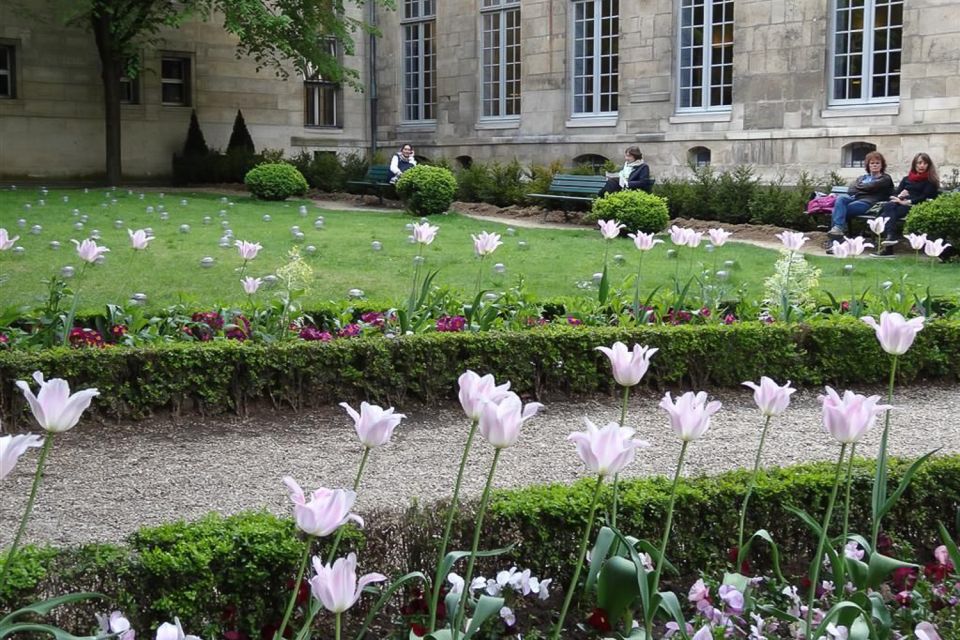
Your meeting point is by Hôtel de Ville, in front of the store Basket4Ballers, on 31 Rue de Rivoli. That matters. You’re starting right where Paris feels official and organized—perfect for a tour that tries to connect neighborhood identity to the wider city.
From the start, you’re positioned to understand how the Marais fits into central Paris. Expect a guide to frame what you’ll see next: why the area developed the way it did, and why you’ll still notice older layers even while modern Paris shows up nearby. This first leg is also practical. You’ll get bearings early, which makes the rest of the walk feel calmer.
Centre Pompidou: the modern contrast that makes Marais click
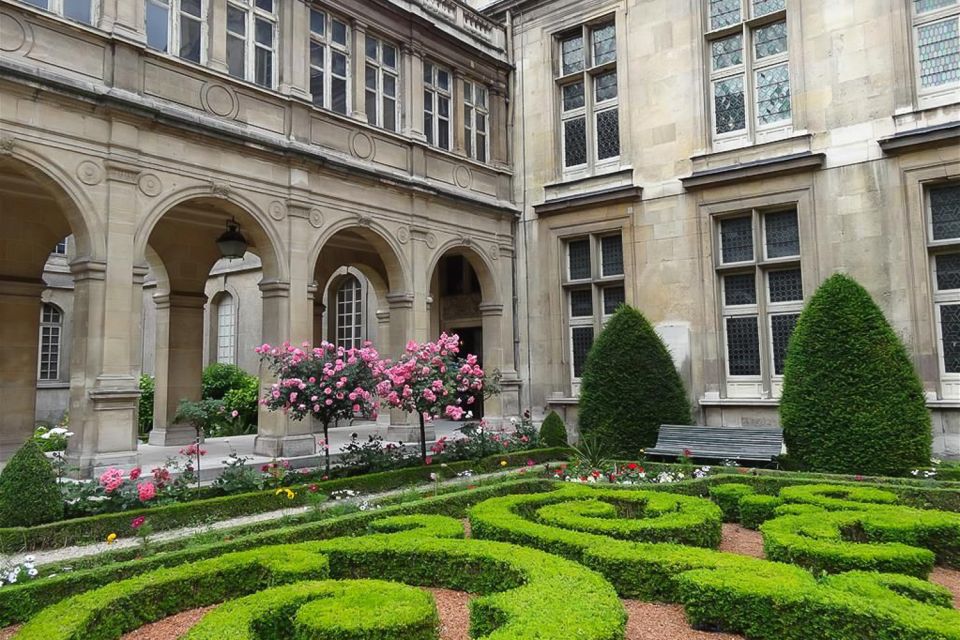
After you meet up, you head to Centre Pompidou with a guided introduction. The building itself is an immediate visual contrast: modern and loud-looking (in a good way) next to older street patterns.
Here’s the value for your time: Pompidou isn’t just a photo stop. With a guide, it becomes a marker for how neighborhoods evolve. You’ll get help placing this landmark inside the same walking story as the Marais palaces and squares—so you’re not treating Paris as separate “attractions,” but as one ongoing city.
A heads-up: entrance tickets are not included. So if you want exhibitions inside, you should plan to buy separately (or decide you’re happy with the guided outside and the approach). Either way, the guided portion is designed to give you context.
Place des Vosges: oldest square energy, explained where it matters
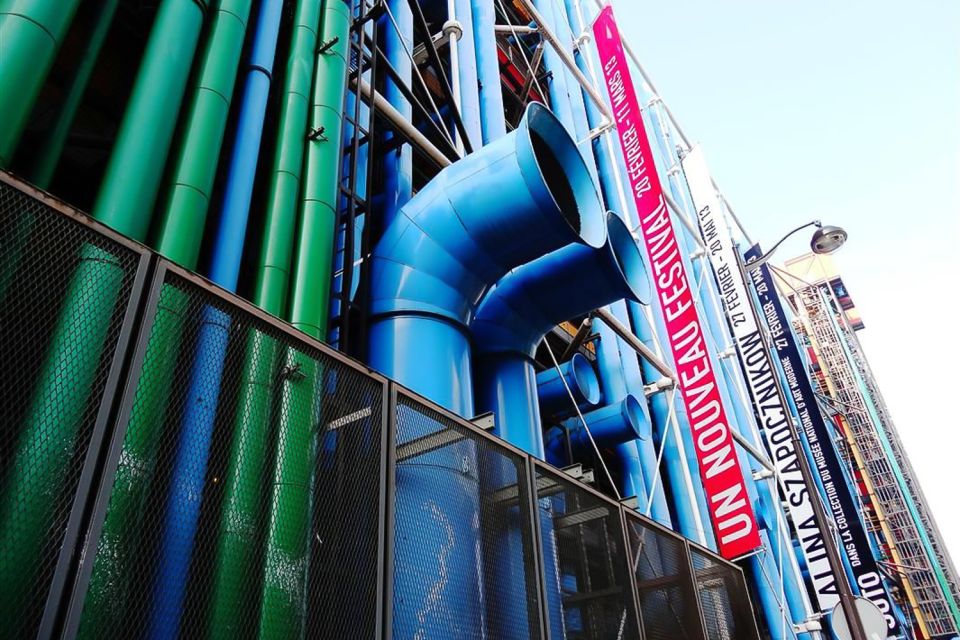
Next comes Place des Vosges, one of the oldest squares in Paris. This is the moment where Marais often goes from confusing to satisfying.
I like that the guide doesn’t just point at pretty buildings. You’ll get architectural and historical context tied to what you’re seeing around you. The square is famous for its uniform facades and the way it holds space—almost like the city built a stage set and kept using it.
It’s also a good time for quick decisions. If you want a calmer moment for photos or a short look at details, this is one of the most forgiving spots on the route. If you’re more of a “walk and talk” person, this stop still works because it gives your brain something visual to hang the information on.
Musée Carnavalet: where Paris history gets personal
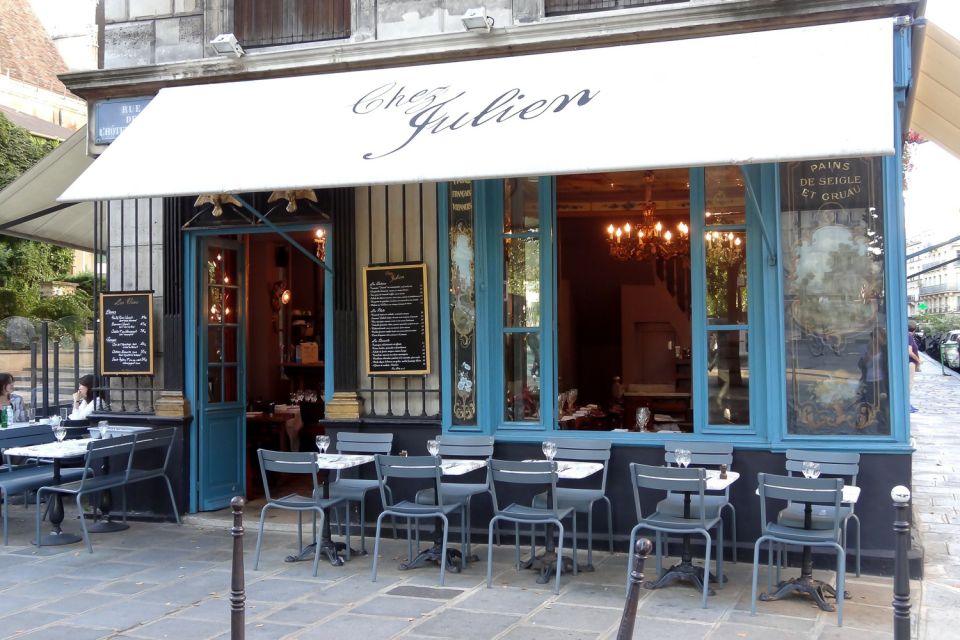
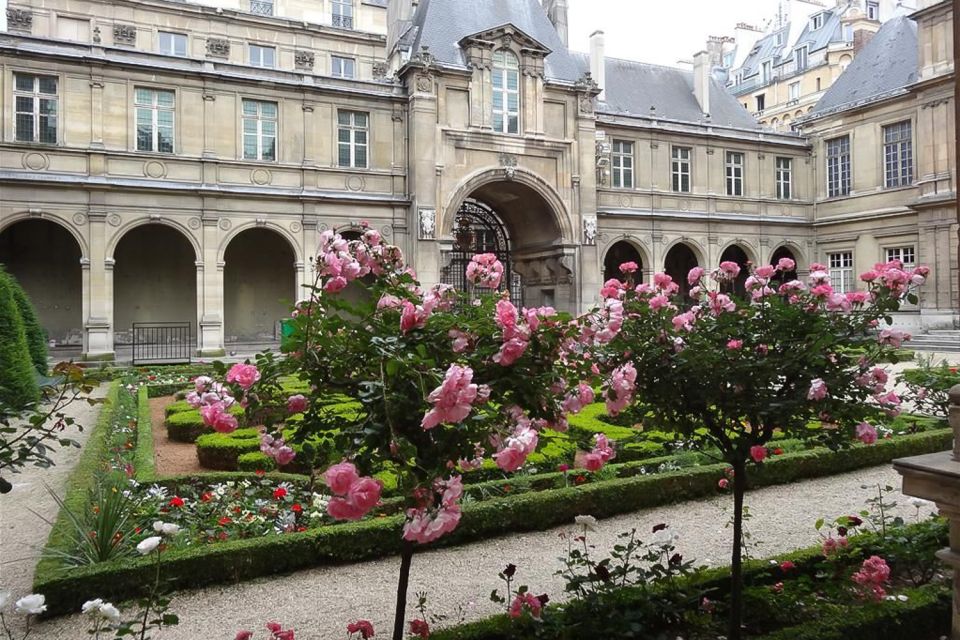
From the square, you go to Musée Carnavalet for a guided look. This museum is closely tied to Paris itself—so it matches the tour’s goal: understanding the neighborhood as part of the city’s identity.
Because entrance tickets aren’t included, think of this as a guided museum visit where you may need to handle admission separately. The benefit is that the guide can help you connect what you’re learning to the streets you’ll walk right after.
Even if museums aren’t your main thing, Musée Carnavalet can be worth it because it helps you interpret the Marais in human terms: how people lived, what the city chose to preserve, and why certain styles and streets became long-lasting.






Rue des Rosiers: Jewish Quarter life, not just a name on a sign
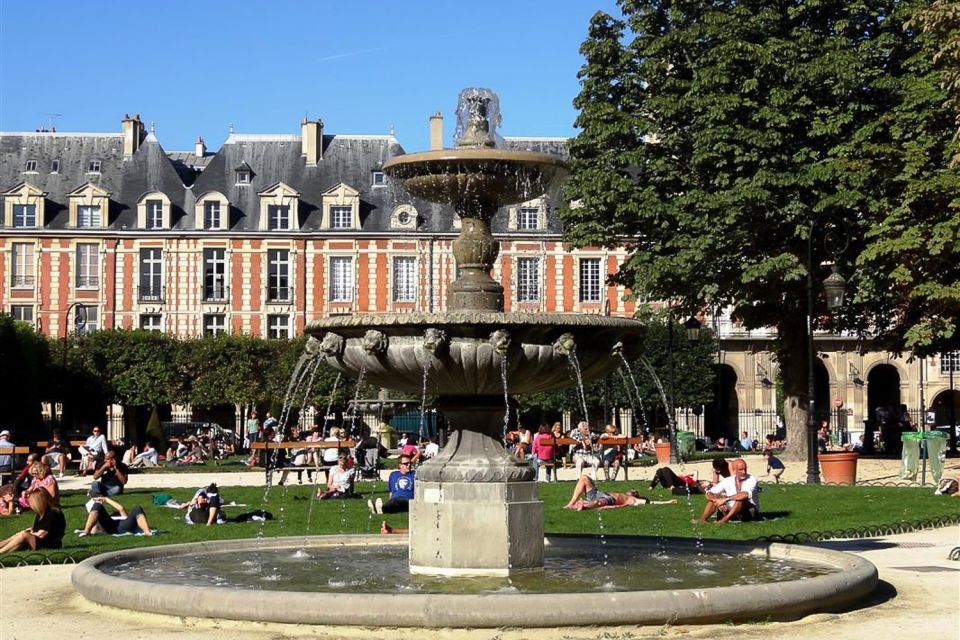
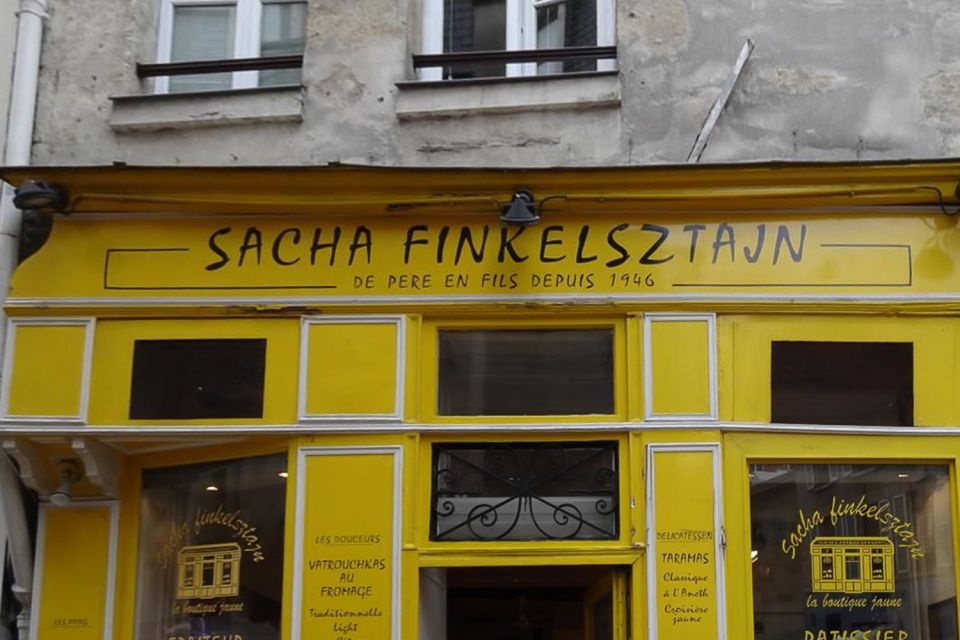
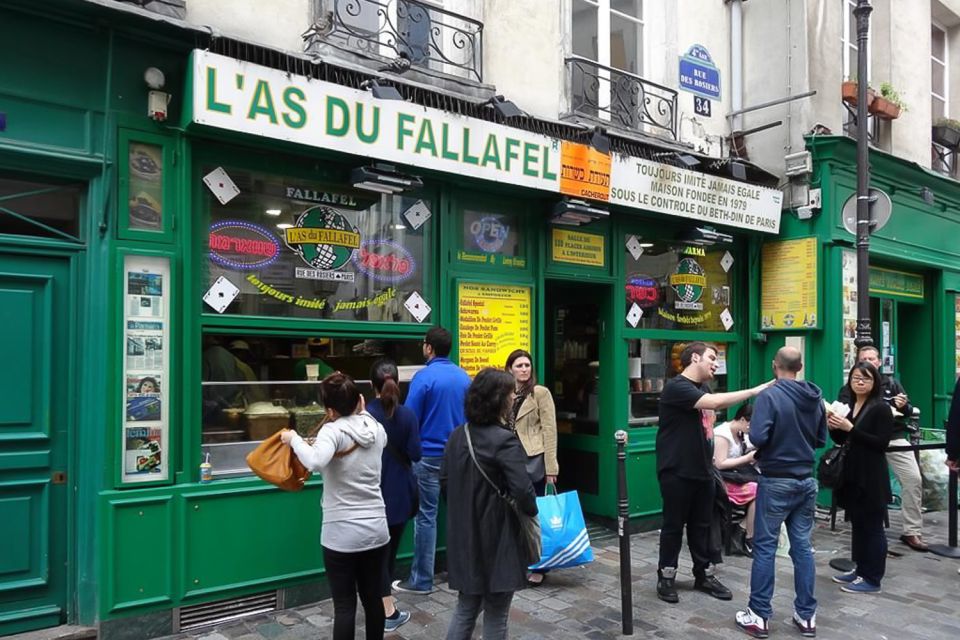
Then the walk shifts into the Jewish Quarter area, with Rue des Rosiers as the key street experience. This is one of the most famous Jewish streets in Paris, and the guide approach is what makes it effective.
You’ll learn what shaped the quarter and why so many buildings—and street patterns—still carry the weight of earlier eras. You’re also getting social context: how the area functions as a place of everyday life, not only as a historical exhibit.
This is also where a thoughtful guide makes a difference. In German-led groups, guides like Lucy and Marie-Elene have been noted for showing the special atmosphere of the quarter and for directing attention to charming corners as well as big-name landmarks. If you want your visit to feel like you’re understanding people and place together, this portion does the job.
Practical note: the tour style includes small breaks for things like quick purchases and restroom stops. That’s not a detail to ignore on a 2-hour schedule—it can save your day.
Seeing the oldest city palace and the oldest square (in one walking story)
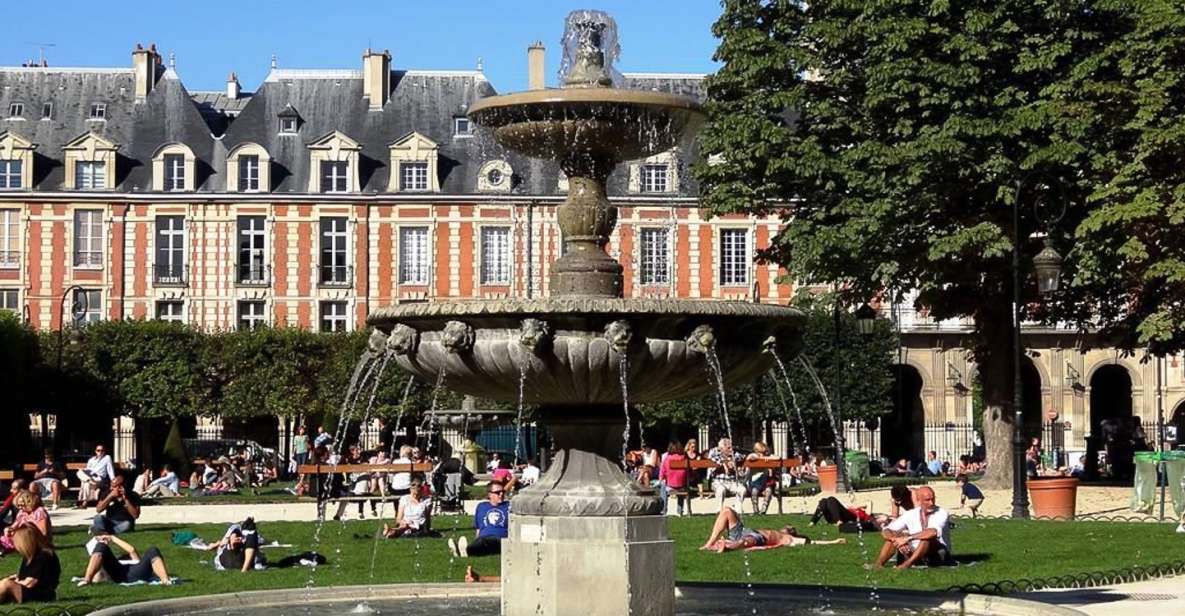
Two major “wow” items are built into the route: the oldest city palace and the oldest square in Paris. You’ll see what makes the older architecture feel different from newer Paris.
For you, the payoff is mental, not just visual. Once you’ve been pointed to these buildings and the logic behind their design, it’s easier to notice layers elsewhere. Later, when you walk on your own, you’ll start spotting clues faster—how wealth, street planning, and time periods left their marks.
This also explains why the tour is structured the way it is. You can’t understand the palaces without first understanding the square, and you can’t understand the square without understanding how the neighborhood grew. The stops work like chapters.
Last traces of medieval Paris: how the route closes with real age
By the end, you’ll see last traces of medieval Paris. This is the kind of ending that stays with you, because it reminds you you’re not just visiting “old buildings”—you’re walking on a city that has kept reshaping itself for centuries.
The route gives you a sense of continuity: newer landmarks show up, but the oldest layers still influence street shape and location. When the guide ties that together, the neighborhood stops feeling like a themed district and starts feeling like a living timeline.
And if you’re traveling with kids or family, the closing stretch can be a nice “final meaning” moment. Guides who are comfortable answering lots of questions have been praised for keeping the pace friendly and adaptable, rather than rushing everyone out the door.
Price and what you actually get for about $94 per person
At $94 per person for 2 hours, this isn’t the cheapest way to see the Marais. But it’s not overpriced if what you want is guided value: a private group experience, in German, with a route that hits major highlights plus neighborhood context.
Here’s how to judge it fairly:
- You’re paying for a thoughtful order of stops, not just for walking around.
- You’re getting a guide who can answer questions and adjust to the group dynamic.
- You’re getting help connecting Jewish Quarter context with city landmarks you’ll likely pass later on your own.
What can change the final cost: entrance tickets and food/drinks are not included. If you add museum admissions and any exhibition tickets you decide to do at Pompidou, your total will rise. Still, even with extra admissions, a guided route can be cheaper than you think when you factor in time saved and the reduced risk of missing the “why.”
In short: if you like your sightseeing with context, $94 for a focused 2-hour private German tour is a solid buy. If you only want quick photos and you hate museums, you might prefer a self-guided walk.
Who this German private tour is best for
This tour fits best when you fall into one (or more) of these categories:
- You want a German-language guide and you don’t want to fight for every concept in English or French.
- You’re in Paris for a short stay and you want your Marais visit to feel organized and meaningful fast.
- You like architecture and city planning, especially the way 16th- and 17th-century palaces shaped today’s feel.
- You enjoy Jewish Quarter history and street-level atmosphere, not just names and dates.
- You’re traveling with kids and you want a guide who handles lots of questions with patience.
It’s also a good match for couples or small groups who want something more personal than a big, slow-moving crowd. The private format tends to make it easier to ask, react, and move at a comfortable rhythm.
Should you book this Marais in German tour?
Yes, I’d book it if your ideal Paris day includes a guided walk with clear context—especially around Jewish life in the Marais and major landmarks like Hôtel de Ville, Place des Vosges, and Pompidou. The best part is the way the route turns isolated sights into one coherent story.
I’d think twice if you want long stays inside museums, or if you’re hoping for a fully unstructured wandering day. The schedule is designed to cover a lot in 2 hours, so you’ll need to add extra time later if you want to linger.
If you can match your expectations to the format—guided, focused, and designed for understanding—you’ll get solid value out of it.
FAQ
Is this tour in German?
Yes. The live tour guide speaks German.
How long is the Marais guided tour?
The duration is 2 hours.
Where do we meet for the tour?
Meet at Hôtel de Ville, in front of the store Basket4Ballers, at 31 Rue de Rivoli.
Is the tour private?
Yes. It’s a private group experience for your group only, and the price is quoted per person.
What’s included in the price?
A private guided tour is included.
Are museum or attraction entrance tickets included?
No. Entrance tickets are not included, and food and drinks are also not included.
Can children join the tour?
Yes. Children under 12 years old can participate free of charge.
FAQ
What if my plans change?
You can cancel up to 24 hours in advance for a full refund.
Do I have to pay right away?
No. There is a reserve now & pay later option, so you can book and pay nothing today.