REVIEW · PARIS
Jewish Marais – Yiddish world : Walking tour and pastries
Book on GetYourGuide →Operated by ParisVu · Bookable on GetYourGuide
Follow the clues in the Marais. This Jewish Marais walking tour turns familiar streets into a clear, human story of Jewish Paris, with stops tied to everyday life, memory, and faith. What I like most is the way you’re guided through the Rue des Rosiers area while also tasting classics from Florence Kahn like strudel, babka, and cheesecake. One heads-up: it’s only 90 minutes, so if you want lots of long museum time, you’ll have to save deeper visits for another trip.
The route is compact and mostly on foot, with photo stops and courtyard access rather than a slow, step-by-step pace. It’s a great fit when you want context fast and you’re happy to mix street watching with brief entries.
In This Review
- Key highlights you’ll feel right away
- Why the Jewish Marais route works in a short 90 minutes
- Meeting at 69 Rue du Temple: get your bearings fast
- From Rue du Temple to the Muraille de Philippe Auguste
- The Pletzl and Rue des Rosiers: watching Jewish Paris in action
- Courtyard access at the Museum of Jewish Art and History
- Florence Kahn pastry tasting: strudel, babka, and cheesecake
- Agoudas Hakehilos and the Rav Rottenberg photo stop
- Reaching the Mémorial de la Shoah courtyard: reflection at the end
- Price and value: what $41 buys you
- Who should book this tour (and who might not love it)
- Languages and guide style: making the story fit your questions
- Should you book this Jewish Marais tour and pastry tasting?
- FAQ
- How long is the Jewish Marais walking tour?
- Where is the meeting point?
- Where does the tour end?
- What is the group size?
- What languages are available?
- What pastries are included in the tasting?
- What locations have included access?
- Is this tour free to cancel?
- Can I reserve without paying right away?
Key highlights you’ll feel right away
- Rue du Temple start: easy to find, right where the story begins
- Muraille de Philippe Auguste: you’ll see how medieval Paris still shows up in the street plan
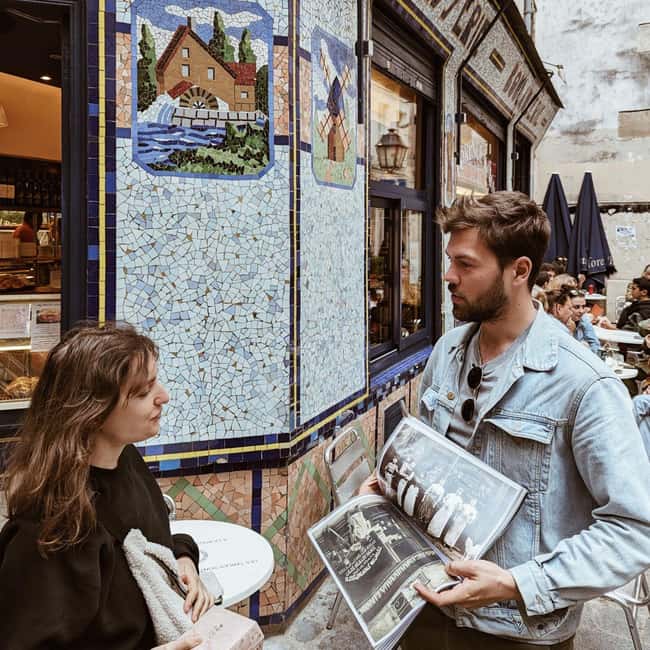
- Pletzl and Rue des Rosiers: the neighborhood’s Jewish street life, in real place
- Florence Kahn tasting: strudel, babka, and cheesecake in one stop
- Agoudas Hakehilos (Rav Rottenberg): a meaningful photo moment
- Courtyards at the Shoah Memorial: remembrance without a rushed visit
Why the Jewish Marais route works in a short 90 minutes
The Marais is one of those parts of Paris where you can wander for hours and still feel like you’re guessing. This tour fixes that. You get a tight loop that ties street names and landmarks to the lived experience of Jewish communities in Paris, including what people practiced, celebrated, talked about, and remembered.
The payoff isn’t just that you’ll see places. It’s that you’ll understand why those places matter—without needing a textbook. And because it’s a small group (limited to 10), the guide can answer questions instead of racing everyone through.
If you’re the type who likes Paris with a thread—something that connects the buildings to the people—this is a strong match.
You can also read our reviews of more walking tours in Paris



Meeting at 69 Rue du Temple: get your bearings fast
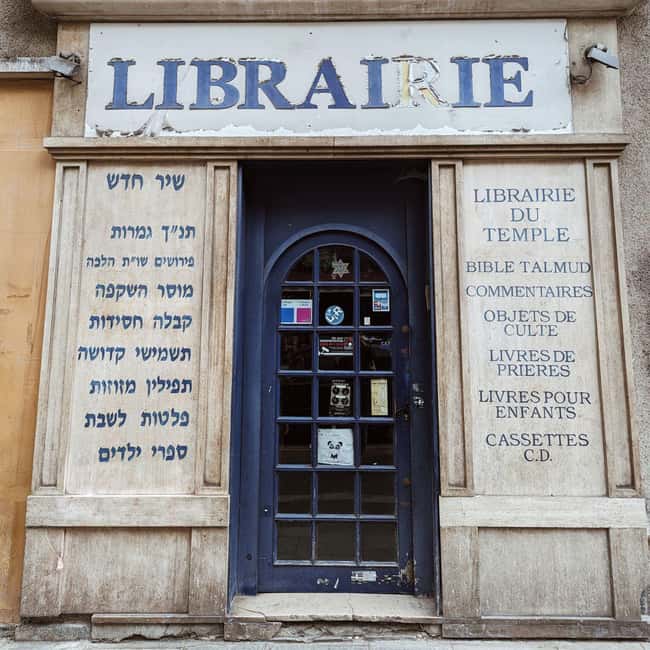
You meet at 69 Rue du Temple, specifically between the LCL bank and a little wooden door. The guide is easy to spot: a white shirt and a leather satchel.
That matters more than it sounds. In the Marais, streets look similar until someone gives you a map in motion. Starting right on Rue du Temple keeps you oriented from the first minutes, and you’re not late-starting your attention.
Practical tip: wear shoes you can handle on uneven cobblestones. Even if the walking is reasonable, this neighborhood is still Paris—stone first, comfort second.
From Rue du Temple to the Muraille de Philippe Auguste
Right after you begin, you move through Rue du Temple and toward the Muraille de Philippe Auguste. This is where the neighborhood stops feeling like a generic “old Paris photo spot” and starts feeling like a place with layers.
That wall section is a reminder that the Marais didn’t appear overnight as a trendy maze of shops. It has older bones. Seeing the survival of that medieval structure in the middle of modern streets gives you a physical sense of continuity—Paris built on Paris, with communities changing and adapting over time.
This is also a good moment to ask questions. Because the guide sets context early, you’ll understand later stops more quickly instead of collecting facts with no connection.
The Pletzl and Rue des Rosiers: watching Jewish Paris in action
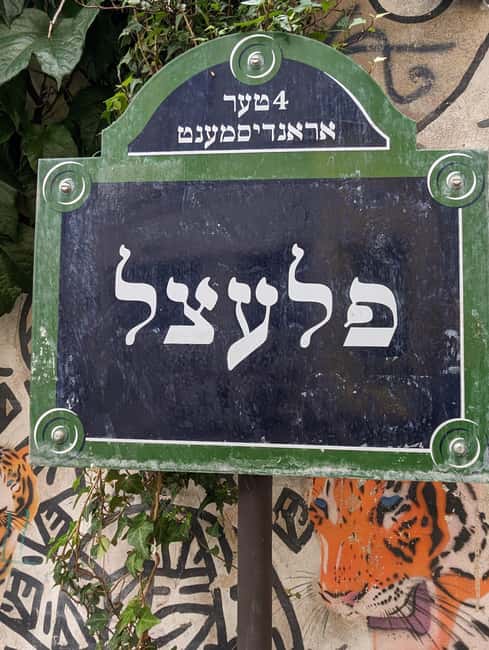
Then comes the heart of the walk: the Pletzl (Marais) area and Rue des Rosiers. This is where you feel the neighborhood’s identity in everyday life, not just in plaques.
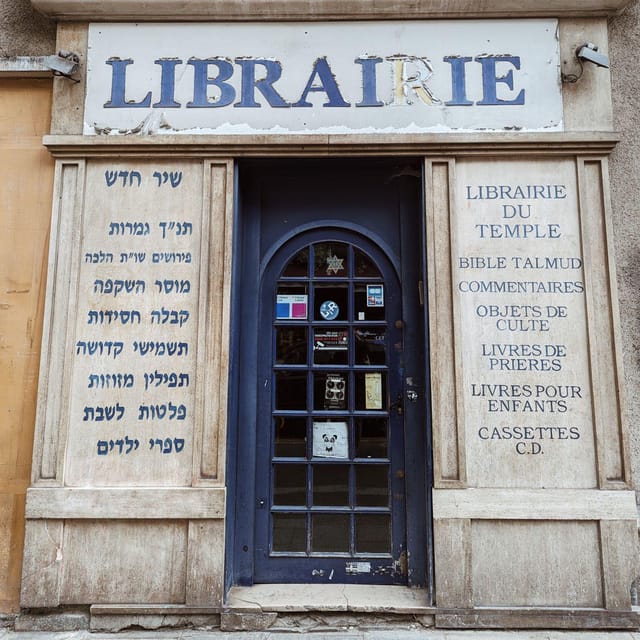
Rue des Rosiers is famous for Jewish street culture, and on this tour it’s treated like more than a corridor of shops. You get it framed in a way that makes you notice details you might otherwise skip: the kind of signs and storefront rhythm that reflect community history, and the way the street still carries that identity today.
If you enjoy “people place” travel—streets that tell you what daily life might look like—this segment is the sweet spot. It’s lively without being chaotic, and the guide keeps it grounded so you don’t leave with only a list of addresses.
Courtyard access at the Museum of Jewish Art and History
A standout included element is access and a tour of the courtyard of the Museum of Jewish Art and History. Courtyards are useful for this kind of tour: they give you a quiet pause without turning the whole experience into a museum marathon.
This stop gives context you can carry back into the streets. Once you’ve seen the museum courtyard, the rest of the route makes more sense as part of a longer story—heritage, community building, and the way culture survives in public space.
If your goal is to understand the neighborhood quickly (and not schedule three separate museum visits), this is smart value. You get a meaningful cultural connection without losing the momentum of a walking tour.
You can also read our reviews of more tours and experiences in Paris





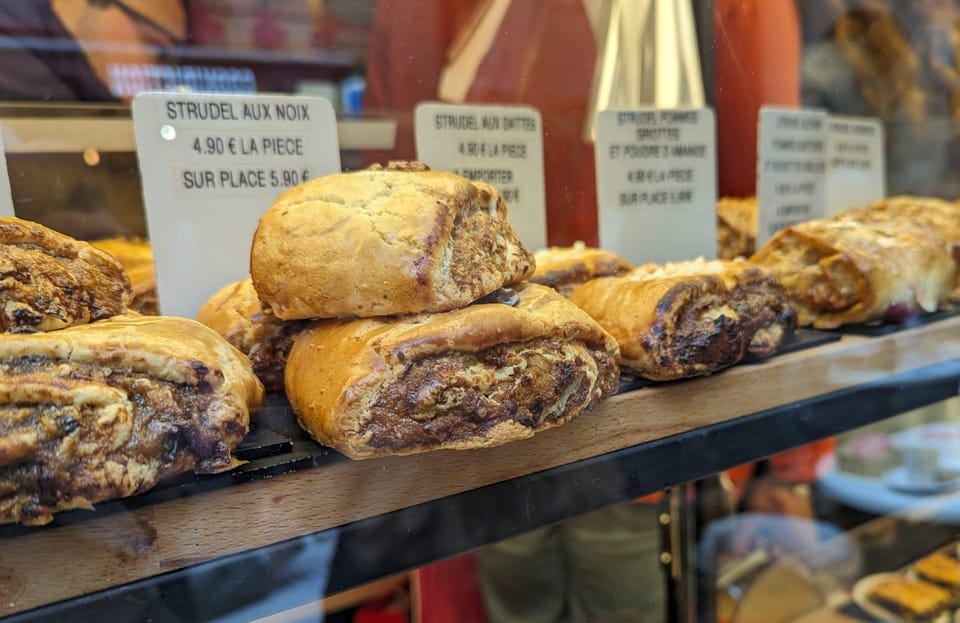
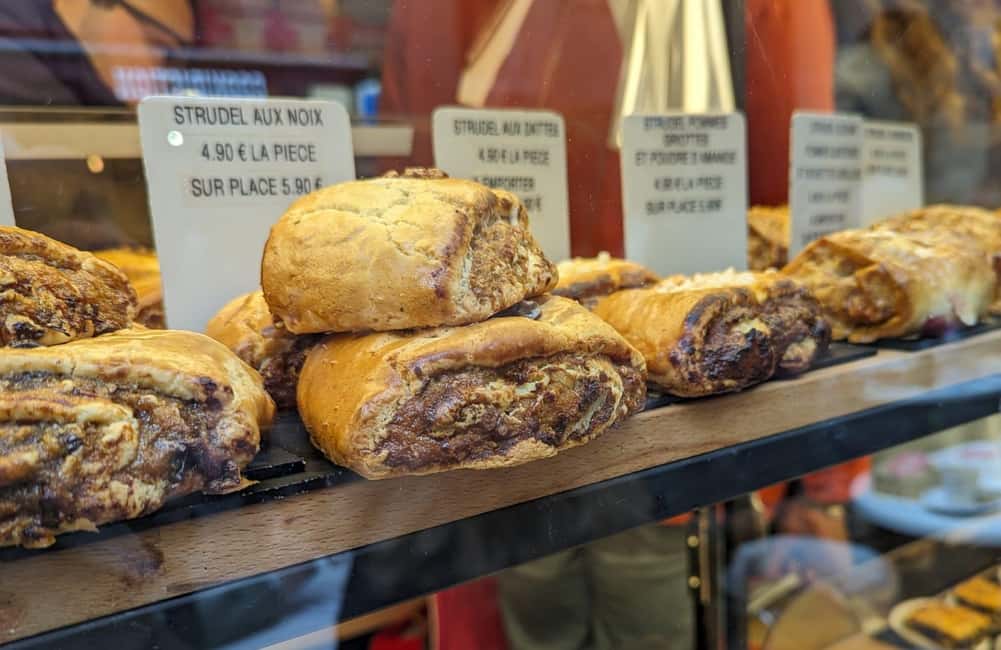
Florence Kahn pastry tasting: strudel, babka, and cheesecake
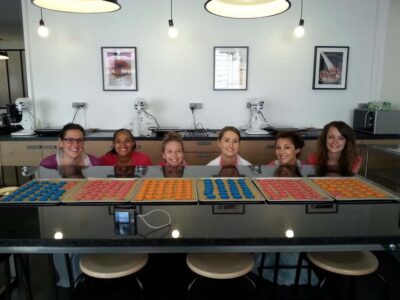
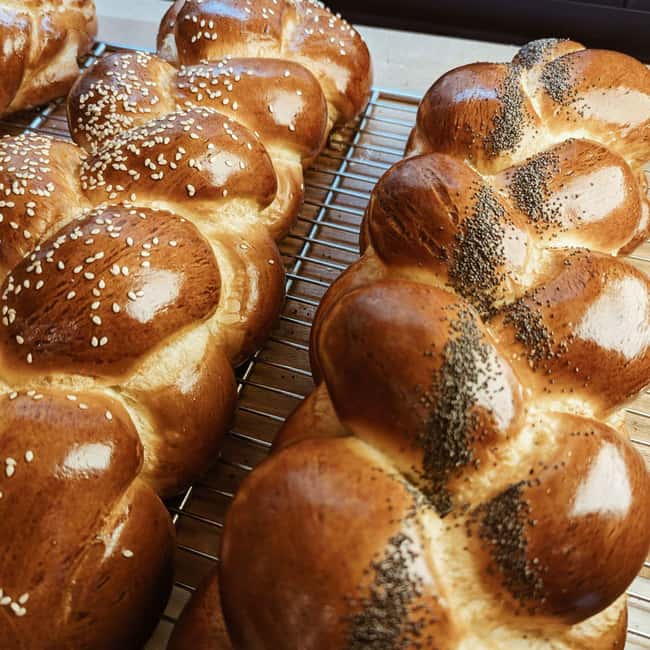
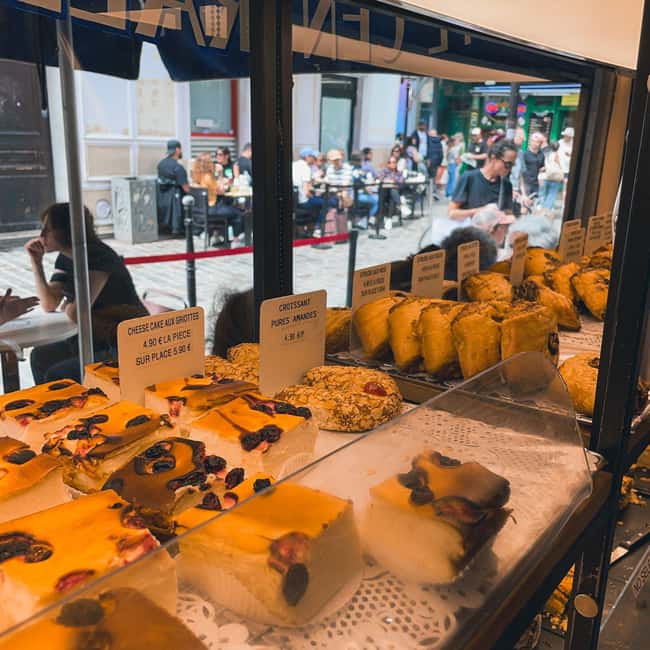
Yes, there’s food on the tour, and it’s not an afterthought. The tasting comes from Florence Kahn, with an assortment including strudel, babka, and cheesecake.
Here’s why this works: pastry is one of the most practical ways to understand culture while you’re walking. You’re not just hearing about tradition—you’re tasting it at the moment you’re learning the context around it. It also breaks up the pace at exactly the right time. By the time you reach the tasting, you’ve already seen the streets and landmarks, so the food feels like part of the story, not a random bonus.
If you have dietary restrictions, you should check specifics before booking. The tour data tells you what’s included in the assortment, but it doesn’t list substitutions. Still, the fact that it’s an organized tasting (not a vague “grab a snack somewhere nearby”) is part of what makes the experience feel well planned.
Agoudas Hakehilos and the Rav Rottenberg photo stop
Next you get a photo stop at Agoudas Hakehilos Rav Rottenberg. Even though it’s brief, it’s a meaningful pivot point. It shifts your focus from streets and food into institutions—places where community life and beliefs take physical form.
Because the tour keeps this to a photo stop, it respects the reality that houses of worship aren’t theme parks. You’ll likely get the context you need quickly, then you move on. That balance—respect without dragging—helps the tour keep its rhythm.
If you’re coming with older kids or teens, this kind of stop often lands well. It gives a sense of place and purpose without requiring long attention spans.
Reaching the Mémorial de la Shoah courtyard: reflection at the end
The tour finishes at Mémorial de la Shoah, with access and a tour of the courtyard of the Shoah Memorial. This ending matters. Many city tours hit the dramatic sites too early or turn remembrance into another “checkmark.” Here, the placement gives you a chance to absorb the earlier neighborhood context first, then shift into memory and responsibility.
Courtyards also help with tone. You get space to read, look, and understand without feeling rushed through a single hall. Even if you’re not a museum person, a courtyard visit often works because it’s a slower visual experience.
This is the moment where the tour’s theme becomes clear: the Jewish Marais isn’t just about the past in general. It’s about people, presence, and what was lost.
Price and value: what $41 buys you
At $41 per person for 90 minutes and a small group of up to 10, the pricing looks fair when you break down what’s included.
You’re not only walking streets. You’re getting:
- guided storytelling tied to specific landmarks
- courtyard access at the Museum of Jewish Art and History
- courtyard access at the Shoah Memorial
- an organized tasting from Florence Kahn (strudel, babka, cheesecake)
- a tour of the Pletzl area
That’s a lot of “time-saving structure.” Without a guide, you’d still be in the right neighborhood, but you’d miss the connective tissue—why Rue des Rosiers matters, what the medieval wall adds, and why the memorial courtyard belongs at the end of this particular route.
If you’re trying to do Jewish Paris in one compact outing, the cost is easier to justify than if you’re only interested in strolling for fun.
Who should book this tour (and who might not love it)
This tour is ideal if you:
- want a guided, focused way to understand the Jewish Marais
- like tours that connect streets, food, and places of memory
- prefer small groups where questions are welcome
- want a clear finish at the Shoah Memorial courtyard instead of stopping whenever you get tired
You might not love it if you:
- hate the idea of a tight schedule (90 minutes moves quickly)
- want long, standalone museum time rather than courtyard access
- need extensive flexibility for slow walking breaks
Languages and guide style: making the story fit your questions
The guide speaks French, English, and German, and the structure leaves room for questions. In past sessions, the guide named Robin has been noted for a passionate teaching style and strong command of Jewish/French history, including ways of explaining things to younger visitors.
Even if you don’t speak the guide’s primary language, this kind of tour works because the landmarks are visible. You’ll be able to follow along even when you stop to look—then the guide connects what you’re seeing to what it means.
Should you book this Jewish Marais tour and pastry tasting?
If you want a single outing that gives you street context, real neighborhood flavor, and a respectful ending at the Shoah Memorial, this is a solid yes. The price becomes reasonable once you count the included tasting plus the courtyard access stops that would be harder to piece together on your own.
One last thought: go in with comfy shoes and an appetite. The best part isn’t the food by itself or the monuments by themselves. It’s how the route connects them, so you leave with a clearer sense of Jewish Paris as a living, place-based story.
FAQ
How long is the Jewish Marais walking tour?
The tour lasts 90 minutes.
Where is the meeting point?
You meet between the LCL bank and the little wood door of 69 Rue du Temple. The guide wears a white shirt and carries a leather satchel.
Where does the tour end?
The tour ends at Mémorial de la Shoah.
What is the group size?
The group is a small group, limited to 10 participants.
What languages are available?
The live guide offers the tour in French, English, and German.
What pastries are included in the tasting?
The included tasting from Florence Kahn includes an assortment of strudel, babka, and cheesecake.
What locations have included access?
The tour includes access and a tour of the Courtyard of the Museum of Jewish Art and History and access and a tour of the Courtyard of the Shoah Memorial.
Is this tour free to cancel?
Yes. You can cancel up to 24 hours in advance for a full refund.
Can I reserve without paying right away?
Yes. The option Reserve now & pay later is available, letting you book without paying today.