REVIEW · PARIS
Paris: 2-Hour Wine Making Workshop
Book on GetYourGuide →Operated by Les Caves du Louvre · Bookable on GetYourGuide
Make your own bottle in a royal cellar. This 2-hour wine making workshop in central Paris pairs hands-on blending with tastings in an 18th-century cellar once linked to French royalty. I love the structured way you try different grape varieties, then build a blend with a bilingual wine professional. I also love that you leave with a bottle that includes your own self-designed label, so it feels personal instead of like a souvenir.
The one possible drawback is the time and focus: it’s a tight 2-hour class, and at this price point ($111), it’s best if you want to do the winemaking work—not just sip and move on. If you’re the type who hates details, the labeling and blending steps might feel like homework. Also, it’s scheduled like a small-group workshop (up to 10), so you’ll want to plan around that pacing.
In This Review
- Key highlights to look for
- Royal-Cellar Wine Making in Central Paris (and why it feels different)
- Where the workshop happens: 52 Rue de l’Arbre Sec and Les Caves du Louvre
- Your first step: tasting grape varieties and making choices
- Blending like a pro (without pretending you’re one)
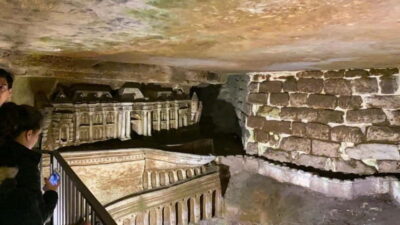
- The cellar experience: seeing the former King of France cellars
- Designing your label and making the bottle feel like yours
- Duration and pacing: a tight 2 hours that still teaches a lot
- Who should book this wine making workshop in Paris
- Price and value: why $111 makes sense here
- Quick practical tips before you go
- Should you book this wine making class in Paris?
- FAQ
- What is the duration of the Paris wine making workshop?
- Where does the workshop meet in Paris?
- How big is the group?
- What language is the guide?
- What do I get at the end?
- Is tasting included?
- What are the cancellation and booking rules?
Key highlights to look for
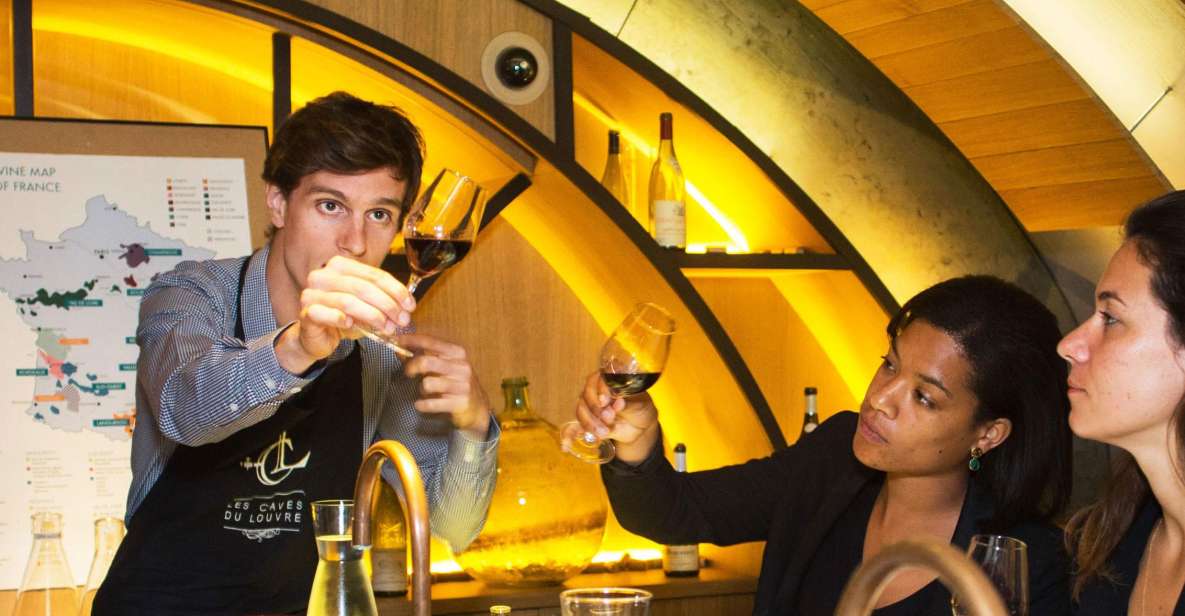
- 18th-century cellar setting: A workshop in former royal cellars tied to the King of France vibe.
- Guided grape tasting: Taste and select grape varieties before you blend.
- Your custom wine blend: Compose a blend with step-by-step help from an English-speaking professional.
- Label design included: Create your own label and finish a take-home bottle.
- Small group, private cellar use: The cellars are for your workshop’s exclusive use during the lesson.
Royal-Cellar Wine Making in Central Paris (and why it feels different)
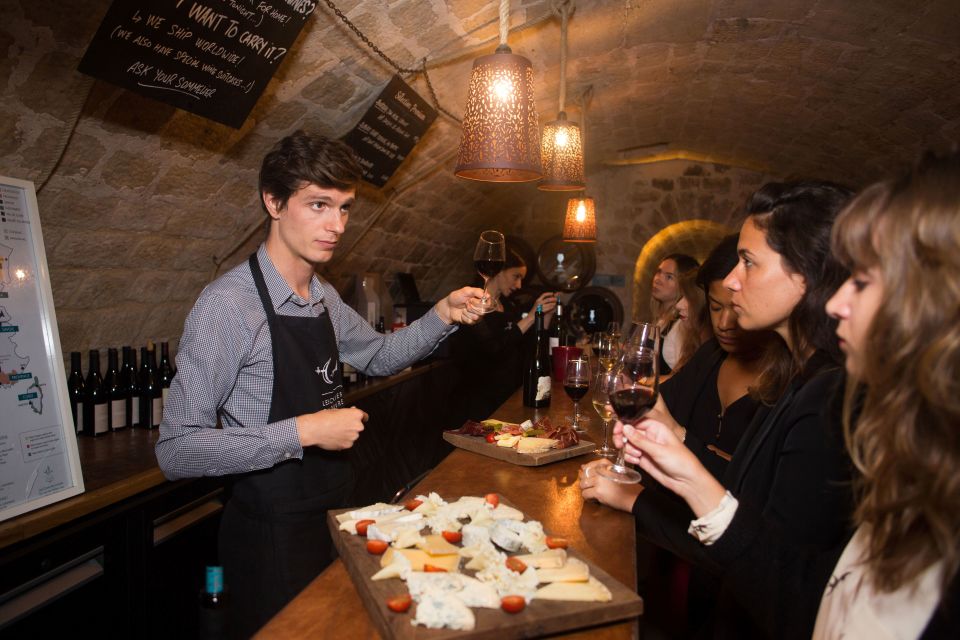
Paris does wine lessons all day long, but this one has a real advantage: the setting is part of the lesson. Instead of standing in a shop while someone talks at you, you’re working inside an 18th-century wine cellar tied to the world of French royals, including former cellars of the King of France. That changes how the whole thing feels. You’re not only learning how wine is made—you’re learning in a place built for aging, storing, and serving.
You get a hands-on workflow that moves quickly and logically. First you taste different grape varieties. Then you choose the components for your blend. After that you compose the blend with guidance. Finally, you design a label and your wine comes together in a bottle you can keep. For me, that sequence is the sweet spot for beginners because you don’t need prior wine knowledge to participate.
There’s also a “crafted by you” payoff. The bottle isn’t just produced for you; it’s made from your choices, then finished with your label. If you’ve ever left a wine tasting thinking I paid for a history lecture and a few sips, this format is the opposite. You leave with a product and a story about how you built it.
You can also read our reviews of more wine tours in Paris

Where the workshop happens: 52 Rue de l’Arbre Sec and Les Caves du Louvre
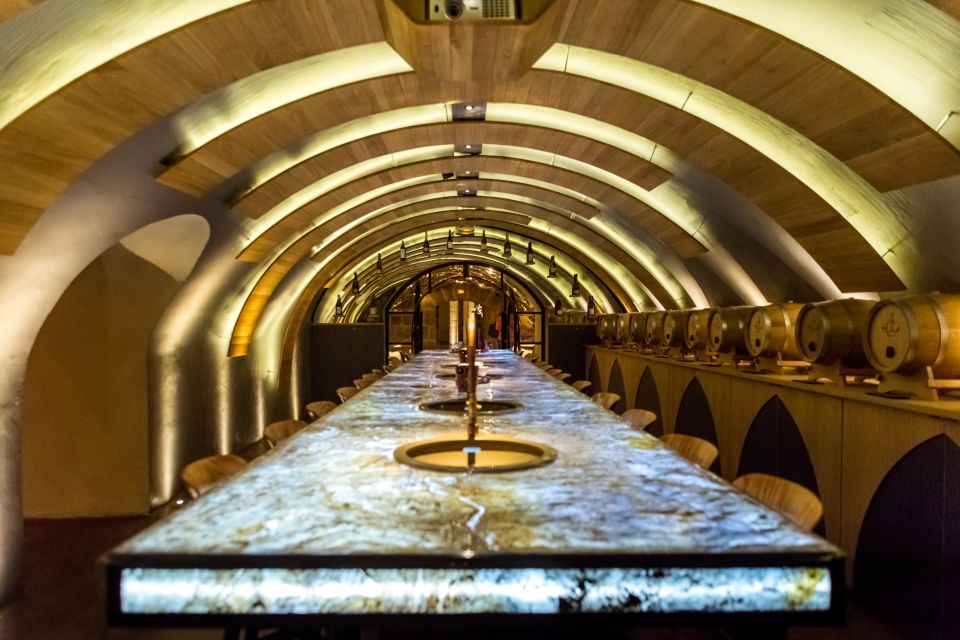
The meeting point is 52, Rue de l’Arbre Sec, 75001 Paris. It’s in a part of the city where you can usually combine this workshop with other central stops, because you’re not crossing the whole city to get to some out-of-the-way suburb.
The experience is run by Les Caves du Louvre. You’re not just visiting a cellar; you’re using the wine cellars exclusively for the class while it’s happening. That matters more than it sounds. Private use means you’re not competing with a constant flow of other groups walking through, and you’re more likely to get focused instruction.
A few practical notes based on the rules of the session:
- Pets aren’t allowed.
- Oversize luggage isn’t allowed.
- Smoking isn’t allowed.
So plan to travel light. If you’re carrying a big bag from another museum day, you’ll want to think ahead before you show up.
The workshop language is English, and the guidance is bilingual as well. That tends to help with the tricky parts, because wine discussions can get technical fast, and you should be able to ask questions without guessing what the key terms mean.
Your first step: tasting grape varieties and making choices
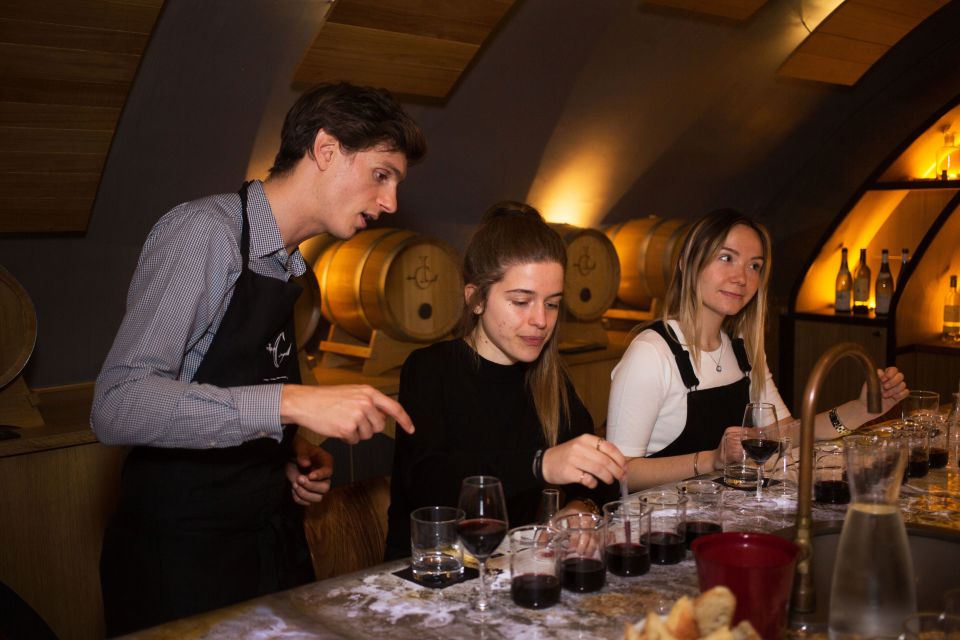
This workshop starts with the tasting portion, and it’s one of the most important parts for your final result. You’ll taste and select different grape varieties before you blend. In plain terms, that’s where the class becomes yours. You’re not blindly following a recipe. You’re training your palate to notice what you like and what you want in your own bottle.
What I like about this approach is that it respects how people actually experience wine. You might not know the difference between grape notes yet, but you can usually tell if a style feels too light, too bold, too sweet, or too dry. The professional guides the process so you’re making choices with reasons, not just vibes.
Another key detail: you’re doing the tasting in a cellar environment. That’s not just atmosphere. The cellar setting reinforces the idea that wine is meant to age and develop. When you taste right there, you’re more likely to notice the character of each variety in context, which helps later when you’re blending.
If you’re a white wine drinker, you’ll still have a good time here. One review highlighted that even someone who mainly drinks white found their perfect blend through this process. Translation: you don’t have to be a red-only wine person to enjoy the class.
Blending like a pro (without pretending you’re one)
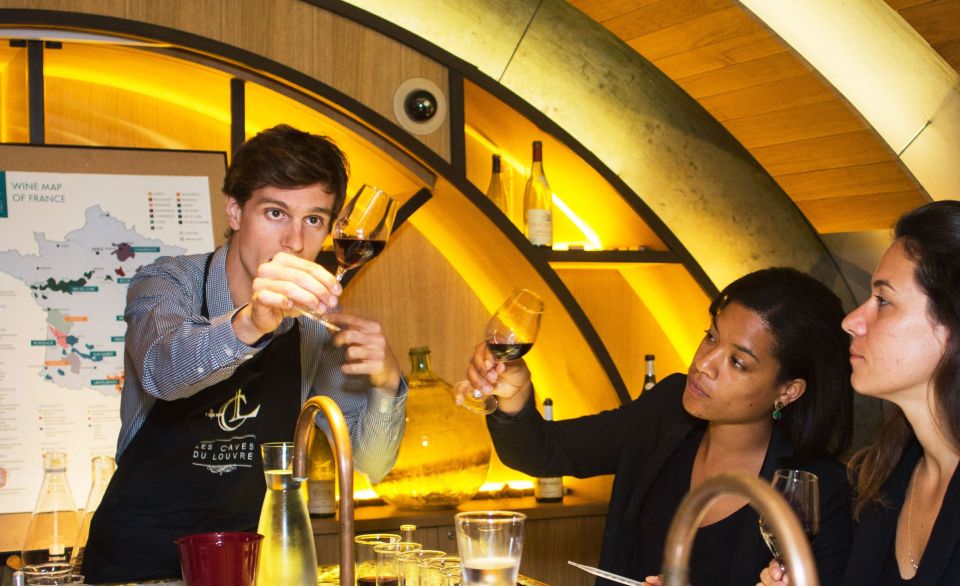
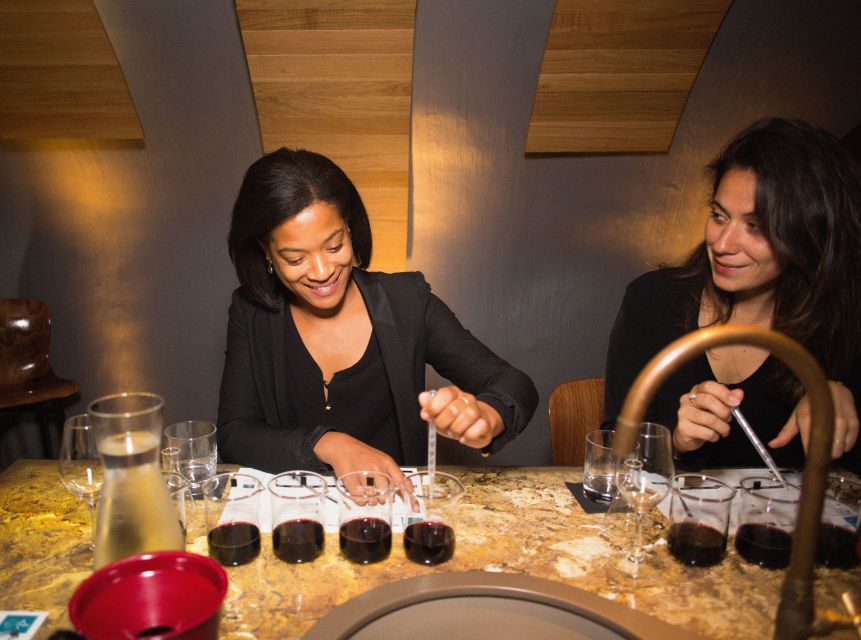
Once you’ve tasted, the workshop shifts into blending. This is where the pacing matters, because the whole experience is designed to fit into a 2-hour window. You compose your own blend with step-by-step help from your teacher, who guides you through the process.
If you’re worried about not knowing how blending works, don’t. The point of a guided workshop is that you learn as you go. You’ll have a structure: taste → choose → mix/compose → refine. The professional’s job is to keep it understandable, so you can focus on your preferences instead of getting stuck on vocabulary.
This is also where you should think about your goal. Are you trying to make something that feels fruit-forward? Something with more depth? Something that you’d actually want to drink on a weeknight? When you blend, you’re basically turning preferences into proportions. Even if you’re a beginner, you’ll feel the difference between a light touch and a heavier hand.
The value here is not just the end product. It’s the decision-making skill. After the workshop, you’ll have a clearer sense of how different grapes contribute to a final wine, and that makes future tastings easier. You’ll be able to follow along with what you taste at a bar or shop, because you’ll have an internal checklist from class.
The workshop group is limited to 10 participants. That keeps the teaching intimate enough that you’re not lost in a crowd, and it usually helps the guide manage questions while you work.
The cellar experience: seeing the former King of France cellars
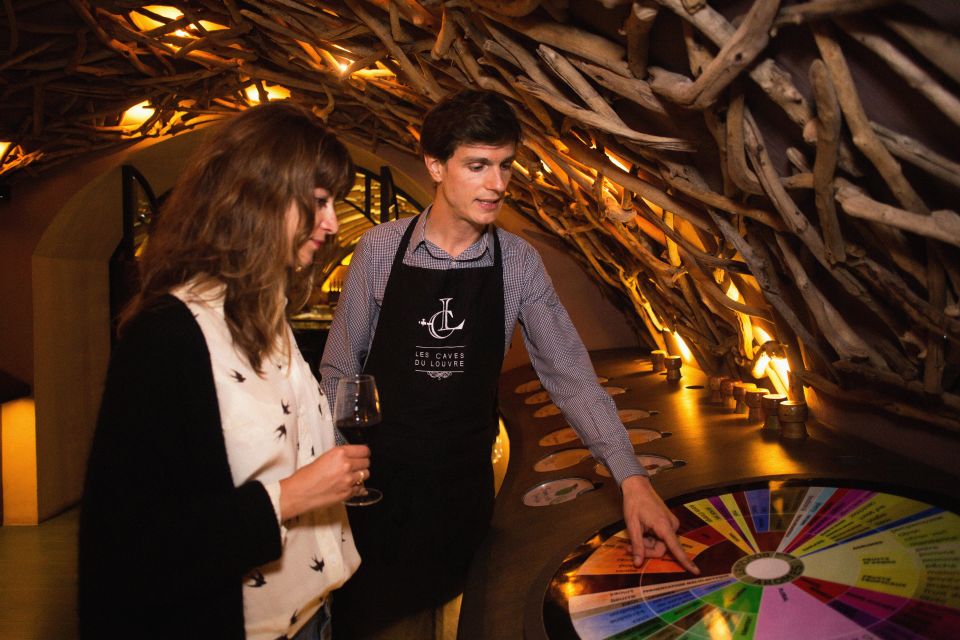
One of the most memorable parts is the location itself. You’ll see the former cellars of the King of France as part of the experience. Even if you’re not a hardcore history buff, that kind of setting lands emotionally. Wine is tied to power, ceremony, and tradition in France, and standing where royal storage once happened gives you a sense of why cellars matter.
It also works as a natural break in the session rhythm. After tasting and blending, the chance to look around helps reset your attention. Instead of feeling like a lab, it feels like a workshop inside a working-style space—historic, but not theatrical.
Because the cellars are for your workshop’s exclusive use, your viewing time feels like you have the space. You’re not constantly moving aside for other groups. That’s a small thing that can make a class feel calmer and more personal.
You can also read our reviews of more tours and experiences in Paris
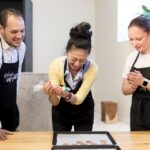
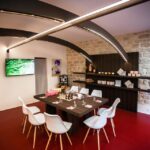

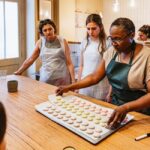
Designing your label and making the bottle feel like yours
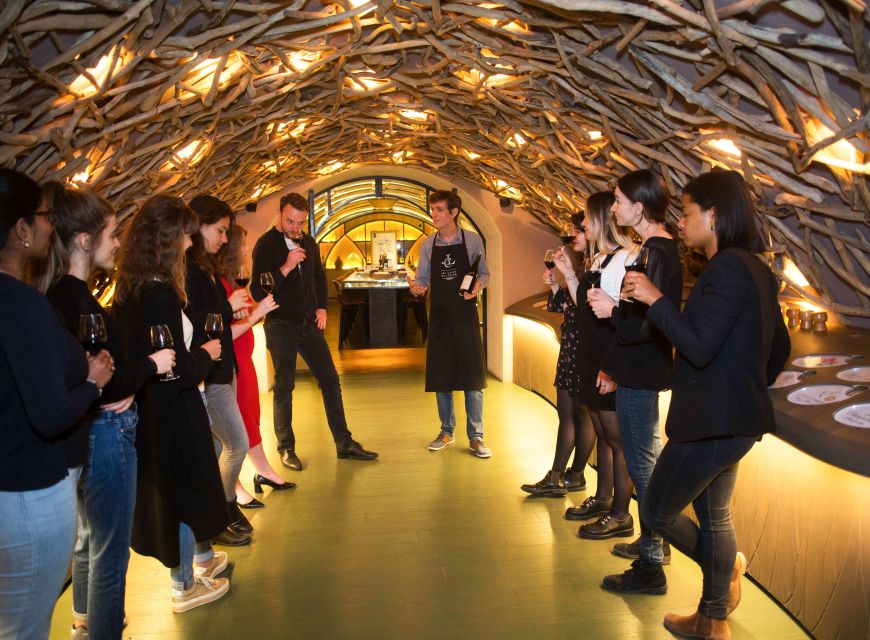
Here’s the part many people remember: designing your own label. You’ll create a unique bottle complete with a label you design yourself. That means you’re not just selecting grapes and blending—they give you the creative finishing step too.
This matters for two reasons. First, it turns the workshop into a keepsake. Second, it forces you to commit to a concept. Even if your label is simple, you’re associating your wine with an identity, and that makes it more fun later when you open it.
If you’re buying wine as a gift, the label step is a big advantage. You can make it feel thoughtful and specific to the person or the occasion. Even for yourself, it turns a generic bottle into a personal milestone.
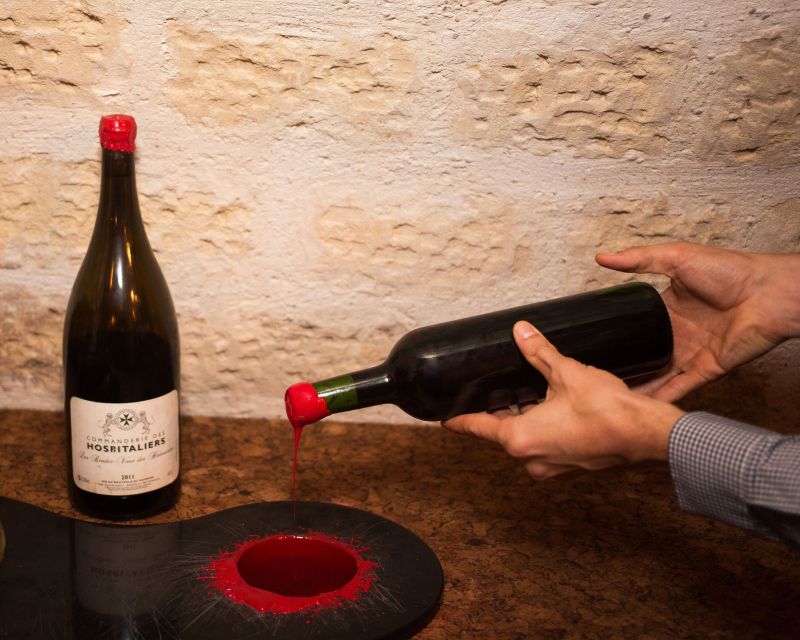
And yes, the bottle is yours to take home. The workshop includes a bottle of wine that you created, plus all wine making materials. That’s the practical payoff after two hours of tasting, blending, and labeling.
Duration and pacing: a tight 2 hours that still teaches a lot
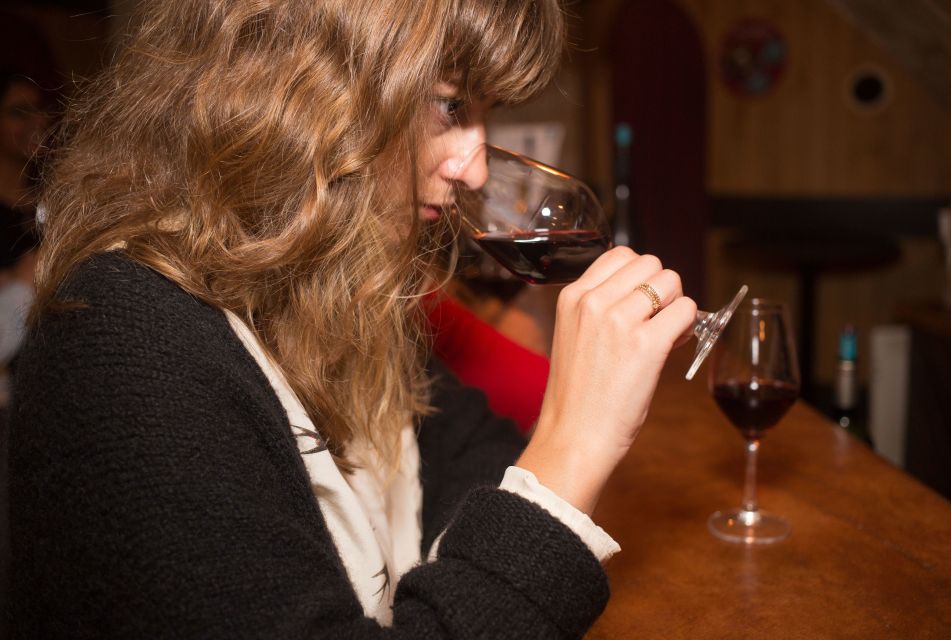
The duration is 2 hours. That’s not long, so you have to treat it like a focused class, not a relaxed stroll. The upside of a shorter workshop is you avoid the long commitment. You also get a complete experience: taste varieties, build your blend, create the label, and leave with the bottle.
The downside is you won’t get hours of free-form practice. If you want to become a serious home winemaker over multiple sessions, this is more of a guided introduction than a full craft apprenticeship. But as a first taste of how blending feels, it’s strong.
For your planning, think of it as a block you schedule around, then enjoy the rest of your day nearby. Central Paris is good for this kind of short activity.
Who should book this wine making workshop in Paris
This is a great fit if you want an active experience in Paris. I’d suggest it especially for:
- Couples or small groups who want something hands-on that’s still guided
- People who like tasting, but want to understand the process behind what they enjoy
- Beginners who want structure, not a quiz of wine terms
- Anyone who likes the idea of a take-home bottle with a personal label
It’s also a solid option if you don’t drink wine all the time. One review specifically mentioned enjoying the workshop even as a white wine drinker, which points to the fact that the tasting and blending process can still land for different preferences.
Where it might not be ideal: if you’re only looking for a quick sip experience, you may find the blending and label steps feel like work. And if you hate being in a small-group format, you might prefer a private tasting instead.
Price and value: why $111 makes sense here
At $111 per person for a 2-hour workshop, you might wonder if it’s just an expensive tasting. Here’s what supports the value:
- A personal bottle included: You create the bottle and take it home.
- All materials included: They provide the wine making materials, so you’re not paying for extras.
- Private cellar use during the lesson: The cellars are exclusive to your workshop, which reduces crowding and boosts focus.
- Small group size (up to 10): This keeps instruction more personal.
If you compare that to buying a tasting-only experience that includes no take-home product, the math shifts. You’re paying for active instruction plus the finished wine bottle and the label experience. You’re also paying for time in a historic cellar setting that many wine activities can’t match.
Could it feel pricey if you’re just looking for entertainment? Yes. But if you want to actually make something and learn how your tastes translate into a blend, the cost is easier to justify.
Quick practical tips before you go
A few things will help you enjoy it from the start:
- Wear comfortable clothes. You’ll be working at the station and moving inside a cellar space.
- Keep luggage minimal so you’re not dealing with restrictions on oversize bags.
- Come with curiosity, not pressure. You don’t need to know wine rules to participate.
- If you’re a white wine drinker, remember you still have a say in your blend. Your preferences matter in the tasting and selection steps.
Also, plan to arrive on time at the meeting point on Rue de l’Arbre Sec. With a small group, the start time matters.
Should you book this wine making class in Paris?
I think you should book this workshop if you want something active, memorable, and genuinely hands-on. The pairing of tastings, guided blending, and the self-designed label makes it more than a standard wine tour. Plus, the setting in an 18th-century cellar tied to royal history adds atmosphere without turning the experience into a museum lecture.
Skip it if you mainly want a laid-back wine tasting with no obligation to choose, blend, and label. Also skip it if you’re very schedule-sensitive, since it’s a fixed 2-hour block and requires booking at least 24 hours in advance.
If you’re in the sweet spot—curious, social, and ready to make a bottle—this one is a strong use of time in Paris.
FAQ
What is the duration of the Paris wine making workshop?
The workshop lasts 2 hours.
Where does the workshop meet in Paris?
The meeting point is 52, Rue de l’Arbre Sec, 75001 Paris.
How big is the group?
The group is limited to 10 participants.
What language is the guide?
The workshop offers an English-speaking wine expert, and the guidance is described as bilingual.
What do I get at the end?
You create a bottle of wine (included) and you design a label for it to take home.
Is tasting included?
Yes. The workshop includes wine tasting of several grape varieties.
What are the cancellation and booking rules?
You can cancel up to 24 hours in advance for a full refund. The workshop must be booked at least 24 hours in advance. You can also reserve now and pay later.
If you want, tell me your travel dates and whether you prefer white, red, or sparkling-style flavors—I can suggest how to approach the tasting choices so your blend fits what you actually like.