REVIEW · PARIS
Paris : Pastries and Tragedies, The sweet tour of Montmartre
Book on GetYourGuide →Operated by Bon Appétit Walks · Bookable on GetYourGuide
A dark story and a flaky treat, side by side. That’s the hook of this 2-hour Montmartre walking tour: you’ll hear love-and-loss tales as you climb through iconic sights like the Moulin Rouge and Sacré-Cœur, then you’ll keep stopping for 6+ pastry tastings from top local bakeries. I also like that the group stays small (up to 10), so the guide can actually keep the pace while you snack.
The main thing to consider is the hill and stairs. Montmartre is no flat stroll, and the route takes you to the top—so if your legs tire easily, plan to go slow and take the stops seriously.
In This Review
- Key Points You’ll Care About
- Montmartre’s Sweet Side Meets Its Darker Past
- Price and Value: Why $79 Feels Fair Here
- Meeting at 5 Pl. Blanche and Handling the Uphill Reality
- Walking Route Breakdown: From Moulin Rouge to Sacré-Cœur
- The Pastry Stops: How the Tastings Improve the Tour
- Guides Like Loïk, Lancelot, and Laurent Make the Difference
- Safety, Pickpockets, and Smart Packing
- Who Should Book This Tour—and Who Might Skip It
- Should You Book Paris: Pastries and Tragedies, The Sweet Tour of Montmartre?
- FAQ
- Where does the tour start?
- What is the tour duration?
- How much does it cost?
- Is food included?
- How many people are in the group?
- What language is the tour guide?
- Is the walk mostly uphill?
- Where does the tour end?
Key Points You’ll Care About
- 6+ sweet stops included: food is part of the price, so you’re not doing mental math mid-walk.
- Small group (max 10): easier questions, less crowding around bakeries.
- Iconic Montmartre sights: you’ll pass Moulin Rouge, Le Bateau-Lavoir, the windmills area, and finish near Sacré-Cœur.
- History told through people: the guide connects stories of love and loss with what you see on the street.
- Real bakery variety: you’ll sample multiple treats, not just one repeating pastry.
- You’ll walk uphill: wear decent shoes and expect stairs, especially near viewpoints.
Montmartre’s Sweet Side Meets Its Darker Past
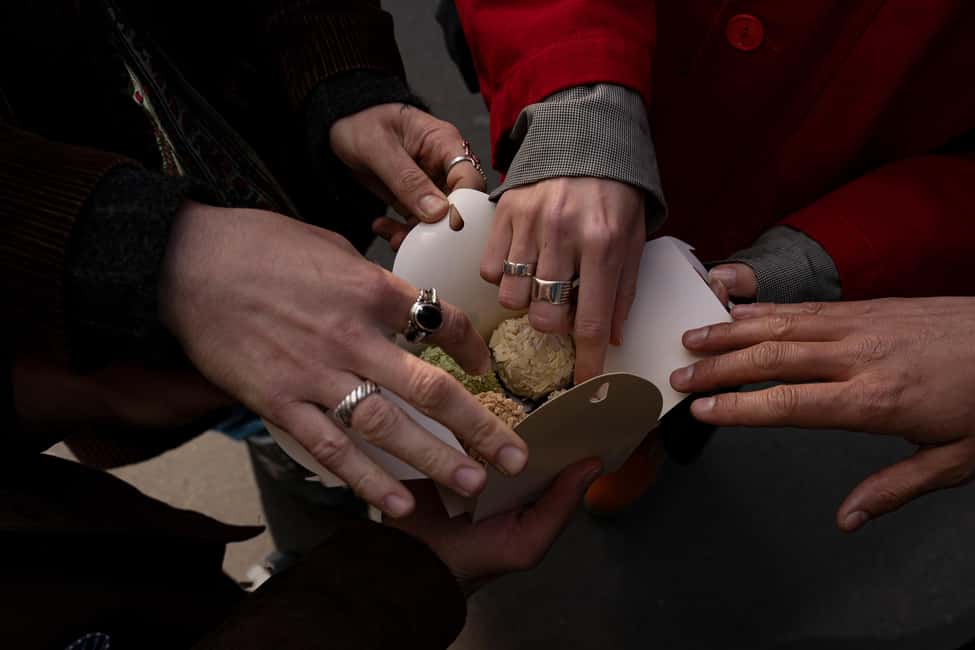
Montmartre has always been two things at once: romantic and a little tragic. This tour leans into that contrast. You walk the cobbled streets while the guide shares stories tied to love, loss, and resilience—then you reset your mood with pastry after pastry.
What works best is that the food stops aren’t random. They’re timed to keep you moving through the neighborhood while you learn what made Montmartre famous in the first place (and why it attracts art and performers even today). The result feels like a guided walk through a local playlist: sad song, sweet chorus, repeat.
You can also read our reviews of more tours and experiences in Paris



Price and Value: Why $79 Feels Fair Here
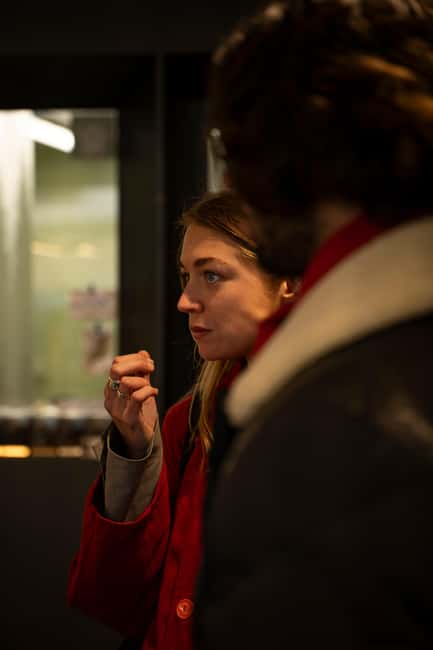
At $79 per person for a 2-hour guided walk, the price starts to make sense because food is included. You get a minimum of 6 food stops, which is rare for a short Montmartre tour where most food experiences end up feeling like one small bite and done.
Also, drinks aren’t included. That’s actually helpful: it keeps the focus on the tastings and keeps the tour predictable in cost. You’ll likely leave fairly full (and slightly under-productive for dinner plans), which is part of the appeal for a lot of people.
If you love food but hate guesswork, this is one of the better formats in Paris. You’re not hunting for where to go. You’re not deciding what to order. You just follow the guide, taste what you might not pick on your own, and learn how the stories connect to the streets.
Meeting at 5 Pl. Blanche and Handling the Uphill Reality
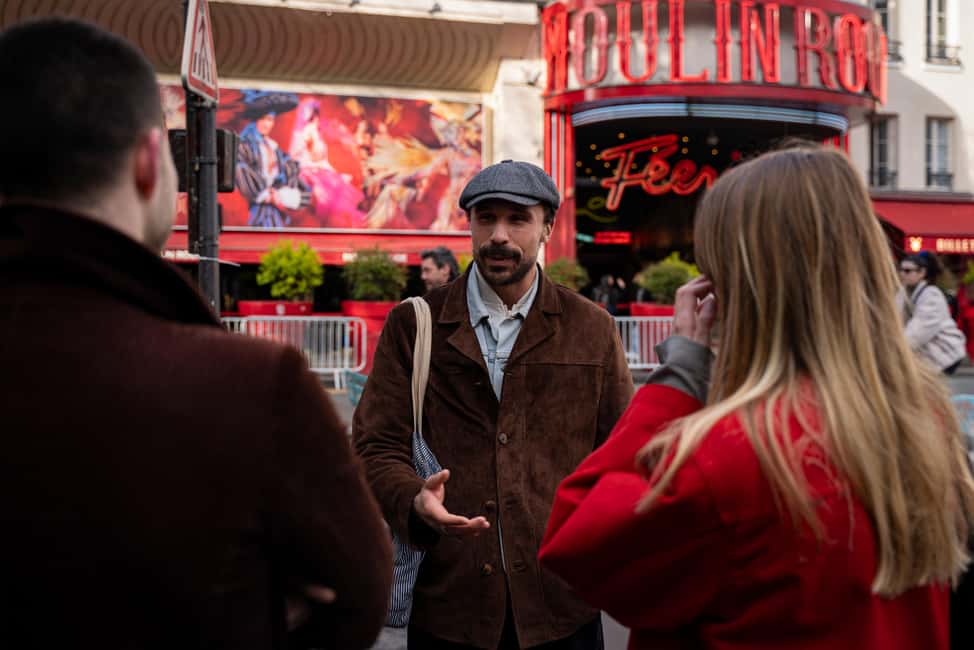
You start at 5 Pl. Blanche. The instructions are very specific: look for a badge and a moustache in front of the pharmacy. That little detail matters in Montmartre, where streets can look similar and time is limited.
Then comes the uphill part. The tour takes you to the top of the hill. You’ll want decent walking shoes, and you’ll benefit from basic stamina. One reason this matters: pastries are heavy in the best way, but your legs still have to do their job. If you’re visiting with kids, grandparents, or anyone who gets winded, go in with a slower pace mindset.
One more practical note: Montmartre is a tourist-heavy area. I’d treat it like any busy zone—keep an eye on your phone, zip pockets when you can, and don’t leave bags unattended.
Walking Route Breakdown: From Moulin Rouge to Sacré-Cœur
Here’s how the walk unfolds, in the same order you’ll experience it.
Stop 1: Starting point — 5 Pl. Blanche
This is your launchpad. You’ll meet your English-speaking guide and get set for the combination of walking + stories + tasting stops. I like that the start point is clear, so you don’t waste the first 15 minutes comparing maps.
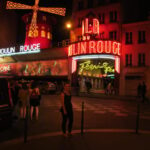
Stop 2: Moulin Rouge (sightseeing)
You pass one of Montmartre’s best-known landmarks early. It gives you instant context and gets the “iconic Montmartre” part of the day underway, before the food schedule stacks up.
Stop 3: Local bakery (food tasting)
This is where the tour’s rhythm clicks in. The guide brings you into a local bakery for a tasting, so you’re not just sightseeing—you’re sampling while you learn. Expect a sweet bite that helps reset your focus as you transition to the quieter lanes.
Stop 4: Local bakery (food tasting)
A second bakery stop keeps variety high. One bite is fun; multiple bakeries give you a sense of style differences—creaminess versus crunch, chocolate versus fruit notes—without needing to order a full dessert.
Stop 5: Hidden corner walk (walk)
Instead of staying locked on the most famous streets the whole time, you get a walk through a less obvious stretch. This is often where the guide’s storytelling feels most effective, because the street level looks more like what Montmartre is like day to day.
Stop 6: Local bakery (food tasting)
By now you’re probably learning the tour’s pattern: history beat, snack beat, street beat. This stop is one of the reasons the tour feels worth the money—most guided walks don’t include enough food to justify a full tasting plan.
Stop 7: Le Bateau-Lavoir (sightseeing)
You’ll stop at Le Bateau-Lavoir as part of the sights. The point of this stop isn’t just photos; it’s a story anchor—another moment where the guide connects the neighborhood to artists and the people who shaped its reputation.
Stop 8: Local bakery (food tasting)
Another tasting stop keeps the day from turning into one long climb plus a few token bites. If you’re a sweets person, this is where you start thinking: okay, this is actually a dessert route.
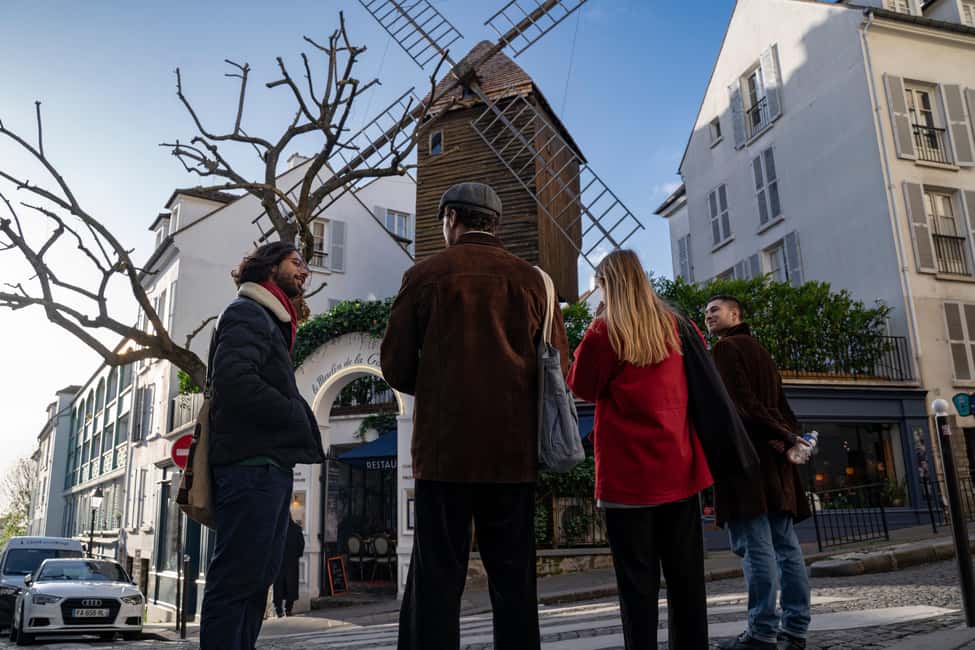
Stop 9: Windmills (sightseeing)
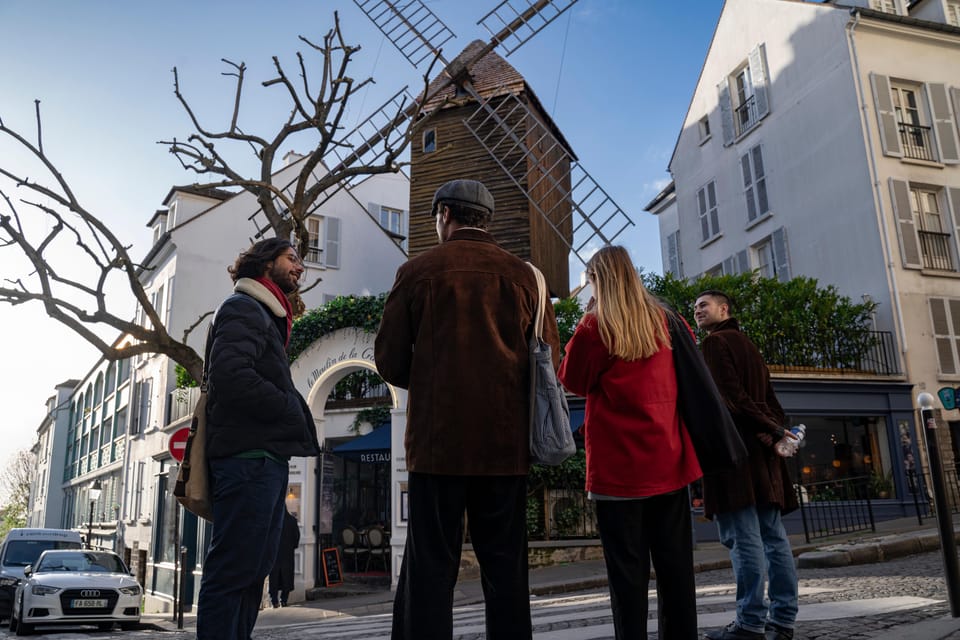
You’ll see the windmills area while you continue uphill. In a tour like this, the viewpoints and landmarks aren’t only for the skyline—they’re also cues for the guide to shift from one era of storytelling to another.
Stop 10: Local bakery (food tasting)
More variety, more chances to try something you wouldn’t usually pick. Reviews highlight that the selection stays strong, not repetitive, which you can feel on the tongue.
Stop 11: Local bakery (food tasting)
At this point, the tour starts to feel like a best-of pastry sampler. You’ll likely slow down a bit—not because the guide forces it, but because you’re savoring and thinking about what you just tried.
Stop 12: View point (sightseeing)
You reach a viewpoint. This is a good moment to catch your breath, enjoy the view, and let the walking climb land. It’s also a nice reset before the finale.
Stop 13: Finish near Sacré-Cœur de Montmartre
You end at the Basilica area. Some tours finish in a way that leaves you still far away from the sights; here, you’re brought to Sacré-Cœur at the end. After the walk, you can also go inside on your own if you want—many people like having that option right after the tour.
Then, per the activity details, the tour ends back at the meeting point. So plan your time so you don’t feel rushed afterward.
The Pastry Stops: How the Tastings Improve the Tour
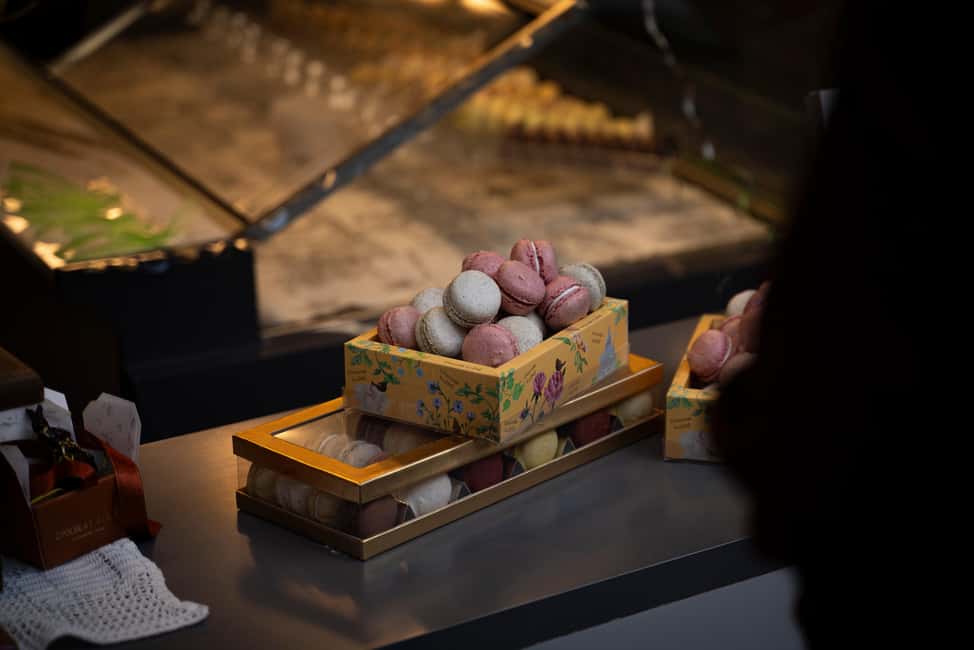
You’re not just eating. The tastings act like checkpoints. Every bakery stop breaks up the climb, changes your pace, and gives you a sensory memory for what the guide is saying.
Here are the practical perks you’ll feel:
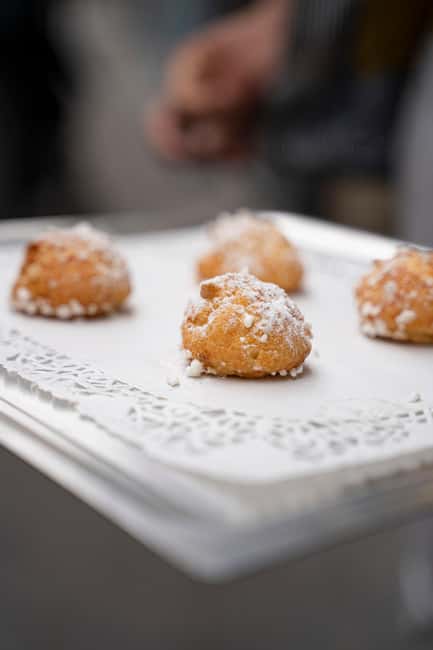
- You try more than you’d order yourself. Multiple bakeries mean you sample different styles and flavors rather than repeating one safe choice.
- You get quality bites. The guide brings you to well-regarded local places, and the tastings are treated as part of the experience—not a filler.
- It supports every type of traveler. Food lovers stay happy. History lovers stay engaged because the sweets don’t take over the whole narrative.
- It keeps the 2 hours from dragging. A walking tour with no stops can feel long. This one has steady breaks built in.
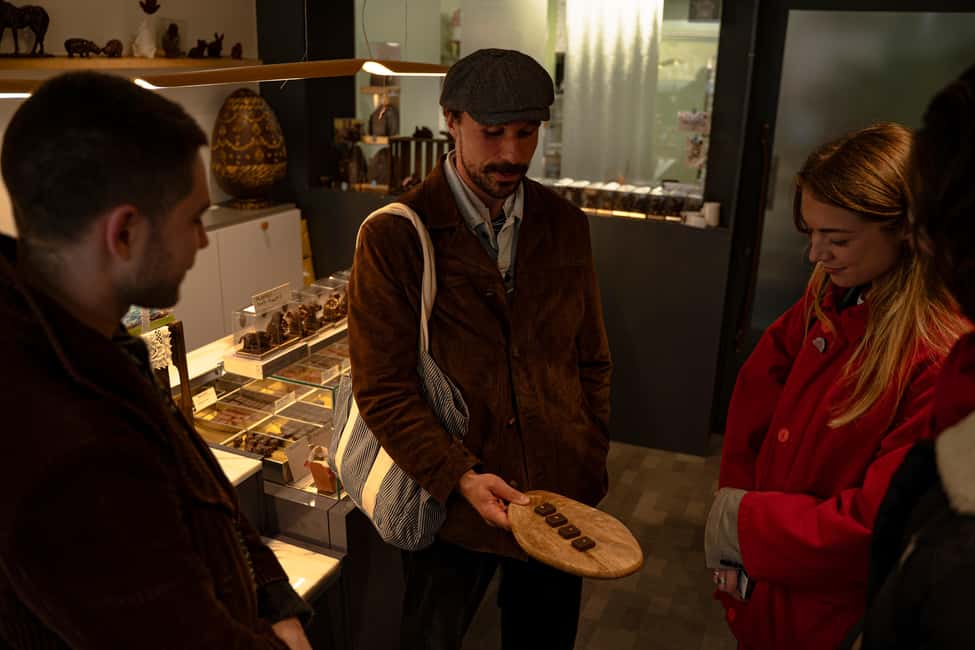
One nice detail: some guides also include chocolate among the sweets, so if you’re hoping for more than just pastry shapes, you’ll have chances to taste richer options.






Guides Like Loïk, Lancelot, and Laurent Make the Difference
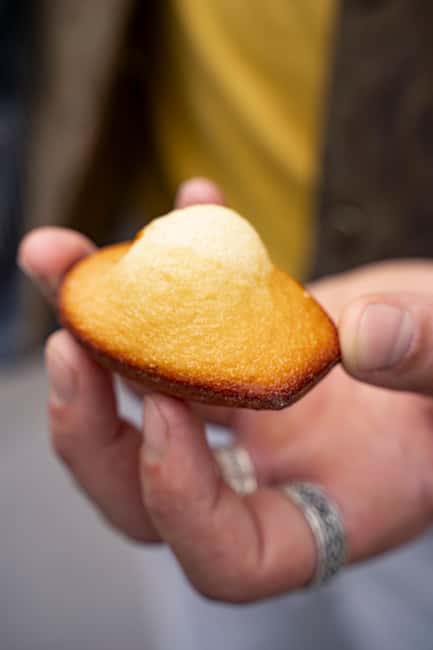
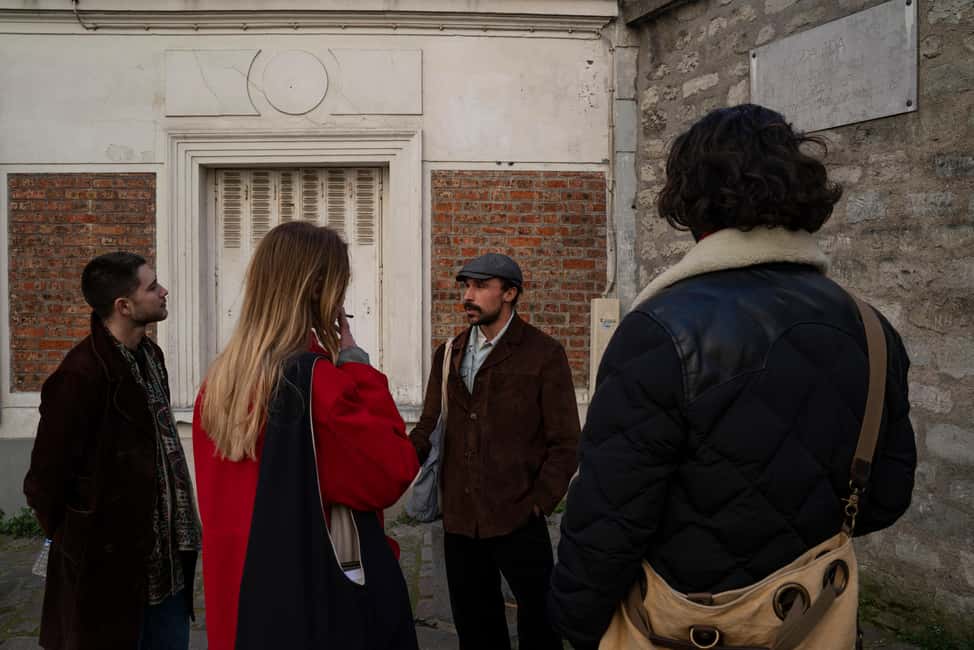
This tour lives or dies by the guide’s story-telling. And the consistent theme is balance: history is there, but it isn’t a lecture. The best guides (like Loïk, Lancelot, and Laurent, among others) keep the mood lively and the pacing friendly.
You’ll notice three things:
- Stories match the streets you’re standing on. The guide points out what you’re seeing and ties it to love-and-loss themes.
- The vibe stays light even when the topics get heavy. That contrast is the whole point of the tour.
- Group needs get handled. Some guides adjust for different walking speeds, which matters on an uphill route.
If you’ve ever done a tour where you had to strain to hear every fact, this is the type where the guide’s energy helps you stay with it—without you feeling like you’re being rushed through a checklist.
Safety, Pickpockets, and Smart Packing
The route is on foot and in a busy tourist zone. That means common-sense safety is part of the deal.
My practical advice:
- Keep your phone secure when you stop near viewpoints and bakeries.
- Put your wallet/bag in a place that’s not easy to reach from behind.
- Don’t set bags down on ledges during tastings—bakery space can get tight.
And because Montmartre is steep: bring water if you can (even though drinks aren’t included), and dress for comfort. The tour is short, but the climb is real.
Who Should Book This Tour—and Who Might Skip It
This is a great choice if:
- You want Montmartre + a real food component in just 2 hours.
- You like walking tours where you learn while doing something enjoyable, like tasting pastries.
- You’re visiting during a busy week and want a small-group plan that feels personal.
It may be less ideal if:
- You struggle with uphill walking or stairs and don’t want to push yourself.
- You prefer long, slow museum-style pacing instead of guided walking plus tastings.
The upside for families is that the tour is geared for a wide range of ages (people have done it with kids, teens, parents, and grandparents). Just be honest about fitness level, because the hill still wins.
Should You Book Paris: Pastries and Tragedies, The Sweet Tour of Montmartre?
Yes—if you’re excited by the idea of mixing haunting Montmartre stories with multiple pastry stops. For the money, the biggest selling point is that you’re not paying for a tour plus a vague snack. You’re paying for a guided route with 6+ food tastings included and a finish at Sacré-Cœur.
Book it especially if you want to cover major landmarks like Moulin Rouge and Sacré-Cœur while also getting fewer-street moments on the way. Skip it only if stairs and uphill walking are a dealbreaker for your day. If not, this is one of those tours that makes Montmartre feel like a place you actually tasted, not just photographed.
FAQ
Where does the tour start?
It starts at 5 Pl. Blanche. You should look for a badge and a moustache in front of the pharmacy.
What is the tour duration?
The tour lasts 2 hours.
How much does it cost?
The price is $79 per person.
Is food included?
Yes. You’ll have a minimum of 6 food stops, and all food is included. Drinks are not included.
How many people are in the group?
It’s a small group, limited to 10 participants.
What language is the tour guide?
The tour is in English.
Is the walk mostly uphill?
Yes. Montmartre is a hill and the tour takes you to the top, so you should plan for stairs and an uphill route.
Where does the tour end?
You finish at The Basilica of Sacré-Cœur de Montmartre, and the activity ends back at the meeting point.