REVIEW · PARIS
Versailles: Local & small-group Farmers’ Market Food Tour
Book on GetYourGuide →Operated by FEED THE MOOD · Bookable on GetYourGuide
This is a Versailles tour built around real food stops and local stories, not just photo ops. I like how it starts with a specific Versailles-style snack (the Cramique brioche), then keeps feeding you through the market with seasonal fruit, charcuterie, cheese, pastry, and wine. The biggest downside to know up front: it is a tasting-focused route, so if you prefer light bites or you are very selective with what you eat, you may want to pace yourself.
What I really enjoyed is the way the guide team (including Clément and Sergio) connects bites to the city. You end up with a sense of how Versailles thinks about food: producers you can name, makers you can meet, and pairings that make sense. And yes, you still get walking time through historic areas, including the Saint-Louis neighborhood and the Cathedral area, but the center of gravity stays on what you’re tasting.
In This Review
- Key points you will care about
- Versailles on the Menu: what makes this tour different
- Meeting at 16 Rue Royale and starting with Cramique
- The 300-year-old farmers market: fruit, charcuterie, and cheese you can see made
- Seasonal fruit tasting
- Charcuterie from a local charcutier
- Cheese platter, made before you
- Wine pairing that actually follows the tastings
- Pastry and macarons: stop for the sweet stuff with a Le Ritz link
- Royal Stables, Saint-Louis cobbles, and the Cathedral area walk
- The Royal Vegetable Gardens finish: your final garden-table tasting
- Price and portions: is $97 good value for Versailles food?
- Who should book this Versailles food tour
- Should you book? My straight recommendation
- FAQ
- FAQ
- What is the duration of the Versailles farmers market and garden food tour?
- How big is the group?
- Where does the tour start?
- What kinds of food and tastings are included?
- Is wine included?
- Are vegetarians able to join?
- Is the tour offered in English and French?
- Is the tour wheelchair accessible?
- What is the cancellation policy?
- Can I reserve without paying right away?
Key points you will care about
- Small group (max 8) so the guide can slow down when you want details.
- Cramique brioche kicks things off with a cream-based viennoiserie twist.
- Fresh cheese preparation by a cheesemonger, so you see the platter come together.
- Wine pairing built around what you taste, not random bottles from a shelf.
- Royal Vegetable Gardens finish with a garden-table tasting that ties the whole tour together.
- Le Ritz pastry experience is part of the dessert stop, which helps explain the high bar here.
Versailles on the Menu: what makes this tour different
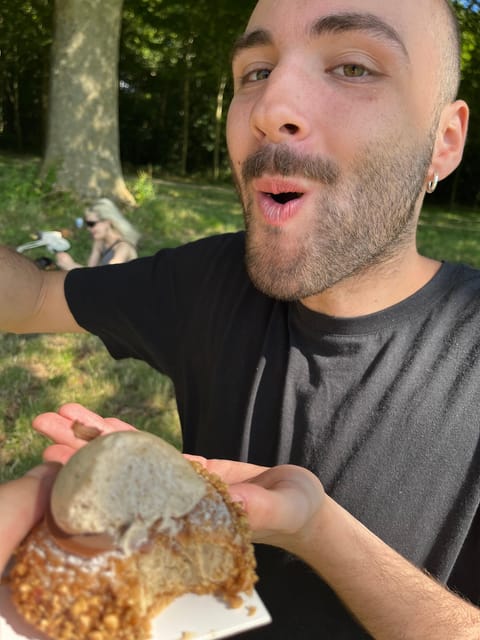
Most Versailles food ideas center on quick samples and gift-shop vibes. This one feels more like a guided circuit with stop-by-stop purpose: market ingredients in the morning, then tastings that keep escalating in quality and variety, and finally the garden setting where everything pays off.
The format also matters for your enjoyment. With a group capped at eight, you get more conversation time and fewer awkward waits while people catch up. You will also cover real ground between the market area and the Royal Vegetable Gardens, so you get movement plus food, not one long sit-down.
And because the tour is designed around known local producers, you’re tasting items made by independent artisan makers rather than generic supermarket stand-ins. That gives you a clearer idea of what makes Versailles more than the château.
You can also read our reviews of more food & drink experiences in Paris



Meeting at 16 Rue Royale and starting with Cramique
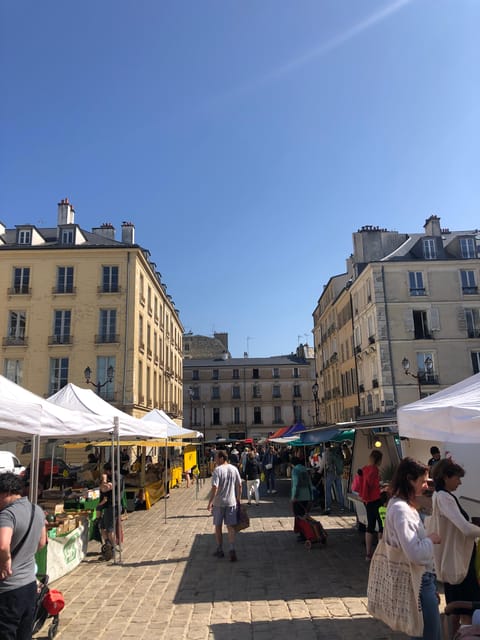
Your tour begins at 16 Rue Royale, a straightforward start point that helps you orient fast. Once everyone is ready, the first moment is the most important one: you get a freshly baked Cramique, a special type of viennoiserie made with cream instead of butter.
This matters because it sets the tone. In a city known for grand architecture, it is easy to forget that everyday food culture is just as central. That first bite is a quick lesson in how French baking can vary by style and ingredient, even when the end result is something that looks like it belongs on the breakfast table.
Expect a guided rhythm right after that. You do not just eat and wander—you get short, practical storytelling that helps you connect what’s in your hands to where it comes from. Then you transition into the market walk where the rest of the tastings start making sense.
The 300-year-old farmers market: fruit, charcuterie, and cheese you can see made
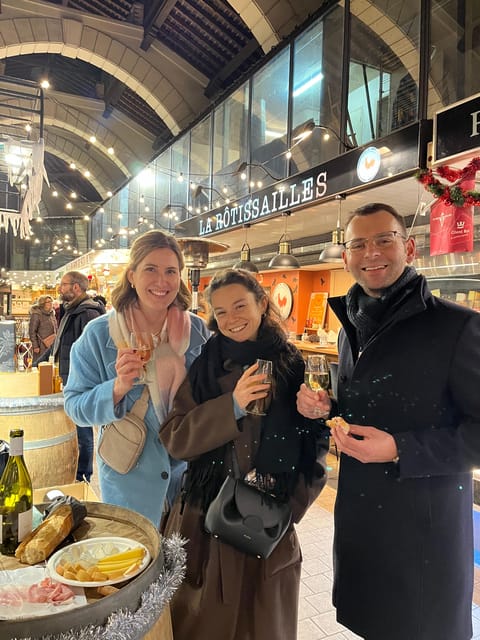
The heart of the experience is the 300-year-old farmers market, the kind of place where you can feel the long tradition in the stalls. The tour is timed so you’re not stuck at one stand too long, but you also get enough time to taste with context.
Seasonal fruit tasting
Early on, you stop for a seasonal fruit tasting that can include strawberries, cherries, grapes, or figs. The key here is not just the flavors—it’s the idea that the market is constantly changing. You’ll start to see why French terroir is talked about with such seriousness: the fruit is chosen because it’s at its best right now.
If you like sweet-tart fruit, this is often the stop where you get hooked. Even if you don’t usually buy fruit at markets, the tasting format makes it easy to try without committing to a big bag.
Charcuterie from a local charcutier
Next you gather cured meats from a local charcutier, with tastings built around what’s being prepared or selected. This is not a “try one slice and move on” moment. You should expect multiple cured meat tastings that help you compare texture and salt level across types.
The payoff is the contrast with what you might find elsewhere. Artisan charcuterie is usually more nuanced than packaged versions, and the guide helps you notice what you’re actually eating.
You can also read our reviews of more tours and experiences in Paris



Cheese platter, made before you
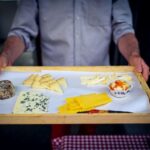
Then comes one of my favorite parts because it’s sensory and not just educational: a freshly prepared cheese platter made before your eyes by the cheesemonger. Watching the process changes how you taste. You’re not only thinking about flavor; you’re thinking about how the cheesemonger thinks—selection, cutting, and arrangement.
It also sets you up for the wine later, since the tour is structured around matching bottles to cheeses you’ve already sampled.
Wine pairing that actually follows the tastings
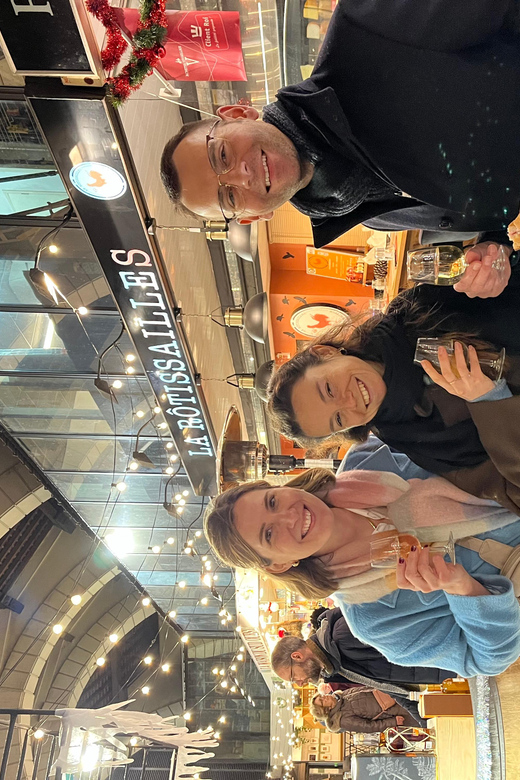
After the market picks, you select a bottle of wine designed to match the cheeses. The structure matters: by the time you’re offered the pairing idea, you’ve already tasted the lineup, so the pairing feels logical rather than random.
This is where Clément’s (and the team’s) storytelling style is useful. The guide connects food to people and places, but it stays practical—why this pairing works, and what you should notice as the flavors shift.
If you are wine-inclined, this stop will feel satisfying. If you’re not, you still get a guided tasting that doesn’t assume you’re a sommelier. Either way, you end up with a better sense of which combinations you personally enjoy.
Pastry and macarons: stop for the sweet stuff with a Le Ritz link
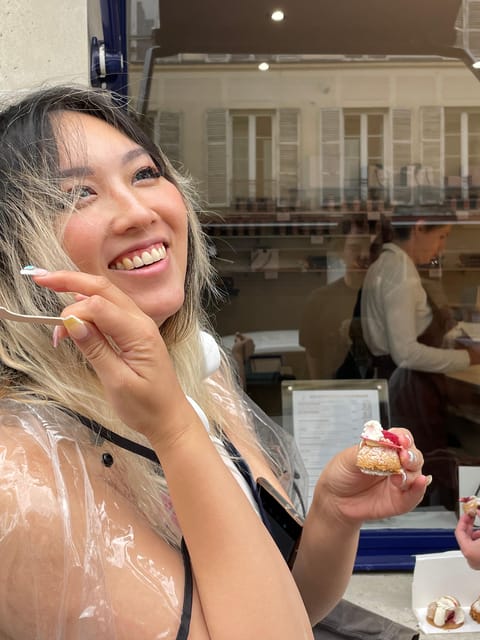
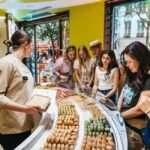
Before you reach the Royal Vegetable Gardens, the route includes a sweet break with a pastry and macaron tasting. The standout detail is that the dessert is crafted by a former pastry chef of Le Ritz, which explains the polished quality you’ll notice right away.
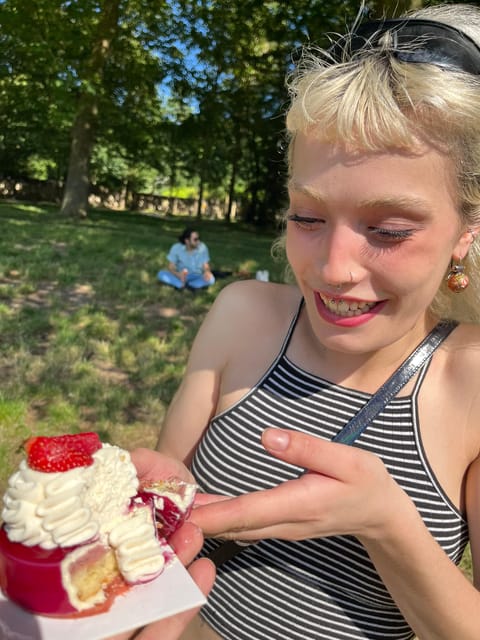
This part of the tour is not an afterthought. The tastings include haute patisserie favorites like Saint Honoré, Paris Brest, and Fraisier, plus unique creations, along with chocolates and macarons.
Here’s why I think this stop works: it is paced. You are not just overloaded with sugar after the heavier market items. The guide spaces the tastings so you can keep tasting thoughtfully instead of eating on autopilot.
Royal Stables, Saint-Louis cobbles, and the Cathedral area walk
Food makes the tour, but the walking adds the Versailles context. On the way toward the gardens, you admire the charm of the Royal Stables, plus the historic cobbled streets in the Saint-Louis area. You also spend time near the Saint-Louis Cathedral area.
These stops are brief, but they matter because they keep you grounded in real city texture. It’s easy to picture Versailles as one big château landmark. The tour nudges you toward seeing it as a living place with neighborhoods, old stone streets, and places people actually gather.
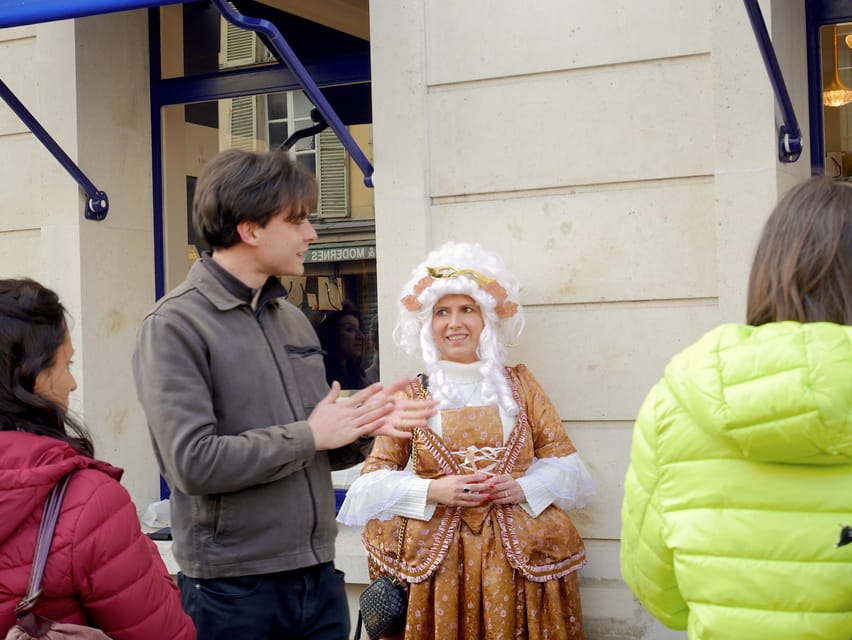
Also, the guide’s facts come with a human angle: how society, food, and local life fit together. That’s the kind of context that makes the market tastings feel less like consumption and more like understanding.
The Royal Vegetable Gardens finish: your final garden-table tasting
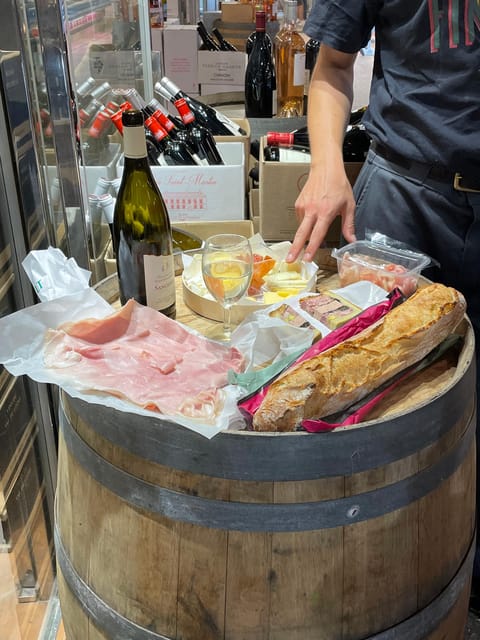
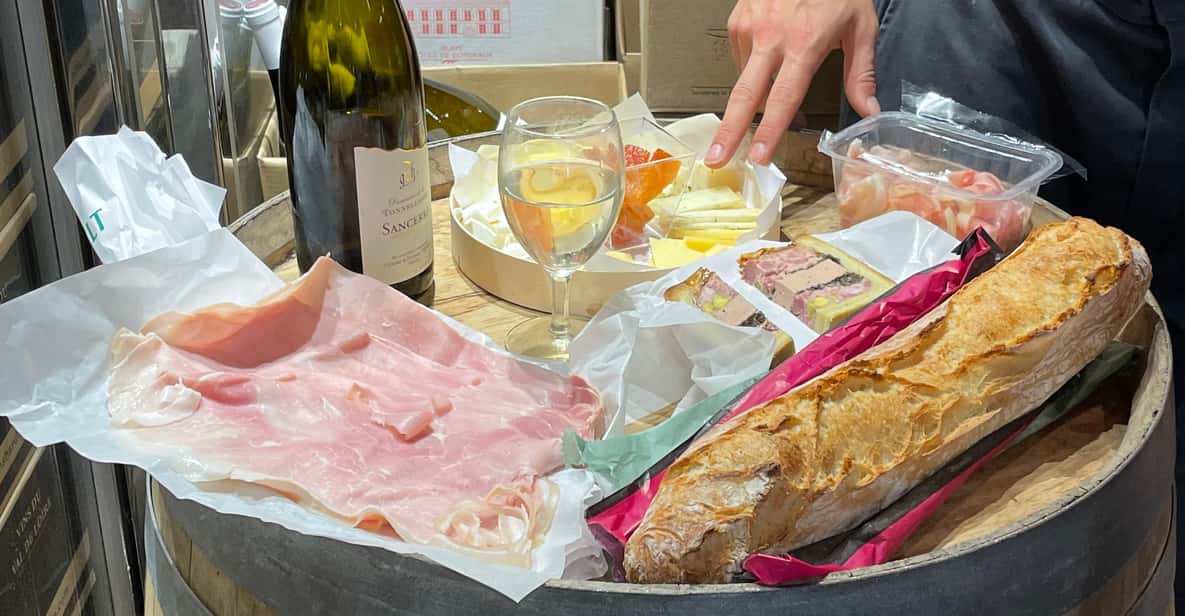
The end goal is the Royal Vegetable Gardens, often called the King’s vegetable garden in these contexts. This is where the tour cashes out: a final round of tastings around your table tucked away in the garden, with charcuterie, cheeses, wine, and baguettes.
This finish is a smart design choice. You’ve already tasted across multiple stands, so your palate is warmed up and your brain is paying attention. Sitting in the garden turns the final meal into a mini sequence: market flavors evolve into something calmer and more reflective.
Baguettes are included here, which also helps you shift from cheese-and-meat tasting mode into something closer to a real French meal. If you tend to judge food tours by whether they leave you satisfied, this ending is strong.
The guide wraps up by reinforcing that the whole tour is built from local producers they know and trust, with stories tied to craft rather than marketing claims. It’s not just what you ate—it’s how the makers work and why the ingredients matter.
Price and portions: is $97 good value for Versailles food?
At $97 per person for about 2.5 hours, you are paying for a guided circuit with multiple tastings plus a full group size that stays small (limited to 8). The value isn’t only in the number of items. It’s in the fact that you’re tasting from independent artisans and seeing how at least some of the food is made before it reaches your plate.
A lot of food tours at this price include repetitive stops with similar items. This one spreads out flavors and categories—cream-based viennoiserie, fruit, cured meats, cheeses, wine pairing, then pastry and macarons—so you get breadth. You also end with a garden-table tasting, which is harder to replicate at cheap price points because it’s a more deliberate setting.
Portion reality check: you will likely leave full. The menu includes breads, cheese platters, charcuterie, wine, and several sweet items. If you go with a friend and you share less, you’ll still be satisfied. If you want lighter pacing, you can ask the guide to help you slow down between stops.
Who is this best for? People who like food with a story, and who enjoy markets and artisan producers. If your idea of Versailles is only grand monuments, you might feel this is more about edible details than sweeping vistas.
Who should book this Versailles food tour
This is a strong match if you want:
- A market-focused Versailles experience, not just château sightseeing.
- Guided tastings that include wine pairing and dessert at a high level.
- A small-group tour where the guide can talk and answer questions without rushing you.
- An ending that feels like a proper conclusion, with the Royal Vegetable Gardens table setting.
It is also family-friendly and can be adapted for kids, with vegetarians welcome. That matters because many tasting tours assume everyone eats the full menu. If you’re traveling with mixed tastes in your group, this is one of the easier ways to keep the experience pleasant for everyone.
One more practical thought: you’ll be walking through historic streets. Even if the pace is guided and manageable, cobbled surfaces are a real factor in comfort. Comfortable shoes will do more for your day than any fashion choice.
Should you book? My straight recommendation
If you want Versailles beyond the château and you’re interested in how local producers shape what you eat, I think you should book this tour. The structure is smart: it teaches through tastings, then places you in the Royal Vegetable Gardens for a satisfying finish. You also get a guide team that brings history and food together in a way that feels useful, not just decorative.
I would only hesitate if you hate tasting lots of small samples or if you’re trying to keep your schedule very tight and cannot arrive on time for the set start at Rue Royale. Otherwise, this is one of those experiences where the quality and the care show up bite by bite.
FAQ
FAQ
What is the duration of the Versailles farmers market and garden food tour?
It runs for about 2.5 hours.
How big is the group?
The group is limited to 8 participants.
Where does the tour start?
The starting location is 16 Rue Royale.
What kinds of food and tastings are included?
You can expect brioche, seasonal fruits, French cured meats and charcuterie, selected French cheeses, pastries and macarons (including items made by a former Le Ritz pastry chef), local breads, chocolates, water, and wine.
Is wine included?
Yes, wine is included as part of the tastings.
Are vegetarians able to join?
Vegetarians are welcome, and the tour can adapt to different tastes, including children’s.
Is the tour offered in English and French?
Yes, the live guide speaks English and French.
Is the tour wheelchair accessible?
Yes, the experience is wheelchair accessible.
What is the cancellation policy?
Free cancellation is available up to 24 hours in advance for a full refund.
Can I reserve without paying right away?
Yes, the reserve-and-pay-later option is available.