REVIEW · PARIS
Montmartre Walking Tour in English
Book on GetYourGuide →Operated by Walkative Tours · Bookable on GetYourGuide
There’s something magic in Montmartre’s hills. This 150-minute English walk ties together art landmarks and the neighborhood’s oddball legends so the streets make sense fast.
I really like the visit stops, especially Cafe Deux Moulins (the one many people recognize from Amélie) and the way you’ll also check out major artist addresses like Van Gogh’s house.
One thing to consider: the tour leans into a thoroughly constructed narrative, so if you prefer a quicker pace with less speaking, you might wish it moved faster.
In This Review
- Key things I found most compelling
- Montmartre’s story starts on a beheaded-holy-man hill
- Meeting on Montmartre’s timeline: Metro Blanche and the yellow umbrella
- Cafe Deux Moulins: film recognition meets the real neighborhood rhythm
- Van Gogh’s house stop: where the artist theme becomes concrete
- Picasso and Modigliani studios: why the guide’s connections matter
- The vineyard and the oldest cabaret spirit: from grapes to stage lights
- Moulin Rouge: the famous cancan, explained through Montmartre’s rise
- What 150 minutes feels like in real life (and who it suits)
- Price and value: $31 booking fee vs the pay-what-you-wish idea
- Rain, cold, and how the tour keeps going
- Should you book the Montmartre Walking Tour in English?
- FAQ
- Is this tour in English?
- How long is the Montmartre Walking Tour?
- Where do I meet the guide?
- What stops are included?
- Is hotel pickup included?
- How much does it cost?
- Does the tour run in bad weather?
- Is there free cancellation?
- Can I reserve without paying right away?
- Is the guide an expert local?
- Where is this tour located?
Key things I found most compelling
- Cafe Deux Moulins: a movie-famous café that fits right into Montmartre’s long drinking-and-art story
- Van Gogh’s house stop: a simple exterior-style pause that anchors the whole artist theme
- Picasso/Modigliani studios: you connect the dots between different generations of painters and writers
- Vineyard + oldest cabaret tradition: you see how Montmartre went from village plots to show business
- Moulin Rouge: the famous cancan energy, framed by the neighborhood’s rise in the late 1800s
Montmartre’s story starts on a beheaded-holy-man hill
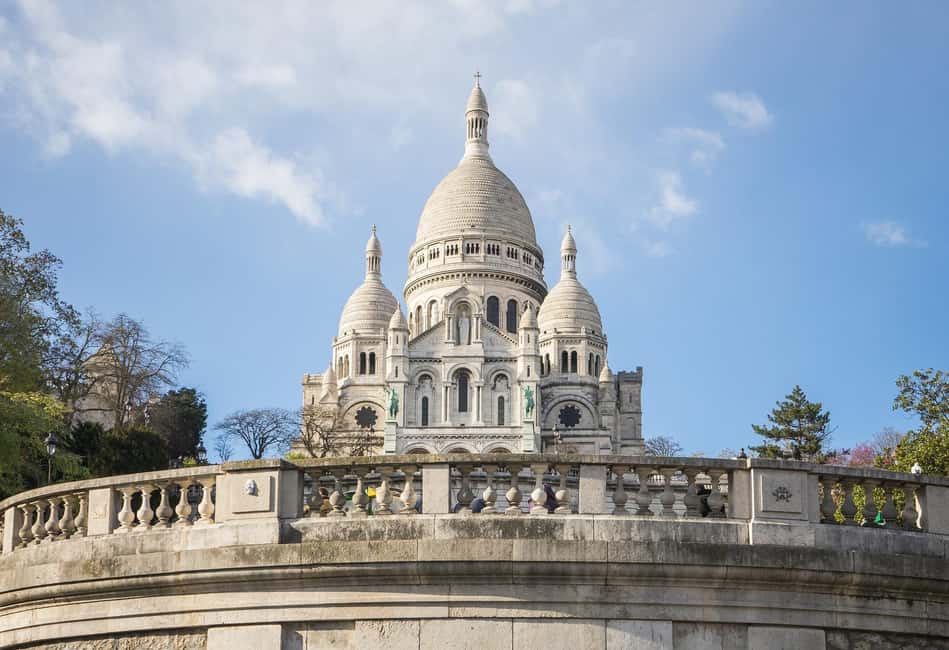
Montmartre’s name comes from Latin Mons Martyrum, meaning Hill of Martyrs. The legend says Saint Denis was beheaded by the Romans, then picked up his severed head and walked downhill before finally dropping dead. It’s a weird story, but it helps explain why this hill has always drawn attention.
Before Montmartre became a magnet for nightlife and artists, it was described as a sleepy village surrounded by vineyards, gardens, and orchards. And long before it was painted, sketched, or filmed, it had practical life: mills built into the slopes to grind wheat, barley, and rye. The text behind this tour points out that as many as 13 mills once existed, but only two survived—now a symbol of the neighborhood.
That village-to-showbusiness transformation is the heartbeat of this walk. You’re not just looking at buildings; you’re learning the timeline that made Montmartre what it is: cheap wine, relaxed atmosphere, low rents, and lots of drinking establishments pulling artists in from everywhere.
You can also read our reviews of more walking tours in Paris



Meeting on Montmartre’s timeline: Metro Blanche and the yellow umbrella
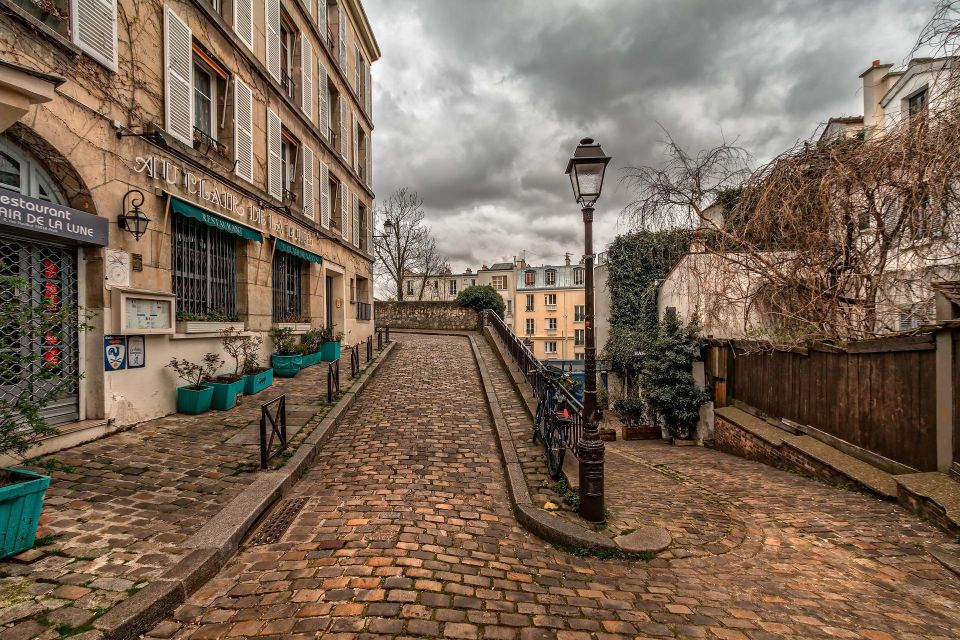
Your start point is in front of the Metro Blanche, at the only exit. You’ll want to look for the yellow umbrella.
This matters more than it sounds. Montmartre streets twist and climb, and getting oriented right away keeps the first 20 minutes from feeling like a scavenger hunt. If you arrive a bit early, you’ll have time to spot the umbrella and settle your shoes for the hills.
The tour is in English and runs for 150 minutes. There’s no hotel pickup or drop-off, so plan to get there under your own steam, then let the guide do the navigation and storytelling.
Cafe Deux Moulins: film recognition meets the real neighborhood rhythm
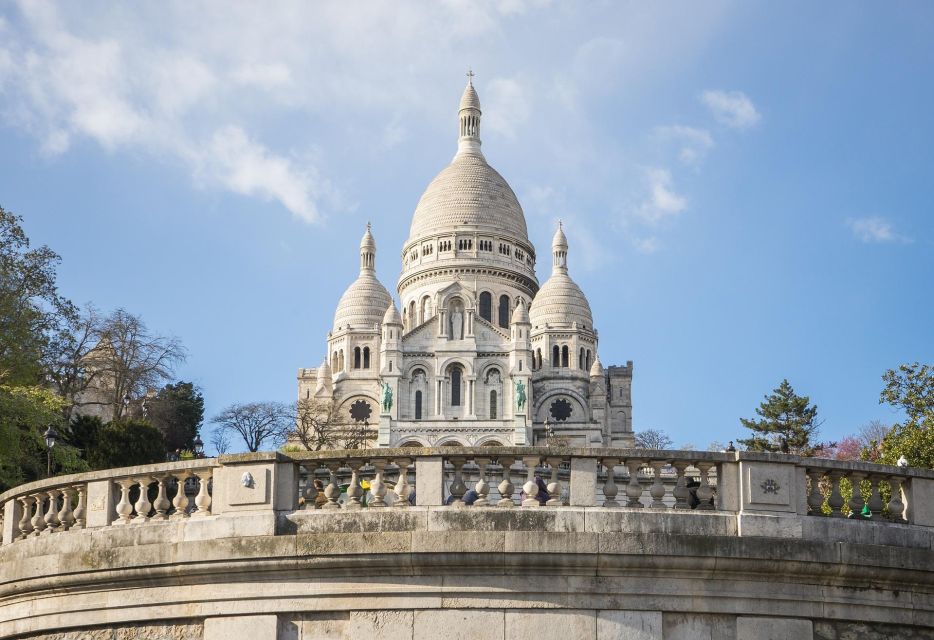
One stop I’m excited about here is Cafe Deux Moulins. This café is known from Amélie, and that’s exactly why it works on a walking tour like this: it creates an instant connection between pop culture and place.
But the goal isn’t just name-dropping a famous set. The tour frames why cafés became part of Montmartre’s identity in the first place—19th-century drinking culture helped turn the hill into an artist hub. You get the feeling that the café isn’t an isolated “sight.” It’s part of a pattern: people meet, talk, and create stories in the same streets that once hosted cabarets and dancing.
Even if you’re not a film person, you’ll likely appreciate how this stop supports the bigger theme of the day. Montmartre earned its reputation over time, and cafés were one of the main stages.
Van Gogh’s house stop: where the artist theme becomes concrete
Another highlight on this walk is Van Gogh’s house. A “house” stop can sound passive, but it’s a powerful anchor in an area where you’re constantly hearing about artists.
What I like about this kind of stop is that it turns general art talk into something you can point at. You’re not just learning that artists came to Montmartre—you’re also getting a location tied to one of the names most visitors expect to see.
This is where the tour’s constructed narrative helps. The stories about Montmartre shifting from vineyards and orchards to a magnet for painters are easier to hold in your head when you stop at specific addresses.
Picasso and Modigliani studios: why the guide’s connections matter
The tour also includes studios connected with Picasso/Modigliani. This pairing is especially useful because it reminds you that Montmartre wasn’t one single style or one single generation. It was an atmosphere that drew different people.
A walking tour becomes valuable when it links facts into a believable story, not when it only lists famous names. Here, the emphasis on Montmartre as an “artist hotbed” gives context for why you’d see multiple major figures in the same neighborhood.
In the English guide feedback, I noticed praise for the way the information is delivered with humor and strong knowledge. One example highlighted a guide named Eva for passionate, funny storytelling. Another mentioned Raj for lots of good information. Either way, you’re getting the point: why these studios matter, not just that they exist.





The vineyard and the oldest cabaret spirit: from grapes to stage lights
Montmartre began with vineyards, gardens, and orchards, and this tour nods to that with a vineyard/oldest cabaret in Paris type of stop. That contrast is the whole fun part.
You’re basically watching a neighborhood change roles. The same hill that once grew food and relied on mills later became known for drinking, cheap wine, dancing halls, and cabarets. The walk doesn’t treat cabarets as random nightlife. It places them in the neighborhood’s 19th-century momentum.
The background story also mentions show places like Le Chat Noir and the famous cancan world of Moulin Rouge. So when you reach the vineyard-and-cabaret area, you’ll get the sense of how fast Montmartre’s identity accelerated—how it went from quiet village edges to a place where performances and art talk could happen side by side.
Moulin Rouge: the famous cancan, explained through Montmartre’s rise
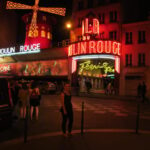
No Montmartre walk feels complete without Moulin Rouge. Here, it’s not just about seeing a landmark you’ve heard of for years. It’s about understanding why a huge show would grow on this particular hill.
The tour framing points to the late 1800s as the turning point: many drinking establishments, low rents, a relaxed friendly vibe, and cheap wine created a social environment where artists and performers mixed. Moulin Rouge fits that story because the neighborhood’s cabaret culture became one of its signatures—right down to the cancan dancing girls.
If your priority is the “Paris postcard” version of Montmartre, this stop will deliver. If your priority is the “how did this happen?” version, it also delivers, because the guide’s narrative places Moulin Rouge inside the bigger shift from village life to entertainment district.
What 150 minutes feels like in real life (and who it suits)
A 150-minute walking tour is a sweet spot. It’s long enough to build a story and cover meaningful stops, but short enough that you’re not spending your whole day stuck on hills.
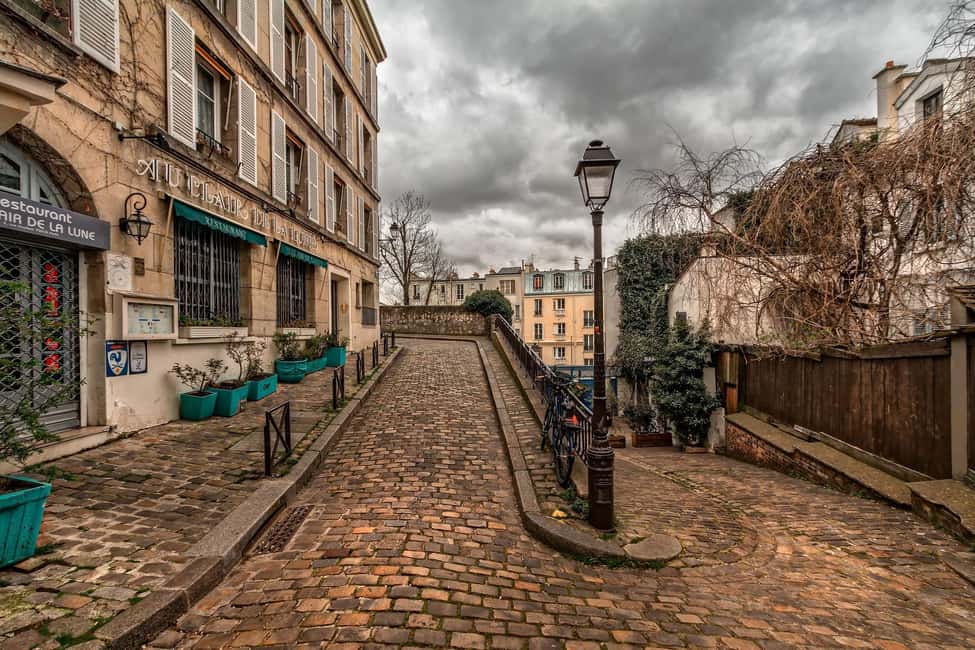
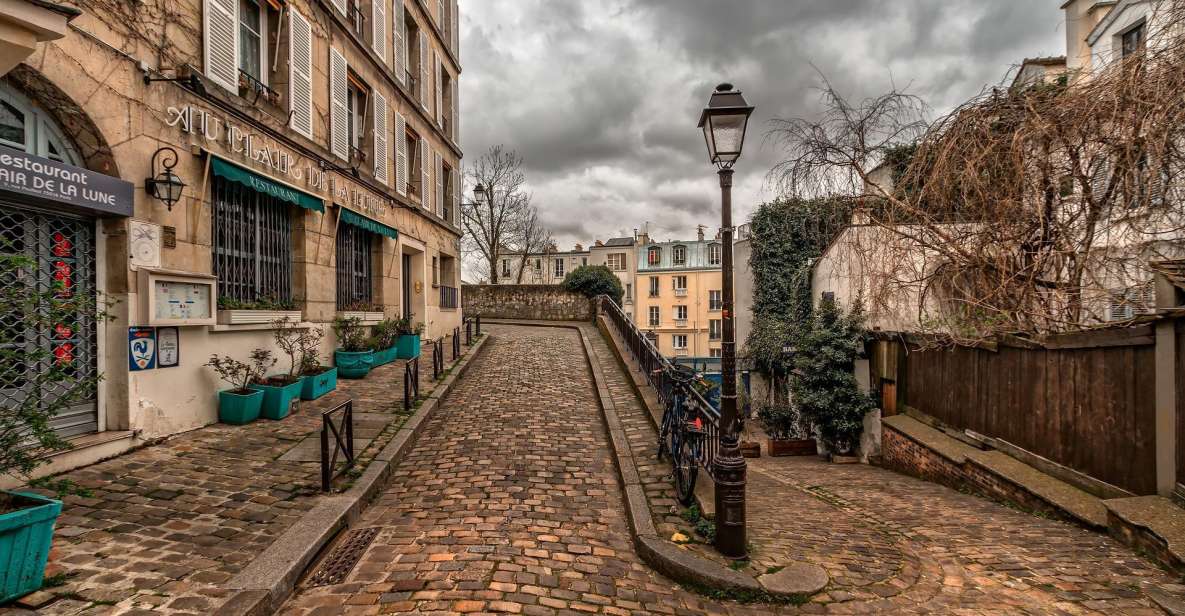
That said, Montmartre is described as having steep, winding streets and crooked buildings with ivy. So think practical: wear comfortable shoes, expect uneven ground, and be ready for a steady walk up and down. This isn’t a “sit and see” type of tour. The value comes from linking locations to the narrative while your legs keep the timeline moving.
On pace, one piece of feedback suggested it could be faster with less speech. That doesn’t mean it’s bad—it just tells you what kind of format it is. If you like explanations and historical anecdotes, you’ll probably feel good. If you prefer short stops and minimal talk, you may feel the narrative takes priority.
Price and value: $31 booking fee vs the pay-what-you-wish idea
The listed price is $31 per person, but the tour description also makes an important point: this is a general pay what you wish tour, and what you pay now is mainly a small online booking fee. So the final value you get is tied to how you engage with the guide and the story.
That’s actually a smart setup for many people. You’re not locked into a fixed price once you meet the guide. You can decide what the experience is worth to you after seeing the quality of the storytelling and how well it connects the stops.
The included parts are exactly what you want in a short walking tour: an expert local guide and a thoroughly constructed narrative. When you get those two things, the cost becomes about interpretation and direction, not just access.
If you love walking tours where someone builds meaning instead of just moving you from point to point, you’ll likely feel the value quickly.
Rain, cold, and how the tour keeps going
This walk happens rain or shine. The guide will find cover if the weather gets cold or unpleasant.
That’s useful because Montmartre streets can be slippery and gray. Having the plan to pause under cover keeps the tour from turning into a miserable scramble, and it also means you’re less likely to lose your whole afternoon to the forecast.
Should you book the Montmartre Walking Tour in English?
If you want Montmartre with context, I’d say yes. This tour is built around recognizable landmarks—Cafe Deux Moulins, Van Gogh’s house, Picasso/Modigliani studios, a vineyard/old cabaret tradition, and Moulin Rouge—but it explains why each one belongs in the same story.
Book it if you like:
- a guided narrative that connects artists, cabarets, and the hill’s shift from vineyards to nightlife
- English storytelling with humor and strong local info (with guides like Eva and Raj highlighted in feedback)
- a 150-minute walk that gives you a solid mental map of Montmartre
Skip it (or at least adjust expectations) if you dislike spoken storytelling and prefer a quicker pace with very short explanations.
FAQ
Is this tour in English?
Yes. The live tour guide leads the experience in English.
How long is the Montmartre Walking Tour?
It lasts 150 minutes.
Where do I meet the guide?
Meet in front of the Metro Blanche at the only exit. Look for the yellow umbrella.
What stops are included?
The highlights include Cafe Deux Moulins, Van Gogh’s house, studios connected with Picasso/Modigliani, a vineyard/oldest cabaret in Paris, and Moulin Rouge.
Is hotel pickup included?
No. Hotel pickup and drop-off are not included.
How much does it cost?
The price shown is $31 per person, and the tour is described as pay what you wish, with what you pay now being a small online booking fee.
Does the tour run in bad weather?
Yes. It takes place rain or shine, and if it rains or gets cold, the guide finds cover.
Is there free cancellation?
Yes. You can cancel up to 24 hours in advance for a full refund.
Can I reserve without paying right away?
Yes. The tour offers reserve now & pay later.
Is the guide an expert local?
Yes. An expert, local tour guide is included.
Where is this tour located?
It takes place in Montmartre, in the Ile-de-France area of Paris, France.