REVIEW · PARIS
Oyster and white wine tasting in the heart of Montmartre
Book on GetYourGuide →Operated by La Cave de Fantomas · Bookable on GetYourGuide
Oysters in Montmartre? Yes, please. In the heart of Montmartre, I like that Cave de Fantomas focuses on Saint Vaast oysters and explains what makes them worth paying attention to, including their subtly nutty flavor. I also love that the tasting doesn’t feel like a lecture; it’s guided with real food, real talk, and a clear sea-to-plate theme.
One catch: it’s a tight 1-hour experience, so it’s not a substitute for a full dinner if you’re very hungry.
I kept noticing how much the host matters here. With Pat, the owner/bar manager, you get friendly guidance and plenty of chances to ask questions while you taste oysters, homemade rillettes, and a set of French white wines. And because the rillettes change based on availability, you get what’s cooking that week rather than a fixed, one-note menu.
For me, that practical, product-first approach is the point.
Quick tip before you go: wear your food-taste hat. Oysters are the star, but the real fun comes from learning how each bite and sip works together—then asking Pat what to try next.
In This Review
- Key things you’ll notice right away
- Cave de Fantomas in Montmartre: a focused tasting, not a booze tour
- Saint Vaast n°2 oysters: how the sea flavor gets its reputation
- Homemade rillettes: comfort food that changes with the week
- French white wines: pairing that keeps the sea theme going
- Pat’s host approach: why this feels personal in Montmartre
- Price and value: what $58 buys in a one-hour tasting
- Practical tips so you get the most from your tasting
- Who this Montmartre oyster and wine tasting suits best
- Should you book this oyster and wine tasting?
- FAQ
- Where is the meeting point?
- How long does the tasting last?
- What language is the host speaking?
- What do I taste during the experience?
- Is this a private group?
- Is the venue wheelchair accessible?
- How much does it cost?
- Is it suitable for children?
- What’s the cancellation policy?
Key things you’ll notice right away
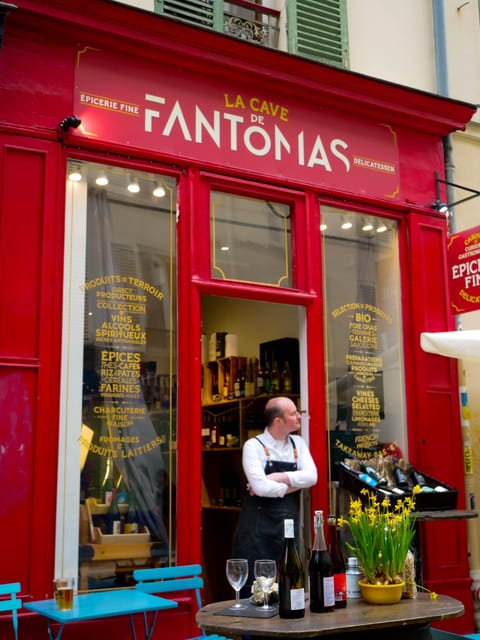
- Normandy Saint Vaast n°2 oysters: farmed in open sea waters from Saint Vaast Bay, known for water quality
- Homemade rillettes, made to the week: the recipe adapts to what’s available and seasonal
- French white wine pairing: a sea-focused wine selection designed to match the food
- Pat’s host style: English explanations plus real Q&A during your tasting
- Everything happens on-site: the meeting point is also the tasting location at Cave de Fantomas
Cave de Fantomas in Montmartre: a focused tasting, not a booze tour
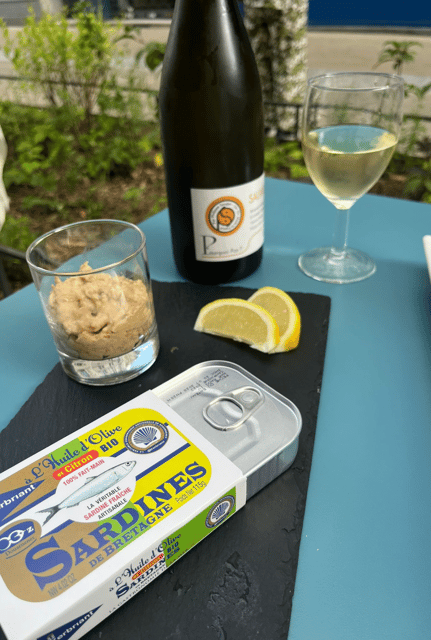
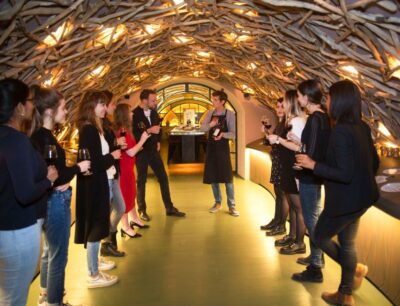
Cave de Fantomas is a delicatessen built around quality products, and this experience mirrors that vibe: you’re not sent off to chase five different stops. You meet right where the tasting happens, then you stay in one place while the host guides you through oysters, rillettes, and white wine.
Because it’s a private group, the pace stays comfortable. That matters with food tastings, where timing affects your palate. A quick, well-managed hour is actually a plus here: you taste while everything is crisp and intentional, instead of rushing at the end.
In practical terms, think of it as a guided food lesson with a simple structure. You’ll start with the sea (oysters), move to the comfort-food side (rillettes), and finish with French white wine. If you like the idea of learning by tasting, you’ll feel right at home.
You can also read our reviews of more food & drink experiences in Paris



Saint Vaast n°2 oysters: how the sea flavor gets its reputation
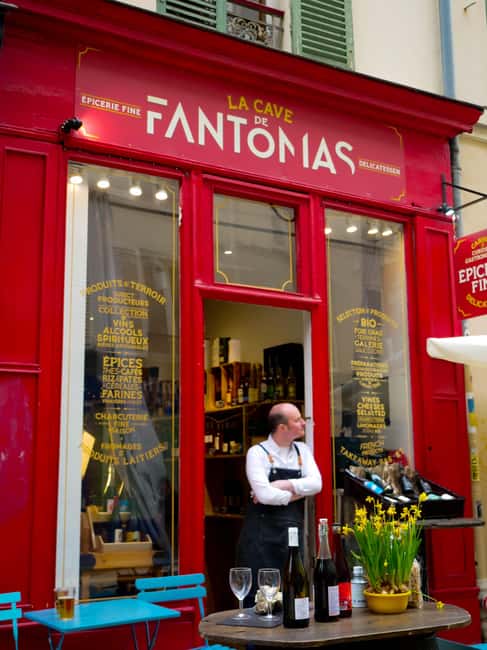
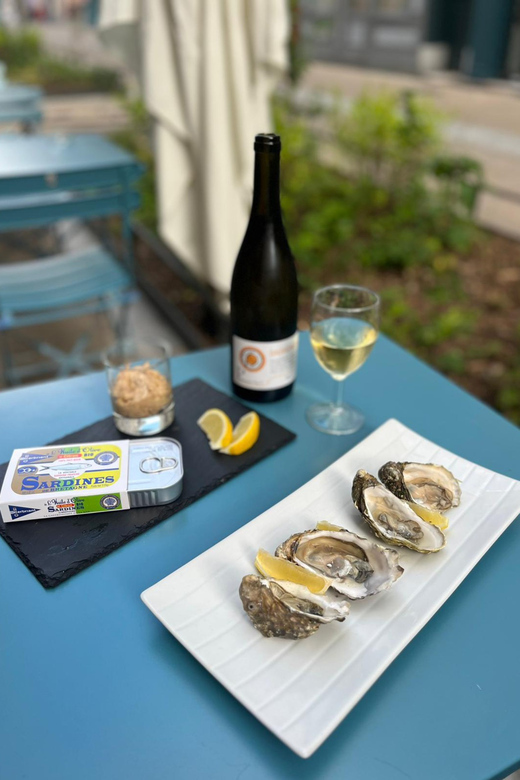
The center of the show is the tasting of oysters Saint Vaast n°2. These are Normandy oysters from Saint Vaast Bay, and the tasting includes an explanation of what that origin means for flavor. One detail that’s worth holding onto before you taste: Saint Vaast oysters are known for a subtle nutty taste.
Now, what does that mean for you in the real world? It means you’re not only looking for “salty and briny.” You’re listening for something more layered—an almond-like note can show up, depending on how the oyster is prepared and served. The host’s guidance helps you taste with intention instead of just eating fast.
Also, this is one of those experiences where your first bite sets the tone for the rest. If you like clean, sea-forward flavors, oysters give you that reference point immediately. If you’re nervous about oysters, this is still approachable because the tasting is structured and guided; you’re not left guessing what to do or how to describe what you’re tasting.
A small consideration: oysters can be a polarizing food. The good news is you’re tasting a specific type—Saint Vaast n°2—and the host is there to help you understand what you’re tasting and why it’s regarded as quality.
Homemade rillettes: comfort food that changes with the week
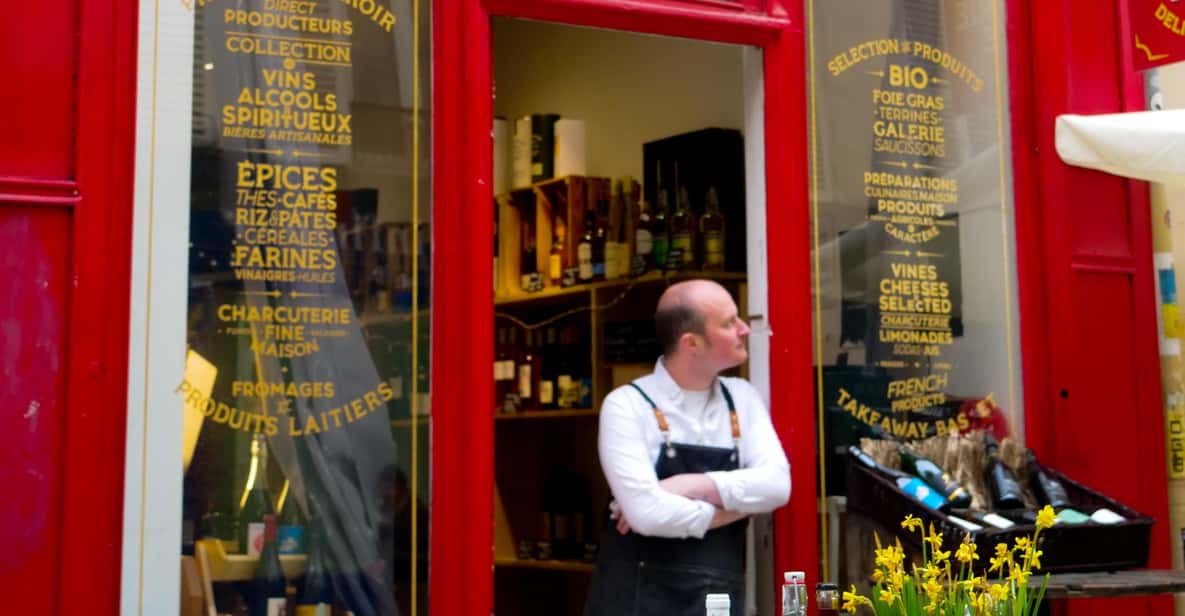
After the oysters, you’ll taste homemade rillettes. The key thing is that they’re made with fresh produce and cooked according to current products—then the recipe depends on what’s available and in season.
That flexibility is more valuable than it sounds. A fixed menu can get boring fast. Here, the rillettes act like a living snapshot of what the shop has access to. For you, that means the experience isn’t only about seafood; it’s also about how French specialty shops work with real supply and seasonal rhythm.
Texture-wise, rillettes are the opposite of the oyster. Oysters are crisp, wet, and clean on the tongue. Rillettes are richer, more spreadable, and meant to be savored. If you pay attention, this shift helps you understand contrast: how a fatty, savory bite can make the next sip of wine feel brighter and more balanced.
If you’re pairing-minded, this is where you can slow down a touch. Take a bite, then taste the wine suggestion right after. You’ll likely notice that the rillettes can round out your palate and make the whites feel less sharp.
French white wines: pairing that keeps the sea theme going
Along with the oysters and rillettes, you’ll taste a selection of French white wines. The tasting is clearly designed around the sea theme, so the wines aren’t random. They’re meant to support the oyster flavor and handle the richness of the rillettes.
I like this part because it’s practical. White wine tasting can turn abstract fast if you don’t know what you’re looking for. Here, you’re tasting wines in a sequence tied to food. That helps you connect flavor notes to real bites, not just aromas floating in a glass.
What to listen for while you taste:
- How the wine changes the oyster bite (does it sharpen the nutty note, or smooth the brininess?)
- How the wine handles the rillettes (does it cut through the richness, or does it feel heavy?)
- Whether the wine tastes consistent after a few bites (sometimes the palate gets used to one direction)
You also get explanation and advice from the host. That’s especially useful if you’re not a wine expert. You don’t need to memorize tasting jargon. You just need to taste, notice, and ask a question when something clicks or doesn’t.
And yes, you can absolutely treat this as a guided intro to French white wine styles. The point isn’t perfection; it’s learning how wine behaves with specific food.
Pat’s host approach: why this feels personal in Montmartre
This experience is guided by an English host, and one name you’ll hear is Pat, the owner/bar manager. That matters because the best food tastings don’t just serve products—they teach you how to taste them.
You should expect:
- Explanation and advice while you eat
- Support as you ask questions
- A tone that feels friendly, not stiff
In Montmartre, lots of food experiences can feel like a performance for tourists. This one feels more like a well-run shop tasting. The products are the focus, and the host uses them to explain origin and seasonal decisions in plain language.
If you’re the type who likes to talk food, this is where you’ll get payoff. Ask what wine pairs best with rillettes that day, or what makes Saint Vaast Bay waters special for oysters. These are simple questions, and the host is clearly set up to answer them.
You can also read our reviews of more wine tours in Paris





Price and value: what $58 buys in a one-hour tasting
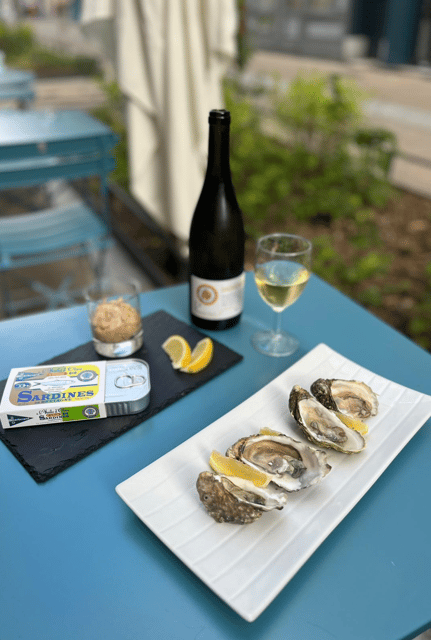
At $58 per person for about one hour, you’re paying for three things at once: the key seafood tasting, homemade rillettes, and a French white wine selection, all guided by an English host in a private group setup.
Is it expensive? It’s not budget. But it’s also not a random add-on price for a “tour.” You’re paying for quality products and staff time, plus the benefit of someone helping you taste correctly.
Here’s how I’d think about value:
- If you want to taste Saint Vaast oysters plus rillettes and wine in a structured, no-stress way, the price can feel fair.
- If you’re only interested in one item (say, wine), you might wish the format included more food or more variety.
- If you like learning while you eat, the host’s guidance is part of the value, not an extra.
Also, because it’s a tight one-hour session, you’re not paying for a long block of time. You’re paying for a compact experience with real outcomes: you leave having tasted a specific set of French specialties and understood why they were chosen.
Practical tips so you get the most from your tasting
I recommend arriving with a mindset of curiosity, not “I hope I like oysters.” It’s okay if you’re unsure. The structure is designed to help you figure out what works for you.
A few practical pointers:
- Pace yourself. The hour goes by fast, and oysters + rillettes + wine can add up quickly.
- Ask one or two questions. The best value in tastings is when you translate your taste into understanding.
- If you’re wine-curious, pay attention to how each sip changes after the rillettes. That’s where pairing becomes clear.
If you’re sensitive to strong flavors, start slower with the oysters and don’t force it. The whole experience is guided, so you can take your time.
Who this Montmartre oyster and wine tasting suits best
This tasting fits best if you want:
- A food-focused Montmartre experience in a single location
- Guided explanations in English
- An intimate private group format
- A clear sequence: oysters, then homemade rillettes, then French white wines
It’s also a solid choice if you’re short on time. One hour means you can fit it into a busy day without sacrificing the meal portion of your evening plan.
It may not suit you if you want a long dinner-style outing or a big menu with lots of dishes. This is a tasting, and the portion style matches that.
And it’s not suitable for children under 18 years and for those under 3 ft (90 cm), so it’s very much aimed at adults.
Should you book this oyster and wine tasting?
If you’re in Montmartre and you like the idea of a shop-based tasting that actually teaches you what you’re eating, I’d book it. The combination is smart: Saint Vaast oysters for origin and flavor, homemade rillettes that change with the week, and a French white wine selection built to match the sea theme.
Skip it only if you’re looking for a long meal experience, or if oysters aren’t your thing at all. Otherwise, this is the kind of one-hour stop that leaves you with practical food knowledge you can use later.
FAQ
Where is the meeting point?
The meeting point is also the tasting location.
How long does the tasting last?
The duration is 1 hour.
What language is the host speaking?
The host or greeter is English.
What do I taste during the experience?
You taste Saint Vaast n°2 oysters from Normandy, homemade rillettes, and a selection of French white wines.
Is this a private group?
Yes, the activity is listed as a private group.
Is the venue wheelchair accessible?
Yes, it is listed as wheelchair accessible.
How much does it cost?
The price is $58 per person.
Is it suitable for children?
It is not suitable for children under 18 years, and it also lists a height restriction of under 3 ft (90 cm).
What’s the cancellation policy?
Free cancellation is available up to 24 hours in advance for a full refund.