REVIEW · PARIS
Private Paris WWII History Tour: Occupation & Resistance
Book on GetYourGuide →Operated by TourUpinEurope · Bookable on GetYourGuide
A city can feel haunted even in daylight. This 3-hour private walk connects Paris streets to Occupation, Resistance, and liberation, with stops that hit both the head and the heart. I especially love the way it pairs Jean Moulin’s Resistance story with real street-level landmarks, and I like the attention to Jewish history tied to the Vel d’Hiv roundup; one drawback to consider is that it’s built around significant walking, so you’ll want comfortable shoes and some weather-proof patience.
You’ll move through neighborhoods where underground life had to stay hidden—sometimes with the Gestapo close by—and that contrast is what makes the tour more than a list of sites. For practical value, the route is tight enough to fit in one focused morning/afternoon block, yet broad enough to cover both the Resistance networks and the tragic consequences of Nazi terror.
If you’re the type of person who enjoys connecting names and events to actual corners of a city, this kind of tour is a strong match. Just know it takes a solemn tone at memorial stops, so plan to slow down when you need to.
In This Review
- Key highlights to plan your WWII walk
- Paris WWII, Occupation and Resistance: why this tour works
- Meeting point at Saint-Michel and the practical start
- Walking the Resistance streets where danger was close
- Jean Moulin’s story: unifying Resistance through the city
- Vel d’Hiv remembrance and the Mémorial des Martyrs de la Déportation
- Samuel Beckett’s refuge: culture under Gestapo threat
- Jardin du Luxembourg: peaceful present, dark past
- Saint-Michel District riots in 1942: defiance in the streets
- Final days of occupation and Paris’s complicated aftermath
- Price and time: what $294 per person gets you
- Who this tour suits best (and who should choose something else)
- Should you book this Private Paris WWII History Tour?
- FAQ
- Where does the tour meet?
- How long is the private Paris WWII Occupation & Resistance tour?
- How much does the tour cost?
- What’s included in the price?
- Is hotel pickup and drop-off included?
- What languages are available?
- Is the tour wheelchair accessible?
Key highlights to plan your WWII walk
- Resistance routes on streets near Gestapo-era pressure, so you can feel how risky underground work was
- Jean Moulin’s path in unifying the Resistance, tied to the city’s wartime geography
- Vel d’Hiv roundup remembrance and a visit to the Mémorial des Martyrs de la Déportation
- Samuel Beckett’s refuge linked to a bookstore, showing how even culture and hiding could collide with the Gestapo
- Jardin du Luxembourg wartime contrast, including its earlier use connected to Nazi command (Luftwaffe headquarters)
- Saint-Michel District defiance in 1942, anchored in the neighborhood’s resistance-linked riots
Paris WWII, Occupation and Resistance: why this tour works
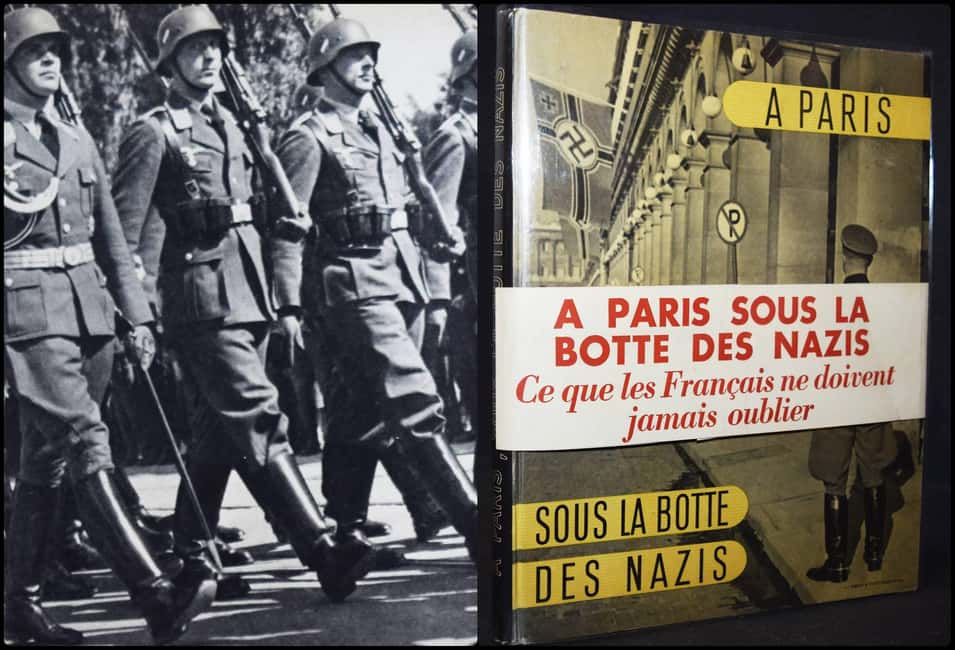
Paris in WWII isn’t just a story you read about. It’s a story you can walk through. This tour is built around that idea: you’re not only learning dates and names, you’re seeing how the city’s physical layout mattered—where people met, where information traveled, and where danger could be waiting just a few streets away.
I like that the tour leans into street logic. You go from one event to the next and start to understand patterns: clandestine work needed cover, coordination required contacts, and Nazi control created pressure that sparked sudden acts of defiance. The result is a clearer map of cause and effect than you get from a museum-only approach.
You can also read our reviews of more private tours in Paris

Meeting point at Saint-Michel and the practical start
The tour meets next to the Saint Michael Monument, where the guide will be holding a Mister Llama mascot. That’s the kind of detail that sounds silly until you’ve arrived in Paris, slightly confused, and want to find your group fast.
From there, you’re set up for a walking-focused experience in central neighborhoods tied to wartime events. The duration is 3 hours, and the pace is designed for steady movement between key stops, not a sit-down lecture all the way through.
Walking the Resistance streets where danger was close
One of the tour’s strongest “aha” moments comes early: you walk the historic streets where the French Resistance secretly operated while Nazi pressure loomed nearby. The point isn’t to turn Paris into a spy-movie set. It’s to understand how people functioned under surveillance and fear—how the Resistance had to create safe channels for communication and publication.
A particularly grounded element here is the neighborhood’s role in underground publishing, including vital clandestine work like Defense de France. When you connect an underground newspaper to the street where it circulated, it stops being an abstract concept. You start thinking in terms of logistics: who carried papers, where messages could change hands, and how quickly plans could become dangerous.
How to get more out of this part: if you’re taking photos, do it quickly. Then put the camera away and look around like you’re trying to imagine how someone could hide a meeting. Even in daylight, the streets have that “this could have been watched” feeling.
Jean Moulin’s story: unifying Resistance through the city
Jean Moulin is a name that can feel like history-bus narration—until you tie him to actual places in Paris. This tour follows his paths in a way that centers on his role in unifying the Resistance. That’s important, because many Resistance efforts were fragmented. Unification meant coordination, shared strategy, and better chances of survival for the network.
You’ll get the human side of clandestine resistance too: secret meetings, acts of defiance, and the reality that coordination often happened under the threat of capture. The tour frames these moments as part of a larger turning point—how underground resistance didn’t just resist; it helped make eventual liberation possible by laying groundwork while the city was still under control.
When this part really lands, it’s because it connects character to outcome. You’re not just learning who Jean Moulin was—you’re learning why unifying the Resistance mattered in the first place.
Vel d’Hiv remembrance and the Mémorial des Martyrs de la Déportation
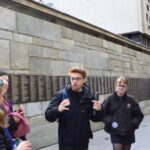
This is the emotional center of the tour. You’ll reflect on the tragic roundup of Jewish families during the Vel d’Hiv raid, and then you visit the Mémorial des Martyrs de la Déportation. These aren’t “quick-photo stops.” They’re places where silence and attention matter.
What I appreciate here is that the tour doesn’t treat remembrance like a checkbox. It positions the Vel d’Hiv roundup as a defining moment of Nazi terror in Paris, and then brings you to a memorial that honors those sent to concentration camps.
If you want this part to hit in the right way: don’t rush through. Take a few minutes to read what’s there, then stand back and let it settle. If you’re traveling with anyone who tends to get uncomfortable with heavy history, this is also the moment to slow the pace together rather than forcing answers on the move.
You can also read our reviews of more historical tours in Paris


Samuel Beckett’s refuge: culture under Gestapo threat
One stop that adds an unexpected layer is the visit to the bookstore where Samuel Beckett found refuge from the Gestapo. It’s a powerful reminder that WWII danger touched more than politics and military life. It reached artists, writers, and everyday people who had to find safety quickly and quietly.
This stop changes the emotional temperature without flattening the gravity of what came before. Beckett’s story gives you a different angle on survival: not just resisting openly, but also finding shelter, keeping a low profile, and navigating fear in places that once felt ordinary.
How to use this stop well: pay attention to the contrast between what a bookstore usually represents—ideas, reading, calm—and what it means in wartime terms. That contrast is the point.
Jardin du Luxembourg: peaceful present, dark past
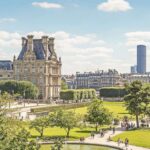
The tour also includes the Jardin du Luxembourg, described as once connected to Nazi command, with its earlier use tied to the Luftwaffe. That’s a striking contrast: today you might picture a calm garden, strolling paths, and relaxed city life. In the wartime context the tour offers, that same space carried a different purpose.
This kind of contrast is why I value walking tours like this. You start seeing the city as a palimpsest: layers of use, layers of power, layers of memory. The garden becomes more than a landmark. It becomes evidence of how occupation could repurpose everyday spaces.
Practical note: outdoor stops like this can be weather-dependent. If it’s raining, plan to keep your jacket handy and protect your notes. You’ll want to stay present, not distracted by discomfort.
Saint-Michel District riots in 1942: defiance in the streets
Another standout is the Saint-Michel District, framed as a powerful symbol of resistance and specifically tied to defiant riots against Nazi rule in 1942. This isn’t Resistance as a distant concept. It’s resistance as street-level pressure—people pushing back in a moment when the risks were extreme.
What makes this stop compelling is the “why now” feeling. You’re seeing how occupation conditions bred anger and sparks of action. The tour helps you connect the dots: under sustained control, people didn’t just comply. They found ways—sometimes chaotic, sometimes public—to resist.
If you like your history to feel immediate, this is the moment. Stand where you are, look at the street layout, and think about what it would be like if a riot broke out and everyone had to decide fast: run, help, hide, or stay.
Final days of occupation and Paris’s complicated aftermath
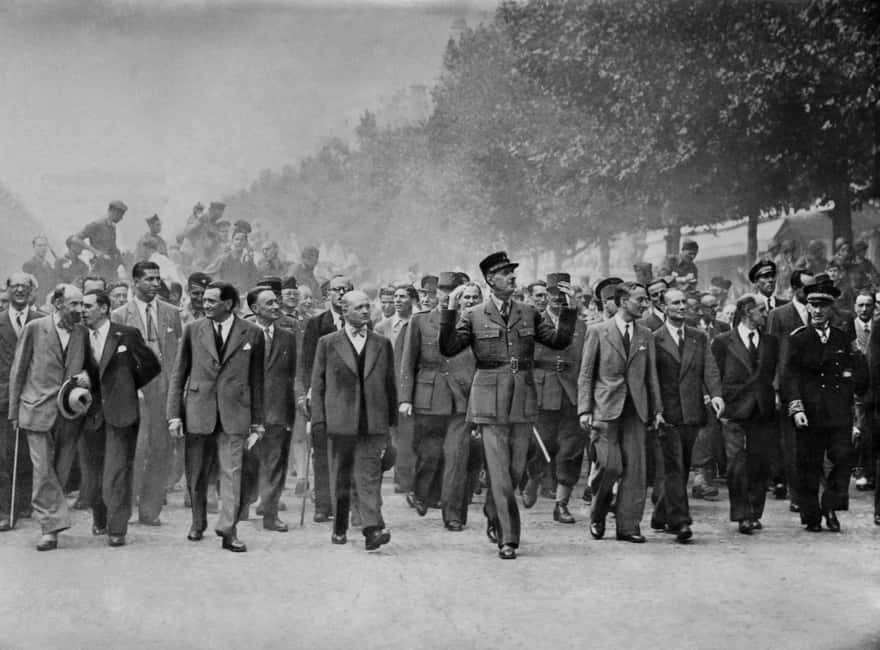
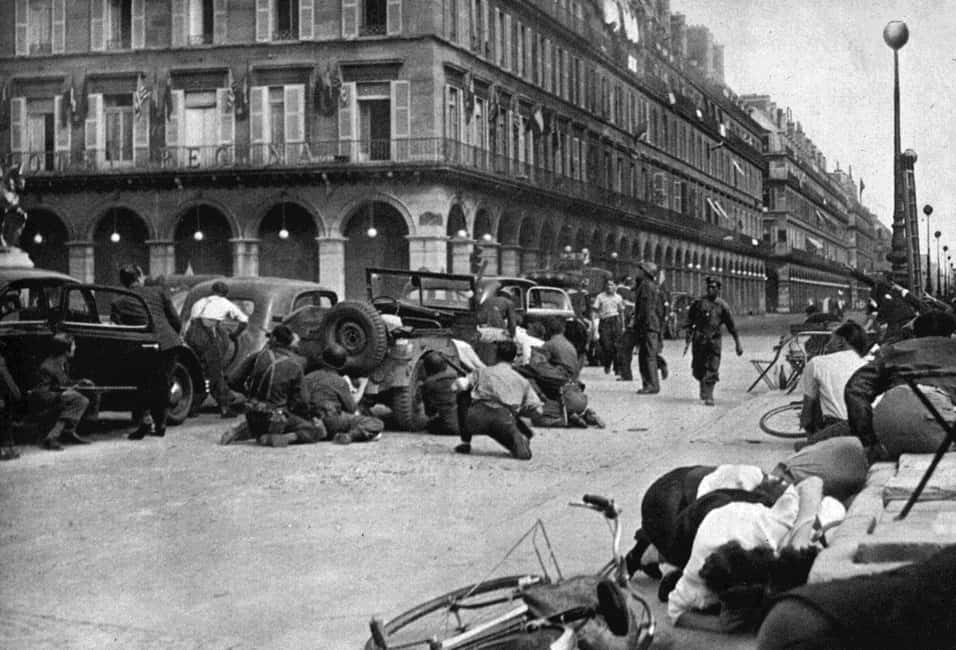
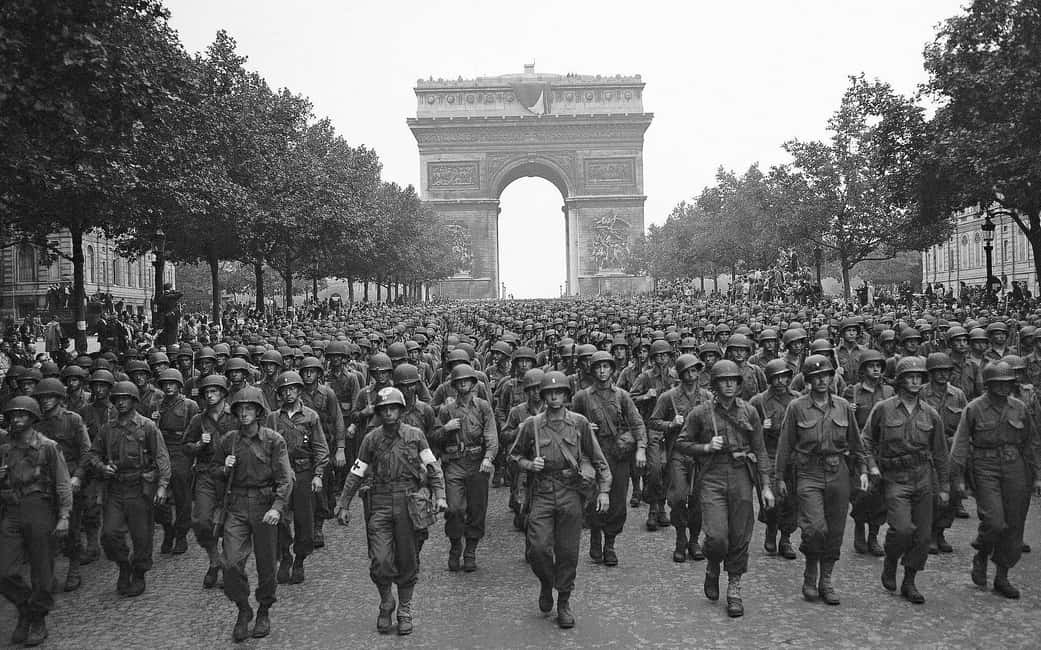
The tour ends by bringing you through the final days of occupation—from tense Nazi control to celebrations of freedom. That arc is essential. WWII history in Paris isn’t only about darkness. It’s also about transition: what it felt like when the city shifted from fear to relief, and how liberation played out in real time.
The tour also addresses the aftermath in a balanced way, including the complexities of collaboration and rebuilding. That’s a key part that many shorter history walks skip. Paris didn’t simply “go back to normal.” It had to deal with difficult human realities: people who collaborated, people who suffered, people who were trying to live again, and institutions that had to reinvent themselves.
For you, this final segment is where the tour becomes more than a sequence of scenes. It turns into a lesson about how societies recover—and why recovery is rarely clean or simple.
Price and time: what $294 per person gets you
At $294 per person for 3 hours, this is not a budget option. You’re paying for a private group experience and a guided walk that takes you to multiple WWII-linked sites without wasting time.
In value terms, I see three things you’re buying:
- Concentration of stops: you’re not just learning one event. You’re covering Resistance, specific figures like Jean Moulin, major tragedies like the Vel d’Hiv roundup, and liberation context.
- Guided interpretation: the tour is designed to connect street-level details to broader wartime themes, which is hard to do on your own without constant research.
- Human pacing: a private format often means you can slow down when something matters, especially at memorials.
The one consideration is that you may feel the cost more sharply if you’re expecting a lighter, more casual sightseeing style. This tour is built for history and reflection, and it uses walking time to deliver that focus.
Who this tour suits best (and who should choose something else)
This tour is a strong fit if you:
- want WWII history that’s tied to real Paris streets and neighborhoods
- like learning from a guide who can connect names, underground networks, and major events
- are comfortable with a serious tone, especially around remembrance of deportation and the Vel d’Hiv raid
You might choose a different option if you:
- want minimal walking or mostly indoor content
- prefer a less solemn style of storytelling
- need a “fast overview” rather than a route that emphasizes context and reflection
Should you book this Private Paris WWII History Tour?
If your goal is to understand Paris during the Occupation years in a way that feels located—not just read—you’ll likely find this one worth your time. The mix of Resistance-linked streets, Jean Moulin’s unifying role, Vel d’Hiv remembrance, and even the Samuel Beckett refuge gives you multiple angles on how WWII reshaped the city.
Book it if you’re ready for significant walking and you want a focused, guided route through some of Paris’s heaviest wartime stories. I’d pass on it if you’re looking for casual sightseeing energy or a lighter tone.
If you do book, plan your day with comfortable shoes, weather-ready clothing, and a little extra mental space for the memorial stop. This is the kind of tour that rewards attention.
FAQ
Where does the tour meet?
The tour meets next to the Saint Michael Monument. The guide will be holding a Mister Llama mascot.
How long is the private Paris WWII Occupation & Resistance tour?
It lasts 3 hours.
How much does the tour cost?
The price is $294 per person.
What’s included in the price?
It includes a guided tour of Paris WWII sites.
Is hotel pickup and drop-off included?
No. Hotel pickup and drop-off are not included.
What languages are available?
The live guide is available in English, Spanish, Russian, German, Korean, Chinese, Japanese, Italian, and French.
Is the tour wheelchair accessible?
Yes, it is wheelchair accessible.