REVIEW · PARIS
From Paris: Loire Valley Castles Day Trip With Wine Tasting
Book on GetYourGuide →Operated by City Wonders Ltd. · Bookable on GetYourGuide
Two castles in one day, and you feel it fast. This Loire Valley trip links fairytale châteaux with real royal stories, plus wine along the way.
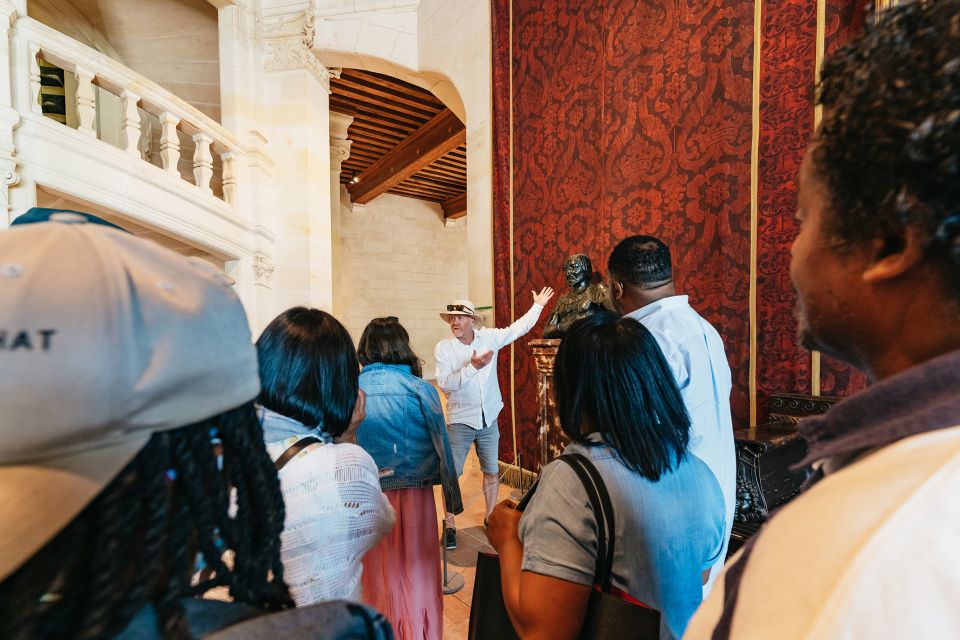
I like the structure: guided context before you walk, then self-guided time inside so you can move at your own pace.
My favorite bits are the skip-the-line entry at Chambord and Chenonceau, and the complimentary wine tasting before Chenonceau. I also appreciate the lunch break in Blois, with free time around Square Louis XII instead of a rushed quick stop.
One thing to know: it’s a long day (about 13 hours), and castle time is timed. If you want hours and hours in each place, you may feel the time pressure by the end.
In This Review
- Quick reasons to book this Loire Valley castles day trip
- From Catacombs to the Loire: how the day starts in Paris
- Château de Chambord: turrets, deer, and that staircase story
- The Blois lunch break: a real town pause, not a bus-stall
- Château de Chenonceau and the wine cellar before you even enter
- The pace: long coach time, smart stop timing, and how to enjoy it anyway
- Price and value: is $104 fair for Chambord, Chenonceau, Blois, and wine?
- Who this trip suits best (and who should choose a different plan)
- Practical tips before you go (so the day runs smoothly)
- Should you book this Loire Valley castles day trip?
- FAQ
- How long is the Loire Valley castles day trip?
- Where do I meet the guide in Paris?
- Which châteaux will I visit?
- Is there guided time inside the castles?
- Do I get to stop for lunch in Blois?
- Is the wine tasting included?
- Are tickets included for Chambord and Chenonceau?
- What language is the tour guide?
- What should I bring for the walking-heavy parts?
- Is this tour suitable for wheelchair users or mobility impairments?
Quick reasons to book this Loire Valley castles day trip
- Chambord first, then Blois, so you get a real town break for lunch
- Skip-the-line entry at both major châteaux
- Complimentary wine tasting in Chenonceau’s vaulted cellar
- Self-guided exploring inside both castles after the guide sets the scene
- River Cher views from Chenonceau’s grand main hall
- Great guide storytelling is a standout, with guides such as Dee, Jasmina, and Riti often praised for making history click
From Catacombs to the Loire: how the day starts in Paris
Your day kicks off at the Catacombes de Paris, not a random hotel pickup. Meet your guide at the entrance with a City Wonders sign. If you’re using the metro, Denfert-Rochereau (lines 4 or 6) is the closest stop, and you’ll head to Exit Sortie 1; the entrance is across the street.
Then it’s straight onto an air-conditioned coach. Expect the ride to take a good chunk of the day—about 2.75 hours each way, depending on traffic—so plan to treat this like a day trip with a rhythm: sit, listen, look out the window, and save your energy for castle time.
A nice detail here: your guide doesn’t just dump dates. They share countryside and nobility stories between stops, which makes the châteaux feel less like scenery and more like the human drama that happened there.
You can also read our reviews of more food & drink experiences in Paris



Château de Chambord: turrets, deer, and that staircase story
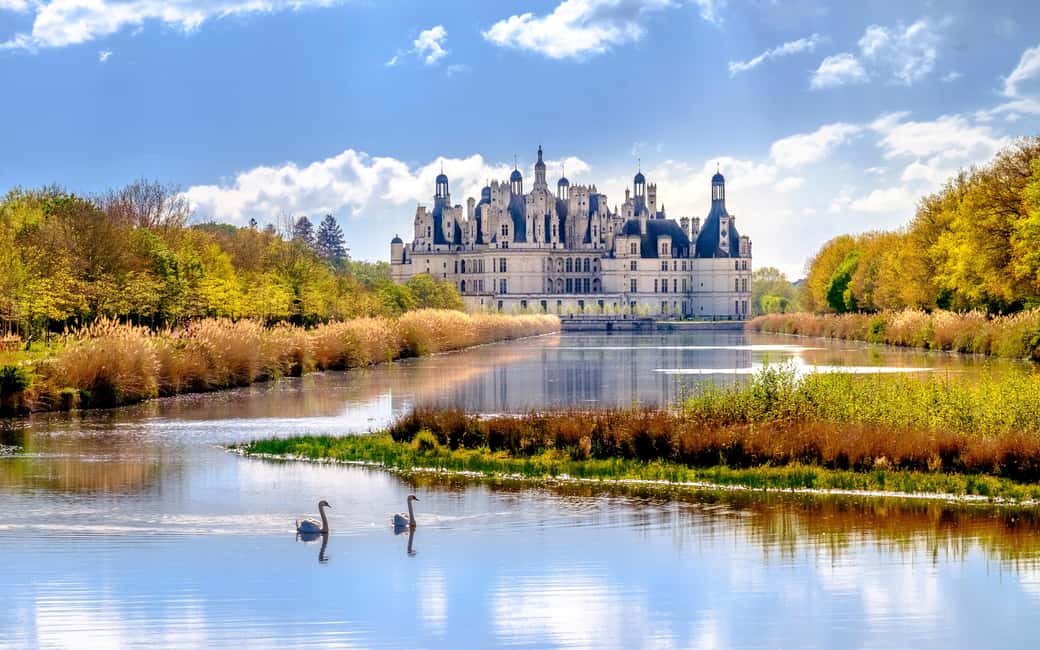
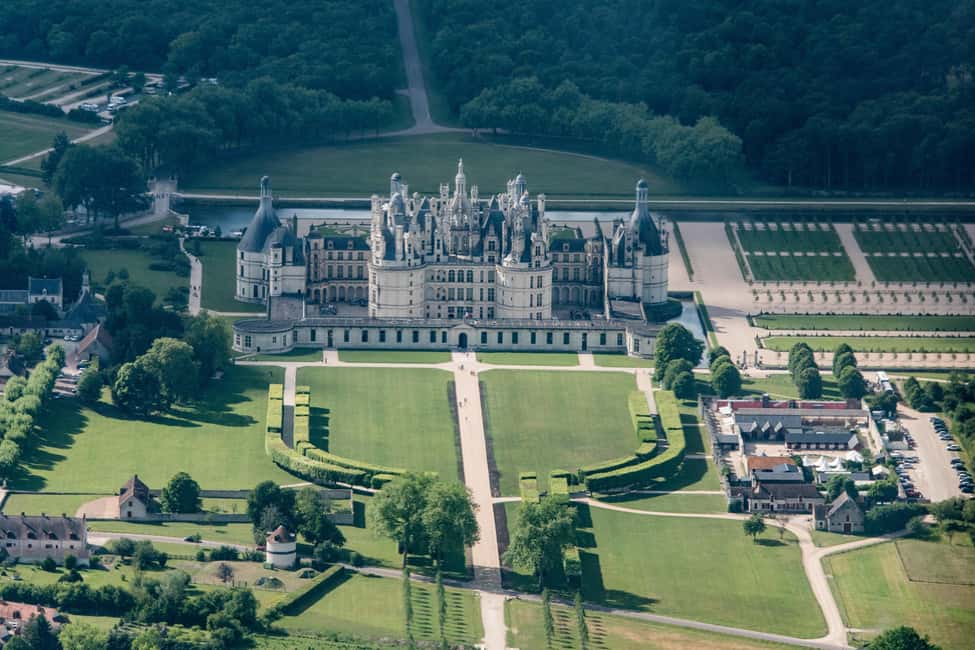
Château de Chambord is the one you recognize. Even if you don’t know the history, the turrets and rooftop shapes feel like a movie set. On this trip, you get skip-the-line entry, and the guide gives you history first so your self-guided walk has direction.
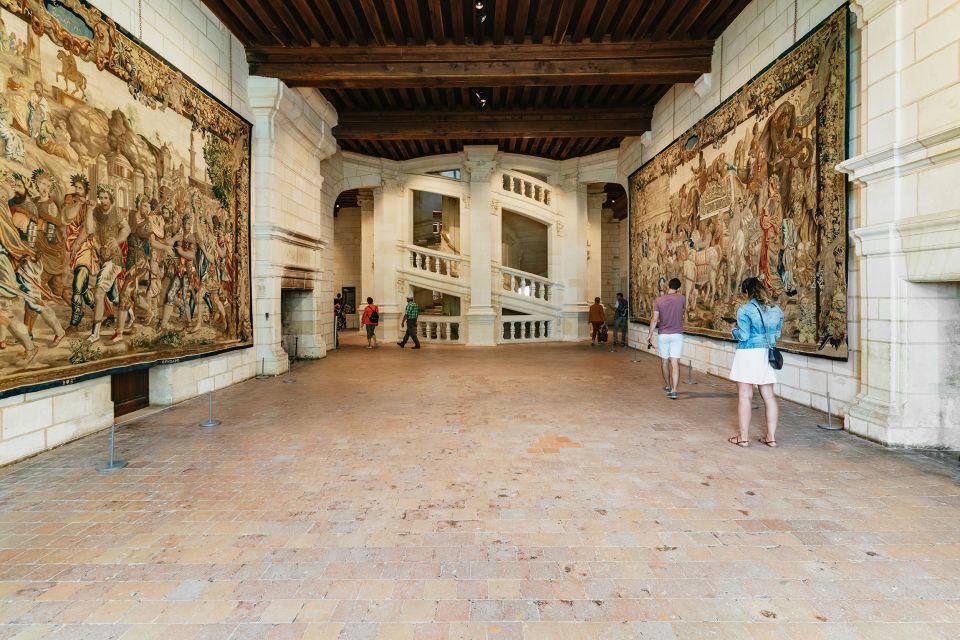
You’ll have about 75 minutes at Chambord. That’s enough to do the highlights without feeling like you’re sprinting the whole grounds—if you use your time well. Look for the staircase that’s supposedly connected to Da Vinci (it’s described that way on the tour), then climb if you’re up for it. The castle’s rooftop views framed by turrets are a big payoff once you’re up and moving.
Another Chambord detail worth planning for: you might spot deer around the grounds. It’s one of those small moments that reminds you Chambord started as a royal hunting lodge concept, built on a grand scale.
The main tradeoff at Chambord: you’re there long enough for the “must-see” circuit, not long enough for a slow, deep wander. If you love architecture and want to read every panel, you may wish for more time. If you’re happy to pick key stops—staircase view, main interiors you can reach quickly, and a couple of viewpoints—you’ll likely be delighted.
The Blois lunch break: a real town pause, not a bus-stall
Next comes Blois, and the trip gives you actual breathing room. You’ll get about 2 hours free time for lunch in town.
Blois is pleasant in a practical way: it breaks up the long drive, and you can choose where to eat based on what you feel like, not what the tour decided. The free time centers around Square Louis XII, a key public square that makes it easy to orient yourself on foot.
This is also where you can reset your day mentally. After the intensity of castle sights, you’re back in street life—cafés, walking pace, and chances to look at local rhythm.
My take: this Blois window is one of the best “value” parts of the day. It keeps you from feeling like you only did transportation and ticketed stops. That said, 2 hours flies, so don’t plan a long sit-down plus a long town tour. Eat well, walk a few blocks for a photo or two, then get back on the bus ready to go.
Château de Chenonceau and the wine cellar before you even enter
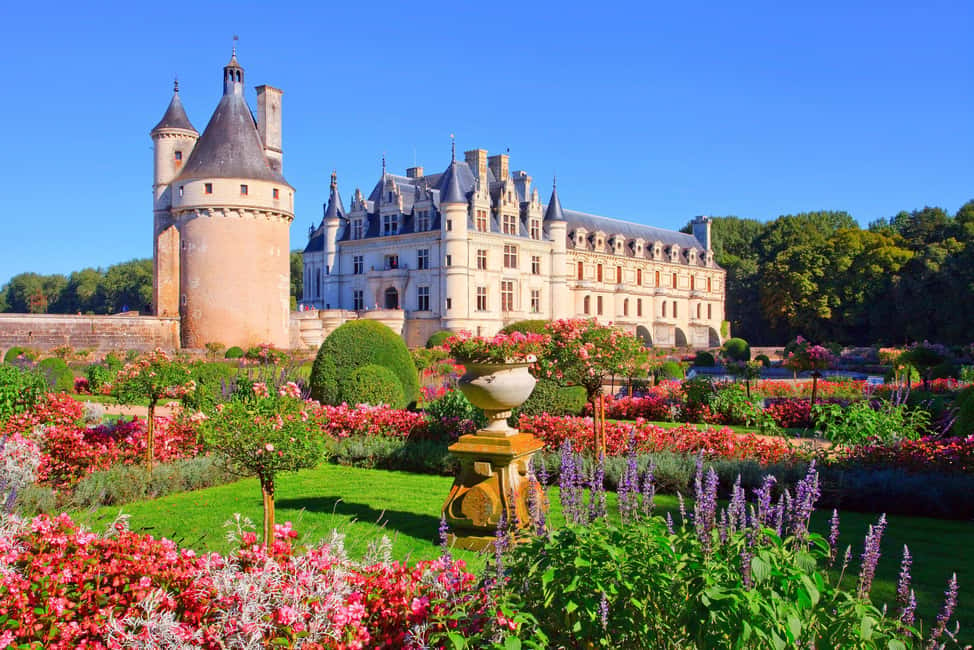
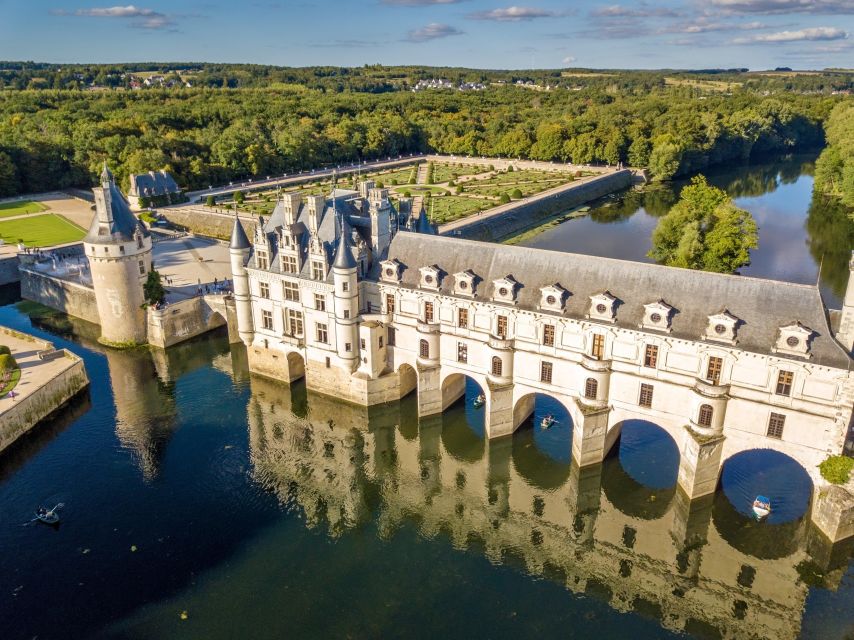
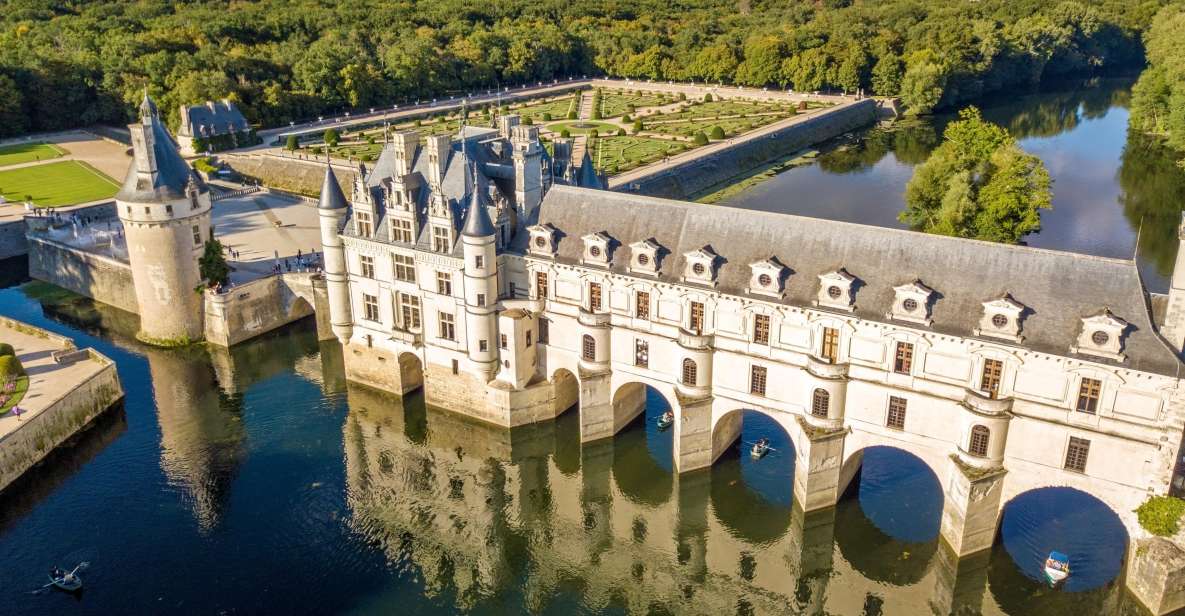
Chenonceau is where the mood shifts. Chambord feels bold and theatrical; Chenonceau feels poised and elegant, shaped by the river it crosses.
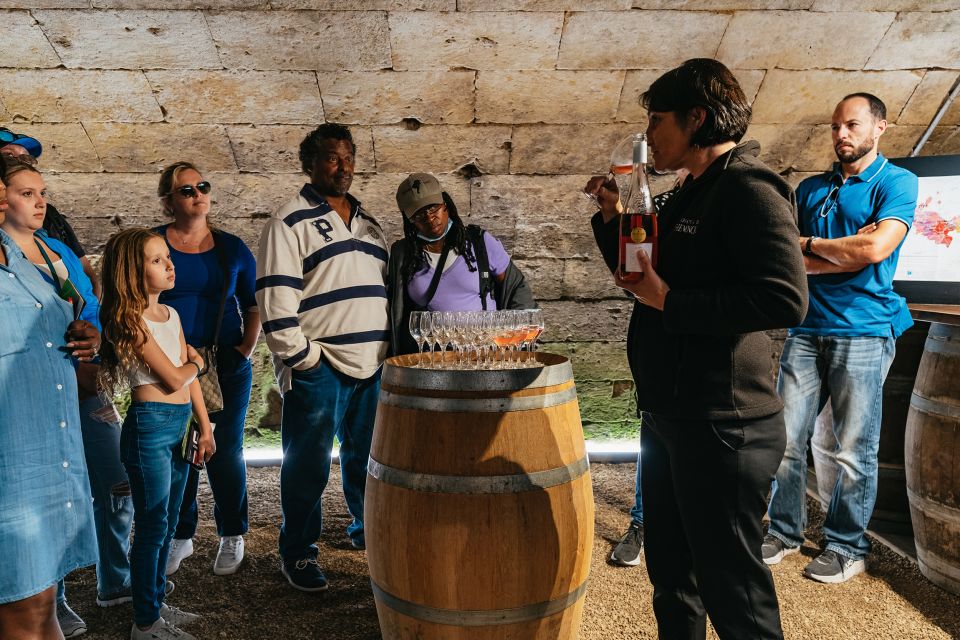
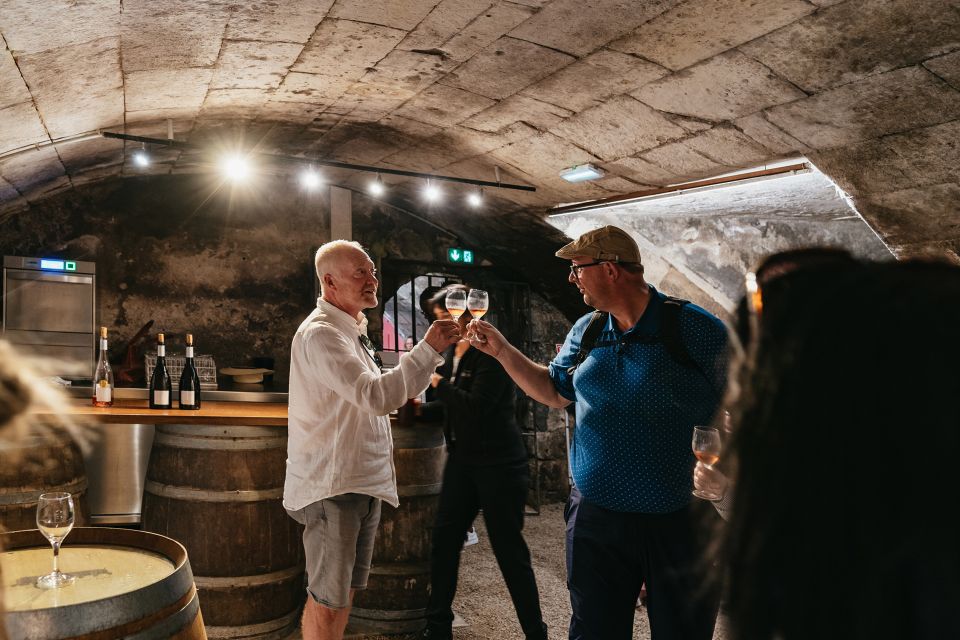
You’ll have about 2 hours at Chenonceau for entry, exploring, and the complimentary wine tasting. Here’s a key detail: the wine tasting happens before you visit the castle. It takes place in the castle’s vaulted wine cellar, which means you get a sense of place before you even start walking the halls.
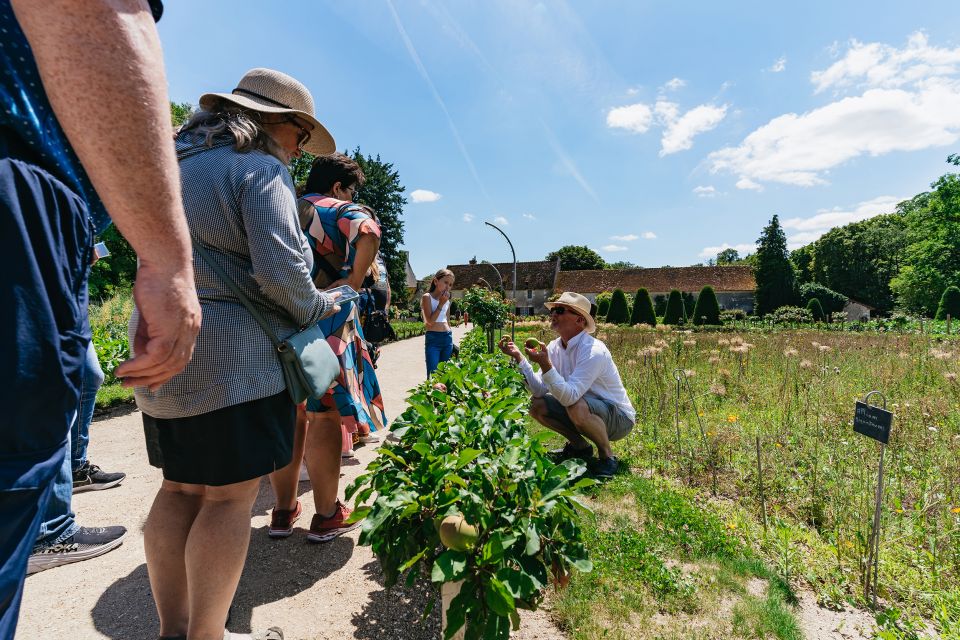
The tour includes self-guided exploring inside Chenonceau, and the highlights are built into what you can prioritize. The chapel is a must if you like spiritual architecture. You can also focus on the bedrooms and the vaulted kitchens, described as still furnished and decorated from earlier times. The stone carvings throughout are a strong visual theme when you slow down and look at details rather than just the big rooms.
Then there’s the river Cher. The impressive main hall spans the river, which is the sort of engineering-and-aesthetic combination that makes you stop and stare. If you like gardens, you’ll want time for the grounds shaped by Diane de Poitiers and Catherine de Medici—two owners tied to Chenonceau’s nickname, the Ladies’ Castle.
One expectation check: the wine tasting is complimentary, so it’s more like sample-size than a full experience. Some people prefer more time, and a few note it can feel quick. If wine is your main goal, treat it as a bonus that adds local flavor, not your primary event.
The pace: long coach time, smart stop timing, and how to enjoy it anyway
This is a time-managed day. Between rides and timed entry blocks, you’re moving. You’ll likely have moments where you wish for longer inside—especially if you’re the type who likes to read everything and take your time with photos.
From a comfort standpoint, the coach ride helps. Many people praise the buses as clean and comfortable, and some mention features like USB charging and even bathroom access. WiFi and charging ports can also make the long stretches feel shorter, especially if you want to nap or skim your photos.
The biggest practical tip is simple: go in with a game plan for each castle. For Chambord, pick your must-dos: staircase, key interiors you can reach without doubling back, and at least one rooftop view. For Chenonceau, start with the cellar wine tasting, then decide which rooms matter most—chapel, kitchens, or the main river-spanning hall.
Also, set your expectations for Blois: it’s time to eat and reset, not time for an in-depth walk through every street.
You can also read our reviews of more wine tours in Paris




Price and value: is $104 fair for Chambord, Chenonceau, Blois, and wine?
At $104 per person, this tour is priced for people who want the main sights without the headache of planning transport on your own.
Here’s what you’re paying for, in plain terms:
- Round-trip air-conditioned coach from Paris
- A guide who gives history and context
- Skip-the-line tickets for Chambord and Chenonceau
- Complimentary wine tasting at Chenonceau
- Free time in Blois for lunch on your own schedule
Skip-the-line matters because these châteaux can be crowded at peak hours. You’re not avoiding waiting in general—you’re avoiding a ticket line at two big sites, which can save real time on a day trip.
You’re also not paying extra for lunch. Lunch isn’t included, but the tour gives you time to eat in Blois, which many people find makes the day feel more complete.
So is it “worth it”? For most people who want two iconic castles in one day plus wine and a town break, yes. If you’re the kind of traveler who wants deep, slow exploring for an entire afternoon per château, you might feel the value is limited by the fixed schedule.
Who this trip suits best (and who should choose a different plan)
This works best for you if you want a strong sampler of the Loire Valley. You’ll see two of the most recognizable châteaux—Chambord and Chenonceau—in one day, with guidance that makes the history easier to place.
It’s also a good fit if you like self-guided time. The guide sets the scene, then you choose how to move through the rooms and gardens.
It may not be your best match if:
- You need accessible routes, since it’s stated as not suitable for wheelchair users and people with mobility impairments
- You prefer a slower pace with lots of extra time at each site
- You don’t want wine as a short add-on rather than a long tasting session
Practical tips before you go (so the day runs smoothly)
Wear comfortable walking shoes. You’ll be on your feet at both châteaux, and your comfort will decide how much you enjoy the day.
Packing is another real factor. Strollers aren’t allowed, and luggage or large bags aren’t allowed either. If you’re traveling light, you’ll make life easier for the coach and for yourself.
If you’re traveling with an infant, the guidance strongly recommends bringing your own infant or child seat, since it’s the parent or guardian’s responsibility.
Tips for the guide are appreciated but never required. In a day-trip like this, where the guide helps you connect the dots between stops, tipping is a way to say thanks if you feel they did a great job.
Should you book this Loire Valley castles day trip?
I’d book it if you want maximum “Loire Valley wow” for one day: Chambord’s dramatic silhouette, Chenonceau’s river-spanning main hall, a lunch break in Blois, and a complimentary wine tasting that adds local flavor.
I wouldn’t book it if you’re chasing slow travel or deep exploration inside every room. This is a highlights-first tour with self-guided exploring inside big-ticket sites, and that works best when you go in ready to choose what matters most to you.
If you want the best odds of a great day, look for this tour on a date when you can keep expectations realistic: you’ll cover a lot, and the guides (many described as engaging and fun, like Dee, Jasmina, and Riti) help you make those “covered” moments feel meaningful.
FAQ
How long is the Loire Valley castles day trip?
It lasts about 13 hours.
Where do I meet the guide in Paris?
Meet at the entrance to the Catacombes de Paris. Your guide will have a City Wonders sign.
Which châteaux will I visit?
You’ll visit Château de Chambord and Château de Chenonceau.
Is there guided time inside the castles?
The tour includes history from your guide before entering, but visits inside Chambord and Chenonceau are self-guided.
Do I get to stop for lunch in Blois?
Yes. You’ll have free time in Blois for lunch on your own (lunch is not included).
Is the wine tasting included?
Yes. Wine tasting is complimentary and happens at Chenonceau.
Are tickets included for Chambord and Chenonceau?
Yes, you get skip-the-line entry tickets for both castles.
What language is the tour guide?
The tour is guided in English.
What should I bring for the walking-heavy parts?
Comfortable walking shoes are recommended.
Is this tour suitable for wheelchair users or mobility impairments?
No, it is not suitable for people with mobility impairments or wheelchair users.