REVIEW · PARIS
Paris: Le Marais Walking Tour
Book on GetYourGuide →Operated by ExperienceFirst · Bookable on GetYourGuide
Marais can feel like Paris’s living room. This 90-minute walk in the Le Marais district mixes design, old streets, and neighborhood stories you won’t get from a typical checklist tour.
I especially like two stops: the Stravinsky Fountain with its moving, water-spraying sculptures, and the surprise factor of the Centre Pompidou with its inside-out architecture. It’s a smart way to see why this area stays popular with locals.
One thing to consider: the Stravinsky Fountain has been under renovation until 2023, so you may still see work or limited viewing depending on timing. Also, plan on about 2 miles of easy walking, rain or shine.
In This Review
- Key highlights to look for
- Le Marais in 90 minutes: what makes it worth your time
- Starting at Stravinsky Fountain (and what renovation could mean)
- Centre Pompidou: the inside-out look you can actually spot
- Jewish quarter streets and the Rosebush streets vibe
- Sainte-Croix-de-la-Bretonnerie: LGBTQ+ storytelling with context
- Cloisters and churches: where the medieval layers show up
- Hotel Carnavalet, Place des Vosges, and the “Paris you can’t unsee”
- Le Village Saint-Paul: how to turn the finish into a mini afternoon
- Optional upgrade: the Seine cruise you’ll thank yourself for
- Guides make the difference: what you can learn from great ones
- Price and pace: getting value from the $42 ticket
- Rain or shine, and how to prep so it feels easy
- Should you book this Le Marais walking tour?
- FAQ
- How long is the Paris Le Marais walking tour?
- What is the walking distance like?
- Where does the tour start?
- Is the tour in English?
- Is the tour wheelchair accessible?
- Does it run in bad weather?
- Is food or drink included?
- What’s included with the price?
- What if I want the Seine cruise upgrade?
Key highlights to look for
- Stravinsky Fountain’s moving sculptures and water show right at the start
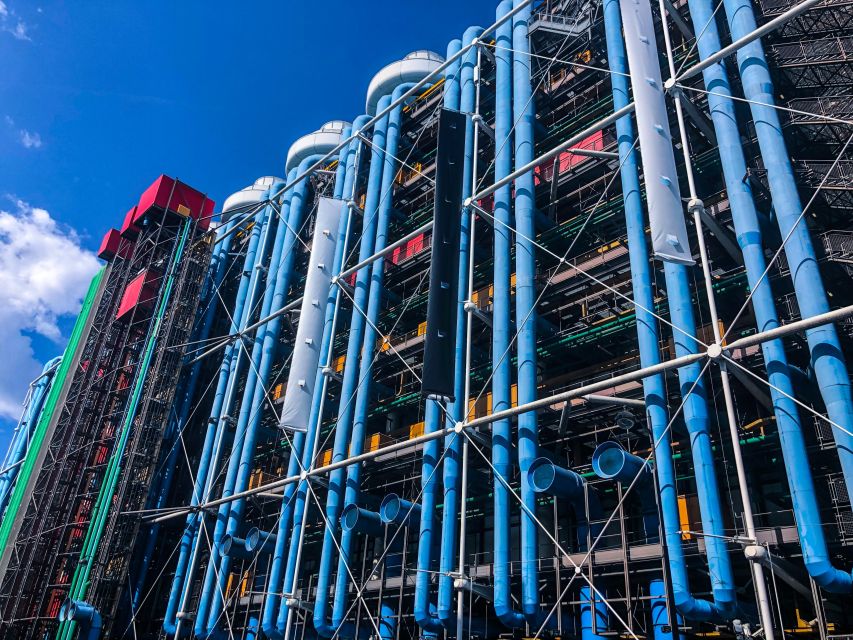
- Centre Pompidou, inside-out architecture that’s fun to spot and photograph
- Rue des Rosiers and nearby rosebush streets tied to the old Jewish quarter
- Sainte-Croix-de-la-Bretonnerie LGBTQ+ focus with local context, not just names
- Medieval layers from cloisters and churches including the 1258 Church of Our Lady of the White Friars
- Optional narrated Seine cruise upgrade that’s valid for a year from your tour date
Le Marais in 90 minutes: what makes it worth your time
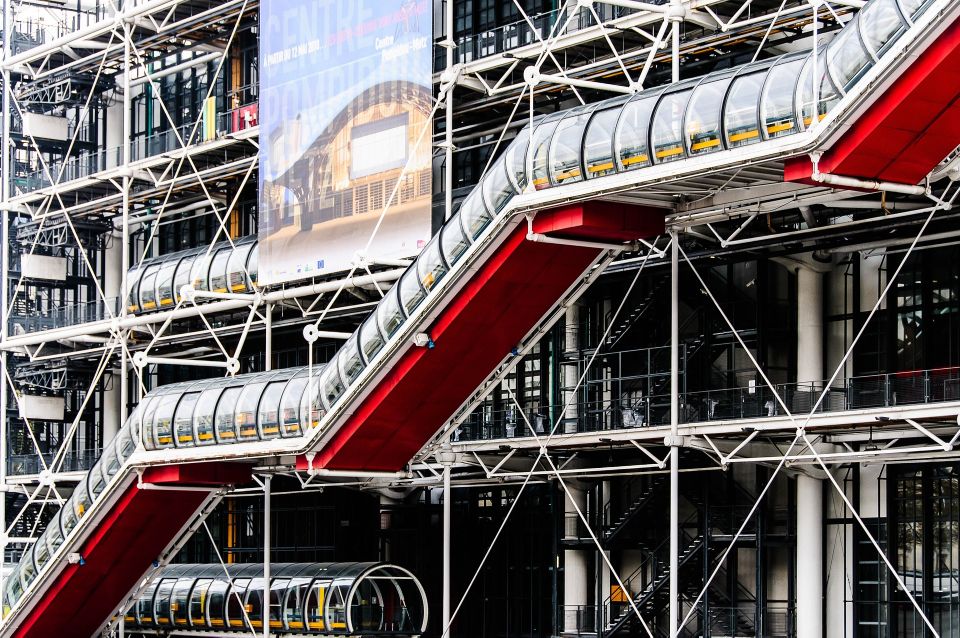
This tour is built for people who want the real Marais vibe without turning the day into a marathon. You get a clear route through the neighborhood’s big visual hits and then enough background to understand why those places matter.
Le Marais can feel like a mash-up of eras: medieval churches and cloisters sit near design-forward institutions, while small streets and courtyards add that Paris-at-human-scale feeling. The pacing is leisurely and stays stroller and wheelchair friendly, which matters if you want to enjoy the views instead of power-walking.
At $42 per person for a 90-minute guided experience, the value is strongest when you care about stories. A walking tour like this is less about ticking off buildings and more about giving you a “map in your head” for the places you’ll keep seeing after you finish.
You can also read our reviews of more walking tours in Paris



Starting at Stravinsky Fountain (and what renovation could mean)
You typically begin at the Stravinsky Fountain, located at 2 Rue Brisemiche. It’s one of those spots where you immediately get what makes Paris playful: abstract figures, motion, and water spraying into the air.
The practical catch is timing. The fountain has been under renovation until 2023, so depending on when you go, you might see scaffolding, partial access, or a less dramatic performance than usual. I’d still show up expecting something to look at, but I’d avoid assuming it will be at full show mode.
If you’re photographing, this is your best moment to get creative early. Even when the fountain’s operation is limited, the shapes and colors usually give you something distinctive for your camera.
Centre Pompidou: the inside-out look you can actually spot
From there, the tour swings toward the Centre Pompidou, and this is where the neighborhood’s attitude shows. Instead of hiding its structure, the building displays it. That inside-out concept is exactly what you want your guide to point out.
You’ll get a chance to admire the design and understand why it made such a stir. Then you’re not just staring at a landmark—you’re learning how architecture can be a statement about modern life meeting older city fabric.
A tip for getting more out of this stop: slow down when you’re near the building edges. That’s where you can better notice the way the “public face” of the structure works, especially if you angle your photos so you can see both the building lines and street context.
Jewish quarter streets and the Rosebush streets vibe
The route passes through streets strongly associated with the area once known for its Jewish community. One of the best ways to understand a neighborhood like this is to walk it in daylight and notice how everyday life uses the streetscape.
You’ll also hit the Rue des Rosiers, famous for its role in local food culture and Jewish-quarter history. Nearby, you’ll walk by the Impasse des Arbalétriers, often called the Street of Rosebushes. It’s the kind of lane that feels made for lingering—small, atmospheric, and visually different from the wider roads.
What I like here is the contrast. You’re not only learning about the past; you’re seeing how that past lives in street names, architecture styles, and the overall rhythm of the block. That’s how Marais stops become more than just background.
Sainte-Croix-de-la-Bretonnerie: LGBTQ+ storytelling with context
One of the tour’s smartest choices is taking time at Sainte-Croix-de-la-Bretonnerie. This stop isn’t handled like a quick mention. You’ll learn about the thriving LGBTQ+ community connected to the area, and you’ll hear it in context of the neighborhood’s identity.
This matters because LGBTQ+ history in cities often gets reduced to a few street signs or one-off anecdotes. Here, you get the sense of how community and place connect—how people gather, how landmarks become reference points, and why certain streets carry extra meaning.
If you’re interested in social history alongside architecture, this is one of the strongest parts of the whole walk. It also makes the later church and courtyard moments feel more grounded, since you’re seeing the area as something lived in, not only preserved.




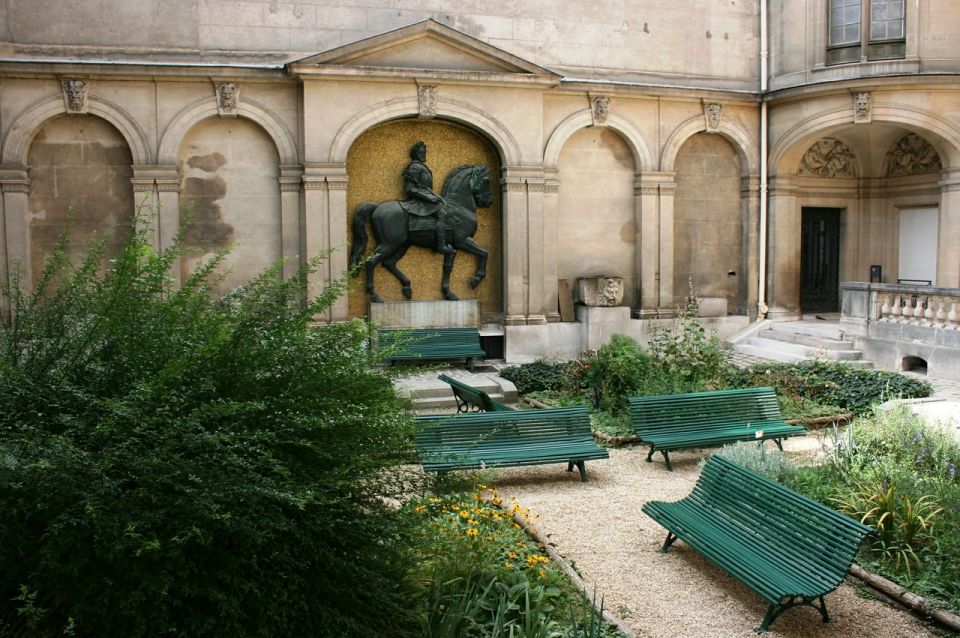
Cloisters and churches: where the medieval layers show up
You’ll spend time around several church and cloister stops, including Église des Billettes and the Cloister of Billettes. These spaces help you understand Paris before the big museum buildings took over your mental map.
A standout fact your guide will share is about the Church of Our Lady of the White Friars, built in 1258 by Saint Louis. That kind of detail turns a church facade from scenery into evidence. You start noticing the endurance: the way medieval Paris still frames daily routes centuries later.
As you move through these stops, it helps to pay attention to what feels enclosed versus open. Cloisters and church areas often shift the soundscape—street noise drops, and you feel like you’ve stepped into another layer of the city. That sensory shift is one reason this tour feels more memorable than you’d expect from a 90-minute walk.
Hotel Carnavalet, Place des Vosges, and the “Paris you can’t unsee”
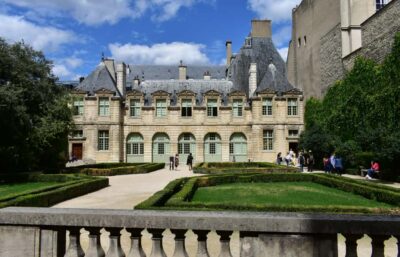
The tour continues toward major squares and civic-feeling sights, including the library area of the Bibliothèque de l’hôtel de ville de Paris and then Hôtel Carnavalet. You also reach Place des Vosges, one of the most recognizable squares in Paris.
I like Place des Vosges because it’s both pretty and useful. You can sit for a minute, check your photos, and mentally file what you’ve just learned. It’s also a natural point where the neighborhood’s mood resets—from tight alleys and courtyards to a wide, balanced public space.
If you’re the type who likes to understand how a city organizes itself, this section does a great job. It gives you that feeling of Paris as a planned patchwork: institutions, residences, and public squares stitched together by old street geometry.
Le Village Saint-Paul: how to turn the finish into a mini afternoon
The walk ends around Le Village Saint-Paul, a cluster known for antiques, art galleries, and artisan boutiques. This finish is practical: instead of ending somewhere inconvenient, you stop in an area where you can keep exploring at your own speed.
If you want a simple plan, use the guide’s last moments to ask what’s closest to your interests—antiques versus art galleries, for example. Then stroll without rushing. In the Marais, the best shopping often rewards you for walking slow and watching for details.
Also, don’t treat the finish as a hard stop. Even if you only spend 30 minutes here, you’ll likely find something small that makes the day feel like yours, not just a tour.
Optional upgrade: the Seine cruise you’ll thank yourself for
If you upgrade, you can add a narrated Seine river cruise. The big advantage is convenience: it’s a different perspective of Paris, and the narration helps tie your walking stops to the broader city story.
The other key point is scheduling flexibility. Your cruise upgrade is valid for a year from your tour date, so you’re not trapped into booking a specific afternoon instantly. That’s useful if you’re juggling museum lines, weather, or just want a calmer evening after your walk.
If you’re short on time, I’d seriously consider the upgrade. One good walking tour gives you street-level context; the Seine cruise gives you the skyline context that completes the picture.
Guides make the difference: what you can learn from great ones
A tour like this lives or dies on the guide’s ability to explain without turning every stop into a lecture. When it works, you leave with a sharper eye.
I’ve seen guides like Joanna deliver the kind of on-the-ground knowledge that makes the architecture click. Others, like Zack, bring history with humor, which keeps the pace light and the facts memorable. And when guides like Maria follow up with a list of recommendations afterward, it extends the tour into your next day in Paris—so you don’t just leave with photos, you leave with next steps.
If you care about lively explanations, look for that signal in how the tour is presented: clear English narration, room for questions, and a guide who can connect street names to what you’re seeing in front of you.
Price and pace: getting value from the $42 ticket
Here’s the value math that matters. You’re paying $42 per person for a guided walk that covers a lot of recognizable areas in about 90 minutes, plus optional add-ons. That can be a better deal than doing these same stops solo if you want context on the churches, the LGBTQ+ story, and the neighborhood history.
The walking is roughly 2 miles at a leisurely pace. That’s enough distance to feel like you covered real ground, but not so much that you’re exhausted halfway through. It’s also a good fit for people who want to see multiple highlights without sacrificing the ability to linger at fountains, courtyards, and photo stops.
Food and drink aren’t included. So if you’re hungry, plan a snack break either before you start or after you finish at Le Village Saint-Paul.
Rain or shine, and how to prep so it feels easy
This tour runs rain or shine, which means your prep should be simple and practical. Wear comfortable shoes with good grip. Le Marais streets can be uneven, and you’ll appreciate having stable footing when you’re stopping for photos and architecture details.
If you’re using a stroller or wheelchair, the route is described as accessible. Still, Paris crowds and sidewalk widths vary, so it’s smart to stay flexible and be ready for a bit of street-by-street adjustment.
One more small thing: the Stravinsky Fountain renovation note means your expectations should be adaptable. Bring your camera, but keep a “plan B” mindset for what the area might look like if access is limited.
Should you book this Le Marais walking tour?
Book it if you want an efficient, guided introduction to Le Marais that goes beyond landmarks. The combination of Pompidou’s architecture, street-level history tied to the former Jewish quarter, and the LGBTQ+ storytelling at Sainte-Croix-de-la-Bretonnerie is a strong mix, especially for a 90-minute format.
I’d hesitate only if you’re mainly chasing one specific photo spot and you’re going at a time when the Stravinsky Fountain might be affected by renovation limits. In that case, you’ll still get plenty out of the architecture and church stops, but your “fountain moment” might be smaller than you expect.
If you want a clear, walkable way to understand why Marais keeps pulling people back, this is an easy yes.
FAQ
How long is the Paris Le Marais walking tour?
The tour lasts 90 minutes.
What is the walking distance like?
The tour involves about 2 miles of walking at a leisurely pace.
Where does the tour start?
The starting location can vary by option. Two listed starting options are the Stravinsky Fountain at 2 Rue Brisemiche and the Centre Pompidou.
Is the tour in English?
Yes, the live tour guide provides the tour in English.
Is the tour wheelchair accessible?
Yes, it’s described as wheelchair accessible and stroller friendly.
Does it run in bad weather?
Yes, the tour takes place rain or shine.
Is food or drink included?
No. Food and drink are not included.
What’s included with the price?
Included is a local guide, the option for a private tour if chosen, and a Paris shuttle for convenient transportation. An optional narrated Seine cruise upgrade is also available.
What if I want the Seine cruise upgrade?
You can upgrade to enjoy a narrated Seine river cruise, and it’s valid for a year from your tour date.