
REVIEW · GIVERNY
Giverny: Monet’s House and Gardens Guided Tour
Book on GetYourGuide →Operated by guide-giverny · Bookable on GetYourGuide
Two hours here changes how you see Monet. In Giverny, you get more than a stroll through pretty scenery: you walk a plan that mirrors how Monet looked at light, color, and flowers, guided by a licensed local guide.
I especially loved the way the tour explains the garden as an art tool. The water lilies and Japanese bridge aren’t just photo stops; the guide ties what you see to what Monet was trying to paint. You’ll also appreciate the skip-the-line entry, which matters a lot at a site this popular.
One possible drawback: the tour runs in one language only. If you’re hoping to switch back and forth or you’re between languages, double-check your booking so you don’t spend the whole 2 hours sorting translation in your head.
In This Review
- Key Things To Know Before You Go
- Monet’s House and Gardens in 2 Hours: The Big Idea
- Where You Meet: Les Nymphéas and Finding Your Guide Fast
- Skip-the-Line Entry: Why It’s Worth Paying for Giverny
- The Water Garden First: Lilies, the Japanese Bridge, and the Painting Lesson
- Clos Normand: Flowers, Design, and Why the Garden Wasn’t Accidental
- Inside Monet’s Home: Turning the Rooms Into Context
- Pacing and Group Size: What “Small Group” Really Changes
- When You Can Linger: Extending the Best Parts
- Price and Value: Is $69 a Good Deal for This Tour?
- Best Timing for Giverny: Seasons and Daylight Reality
- Who This Tour Suits (and Who Might Not Love It)
- Should You Book This Monet Tour? My Take
- FAQ
- How long is the Monet’s House and Gardens guided tour?
- Where do I meet the guide?
- Does the tour include skip-the-line entry?
- How big is the group?
- What languages are available?
- Is the tour wheelchair accessible?
- Is food or drinks included?
- Can I cancel for a refund?
Key Things To Know Before You Go
- Small group (up to 10) means more questions and less standing around.
- Skip-the-line entry saves real time at Monet’s House and Gardens.
- Water Garden first: water lilies and the Japanese bridge give you the painting context fast.
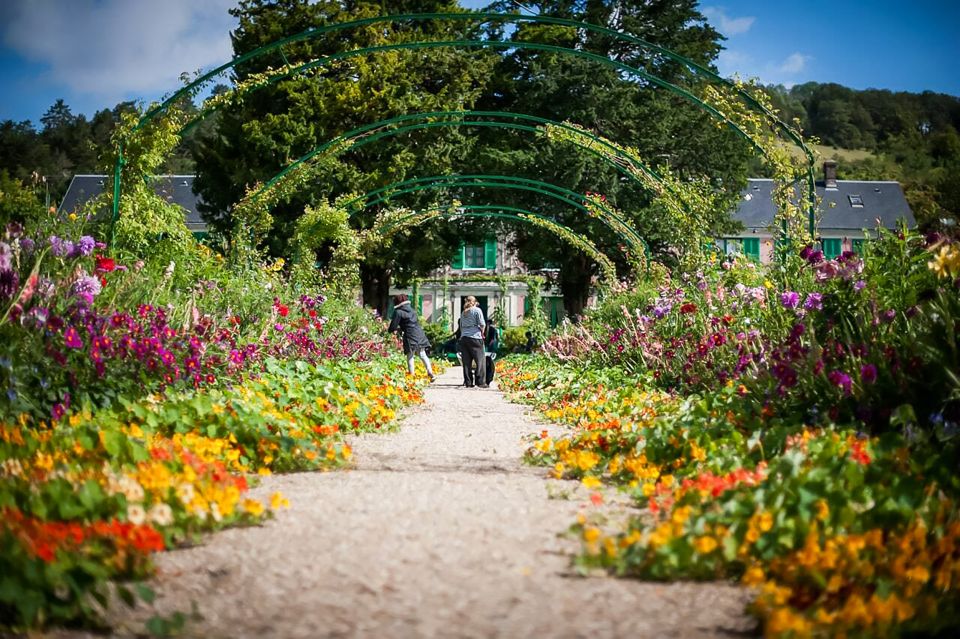
- Clos Normand stop focuses on the practical design of the garden, not just the scenery.
- Monet’s home visit adds meaning to the garden walk, room by room.
- You can linger after the tour for extra photos or browsing the gift shop.
Monet’s House and Gardens in 2 Hours: The Big Idea
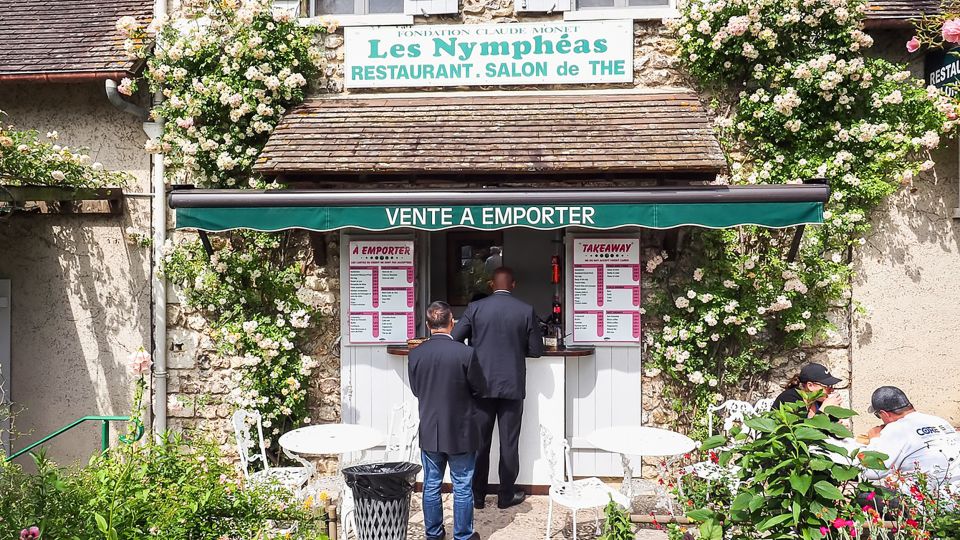
Monet’s gardens can feel like a flood of beauty when you arrive. The power of a guided tour is that it turns that flood into a focused story you can actually follow. You’re not just moving from the house to the paths; you’re learning how Monet shaped what he saw into what he painted.
This tour is built around the most famous sections: the water garden (with water lilies and the Japanese bridge) and the Clos Normand, plus time inside Monet’s house. That sequencing matters. If you start with the water, the whole place makes more sense later when you see how carefully the gardens were designed for color and light.
At $69 for about two hours, you’re paying for time saved and interpretation. This isn’t a budget museum crawl. But if you want the gardens to mean something beyond pretty views, a guide helps you get there quickly.
You can also read our reviews of more guided tours in Giverny



Where You Meet: Les Nymphéas and Finding Your Guide Fast
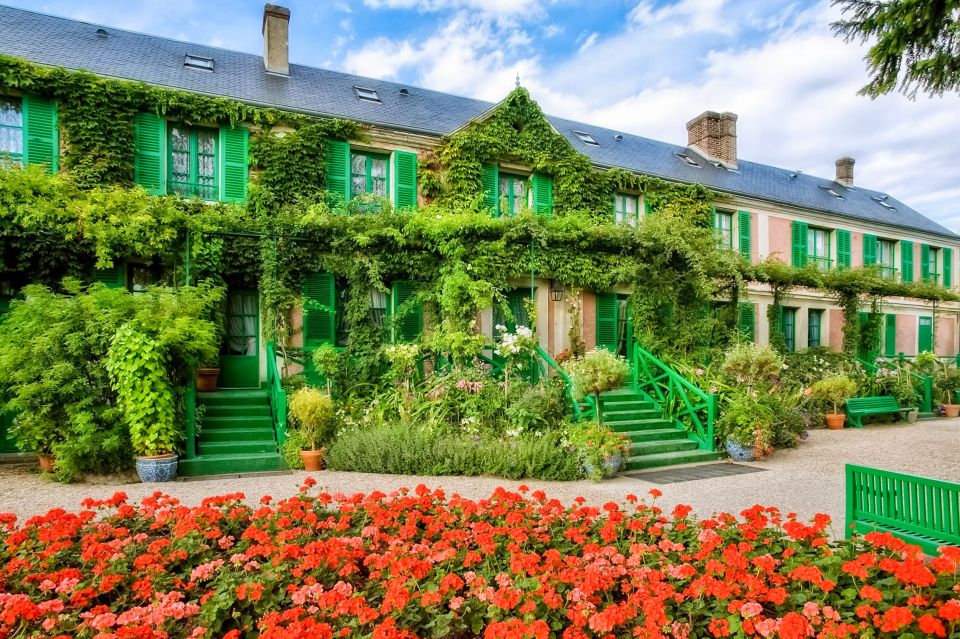
Your meeting point is outside Restaurant Les Nymphéas, the café/restaurant closest to Monet’s House. This part sounds simple, but it’s worth planning like a pro: Giverny mornings can get crowded, and you don’t want to hunt for your group.
Look for a guide with a blue badge and a green folder labeled written guided tour. One review notes that the guide’s outfit made them easy to spot—Monet green and white stripes—so even if you lose sight of the folder, you should still be able to identify the guide in the meeting area.
I like this meeting setup because it keeps things practical. You don’t have to decode vague meeting instructions or walk far with your ticket anxiety humming in the back of your mind.
Skip-the-Line Entry: Why It’s Worth Paying for Giverny
Monet’s House and Gardens draw lines, and lines steal time. This tour includes skip-the-ticket-line entry tickets and uses a separate entrance for the guided group. In a two-hour experience, those minutes matter.
Here’s the realistic tradeoff: if you were arriving on your own without a timed plan, you’d likely spend part of your visit queueing while the best photo light and calmer walking moments slip away. With this tour, you’re already moving along the route while other people are still sorting their place in the line.
One practical bonus: the skip-the-line doesn’t just save time, it lowers stress. You can show up, meet your guide, and settle into the experience instead of watching the queue like it’s the main attraction.
The Water Garden First: Lilies, the Japanese Bridge, and the Painting Lesson
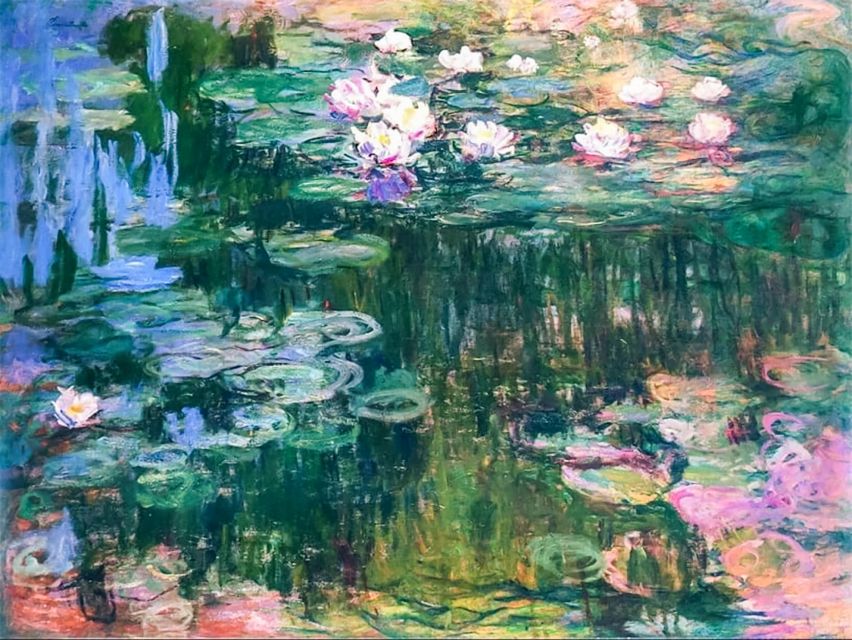
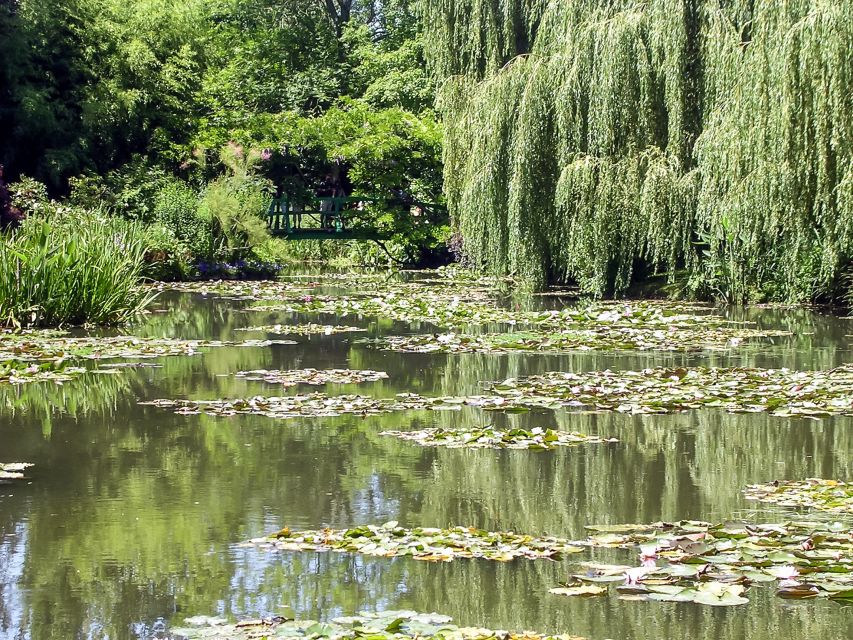
The tour’s first garden stop is the water garden, where you’ll see the water lilies and the Japanese bridge that inspired some of Monet’s most iconic imagery. Starting here is smart because it trains your eye right away.
Your guide points out details like how different areas of the water look under different light, and how Monet built compositions so the scene changes as you stand and look. You’ll also hear guidance on what to notice while you’re there—less generic “take a picture,” more “this is why that view mattered.”
If you’re the kind of person who likes to connect art to real-world observation, this is where you feel it most. You’re learning to see the garden as a working studio, not a static postcard.
Photo tip: don’t only aim for the bridge shot. Turn your phone or camera toward the water surface too. When the lilies fill the frame, the image starts to look like a painting even before you reach the house.
Clos Normand: Flowers, Design, and Why the Garden Wasn’t Accidental
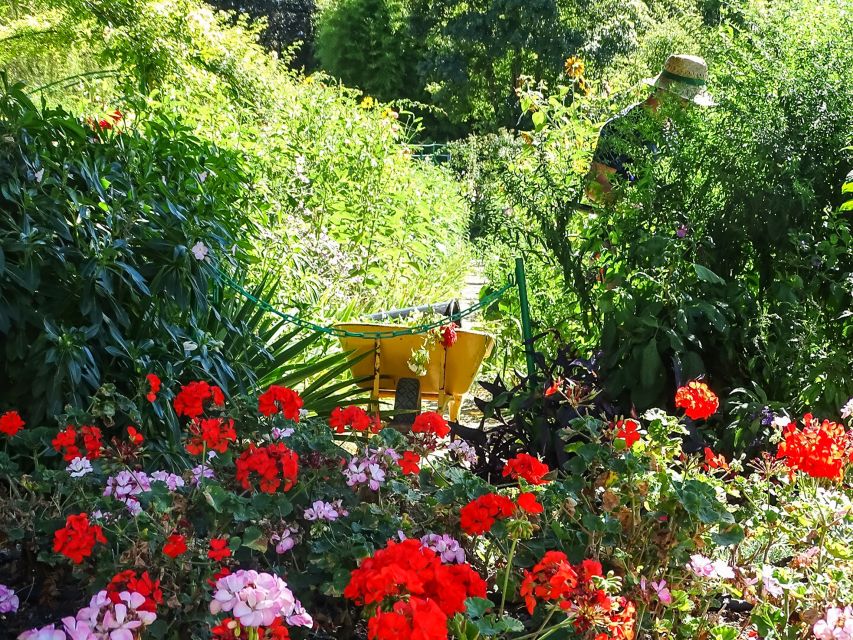
After the water, the tour moves into the Clos Normand. This is the part that shifts the mood. The water garden gives you softness and reflections; the Clos Normand gives you intentional color, structure, and planting choices.
Your guide will point out different species of flowers and describe why the garden layout mattered to Monet. The big idea is simple: Monet didn’t just paint what happened to be there. He designed a space that supported the way he worked—studying color, light, and how plants create rhythm through a season.
Many visitors think gardens are mostly about beauty. Monet’s garden approach shows you it’s also about planning and observation. The tour helps you see that planning while you’re walking, so the Clos Normand feels more like a living artwork than a collection of pretty blooms.
One more helpful angle from guides in this style of tour: you may get explanations that connect the garden to Monet’s wider painting evolution. Some guides use examples comparing Monet’s work in different contexts and even talk through basics like how colors relate. That kind of talk makes the garden feel like part of a larger artistic system.




Inside Monet’s Home: Turning the Rooms Into Context
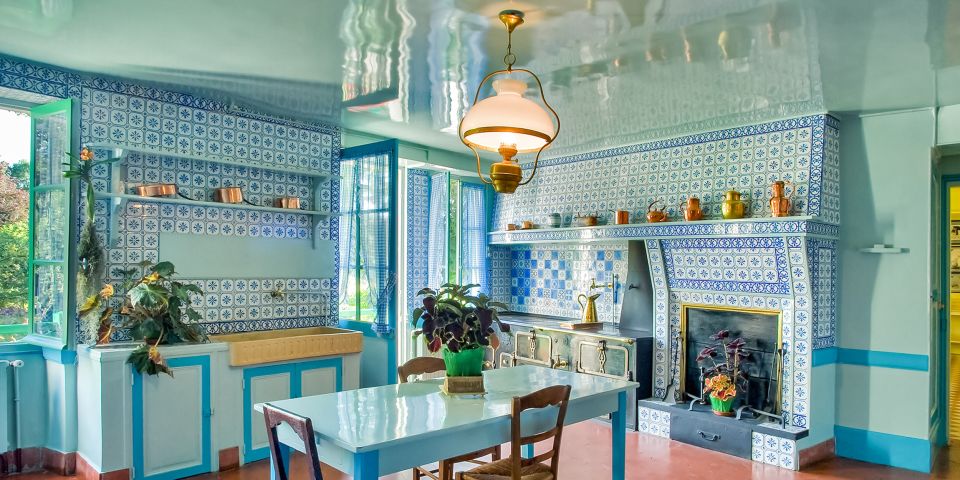
You’ll also visit Monet’s house during the tour. This is where the story widens from botany to biography.
Instead of treating the home like a quick hallway pass, the guide frames it as a backdrop to Monet’s life: why he ended up in Giverny, how he lived there with his family, and how his approach to painting grew from daily routines and constant looking.
I like house visits in art tours when they answer one question: what does this building add that the paintings can’t? Here, the home gives you scale and habit. You can understand how someone might spend hours studying a view and then translate it into brushwork.
And because you’re in a small group, you can ask questions when something clicks. The better guides here also keep the pace moving so you don’t get stuck in one room while everyone else waits.
Pacing and Group Size: What “Small Group” Really Changes
This tour limits the group to 10 participants. That size is big enough to feel lively, but small enough that your guide can actually interact with you. The experience is set up for questions, not just headsets-on, walk-without-thinking.
Pacing is another underrated benefit. A guide who knows the route can keep the group flowing among other visitors without making you feel herded. One review experience praised how the guide managed to steer the group past hundreds of other people, and that’s exactly what makes the difference between a good tour and a frustrating one.
In other words, small group isn’t a marketing tag. It’s a practical way to move through a crowded site without losing your focus.
When You Can Linger: Extending the Best Parts
At the end, you exit, but you’re not forced to stop everything at the official finish. You can stay longer to stroll on your own, and you can also check out the big gift shop.
This is a smart setup. You get interpretation during the guided portion, then you get freedom after. That’s how I’d build the ideal art-and-garden visit: guided context first, personal wandering second.
If you’re taking photos, linger for a few extra angles. You’ll often notice details you missed while you were listening to the guide.
Price and Value: Is $69 a Good Deal for This Tour?
$69 for about two hours doesn’t sound cheap until you translate what you’re buying:
- Skip-the-line access saves time and stress.
- A licensed local guide connects the garden to Monet’s life and painting goals.
- The group is capped at 10, so you’re not just paying for entry—you’re paying for the experience.
If you’re the type who visits art sites by reading walls and moving on, you might feel the price more. But if you want the garden explained—why lilies and bridge views mattered, why planting choices shaped the paintings—then it’s more like buying a shortcut to understanding.
Also, two hours is a sweet spot. It’s long enough for real meaning, short enough that you don’t feel stuck at one location for a whole afternoon.
Best Timing for Giverny: Seasons and Daylight Reality
Monet’s gardens are open from early spring through the first days of November. If you’re traveling in winter, this tour won’t be an option on the garden calendar, so plan your dates accordingly.
For the time of day, there’s good evidence that the experience improves early. One person recommended starting first thing in the morning when there are fewer people. Another tip suggests entering around 10:00 and also mentions around 12:30 as a good alternative, when crowds and lunch rhythms change.
My practical advice: aim for an arrival time that keeps you away from the worst crowd surges. Even with skip-the-line entry, you still share the grounds, and you’ll enjoy it more when you can walk without constant traffic around you.
Who This Tour Suits (and Who Might Not Love It)
This tour is a strong match if you:
- want the garden explained through Monet’s intentions, not just what’s blooming
- like art talk that connects color and light to how plants are arranged
- value small-group interaction and questions
- are short on time but still want a complete sense of the house plus both main garden areas
It might not be your best fit if you:
- need total freedom and want to spend 3–4 hours wandering without a timed route
- strongly prefer bilingual pacing or mixing languages during the tour (the tour runs in one language only)
- expect food included (it’s not)
Should You Book This Monet Tour? My Take
I’d book it if you want Giverny to feel like a guided story, not a crowded stroll. The combination of skip-the-line entry, a 2-hour small-group pace, and a guide who connects the water garden, Clos Normand, and Monet’s house makes the visit easier to understand and more fun to remember.
If you’re on the fence because of the price, here’s the quick decision rule: if you’ll enjoy learning how the garden design connects to Monet’s paintings, the $69 feels fair. If you only want pretty views and don’t care about the art context, you might get by on your own.
FAQ
How long is the Monet’s House and Gardens guided tour?
The tour runs for 2 hours.
Where do I meet the guide?
Meet outside Les Nymphéas café/restaurant, which is the nearest spot to Monet’s House. Your guide will have a blue badge and a green folder labeled written guided tour.
Does the tour include skip-the-line entry?
Yes. It includes skip-the-ticket-line entry tickets and uses a separate entrance for the guided group.
How big is the group?
The group is limited to 10 participants.
What languages are available?
The tour is offered in French or English, and tours operate in one language only.
Is the tour wheelchair accessible?
Yes, it’s wheelchair accessible.
Is food or drinks included?
No. Food and drinks aren’t included.
Can I cancel for a refund?
Yes. You can cancel up to 24 hours in advance for a full refund.