REVIEW · PARIS
Marais: Discover the Medieval Heart of Paris
Book on GetYourGuide →Operated by My Super Tour · Bookable on GetYourGuide
Medieval Paris is hiding in plain sight. This 150-minute Marais tour brings the oldest medieval quarter of Paris to life, with stops that connect Templar-drained swamp origins to today’s designer streets. I especially like the blend of major sights and real local texture, plus the chance to see Victor Hugo’s home. One thing to consider: it’s a walking-focused itinerary, so plan on comfortable shoes and a small weather plan.
What makes this tour work well is the guide factor. Guides like Max, who studied politics, history, and international relations, and Sacha, who can tailor the route to your questions, help you connect dots fast. Malakas is also known for sharing lots of information at the pace you want—handy when you’re learning while it’s cold and rainy. If you’re the type who wants to wander at your own speed without group structure, this may feel a bit packed.
In This Review
- Key things you’ll notice in the Marais tour
- Why the Marais still feels medieval and modern at once
- Starting at Bastille: the easiest way to get your bearings
- Rue des Tournelles and the medieval core: how the streets tell the story
- Maison de Victor Hugo: why one writer can explain an era
- Hôtel de Sully and the power buildings of the Marais
- Synagogues and courtyards: the Jewish Marais at street level
- Secret stops and Masonic spaces: what the guides are really good at
- From Bastille-era echoes to Place-to-garden quiet
- Shopping streets at 30 Rue Sainte-Croix de la Bretonnerie
- Centre Pompidou as a modern bookmark
- How the guides shape the experience (and why it matters)
- Price and value: does $50 for 150 minutes make sense?
- Who this tour fits best (and who should skip it)
- Should you book this Marais medieval walk?
- FAQ
- FAQ
- What is the duration of the Marais tour?
- Where does the tour start?
- What languages are available for the live guide?
- Is food included?
- What should I bring for the tour?
- How much does the tour cost?
Key things you’ll notice in the Marais tour
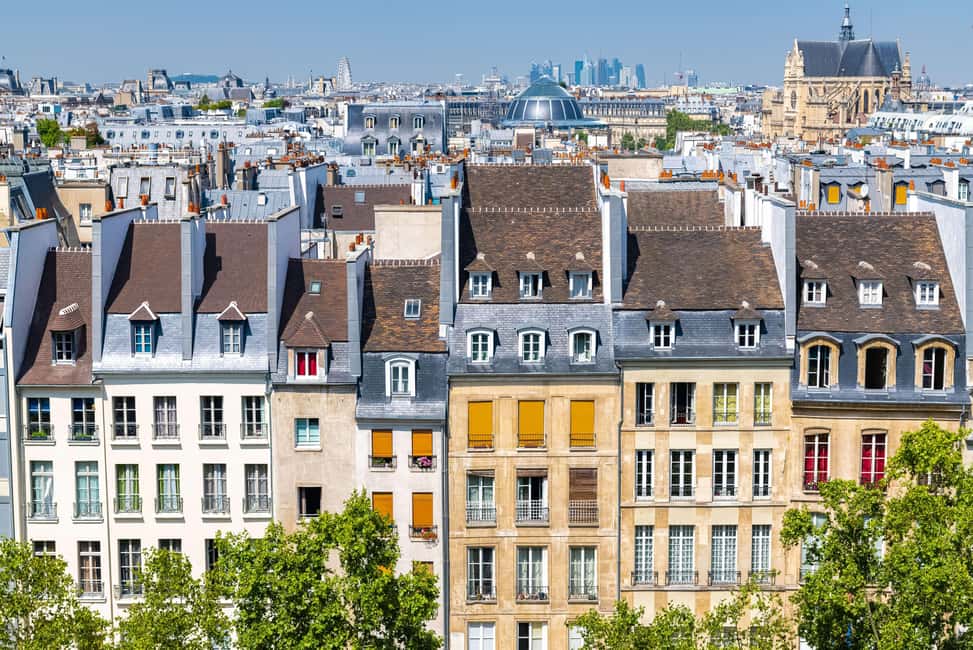
- Templar-era backstory: how a drained swamp shaped the layout of the quarter
- Two synagogue stories: the oldest synagogue in Paris plus an Art Deco synagogue
- Place des Vosges + big names: Victor Hugo and Hôtel de Sully in one tight route
- Hidden stops and photo pauses: small courtyards and concealed spaces you’d miss alone
- Rue des Rosiers street food time: falafel and sweets like hamantaschen and Hanukkah jelly donuts
- Old Paris meets modern nightlife: designer boutiques and cafés, including LGBT scene connections
Why the Marais still feels medieval and modern at once
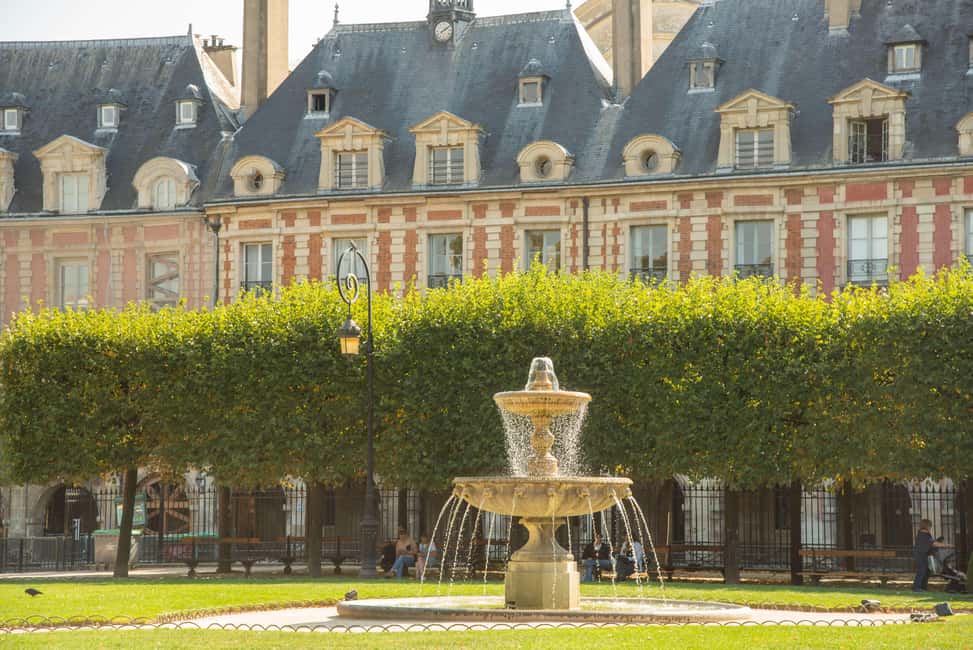
The Marais is one of the few areas in Paris where the past doesn’t just sit behind a fence. You walk from medieval architecture to modern fashion without changing districts. That contrast is the whole point of this tour.
You start with a dramatic origin story: long before trendy boutiques, the area was a swamp that the Templar Knights drained in the 13th century. That single detail explains why some street lines and building rhythms feel different from other parts of the city. It’s the kind of context that makes the old stones click into place instead of looking like random pretty façades.
I also like that the tour doesn’t treat the Marais as one vibe. It’s described as part Jewish community, part LGBT culture, and part creative-design energy. You get the human mix, not just monuments. That matters, because the Marais is less about one hero building and more about layered communities that kept overlapping for centuries.
You can also read our reviews of more tours and experiences in Paris.



Starting at Bastille: the easiest way to get your bearings
The meeting point is at 3bis Pl. de la Bastille, and the guide waits with a sign for My Super Tour at the Bastille metro station, exit 7 (sortie 79). Bastille is served by line 1, 5, and 8, so you can usually reach it without extra transfers.
This matters because the tour runs about 150 minutes. In a short timeframe, getting lost is the enemy. If you’re even slightly unsure of your metro exit, arrive a few minutes early. You’ll have time to locate the sign, then settle into the group pace.
What to bring is simple and practical. Wear comfortable shoes, since you’ll be doing multiple guided stops plus walks between them. Also bring water, and use an umbrella for security—rain in Paris isn’t just an aesthetic issue. It changes how you experience the streets, and you’ll want to keep moving without getting soaked and miserable.
Rue des Tournelles and the medieval core: how the streets tell the story
After the meeting point, you head to 21bis Rue des Tournelles via about a 10-minute walk. This is a useful warm-up. You’re not yet at the big postcard squares; you’re building context for what comes next.
Rue des Tournelles and the nearby lanes are where you start to feel the Marais as an actual neighborhood. The tour approach helps you notice details that most quick sightseeing skips—building scale, little openings, and the sense that some spaces were designed for daily life, not just viewing.
Then you step into one of the Marais anchors: Place des Vosges. It’s the city’s oldest planned square, and the tour gives you a focused 10-minute look. This stop works best if you keep your eyes moving: look at symmetry, then look again at the corners where life happens. Even in a historic plaza, there’s usually a rhythm—cafés, passageways, and movement—that makes it feel alive rather than staged.
Maison de Victor Hugo: why one writer can explain an era
A short jump takes you to Maison de Victor Hugo for a 15-minute visit. Victor Hugo is one of those names that can feel like a school lesson—until you see how an iconic writer is tied to a specific place.
This stop is valuable because it gives you a human anchor. Instead of only thinking about architecture and dates, you start thinking about who lived here, what they did, and how the city changed around them. When the guide connects Hugo’s home to the broader Marais story, it helps you remember the quarter as a lived-in space rather than a museum map.
If you like literary tourism, this is one of the best payoff moments on the route. If you’re not a literature person, the value still holds: it’s a quick way to understand why the Marais became a center of influence over time.
Hôtel de Sully and the power buildings of the Marais
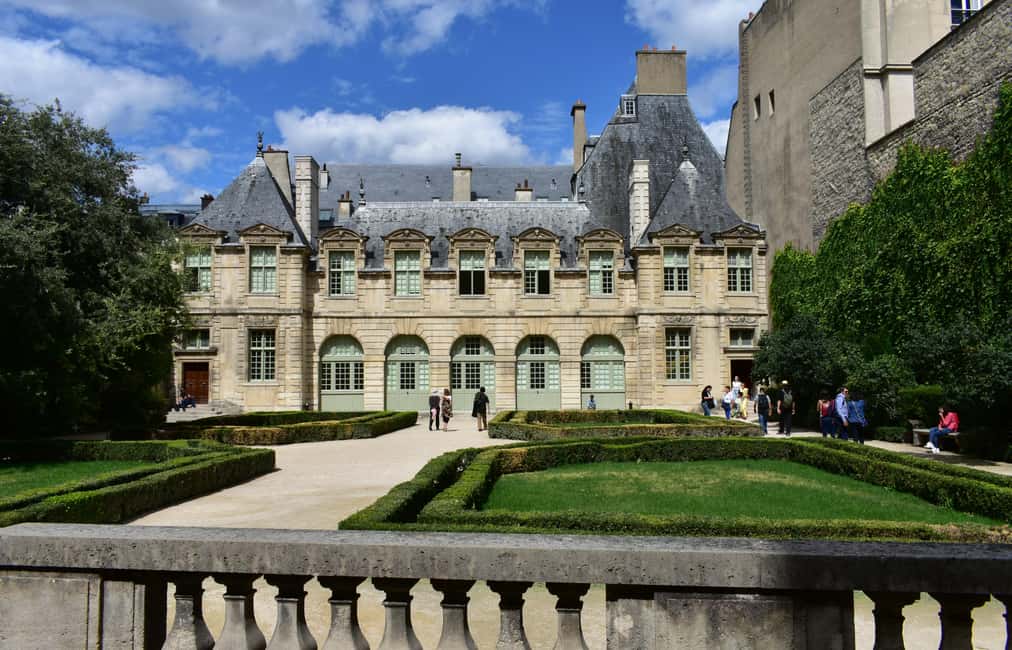
Next is the Hôtel de Sully with a photo stop and guided visit. This is the kind of building you can walk past without realizing it’s a big deal. The tour helps you read the structure: where status is expressed, where the main presence is, and how aristocratic life shaped the space.
Right after that, you glance at 99 Rue Saint-Antoine for sightseeing. This kind of stop is small, but it keeps you from zoning out between major attractions. It’s also where your guide’s style matters. Enthusiastic, structured guides—like Sacha, known for answering questions on the spot—make these short segments feel purposeful instead of rushed.
If you’re traveling with kids, friends who aren’t history-only, or anyone who needs variety, these mid-route pauses are the glue. They keep energy up while still moving the story forward.



Synagogues and courtyards: the Jewish Marais at street level
The tour’s cultural core gets real around Rue des Rosiers. You’ll spend time here with street food, guided touring, and sightseeing. It’s a great part of the itinerary because the neighborhood isn’t preserved behind barriers. You’re watching it function.
Rue des Rosiers is tied to the area’s Jewish community, and the tour frames it through two synagogue stories. You’ll hear about the oldest synagogue in Paris and also the only synagogue in Art Deco style. That pairing is smart: it shows how communities adapt and build, not just how they preserve.
You’ll also learn about the sorts of gatherings and storefront culture that define the area. The guide focuses on real tastes and traditions, with delicacies like falafel, hamantaschen, and Hanukkah jelly donuts worked into the route. Food stops like this do more than feed you. They put history into a sensory lane so it sticks.
One more thing I like: the tour mentions entering hidden spaces—courtyards and interior areas—that you wouldn’t find on your own. In the Marais, that’s often the difference between seeing and understanding. If you want the feel of the neighborhood’s “inside life,” this is where the tour delivers.
Secret stops and Masonic spaces: what the guides are really good at
A tour becomes memorable when it gives you access to what you can’t simply search for on your own. Here, you get a secret stop for a photo moment and guided explanation.
Then there’s the theme of Masonic temples and lodges. The route includes those enigmatic spaces and connects them to secrets of a bygone era. Even if you don’t have a strong interest in Freemasonry, this works because it highlights another layer of Parisian life: associations, rituals, and networks that shaped how people moved in society.
This portion is where guides can shine. Max’s background in politics and international relations is exactly the kind of perspective that makes “secret” feel less like mystery theater and more like social history. And when guides like Malakas are happy to share lots of information when asked, it changes this segment from weird to meaningful.
From Bastille-era echoes to Place-to-garden quiet
The Marais has dramatic shifts in tone. One moment you’re in the aura of power and the next you’re looking for calm pockets.
You see that through the stops around Halle des Blancs Manteaux. The guided tour here is short, but it’s positioned well in the route. Markets and covered spaces are where Paris still acts like a daily city. They also give your feet a moment of relief while you keep learning.
After that comes UNIQLO LE MARAIS. This is a modern stop, and it can feel surprising if you expected only medieval sights. But that contrast is the point. The Marais is one of those places where you can walk from stone heritage to global retail energy within minutes. It’s an easy reminder that neighborhoods evolve without erasing everything.
You also visit the Picasso Museum Paris for a guided segment and sightseeing. Even when you’re not a museum person, this stop nudges the story toward the Marais as a creative district. Art, design, and style aren’t “extra” here. They’re part of what the area became.
A big payoff stop is National Archives Garden. You get a photo stop, then a visit and guided time. Gardens in Paris are always a relief, and the Marais’s green pockets are even more precious because the streets are so tight. In cold or rainy weather, a short garden break also helps keep the experience enjoyable—you get to breathe and reset.
Shopping streets at 30 Rue Sainte-Croix de la Bretonnerie
Next you go to 30 Rue Sainte-Croix de la Bretonnerie for a guided visit and shopping time. This isn’t just about buying things. It’s about understanding the Marais retail personality.
The tour also calls out trendy designer boutiques and cafés tied to the LGBT and creative scene. That matches what you see here: a neighborhood where style is a kind of public language. The shopping stop lets you interact with that energy rather than just viewing it from the street.
If you’re budget-conscious, you can still use this segment well. You don’t need to purchase. Treat it like an orientation walk through what the Marais sells today, and compare it mentally to what power structures sold centuries ago. That contrast is part of the fun.
Centre Pompidou as a modern bookmark
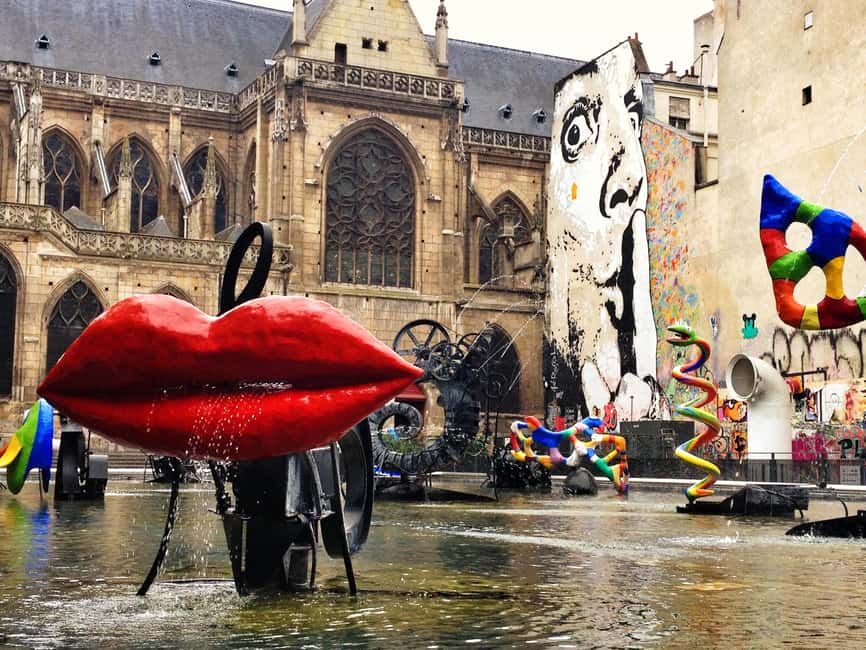
The route finishes with a Centre Pompidou photo stop and a guided time. I like where this sits in the pacing. After you’ve learned about medieval roots, synagogues, aristocratic buildings, and creative neighborhoods, Pompidou acts like a modern punctuation mark.
Even if you don’t plan to go fully inside, you’ll understand why it belongs in the storyline. The Marais can be old, but it’s not stuck in the past. This is how you end with a sense of Paris now—avant-garde, art-forward, and loud in its own way.
How the guides shape the experience (and why it matters)
This tour has a real human advantage: the guide. You’ll hear different guide styles across language options (English and Russian). The most praised element is how quickly they can connect architecture and culture into one coherent walk.
Max stands out for enthusiasm and wide-ranging study—politics, history, and international relations. That combination is excellent for understanding why places feel the way they do. Sacha is praised for tailored answers and for showing secret spots like small green areas people rarely notice. Malakas gets credit for knowledge and for being happy to share plenty of information when you want it.
For you, that means the tour can flex. If you’re more into architecture, you’ll probably get more of that. If you care about culture and identity, you’ll get more on the Jewish community and LGBT-era context. And if you have specific questions, a good guide will treat them as part of the route, not interruptions.
Price and value: does $50 for 150 minutes make sense?
$50 per person for a 150-minute guided walk is usually fair when you get two things: (1) a guide who can explain what you’re seeing, and (2) access to places you can’t easily find yourself.
Here you get both. You’re covering a strong cluster: Place des Vosges, Victor Hugo’s Maison, Hôtel de Sully, synagogue-related context, hidden stops, market and garden moments, plus modern anchors like UNIQLO Le Marais, Picasso Museum Paris, and Centre Pompidou.
You also get practical food context on Rue des Rosiers, with examples of dishes and sweets associated with the area (falafel, hamantaschen, Hanukkah jelly donuts). That’s not a huge “meal deal,” but it adds value by turning the route into a real neighborhood experience rather than a checklist.
If you love guided storytelling and want a structured route that still leaves room for questions, this price is a good bet. If you prefer to roam independently and only hit a couple of major landmarks, you might save money by building your own route. But you’ll lose the connections—and the hidden spaces.
Who this tour fits best (and who should skip it)
This tour is a great match if:
- You want medieval Paris with context, not just photos
- You care about how communities shaped the Marais, especially Jewish and LGBT culture
- You like architecture but also like when the guide explains who lived there and why
- You’re traveling with someone who enjoys variety (history, food, art, modern streets)
You might think twice if:
- You dislike walking and prefer slower, self-paced touring
- You only want one or two marquee sights and hate “many stops”
- You’re looking for a deep museum-only day rather than a district walk
Should you book this Marais medieval walk?
I’d book it if your goal is to understand the Marais quickly and accurately. This is the kind of route that helps you connect the swamp-drain origins, medieval architecture, Jewish landmarks (including an Art Deco synagogue), aristocratic mansions, and modern creative energy into one flowing picture.
If you only have a half-day or a bit more in Paris and want your time to feel meaningful, this tour earns its place on your schedule. Just show up ready to walk, bring water, and keep an umbrella handy. Then let the guide do the heavy lifting—especially around the hidden spaces and the cultural layers that you’d otherwise miss.
FAQ
FAQ
What is the duration of the Marais tour?
The tour lasts 150 minutes.
Where does the tour start?
The meeting point is 3bis Pl. de la Bastille, and the guide waits with a sign for My Super Tour at the Bastille metro station exit 7 (sortie 79).
What languages are available for the live guide?
The live tour guide is available in English and Russian.
Is food included?
Food is not listed as included, but the route includes street food time on Rue des Rosiers where you can try local items mentioned in the tour description.
What should I bring for the tour?
Bring comfortable shoes, a bottle of water, and an umbrella for security.
How much does the tour cost?
The price is listed as $50 per person.