REVIEW · PARIS
Paris: Latin Quarter 2.5-Hour Private or Group Walking Tour
Book on GetYourGuide →Operated by Babylon Tours LLC · Bookable on GetYourGuide
Paris whispers through the Latin Quarter. This 2.5-hour walk turns familiar Left Bank sights into one connected story, with a professional art historian guide and a reserved Orsay Museum ticket that makes the time feel smarter than a quick sightseeing loop. You’ll get a guided route that keeps famous names—Hemingway, Woody Allen, Salvador Dalí—linked to real streets and the places that shaped ideas.
The main trade-off is time. In 2.5 hours, you’re prioritizing key viewpoints and landmarks, so you may not get inside every major building you expect, and the walking is moderate.
In This Review
- Key points to know before you go
- A Left Bank story that connects Notre-Dame to Orsay
- Pacing and group size: making 2.5 hours feel like more
- From medieval Paris to student streets: Notre-Dame, Sorbonne, and the Pantheon area
- Shakespeare and Co. and Luxembourg Gardens: where books and breaks belong on the same route
- Sacré Coeur basilica: a mood shift you’ll actually appreciate
- Orsay Museum reserved entry: use the ticket, not just the badge
- Price and value at around $53: what you’re really buying
- Tips to get more from your guide (and avoid wasted time)
- Should you book this Latin Quarter tour with Orsay entry?
- FAQ
- How long is the Paris Latin Quarter walking tour?
- Is this tour private or shared?
- What’s included with the tour?
- Which languages are available?
- What do I need to bring, and what can’t I bring?
- Is the tour wheelchair accessible?
- What if plans change due to the museum?
Key points to know before you go
- Max 8 guests per guide means the tour stays conversational, not a cattle-line script.
- Reserved Orsay Museum entry is included, so you’re not scrambling to time a ticket on the spot.
- Left Bank classics like Notre-Dame, Sorbonne area streets, Pantheon area views, and Shakespeare and Co. anchor the walk.
- Sacré Coeur basilica is on the route, giving you a satisfying mood shift from the Latin Quarter.
- Languages include English, Spanish, French, German, and Italian, so you can pick a guide who matches your comfort level.
- Small-team flexibility: the guide can adapt based on what you care about more.
A Left Bank story that connects Notre-Dame to Orsay
The Latin Quarter is one of those parts of Paris that keeps its personality even as the city changes around it. I like tours that treat it like a single living timeline, not a checklist of monuments. This one does that by linking medieval streets to student culture, writers, and the artistic Paris that later made the rest of the world pay attention.
What makes it extra practical is the mix of stops. You get major landmarks on the Left Bank—Notre-Dame and the university-and-ideas atmosphere around Sorbonne—then you move through writer-friendly corners like Shakespeare and Co. You also get green breathing room with Luxembourg Gardens, and the walk doesn’t end on the Left Bank vibe alone: it includes Sacré Coeur for a different Paris mood. That combination is why this format works: it gives you history, people, and the everyday feel of the neighborhood.
And then there’s Orsay. A reserved entry ticket means your museum time is part of the plan, not a last-minute gamble. It’s the kind of add-on that quietly saves your trip.
You can also read our reviews of more walking tours in Paris



Pacing and group size: making 2.5 hours feel like more
You’re signing up for a short tour, so pacing matters. The tour runs for 2.5 hours, and it has a cap of up to 8 guests per guide. That small maximum changes the vibe. You can ask questions, get clarifications, and steer toward what you care about most—especially if you’re the type who wants the “why” behind what you’re seeing.
The tour is mainly a walking experience, and it’s described as moderately paced. That means you should plan comfortable shoes and expect some time on your feet. If you’re hoping for a nearly effortless ride with minimal walking, this is probably not the right match.
There’s also a private option and a semi-private option. Private generally fits best if you want a custom rhythm. Semi-private can be a better value if you’re okay sharing the guide with others and staying within the same group dynamic.
From medieval Paris to student streets: Notre-Dame, Sorbonne, and the Pantheon area

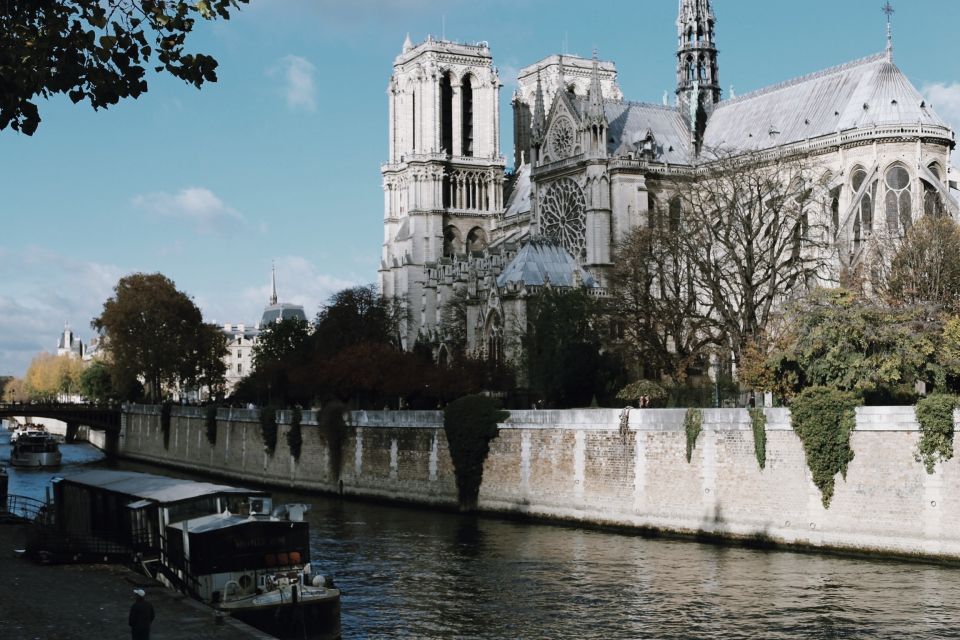
You start in the heart of the Left Bank story, where Paris has been learning, arguing, publishing, and reinventing itself for centuries. Notre-Dame is often the first “big visual anchor” on this kind of route, and for a good reason: it gives you a medieval reference point that makes the rest of the neighborhood easier to read.
From there, the tour leans into the identity of the Latin Quarter—students, professors, and thinkers—using the Sorbonne area atmosphere as a guide. This isn’t just about buildings. It’s about how Paris built a reputation for ideas and debate right there in the streets you’re walking.
You’ll also encounter the Pantheon area as part of the broader narrative. One of the most useful things a good guide can do is help you connect what you see to what it represented at the time. For the Latin Quarter, that usually means understanding how religion, scholarship, politics, and public memory all overlap in close quarters.
One practical consideration: if you’re coming in hoping for inside access to every major institution, keep your expectations flexible. There’s a note that some interior time may not match what you imagine—so if going inside specific places is non-negotiable, it’s smart to ask the guide which stops focus on viewpoints versus interiors on your date.
Shakespeare and Co. and Luxembourg Gardens: where books and breaks belong on the same route
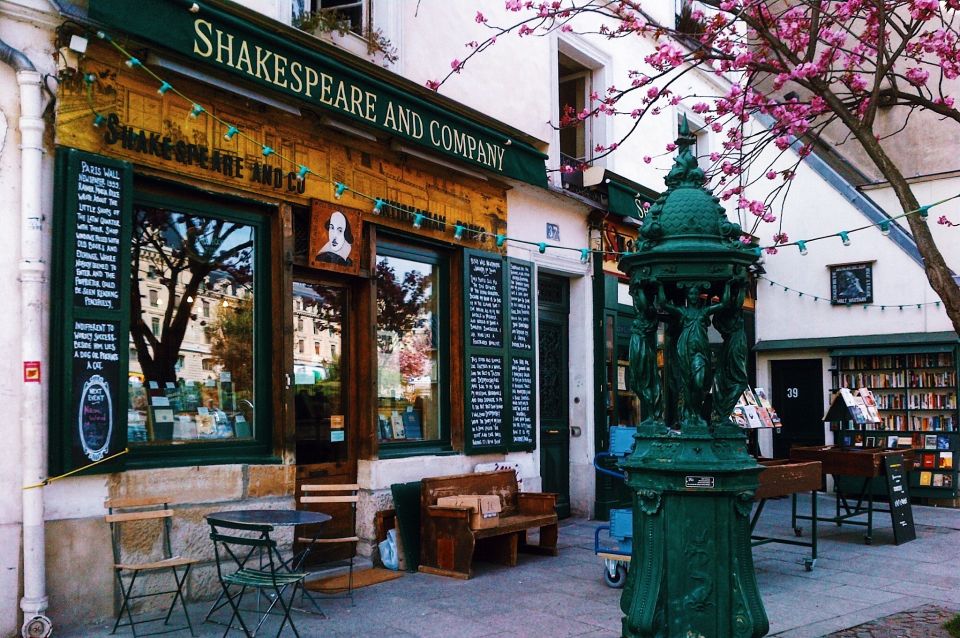
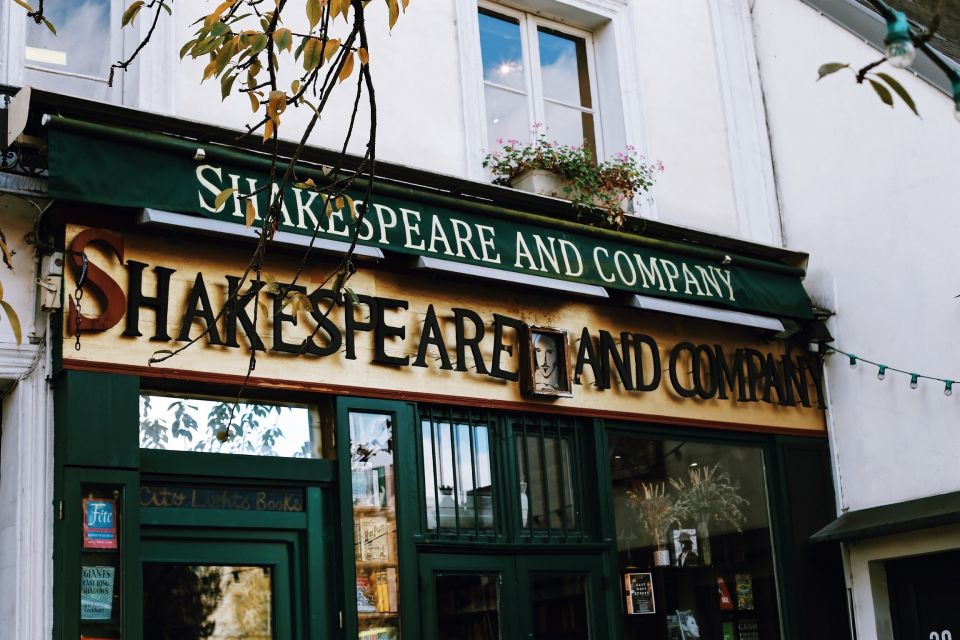
The Latin Quarter has a way of letting you feel literature in physical form. Shakespeare and Co. is a standout because it’s not just a shop with a famous name—it’s a symbol of the bookish Paris idea that helped attract writers, artists, and curious visitors for generations.
I love stops like this because they teach you how to look. Instead of treating books as a museum object, you see how reading culture lives in storefronts, street corners, and conversations. You can use that as a lens while you walk, so the streets start to feel like they have themes, not just landmarks.
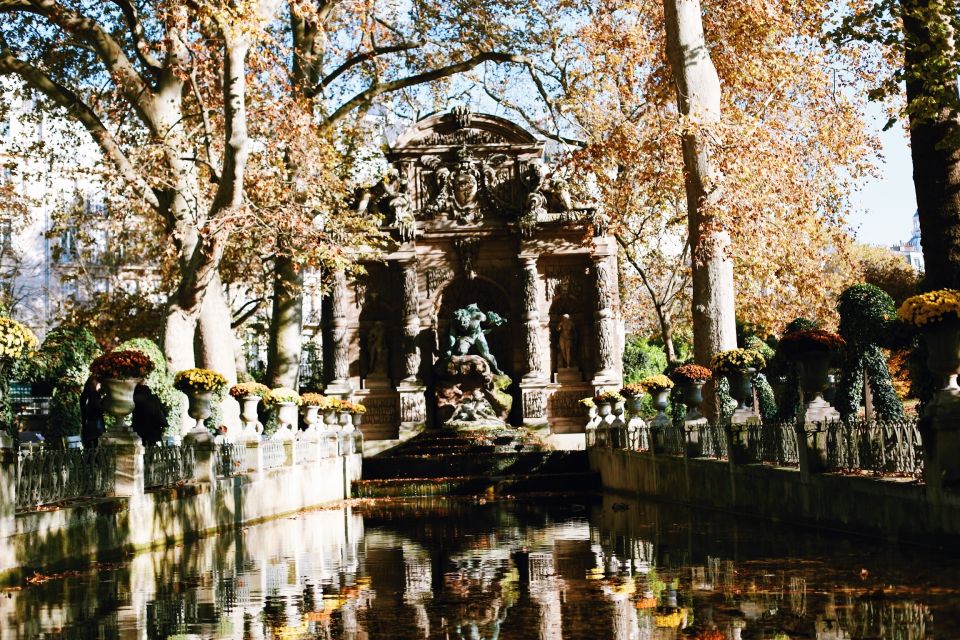
Then comes Luxembourg Gardens, which is a smart pause in the middle of a walking-heavy morning. It also changes your pacing in a useful way: you get a breather, you can reset your legs, and you shift from “where people were taught and argued” to “where people slowed down.” In a short tour, that kind of balance matters. It helps you absorb more without feeling like you’re being marched from one photo spot to the next.
If you enjoy stained glass and historic church details, this route may also include churches along the way where you can spot those classic French interior light effects. It’s the kind of “bonus detail” that can make the walk feel richer even when you’re not spending lots of time inside.
Sacré Coeur basilica: a mood shift you’ll actually appreciate
It’s not uncommon for Latin Quarter walks to stay locked into the Left Bank. This one breaks that pattern by including Sacré Coeur. That’s a big deal for your overall experience because it changes the emotional angle of the day.
From the Latin Quarter’s student-and-writers atmosphere, Sacré Coeur gives you a different Paris flavor—more dramatic, more postcard-ready, and visually louder. The basilica stop also helps you understand how Paris isn’t one single story. It’s many stories stacked close together, and you feel that contrast when your walk shifts.
Even if you’ve seen Sacré Coeur in photos before, the value here is context. Your guide can tie it back to the larger “Paris as an ideas-and-art magnet” theme, rather than leaving it as a standalone stop.
You can also read our reviews of more private tours in Paris






Orsay Museum reserved entry: use the ticket, not just the badge
The Orsay Museum reserved entry ticket is one of the strongest value points of this tour. Tickets can be annoying in peak seasons, and the last thing you want is to waste an afternoon trying to figure out timed entry while you’re already in the neighborhood.
But here’s the mindset that helps most: treat the Orsay stop as guided time to help you look smarter. You won’t get unlimited museum time in a short overall tour, so your goal should be selecting what you want to see rather than trying to “cover” the whole museum.
A couple of practical notes you should keep in mind:
- Occasionally, museums can have closures without prior warning. If Orsay’s opening is delayed by more than an hour from the tour start time, you’ll be offered an appropriate alternative.
- In cases of these timing changes, refunds or discounts aren’t guaranteed.
So if Orsay is a hard priority for your trip plan, I’d recommend you build in some flexibility for that day. Come with a short list of what you care about most, so you can adapt when needed.
Price and value at around $53: what you’re really buying
At about $53 per person, this tour sits in the “worth it if you care about guidance” zone. A walking tour can be cheap, but cheap usually means generic interpretation or a guide who’s focused on getting the group through quickly. Here, you’re paying for three things that directly affect your experience:
First, the guide is described as a professional art historian guide. That matters in Paris, where lots of monuments look similar if you don’t know what you’re looking for. A strong guide turns stone and street names into meaning.
Second, the group size cap (up to 8 per guide) is a quality lever. It’s the difference between asking one question and never getting a chance.
Third, the Orsay reserved entry ticket included pulls weight. Even if you were planning to visit Orsay anyway, having a reservation lined up saves effort and reduces stress. That’s a real form of value, even if you don’t track it in a spreadsheet.
The other side of value is what you’re not getting: there’s no food included and no transportation. That’s normal for a walking tour, but it means you should plan a light snack or meal outside the tour time window.
Tips to get more from your guide (and avoid wasted time)
I think the best way to enjoy this kind of tour is to show up with decisions already made. You don’t need a long list—just be ready to say what matters most to you.
Here are a few ways to make it pay off:
- Wear comfortable walking shoes and plan for a moderate amount of time on foot.
- Bring your passport or ID card, since it’s listed as required.
- Keep bags small. Large bags and luggage aren’t allowed.
- If you have specific interiors you’re hoping for (for example, if you’ve got a must-do church or a must-see museum hall), ask the guide early how the route handles inside time versus outside viewpoints. With a tight schedule, the balance can shift.
- Use the group size to your advantage. The tour’s small cap makes it easier to get your questions answered clearly.
Also, you can often benefit from guide personality. One guide name that comes up in association with this tour is Hugo, praised for sharing in-depth history and guiding people through the area’s stories with real clarity. Another name that comes up is Francois, noted for being funny and adjusting based on what your interests are. If you pick a language option and you care about interaction, those kinds of guides are worth hoping for.
Should you book this Latin Quarter tour with Orsay entry?
Book it if you want a guided walk that connects the Latin Quarter’s landmarks into one understandable story—and you want to be set up for Orsay with reserved entry. This is a strong choice for first-timers on the Left Bank who also want culture, not just photos.
Consider skipping or switching to a longer option if you need lots of interior time at every major site. In a 2.5-hour format, you’re trading depth at one stop for coverage across several key areas: Notre-Dame, the Latin Quarter ideasphere around Sorbonne, literary Paris with Shakespeare and Co., a reset at Luxembourg Gardens, a visual pivot at Sacré Coeur, and then Orsay.
If you’re traveling with someone who enjoys walking and discussion—and you like the idea of learning why Paris looks the way it does—this tour fits your style well.
FAQ
How long is the Paris Latin Quarter walking tour?
The tour lasts 2.5 hours.
Is this tour private or shared?
You can choose private or semi-private options. The tour also notes a maximum of 8 guests per guide for a more intimate experience.
What’s included with the tour?
The tour includes a professional art historian guide and a walking tour, and it includes a reserved entry ticket to the Orsay Museum.
Which languages are available?
The live guide is offered in Italian, German, English, Spanish, and French.
What do I need to bring, and what can’t I bring?
Bring a passport or ID card. Large bags or luggage are not allowed.
Is the tour wheelchair accessible?
The activity is not suitable for wheelchair users. Wheelchair tours are available only on request, and the semi-private option is not available for people with walking disabilities or wheelchair users.
What if plans change due to the museum?
There can be occasional closures without previous warning from museum management. If the museum opening time is delayed more than 1 hour from the tour starting time, guests are provided an appropriate alternative, and refunds or discounts may not be available. The tour also offers free cancellation up to 24 hours in advance for a full refund.