REVIEW · PARIS
The Tout Paris Private Rickshaw bike Tour with Audio Guide
Book on GetYourGuide →Operated by GoTurtle · Bookable on GetYourGuide
Two hours, Paris in one sweep. I like how this private rickshaw format keeps you moving past the parts of Paris that usually slow people down, and I also love the onboard audio guide that gives context while you ride. You get a guided-feeling overview that hits major sights without turning your day into museum sprinting.
The main downside is comfort on the bike-style vehicle. One person noted the ride felt bumpy and they even hit their head on the roof twice, and another mentioned it could be tricky to spot the host if their outfit is not distinctive. If you are tall or sensitive to jostling, plan accordingly.
In This Review
- Key highlights at a glance
- Why this Tout Paris rickshaw tour feels like a smart shortcut
- Getting started at Rue de Rivoli and what to watch for
- Two hours, lots of stops: how the itinerary plays out
- Hôtel de Ville to Luxembourg Gardens: classic center + Latin Quarter vibe
- Seine river moments, Trocadéro views, and the big Eiffel alignment
- From Arc de Triomphe to Palais Garnier and the Louvre finish
- Comfort, traffic, and when this tour is easiest to enjoy
- The onboard audio guide: how it changes your landmark photos
- Who this tour is best for
- Quick value check: what you get for $147 per group up to 2
- Should you book the Tout Paris Private Rickshaw Tour?
- FAQ
- How long is the Tout Paris private rickshaw tour?
- Where does the tour start and end?
- Is the tour private?
- What is included in the price?
- What languages are available for the audio guide?
- Is there free cancellation?
Key highlights at a glance
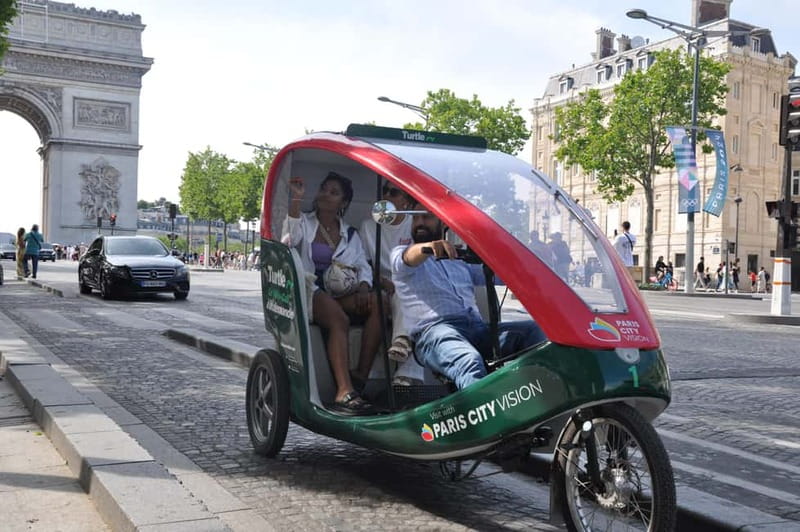
- Private rickshaw comfort for up to 2: a quieter, more personal way to see the city
- Onboard audio guide plus WiFi: narration and connectivity while you glide between stops
- Lots of photo stops: Eiffel Tower, Notre-Dame area, Trocadéro, Arc de Triomphe, Louvre, and more
- Seine river section included: you will get the river views without having to navigate them on foot
- A classic Paris route: Hôtel de Ville through Saint-Germain-des-Prés to the big sights along the way
Why this Tout Paris rickshaw tour feels like a smart shortcut
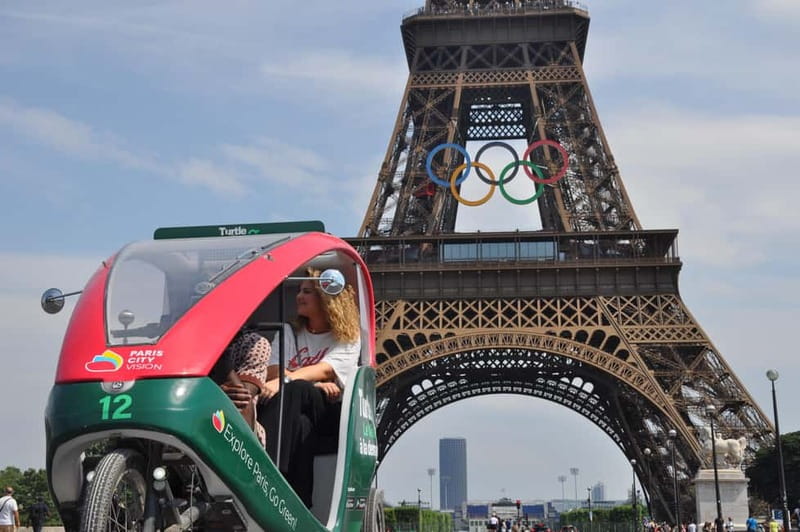
Paris can eat up time. Cars clog streets, lines steal momentum, and walking gets long before you reach the famous skyline moments. This is built as a fast, high-impact loop: you ride a private rickshaw and use photo stops at the landmarks instead of trying to juggle traffic, crosswalk timing, and crowd positioning.
What makes it work is the pacing. You are not rushing between stops like you are doing a checklist on foot. Instead, you get a steady flow through big-name sights, and the route includes both the ceremonial center and the postcard river viewpoints. The audio guide also means you are not stuck waiting for a guide to catch you up every time you stop for a photo.
Price-wise, it is $147 per group up to 2. That matters because you are essentially paying for convenience plus interpretation for a small group, not per individual. If you go as two, it roughly pencils out to about $74 each for a tight two-hour circuit packed with major landmarks.
You can also read our reviews of more cycling tours in Paris
Getting started at Rue de Rivoli and what to watch for
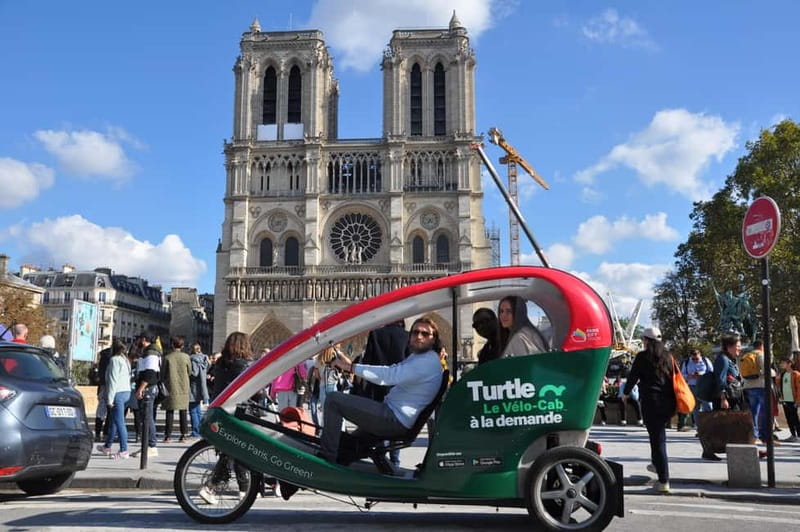
The tour begins at 99 Rue de Rivoli, in the area of the Carrousel du Louvre. That is a helpful anchor point because the Louvre area is easy to recognize on maps and it places you in the center of the route quickly, without the need for hotel pickup.
Plan to arrive a few minutes early. You will be looking for the rickshaw host right where the meeting point is set, and one practical tip: if you are coordinating with a busy area like this, it helps to make yourself visible and ready to confirm who you are with. One review-style experience flagged difficulty spotting the host when their clothing was not distinctive, so do yourself a favor and keep your eyes on the right spot rather than drifting around.
Two hours, lots of stops: how the itinerary plays out
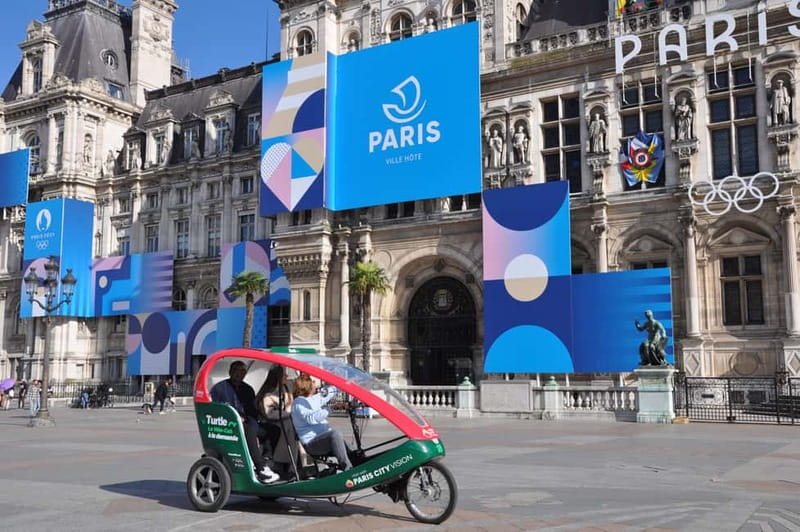
This tour is listed as “photo stops” at each sight. Translation: you will slow down or stop briefly to take pictures and grab the key viewpoint, then you roll on. With only two hours, the goal is not deep study. It is to get your bearings and connect famous places to what they represent.
Below is how I would think about each section, and what it adds to your Paris day.
Hôtel de Ville to Luxembourg Gardens: classic center + Latin Quarter vibe
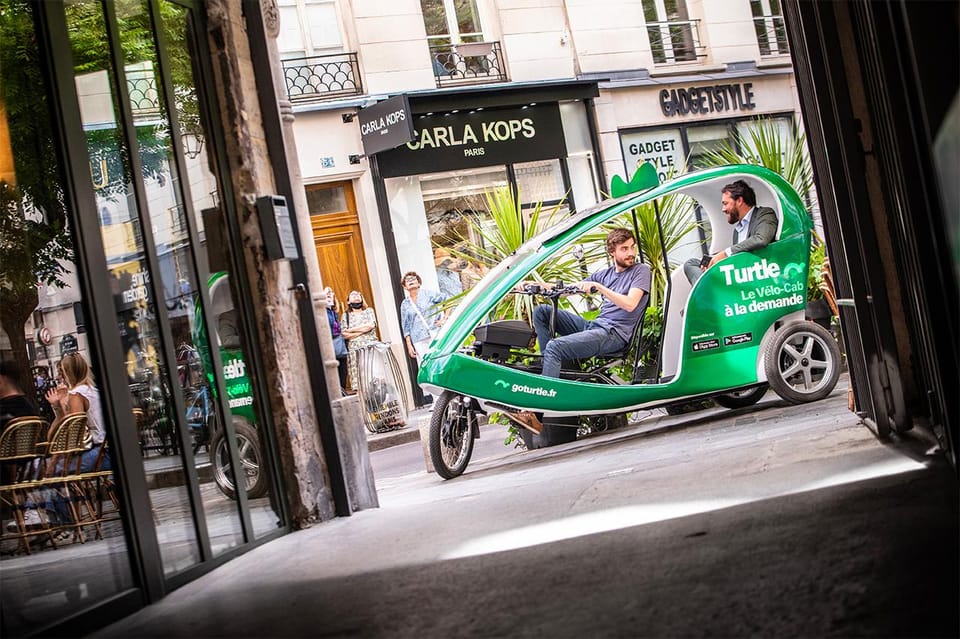
You start with Hôtel de Ville, where you get a picture stop that instantly signals you are in the civic heart of Paris. This is one of those buildings that feels like it belongs to official history, not just tourism photos.
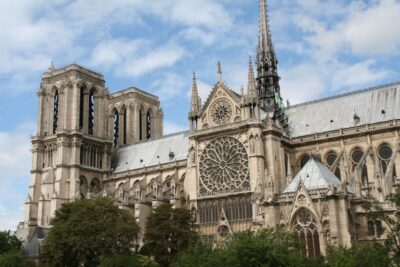
Next is Notre-Dame Cathedral. Even when you are not spending time inside, the exterior view helps you understand why the Île de la Cité became the city’s symbolic center. The audio guide is especially useful here because you can connect what you see to the larger story of the island and the cathedral’s role in Paris identity.
From there you move toward La Sorbonne. A photo stop at this point is a quick way to get the Latin Quarter atmosphere into your tour. It is not just a random stop; it signals student Paris, ideas, and the long academic shadow that falls over the Left Bank.
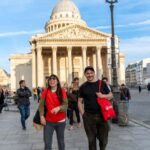
Then comes the Pantheon. Seeing it as a photo stop works because you can focus on the scale and the “monument as message” feeling. It is one of those structures that looks like it is meant to outlast trends, which is exactly why it is worth a quick stop even if you do not tour the interior.
The tour continues to Luxembourg Gardens for a photo stop. This is a great moment to reset visually. Gardens offer a break from stone façades, and the name alone helps tie into the Left Bank reputation for walks, books, and calmer pacing.
Finally in this early set you reach the Church of Saint-Sulpice for a photo stop, then Saint-Germain-des-Prés. This pairing is smart. Saint-Sulpice brings a grand church presence without needing a museum ticket. Saint-Germain-des-Prés adds the feel of the Left Bank lifestyle, with the kind of Paris that looks like it belongs in older novels and modern cafés at the same time.
If you want the fastest “Paris in your head” effect, this first half does it. You go from government to cathedral to school district to a monumental “memorial” vibe, then you soften it with gardens and Left Bank streets.
Seine river moments, Trocadéro views, and the big Eiffel alignment
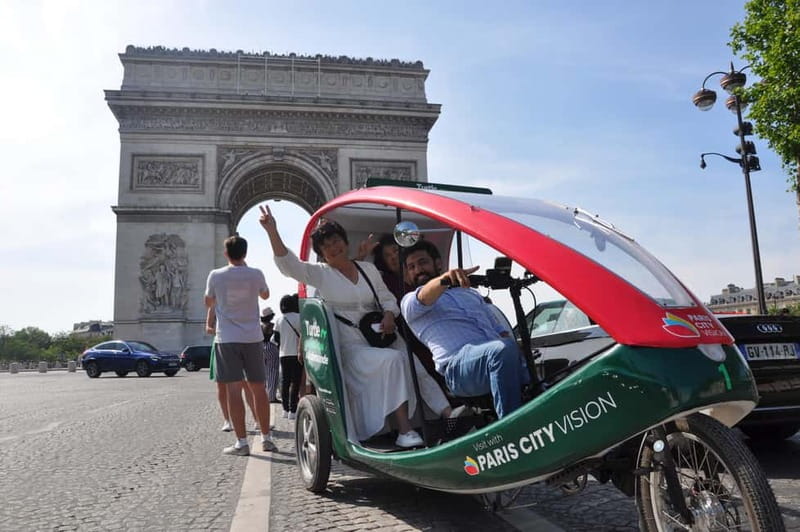
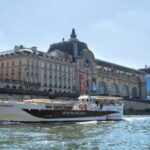
After Saint-Germain-des-Prés, you get a Seine River photo stop. This is more valuable than it sounds because it gives you the river as the tour’s backbone. If you have only visited Paris landmarks from one side of the river, seeing the Seine in the middle of a route helps you understand how the city is laid out.
Then you pass Pont de l’Alma for another photo stop. Bridge stops are practical in Paris because they act like viewpoint switches. A bridge also helps you remember the geography of where monuments sit relative to the water.
You then reach the Eiffel Tower for a photo stop. The key here is timing and positioning. You are not doing the awkward “try to photograph while everyone stands in the same place” approach. You get a stop built into the route, so you can focus on the look and move on.
Next is Pont de Bir-Hakeim and then the Statue of Liberty of Paris. This is a quirky and memorable pairing. It is a reminder that Paris is not only about its own inventions; it also layers in imported symbols and meanings, and it keeps the tour from becoming a straight line of only the most expected landmarks.
Then you arrive at Place du Trocadéro for a photo stop. If you care about iconic Paris views, Trocadéro is one of the best ways to experience the Eiffel Tower’s “from across the way” magic. You also get a classic vantage point for skyline photos.
From a trip-planning angle, this section is the payoff. You connect the Eiffel Tower to the river, then you tie it to an ideal viewpoint at Trocadéro. That makes your Eiffel photos feel intentional, not accidental.
You can also read our reviews of more guided tours in Paris
From Arc de Triomphe to Palais Garnier and the Louvre finish
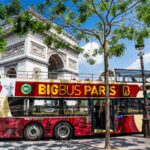
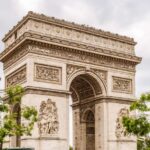
Next up is the Arc de Triomphe for a photo stop. This sight anchors the idea of Paris as a city built around big narratives: victory, ceremony, and national memory. Even a quick stop gives you the scale and the axis feeling.
The route then follows with Champs-Élysées for a photo stop. This is one of those places where opinions vary, but the practical reason to include it is simple: it is a famous corridor, and seeing it from the route perspective helps you understand how Paris presents itself on a grand stage.
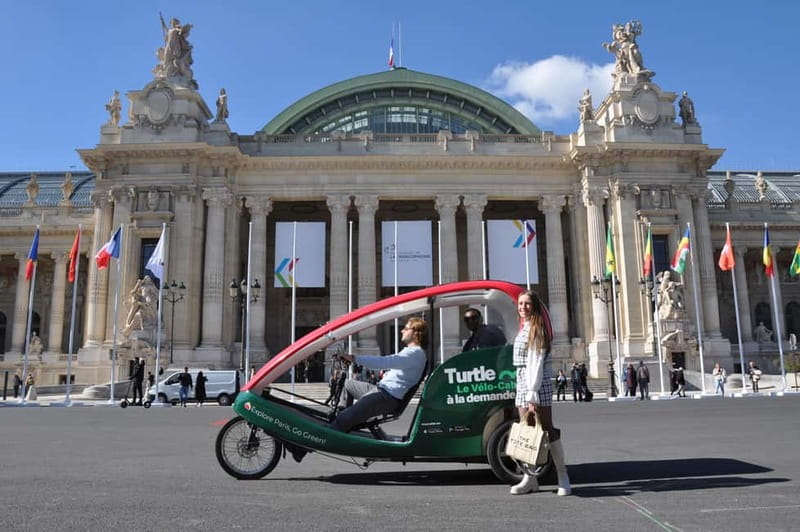
You also hit the Grand Palais for a photo stop. Even if you do not go inside, the architecture is the point. It is built for grand events, which you can feel just from the façade.
After that, you photograph Pont Alexandre III. Bridges like this are about drama. The scale and decorative style help you appreciate how much effort Paris puts into making connections between neighborhoods feel like celebrations.
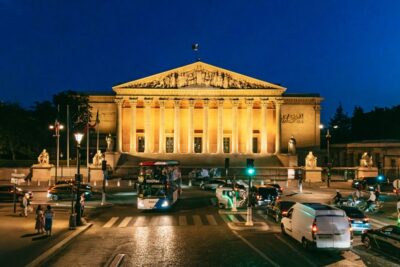
You then reach l’Assemblée Nationale for a photo stop. This adds a civic layer that complements Hôtel de Ville earlier. Put together, these two stops give you a quick sense of how Paris is both a cultural capital and a political one.
Next is Place Vendôme for a photo stop. This is more “formal and symmetrical” Paris. It is a good contrast after all the sweeping views, and it gives you another famous square that feels designed for the camera.
Then comes Palais Garnier. You get a photo stop here as well, which helps you see Paris as a city of performance and spectacle, not only monuments and politics. This stop rounds out the tour with a very recognizable kind of elegance.
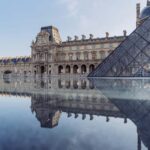
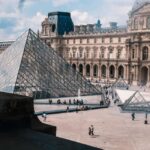
Finally, you reach the Louvre Museum for a photo stop. This closes the loop in a satisfying way because you started the tour near the Louvre area and end near it too, so it feels like your route is coming home.
Comfort, traffic, and when this tour is easiest to enjoy
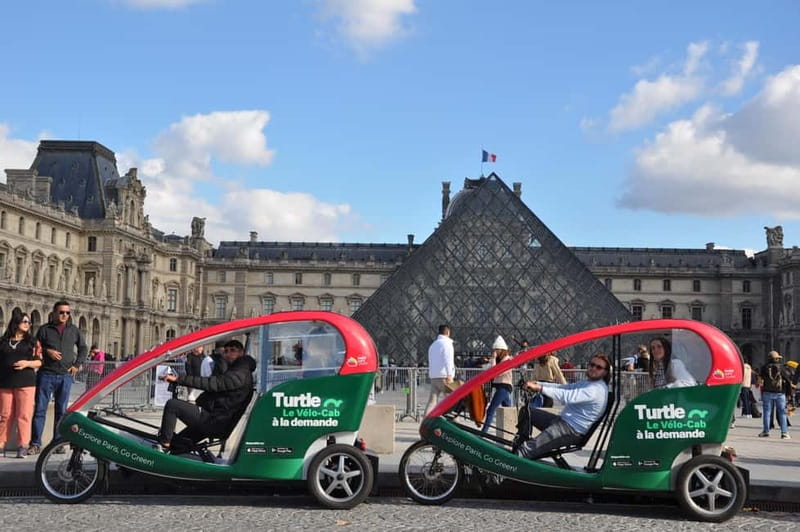
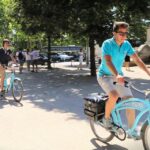
Riding a rickshaw bike-style vehicle is not the same as sitting in a car. The advantage is clear: you avoid long waits in traffic jams and you keep your momentum through busy streets. The tradeoff is physical comfort.
One person described the ride as somewhat bumpy and mentioned hitting their head on the roof twice during an afternoon tour. That tells me two things for planning: first, choose a time when you think the streets will be calmer for your body; second, if you are tall, pay extra attention to your posture when you stop under any low roof sections.
Also consider that this is an afternoon-sensitive experience. Traffic in Paris can go from manageable to chaotic fast, and bikes (even guided ones) still face the reality of the street. If you are the type who gets stressed by close vehicles, aim for a time window where you expect smoother flow.
The onboard audio guide: how it changes your landmark photos
A photo stop alone gives you images. The audio guide gives you meaning. Since multiple languages are available, you can listen in a language you are comfortable with, whether you choose English, French, Spanish, Italian, Japanese, Chinese, Dutch, or German.
What I like about an audio guide on a moving tour is how it turns “random landmark” into “connected narrative.” You get to hear context as the vehicle moves between areas, so by the time you reach a landmark like Notre-Dame or the Pantheon, you are not starting from zero.
WiFi on board is a nice bonus too. You can check mapping context, share photos quickly, or look up a detail you heard in the audio narration without interrupting the flow.
Who this tour is best for
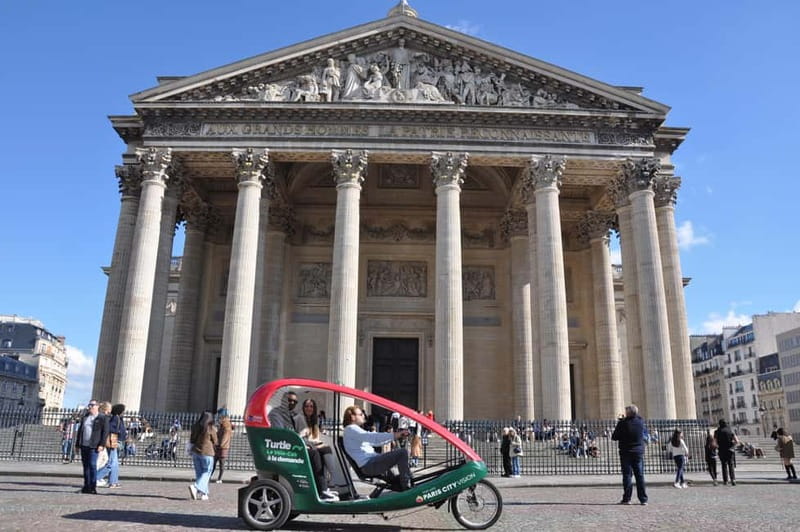
This works especially well if you want a lot of famous Paris in a short time and you prefer not to plan a self-guided route. It is also a solid choice for couples and small groups because it stays private, and the itinerary feels designed for seeing big hits without committing your day to ticket-heavy stops.
You might skip it if you want a slower, more museum-style approach. This is built around outdoor photo moments. You will enjoy it most if you see your goal as orientation and iconic views, not deep interior time.
Quick value check: what you get for $147 per group up to 2
Here is how the value holds up:
- You are paying for private guiding/hosting through a two-hour route.
- You get onboard audio plus WiFi and built-in photo stops at major landmarks.
- You compress a huge list of sights into one outing, which saves planning energy and reduces “how do we get there” friction.
If your priority is saving time while still getting context, it makes sense. If you only care about one or two monuments, you might do better with a focused plan.
Should you book the Tout Paris Private Rickshaw Tour?
I think you should book it if you want an efficient overview that still feels personal, and if you like the idea of iconic landmarks paired with an onboard audio story. The route hits the Paris highlights that most people plan for anyway, and the private setup helps you avoid the worst parts of crowded sightseeing.
I would pause before booking if you are sensitive to a bumpy ride or you are tall enough that the roof area could feel awkward. Also, do a little extra attention at the start so you can spot the host right away in the Louvre area. If you handle those two points, this can be a very fun way to see Paris without turning your whole day into logistics.
FAQ
How long is the Tout Paris private rickshaw tour?
The tour lasts 2 hours.
Where does the tour start and end?
It starts and ends at 99 Rue de Rivoli, 75001 Paris.
Is the tour private?
Yes. It is a private group for up to 2 people.
What is included in the price?
You get a private rickshaw tour, an audio guide, WiFi on board, and photo stops.
What languages are available for the audio guide?
The audio guide is available in Dutch, German, English, French, Italian, Spanish, Japanese, and Chinese.
Is there free cancellation?
Yes. You can cancel up to 24 hours in advance for a full refund.