REVIEW · PARIS
Paris: Private Guided City Tour in a Traction Avant or DS 21
Book on GetYourGuide →Operated by Vintage Traction · Bookable on GetYourGuide
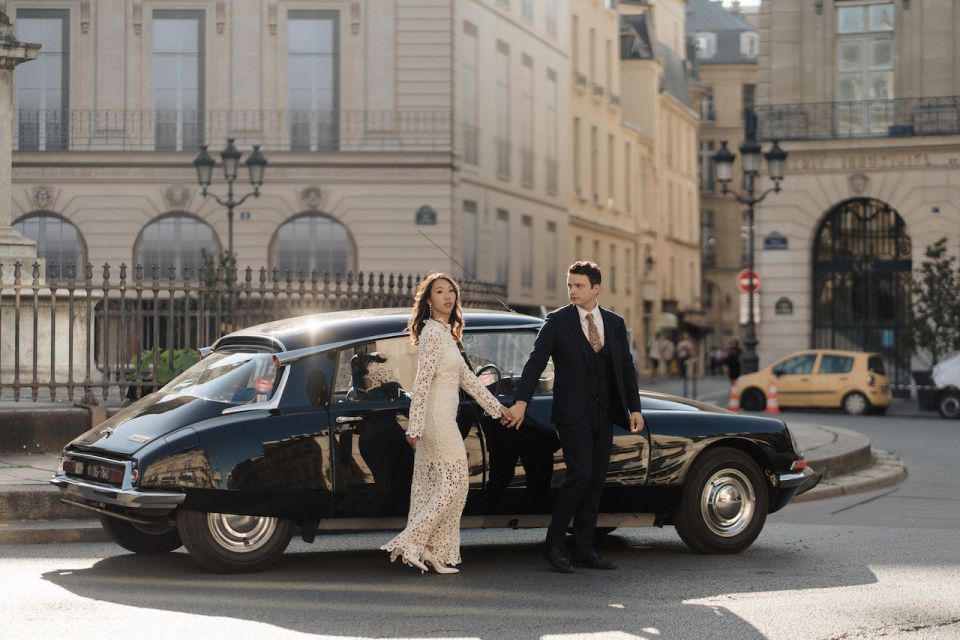
Paris feels cinematic when you arrive by classic Citroën.
I love the way this tour mixes big-name landmarks with photo-friendly stops you can’t get from a normal bus. You’re guided door-to-door, and you get to see Haussmann-era streets plus Art Nouveau details by Guimard from the comfort of a vintage car.
The one thing to plan for: it’s short by design. You’ll see a lot from the road and at quick pull-offs, but this isn’t a long walking tour, and the car environment can make conversation harder—especially in back seats.
In This Review
- Key things to know before you ride
- Why a Traction Avant or DS 21 changes how you see Paris
- Hotel pickup and choosing 1, 2, or 3 hours
- The classic Paris sweep: Concorde to Champs-Élysées, Arc, and Eiffel
- Art, palaces, and ceremonial streets: Invalides to the Grand Palais area
- Moulin Rouge and Sacré-Cœur: quick photo moments with big mood
- Louvre area and Notre-Dame: seeing the landmarks without paying museum time
- Latin Quarter vibes: Pantheon time for a more thoughtful finale
- The guide in the driver’s seat: history, street tips, and photo angles
- Price and value for a private vintage-car overview
- Practical realities: luggage rules, comfort, and who should skip it
- Should you book this vintage Citroën city tour?
- FAQ
- What car will I ride in?
- How long is the tour?
- Is this tour private?
- Are hotel pickup and drop-off included?
- What’s included in the price?
- What’s not included?
- Do I need to worry about large bags?
- Is the tour wheelchair accessible?
- What languages does the guide speak?
Key things to know before you ride
- Vintage Citroën comfort with real curb appeal: a 1955 Traction Avant 11B or a 1971 DS 21 Bhv, with a classic “watch-the-street” feel
- Pickup and drop-off from many central neighborhoods so you don’t waste your limited hours crossing town
- Landmark photo stops are built in (like Eiffel and Arc de Triomphe) so you’re not sprinting for shots
- You can tailor your flavor with options like Sacré-Cœur and Saint-Germain
- Guides can double as your photographer—they’ll spot good angles and where to pull over
- Bags and mobility are limiting factors: no large bags, and it’s not suitable for wheelchair users or hearing-impaired people
Why a Traction Avant or DS 21 changes how you see Paris
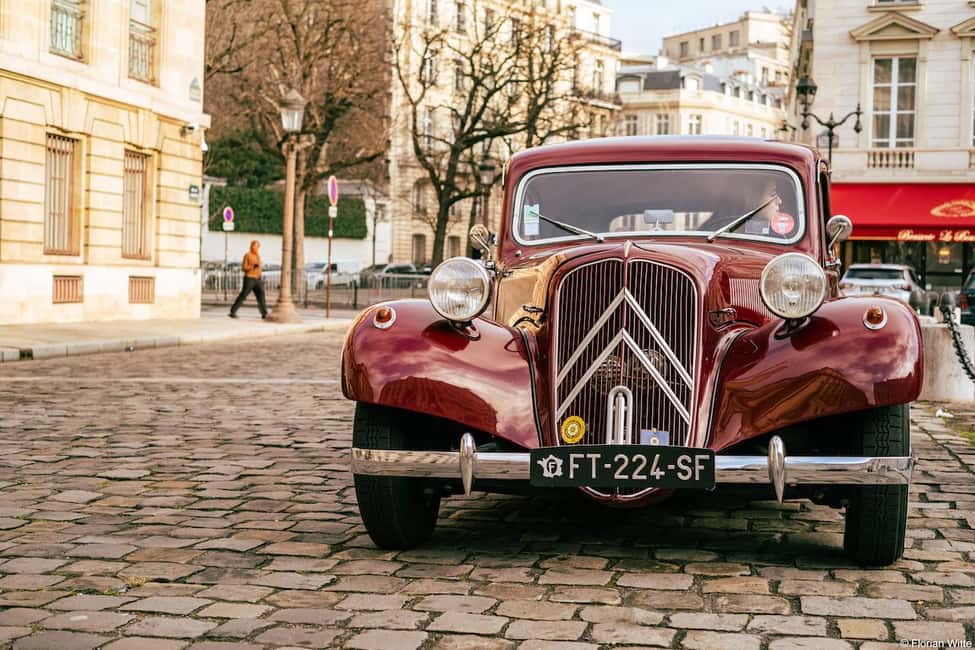
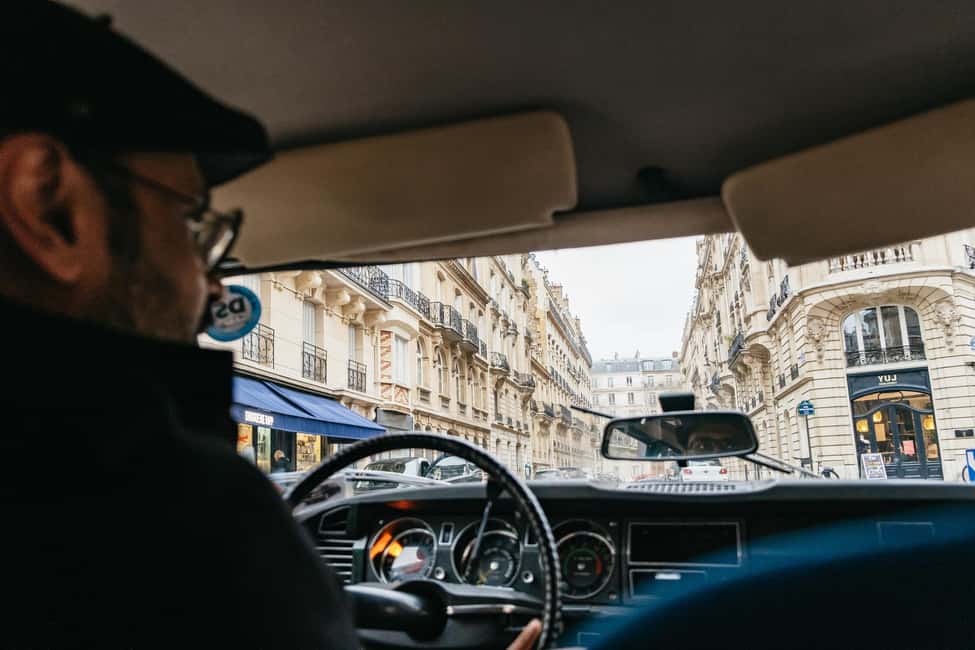
This is one of those Paris experiences where the vehicle is part of the storyline. If you ride the Traction Avant 11B (1955), you’ll feel like you’re sitting in a turning point in car design, because it was the world’s first unibody front-wheel-drive car. If you ride the DS 21 Bhv (1971), you’re in the world’s first hydraulic suspension car era, and the ride feels different right from the start.
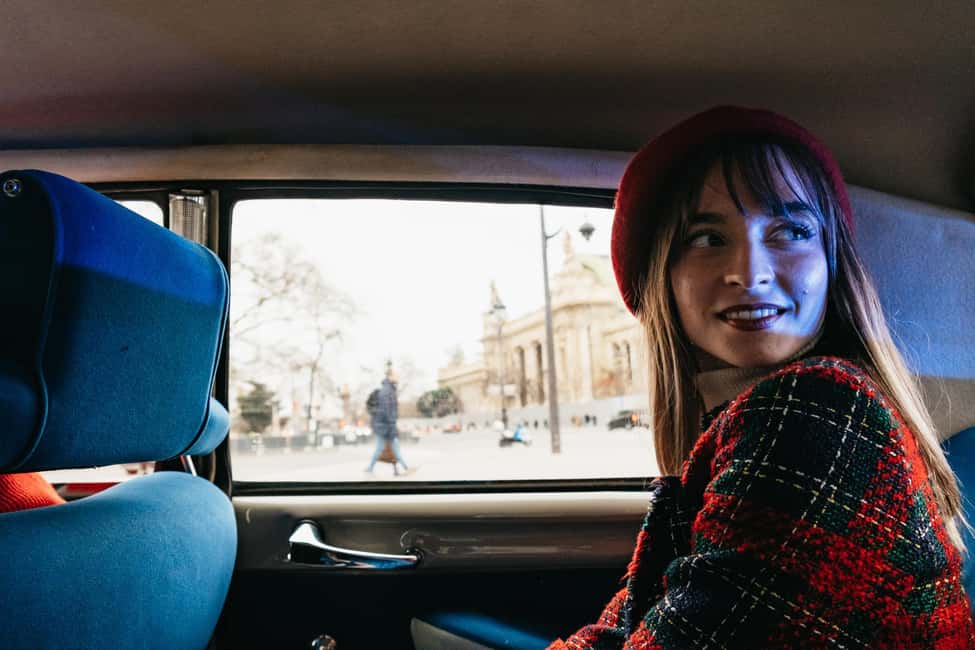
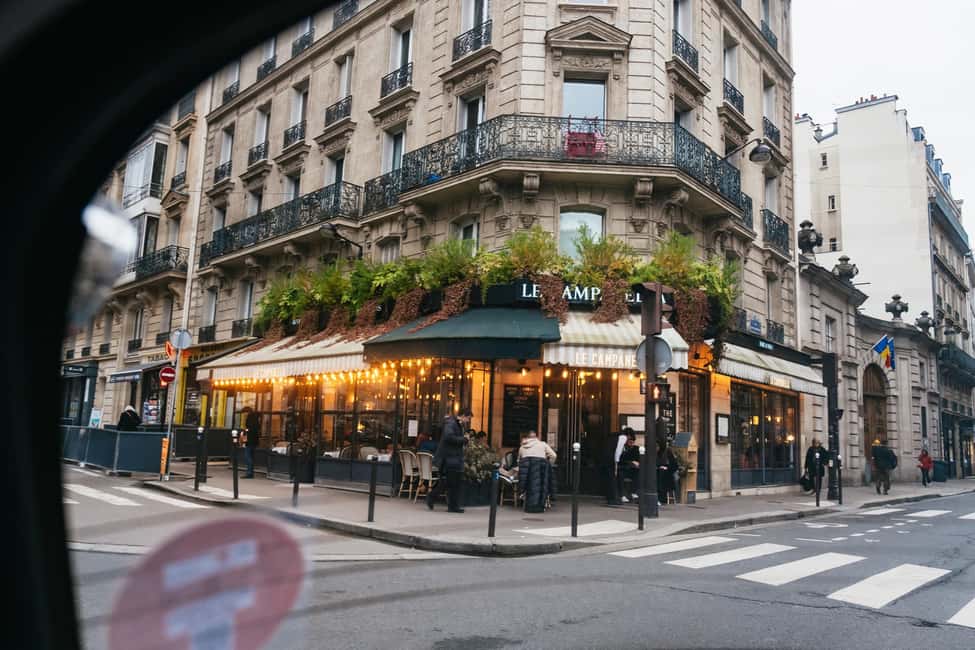
The best part, though, is how the car shapes your day. You don’t just pass landmarks—you notice the details in between: facades, street layouts, and the “Paris texture” that disappears when you’re stuck on a big coach. Plus, these cars attract attention at every stop. People notice the car, you notice Paris, and your photos end up looking like they belong in a film.
You can also read our reviews of more guided tours in Paris


Hotel pickup and choosing 1, 2, or 3 hours
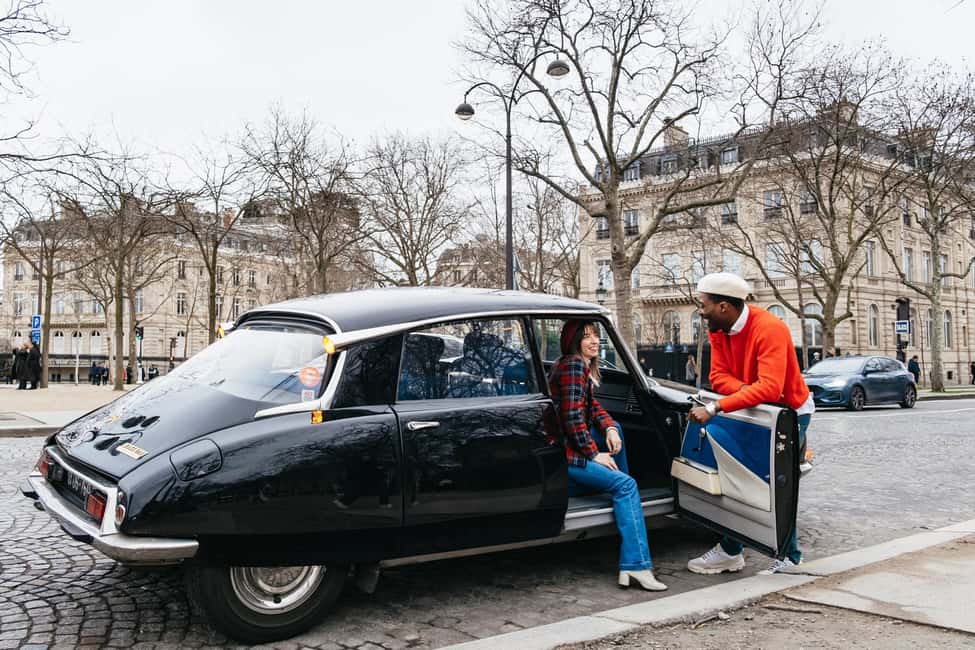
You start with hotel pickup and drop-off, and the tour is private (so it’s you and your driver-guide, not a shared-group scramble). The duration choice matters more than you might think. In 1 hour, you’ll mostly get a focused highlights pass. In 2 hours, you add more major sights without feeling rushed. In 3 hours, you have room for extra photo stops and a route that feels more “yours.”
You also get flexibility in what you prioritize. Some people prefer iconic monuments. Others want neighborhoods that feel less like a checklist—places such as Sacré-Cœur or Saint-Germain. If you’re visiting for the first time and want to get your bearings fast, I’d lean toward 2 or 3 hours so the day doesn’t feel like it’s only about quick pull-offs.
The classic Paris sweep: Concorde to Champs-Élysées, Arc, and Eiffel
Your drive often starts around the Place de la Concorde area, which is a strong way to reset your eyes. It’s wide, grand, and very “Paris postcard,” but it also helps you understand how the city lines up—big avenues, long sightlines, and monument-to-monument planning.
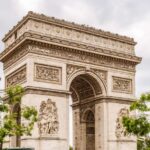
From there, the Champs-Élysées stop is the move for anyone who wants the famous boulevard energy without the crush of standing in it all day. You get time to see it, photograph it, and keep moving. Then comes the Arc de Triomphe photo moment—short, yes, but the stop is designed for images, not waiting around.
Next is the Eiffel Tower stop, also set up as a quick photo opportunity. The upside of doing it this way: you can try a better angle than the one you’d get by just lining up with everyone else. The downside: you’re not going up into the tower on this tour (entry fees aren’t included), so this is best for views and photos rather than museum time.
Art, palaces, and ceremonial streets: Invalides to the Grand Palais area
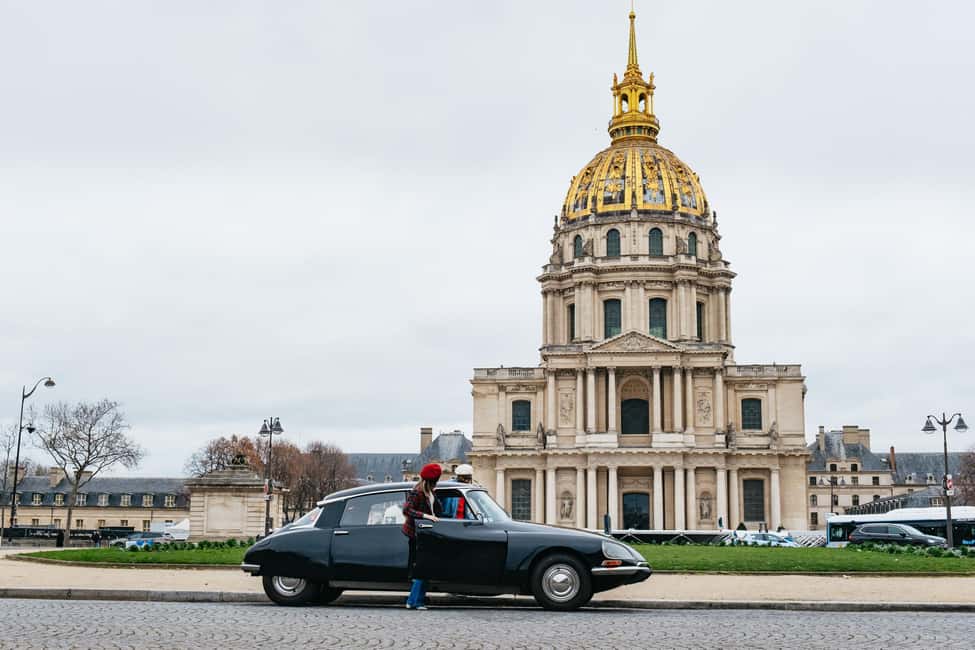
Once you move away from the biggest avenue shots, the city starts to reveal why Paris feels so designed. Les Invalides brings you into one of the city’s most recognizable historic zones, and it’s a great place for your guide to connect architecture and story—especially if you like hearing why streets look the way they do.
Then you’ll see the Pont Alexandre III area, followed by stops that help you notice the “palace” style: Petit Palais and Grand Palais. These are the kinds of buildings where a normal walk-through can feel too long, but a guided drive-by keeps your eyes on the shapes, textures, and decorative details.
The tour can also include Palais de l’Élysée and Place Vendôme, which add variety: more formal power vibes at the palace, then a different feel around the Vendôme square. And if opera architecture is your thing, Palais Garnier is a memorable stop because it’s such a visual statement from the street.
Moulin Rouge and Sacré-Cœur: quick photo moments with big mood
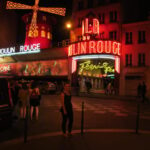
Two stops often feel like the emotional switch in this tour: Moulin Rouge and Sacré-Cœur. You get short photo pauses at both, so you’re not stuck waiting for the perfect time. You’re there to capture the look and the atmosphere, then continue.
This is also where the guide’s personality matters. Many drivers in this kind of tour are “facts-first.” Here, the strongest repeat theme is photo technique—choosing where to pull over and how to hold your phone or camera so the Eiffel-area backdrops and street angles don’t look flat. If you like Instagram-style shots, this is one of the biggest reasons people rate the car experience so highly.
You can also read our reviews of more city tours in Paris





Louvre area and Notre-Dame: seeing the landmarks without paying museum time

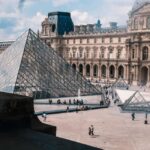
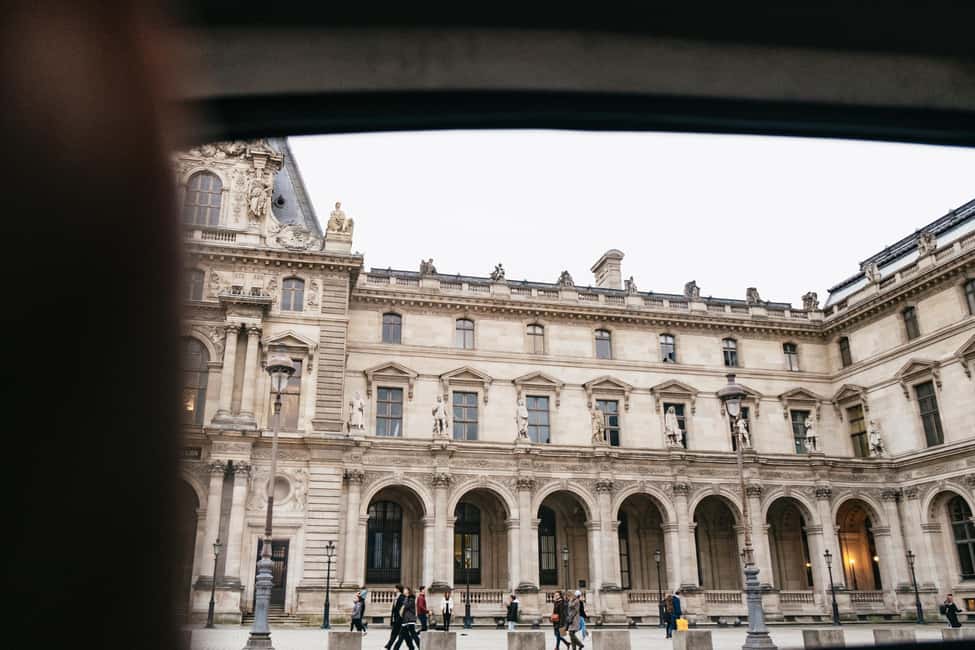
The Louvre Museum and the Louvre Pyramid area are a great example of what this tour does well: you get famous visuals with minimal friction. You’ll see them from the outside and from the best driving vantage points, and you’ll move on without turning your day into a ticket-line exercise. Entry fees aren’t included, so this is a “look-and-remember” experience, not a guided museum visit.
Then comes Notre-Dame Cathedral. Even if you’re not planning to go inside, this stop is powerful because you can frame the cathedral within the surrounding city streets. It also helps you understand why this part of Paris feels distinct from the wide boulevards—more medieval-influenced streets, tighter views, and a different walking rhythm nearby.
Latin Quarter vibes: Pantheon time for a more thoughtful finale
To close the day, you can end up around the Pantheon, Paris area. This is a good pivot from the monumental “look at me” sights earlier in the drive. The Pantheon zone feels more reflective, and it’s one of the reasons the longer tours can feel less like a checklist. You’re getting a change of tempo before you head back.
In the end, your route helps you map Paris in your head. You start with grand alignment, hit the icons, then gradually shift into neighborhoods and historic institutional zones. That’s a useful way to plan what to do the next day—especially if you want to return on foot.
The guide in the driver’s seat: history, street tips, and photo angles
This is a private tour, so the guide’s style matters. Many guests highlight a driver-guide named Abi, and the recurring praise is his combination of street knowledge and practical “where to stand” thinking for photos. Some guides can recite facts; Abi-style driving leans into angles, pull-over timing, and small city references that make the ride feel alive.
You’ll also benefit from the kind of recommendations that aren’t in brochures. People mention suggestions for where to shop and eat, plus comments on local art. If you’re trying to make your first days in Paris feel smooth, that kind of advice can save you hours later.
One caution: the car is part of the experience, but it also affects sound. A few people said it was a little hard to follow what the guide was saying, especially from the back seat. So if you care a lot about every word, sit where you’ll hear best, and don’t be shy about asking for repeats.
Price and value for a private vintage-car overview
At $164 per group (up to 4 people), this can work out surprisingly well if you’re traveling as a small family or a pair of couples. In the best-case math, that’s about $41 per person for a private driver-guide with door-to-door hotel transfers and vintage car transport.
The value isn’t just the ride. It’s time. When you’re trying to see major sights without losing half your day on transit, a private pickup and a route planned around quick photo stops can be a smart shortcut. It’s also an experience you can’t replicate with a rental car the same way, because you get the on-the-ground navigation and the “pull-over at the right moment” help.
Also, the tour includes the car experience by design, but it doesn’t include food, drinks, or site entry fees. So if you want a full day of museums and meals, you’ll likely pair this with other plans.
Practical realities: luggage rules, comfort, and who should skip it
A few practical notes that can change how much you enjoy the tour. First, luggage or large bags aren’t allowed. Bring a small day bag, keep things simple, and you’ll be fine.
Second, this isn’t built for everyone’s body or hearing. It’s not suitable for people with mobility impairments or wheelchair users, and it’s not suitable for hearing-impaired people. If any of those are concerns for your group, you’ll want a different tour format.
Finally, weather is real in Paris. The car is still a great way to see the city on a cold or rainy day because you avoid long outdoor walks. If you’re planning to visit in winter, carry a warm layer and keep your camera ready—these cars can turn even a grey afternoon into something memorable.
Should you book this vintage Citroën city tour?
Book it if you want a private, fast overview of Paris with iconic landmarks and photo stops, without the stress of transit or ticket lines. Choose 2 or 3 hours if this is your first day and you want enough time to make the route feel personal—especially if you want both icons and a neighborhood taste like Sacré-Cœur.
Skip it (or pick something else) if you’re hoping for a long guided walk, step-by-step museum time, or if mobility/hearing needs require a different setup. And if you’re the type who needs constant commentary at every second, plan to sit where you can hear best, because the car setting isn’t always ideal for full conversation.
If you’re flexible and want Paris to feel cinematic for a couple of hours, this is a strong way to do it.
FAQ
What car will I ride in?
You’ll ride in a vintage Citroën, either a Traction Avant 11B from 1955 or a DS 21 Bhv from 1971.
How long is the tour?
The tour runs from 1 to 3 hours, depending on the option you choose.
Is this tour private?
Yes. It’s a private group tour with a dedicated guide/driver.
Are hotel pickup and drop-off included?
Yes. Hotel pickup and drop-off are included.
What’s included in the price?
Included are hotel pickup and drop-off, a tour guide/driver, and transportation by the vintage car.
What’s not included?
Food and drinks are not included, and entry fees to any sites are not included.
Do I need to worry about large bags?
Yes. Luggage or large bags aren’t allowed.
Is the tour wheelchair accessible?
No. It isn’t suitable for wheelchair users.
What languages does the guide speak?
The live tour guide speaks English, French, and Japanese.