REVIEW · PARIS
Invalides War Museum the World Wars Guided Tour
Book on GetYourGuide →Operated by Babylon Tours LLC · Bookable on GetYourGuide
The WWI-to-WWII timeline moves fast. This guided walk through Invalides War Museum is a smart way to make sense of the chain of events that shaped France, with weapons, uniforms, and original footage helping the story feel real. I especially like how the guide links big decisions to on-the-ground consequences, and the small group format makes it easier to ask questions instead of just listening. One thing to consider: it includes moderate walking, and some parts of the museum have quiet or speaking rules.
You’ll get a guided, chronology-based tour that’s built for understanding, not speed-running dates. Expect a balanced mix of famous leaders and concrete artifacts, plus the chance to see iconic items like the taxi tied to the Battle of the Marne and the train car connected to the armistice. If your main goal is casual browsing on your own, this may feel a bit structured.
In This Review
- Key points before you go
- Invalides in two hours: how the story gets made clear
- From Bismarck to Franz Ferdinand: the WWI spark with context
- World War I rooms: weapons, uniforms, and the Battle of the Marne
- Versailles and the armistice train car: ending WWI without pretending it was clean
- From Hitler to the “new war” phase: how WWII starts to make sense
- Leaders, artifacts, and Paris under pressure: Pétain and De Gaulle
- Normandy, Liberation of Paris, and why preservation still matters
- Meeting points, time, and the practical rhythm inside the museum
- Small-group guiding, real Q&A, and why it matters for WWI and WWII
- Languages and who this tour fits best
- Price and value: is $128 per person worth it?
- Should you book the Invalides War Museum WWI & WWII tour?
- FAQ
- How long is the Invalides War Museum guided tour?
- Does the tour include skip-the-line access?
- What languages are available for the guide?
- Is food and drink included?
- Is luggage or large bags allowed inside?
- What is the cancellation policy?
Key points before you go
- Skip-the-ticket-line entrance saves time inside a museum that can get crowded
- Professional art historian guide keeps the story grounded and easy to follow
- Max 8 guests per guide for a more personal pace and real Q&A
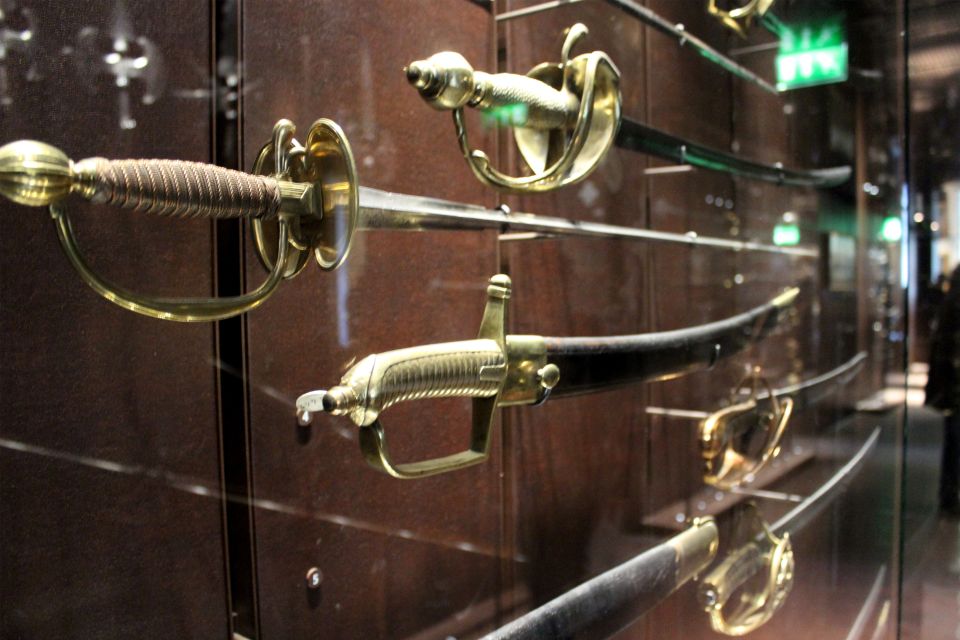
- You’ll see WWI hardware and WWII artifacts, not just names and dates
- Original footage and key symbols help you connect events to human cost
- Moderate walking means good shoes matter
Invalides in two hours: how the story gets made clear
This is a 2-hour guided museum tour that aims to do one practical job: help you understand how Europe’s wars unfolded, and what they meant for France. Instead of treating World War I and World War II like two separate units, the guide builds a chain of causes and consequences so the later chapters feel earned.
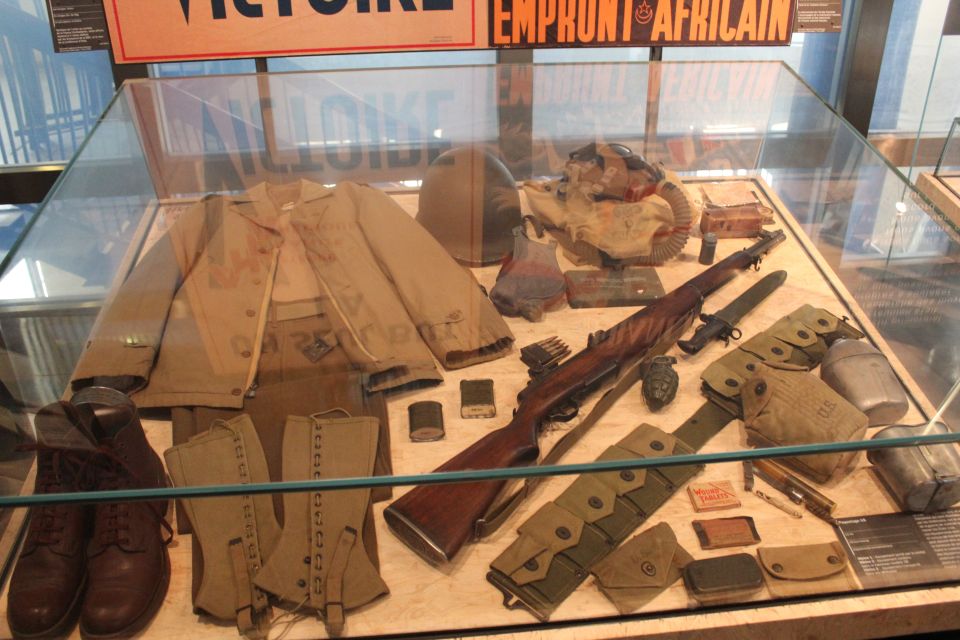
The best part is that the tour doesn’t stop at headlines. You’ll be guided through real uniforms, weapons, equipment, and battle-related objects, which makes the timeline stick in your head. When you see an artifact tied to a famous moment, it’s easier to remember why that moment mattered.
There’s also a clear bonus for people who hate feeling lost in museums: the guide gives you a map. Even if you’ve read about the wars before, you’ll likely pick up a few new angles and a couple of aha moments—especially around how decisions at the top translated into devastation below.
You can also read our reviews of more guided tours in Paris


From Bismarck to Franz Ferdinand: the WWI spark with context
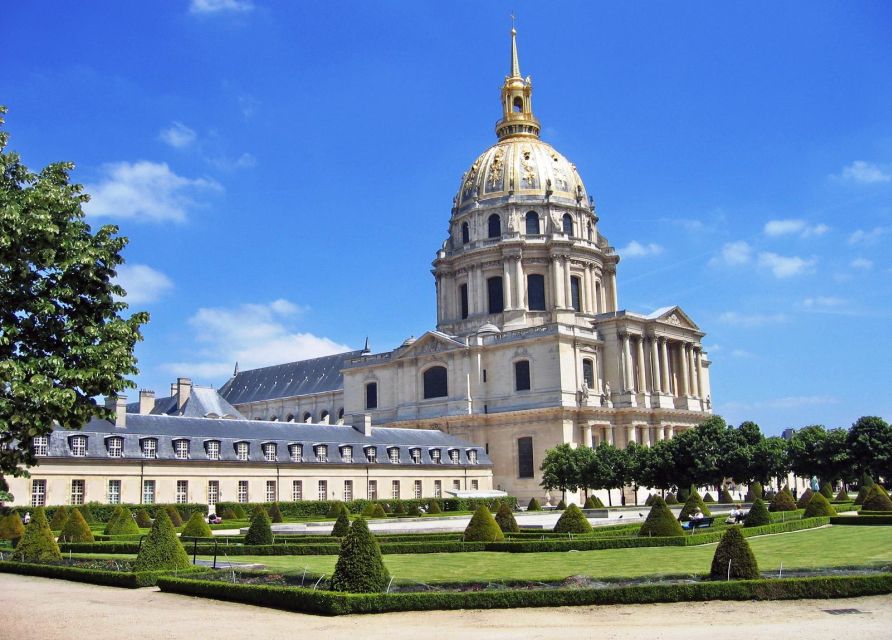
The tour starts with the 19th-century roots that shaped the political climate before World War I. You’ll move from the lead-up to one of the bloodiest wars ever toward the specific triggers that set things off.
A key early stop is the Franco-Prussian War, where the guide brings in figures like Bismarck to explain how rivalries hardened. This isn’t trivia. It gives you a way to understand why later tensions weren’t random—they were built over time.
Then the narrative turns to the assassination of Franz Ferdinand, which the guide uses as the hinge point. You’ll hear how that event connects to broader pressures, so you’re not left memorizing a single moment. By the time you reach World War I proper, you’ll understand the “why now?” behind the outbreak.
World War I rooms: weapons, uniforms, and the Battle of the Marne
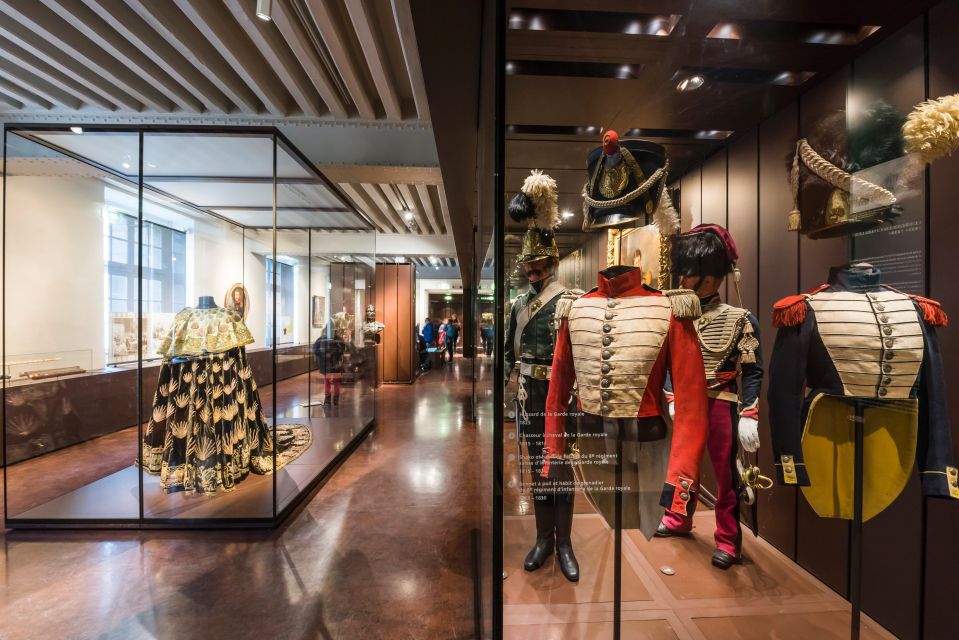
Once World War I begins, you’ll face the heart of the museum’s WWI material. The tour is designed to show you the equipment, uniforms, and weapons used in battle, with enough explanation to connect the objects to what happened.
One of the most memorable parts is the way the guide brings the Battle of the Marne to life. You’ll get to see one of the iconic taxis tied to that moment—an object that’s famous precisely because it makes a huge historical event feel concrete. It’s the kind of detail that turns a battle into a story you can picture.
The pace stays purposeful. You’ll be guided through artifacts collected from the battlefields and shown what they represent. That matters because museum displays can be visually impressive but still confusing. Here, the guide gives you the “what to notice” so you leave with more than photos.
You’ll also watch original footage related to atrocities. This is heavy content, and it’s not handled as spectacle. The point is understanding—what the war did to people and why it changed the mood of the world afterward.
Versailles and the armistice train car: ending WWI without pretending it was clean
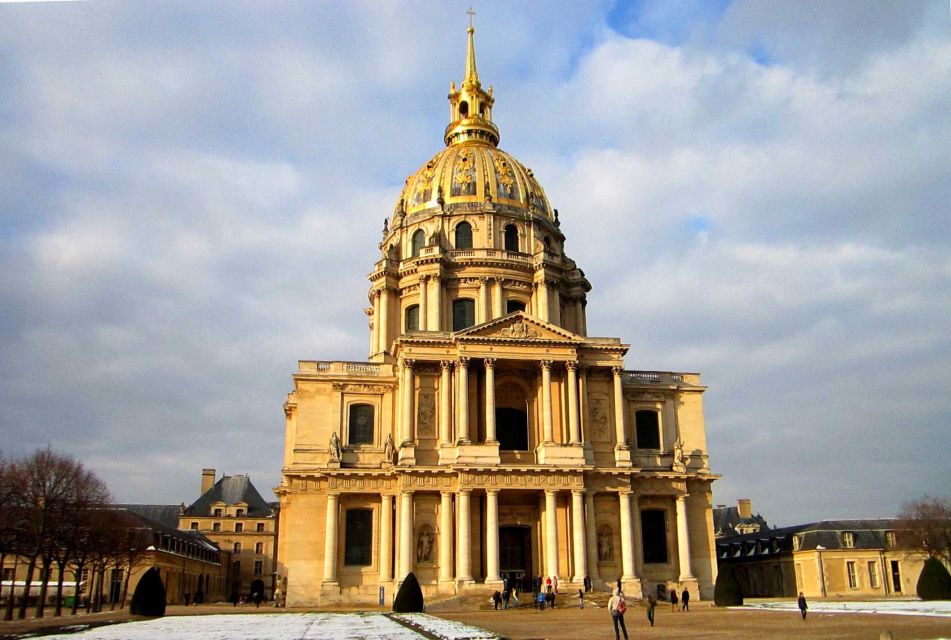
After the grim WWI material, the tour moves into the moment where the fighting ended on paper. The guide explains how the Treaty of Versailles ended things, and why its terms mattered for what came next.
You’ll get a clear thread from the war’s violence to the political settlement. That connection is important, because it helps you see World War II not as an unrelated second act, but as something that grew out of the unresolved mess of the first.
One of the signature stops is the train car where the armistice was signed. Seeing an object tied to the end of fighting gives you a different kind of perspective—less abstract, more grounded. It also reinforces the tour’s style: the guide uses landmark events, then points to artifacts that make those events feel real.
From Hitler to the “new war” phase: how WWII starts to make sense
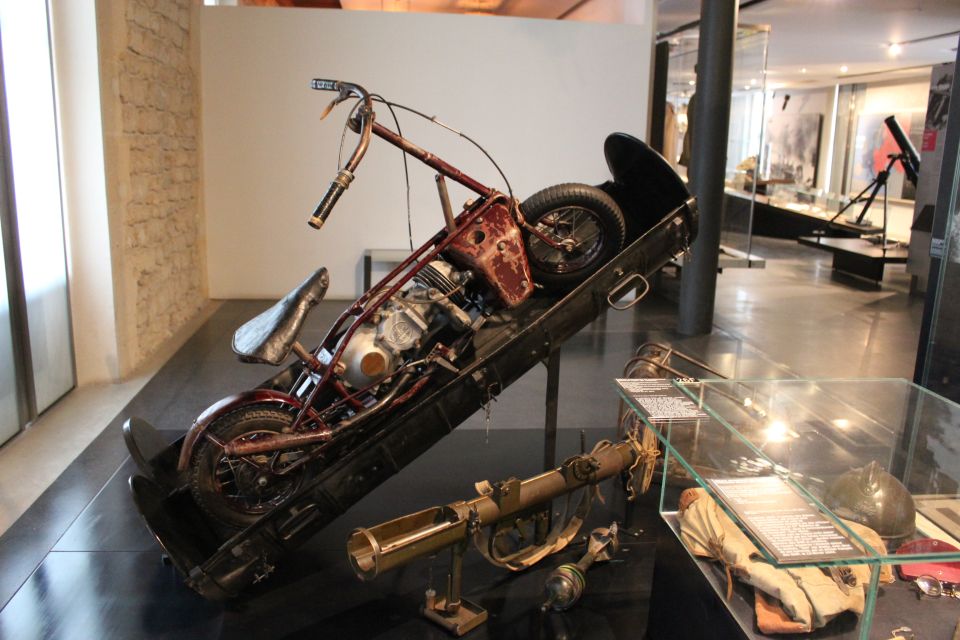
World War II doesn’t arrive out of nowhere. The guide walks you through the buildup to the threat of Adolf Hitler, so the shift from post-WWI tensions to renewed conflict feels logical.
Once the WWII chapter begins, you’ll move through major turning points tied to French defense and early battles. The tour includes discussion of the Ligne Maginot and the Dunkerque campaign. These are not just place names. The guide frames them as parts of how states tried to prepare—and how those plans collided with reality.
You’ll also hear about the Occupation of Paris, with the guide connecting the political situation to daily life and the larger trajectory of the war. It’s the kind of section where museum objects help you understand what was at stake beyond military strategy.
For me, the most useful thing here is that the guide keeps returning to the human and national effects on France. That’s why the WWII portion doesn’t feel like a separate lecture—it feels like continuation.
You can also read our reviews of more museum experiences in Paris





Leaders, artifacts, and Paris under pressure: Pétain and De Gaulle
The tour includes story-focused sections about key French leaders who shaped France’s direction during the war. You’ll hear about men such as Pétain and De Gaulle, and the guide uses their roles to explain competing paths under pressure.
This is valuable because wartime leadership can be presented as a simple “good vs bad” storyline. Here, it’s approached as decisions made inside a context—one shaped by occupation, constraints, and shifting momentum. You don’t need a politics degree to follow it. You just need the chronology, and the guide keeps that clear.
You’ll also spend time meandering among artifacts linked to the conflict. That wandering is guided rather than random. You’ll know what to look for and how a particular display fits into the larger story.
And yes, the tone stays respectful. Even when the tour touches on tense subjects like occupation and atrocities, it’s aimed at comprehension, not shock.
Normandy, Liberation of Paris, and why preservation still matters

As the tour moves toward the late-war period, it focuses on the battles that helped turn the tide back in France’s favor. You’ll hear about the battles of Normandy and the Liberation of Paris, with the guide explaining how those events led to the final stages of ending the war.
This part does something clever: it connects military outcomes to something you can still see and experience today. The guide talks about the preservation of the city—so the story doesn’t stop at 1945. It explains why the war’s end shaped how places in Paris can be remembered and visited.
If you like history that leads to a place you’ll stand in, this section is especially satisfying. You finish the tour with a clearer sense of what you’re looking at when you walk through Paris afterward.
Meeting points, time, and the practical rhythm inside the museum
The tour meeting point can vary depending on the option you book, and the activity ends back at the meeting point. It’s a short, focused block of time, so plan your day around it rather than treating it as an add-on.
Because you’ll be walking through museum spaces, good footwear helps. The tour includes moderate walking, and some rooms have rules that require quiet or restrict speaking. That’s a small thing, but it affects how you experience the guide’s explanations—so you’ll want to be comfortable with a quieter, respectful tone.
Also note that some collections may vary along the year. Your exact displays can shift, but the tour’s storyline stays aligned to the big historical moments.
Finally, there can be occasional museum closures without previous warning. If the museum opening is delayed more than one hour from the tour start time, the provider offers an appropriate alternative, though discounts or refunds aren’t provided in that situation. The practical takeaway: keep some flexibility in your schedule on the day you book.
Small-group guiding, real Q&A, and why it matters for WWI and WWII
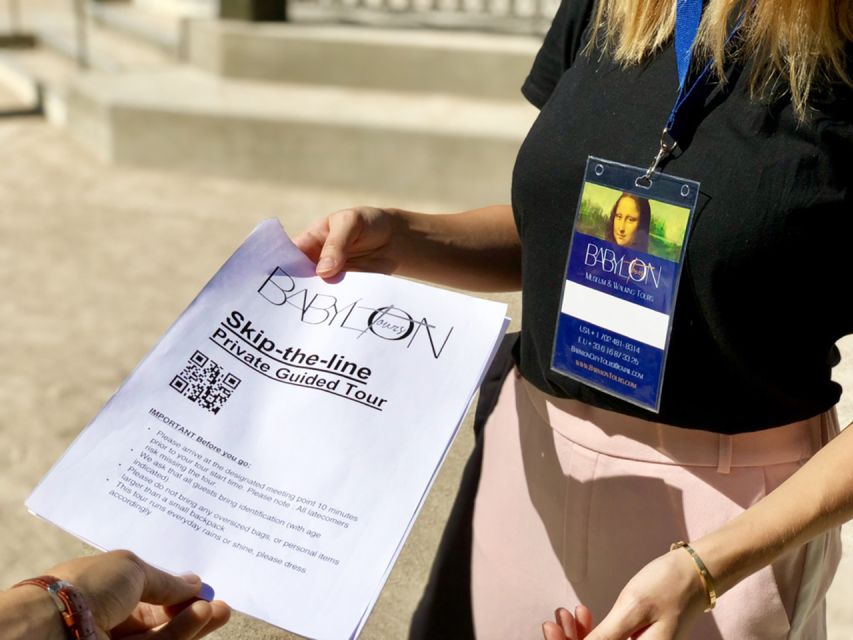
This tour runs with a maximum of 8 guests per guide, which is a big deal for museums. In bigger groups, you tend to get swept along and miss context. Here, the size supports questions and follow-ups.
The guide is also described as personable, with humor that keeps the subject from becoming a slog. You’re not just collecting facts. You’re learning how to connect them, and that takes conversation—even short answers can help you understand what you’re seeing.
If you’re the kind of person who likes to ask why events happened a certain way, you’ll probably appreciate the format. And if you want a history lesson that stays understandable, the tour’s structure is built around turning complicated events into a guided, chronological narrative.
Languages and who this tour fits best
The tour guide is available in multiple languages: Spanish, French, English, German, Italian, Russian. That means you can choose the language you’re most comfortable with and still get the same guided thread through the war timeline.
This experience is a strong fit if you want:
- clear explanations of WWI and WWII in a short amount of time
- artifact-based learning (weapons, uniforms, equipment, and battle-linked objects)
- a guide who can answer questions and help you connect events
It’s less ideal if you want full freedom to wander without structure. The tour is walking plus explanation. You’ll likely get more out of it if you’re ready to listen and follow the guide’s pointers.
Price and value: is $128 per person worth it?
At $128 per person for a 2-hour guided visit, the value depends on what you compare it to. If you were planning to enter the museum on your own, this price mainly covers two things: the skip-the-line entrance and the professional art historian guide who ties objects to the story.
You’re also getting a small-group format, not a large bus tour. That kind of guidance matters in a museum setting, because the objects are only half the experience. The guide’s job is turning displays into understanding.
There’s also practical value baked in. The tour handles how you move through the museum narrative. For people short on time in Paris, that’s worth real money. Two hours can feel too short for museums, but here the time is structured around the key turning points: pre-WWI tensions, WWI battles, Versailles, then the WWII buildup through liberation.
Should you book the Invalides War Museum WWI & WWII tour?
Book this tour if you want a guided, object-based way to understand World War I and World War II without getting lost in dates. It’s a strong choice for first-timers to the museum who still want depth, plus anyone who likes the “how did we get here?” version of history.
Skip it or think twice if you need step-free or very low-mobility access. The tour notes moderate walking and says it isn’t suitable for people with walking disabilities, and the semi-private option isn’t available for wheelchair users. If accessibility is your concern, check options carefully in advance.
If you’re in Paris and you want the war story to click—especially with memorable stops like the taxi linked to the Marne, the armistice train car, and the original footage—this guided tour is one of the more efficient ways to get there.
FAQ
How long is the Invalides War Museum guided tour?
The tour lasts 2 hours.
Does the tour include skip-the-line access?
Yes. Entrance fees and skip-the-line access to the museum are included.
What languages are available for the guide?
The tour guide is available in Spanish, French, English, German, Italian, and Russian.
Is food and drink included?
No. Food and drinks are not included unless specified.
Is luggage or large bags allowed inside?
No. Luggage or large bags are not allowed.
What is the cancellation policy?
You can cancel up to 24 hours in advance for a full refund.