REVIEW · PARIS
Paris: Guided Walking Tour from Opera Garnier to Notre-Dame
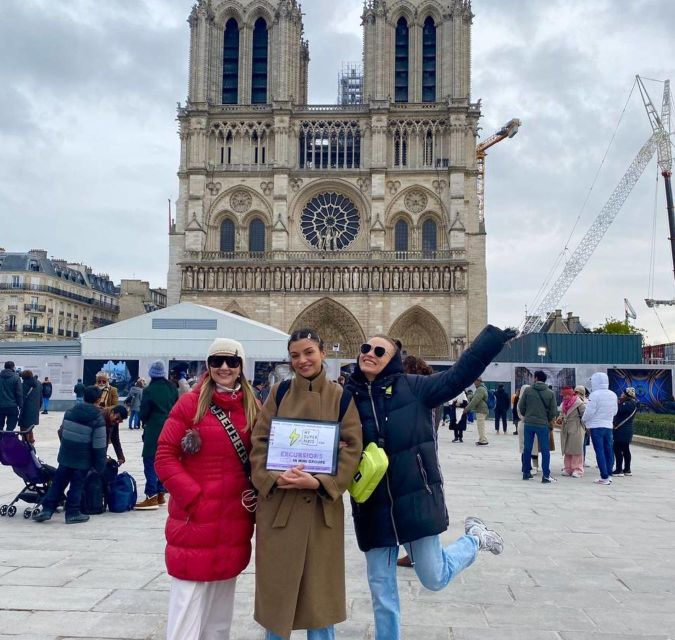
Book on GetYourGuide →Operated by My Super Tour · Bookable on GetYourGuide
Paris makes more sense when you walk. This guided route connects Opéra Garnier through Notre-Dame with local-guide storytelling that ties architecture to how Paris works day to day. The walking is comfortable on an even route with mostly traffic-free streets, but don’t treat it like a museum-depth ticket tour, because key places like the Louvre are mainly photo and pass-by moments.
What I like most is that the guide doesn’t just name buildings. You’ll get behind-the-scene anecdotes plus practical how-to-do-Paris advice that actually helps you after the tour—things like how to behave like a local and where to aim for lunch. One note to consider: the schedule is tight enough that you’ll need good shoes and a willingness to keep moving, even with short breaks for restrooms and drinks or snacks.
The overall design feels intentional: the route is set up for an easy flow, straight or downhill where possible, so you spend your energy on sights—not on finding your way or fighting steep streets. The tour is also wheelchair accessible, and it runs with live English or Russian guidance, with many stops paced for photos and short guided explanations.
In This Review
- Key highlights worth showing up for
- A relaxed 3-hour loop through Paris icons, from Opéra Garnier area to Notre-Dame
- Meeting at Hôtel de Ville: your start point and what to look for
- Opéra Garnier and Place Vendôme: the Paris you can read at walking speed
- Tuileries Garden and Palais-Royal: where royal design meets daily movement
- Louvre pass-by and the art of not getting lost
- Pont Neuf to Île de la Cité: the Seine as a history timeline
- Sainte-Chapelle to Notre-Dame: finishing strong with sharper sightlines
- Lifehacks, native behavior tips, and where to eat after the tour
- Price and value: is $57 for 3 hours worth it?
- Should you book this guided walk?
- FAQ
- Where do I meet the guide?
- How long is the walking tour?
- How much does it cost?
- Is the tour in English?
- Are drinks and snacks included?
- Is the route wheelchair accessible?
- Where does the tour finish?
- Is the tour refundable if I cancel?
Key highlights worth showing up for
- A guided story from landmark to landmark: you connect Paris architectural “chapters” instead of hopping randomly.
- Mostly traffic-free, even walking: the pace is meant to feel relaxed for a 3-hour outing.
- Lifehacks while you’re in motion: tips on behavior in the city and how to plan the rest of your Paris time.
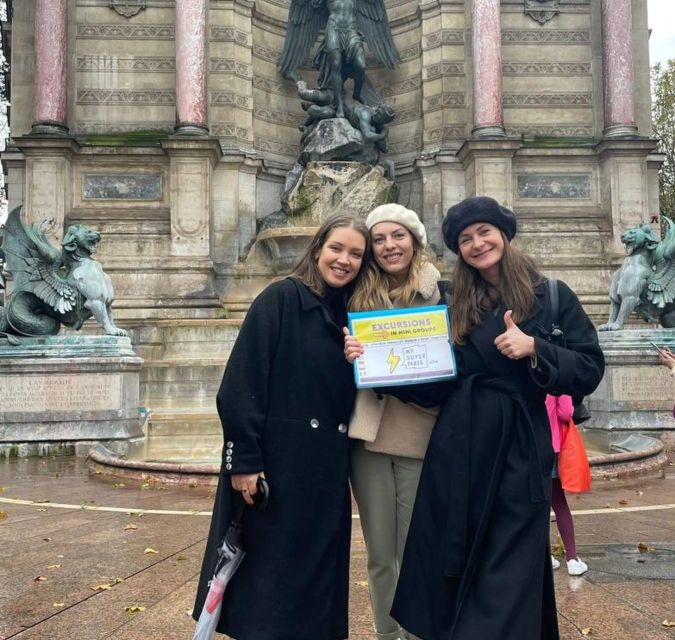
- Conciergerie and Saint-Michel moments: you see how the medieval and everyday Paris overlap near the Seine.
- Sainte-Chapelle up close (brief but guided): a sharper stop that changes your mood for the Notre-Dame finale.
- A Notre-Dame viewpoint plus an oldest-tree stop: you finish with a photo-worthy payoff.
A relaxed 3-hour loop through Paris icons, from Opéra Garnier area to Notre-Dame
This tour is built for people who want a smart route through central Paris without turning the day into a logistics test. You’re out for about three hours, and the plan keeps you moving through major sights in a logical order—from older Paris origins toward what you see now.
The tone is also worth noting. Instead of long lectures, you get short, guided explanations that help you “read” what you’re seeing. That matters in Paris, where façades can look similar until someone points out the details that separate one era from another. You’ll also have a few quick photo stops, which is useful if you’re traveling with a camera and don’t want to feel rushed at the end of each landmark.
The walking rhythm is designed to be easy. The route avoids unnecessary effort, stays straight for parts of the way, and trends downhill from the start to the finish—so you don’t arrive at Notre-Dame already exhausted. That’s a big deal if you’re also planning to see the city later on your own.
Finally, this is not just a “see it and leave” tour. A core part of the experience is getting tips for staying in Paris—how to act like you belong, plus advice for where to eat after the walk. For many people, that’s what makes the hours feel valuable rather than just busy.
You can also read our reviews of more walking tours in Paris



Meeting at Hôtel de Ville: your start point and what to look for
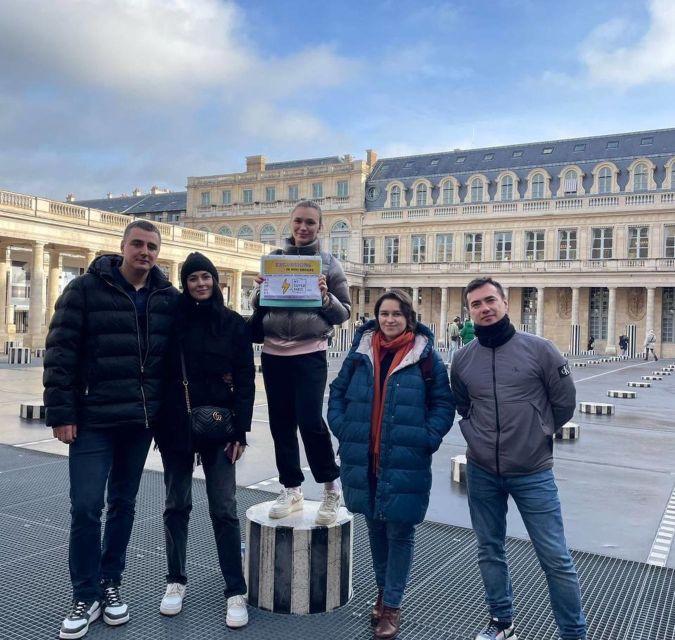
You meet at 10:00 AM at Place de l’Hôtel-de-Ville, in front of the main facade of the Hôtel de Ville. It’s easy to reach using metro lines 1 and 11. When you arrive, look for your guide holding a sign that says My Super Tour.
You’ll want to be there a few minutes early so you can start calmly. Paris mornings can be busy around major squares, and you’ll want time to locate the guide without stress. I also recommend wearing shoes that can handle stone and uneven edges, because even when a route is mostly even, Paris sidewalks aren’t always uniform.
The tour includes at least one short break. You’ll have time for restrooms, and there’s an opportunity to buy drinks and snacks if you want them. Since drinks and snacks aren’t included, this is your chance to grab water or something small before the more concentrated sight windows.
If you’re traveling in English or Russian, you’re covered. The tour runs with a live guide in English or Russian, which helps a lot if you want real conversation and questions (not just headsets).
Opéra Garnier and Place Vendôme: the Paris you can read at walking speed
Even if you’ve seen photos of Paris before, Opéra Garnier and Place Vendôme reset your sense of scale. Here, the architecture feels intentional—ornamented, symmetrical, and built to communicate power. The guide helps you notice what your eyes usually skim over: how the details fit the story of the building and what the designers were signaling for that time period.
Place Vendôme is the next quick step that really changes the mood. It’s one of those spaces where the surrounding buildings shape the atmosphere of the square itself. You’ll get a guided stop plus time for photos, and the guide’s commentary is the difference between snapping pictures and actually understanding what you’re looking at.
This section also sets up why the tour works well for first-timers. You’re not just checking boxes. You’re learning how Paris “writes” its identity through street composition—how squares, building alignment, and landmarks create a visual narrative.
Potential drawback in this part: the focus is on guided explanations and exterior views, not extended interior exploration. If you want to spend a long time inside Opéra Garnier or go deep into museums, you’ll need separate tickets. But for a three-hour guided overview, the payoff is strong: you get context fast.
Tuileries Garden and Palais-Royal: where royal design meets daily movement
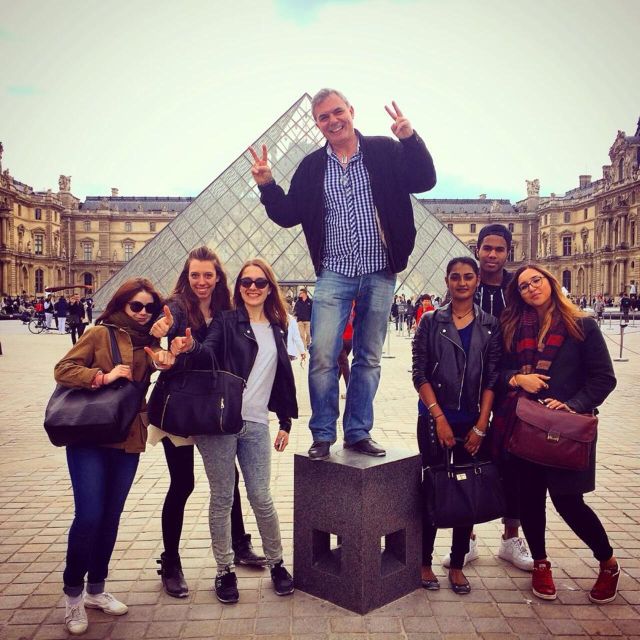
From Place Vendôme, the tour enters the Tuileries Garden area, which is where Paris starts blending monuments with everyday life. This is one of the best parts of the day for learning to “watch” the city, because gardens and arcaded spaces invite a different kind of attention—people slow down, sit, cut across paths, and treat the space like part of their routine.
The guide’s job here is to connect design choices to human use. You’ll hear history behind the walls you pass and get little behind-the-scenes anecdotes that make the gardens feel less like a postcard. It’s also a good moment to take a breath, because the route through this area is meant to be smooth and mostly stress-free.
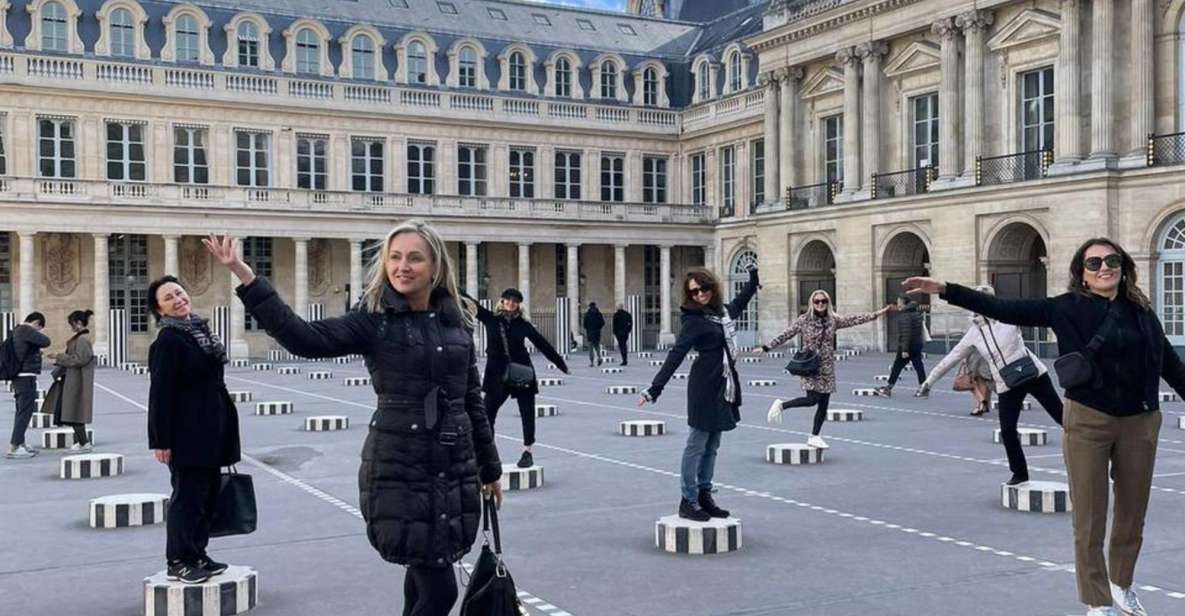
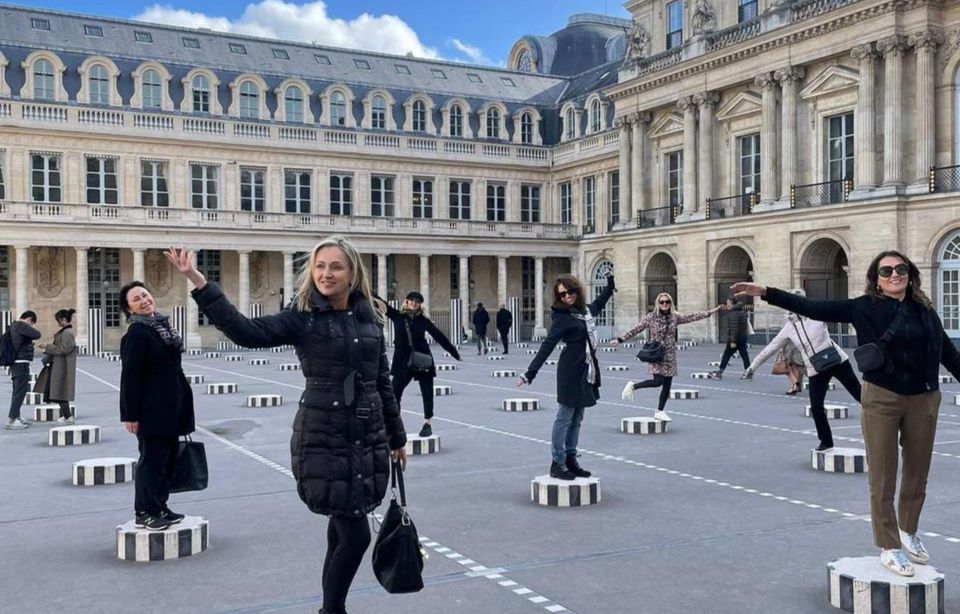
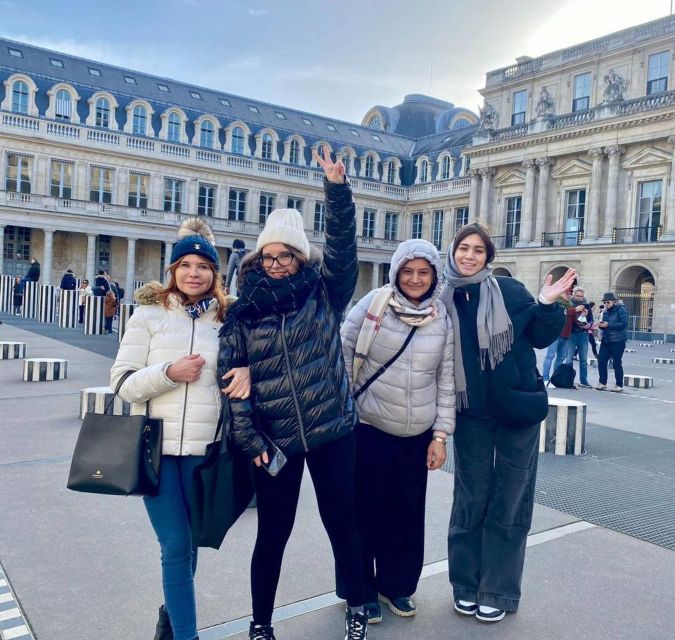
Next comes the Palais-Royal zone. This is a powerful stop because it shows how Paris can swing between grand history and practical modern use. Even when you’re standing outside, you start noticing how people interact with the architecture—what they pause at, what angles they photograph, and how the space guides foot traffic.
If you’re the kind of traveler who hates long, indoor lectures, this is your segment. You stay outdoors, you walk, and the story stays short enough to keep your attention.
Louvre pass-by and the art of not getting lost
There’s a Louvre Museum photo stop/pass-by in the middle of the walk. That’s a smart choice, because it gives you a chance to orient yourself toward one of the world’s most famous addresses without turning your day into a museum line problem.
Here’s the practical value: after this tour, you’ll have a better sense of where Louvre sits relative to the other sights you just walked past. Even if you don’t go inside during this experience, you’ll be more confident navigating the neighborhood later.
This stop also signals what the tour is and isn’t. It’s not designed for long indoor time. The goal is a guided route through major exteriors and quick, meaningful moments, so you can keep the itinerary moving toward Sainte-Chapelle and Notre-Dame.
If you’re someone who wants to go deep into one institution, you’ll likely enjoy this more when you treat it as a framework. Think: learn the streets, then decide later what deserves your full attention. Paris rewards that kind of planning.
You can also read our reviews of more guided tours in Paris




Pont Neuf to Île de la Cité: the Seine as a history timeline
Crossing into the Île de la Cité area is where the tour’s “history to now” theme becomes more vivid. You’ll hit Pont Neuf for photos and a guided visit. This bridge is one of those places where the Seine isn’t just scenery—it’s a working stage for the city’s story.
After Pont Neuf, the route moves through the islands’ core. You’ll also pass Place Dauphine and get guided time there. It’s a small but satisfying stop because it gives you a snapshot of how Paris shaped residential order around royal-era planning.
Then comes the part that helps you connect medieval layers with what still stands today: you’ll hear about the Île de la Cité and the Conciergerie, plus you’ll see the area tied to the fountain of Saint Michel. These are not random extras. They’re part of how Paris tells the story of its past in the same space where people live now.
One more reason this segment works: you’re walking in a way that feels logical. The route is designed to keep the sequence sensible, so the city doesn’t feel like a pile of disconnected stops. You start understanding how the landmarks relate to one another across the river and around the island.
Sainte-Chapelle to Notre-Dame: finishing strong with sharper sightlines
Sainte-Chapelle is the stop where the tour’s architecture “voice” gets more dramatic. You’ll get a guided visit and sightseeing time that keeps the moment concentrated. Even in a short window, this is the kind of place that makes you slow down, because the Gothic style is striking and immediately different from the more classical spaces earlier in the walk.
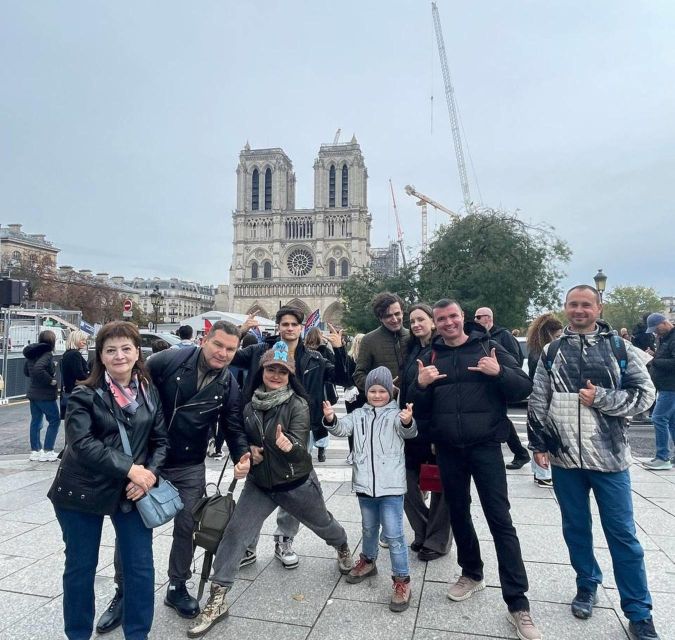
Then you move toward Notre-Dame Cathedral. You’ll have a photo stop and guided sightseeing time, plus an additional viewpoint moment later for a unique view on Notre-Dame. That two-stage approach helps: first you locate the cathedral in real street context, then you get a better viewpoint angle so the building reads as a whole.
This is also where the tour adds a fun, human touch. At the end, the guide shows you the oldest tree in Paris. It’s the kind of detail that makes a walking tour memorable because it’s not just famous monuments—it’s something lived in, something that’s still here.
What to watch for: since you finish near the cathedral area (and the tour’s overall endpoint is tied to the Opéra Garnier side), plan your energy. If you’ve had a long travel day, this is still manageable thanks to the easier pacing—but you’ll want to arrive ready to stand and look for a bit once you reach the final stretch.
Lifehacks, native behavior tips, and where to eat after the tour
One of the most practical parts of this experience is the focus on how to act in Paris while you’re there. The guide shares guidance along the way on how to behave like a native, and it’s delivered in the flow of the walk rather than as a generic lecture.
You also get insider hints for your further stay. This often shows up as small, useful advice: how to pace yourself, how to plan your next neighborhood walk, and what kinds of stops fit the time of day you’re in. It’s the kind of information that helps you stop guessing and start enjoying.
At the end, you’ll also receive advice on nice restaurants or brasseries for lunch after the guided tour. That’s not just helpful—it’s efficient. Many first-timers waste the first day searching for a meal with long waits or menus they can’t decode quickly. Having a guide’s suggestion right when you’re done with Notre-Dame sightseeing saves time and keeps the day feeling smooth.
And if you’re traveling with a group or just want to ask questions, the guide style described in past experiences seems to land well. People like guides who answer questions with patience and keep the storytelling engaging as you walk.
Price and value: is $57 for 3 hours worth it?
At $57 per person for about three hours, you’re paying mainly for a professional local guide plus a structured route that strings together big Paris landmarks. You’re not paying for included museum tickets, and you shouldn’t expect this to replace a full museum visit. But you are paying for context, direction, and convenience.
Here’s why that can be good value:
- You get help spotting what matters on façades and squares, so you don’t wander with random photos and no sense of order.
- The route is designed for comfort and flow—mostly even, mostly traffic-free streets—so you spend less energy planning and more energy appreciating.
- You come away with practical tips for your time after the tour, including lunch direction.
When it might not be the best buy:
- If you want long, in-depth interior time at Louvre or major sites, you’ll still need separate reservations.
- If you prefer total freedom and hate listening to explanations while walking, you could find the guided structure less satisfying.
For most people who like a well-paced “orientation” day, this hits a sweet spot.
Should you book this guided walk?
Book it if you want a guided, easy-paced introduction to central Paris that connects the dots between Opéra Garnier, the Seine crossings, Sainte-Chapelle, and Notre-Dame. It’s especially worth it if you want practical guidance for living and eating like you know the city, not just seeing monuments.
Skip (or pair with other tickets) if your priority is deep time inside major interiors or if three hours of walking and photo stops won’t match your style. Also, if your French-reading ability is strong and you love planning your own route, you may not get full value from the structure.
If you’re flexible, bring good shoes, and treat it like a route-building day, this tour is the kind of experience that makes your next Paris walk easier and more enjoyable.
FAQ
Where do I meet the guide?
You meet at Place de l’Hôtel-de-Ville at 10:00 AM, in front of the main facade of the Hôtel de Ville. The guide will be holding a sign that says My Super Tour.
How long is the walking tour?
The tour lasts about 3 hours.
How much does it cost?
The price is $57 per person.
Is the tour in English?
Yes. The live tour guide is available in English and Russian.
Are drinks and snacks included?
No. Drinks and snacks aren’t included, though there’s a small break where you can buy them if you want.
Is the route wheelchair accessible?
Yes, the tour is wheelchair accessible.
Where does the tour finish?
The tour ends at Opéra Garnier.
Is the tour refundable if I cancel?
Yes, you can cancel up to 24 hours in advance for a full refund.