REVIEW · PARIS
Musée d’Orsay: Impressionists with skip-the-line ticket
Book on GetYourGuide →Operated by My Super Tour · Bookable on GetYourGuide
Orsay turns a train station into art. What makes this experience special is the way it pairs Impressionist masterpieces with the building that holds them, including the station’s own engineering story. I also like that you don’t waste your time wrestling with museum lines first thing, because the tour is built around a fast entry.
You’ll get a tight, high-impact sweep of key works and themes—from Monet and Cézanne to Degas, Rodin, and Courbet—so you leave with clear connections instead of random stops. One thing to consider: this tour isn’t set up for wheelchair access, and the elephant statue meeting point can be a little harder to spot if the entrance setup changes.
In This Review
- Key things I think you’ll enjoy most
- Skip the Line at Orsay: What 2 Hours Buys You
- First You Walk In: The Orsay Station Story Starts Immediately
- The 19th Century Theme: Art Movements in One Flow
- Impressionists Up Close: Monet, Manet, Renoir, and the Color Moment
- Degas to Rodin: Stage Energy and Sculpted Impact
- Courbet’s Provocation and the Realist Argument
- The Architecture & Urbanism Lessons: Orsay, Palais Garnier, and the Opera Quarter
- Photography, Early Film, and the New Ways of Seeing
- Meeting Point at Orsay: The Elephant Detail and a Quick Fix
- Who This Tour Suits Best (and Who Might Want Another Option)
- Should You Book This Orsay Skip-the-Line Tour?
- FAQ
- Where is the meeting point for the Musée d’Orsay tour?
- How long is the tour?
- Does the ticket include skip-the-line entry?
- What languages is the live guide available in?
- Is this tour wheelchair accessible?
- Can I cancel for a full refund?
Key things I think you’ll enjoy most

- Skip-the-line entry using a separate entrance so you can start seeing art sooner
- The Orsay station building as an exhibit, not just a backdrop
- Headsets for hearing your guide clearly in busy gallery moments
- A fast 19th-century overview that connects art movements to the era’s technology and design
- A small group (up to 6) that makes it easier to ask questions and keep your pace
Skip the Line at Orsay: What 2 Hours Buys You
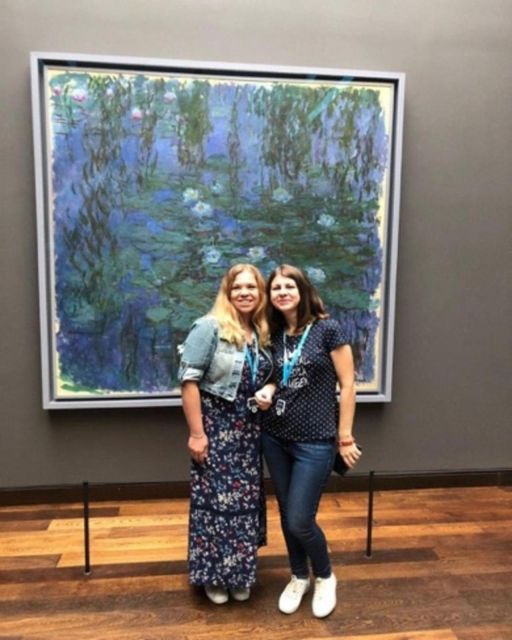
The Musée d’Orsay can be great, and it can also be a time trap. Popular galleries fill up, and you can end up standing still more than you want. This tour’s biggest practical benefit is the skip-the-line entry through a separate entrance. In real terms, that means more looking time at the works you actually came for.
You also get a 2-hour guided format with a small group limited to 6 participants. That matters at Orsay because the museum is large and multi-level. With a guide, you’re not trying to figure out where to go while your feet decide the plan for you.
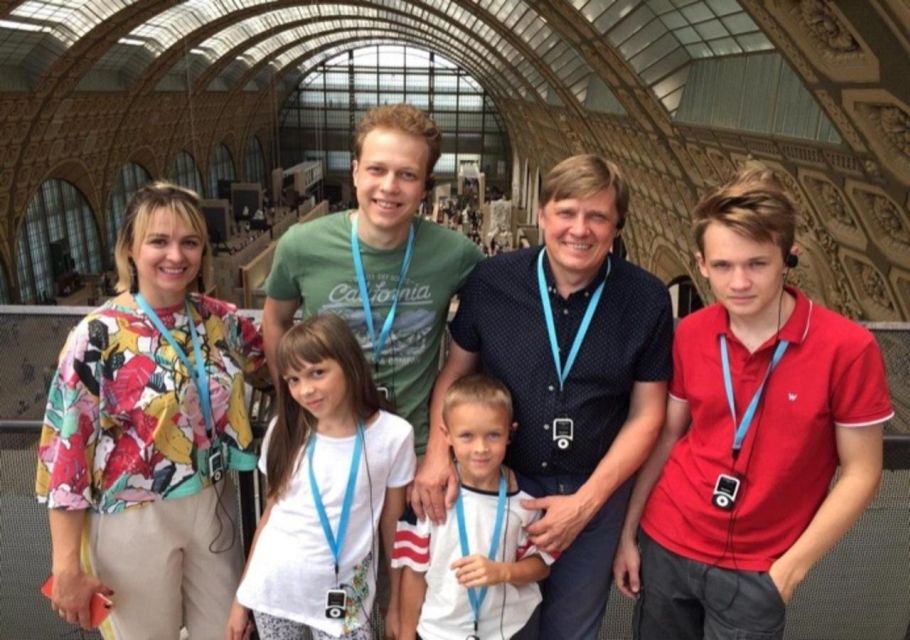
Your guide wears you in with headsets, too. That’s a small detail, but it changes the experience. You’re less likely to miss points while people drift around you, and you can hear the why behind each stop, not just the what.
At $104 per person, it’s not a budget add-on, but it is reasonable when you total what you’re getting: a licensed guide, museum entrance, a skip-the-line advantage, and headsets. For many people, the main value isn’t the ticket—it’s saving time and getting structure.
You can also read our reviews of more tours and experiences in Paris



First You Walk In: The Orsay Station Story Starts Immediately
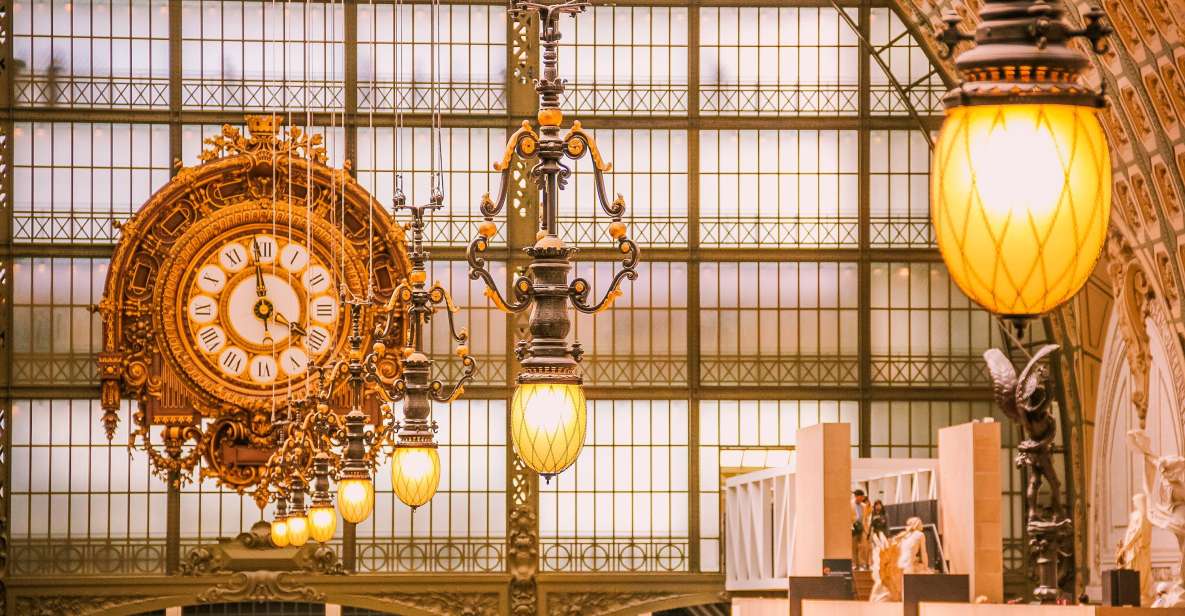
Here’s the part many people miss before they even buy tickets: at Orsay, the building is not just where the museum lives. The station itself is part of the show.
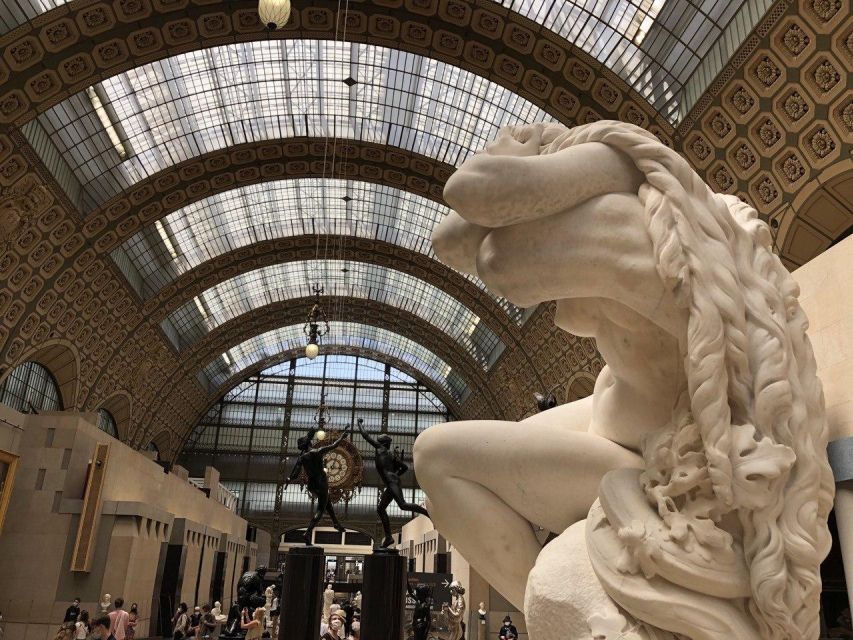
This is the only museum in Paris where the 19th-century architecture is treated as an example you can see and understand. The tour leans on that idea from the start by explaining how the space originally served as the first railway station in Paris for electrical trains. Later, the building was transformed into a museum in 1986, which makes it feel like you’re looking at history stacked on history.
As you move into the galleries, the guide connects the art to the era that built the station and shaped daily life. It’s not only paint and sculpture. You’ll hear how 19th-century tastes moved through things like neoclassicism, neo-Gothic, romanticism, eclectic styles, Arts & Crafts, and academism—then slid into realism and symbolism, all before Impressionism took the spotlight.
Why I like this setup for you: it helps you stop treating Impressionism as an isolated style. You start seeing it as one outcome of a century changing fast—industrially, socially, and artistically.
The 19th Century Theme: Art Movements in One Flow
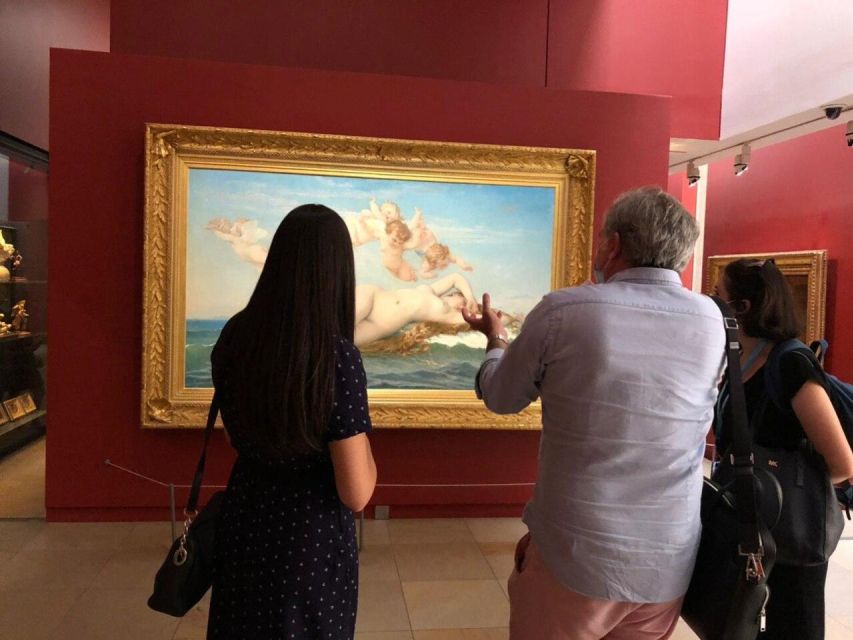
Orsay has a reputation as an Impressionist museum, but it’s also a museum of transitions. This tour is designed to show that variety without making you wander endlessly.
You’ll get a walking timeline of the century: art movements overlap, disagree, and borrow from each other. That makes the museum easier to understand. Instead of asking, What style is this? you’ll find yourself asking, Why did artists start painting this way when the world around them was changing?
The guide also ties in technology. The 19th century wasn’t just about galleries—it was about rapid invention. You might see references to the first model of the Liberty Statue, plus early photography and films made by the Lumière brothers. Those details matter because they show that new ways of seeing were happening at the same time as new styles in painting.
If you like your museum experiences to feel like a story you can follow, this approach helps. You end up remembering relationships: light and color in painting, realism and controversy, and how new recording tools pushed people to question perception.
Impressionists Up Close: Monet, Manet, Renoir, and the Color Moment
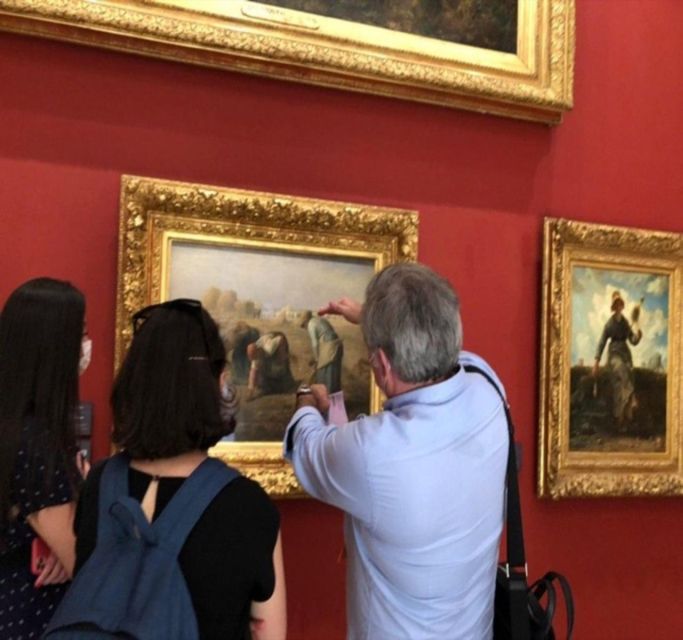
Yes, Orsay is famous for Impressionism, and this tour makes sure you actually get the point of it. You’ll focus on major names like Monet, Manet, Renoir, and others, with enough guidance to help you notice what sets each artist apart.
The biggest value here isn’t just seeing famous canvases. It’s learning how to look at them in context. Impressionists weren’t trying to paint like the old masters. They were chasing effects—light, movement, and atmosphere—while admitting that the world changes faster than traditional rules.
In a short visit, a guide helps you avoid the common problem: staring at a single painting and missing the bigger pattern across rooms. With this tour, you build a quick comparative sense of how different Impressionists approached similar themes.
Expect also to see still-life focus with works like Cézanne’s still lives. That gives you a bridge between Impressionism and the next waves of modern art, which is exactly where Orsay can surprise you.
Degas to Rodin: Stage Energy and Sculpted Impact
Orsay is not only about paintings. One of the reasons this museum works so well is that it mixes mediums in a single path.
You’ll spend time on Degas, including ballet dancer imagery. That’s a smart choice because it shows a different side of “modern looking.” Dance scenes let you see movement and framing choices, even though the works are static. It also fits how the 19th century loved performance, leisure, and city culture.
Then there’s Rodin, and this tour treats sculpture as part of the same visual argument as the paintings. Seeing Rodin after an Impressionist moment can be a helpful contrast. Paint can suggest form with light; sculpture makes you deal with volume and presence.
I’d recommend paying attention to how the guide connects these works to the era’s ideas about realism and representation. The goal is to help you leave with a sense of what 19th-century artists believed art should do—whether it was impress the eye, provoke thought, or study modern life.
You can also read our reviews of more tours and experiences in Paris





Courbet’s Provocation and the Realist Argument
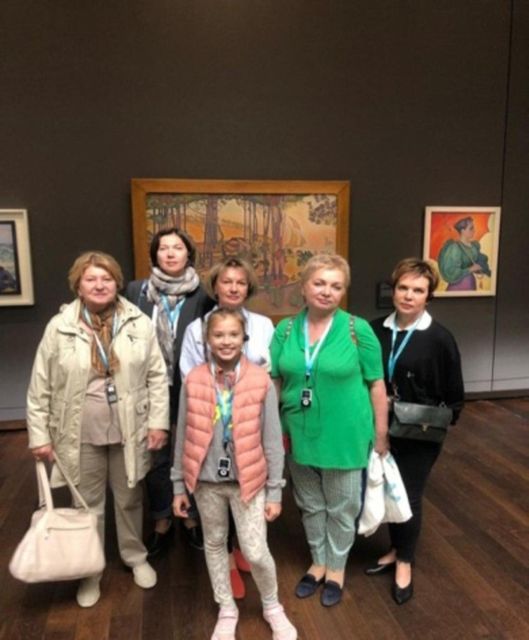
Realism at Orsay can feel like a curveball if you’ve expected Impressionism only. This tour builds in time for that shift, including works by artists like Millet and Courbet.
Courbet is famous for challenging comfort, and you’ll hear about his provocative Origin of the World. Whether you love it or you’re uncomfortable with it, this is exactly the kind of work that changes how you think about what museums are for. It pushes the viewer to confront desire, privacy, and representation—without softening the message.
The value of including realism and that level of frankness in a short tour is that you get a fuller picture of the century. It’s not only about beauty. It’s about argument, social tension, and artistic courage.
And when you pair realism with what came before it in the tour’s narrative, you start seeing how each movement fought for permission to see the world differently.
The Architecture & Urbanism Lessons: Orsay, Palais Garnier, and the Opera Quarter
One reason Orsay feels unusually “Paris” is that it sits at the edge of the city’s grand vision for entertainment, power, and public life. This tour uses the museum as a jumping-off point for a bigger architectural theme.
You’ll learn about the architecture and urbanism of the 19th century using comparisons such as the railway station Orsay and also the opera environment, including Palais Garnier and the Parisian quarter around it. That framing matters because it turns Orsay from a single building you toured into a piece of a larger urban plan.
You can usually see this relationship only after the fact—once you connect the dots between art, industry, and public design. A guide helps you connect them while you’re still there, so it actually sticks.
If you’re the type of person who likes to look at buildings and streets as part of travel, you’ll get extra enjoyment from this angle. Even if you’re mostly there for paintings, this context makes the museum feel less like a container and more like a snapshot of how the city became modern.
Photography, Early Film, and the New Ways of Seeing
A lot of museums treat the 19th century like it’s only about painting and sculpture. This tour widens the lens.
You’ll hear about the beginnings of photography and movies, including the Lumière brothers’ early film work. You’ll also encounter the idea of technical ambition through references like the first model of the Liberty Statue.
Why this is useful for you: it helps explain why art in the 19th century felt like it was changing direction so often. New tools changed attention. Cameras and film promised a different kind of realism, different speed, different framing. Painters and sculptors had to respond—sometimes by pushing color and atmosphere, sometimes by leaning into hard-edged realism, sometimes by exploring symbolism and emotional meaning.
In a two-hour visit, you won’t get a full lecture on the history of media. But you will leave with a clearer understanding of why the era’s art looks the way it does.
Meeting Point at Orsay: The Elephant Detail and a Quick Fix
You’ll meet your guide under the statue of an elephant in front of the main entrance of the Musée d’Orsay, looking for a guide holding a yellow sign that says My Super Tour.
One small practical note: the elephant marker can be a little tricky on some days if the entrance setup changes. If you arrive and can’t immediately spot the sign, don’t panic—give yourself a few minutes and consider checking with the meeting point team if needed. I’d rather you be slightly early than slightly confused.
Also, plan to arrive with enough time to go through the entry process smoothly. Orsay is busy, and even with skip-the-line access, you’ll want your whole group to be ready when the tour begins.
Who This Tour Suits Best (and Who Might Want Another Option)
This tour fits you well if you want:
- A structured way to see major works without trying to map Orsay yourself
- An emphasis on Impressionism plus the 19th-century context that explains it
- A guide-led experience with headsets and a group capped at 6
It’s also a strong choice if you like art history that stays practical. Instead of drowning you in dates, it points out what you can actually see and how the pieces connect.
It’s not a great fit if you use a wheelchair, since this activity isn’t suitable for wheelchair users based on the provided info.
If you’re the type who prefers total freedom over a guided pace, you might want to visit Orsay on your own. But if you’re going to spend time here anyway, the guide structure is what turns the museum into a coherent story rather than a list of famous rooms.
Should You Book This Orsay Skip-the-Line Tour?
If your goal is to get a lot of meaning out of a limited time, I’d book this. The skip-the-line entry saves stress, the small group keeps the tour conversational, and the headsets help you catch every key explanation even in busy galleries. You also get a useful mix: Impressionists like Monet and Renoir, plus still life with Cézanne, Degas’s ballet scenes, Rodin, realism with Courbet (including Origin of the World), and the station-and-city architecture thread that makes Orsay more than a standard museum stop.
I’d hesitate only if you strongly prefer wandering without guidance, or if mobility/access needs make this tour unsuitable for you.
FAQ
Where is the meeting point for the Musée d’Orsay tour?
Meet your guide under the statue of an elephant in front of the main entrance of the Musée d’Orsay. Look for the guide holding a yellow sign that says My Super Tour.
How long is the tour?
The tour lasts 2 hours.
Does the ticket include skip-the-line entry?
Yes. You’ll skip the waiting line through a separate entrance.
What languages is the live guide available in?
The live guide offers English and Russian.
Is this tour wheelchair accessible?
No. It is not suitable for wheelchair users.
Can I cancel for a full refund?
Yes. Free cancellation is available up to 24 hours in advance for a full refund.