REVIEW · PARIS
Paris: Orsay Museum Masterpieces Guided Tour
Book on GetYourGuide →Operated by City Wonders Ltd. · Bookable on GetYourGuide
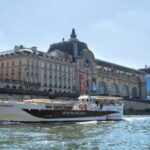
A train station turned art temple can be surprisingly easy. This Musée d’Orsay guided tour gives you a sharp route through the museum’s biggest Impressionist hits, with pre-booked entry so you’re not stuck in the ticket crush. I especially love the way the guide ties paintings to the French art world that made them possible, and I love that the route is built for a short visit rather than aimless wandering. One heads-up: you’ll do a fair bit of walking on uneven museum floors, so comfy shoes are non-negotiable.
The bonus is how the experience stays focused. You get a true highlight reel—Cézanne, Degas, Manet, Renoir, and Monet—plus context that explains why these works were controversial in their day. It’s also practical that you can choose a semi-private option (6 people) or a larger group (up to 25), depending on how much quiet attention you want.
Logistically, you’ll meet in the courtyard by the main entrance, and you’ll be inside the galleries with a live English-speaking guide. When needed, headsets help you hear clearly while you move from stop to stop. Now, let’s talk about the parts that matter so you can decide if this tour fits your style.
In This Review
- Key points worth knowing before you go
- Why Orsay is the perfect museum for a tight 2-hour plan
- Meeting at the elephant statue: start where the tour actually begins
- The 2-hour guided route: what you’ll do inside the museum
- Stop 1: the museum entrance moment (and why it sets the tone)
- Stop 2: the Impressionist core you’ll recognize instantly
- Stop 3: back to the courtyard and your next move
- Semi-private (6) vs group up to 25: choose your comfort level
- Hearing the guide clearly: headsets and pacing in busy galleries
- The Orsay building: why that railway-station setting matters
- Practical realities: walking, photos, bags, and the A/C situation
- Price and value: is $60 a good deal for Orsay highlights?
- Who this tour suits best (and who should reconsider)
- What to do before you go (so the art lands harder)
- Should you book this Musée d’Orsay masterpieces guided tour?
- FAQ
- How long is the Musée d’Orsay guided tour?
- Where do I meet the guide?
- Does this tour include skip-the-line access?
- What’s included in the price?
- Are there headsets?
- Which public transportation stop is closest?
- Is the tour suitable for people using wheelchairs or needing special assistance?
- Are strollers or baby carriages allowed?
- Is the museum air-conditioned?
- What items are not allowed inside?
Key points worth knowing before you go
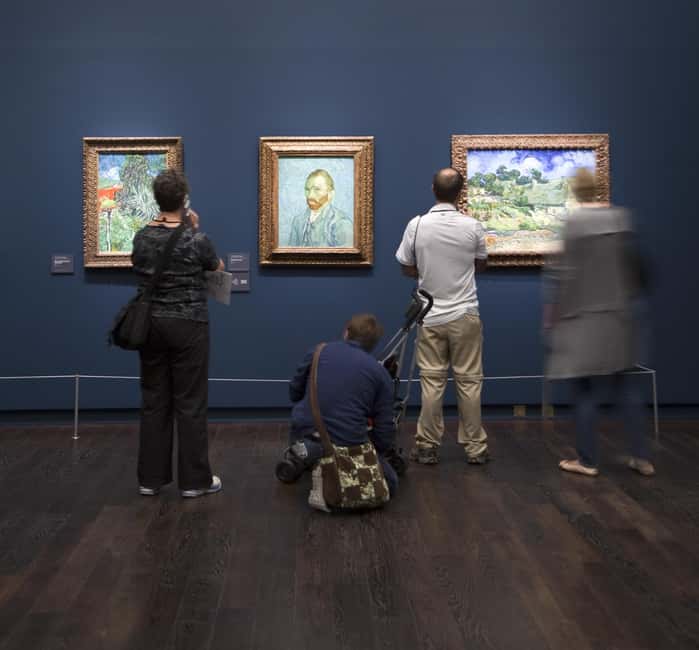
- Pre-booked entry helps you skip the long ticket line and get moving sooner.
- English-speaking art historian guide gives you more than what you’re seeing—why it mattered.
- Two group sizes: semi-private (6) or group (max 25), so you can match your pace.
- Headsets included when necessary to keep you from missing details as you follow the group.
- You’ll focus on the museum’s Impressionist and Post-Impressionist core, not every room in the building.
Why Orsay is the perfect museum for a tight 2-hour plan
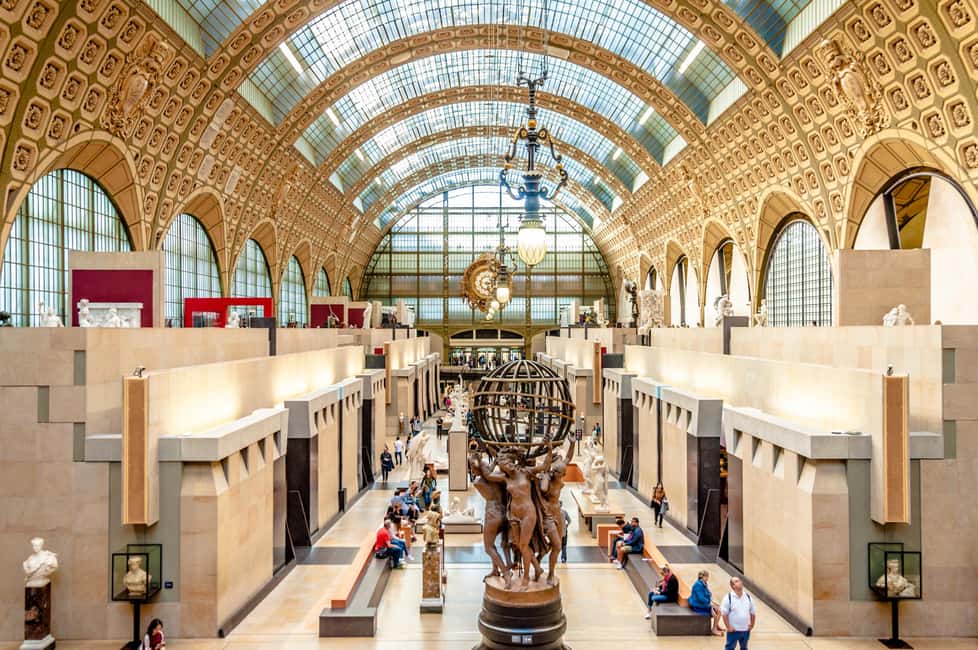
Musée d’Orsay is one of those places where the building and the art work together. The museum sits in a former railway station, so you get dramatic space, high ceilings, and that grand Beaux-Arts feel as your first “wow.” Then inside, the collection fits the building’s rhythm: this is where Impressionism and Post-Impressionism live at full scale.
If you only have a couple of hours in Paris, that matters. A highlights tour here isn’t about doing less. It’s about choosing what gives you the biggest payoff fast—Monet’s way of capturing light, Renoir’s social energy, Manet’s sharper edges, and the growing tension between tradition and modern vision that fueled the whole era.
You can also read our reviews of more guided tours in Paris


Meeting at the elephant statue: start where the tour actually begins
You’ll meet at 5 Rue de la Légion d’Honneur, in the courtyard in front of the Musée d’Orsay’s main entrance. The guide waits at the foot of the large elephant statue, holding a sign for the company. It’s a clear meeting spot, which is half the battle in a busy tourist area.
If you’re using public transit, the easiest anchor point is the RER Line C – Musée d’Orsay Station. Metro Line 12 to Solferino also works. From Solferino, take exit 2 (look for “Musee d’Orsay”), turn left, then walk up Rue de Bellechasse toward the museum.
If you’re driving or taking a taxi, ask to be dropped right at the entrance. That keeps you from dragging bags or doing extra navigation in peak crowds.
The 2-hour guided route: what you’ll do inside the museum
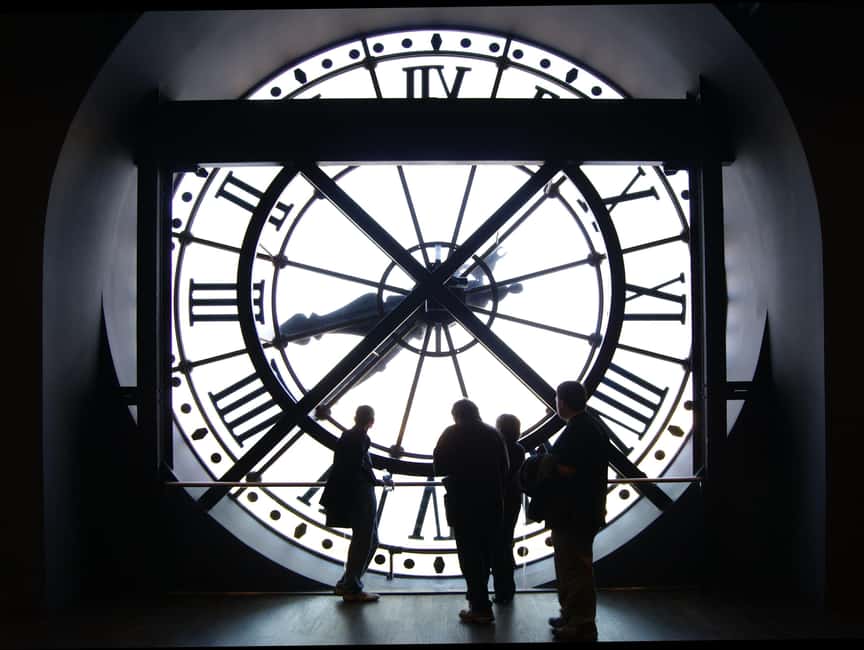
This tour is built to last about 2 hours in the museum. That timing is ideal for a high-density museum like Orsay, where you can easily lose an hour just finding your bearings.
Here’s what the experience is designed to deliver once you’re inside:
- A guided pass through major works and key moments in the Impressionist era
- Context about how this style was treated when it first appeared—often with heavy criticism
- A fast sense of how major artists connect to each other across the same period
The tour doesn’t try to cover everything. Instead, it helps you “read” the collection. You’ll see major paintings by Monet, Renoir, Manet, Degas, and Cézanne, along with other influential artists from the same artistic shift.
And because it’s a guided tour, you’re not just looking at famous names. You’re learning how to interpret brushwork, subject choices, and the broader Parisian cultural mood that shaped what artists painted.
Stop 1: the museum entrance moment (and why it sets the tone)
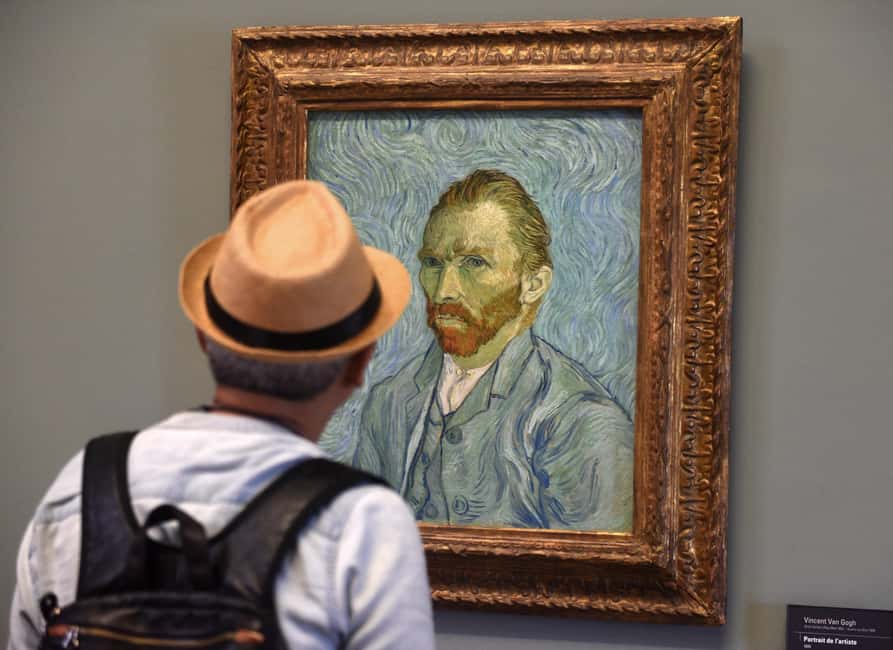
You start at the meeting point outside, then head to the museum together. This matters more than it sounds, because it gets you into the building as a unit rather than scattering in the courtyard.
Also, the first few minutes set your rhythm. Orsay can feel like a lot: great art everywhere, plus that big station architecture that keeps pulling your eyes upward. A good guide helps you get oriented quickly, so you’re not spending your energy on finding the right gallery instead of looking at the art.
Stop 2: the Impressionist core you’ll recognize instantly
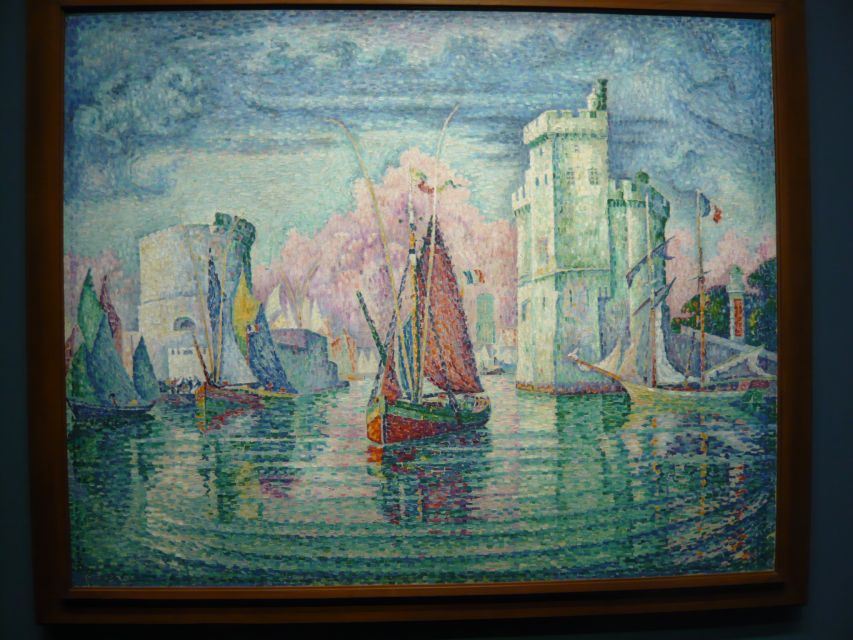
Once you’re in, expect the tour to lean into what most people come for: the major Impressionist and Post-Impressionist strengths of Orsay.
A few highlights that the tour framing points you toward include:
- Vincent van Gogh: Starry Night over the Rhône
- Pierre-Auguste Renoir: Dance at Le Moulin de la Galette
- Paul Cézanne, Edgar Degas, Édouard Manet, and of course Claude Monet
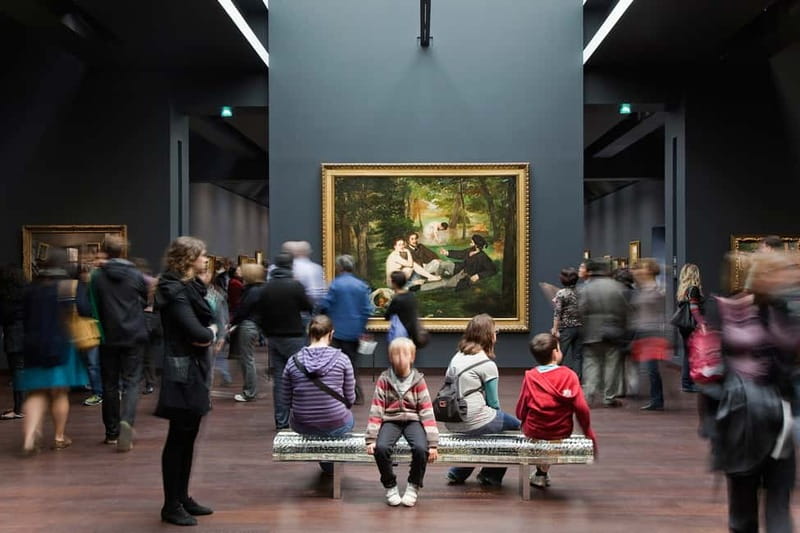
What I like about the way a guided highlight tour works here is that you see these paintings as part of a story, not isolated masterpieces. For example, Monet isn’t just a name—he’s a key to understanding how light and atmosphere became the point. Renoir isn’t just style—he’s a window into Parisian life and leisure at the time. And Manet helps explain why modern art came with pushback.
You can also read our reviews of more museum experiences in Paris





Stop 3: back to the courtyard and your next move
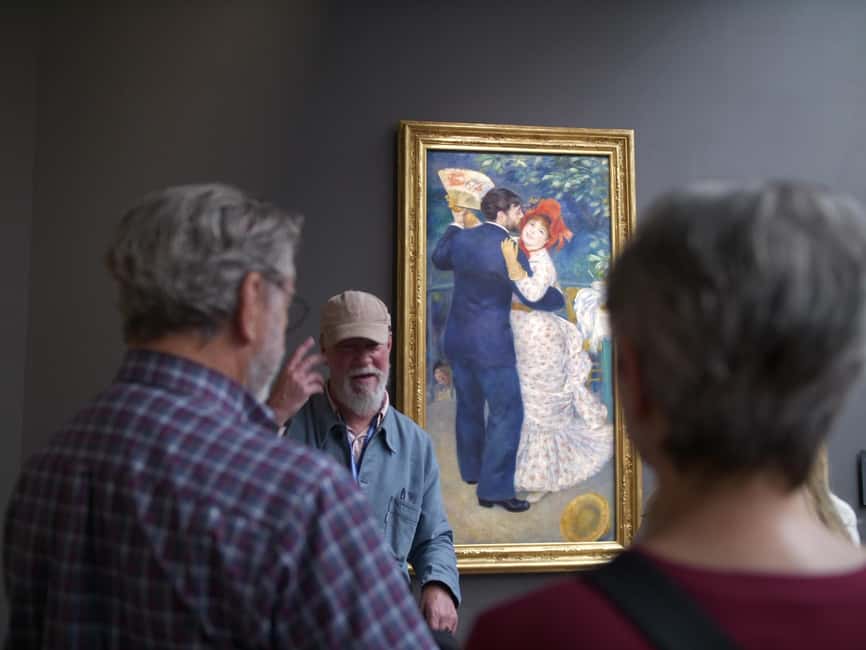
When the two-hour tour ends, you return to the starting meeting point at 5 Rue de la Légion d’Honneur. That “back to base” design is useful. It means you can keep your day organized without wandering back through the surrounding streets to re-find your pick-up or hotel route.
If you have extra time after the tour, I’d treat it like this: use the guide for your first understanding, then use your remaining hours to go back to the works you actually reacted to. Two hours gives you the map; your attention decides the rest.
Semi-private (6) vs group up to 25: choose your comfort level
Orsay is popular, so crowd levels are part of the reality. This tour gives you two formats:
- Semi-private tour (6 people)
- Group tour (up to 25 people)
If you want the quiet advantage—more room for questions and a steadier pace—pick the semi-private option. If you’re fine with a more social energy and you want the strongest value for the time, the group tour works well.
Either way, the guide’s job is the same: keep you moving through the key galleries without turning the experience into a sprint.
Hearing the guide clearly: headsets and pacing in busy galleries
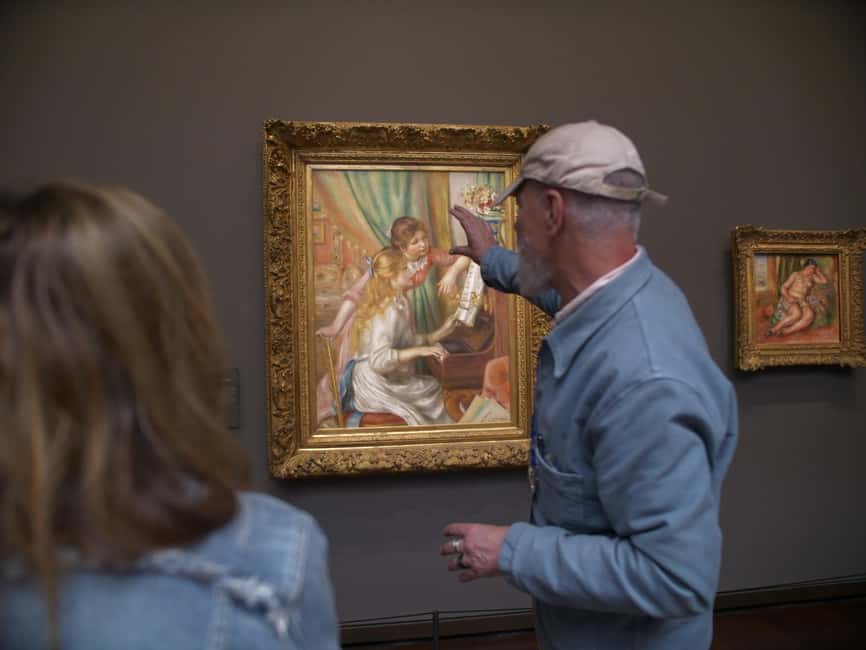
Museums plus crowds can turn into a low-quality conversation fast. That’s why this tour includes headsets when necessary. It’s a small thing that makes a big difference, especially when the group is walking through tighter spaces.
The other part is pacing. A highlights tour lives or dies on whether the guide keeps the momentum. If you’ve ever been on a tour where you spend ten minutes outside one painting, you’ll appreciate how this one tries to use the museum time efficiently.
The Orsay building: why that railway-station setting matters
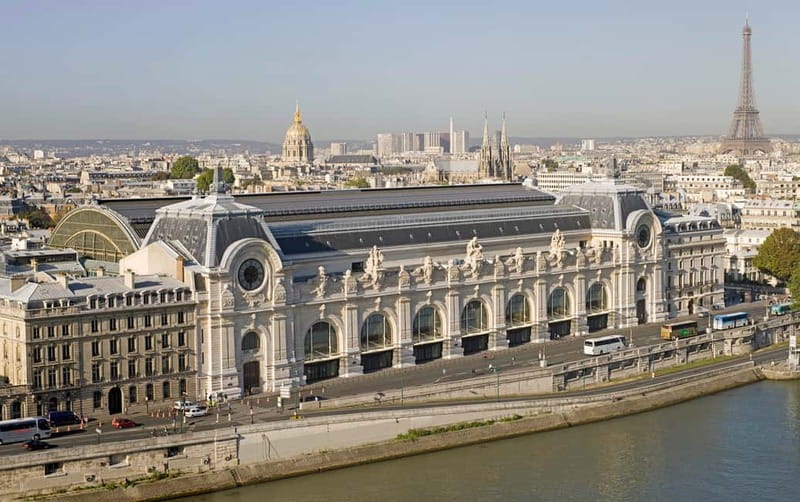
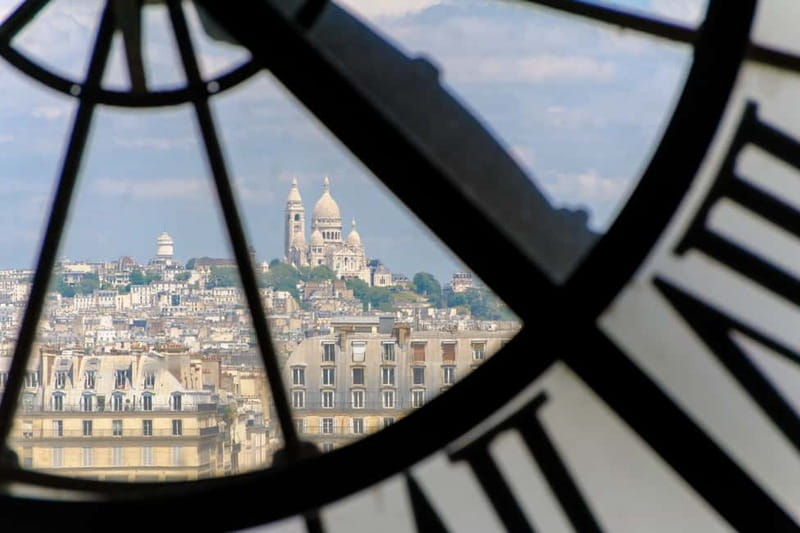
Musée d’Orsay isn’t just a container for art. The architecture shapes how you experience it. The former station layout brings in light and open space, and that fits the Impressionist obsession with atmosphere.
Even if you already know the artists’ names, Orsay’s setting changes the feel of the viewing. You move between areas that feel like different “chapters” of the collection. That helps you understand why this museum became such a central home for these works—it’s not tucked away, it’s staged.
Practical realities: walking, photos, bags, and the A/C situation
This tour involves a fair amount of walking, so plan for your feet. Comfortable shoes help you enjoy the day instead of counting blisters.
There are also museum-style limits that affect your day:
- Flash photography isn’t allowed
- You can’t bring luggage or large bags
- Backpacks aren’t allowed
- Baby strollers and baby carriages aren’t allowed
- No wheelchairs or guests needing special assistance are accommodated on this tour
One more comfort point that catches people off guard: many parts of the museum are not air-conditioned. In warmer months, you’ll feel it. Bring a layer you can shed, and keep water handy before you start the tour.
Price and value: is $60 a good deal for Orsay highlights?
At $60 per person for a 2-hour guided highlights tour, the value comes from two places.
First, pre-booked entry is not just convenient—it’s time saved. Orsay is a top Paris museum. When you skip the long ticket line, you protect your limited time for actual art.
Second, the guide isn’t repeating museum placard facts. You’re getting explanations tied to the art’s period—why the works were criticized, how the artists thought, and how the different painters relate to each other. If you’re spending just one short session at Orsay, that kind of guidance can make the whole visit feel three times clearer.
So is it worth it? If you’re the type who wants a “best of” route with real context, yes. If you want a slow, independent museum day with no structure, you might prefer self-guided tickets and extra hours. But for a tight schedule, $60 buys you focus.
Who this tour suits best (and who should reconsider)
This tour is a strong fit if:
- You love Impressionism and want a smart route through Orsay’s major works
- You don’t want to spend your Paris time figuring out which galleries matter most
- You value context: how artists influenced each other, and why their work triggered debate
- You want an English-speaking guide and a clear meeting point plan
It might not be your best match if:
- You need wheelchair access or special assistance (this tour isn’t able to accommodate that)
- You’re traveling with strollers or baby carriages (not allowed)
- You want to bring a large bag or backpack (not allowed)
What to do before you go (so the art lands harder)
You don’t need homework, but a little prep helps. If you go in knowing just a few anchor works, the guide’s explanations hit better. For example, familiarize yourself with the idea that Orsay’s strengths are Impressionist and Post-Impressionist, then look for how Monet, Renoir, Manet, Degas, Cézanne, and van Gogh fit together.
And go in with the right mindset: this is a highlight tour. If you try to see everything, you’ll feel rushed. If you focus on the works the guide points you toward, you’ll leave with a clean understanding of the period.
Should you book this Musée d’Orsay masterpieces guided tour?
I’d book it if your goal is a high-value, time-efficient introduction to Orsay’s greatest Impressionist and Post-Impressionist paintings. The combination of pre-booked entry, a live English art historian guide, and a tightly timed 2-hour highlights route is exactly what you want when Paris gives you more options than time.
Skip it if you’re planning a very slow personal museum day, or if you need stroller or wheelchair accommodations. Otherwise, this tour is one of the more practical ways to get the Orsay experience without getting lost in the crowd and the galleries.
FAQ
How long is the Musée d’Orsay guided tour?
The tour lasts about 2 hours.
Where do I meet the guide?
Meet in the courtyard in front of the main entrance at 5 Rue de la Légion d’Honneur. The guide is at the foot of the large elephant statue with a sign for the company.
Does this tour include skip-the-line access?
Yes. It includes reservation fees for the museum and fast access, so you skip the ticket line.
What’s included in the price?
An English-speaking art historian guide, entrance and reservation fees for Musée d’Orsay, and headsets when necessary.
Are there headsets?
Yes, headsets are provided when necessary to help you hear the guide clearly.
Which public transportation stop is closest?
The nearest stop is RER Line C Musée d’Orsay Station. Metro Line 12 to Solferino is another option.
Is the tour suitable for people using wheelchairs or needing special assistance?
No. The tour is not able to accommodate wheelchair users or guests requiring special assistance.
Are strollers or baby carriages allowed?
No. Baby strollers and baby carriages aren’t allowed on the group tours.
Is the museum air-conditioned?
Many sections of Musée d’Orsay are not air-conditioned.
What items are not allowed inside?
Luggage or large bags, flash photography, and backpacks are not allowed.