REVIEW · PARIS
Montmartre Walking Tour with a Local Guide
Book on GetYourGuide →Operated by Parifiane Tours · Bookable on GetYourGuide
Montmartre feels like Paris in miniature. In about two hours, you’ll get a local-guided walk through the artist streets, famous facades, and the views from Sacré-Cœur that make the whole hill worth the effort. I especially love how the guide connects places to artists like Lautrec, Picasso, and Van Gogh, so the neighborhood stops being a postcard and starts making sense. I also love the steady pace and photo stops, which means you actually come away with images and stories, not just steps. The main drawback is simple: you’re walking uphill at moderate climbs, so comfortable shoes matter.
This is a rain-or-shine kind of outing. If you’re expecting a laid-back stroll with no hills, you’ll be happier choosing a flatter option—Montmartre is Montmartre, and it climbs.
In This Review
- Key points I’d focus on
- Why this Montmartre walk feels different than just wandering
- Starting at Place Blanche: easy to find, easy to settle in
- Moulin Rouge photo stop: the famous spot, guided so it means something
- Wall of Love and the art-street layer: how graffiti turns into a landmark
- Moulin de la Galette and the Dalida statue: nightlife echoes in stone
- La Maison Rose: the colorful pause that changes the feel of the walk
- Place du Tertre: where you watch art happen, not just buy it
- Climbing toward Sacré-Cœur: manage the uphill without losing the fun
- Sacré-Cœur outside and inside: the payoff you can feel in your legs
- The hilltop views: Eiffel Tower, Notre-Dame, and Montparnasse on a clear day
- Guide impact: why Samy-like energy makes the 2 hours feel right
- Price and value: $27 for a guided route that saves time and confusion
- Who should book this Montmartre tour
- Should you book? My straight answer
- FAQ
- Where do I meet the guide?
- How long is the walking tour?
- What language is the tour in?
- Does the tour run in bad weather?
- Is there uphill walking?
- Is it suitable for wheelchair users or people with mobility impairments?
- What should I bring?
- What’s included in the price?
- Are food and drinks included, and can I cancel if plans change?
Key points I’d focus on
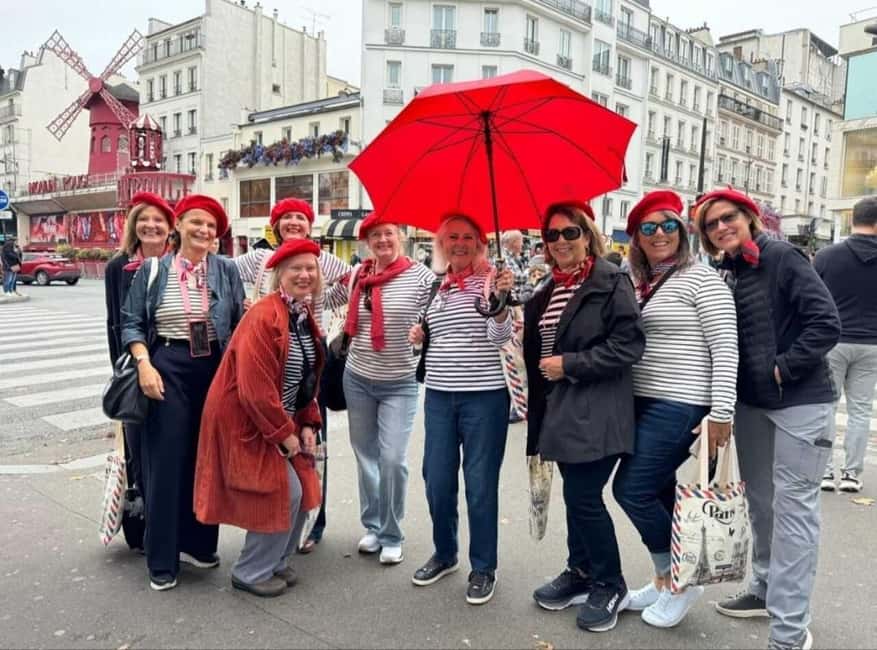
- Small-group vibe (reported to be max 8) with time for questions and photo stops
- Artist stories tied to real streets, not just a list of landmarks
- Real Montmartre scenes like Place du Tertre and the painter-working square
- Perfect “first day” route for orientation, plus tips for what to see after
- Sacré-Cœur finish with both outside atmosphere and time near the dome views
Why this Montmartre walk feels different than just wandering
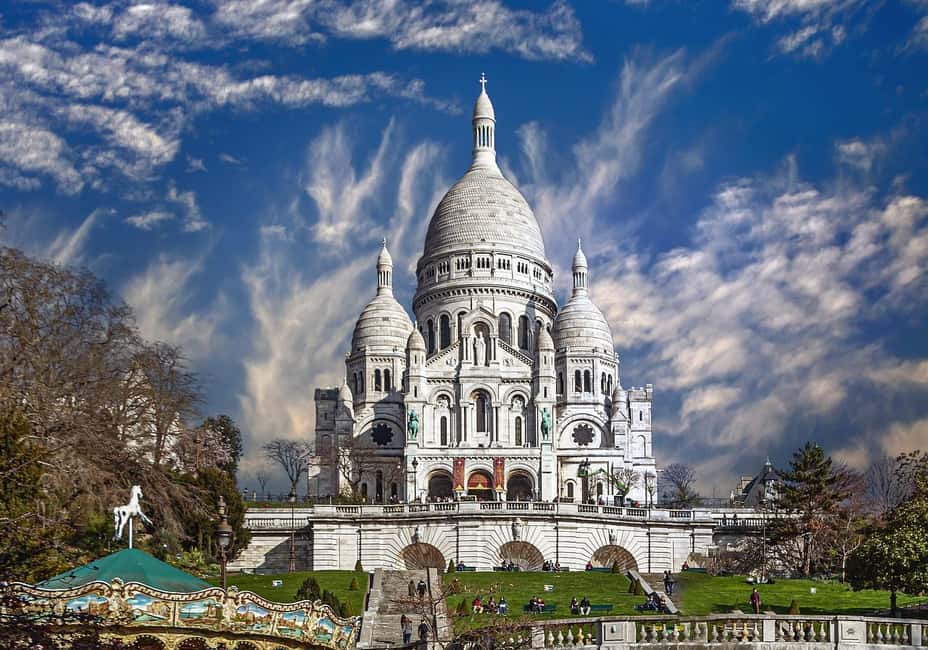
Montmartre gets crowded fast. Even so, a good guide changes what you notice. You stop at the obvious hits—Moulin Rouge, the Wall of Love, and Sacré-Cœur—but you also get the in-between details that explain why this neighborhood mattered to artists and why the streets look the way they do.
The tour’s structure helps. You’re not trying to plan your own route while reading street signs uphill. Instead, you follow one line through the “art quarter” and learn what each stop meant in its day.
Two things keep landing well for me: the stories that connect people to places, and the practical flow that doesn’t leave you exhausted halfway up. You get a cozy pace with guided breaks, and you’ll feel like you’re being shown around by someone who actually cares.
You can also read our reviews of more walking tours in Paris



Starting at Place Blanche: easy to find, easy to settle in
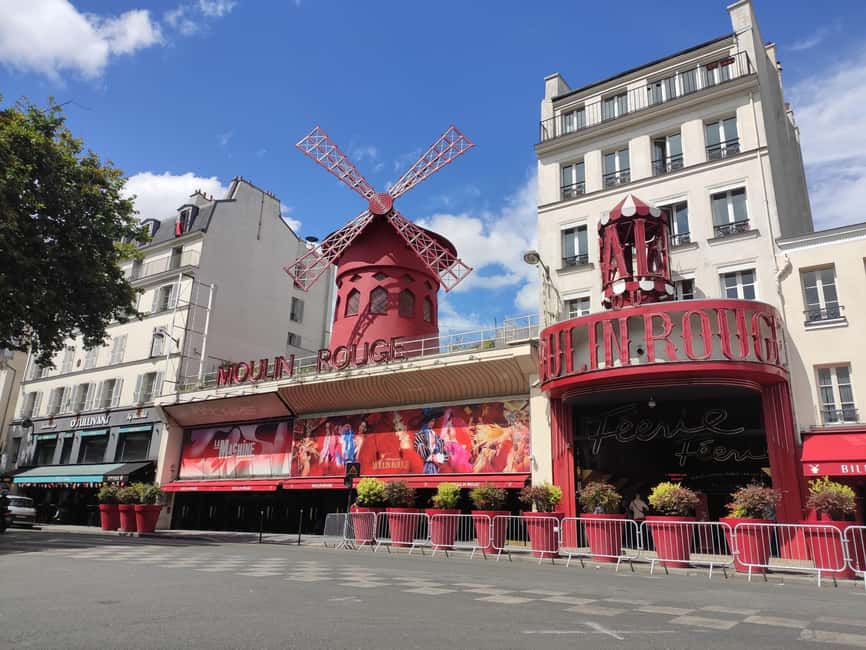
You meet near the exit of Metro Blanche (Metro 2), close to the Moulin Rouge. The guide is supposed to be easy to identify with a green booklet and a green badge.
I like this start point because it helps you orient fast. If you’ve never been in Montmartre before, you’ll quickly understand how the neighborhood folds upward from the main streets toward Sacré-Cœur. And if you have family in tow, starting near transit also makes it less stressful to regroup later.
Tip from experience: once you start walking, keep your water and snacks organized. The stops are frequent, but you’ll still be on your feet for about two hours with a little extra time possible depending on the group’s pace.
Moulin Rouge photo stop: the famous spot, guided so it means something
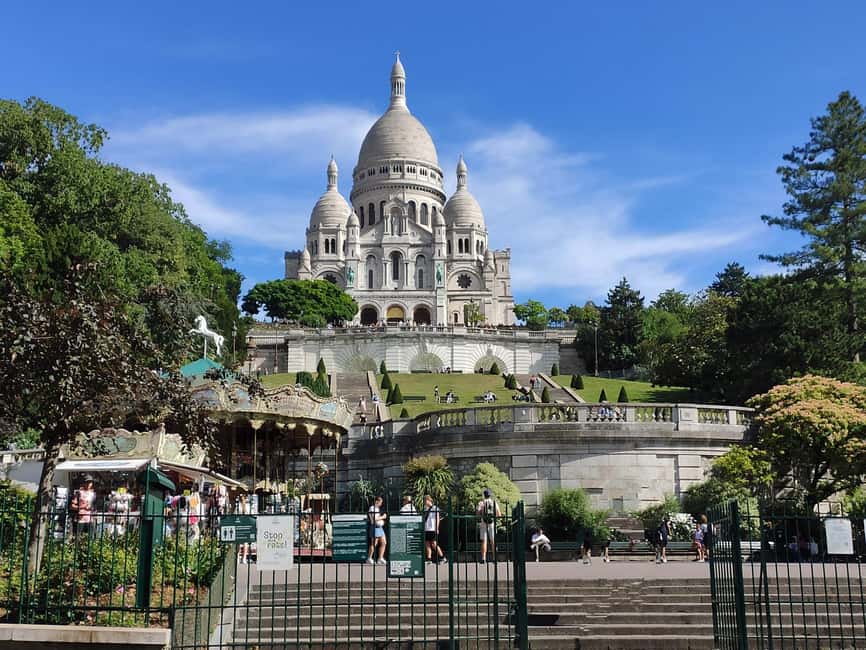
First up is the Moulin Rouge area. You’ll get a short photo stop plus a guided orientation.
Here’s what you should pay attention to: don’t just photograph the building. Let the guide’s context frame what you’re seeing. Montmartre’s image in pop culture can be loud, but the neighborhood’s art history is the quieter thread underneath. When your guide points out the right details, you start seeing why the area became a magnet for creative people.
This is also a nice warm-up moment. It gets you moving and clicking into “walking tour mode” without feeling like you’re already behind.
Wall of Love and the art-street layer: how graffiti turns into a landmark
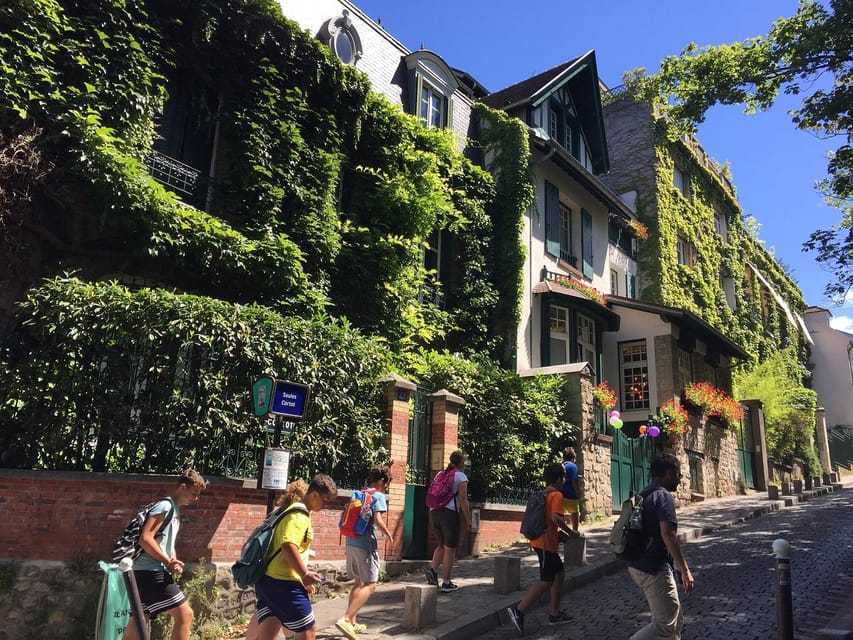
Next you hit the Wall of Love (Le Mur des Je T’aime). Again, it’s a photo stop and guided time.
What I like about this stop is that it’s modern, but it fits the Montmartre pattern. People come here to make the neighborhood part of their personal story—love notes, messages, and the visual chaos that happens when a place becomes famous.
A good guide helps you look past the obvious picture. You’ll learn what’s special about the spot and why it became one of Montmartre’s recognizable symbols. It’s not only about the wall. It’s about how the neighborhood keeps remaking itself.
Moulin de la Galette and the Dalida statue: nightlife echoes in stone
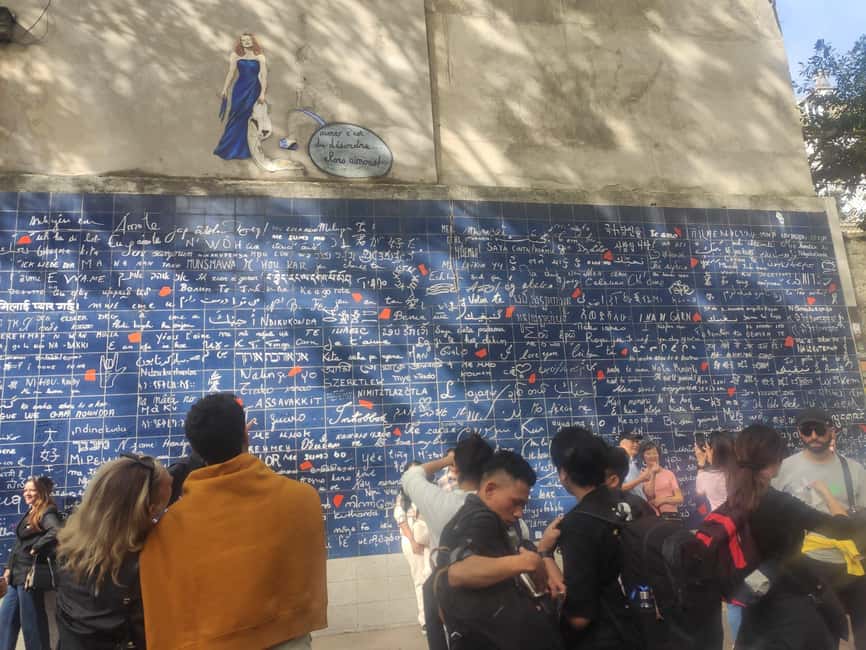
You move on to Moulin de la Galette, with another photo-and-guide segment. After that comes a Dalida statue stop.
These are the kinds of places that are easy to miss if you’re just walking. The guide’s job here is to connect the dots between Montmartre’s past and the sound of the neighborhood—music, performances, and street life that shaped its identity.
One practical note: take photos here, even if you think you’ll get more later. This tour climbs, and light changes as you go. Capturing some of the earlier streets helps you compare how the viewpoint shifts.
You can also read our reviews of more guided tours in Paris






La Maison Rose: the colorful pause that changes the feel of the walk
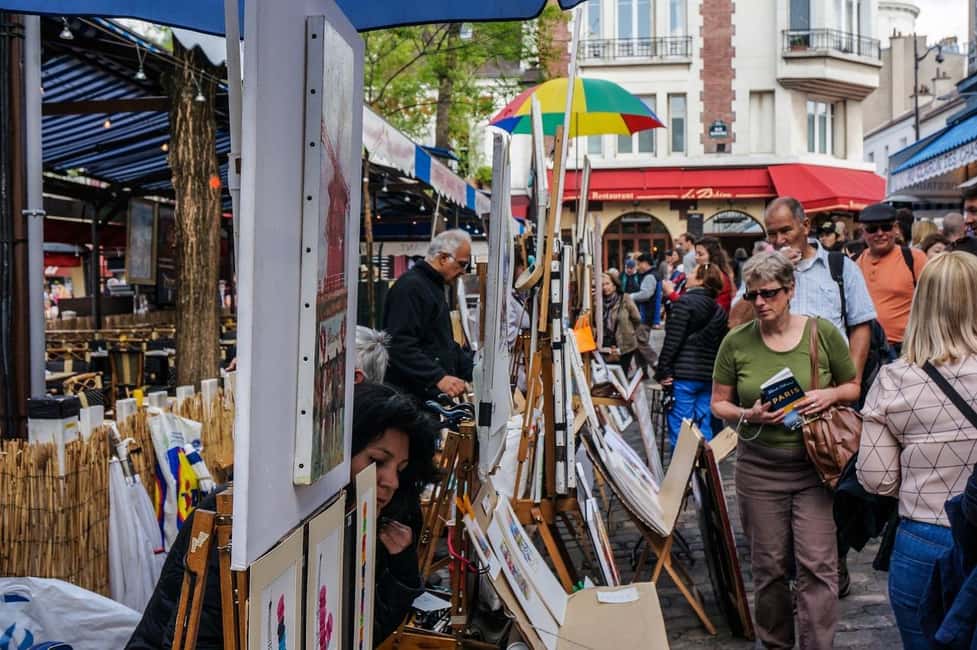
Then you reach La Maison Rose. It’s another quick stop with guided context.
This is one of those Montmartre markers: bright, distinctive, and instantly recognizable in photos. But the guide’s explanation matters because it reminds you you’re not just seeing “pretty corners.” You’re seeing locations that helped define what Montmartre looks like in the collective imagination.
If you’re traveling with teens or anyone who says they hate guided tours—this kind of stop often wins them over. It’s visual, it’s fun, and it’s brief enough that it doesn’t drag.
Place du Tertre: where you watch art happen, not just buy it
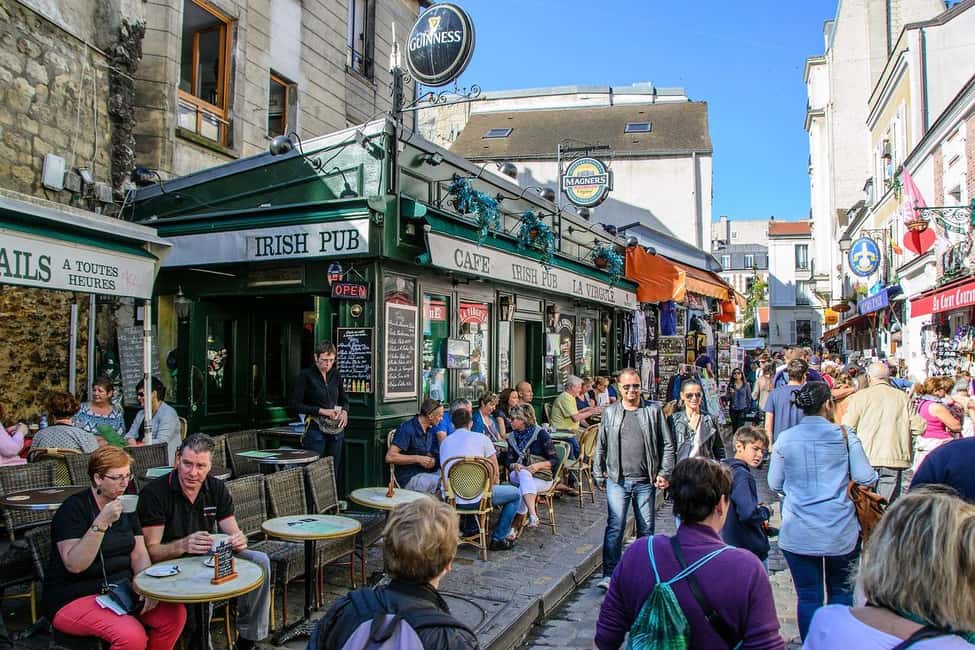
Next comes Place du Tertre, the famous square where you’ll see painters at work and display their art. You’ll get photo time and a guided walk here.
This stop is valuable because it shows you a living slice of Montmartre. Even if you don’t buy anything, you’ll understand why the area stays tied to artists. It’s one thing to view paintings; it’s another to watch artists at work in the same kind of public space that drew creators long ago.
The only “consideration” is crowding. Place du Tertre can be busy, especially during peak times. The guide helps by keeping you moving and pointing out what’s worth your attention.
Climbing toward Sacré-Cœur: manage the uphill without losing the fun
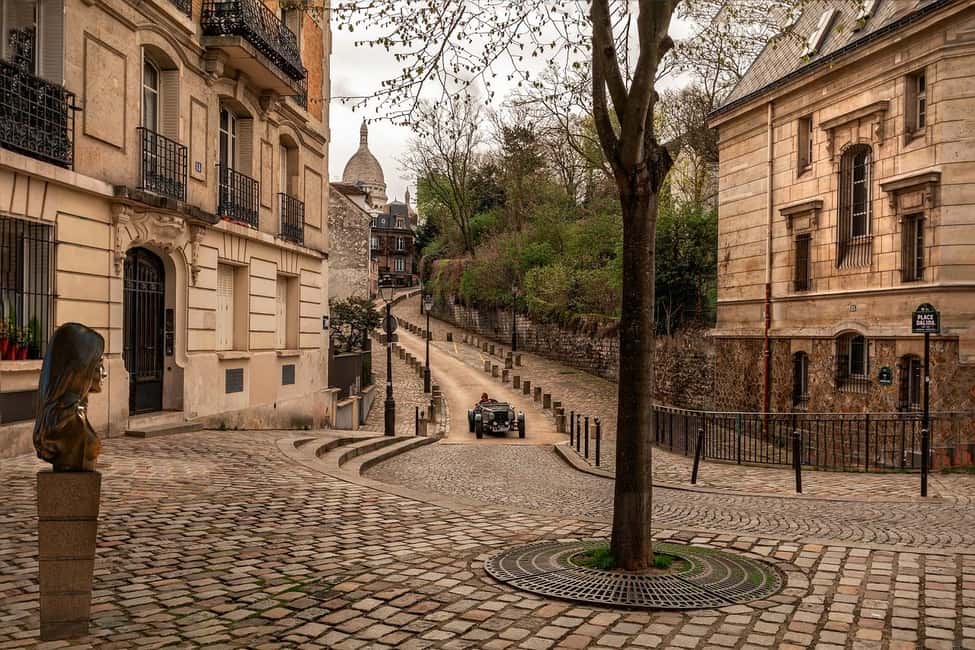
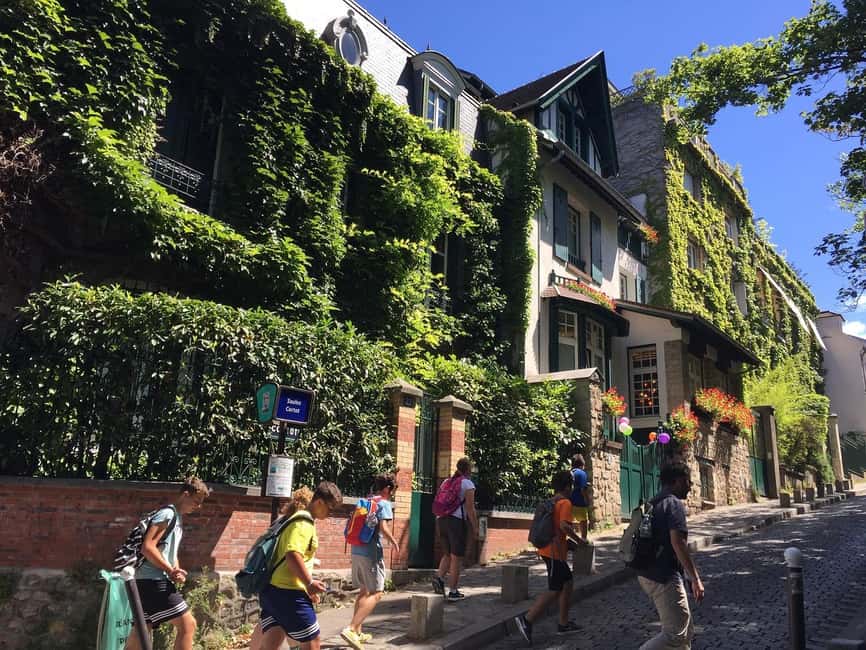
As you near Sacré-Cœur, the walk includes moderate climbs. This matters because it’s not just a sightseeing route—it’s a hill climb in disguise.
Here’s how to make it easier:
- Wear shoes with grip. Cobblestones plus uphill is not the moment for slippery soles.
- Expect some stairs and uneven street segments along the way.
- Use the photo stops as mini breaks; they’re built into the tour.
If you’ve read other reviews, you’ll see a repeated theme: the guide keeps the pace comfortable and is good about handling people who need extra time. That’s a real difference between a rigid tour and one that adapts.
Also, the route is rain or shine. If it’s wet, slow down. Montmartre’s charm is partly in its texture—cobbles, steps, and tight streets. Treat it gently when the ground is slick.
Sacré-Cœur outside and inside: the payoff you can feel in your legs
The tour finishes with time around the Basilica of Sacré-Cœur—both outside atmosphere and inside access.
What you’re really doing here is switching from street-level art vibes to a big, iconic Paris viewpoint. The contrast is the point. Your eyes have been working through narrow streets and small details. Then suddenly you get space, scale, and the dome experience.
Don’t rush the inside part. If you’ve got a moment to pause, do it. Sacré-Cœur works best when you let it settle: the quiet weight of a major basilica after colorful streets can feel like a reset button.
The hilltop views: Eiffel Tower, Notre-Dame, and Montparnasse on a clear day
From Montmartre’s height, you get a panoramic view of the city of lights. Your guide will help you look for major landmarks like the Eiffel Tower, Notre-Dame, and the Montparnasse Tower.
A quick reality check: weather affects what you see. But even on less perfect days, the viewpoint is one of the strongest reasons to do this tour. You’ll understand the geography of Paris in a way that’s hard to replicate from street level.
Practical tip: bring your phone charger mindset. Views mean more photos. You’ll want battery for the dome angle and the landmark sightlines.
Guide impact: why Samy-like energy makes the 2 hours feel right
The tour runs with a live English-speaking guide. Many groups report the same thing: the guide is upbeat, flexible, and genuinely happy to answer questions. You can also get help with photos, and the tour includes family photos as part of the experience.
I also love the “first day” value here. A good Montmartre guide doesn’t only point out what’s in front of you. They often share practical ideas for what to see next across Paris—so you leave with a map in your head, not just memories on your camera roll.
One more detail that comes up in the feedback: guides sometimes adjust pace for different group needs, including families with toddlers. So if you’re traveling with mixed ages, this is a strong candidate.
Price and value: $27 for a guided route that saves time and confusion
At $27 per person for a ~2-hour guided walk, this is one of those prices that feels fair if you care about context. You’re paying for three things:
- A local path through a tricky, hilly neighborhood
- Artist-and-place storytelling that helps you recognize what you’re looking at
- Photo support (and included family photos)
Could you do Montmartre on your own? Sure. But you’d be spending time figuring out routes, deciding where to stop, and trying to guess what matters. This tour compresses that work into one guided line.
If you’re short on time in Paris, or you want your first visit to Montmartre to feel organized, this is a solid use of your day.
Who should book this Montmartre tour
This tour is best for you if:
- You want Montmartre plus context, not just photos
- You enjoy walking but you can handle moderate uphill climbs
- You want a small-group feel with real conversation
- You like art history tied to real neighborhoods, including artists like Lautrec, Picasso, and Van Gogh
It may not suit you if:
- You can’t manage hills or long walking distances
- You need wheelchair access or full mobility support
Should you book? My straight answer
I’d book this if you want your Montmartre day to feel guided, fun, and efficient—especially with Sacré-Cœur at the end and a view that really delivers. The price makes sense for what you get, and the included family-photo help is a nice bonus.
Just go in with realistic expectations about the uphill. Bring comfortable shoes, take the pauses the guide offers, and let the stories do their job. If you do that, you’ll come away seeing Montmartre as more than scenery—more like a living chapter of Paris.
FAQ
Where do I meet the guide?
Meet near the exit of the Metro station Blanche (Metro 2), close to Moulin Rouge. You’ll identify the guide by a green booklet and a green badge.
How long is the walking tour?
The tour lasts about 2 hours, though timing can vary based on group pace and number of stops.
What language is the tour in?
The tour is in English.
Does the tour run in bad weather?
Yes. The tour runs rain or shine.
Is there uphill walking?
Yes. The route includes moderate climbs, so you should feel comfortable walking uphill.
Is it suitable for wheelchair users or people with mobility impairments?
No. The tour is not suitable for people with mobility impairments or wheelchair users.
What should I bring?
Wear comfortable shoes. You’ll be walking for about two hours on uneven and hilly streets.
What’s included in the price?
You get the walking tour, a local guide, and family photos.
Are food and drinks included, and can I cancel if plans change?
Food and drinks are not included. Cancellation is free up to 24 hours in advance for a full refund, and you can also reserve now and pay later (paying nothing today).