REVIEW · PARIS
Montmartre for Art Lovers – Walking tour with Expert Guide
Book on GetYourGuide →Operated by Trivial Guides · Bookable on GetYourGuide
Art hides in plain sight.
On this Montmartre for Art Lovers walk, you’ll trace the neighborhood’s creative past on a 2-hour hillside route, from the Montmartre Cemetery up toward Sacré-Cœur, with trivia stops and an artist-style sketching session built into the day.
I love that the storytelling is anchored in real places, from the cemetery to the street corners where artists and performers once hung out. I also like that the guide often called out in reviews (Billy) keeps things fun, with patient pacing and a hands-on drawing moment using a small canvas.
One possible drawback: Montmartre means steep streets. This tour is not suitable for wheelchair users, people with mobility impairments, or pregnant women, so it’s best when you’re comfortable with uphill walking.
In This Review
- Key highlights to know before you go
- Starting outside Montmartre Cemetery on Av. Rachel
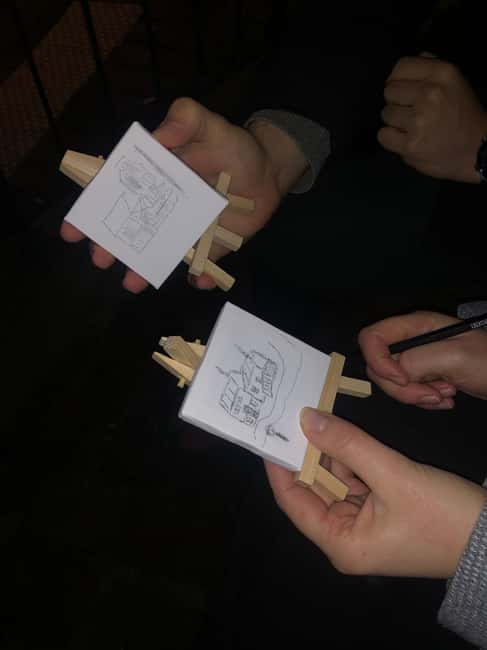
- Drawing like an artist: the small-canvas sketching session
- Moulin de la Galette and the windmill-town feel
- Bronze stories: Dalida, Le Passe-Muraille, and the corners that remember
- Rue de l’Abreuvoir and the café-street vibe
- La Maison Rose, Lapin Agile, and Place du Tertre
- Saint-Pierre de Montmartre and the approach to Sacré-Cœur
- What the trivia and prize add to your day
- Why the guide style matters here (Billy’s name comes up a lot)
- Price and value: what $17 buys you on the Montmartre hill
- Who should book this Montmartre art lovers tour
- Quick practical tips so you enjoy it more
- Should you book this tour?
- FAQ
- Where does the tour start?
- How long is the walking tour?
- What languages are offered?
- What is included in the tour price?
- Is entry to Sacré-Cœur basilica included?
- Is this tour suitable for wheelchair users or people with mobility impairments?
- What should I bring, and is anything not allowed?
Key highlights to know before you go
- Montmartre Cemetery entry included for an arts-and-performers origin story
- Sketching on a small canvas with a viewpoint-matching drawing session
- Trivia questions during the walk, with a chance to win a small prize
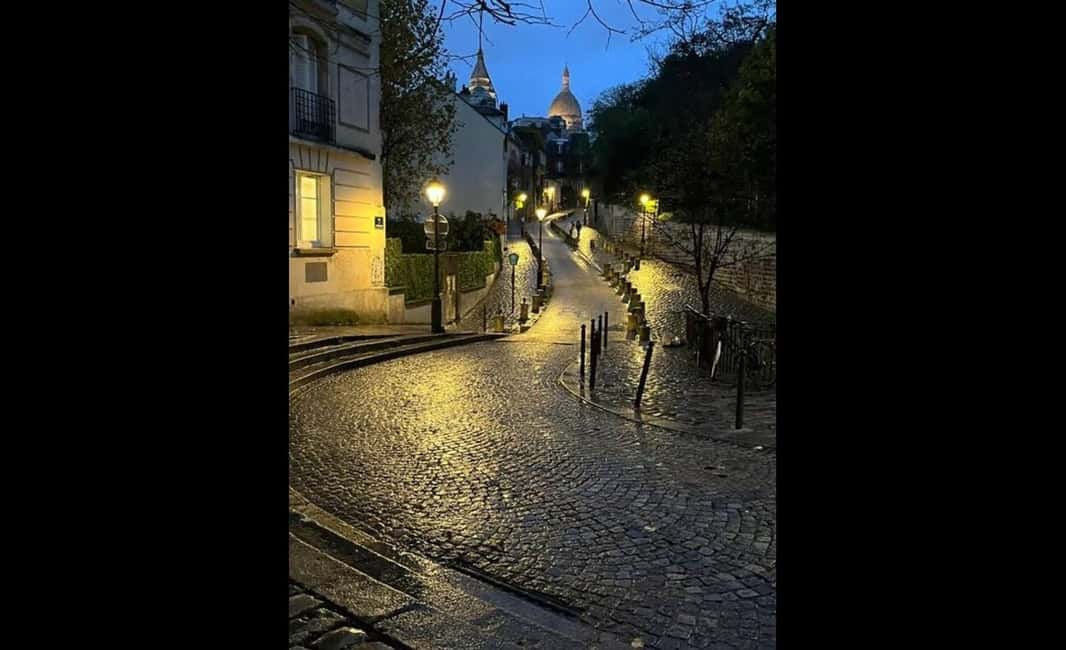
- Iconic stops plus lesser-known corners across the Montmartre hill
- A very interactive guide style (many groups mention Billy’s energy and clear English)
Starting outside Montmartre Cemetery on Av. Rachel
The tour begins right by the Montmartre Cemetery entrance, near 20 Av. Rachel. That’s a smart opener, because the cemetery sets the tone: this neighborhood isn’t just postcard streets and souvenir shops. It’s where you can feel how closely art, music, and public life have been tied together in Montmartre for a long time.
You’ll get a guided visit inside the cemetery area, with time set aside to walk and look. It’s also where the guide tends to give you names, stories, and context that make later stops click. When you understand who’s buried there and why, the rest of the route feels less like a list of monuments and more like a connected story.
Tip from how the tour is designed: wear shoes you trust. Reviews and tour notes both point to hills and steps, and the cemetery start means you’ll likely be on your feet right away.
You can also read our reviews of more walking tours in Paris



Drawing like an artist: the small-canvas sketching session
One reason this tour works so well for art lovers is that it doesn’t treat art as something you only look at. You actually practice looking.
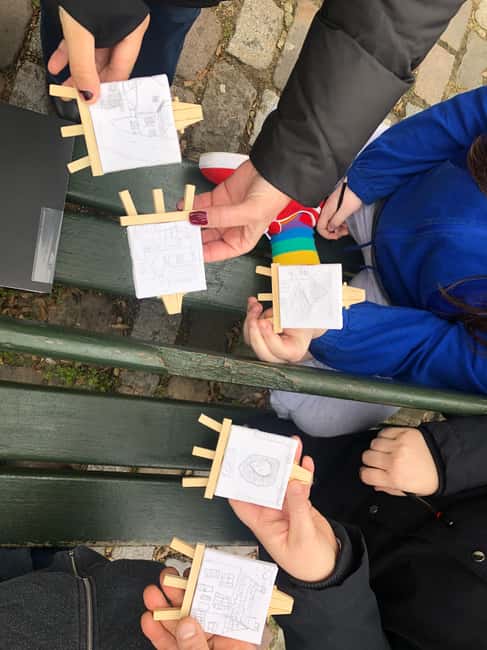
You’ll do a sketching session on a small canvas, and the format is built around drawing from the same perspective as the artist. In plain terms: the guide helps you focus on a viewpoint—angles, lines, and proportions—rather than hoping you can magically reproduce something without guidance. Even if you consider yourself a beginner, you’ll probably leave with a drawing that feels like you earned it.
The group energy tends to pick up during this part. Many families and mixed-experience groups mention that the drawing stop is a highlight, because it turns a walking tour into a shared activity instead of a passive lecture.
What to bring mentally: don’t worry about being good. The goal here is to understand how artists see, and to take home something tangible (a small piece of your own effort) rather than just photos.
Moulin de la Galette and the windmill-town feel
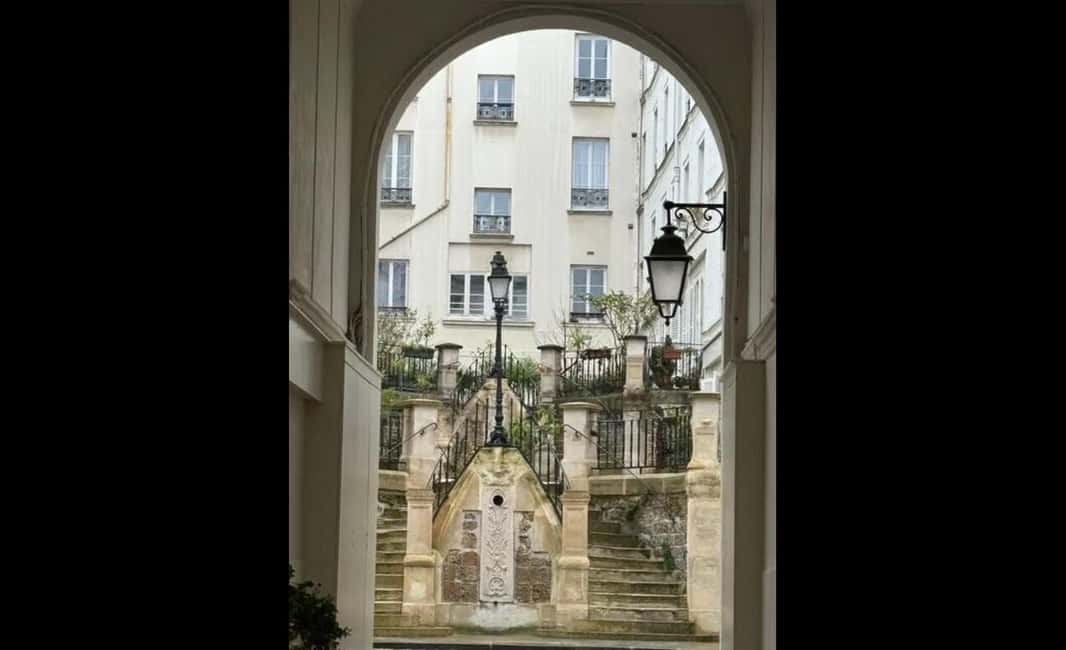
From there, the route moves into the heart of Montmartre’s recognizable landmarks and viewpoints, starting with the Moulin de la Galette. This is one of those places where you can see why artists were drawn here in the first place: the street geometry, the slopes, and the way Montmartre frames the city in layers.
You’ll stop for a short guided look, and the guide uses that brief pause to connect what you’re seeing to the people who shaped the neighborhood’s artistic identity. The pacing matters: this is structured as multiple short guided segments (not one long speech), which keeps the whole hill climb from dragging.
Practical takeaway: use the quick photo moments. Reviews mention that the guide often pauses for pictures and helps position the group for better shots. If you want photos that actually show you with the landmark instead of behind it, be ready to step into place when the guide calls it out.
Bronze stories: Dalida, Le Passe-Muraille, and the corners that remember
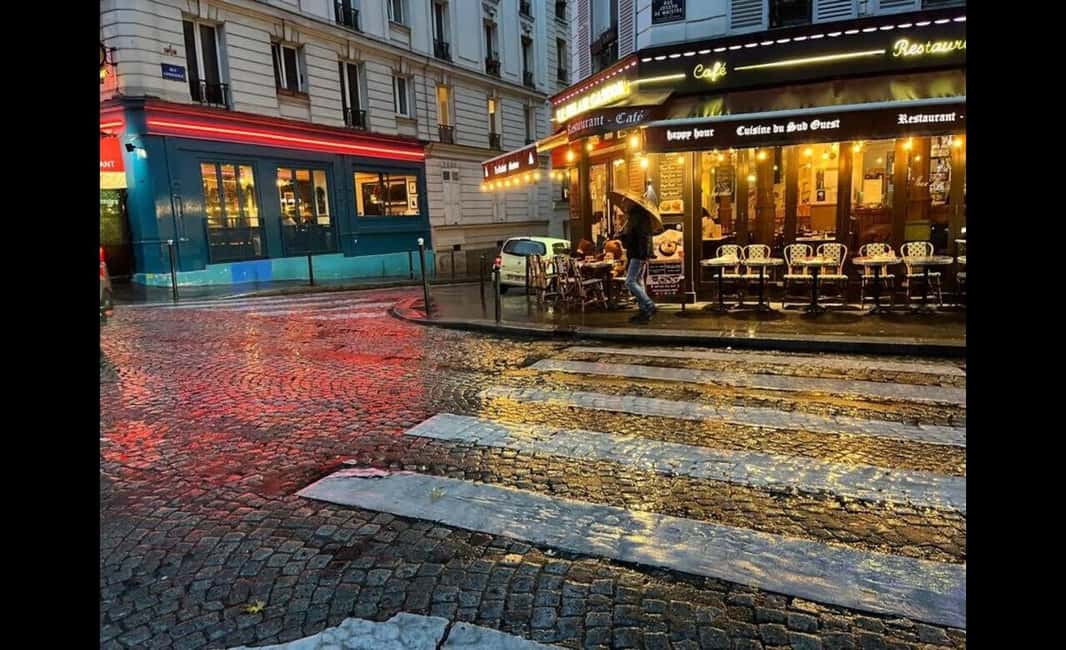
Montmartre has a talent for turning small details into cultural memory, and this tour leans into that.
You’ll see the Le Buse de Dalida bronze statue, which gives you a pop-art, street-level entry point into the neighborhood’s performing-arts side. It’s not just about painters. Montmartre’s creative scene has always included singers and entertainers, and the guide uses statues and specific locations to keep that idea grounded.
Another named stop: Le Passe-Muraille. This is the kind of Montmartre spot that rewards a guide, because the story behind the name adds a layer to the walk. Without context, it can look like just another statue at street level. With context, it becomes part of the neighborhood’s character.
Then you’ll pass through smaller public spaces, like Square Suzanne Buisson. It’s a nice pause point—less famous than the big attractions, but ideal for resetting your legs and letting the guide’s next story land.
Rue de l’Abreuvoir and the café-street vibe
One of the route sections you’ll walk through is Rue de l’Abreuvoir, lined with cafés and historic buildings. This is where Montmartre feels most like itself: the kind of narrow street where you can imagine conversation spilling onto the sidewalk.
If you’re an art lover, the value here is in the contrast. You’ll move from named monuments and statues into everyday street life—because that’s where artists actually lived and worked. And if you like food stops, this street also helps you get a handle on where you’ll want to return later on your own.
Even if you don’t stop for a drink or snack during the tour, you’ll leave with better instincts for what kind of street atmosphere you’re dealing with. That’s a real advantage when you start planning the rest of your day in Montmartre.
You can also read our reviews of more guided tours in Paris






La Maison Rose, Lapin Agile, and Place du Tertre
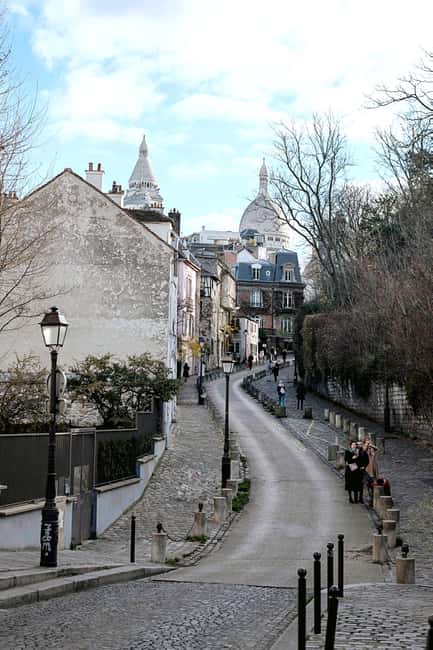
As the tour climbs toward the top layers of Montmartre’s fame, you’ll hit places that define the neighborhood’s artistic image.
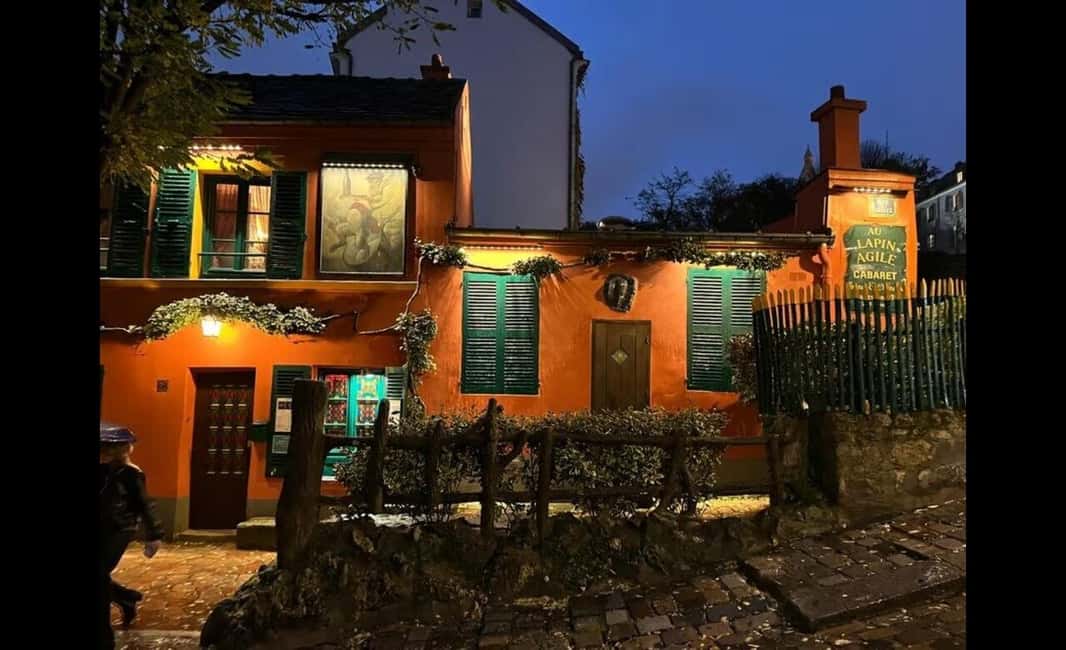
La Maison Rose is the kind of stop people point out in photos, but the tour adds value by explaining what makes the area matter for creativity—not just what it looks like. Next comes Lapin Agile, another landmark tied to Montmartre’s entertainer side.
Then you reach Place du Tertre, one of the most recognizable squares for artists. This is where the vibe becomes very on-the-street. If you’ve ever wondered how artists turned this neighborhood into an everyday stage, this stop helps you connect the dots between art as a museum subject and art as lived culture.
The bonus: the guided route continues to break things into short story segments. So even if Place du Tertre is visually busy, you’re not stuck mentally juggling everything at once.
Saint-Pierre de Montmartre and the approach to Sacré-Cœur
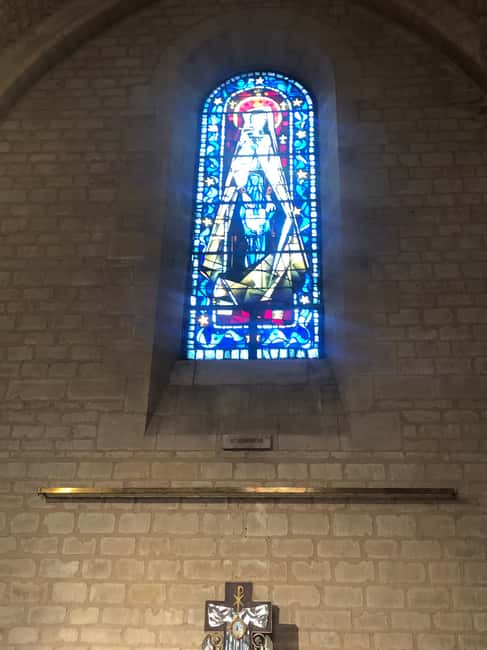
Near the end of the walk, you’ll visit Saint-Pierre de Montmartre, followed by the Sacré-Cœur Basilica area.
Saint-Pierre de Montmartre is a useful stop because it adds another layer to the story of Montmartre as a creative district. It’s not all about art studios and nightlife; there’s also the spiritual, architectural, and community side that shaped how the neighborhood evolved.
Then you finish at Sacré-Cœur. You’ll get a guided look there as part of the route.
One note to keep your expectations clean: the provided details say the tour can end at Sacré-Cœur, but also that the activity ends back at the meeting point. Your confirmation should clarify exactly where you end that day. Either way, you’ll finish the climb on or very near the Sacré-Cœur area, which is the natural high point for views.
What the trivia and prize add to your day
A walking tour can feel like a history lecture with steps. This one tries to keep you awake and engaged with trivia questions built into the route.
You’ll answer questions during the walk, compete with fellow participants, and there’s a chance to win a small prize. The trivia isn’t just random trivia. It’s tied to Montmartre’s history, art, and culture, so it functions like a memory tool.
From reviews, this is a big part of why the tour stays fun for different types of groups—art novices, kids, adults, even families. When people report staying engaged for the full 2 hours, it’s often because the tour gives you moments to participate instead of just listen.
Why the guide style matters here (Billy’s name comes up a lot)
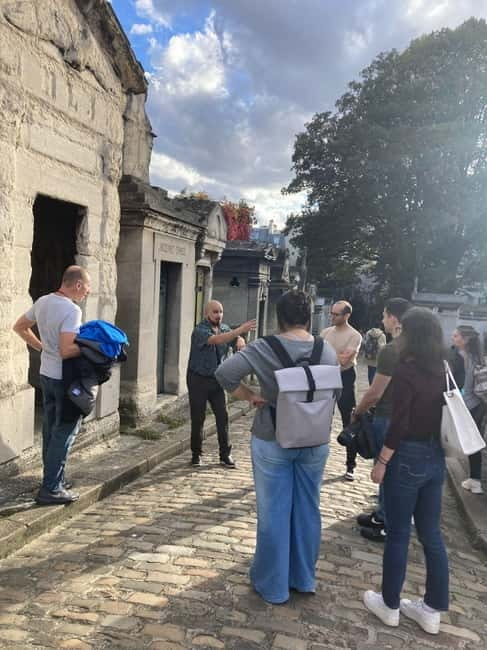
Many reviews mention Billy by name, and the pattern is consistent: lots of energy, clear communication, patience with the group, and practical recommendations for what to do next in Montmartre.
You’ll feel that in two ways:
- The pacing is built around short guided beats, so you can keep up even if you’re stopping for photos or catching your breath.
- The guide seems to pay attention to comfort and flow—helping people feel included rather than herded along.
If you’re the kind of traveler who likes questions and back-and-forth, this format fits you. It also helps if your group includes mixed interests. Art lovers get context. Curious walkers get stories. Everyone gets the same set of interactive challenges.
Price and value: what $17 buys you on the Montmartre hill
At $17 per person for about 2 hours, this tour is priced more like a good entry ticket into a guided experience than like a premium private guide.
Here’s the value math based on what’s included:
- Experienced local guide
- Trivia walking tour with a chance to win a small prize
- Montmartre Cemetery entrance
- Sketching session on a small canvas
Sacré-Cœur basilica entry is not included. That means you’re paying for the guiding, the art-focused activities, and at least one paid site (the cemetery), not for every attraction on the hill.
Compared with trying to DIY Montmartre by reading plaques and hoping you guess the right stories, this adds structure fast. You also get the sketching activity, which is the kind of extra that makes a “walking tour” feel like more than just walking.
And with a 5/5 rating from 129 reviews, the overall satisfaction signal is strong. (Still, the big practical limiter remains the steep terrain.)
Who should book this Montmartre art lovers tour
This tour is best for you if:
- You want art history in street-level places, not just big monuments
- You like hands-on activities and would enjoy drawing even a little
- You enjoy interactive elements like trivia and small rewards
- Your group includes mixed levels of art interest (beginners and art fans both get value)
It’s a poor fit if:
- You need wheelchair access or have mobility impairments (it’s not suitable for wheelchair users)
- You’re pregnant and want to avoid steep streets
- You hate uphill walking and steps
Quick practical tips so you enjoy it more
- Bring comfortable shoes. You’ll be walking and stopping often.
- Wear something you can move in. Montmartre’s slopes turn a “2-hour tour” into a real workout.
- Bring a good attitude toward basic sketching. The point is viewpoint and observation, not artistic talent.
- If photos matter to you, be ready for short pauses and directions from the guide so everyone gets a clean shot.
Should you book this tour?
If you’re an art lover who also likes fun and participation, I think this is a strong pick. For $17, you’re getting a guided Montmartre route with cemetery entry, a real sketching session, and trivia that actually connects to what you’re seeing. It’s also a good choice if your group is mixed—art beginners often find the interactive format easier to enjoy.
Skip it if steep streets are a problem for your body or your travel needs. Otherwise, book it, show up with comfortable shoes, and let Montmartre reveal itself through stories, statues, and a drawing you can carry home.
FAQ
Where does the tour start?
The tour meeting point is right in front of the Montmartre Cemetery entrance (listed near 20 Av. Rachel).
How long is the walking tour?
It lasts about 2 hours.
What languages are offered?
The live tour guide is available in English and French.
What is included in the tour price?
Included are an experienced local guide, a trivia walking tour, entry to the cemetery of Montmartre, and a sketching session on a small canvas.
Is entry to Sacré-Cœur basilica included?
No, Sacré-Cœur basilica entry is not included.
Is this tour suitable for wheelchair users or people with mobility impairments?
No. It is not suitable for wheelchair users or people with mobility impairments, and it is also not suitable for pregnant women.
What should I bring, and is anything not allowed?
Bring comfortable shoes. Weapons or sharp objects are not allowed.