REVIEW · PARIS
Paris Picasso Museum 2-Hour Private Small-Group Tour
Book on GetYourGuide →Operated by Paris in person private tours · Bookable on GetYourGuide
Picasso rewards focus, not crowds. This private small-group tour gets you into the Picasso Museum fast and then uses a guide to connect the paintings to the man, the ideas, and the rivalries that shaped his work.
I especially love the skip-the-line setup, because Paris museum lines can turn a short visit into a long wait. I also like how the tour is built around Picasso’s full career arc, with specific works like Bull’s Head and The Barefoot Girl used as anchors for bigger themes. One thing to keep in mind: it’s only 2 hours, so you’ll get depth and clarity, not a slow, self-guided wander.
In This Review
- The essentials you’ll care about before you go
- Key highlights worth planning for
- Entering the Picasso Museum through fast-track, not a queue
- Hôtel Salé: the building that frames Picasso’s career
- A 2-hour plan that moves like a good conversation
- The guided career story: from formal experiments to big ideas
- Bull’s Head: why this work matters more than its size
- The Barefoot Girl and the early start that surprises people
- Matisse, oranges, and the rivalry you can actually see
- Picasso’s world beyond the paintings: Arc de Triomphe and drinking dens
- The guide can make or break the tour (and this one has strong proof)
- Languages and pacing: what to expect in your group
- Price: is $265 per person worth it?
- Where the tour starts: meeting point details you shouldn’t ignore
- Who should book this tour, and who might want a different plan
- Should you book the Paris Picasso Museum 2-Hour private tour?
- FAQ
- How long is the Picasso Museum private tour?
- What’s included in the ticket price?
- Where do we meet for the tour?
- What languages are offered?
- Is this a private group tour?
- What can I see besides the main Picasso museum collection?
The essentials you’ll care about before you go
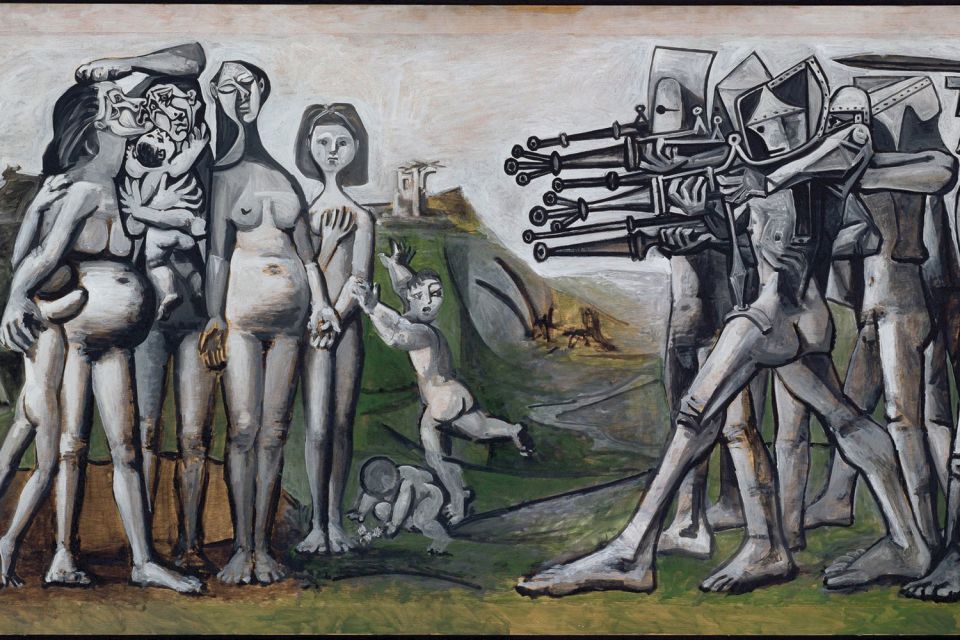
If you want a smooth art stop that actually teaches you something in a limited time, this tour is designed for that. You’ll see major works, but you’ll also hear the story behind the brushwork—why certain experiments happened, how Picasso thought, and how he related to other giants like Matisse, Dalí, and Rousseau.
Key highlights worth planning for
- Fast-track entry through a separate entrance, so you start seeing art sooner
- Private guided tour inside the 17th-century Hôtel Salé, with a full-career walkthrough
- Hands-on understanding of key pieces like Bull’s Head and The Barefoot Girl
- Picasso in context, including his artistic experimentation and ideological engagement
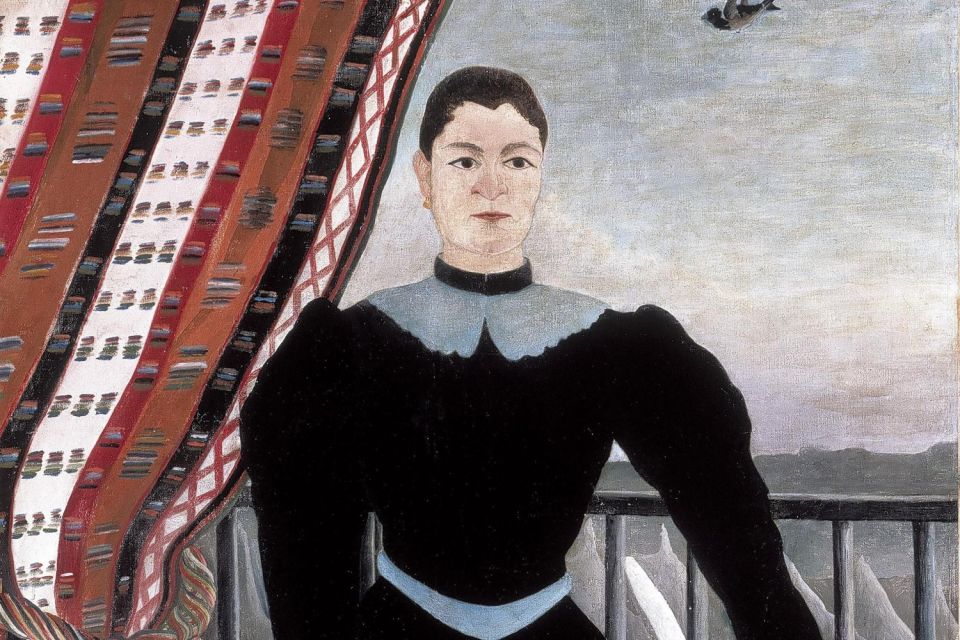
- Rivalries and relationships, with Matisse, Dalí, and Rousseau tied to specific works
- Extra Paris connections, including the Arc de Triomphe and Picasso’s favorite drinking dens
You can also read our reviews of more private tours in Paris



Entering the Picasso Museum through fast-track, not a queue
The best part of this experience for most people is simple: time. A skip-the-line entry with a separate entrance means you’re not burning your energy on waiting outside a museum that’s already famous for being busy.
Once you’re in, the pacing makes more sense. A two-hour tour works best when you arrive ready to look and listen, not when you’re still figuring out which room you’re supposed to be in.
Hôtel Salé: the building that frames Picasso’s career
The Picasso Museum lives inside the ornate Hôtel Salé, a 17th-century building. That detail matters. It gives the whole visit a different mood than a plain modern museum space—it feels like you’re walking into a carefully kept Paris interior that suits the intensity of Picasso’s output.
Inside, the collections cover Picasso’s career from early work onward. The tour guide doesn’t treat it like a checklist of masterpieces. Instead, they use the museum’s structure to move through different stages of Picasso’s development, so the paintings start to feel like chapters, not isolated images.
A 2-hour plan that moves like a good conversation
This isn’t a “here are facts, now leave” museum lecture. You’re getting a live guide with enough time to keep things connected.
Here’s what that looks like in practice: the guide leads you through the stages of Picasso’s career, then uses key artworks as turning points—moments where you can see Picasso change his technique, change his style, or shift what he cares about. In a shorter tour like this, those anchors are everything, because they prevent the visit from becoming a blur.
You’ll also have the chance to ask questions and react as you see the art. With a private group, the guide can adjust the flow to your pace instead of forcing everyone through the same stamp-collector rhythm.
The guided career story: from formal experiments to big ideas
Picasso didn’t just switch styles; he experimented with form and meaning. That’s a big reason this tour can feel satisfying even if you think you already know Picasso.
You’ll hear how his work reflects:
- Formal experimentation: Picasso constantly tested what a painting could do with shape, line, and structure
- Ideological engagement: his art connects to the ideas and debates swirling around him
- Complex artistic relationships: including how he interacted with Matisse, Dalí, and Rousseau
That last point is especially helpful. Rivalries and friendships can sound vague unless someone ties them to what you’re actually seeing. Here, the guide links those connections to the artworks you encounter, so you’re not just hearing names—you’re seeing how those relationships played out visually.
You can also read our reviews of more museum experiences in Paris



Bull’s Head: why this work matters more than its size
Bull’s Head is one of those artworks people either miss or remember forever. The tour frames it as a strong example of Picasso’s approach that works on the idea of Less is More—doing less on the surface so more meaning lands underneath.
When you see it with a guide, it stops feeling like a strange object and starts feeling like a statement. You understand the logic behind the form, and you notice how Picasso can make something feel symbolic without needing to paint every detail like a photograph would.
This is a great stop for anyone who wonders whether Picasso is “too weird.” A well-guided explanation turns weird into specific.
The Barefoot Girl and the early start that surprises people
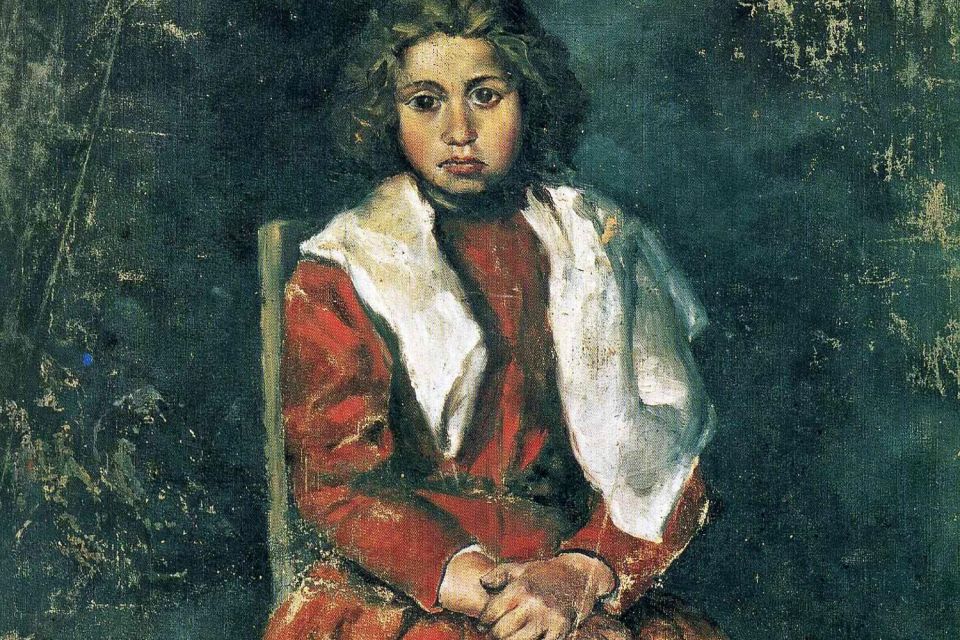
The Barefoot Girl is highlighted as one of Picasso’s earliest paintings. That alone makes the museum visit more interesting, because you get a chance to compare the early Picasso with the later legend.
Early Picasso can be easier to misunderstand if you only know the later, radical reputation. This tour helps you see that the seeds of his later boldness are already present. You start to recognize patterns in how he looks at people, how he structures a scene, and how he uses style to express something, not just to draw well.
Matisse, oranges, and the rivalry you can actually see
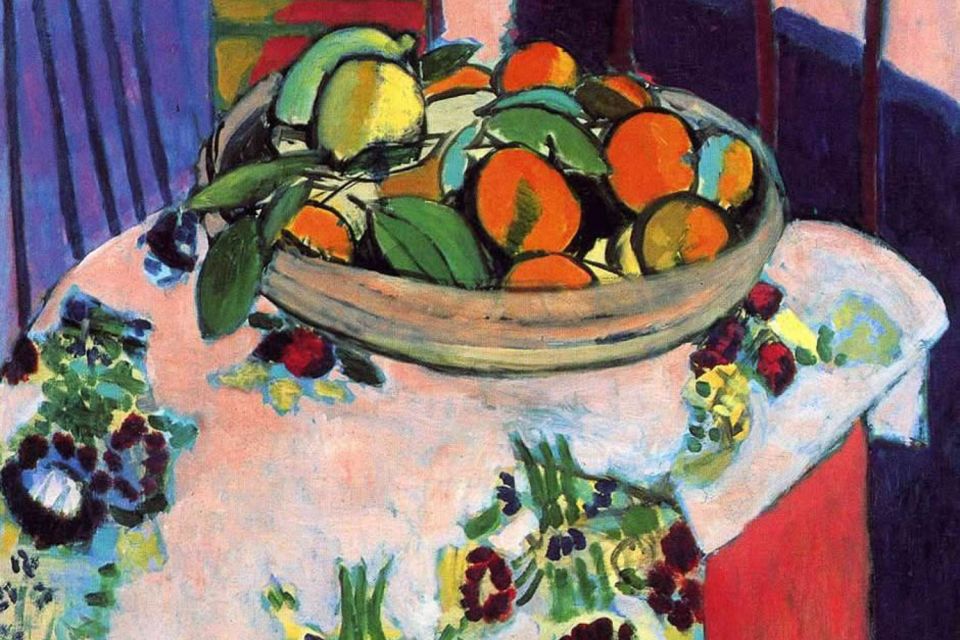
One of the tour’s smartest choices is including an artwork by Matisse as part of the conversation: Still Life with Oranges. Matisse is presented as both Picasso’s greatest influence and a rival.
That framing helps you look differently. Instead of treating Picasso and Matisse as separate superstars, you start viewing the relationship as a back-and-forth exchange—one artist pushing the other, pulling the conversation forward, sometimes even using similar subjects to arrive at different meanings.
If you’ve ever wondered why artists can feel like they’re speaking across decades, this is the kind of moment that makes the idea click.
Picasso’s world beyond the paintings: Arc de Triomphe and drinking dens
The highlights also point you to connections that go beyond gallery walls. The tour includes the Arc de Triomphe, described as a monolithic monument to Napoleon.
Even if you’re inside the museum for the main portion, tying Picasso to major Paris landmarks helps you build a mental map. It reminds you that this artist lived in a city shaped by spectacle, power, and public memory.
The tour also refers to Picasso’s favorite drinking dens. That may sound like trivia, but it’s a useful way to understand an artist as a person. When a guide connects social life to creative life, you often see the paintings more clearly—because you’re aware of the networks, moods, and late-night conversations that influence ideas.
The guide can make or break the tour (and this one has strong proof)
A common issue with museum tours is uneven guidance: some are accurate but dry, some are enthusiastic but vague. The positive comments attached to this experience point to the opposite problem—a guide who makes Picasso’s choices feel alive and explainable.
Two guide names show up in past bookings: Svetlana and Boris. In particular, Boris is noted for being prompt, extremely knowledgeable, and easy to understand, with an engaging style that worked well even for teenage sons. That’s a big deal. If art history can hold the attention of teens, it usually means the guide knows how to translate big ideas into concrete observations.
Svetlana is also singled out for making Picasso’s works feel meaningful, not just described. That’s exactly what you want when you’re spending real money on a short, focused tour.
Languages and pacing: what to expect in your group
This tour runs with a live guide in English, French, Croatian, and Serbian. That matters more than you might think. Picasso’s work is full of interpretation, and the guide’s language comfort can directly affect how confidently they can explain the why behind the what.
It’s also listed as a private group. In practical terms, that usually means fewer delays and a smoother flow. You can ask follow-up questions without the guide having to pivot for the needs of a large crowd.
Wheelchair accessibility is noted as well, so it’s worth considering if you need an option with an accessible museum setup.
Price: is $265 per person worth it?
Let’s talk value without fluff. At $265 per person for a 2-hour private visit, you’re paying for three things:
- Skip-the-line entry + museum admission, which removes friction
- A live guide who can tailor attention and pacing
- The ability to focus on specific masterpieces and themes instead of hoping you pick the right galleries on your own
If you were doing this as a self-guided visit, you’d save money and gain freedom. But you’d lose the “connections” piece—the career-throughline, the explanations tied to specific works, and the context for Picasso’s relationships with other artists.
So I see this tour as best for three kinds of travelers:
1) people who want a high-impact museum stop with less time wasted,
2) art-curious visitors who don’t want a vague experience, and
3) families who need a guide to keep younger viewers engaged.
If you’re the type who loves to wander for hours and read wall texts slowly, you might prefer a cheaper self-guided plan. But if you want clarity fast, the price starts to make sense.
Where the tour starts: meeting point details you shouldn’t ignore
Meet your guide in front of the Picasso Museum at 5 Rue de Thorigny, 75003 Paris. The guide will be carrying a red canvas tote bag, which is a helpful visual cue when streets are crowded and everyone looks the same in Paris.
Because this is a short tour, it’s smart to arrive a few minutes early. You’ll save time and you’ll start the museum portion feeling relaxed instead of rushed.
Who should book this tour, and who might want a different plan
You’ll likely love this if you:
- want a guided Picasso overview that covers the arc of his career in two hours
- prefer a private small-group experience where you can actually hear the explanation
- care about understanding key works like Bull’s Head and The Barefoot Girl, not just seeing them
You might skip it if:
- you’re planning a very unstructured day and don’t want a timed experience
- you want to spend most of your time reading at your own pace without a guide guiding your attention
- you’re expecting included refreshments (they are not included)
Should you book the Paris Picasso Museum 2-Hour private tour?
I’d book it if you want the museum visit to feel like a focused lesson, not a frustrating line-and-luck stop. The combination of fast-track entry, a structured career narrative, and clear attention to famous works makes the time feel well spent.
The biggest reason to consider it seriously is the human part: past experiences point to guides who can explain Picasso in a way that feels engaging and understandable, including for teens. If you want that kind of guided clarity, this is a strong pick for your Paris schedule.
FAQ
How long is the Picasso Museum private tour?
The tour duration is 2 hours.
What’s included in the ticket price?
It includes museum admission and skip-the-line entry.
Where do we meet for the tour?
Meet in front of the Picasso Museum, at 5 Rue de Thorigny, 75003 Paris. Your guide will be carrying a red canvas tote bag.
What languages are offered?
The live tour guide is available in English, French, Croatian, and Serbian.
Is this a private group tour?
Yes, the tour is listed as a private group.
What can I see besides the main Picasso museum collection?
The highlights mention Picasso-related stops such as Arc de Triomphe and Picasso’s favorite drinking dens, alongside Picasso’s key works inside the museum.