REVIEW · PARIS
The Gourmet Gastronomy of Paris: 2.5-Hour Food Tour
Book on GetYourGuide →Operated by Meeting the French · Bookable on GetYourGuide
A Paris food tour that starts with real market energy. This 2.5-hour Les Halles experience takes you through the city’s classic food district and turns it into a walking lesson in how French tastes evolved over centuries.
I especially love the way the tour pairs food with context, so the history is not just trivia. You also get hands-on sampling—think pastries, breads, cheeses, cured meats, and local wines—so you leave with flavors you can actually name.
One possible drawback: this is a short walk with multiple tastings, so if you prefer a super-structured, stop-by-stop “course list,” you might find the pace a little flexible depending on your guide and the day.
In This Review
- Key Things That Make This Les Halles Food Tour Worth Your Time
- Why Les Halles Still Feels Like Paris Food Country
- The 150-Minute Rhythm: What the Tour Feels Like on the Ground
- Meeting Point Near Les Halles: Easy Start, Good Navigation
- Your First Flavor Stops: Pastries, Breads, and the Sweet Side of Paris
- Stohrer and Old Shops: Why the Oldest Names Matter
- Savory Sampling: Cheese and Cured Meats Like a Local
- Wine and Brasserie Culture: The Food-Drink Pairing Moment
- The History Thread: How French Gastronomy Changes Over Time
- Stops Around the Neighborhood: Church and Tower Sight Moments
- Who This Tour Suits Best (and Who Might Want Something Else)
- Price and Value: Is $176 Reasonable for 2.5 Hours?
- Should You Book the Gourmet Gastronomy of Paris Food Tour?
- FAQ
- How long is the Gourmet Gastronomy of Paris food tour?
- How many people are in the group?
- What is the price per person?
- Where is the meeting point?
- What’s the nearest metro station?
- What will I taste on the tour?
- What places does the tour include in Les Halles?
- What history does the tour cover?
- What languages are offered?
- Is there free cancellation?
Key Things That Make This Les Halles Food Tour Worth Your Time
Les Halles as the belly of Paris
You’ll spend your time where Paris eats, not just where Paris poses.
Stohrer, the historic pastry stop
You’ll visit an old-school favorite, including Stohrer, known as the oldest pastry shop in the city.
French gastronomy from Middle Ages to today
You’re not only tasting—you’re getting the story behind the change in French food.
A full spread of tastes, not one sad sample
Expect cheeses, cured meats, breads, pastries, and local wines.
Small-group size for real interaction
Groups are limited to 8 people or less, which makes it easier to ask questions.
Why Les Halles Still Feels Like Paris Food Country
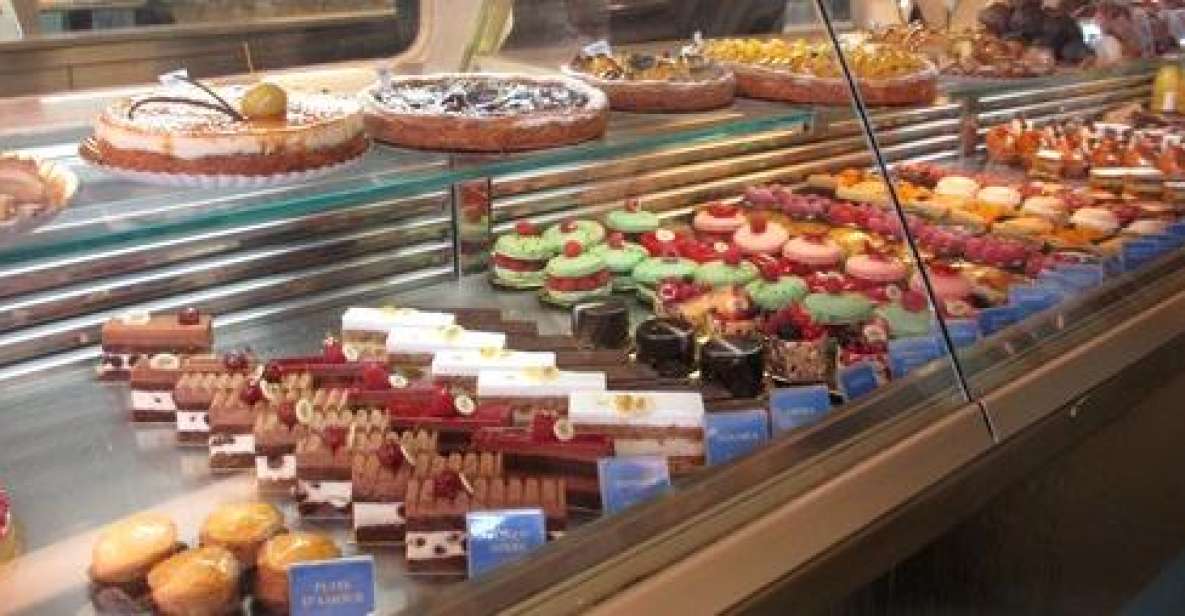
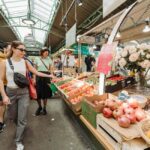
If you want the Paris that locals think about first, go to Les Halles. This area is famous for feeding the city, day after day, with a mix of classic shops and everyday French eating. It’s not a theme park. It’s a working food district, and that matters because you get a more honest picture of how French food culture moves.
This tour leans into that idea. You’re guided through the market area and nearby food streets with the theme of the belly of Paris—meaning: the place where food supply, tradition, and daily habits all meet in one walkable zone.
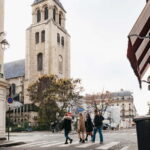
You’ll also get a sense of how central this district is to Paris. As you move through the area, the tour connects the food to landmarks you can actually spot, including the Church of St Eustache and the Tower of John the Fearless. Those aren’t random add-ons. They help you read the neighborhood like a local: food first, then the city around it.
You can also read our reviews of more food & drink experiences in Paris



The 150-Minute Rhythm: What the Tour Feels Like on the Ground
The total time is 150 minutes, so it’s meant to stay focused. You’ll be walking, stopping, tasting, and listening—without the long sit-down breaks that can make food tours drag.
Because the group is capped at 8 people or less, the guide can keep the pace moving while still giving you time to ask questions. That small-group format is one of the best parts of the experience. It’s also why the tour tends to feel more like a guided walk with a food expert than like a rushed conveyor belt of strangers.
Here’s the practical reality: you’ll want to arrive ready to eat. The tastings include multiple categories—pastries and breads, cheeses, cured meats, and wine—so you’ll be glad you didn’t start the day with a massive breakfast.
Meeting Point Near Les Halles: Easy Start, Good Navigation
You’ll meet at 1 Rue de Montmartre, 75001 Paris. For metro, the closest options are Les Halles (line 4) or Etienne Marcel (line 4).
This is a smart location for a food tour because you’re already near the center of action. It also makes it easier to pair the tour with other nearby sights afterward—especially since Les Halles sits in a very connected pocket of Paris.
Tip: if you’re planning other activities the same day, build in a little flexibility. This tour is short, but Paris crowds and the market flow can affect walking pace.
Your First Flavor Stops: Pastries, Breads, and the Sweet Side of Paris
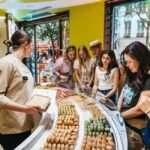
One of the joys of this tour is how it starts with bread-and-pastry thinking. You’re not just tasting sugar; you’re learning why French bakeries and pastry shops became such a core part of everyday life.
You’ll visit old shops in the Les Halles area, including Stohrer, described as the oldest pastry shop in the city. That stop is more than a name-drop. It’s your first taste of how tradition shows up physically: recipes, shop culture, and the habit of buying small edible treasures on a regular basis.
What I like about this approach is simple: you get a baseline for French “everyday luxury.” Once you’ve tasted pastries and breads early in the walk, the later savory stops feel connected, not random.
If you’re the type who usually forgets pastry details until the next day, do this: take a moment before your first bite. Smell it. Notice texture. Then eat. It makes the rest of the tour easier to remember.
Stohrer and Old Shops: Why the Oldest Names Matter
Seeing a historic pastry shop in action helps you understand French food evolution without a lecture hall vibe. Places like Stohrer are living references. You can taste the result of long-running craft, and you can also watch how the shop fits into today’s market rhythm.
This matters because French gastronomy didn’t become famous overnight. The tour frames the evolution from the Middle Ages to present day, and that concept works best when you’re standing next to a shop with a long memory.
So yes, you’ll taste. But you’ll also come away with a mental map: which styles feel old, which feel modern, and how the market made it possible for French food culture to grow.
You can also read our reviews of more tours and experiences in Paris
Savory Sampling: Cheese and Cured Meats Like a Local
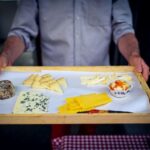
After the pastry-and-bread phase, the tour turns savory. You’ll stop along the way for tastings that include an assortment of cheeses and cured meats. This is the part where your palate starts to get more serious.
In Paris, cheese and charcuterie aren’t only for special meals. They’re part of the rhythm of buying food quickly and eating well. That’s why tasting these items in a market context is such a good choice. It’s not plated like a restaurant show. It’s tasted in the atmosphere where people actually buy and share.
What to expect: multiple samples that let you compare flavors—salt, fat, tang, smoke, and texture. Even if you’re not a cheese expert, you’ll likely notice differences right away.
Practical tip: try to take tiny bites. You want to enjoy each one, not rush through them. With multiple tastings in a 150-minute window, pacing keeps everything from tasting the same by the end.
Wine and Brasserie Culture: The Food-Drink Pairing Moment
The tastings don’t stop at food. The tour includes local wines, and that changes how you experience everything else. Wine isn’t just a drink here; it’s part of how French eating gets structured. It can soften sharp flavors, brighten richness, and make savory bites feel cleaner.
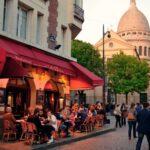
You’ll also encounter traditional brasseries and restaurants as part of the route, plus specialty culinary shops. Even if you don’t go inside every place for a full service meal, the stops help you connect the dots between market food and restaurant culture.
If you’re trying to plan your day, think of this tour as your built-in “starter meal.” It’s designed to feed you enough that you’ll feel satisfied afterward, but not so stuffed that dinner becomes a struggle.
The History Thread: How French Gastronomy Changes Over Time
The guide weaves the story of French gastronomy from the Middle Ages to today. That’s the backbone of the experience, and it’s why the tour feels different from a simple food walk.
You’ll learn how French food evolved alongside society—how cooking techniques, ingredients, and tastes shifted. The practical benefit for you is that it gives your tastings meaning. Instead of eating something and thinking, That’s good, you start thinking, This is why it matters.
Also, it helps to choose a guide who explains clearly. Some of the strongest feedback from past guests points to guides who do exactly that—making history easy to follow while still keeping the tour fun.
On this tour, you might hear names like Carol (noted for explaining Les Halles and the area’s history in a full, clear way) and Barry (praised for being outgoing and extremely well-versed). If you see the guide listed in your booking confirmation, that’s a good sign to look for.
Stops Around the Neighborhood: Church and Tower Sight Moments
Food tours can sometimes ignore the city. This one doesn’t. The Les Halles district connects your tastings with nearby sights of cultural interest, including the Church of St Eustache and the Tower of John the Fearless.
You don’t need to be a history buff to enjoy this. The landmarks give context to what you’re tasting. You start to see the district as a place with centuries of change, not just a street with snacks.
It’s also a mental break. After a few tastings, seeing a major church or tower gives your brain something visual to latch onto, and that makes the tour easier to remember later.
Who This Tour Suits Best (and Who Might Want Something Else)
This tour is a strong match if you want:
- A small-group food experience (8 people or fewer)
- A tour that includes pastries, breads, cheeses, cured meats, and wine
- A route focused on Les Halles and the story behind French food culture
- Time-efficient sightseeing that still feels like the main event is food
It’s also a good choice if you’re the type who likes asking questions. With the group size kept small, the guide can actually talk with you, not just at you.
Who might prefer a different option: if you want a very rigid, multi-course itinerary with exact timing and no flexibility, be aware this format can feel more conversational and adaptive. That’s not automatically bad. It just changes the feel from “chef-led checklist” to “guided exploration.”
Price and Value: Is $176 Reasonable for 2.5 Hours?
At $176 per person for 150 minutes, this tour isn’t the budget end of Paris food experiences. But value comes from what’s included and how the tour operates.
Here’s why the price can make sense:
- You’re getting multiple tasting categories: pastries/breads, cheeses, cured meats, and local wines
- A live guide is included, offered in English, French, and Italian
- The group is limited to 8 people or less, which generally reduces crowding and improves the quality of attention
- The tour location is a major food district, so you’re not traveling out to a generic tourist area
If your goal is to eat enough that it feels like a meaningful meal plus context, this can be a good use of time in Paris. If you’re only looking for a couple of bites and photos, you may feel the cost more sharply.
My practical advice: treat it like a planned meal with a guide. If you were booking a private food tasting session in Paris, you’d likely spend far more. This is essentially the “guided market meal” version of that idea.
Should You Book the Gourmet Gastronomy of Paris Food Tour?
Book it if you:
- Want a serious taste of French market food in Les Halles
- Care about how food traditions connect across time, from Middle Ages to today
- Prefer a small group and a guide-led experience
- Like the idea of sampling both sweet and savory, plus wine
Skip it (or compare options) if:
- You expect a strict schedule with no variation in how the guide leads the walk
- You want fewer tastings and more time at each stop
- You’re sensitive to the idea that you’ll be walking and tasting consistently within 2.5 hours
If you’re ready to walk, eat, and ask questions, this one is likely to land well. Les Halles is one of those Paris places where your senses do the work—and a good guide makes that meaning stick.
FAQ
How long is the Gourmet Gastronomy of Paris food tour?
It lasts 150 minutes (2.5 hours).
How many people are in the group?
The tour is a small group, limited to 8 participants or less.
What is the price per person?
The price is $176 per person.
Where is the meeting point?
The meeting point is 1 Rue de Montmartre, 75001 Paris.
What’s the nearest metro station?
The nearest metro stations are Les Halles (line 4) or Etienne Marcel (line 4).
What will I taste on the tour?
You’ll taste French specialties, including pastries and breads, an assortment of cheeses, cured meats, and local wines.
What places does the tour include in Les Halles?
The route covers the Les Halles market area and includes old shops like Stohrer, plus traditional brasseries and restaurants, and specialty culinary shops.
What history does the tour cover?
It focuses on the evolution of traditional French gastronomy, from the Middle Ages to present day.
What languages are offered?
The live tour guide speaks English, French, and Italian.
Is there free cancellation?
Yes. You can cancel up to 24 hours in advance for a full refund.