REVIEW · PARIS
Paris: Conciergerie Ticket with Histopad
Book on GetYourGuide →Operated by Distributor: GetYourGuide Tours & Tickets GmbH · Bookable on GetYourGuide
A Paris prison that still feels alive. The Conciergerie runs from 14th-century royal palace to revolutionary prison, and with the included HistoPad you can see a 3D recreation tied to Marie Antoinette’s cell. I also love that you get both the street-level horror of the cells and the quiet gravity of the Revolution’s tombs in the same visit. One drawback to consider: it’s self-guided, so you’ll want to pay attention to the route and start points—or you can lose your flow in a big, old site.
What makes this ticket worth a serious look is that it pairs standard viewing with an augmented-reality layer. You’re not just reading about the past; you’re seeing how key spaces looked when they existed, including parts that are gone today. If you prefer a tightly choreographed tour with a guide leading the rhythm, this format may feel more on-you than you expect.
Before you go, mark the Conciergerie meeting point: 2 Boulevard du Palais, 75001 Paris. Bring a passport or ID card, and note that luggage or large bags aren’t allowed inside.
In This Review
- Key things to know before you go
- Conciergerie in one ticket: palace to guillotine waiting room
- Using the HistoPad: a 3D step back into Marie Antoinette’s cell
- What you’ll see: cells, tombs, Marie Antoinette’s chapel cell, and Salle des Gens d’Armes
- Criminal cells and the Revolution’s holding spaces
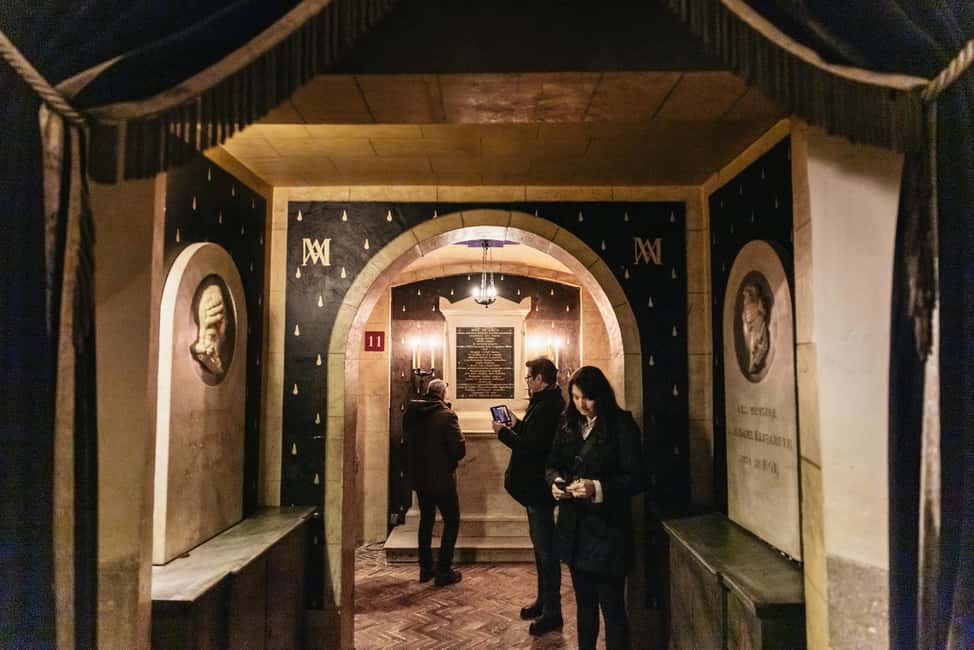
- Tombs of the French Revolution’s heroes
- The chapel that served as Marie Antoinette’s prison cell
- Salle des Gens d’Armes: the medieval room you’ll remember
- Medieval rooms—and spaces that no longer exist
- Self-guided visit reality: audio guide help and where you might get stuck
- Price and logistics: does about $15 feel fair?
- Timing checklist: closing hours, last entry, and the 4:15 PM HistoPad cutoff
- Practical rules that matter on site: ID, bags, and what to bring
- Should you book the Conciergerie with HistoPad?
- FAQ
- What’s included with the Conciergerie ticket with HistoPad?
- Is there an audio guide?
- What languages is the HistoPad available in?
- How long is the visit, and is the ticket only valid for one day?
- When and where do I go for the visit?
- Are there rules about ID or luggage?
Key things to know before you go
- Royal palace to revolutionary prison: the building’s purpose shifts with the French Republic’s darkest turning points.
- Cells and execution-era context: you’ll walk through the spaces that helped shape the antechamber to the guillotine story.
- Marie Antoinette connection with HistoPad: you get a 3D reproduction of her cell.
- Tombs of the Revolution’s heroes: the mood changes from confinement to memorial.
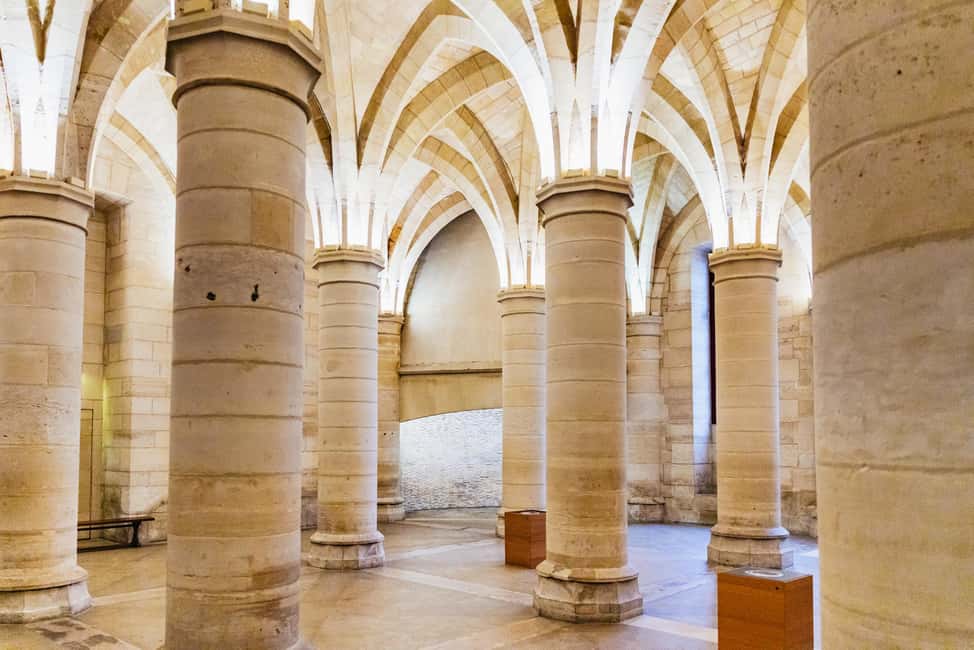
- Salle des Gens d’Armes: you’ll see the largest remaining medieval hall in Europe.
- HistoPad is time-limited: the device is distributed until 4:15 PM, so plan your day around it.
Conciergerie in one ticket: palace to guillotine waiting room
The Conciergerie sits right where Paris history likes to repeat itself: power, fear, and politics all in one stone complex. Originally built as a royal palace in the 14th century, it later became a prison once the royal family moved residences. During the French Revolution, it was known as the antechamber to the guillotine—meaning it wasn’t just a jail, but a holding space tied to imminent punishment.
That mix is why I think this ticket works. You’re not only touring “prison stuff.” You’re walking through a building where the architecture itself tells the story—how a place built for status and ceremony turns into a processing space for people swept up by revolution.
If you’re the kind of visitor who likes to connect physical spaces to historical moments, this is a strong match. Just remember the site is old and substantial, so give yourself time to actually read and absorb instead of speed-walking from room to room.
You can also read our reviews of more tours and experiences in Paris



Using the HistoPad: a 3D step back into Marie Antoinette’s cell

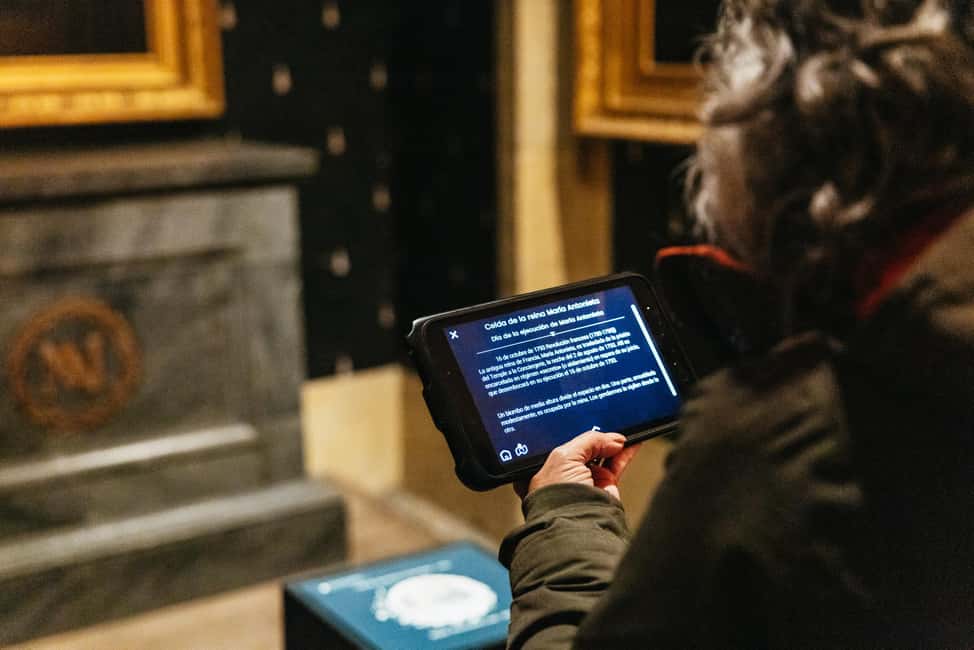
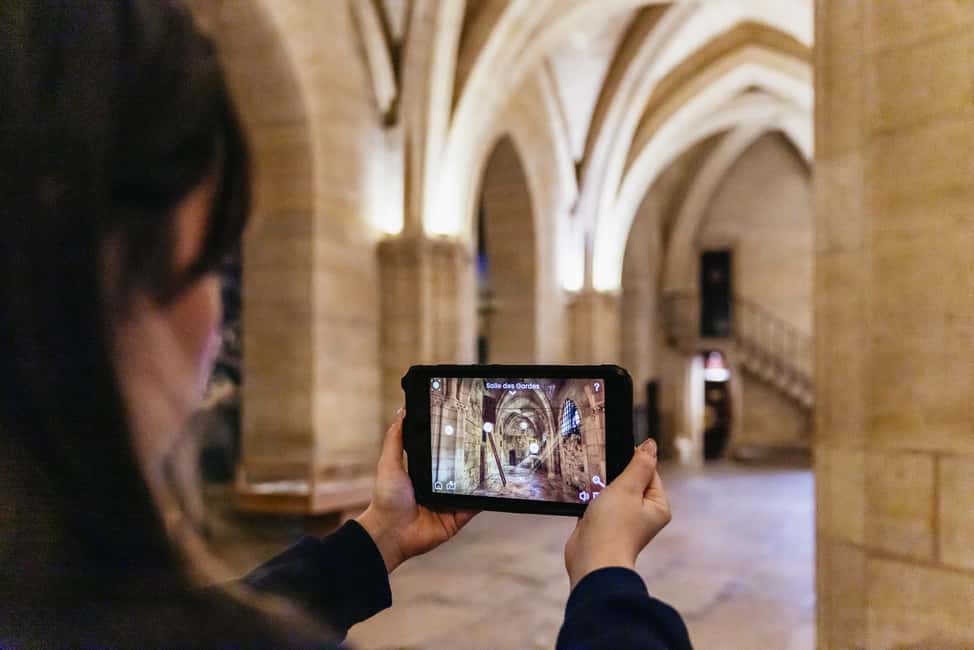
The standout extra here is the HistoPad 3D reproduction of Marie Antoinette’s cell. Instead of relying only on labels, you can use the augmented reality tool to go back in time and see how that cell would have appeared. It’s offered in many languages: French, English, German, Spanish, Italian, Japanese, and Chinese.
This is one of those add-ons that can change the whole feel of the visit. A prison cell can look like a room on a screen or a diagram in a book. But when you can visualize a specific cell as it existed, it’s easier to grasp what “space” meant to the person inside—how confinement changes everything from movement to perception.
Practical note: the HistoPad is distributed until 4:15 PM, so if you come late in the day, you may miss the device even if the ticket still covers entry. Plan early enough that you can build your visit around it.
What you’ll see: cells, tombs, Marie Antoinette’s chapel cell, and Salle des Gens d’Armes

This experience doesn’t just focus on one theme. It moves through the main emotional beats of the revolutionary era, from detention to memorial.
Criminal cells and the Revolution’s holding spaces
You’ll explore the cells of criminals, which helps you understand the site’s function beyond the famous headlines. The value here is sensory and spatial. These rooms make the history feel immediate, not abstract.
Tombs of the French Revolution’s heroes
Then the tone shifts. You can also see the tombs of the heroes of the French Revolution. That pairing—detention on one side, remembrance on the other—creates a useful contrast. It’s a reminder that revolutions don’t only destroy; they also build new narratives of honor and legitimacy.



The chapel that served as Marie Antoinette’s prison cell
A major stop is the chapel, described as the prison cell where Marie Antoinette was held. This is where the visit becomes personal and specific, because it’s tied directly to one of the most recognizable figures from the period.
Salle des Gens d’Armes: the medieval room you’ll remember
You’ll also see the Salle des Gens d’Armes, the largest remaining medieval hall in Europe. Even if you’re not obsessed with medieval architecture, this kind of space matters. Big halls change how sound carries, how people gather, and how power feels in a room—so it adds another layer to understanding the building’s original identity before it became a prison.
Medieval rooms—and spaces that no longer exist
The HistoPad experience also helps you explore medieval rooms and spaces that have disappeared. That matters because many historic sites force you to imagine what’s missing. Here, the augmented tool gives you a practical way to reconstruct vanished areas rather than guessing.
Self-guided visit reality: audio guide help and where you might get stuck
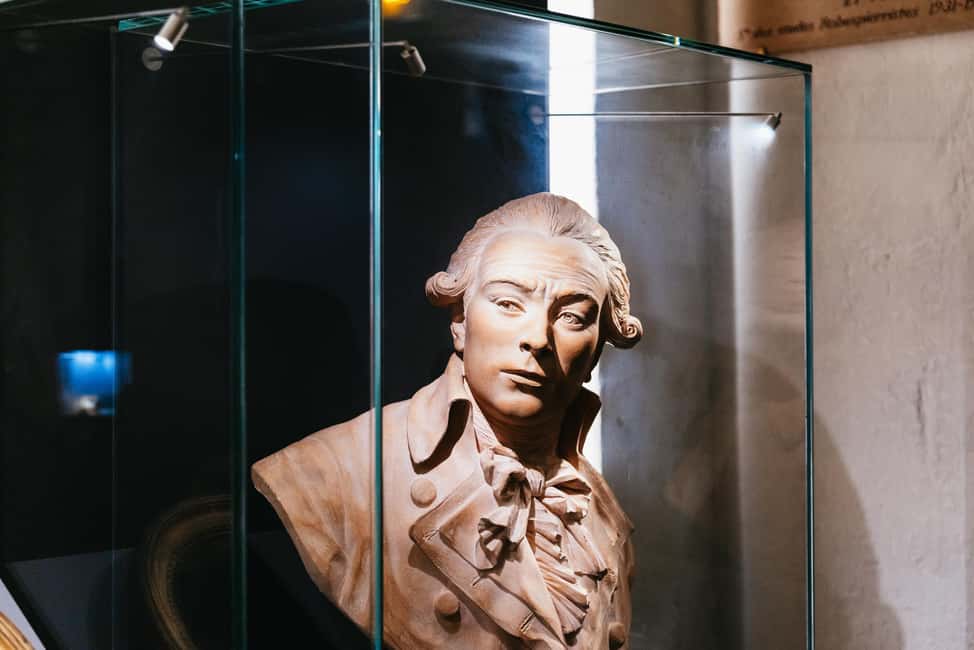
This ticket is a self-guided visit with an audio guide included. Audio options include Chinese, English, French, German, Italian, Spanish, Japanese, Korean, and Portuguese.
I like self-guided experiences when the site is dense, because you can slow down at what grabs you. But self-guided also means you’re the one managing the route. One consideration from past experience: it can be easy to lose your bearings if signage isn’t enough for your needs, so it helps to start with a plan in your head before you enter—especially if you’re juggling audio and finding each key room.
If audio navigation is part of your comfort level, try to match the audio language carefully when you arrive. If you don’t, you’ll end up standing still longer than you want, and time at a museum doesn’t stretch forever.
Price and logistics: does about $15 feel fair?
At $15 per person, this is the kind of ticket that can feel like good value if you actually use the included features. The entrance ticket is bundled with a self-guided visit and the HistoPad 3D element tied to Marie Antoinette’s cell. For many visitors, that device is the difference between a standard walk-through and a more memorable “I can visualize it” experience.
Keep expectations clear:
- Sainte-Chapelle is not included, so don’t plan on using this ticket as your shortcut for that site.
- Transportation isn’t included, so build your route to the Conciergerie based on your own plans.
Also, the ticket is valid 1 day, and you’ll check availability for starting times. That means you don’t just pick a date—you pick a window that works for your pace and, importantly, for HistoPad timing.
Timing checklist: closing hours, last entry, and the 4:15 PM HistoPad cutoff
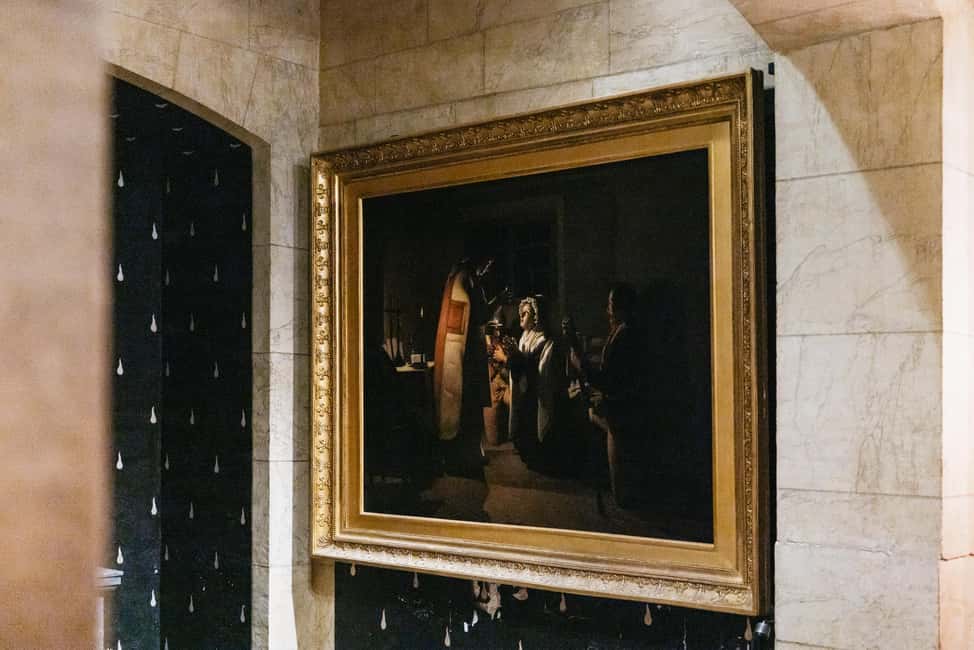
You’ll want to structure your day around three timing details:
- The last entrance is 30 minutes before closing time. If you arrive near the end, you’ll lose the chance to see everything at a comfortable pace.
- HistoPad distribution stops at 4:15 PM. Even if you can enter later, you might not get the device you came for.
- The site is open on a normal travel schedule except for key dates: closed May 1 and December 25.
If you’re visiting during a busy season, plan for lines at the entrance, then build in time for the tool itself. A HistoPad experience takes focus. You’ll get more out of it if you aren’t rushing right before it times out.
Practical rules that matter on site: ID, bags, and what to bring
This is one of the easiest Paris attractions to prep for—just follow the basics:
- Bring a passport or ID card.
- No luggage or large bags are allowed.
There are also free-entry options:
- Free for visitors under 18.
- Free for EU citizens under 26 with photo ID. This category still requires a ticket, which is issued directly onsite.
And there are seasonal free days:
- The first Sunday of January, February, March, November, and December.
- European Heritage Days (the 3rd weekend of September each year).
Should you book the Conciergerie with HistoPad?
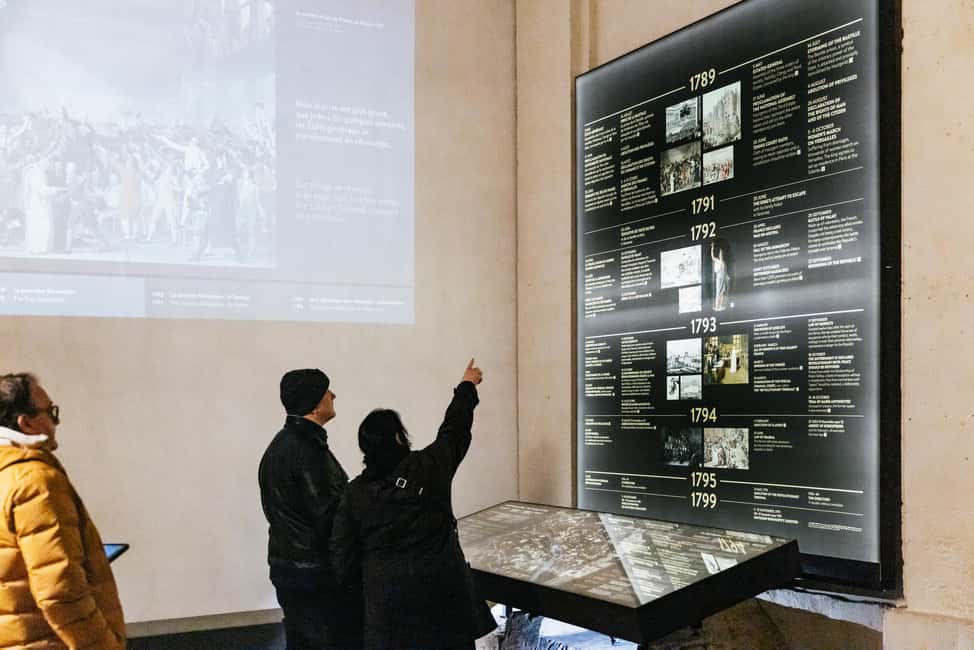
Book it if you want a single ticket that gives you both the site’s prison atmosphere and a tech-assisted way to picture Marie Antoinette’s cell. The HistoPad 3D reproduction is the main reason to choose this over a basic walkthrough, and at about $15, it can be strong value if you’ll actually use it.
Skip it (or at least adjust expectations) if you dislike self-guided visits. Because the experience is not led room-by-room, you’ll have to be your own navigator—audio guide included, but still up to you to follow the route. Also, if you’re coming later in the day, remember the 4:15 PM HistoPad distribution and the last entrance 30 minutes before closing.
FAQ
What’s included with the Conciergerie ticket with HistoPad?
You get the entrance ticket, a self-guided visit, and a HistoPad 3D reproduction of Marie Antoinette’s cell.
Is there an audio guide?
Yes. An audio guide is included in Chinese, English, French, German, Italian, Spanish, Japanese, Korean, and Portuguese.
What languages is the HistoPad available in?
The HistoPad 3D recreation is available in French, English, German, Spanish, Italian, Japanese, and Chinese.
How long is the visit, and is the ticket only valid for one day?
The activity is listed as 1 day, and the ticket is valid 1 day. You’ll need to check availability to see starting times.
When and where do I go for the visit?
The meeting point is the Conciergerie, 2 Boulevard du Palais, 75001 Paris. The HistoPad is distributed until 4:15 PM, and the last entrance is 30 minutes before closing time.
Are there rules about ID or luggage?
Bring a passport or ID card. Luggage or large bags are not allowed. Free entry applies for under 18 and for EU citizens under 26 with photo ID (ticket issued onsite).