REVIEW · PARIS
Paris: Street Art Walking Tour with a Street Artist Guide
Book on GetYourGuide →Operated by Memories France · Bookable on GetYourGuide
Street art is a city map you can walk. This 90-minute tour pairs a former street artist guide with real-world context, so you’re not just spotting murals—you’re learning how Paris got its street style. You’ll also get to see standout pieces along cobbled streets, from paper wheat-pastes to larger frescoes and 3D faces.
I especially like the focus on process and technique—the way the guide connects what you see to the artists behind it. I also like the chance to pick between Montmartre or La Butte aux Cailles, so the walk matches your mood, whether you want classic art addresses or a quieter village feel. The one thing to consider: Montmartre is hilly, and this is still a walking tour with steady uphill/downhill.
If you’re curious about modern Paris street art and want more than a photo scavenger hunt, this fits well. The tour runs with a live English guide, and the pace is designed for meaningful stops rather than sprinting from wall to wall. Just plan on comfortable shoes, because you’ll be on your feet the whole time.
In This Review
- Key highlights you should care about
- Two Neighborhoods, One Street-Art Lens: Montmartre or La Butte aux Cailles
- Why a former street artist guide changes everything
- The pieces you’ll actually hunt for on the walls
- Montmartre stops: classic art addresses meet modern street art
- La Butte aux Cailles: a calmer village feeling with paper, paint, and stencils
- The French Touch and le pochoir: what you’re really learning
- How the 90 minutes actually feels in real life
- Price and value: why $47 can make sense
- Who this tour suits best
- A quick note on what to bring and how to prepare
- Should you book this Paris street art walking tour?
- FAQ
- How long is the Paris street art walking tour?
- Is the tour guided in English?
- Which neighborhoods can I choose from?
- Is there a lot of walking?
- What should I bring?
- Is hotel pickup included?
Key highlights you should care about
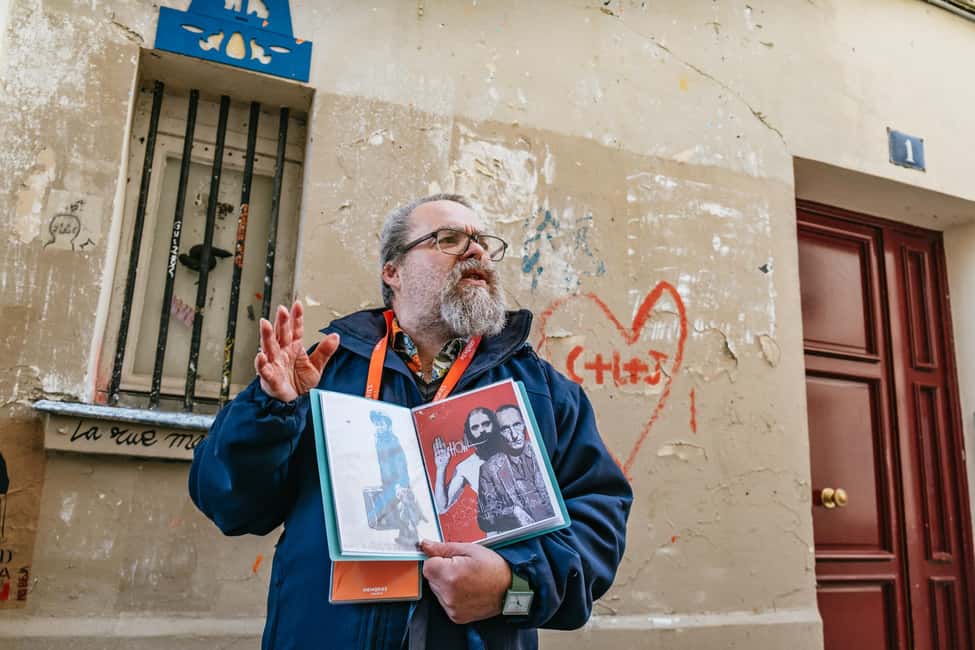
- Former street artist guide who explains what makes each style work in the real Paris street scene
- Montmartre option tied to famous art addresses and the evolution from classic names to modern creators
- La Butte aux Cailles option for tiny houses, gardens, and murals that feel like a calmer pocket of Paris
- Specific artists you’ll look for such as Twotma, Gregos, Swed Oner, The End, and Space Invader
- Technique nerd payoff around le pochoir and the French Touch, plus stencil and paper traditions
Two Neighborhoods, One Street-Art Lens: Montmartre or La Butte aux Cailles
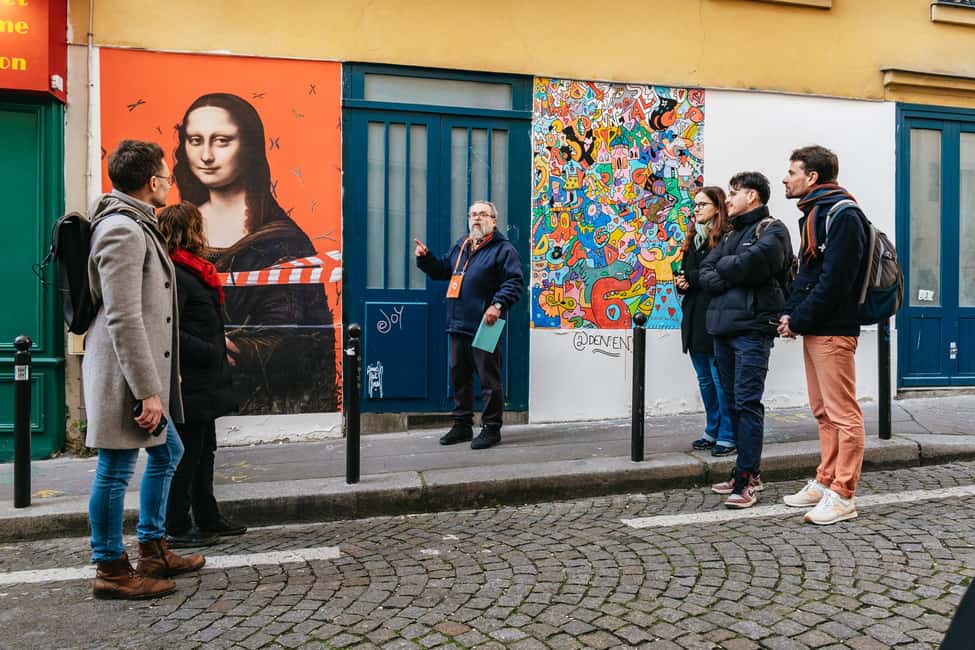
The biggest decision is which neighborhood you choose, because the vibe changes fast.
If you pick Montmartre, you get the steep, classic side of Paris street art culture. The walk also ties the street scene to where iconic artists like Picasso, Van Gogh, and Renoir lived and worked, with the guide pointing out addresses of studios and workshops you’d otherwise never notice.
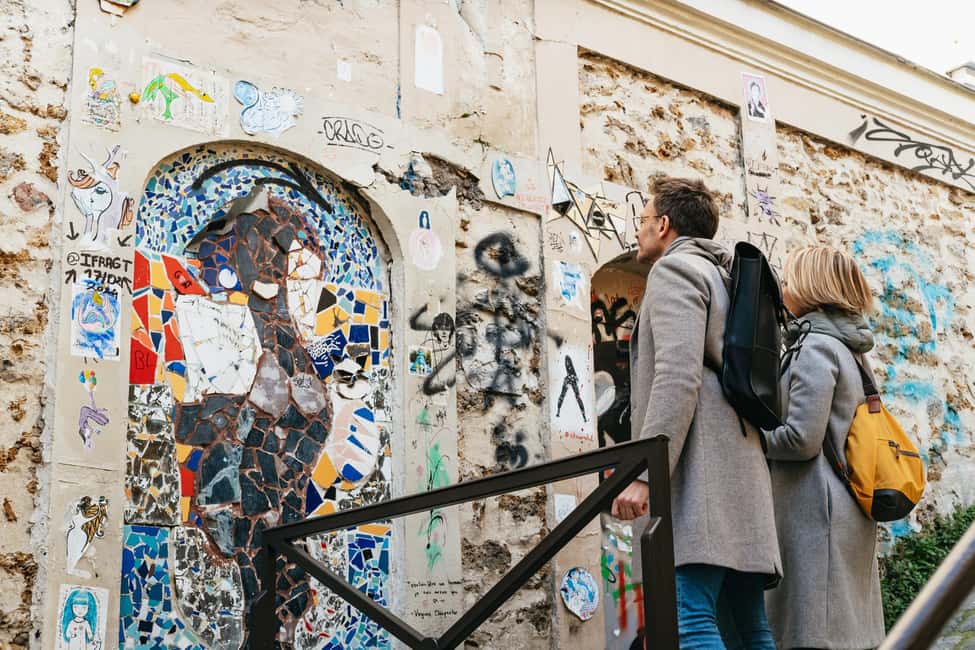
If you pick La Butte aux Cailles, you swap some of the big-name bustle for a smaller, more lived-in feel. You’ll be walking cobbled streets with tiny houses and gardens, and the art tends to reward slow attention—mosaics of wheat-pastes, stencils, stencil graffiti, and murals scattered like visual secrets.
You can also read our reviews of more walking tours in Paris



Why a former street artist guide changes everything
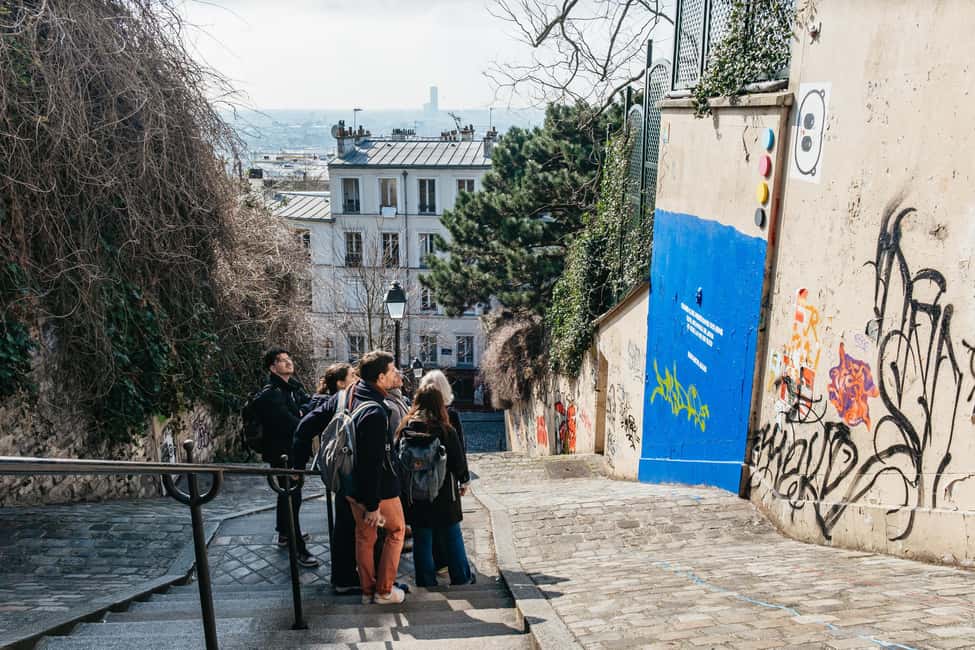
This tour isn’t run like a standard lecture. The guide is a former street artist, which means you’re listening to someone who understands both the art and the street reality.
That shows up in the way you learn to see. You’re not only told what a piece is, you’re guided to notice materials, placement, and how the artwork fits the wall and the neighborhood. That kind of explanation makes names like Twotma, Gregos, Swed Oner, and The End land with more meaning than a quick look from the sidewalk.
In short: you’ll leave with street art literacy. Even if some of the art is new to you, the guide helps you connect the dots between Parisian street art history and what’s still being made today.
The pieces you’ll actually hunt for on the walls
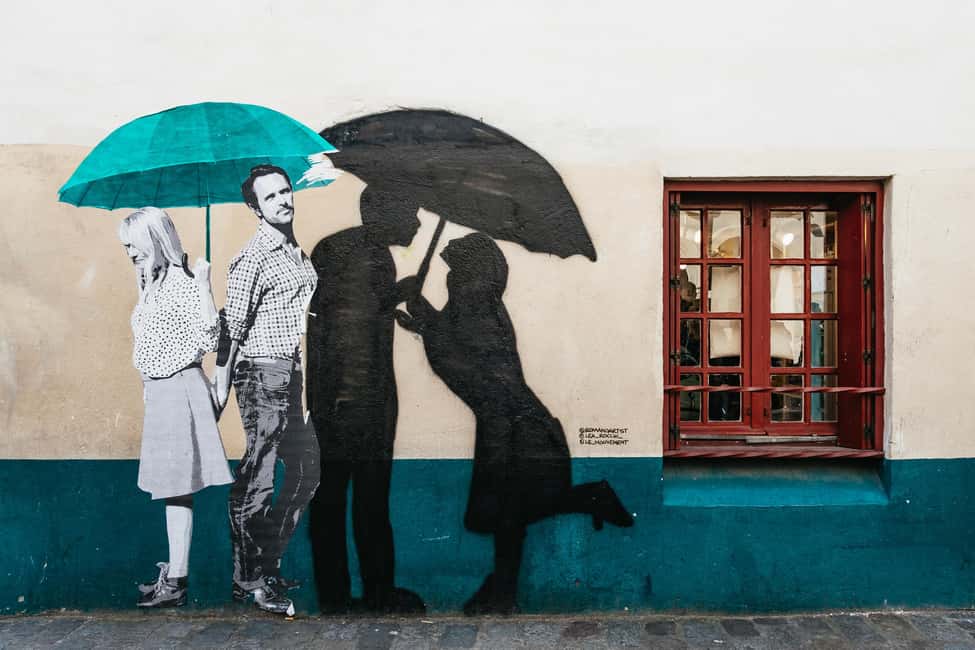
A lot of street art walks list big artists. This one gives you clear, name-based targets, which makes your eyes work better.
On the Montmartre-style route, you’ll be on the lookout for glued paper works by Twotma, 3D faces by Gregos, and fresco-style work by Swed Oner. You’ll also spot pieces linked to The End, plus internationally known work from Space Invader, and you’ll even search for hidden work by a more secretive artist.
If you choose La Butte aux Cailles, your “must-spot” list shifts toward what’s happening at street level in a quieter pocket of the city. You’ll look for murals, wheat-pasted papers, and stencil graffiti, including examples that range from the 1980s to today’s emerging artists.
This is one of the reasons the tour feels worth it for the time: you’re not just learning theory, you’re practicing recognition.
Montmartre stops: classic art addresses meet modern street art
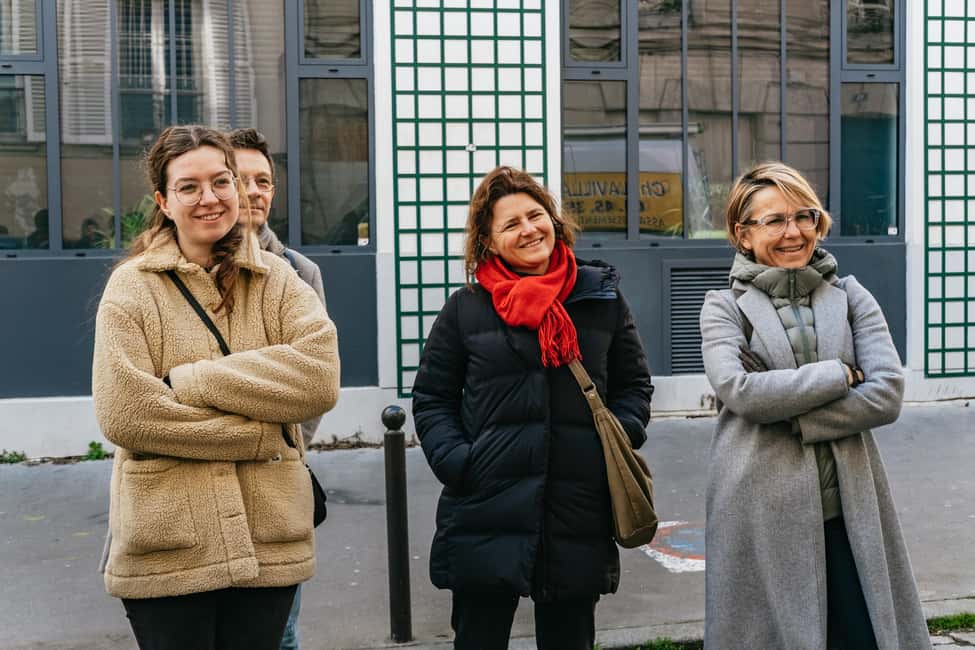
Montmartre is the option for people who love layers. One minute you’re hearing about where famous painters worked; the next minute you’re watching Paris street artists build their own legacy in the same hills.
The guide follows the footsteps of illustrious artists and shares addresses of workshops and studios connected to figures like Picasso, Van Gogh, and Renoir. That matters because it reframes street art from random decoration into a continuing tradition of artists claiming space.
Then the tour flips forward. You’ll discover where modern-day Montmartre artists create and how street art today carries the neighborhood forward. You’ll also have time to see work connected to famous international street art language—like the Space Invader style—and compare it to more local French approaches.
Practical reality check: the Montmartre choice means hills. You can do the tour if you’re fit enough for a steady 90 minutes of walking, but it’s not a flat stroll.
La Butte aux Cailles: a calmer village feeling with paper, paint, and stencils
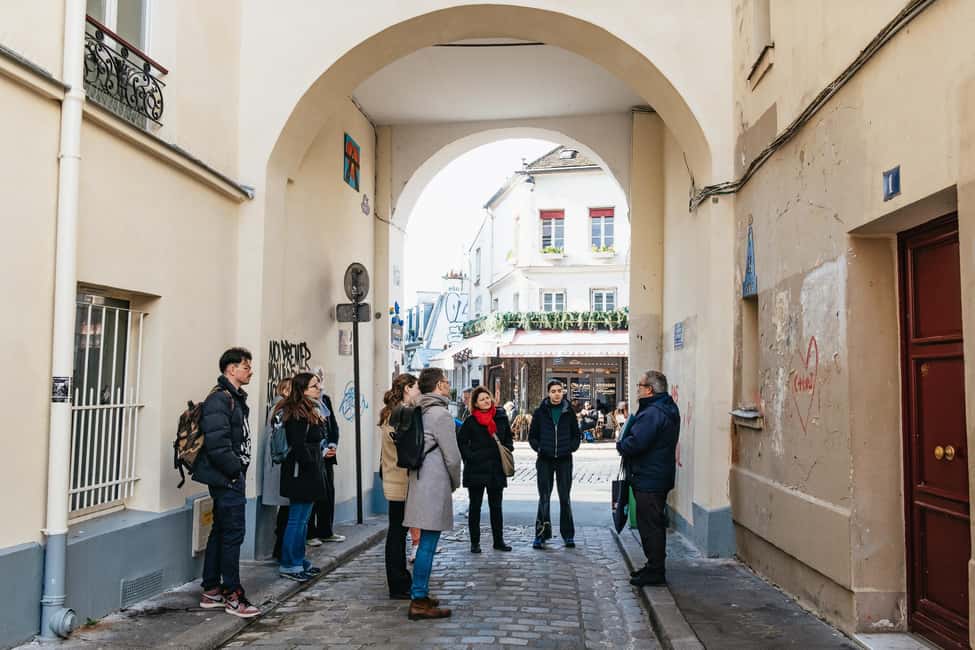
La Butte aux Cailles is the option for people who want Paris off the loudest track. You’ll be leaving some of the center-city noise behind and walking through a neighborhood that feels smaller and more residential.
The route is set up to spotlight the neighborhood’s look and feel—tiny houses, small gardens, and cobbled streets. And that’s not just scenery. The art here tends to work like an ongoing conversation with the walls around it, which makes it easier to slow down and really notice details.
Expect to hunt for murals, wheat-pasted papers, and stencil graffiti, including examples spanning decades. The effect is that you’re watching street art history play out in real time—1980s-era styles to today’s emerging voices—without the stop-start energy you sometimes get on big-name districts.
You can also read our reviews of more guided tours in Paris






The French Touch and le pochoir: what you’re really learning
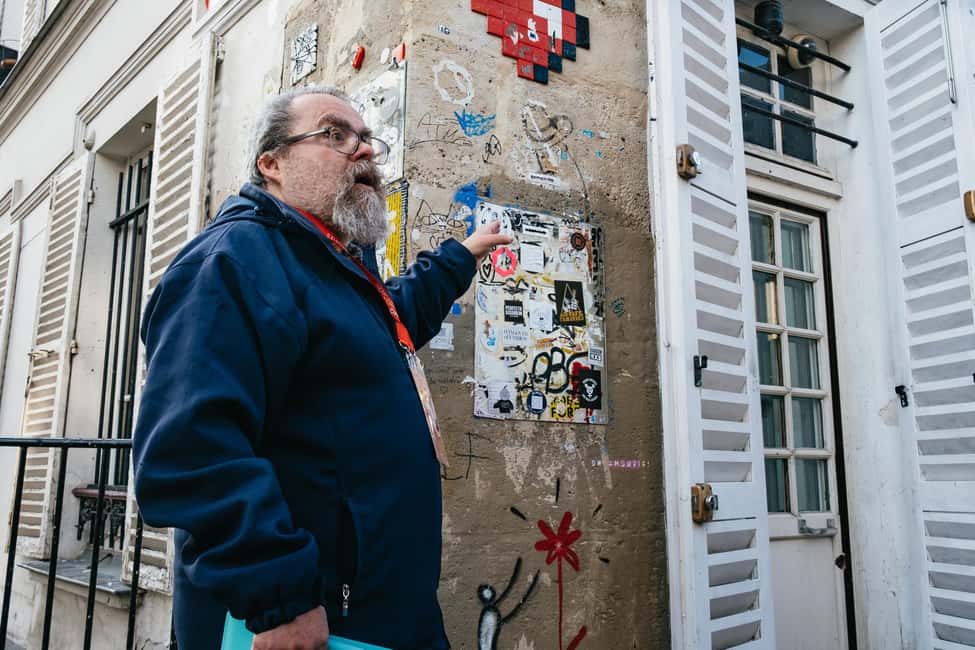
One of the most practical parts of the tour is how it connects art styles to technique. You’ll hear about the French Touch and the flagship technique le pochoir (stenciling), which helps you understand why so much Paris street art feels crisp and graphic.
You’ll also hear about and look for named artists connected with that lineage and approach, including Jeff Aérosol, Miss Tic, Le Long, and Princess Ecchymose. Even if you don’t know their work yet, the guide helps you see patterns—what the stencil method lets artists do, and why it fits Paris street surfaces.
This is the value-add for me: you come away knowing how to interpret what you see later on your own walks. You start recognizing technique at a glance, and you’re less likely to miss the small, clever pieces tucked where they’re easy to walk past.
How the 90 minutes actually feels in real life
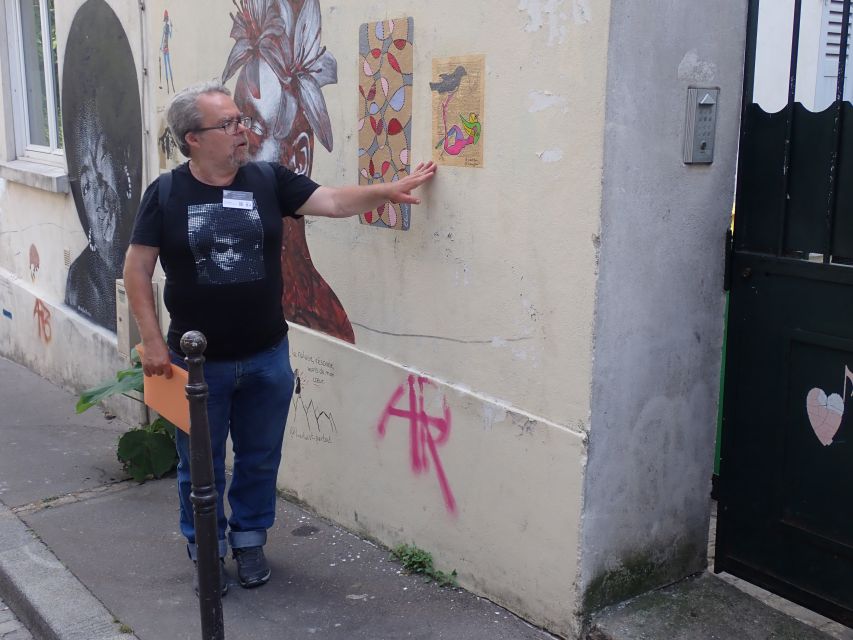
Ninety minutes is short enough to keep it fun, but long enough for the guide to do real teaching at each stop. This tour is built for walking, not rushing, and the key is that the guide pauses you at meaningful pieces so you can learn what to look for next.
The pace is designed to keep you moving between walls while still spending time on the artwork details: materials, layout, and the way styles fit the street. That matters because street art changes how you experience a neighborhood—you’ll notice more once you learn how to see.
And since there’s no hotel pickup included, you’ll want to arrive early enough to feel settled at the meeting point. The meeting point can vary depending on which option you book, so confirm it in your booking details and plan to be there on time.
Price and value: why $47 can make sense
At about $47 per person for 90 minutes, this isn’t a budget “wander and hope” experience. You’re paying for two things that are hard to fake: a former street artist guide and a structured route that names the works and artists you’ll find.
If you’ve done street art tours before that mostly point and talk, you’ll notice the difference here. The guide is an artist, so the explanations tend to land with hands-on clarity rather than just sightseeing facts. You’re also getting a choice of two distinct neighborhoods, which means you can pick what fits your walking tolerance and your taste.
For me, the value comes down to this: you leave with a mental checklist for what to look for in Paris later. That’s harder to get from casual self-guided wandering, especially if you don’t already know the artists or techniques.
Who this tour suits best
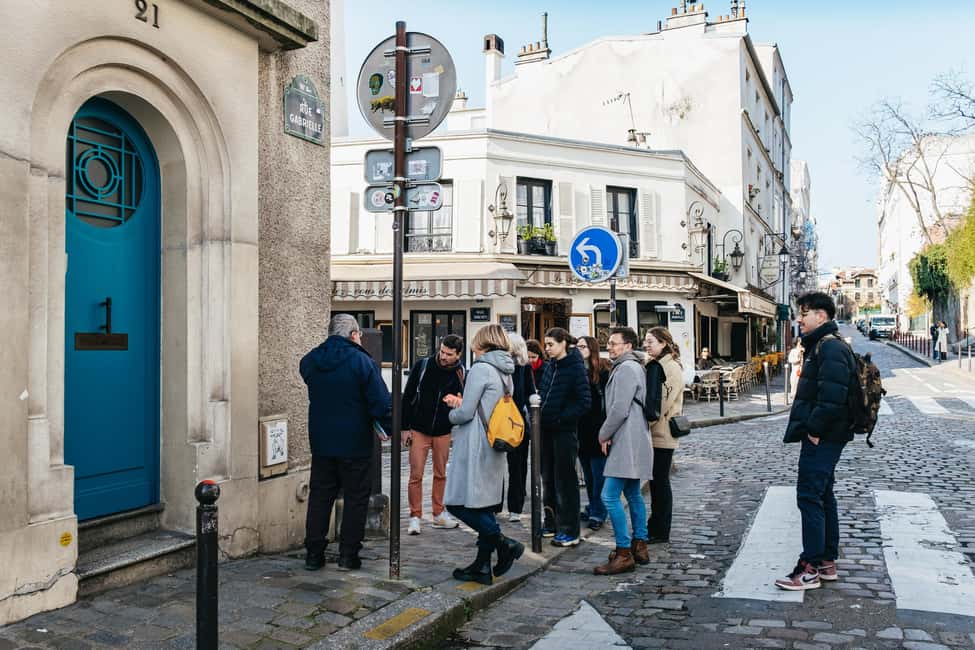
This works best if you want street art with context. If you like modern art but feel like street art tours sometimes talk over your head, the former street artist angle helps keep it practical.
It also suits people who enjoy walking neighborhoods more than museum-style experiences. You’ll get streetscapes—cobbles, houses, gardens—along with clear street art targets like Twotma, Gregos, Swed Oner, and Space Invader.
If you hate hills, pick La Butte aux Cailles. If you love classic art lore and don’t mind elevation, pick Montmartre.
A quick note on what to bring and how to prepare
Bring comfortable shoes. This tour involves significant walking, and if you choose Montmartre, the hills can be a factor.
Weather matters too, because street art tours are outdoors the whole way. Dress for comfort first, then layers if you might cool down on shaded streets.
Finally, come with a curiosity mindset. The guide will show you how to spot clues in styles and placement, and that makes the whole walk more rewarding.
Should you book this Paris street art walking tour?
Yes, if you want your street art time to feel guided and instructive, not just decorative. This tour’s best feature is the guide’s street-artist perspective paired with clear targets—so you’ll recognize artists, techniques like le pochoir, and standout works such as Twotma’s paper pieces, Gregos’ 3D faces, and Swed Oner fresco work.
I’d skip it if you’re looking for a totally flat, low-effort stroll, or if you only want general sightseeing without hunting for specific pieces. Otherwise, it’s a smart way to spend 90 minutes in Paris while learning how the city’s street scene evolved and what it looks like right now.
FAQ
How long is the Paris street art walking tour?
The tour lasts 90 minutes.
Is the tour guided in English?
Yes, it includes a live tour guide in English.
Which neighborhoods can I choose from?
You can choose between Montmartre or La Butte aux Cailles.
Is there a lot of walking?
Yes. The tour involves significant walking, and Montmartre includes hills.
What should I bring?
Wear comfortable shoes, since you’ll be walking most of the time.
Is hotel pickup included?
No. Hotel pickup and drop-off are not included.