REVIEW · PARIS
Paris: Orangerie Museum Skip-the-Line Entry and Guided Tour
Book on GetYourGuide →Operated by Babylon Tours LLC · Bookable on GetYourGuide
Monet, minus the ticket-line hassle. This Musée de l’Orangerie tour is interesting because you get skip-the-line access and an art historian who helps the paintings make sense fast, before the magic hits. I like that it keeps the day moving so you’re not stuck waiting while other museums open and close around you.
My favorite part is the way the guide turns the Orangerie into a guided story, not just a room full of famous names. You’ll walk through Impressionism’s turning points and see how ideas evolved into early-20th-century styles, including work by Monet, Matisse, and Cezanne. The only real catch: there’s moderate walking, and the tour isn’t suitable for mobility impairments.
In This Review
- Key things I’d circle before you book
- Musée de l’Orangerie: why this tour works so well on a first visit
- Skip-the-line entry: what it changes for your day in Paris
- The oval room with Monet’s water lilies: what to notice (and why)
- The art-history thread: Impressionism to early modern in one guided walk
- Tuileries Gardens to the Orangerie: the walk that sets the pace
- How the guides shape the experience (Hugo, Z, Sunday, and more)
- Price and value: is $128 for 2 hours worth it?
- Who should book this Orangerie tour (and who should skip it)
- Should you book this Musée de l’Orangerie skip-the-line guided tour?
- FAQ
- How long is the Orangerie museum skip-the-line guided tour?
- What does skip-the-line include?
- What art and artists will the guide cover?
- Do you get an art historian guide?
- What languages are available?
- How big is the group?
- Is the tour suitable for people with mobility impairments?
- What should I bring, and are bags allowed?
- Important note
Key things I’d circle before you book
- Skip-the-line entry so you can get inside without the entrance scramble
- Monet’s oval room with water lilies surrounding you
- Art historian-led pacing that connects movements and artists across galleries
- Small group size (max 8 guests per guide) for better questions and focus
- French 19th- and early-20th-century focus from Impressionism through early modern changes
- Tuileries Gardens walk as a scenic way to reach the Orangerie
Musée de l’Orangerie: why this tour works so well on a first visit
The Musée de l’Orangerie has a special challenge for first-timers. It’s famous, yes—but it can also feel like a set of highlights you rush through, trying to “get it all” in one go. This tour helps with that. An art historian guide keeps you moving at the right speed and explains what you’re seeing while you can still picture the big artistic shifts.
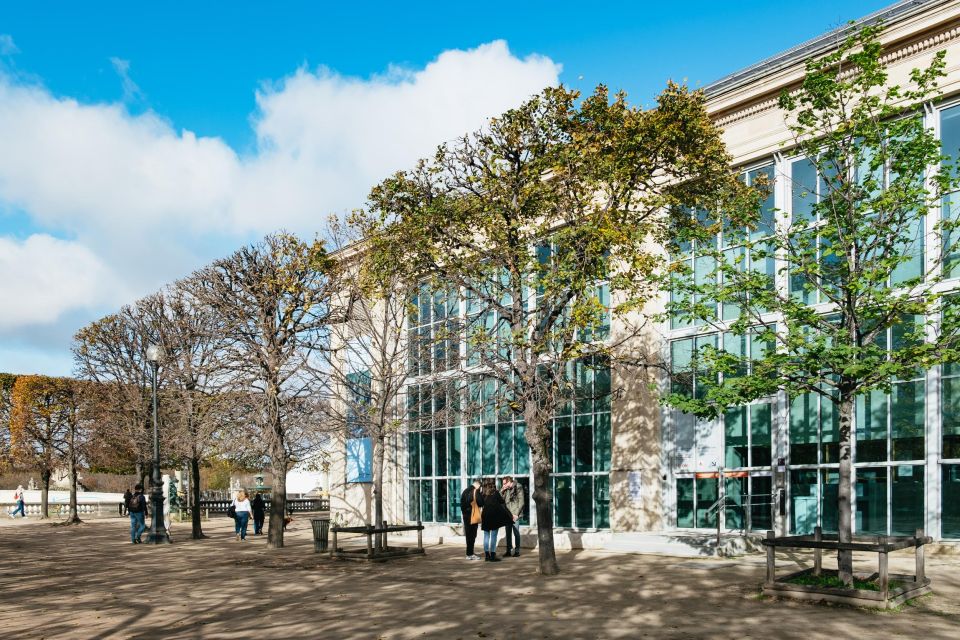
And the building itself helps. The Orangerie used to be a royal winter space for protecting oranges, which means the museum has a quieter, almost “seasonal” feeling to it. Even the route to the museum matters: you stroll through the Tuileries Gardens on the way in, so you start in the right mood—Parisian, green, and relaxed—before you reach the iconic interiors.
If you want a version of Paris that’s not just photos and captions, this is a good fit. You’re not only looking; you’re learning how and why these paintings changed the world of art.
You can also read our reviews of more guided tours in Paris


Skip-the-line entry: what it changes for your day in Paris
In Paris, time is a real cost. Lines can turn “I’ll see one museum” into “I’ll miss half my plans.” With skip-the-line entrance, you’re buying back that wasted waiting time.
One detail I really like from guide experience is the early-energy moment. A guide named Hugo was described as welcoming people warmly right as they arrived early, setting the tone, then guiding you into Monet at the right time—so you feel the experience rather than just race it. Whether you’re an early bird or not, the main point stays the same: you get direct entry so you can start absorbing the art sooner.
Also keep in mind practical limits:
- The tour runs rain or shine.
- You can’t bring luggage or large bags.
So pack light. It sounds obvious, but with skip-the-line, you’ll feel the benefit even more when you’re not wrestling with bulky bags.
The oval room with Monet’s water lilies: what to notice (and why)
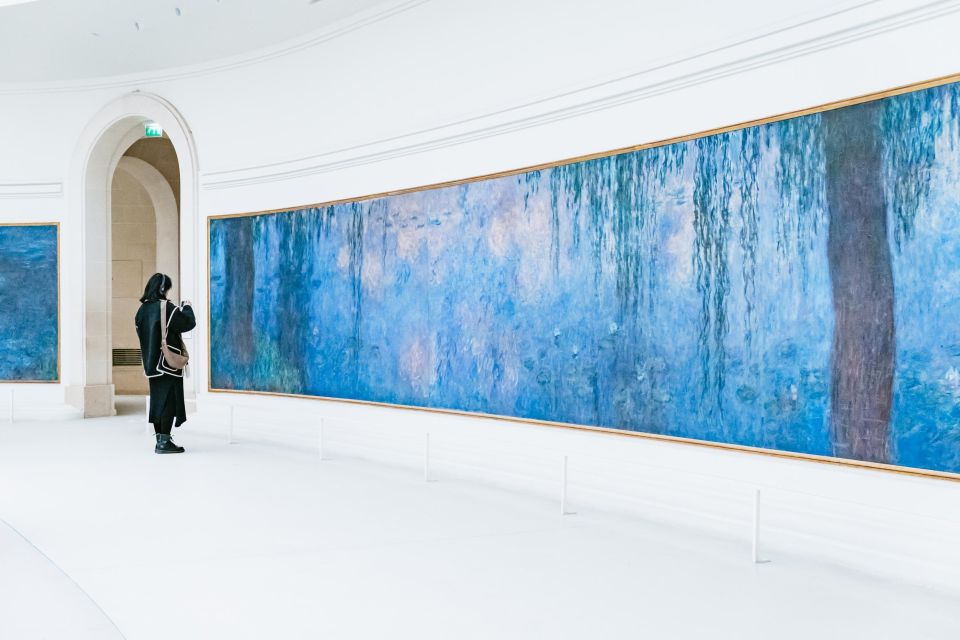
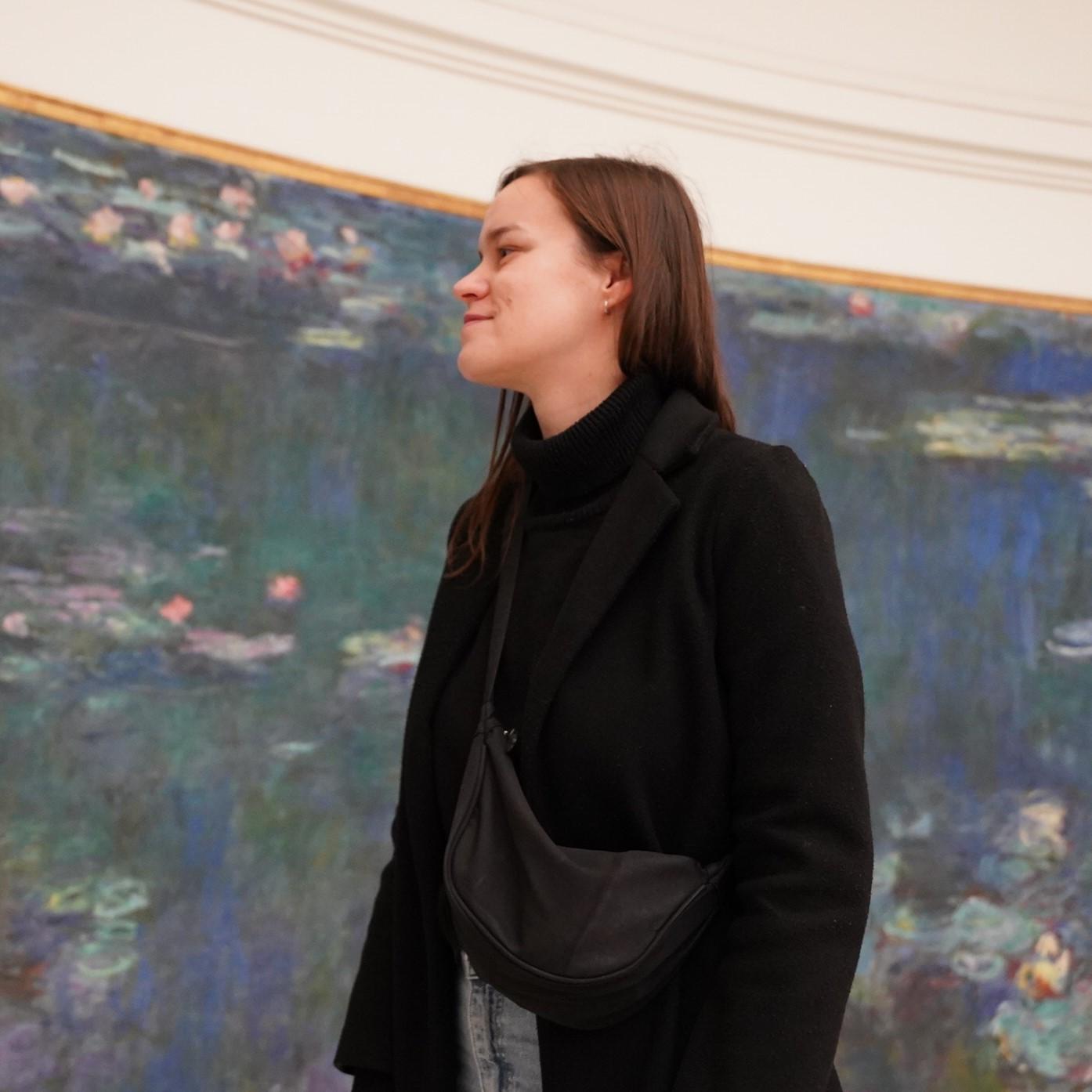
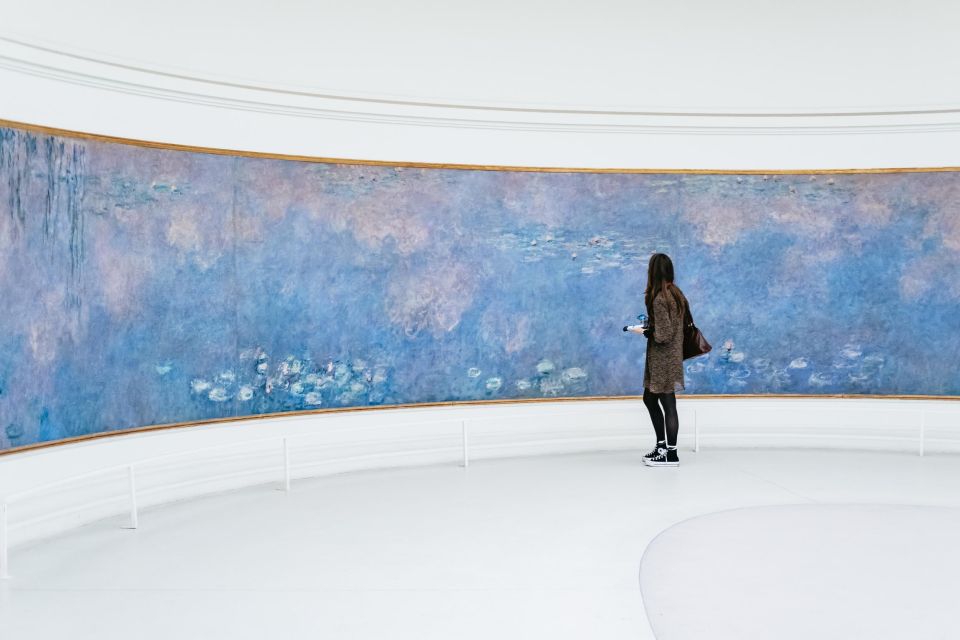
The Orangerie’s oval room is the headline. You’re meant to feel surrounded, not like you’re standing “in front of” art from across a distance. With Monet’s water lilies, that matters. The way the paintings wrap around you changes how your eyes behave. You stop scanning for details and start noticing flow—light, reflection, and the way the color stays calm even when brushwork is doing the real work.
This is also where the guide’s job becomes very practical. Instead of listing facts, the guide helps you see what’s happening across the space. One write-up highlighted Hugo playing a recording of Clair de lune while you witness Monet’s beauty. That’s not guaranteed every time, but it matches the overall style of the experience: the guide helps you connect the mood of the room with what Monet built into the paintings.
If you want a small tip: slow down inside the oval room. The tour’s time is tight overall (about 2 hours), but this room is the moment you’ll remember. Don’t rush it. Let your eyes adjust.
The art-history thread: Impressionism to early modern in one guided walk
Where this tour really earns its price is the story. You’re not only seeing works—you’re tracing change.
Here’s the arc you’ll follow with your guide:
- How Impressionism broke rules and changed what artists thought a “real” painting could do
- How later artists adapted (and argued with) those ideas
- How the language of art shifted toward early-20th-century experiments
You’ll move through works that include:
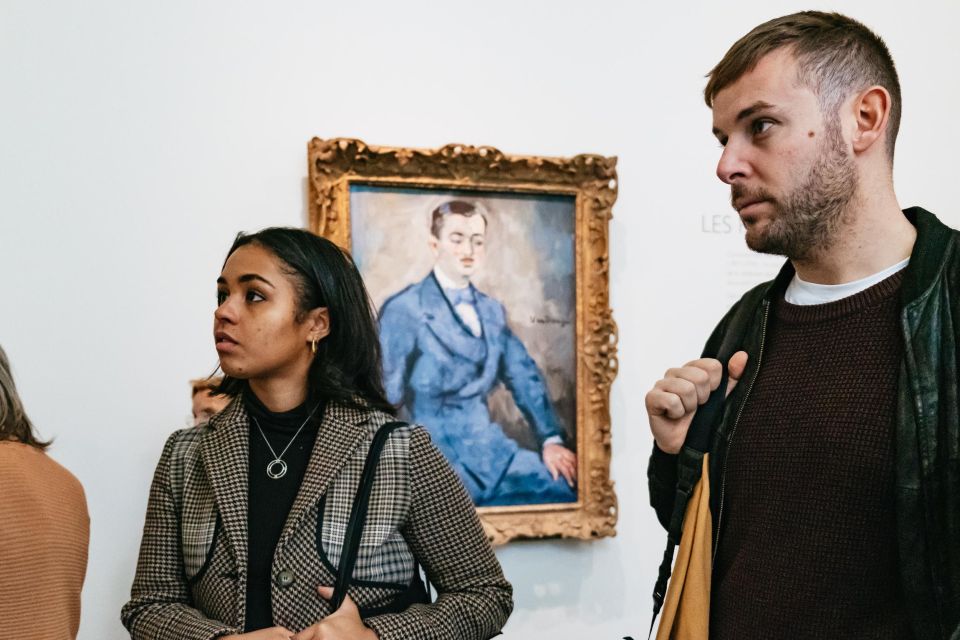
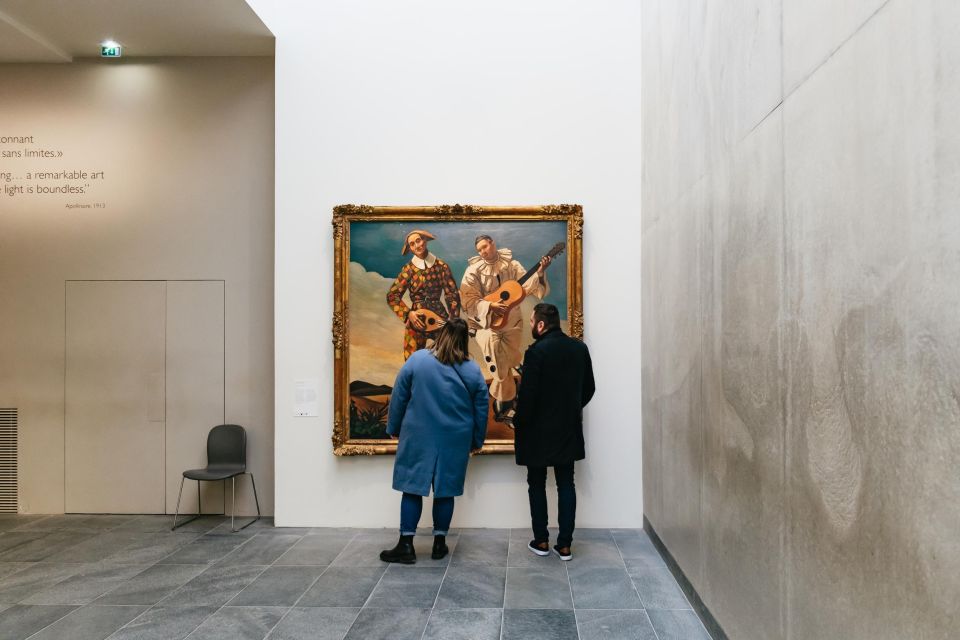
- Cezanne, with fruit and flowers that show how form and structure were becoming more intentional
- Matisse, often associated here with his exotic style and seductive portrait approach
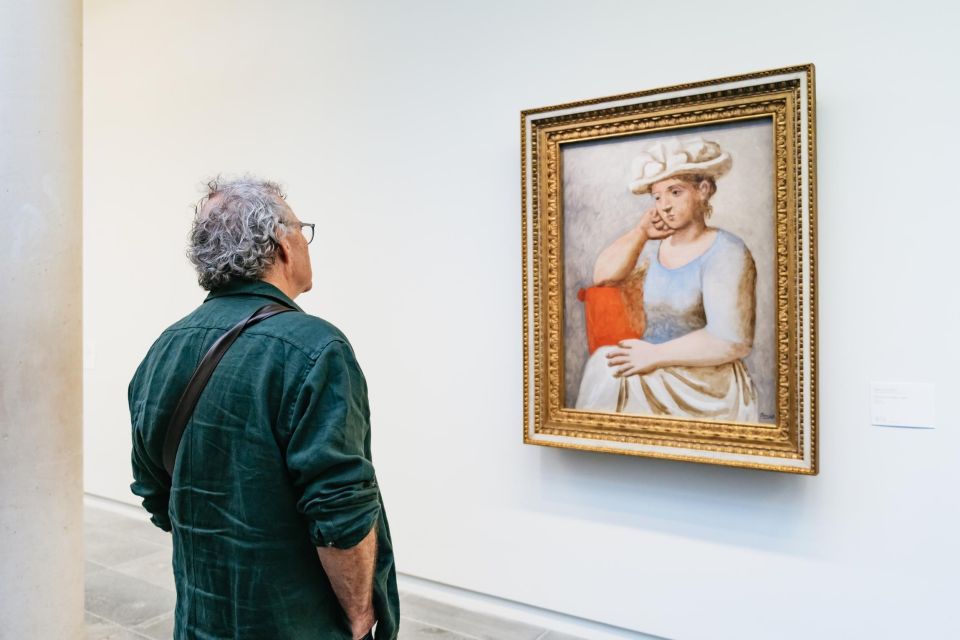
- Picasso, including different stages through interpretations of nude models
- Renoir, connected to the evolution of painterly technique
- Modigliani and Utrillo, adding range beyond the main trio of Monet-Matisse-Picasso
An art historian guide helps you place each artist in time and circumstance, not just as a name in a textbook. That context is what turns “I saw famous art” into “I understood why it mattered.”
The room-by-room pacing also helps if you don’t want to overthink art for hours. You get a guided backbone and then you can form your own opinions while the structure is already in place.
Tuileries Gardens to the Orangerie: the walk that sets the pace

Don’t underestimate the in-between part. The tour includes a stroll through the Tuileries Gardens on the way to the former Orangerie. This isn’t just a scenic filler.
It does three useful things:
- It gets you out of the hectic street pace so the museum visit feels calmer
- It makes the meeting time feel less stressful because you have a clear “on the way” stage
- It puts you in the right Paris mood before you face two big emotional machines: Monet’s water lilies and the sweep of modern art
It’s still walking. The experience is described as involving moderate walking, so wear shoes that can handle cobblestones and museum-floor time.
You can also read our reviews of more museum experiences in Paris






How the guides shape the experience (Hugo, Z, Sunday, and more)

This tour is built around live guidance, and the guide changes the feel.
Language options include French, English, Russian, Italian, Spanish, and German, so you can match your comfort level. And the group size limit—max 8 guests per guide—matters more than you might think. Smaller groups usually mean fewer awkward silences and more chances to ask about what you’re looking at.
A few guide names stood out in the descriptions:
- Hugo: paired interpretation with mood, including the Clair de lune note
- Z: emphasized explaining artists in their historical place and time
- Sunday: leaned into charm and storytelling, using exhibits to show how the art shifted how the world thought about art
- Malaika: described as highly responsive and engaging, making the venue memorable
- Barbara: had a special touch with a 9-year-old, using art to pull them into the story
- Belen and Lily: praised for expertise and an engaging presence
If you’re traveling with kids or teens who can handle 2 hours but need help staying interested, Barbara’s example is a good sign. The tour is also a strong choice for adults who love art, but want the “why” without drowning in academic overload.
Price and value: is $128 for 2 hours worth it?
Let’s talk money clearly. At $128 per person for about 2 hours, you’re paying for four things:
- Skip-the-line entry
- Admission to the museum
- A live art historian guide
- A structured tour focused on major 19th- and early-20th-century art
If you were to buy tickets yourself and wander, you’d still see Monet’s water lilies. But you’d likely miss the connecting thread—how Impressionism led into later experimentation, and how the artists you’ll recognize actually moved art forward.
This tour is a good value if you want:
- Context, not just sight-seeing
- A guided explanation that respects the time you have in Paris
- Fewer line worries and more museum minutes
It may not feel like a deal if you’re the kind of traveler who prefers to read museum labels quietly and take your time with no guiding voice. In that case, a self-guided visit could work better.
Also note what’s not included: food and drinks and temporary exhibits. So plan to eat before or after, and don’t expect rotating displays to be part of the core tour.
Who should book this Orangerie tour (and who should skip it)
Book it if you fall into one of these groups:
- You love French art and want a clear overview from Impressionism into early modern
- You want to spend your limited time in Paris efficiently
- You like guided storytelling and questions answered in real time
- You want small-group energy (max 8 per guide) rather than a crowd
Consider a different plan if:
- You need wheelchair-level accessibility support, since it’s not suitable for mobility impairments and includes moderate walking
- You hate guided tours and prefer to go at your own quiet pace
- You’re traveling with luggage or large bags, since those aren’t allowed
One more practical heads-up: some rooms have rules about quiet or restricted right to speak. That’s normal in museums. If you’re the type who talks loudly while looking, you’ll need to adjust.
Should you book this Musée de l’Orangerie skip-the-line guided tour?
I’d book it if your goal is a focused, high-impact Orangerie visit with Monet’s oval room at the center and a real art-history backbone behind it. The skip-the-line access is genuinely useful in Paris, and the guide-led context makes the paintings easier to “read” instead of just admire.
You should skip it (or at least rethink) if mobility is a concern, because the tour involves moderate walking and isn’t designed for mobility impairments. And if you want a free-form museum stroll with no guide narrative, you might feel boxed in by the structure.
If you want the sweet spot—fewer logistical headaches, strong explanations, and the art connected into a story—this is a smart choice.
FAQ
How long is the Orangerie museum skip-the-line guided tour?
The tour is listed as about 2 hours.
What does skip-the-line include?
It includes a skip-the-line entrance ticket and access to the museum, so you can enter without waiting in the main entrance line.
What art and artists will the guide cover?
The tour focuses on 19th and early-20th-century French art, including Monet’s water lilies, and works associated with Cezanne, Matisse, Picasso, Renoir, Modigliani, and Utrillo.
Do you get an art historian guide?
Yes. The tour includes a live guide described as an art historian.
What languages are available?
The tour is offered in French, English, Russian, Italian, Spanish, and German.
How big is the group?
The maximum is 8 guests per guide for a more intimate experience. Private and small group options are available.
Is the tour suitable for people with mobility impairments?
No. It involves moderate walking and is noted as not suitable for people with mobility impairments.
What should I bring, and are bags allowed?
Bring a passport or ID card and weather-appropriate clothing. Luggage or large bags are not allowed.
Important note
This experience runs rain or shine, so plan clothing accordingly.