REVIEW · PARIS
Paris Museum Pass: 2, 4, or 6 Days
Book on GetYourGuide →Operated by Mon Petit Paris · Bookable on GetYourGuide
A single card can tame Paris tickets. This pass is built for one job: getting you into 60+ museums and monuments around Paris without buying a separate ticket every time.
I especially like the priority entry angle, because it turns “queue management” into “see more art.” I also like that the options run 2, 4, or 6 days, so you can match the pass to your pace.
One key drawback to plan for: you still must book timed reservations for the Louvre and some other big sites, and in peak crowds entry can still be tricky.
In This Review
- Key highlights at a glance
- Paris Museum Pass Basics: what $129 buys you (and when it pays off)
- Pick-up near the Louvre: start point matters more than you think
- The timing rule: timeslots for the Louvre and other reservation-required museums
- Inside Paris: building smart museum routes around the pass
- Louvre day: go in with a plan, not a wish
- Musée d’Orsay: where priority is helpful, but summer crowds happen
- Arc de Triomphe: a great pick when you want a fast monument win
- Sainte-Chapelle and Notre-Dame area: plan for crowd intensity
- Orangerie and Rodin: add art without losing the afternoon
- A pick for variety: quai Branly, Picasso, and the Latin Quarter mix
- Arc de Triomphe to the Invalides zone: one day that feels like Paris in stereo
- Outside Paris day trips: Versailles and the easy wins for themed days
- Seine river cruise option: a low-effort payoff that fits museum days
- Where the skip-the-line can still mean waiting: peak crowds and big buildings
- How to get your money’s worth: the simple test for 2, 4, or 6 days
- Who this pass fits best (and who should think twice)
- Should you book the Paris Museum Pass?
- FAQ
- What does the Paris Museum Pass include?
- Do I need to reserve a timeslot for the Louvre?
- Which other museums require advance reservations?
- Where do I pick up the pass?
- How do the pass days work?
- Is the Seine river cruise included?
Key highlights at a glance
- Priority access to many top museums means less ticket-line time
- Free admission to 60+ museums and monuments in Paris and nearby towns
- Consecutive calendar days make your schedule feel simple, but you must start smart
- Timeslot-required sites can affect flexibility (especially the Louvre and Orangerie)
- Optional Seine cruise can add a relaxing, classic Paris break
Paris Museum Pass Basics: what $129 buys you (and when it pays off)
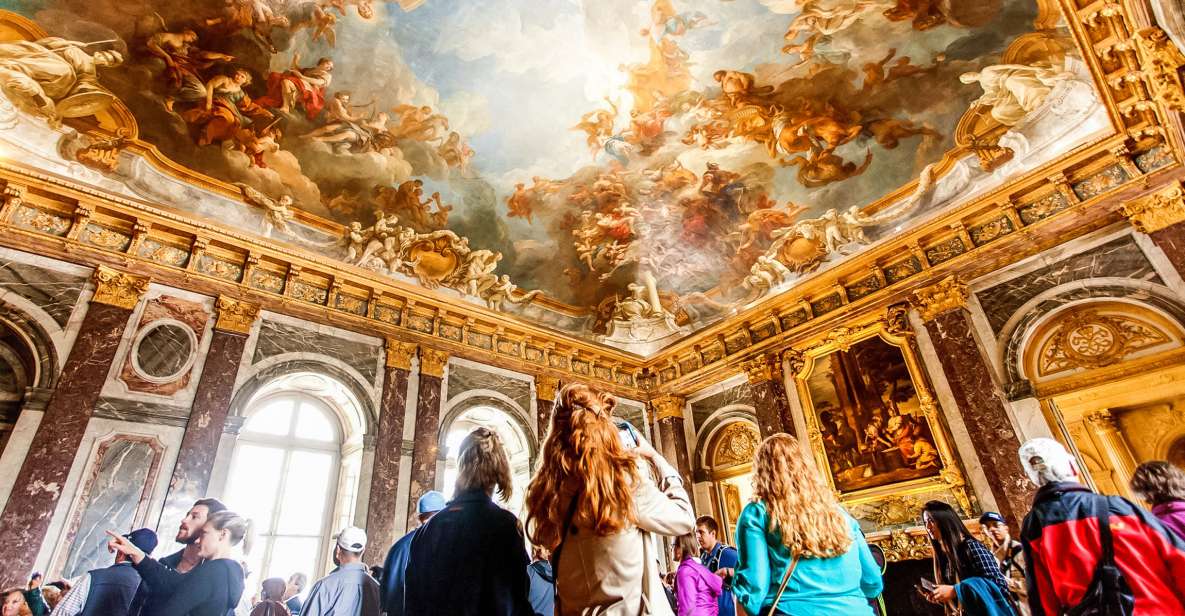
At $129 per person, the Paris Museum Pass is a buy-it-once kind of convenience tool. You pick a pass length—2, 4, or 6 days—then use it to get free admission to more than 60 museums and monuments in and around Paris.
Where it really earns its keep is the way you experience Paris when ticket lines slow you down. Instead of spending your day bargaining with entrances—buying tickets, rechecking hours, and hunting down QR codes—you move from site to site with one pass in your pocket. If you’re the type who wants to bounce between major names and smaller stops, this is the structure that makes that easy.
Value depends on your style. If you’re only going to hit one or two headline sights, the pass might not feel like a bargain. But if you’re trying to see a lot—think five-plus museum stops, plus a major monument—you usually end up saving both money and time. The strongest reviews repeatedly point to this time-saver effect: fewer lines means more moments you actually want, not more time sweating in front of security.
You can also read our reviews of more museum experiences in Paris



Pick-up near the Louvre: start point matters more than you think
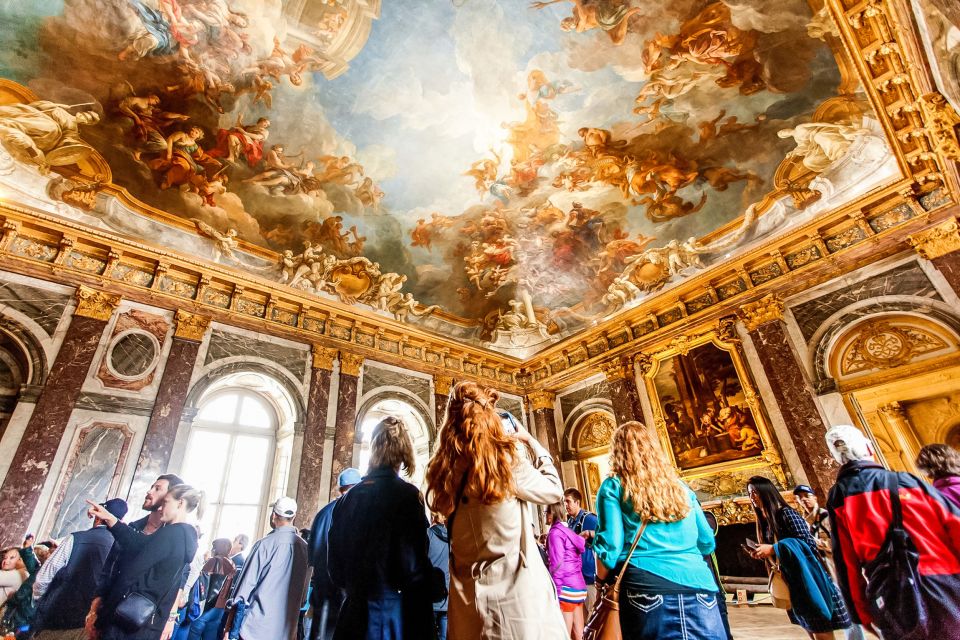
You collect your pass at a tour office conveniently located about a 10-minute walk from the Louvre. The office is open 7 days a week from 9:00 to 16:00, so it’s built for real travel schedules (including jet lag days and last-minute plan changes).
Meeting point can vary by option, but the practical takeaway is simple: plan your first museum stop with pick-up in mind. If you’re starting your visit right away, it’s worth knowing that your usable days are based on when you begin using the pass, not just on the day you land in Paris.
One logistics detail that trips people up: the pass days are consecutive calendar days. If you start using it at 14:00, that calendar day counts as day 1. So even if you feel like you only got “half a day,” the pass math still treats it as full day territory. It’s not a deal-breaker—just plan your start time like you plan your train transfers.
The timing rule: timeslots for the Louvre and other reservation-required museums
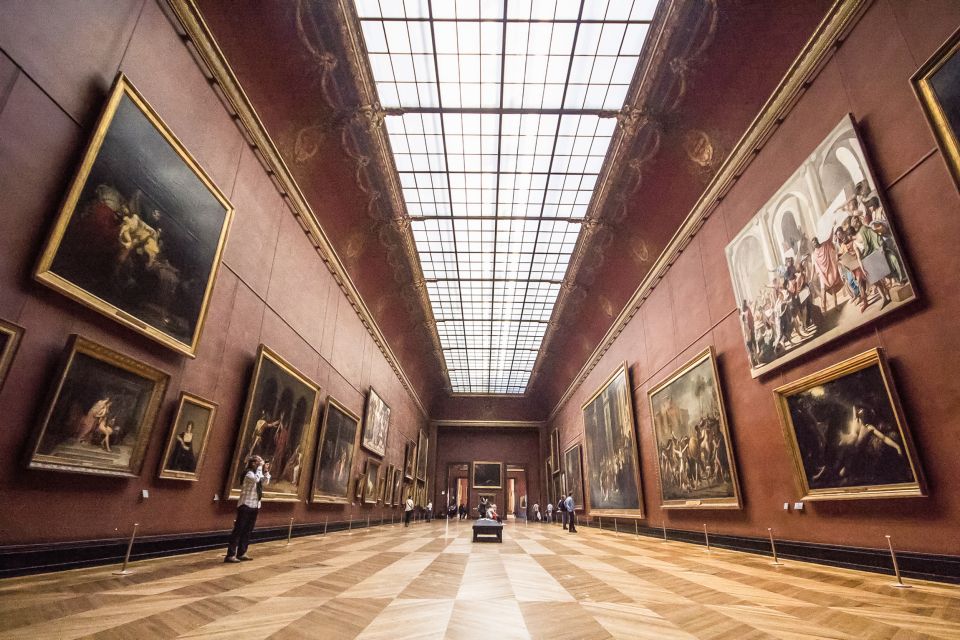
Here’s the biggest theme: the pass reduces line hassle, but it doesn’t eliminate reservation rules. For the Louvre, you need a timeslot in advance to ensure entry. The voucher includes a link to book that slot. That single requirement is why some people feel disappointed: they buy the pass for speed, then hit a wall because timed entry wasn’t handled early enough.
Reservations are also mandatory for several other sites, including:
- Musée de l’Orangerie
- Museum of the Art and History of Judaism
- Hotel de la Marine
- Cité de l’architecture et du patrimoine
And one more reality check: due to renovation works and visitor volume, Louvre entry can’t be guaranteed. Priority access helps, but the Louvre remains a high-demand, tightly controlled experience.
My practical advice: treat timeslots as your “anchor points.” Pick your must-do timed sites first, book them early, then build the rest of your day around places that are flexible. This is how you keep the pass feeling powerful instead of frustrating.
Inside Paris: building smart museum routes around the pass
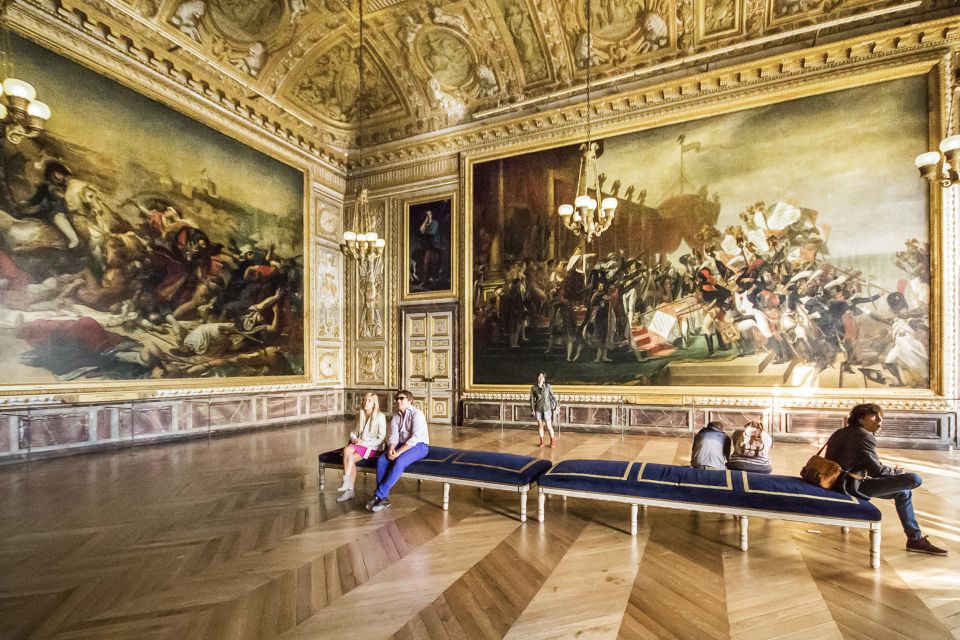
The pass includes a huge menu of destinations, from royal palaces and grand monuments to small, surprisingly rewarding museum stops. Rather than list everything, I’d build your days like this: group attractions by geography and mood.
Louvre day: go in with a plan, not a wish
The Louvre is the obvious draw, but it’s also the one museum where the scale can chew up your day. The pass gives you access with skip-the-ticket-line benefit, but you still need your Louvre timeslot. Once you’re inside, you’ll be happier if you know what you want to see before you walk in.
Even without stepping into the weeds, you can treat it as a “choose your highlights” museum. Pick a few sections, walk with purpose, and don’t try to cover everything. The Louvre is massive, and the pass won’t magically shrink the museum.



Musée d’Orsay: where priority is helpful, but summer crowds happen
Musée d’Orsay is one of the best uses of the pass because it pairs perfectly with a museum-heavy itinerary. Reviews also emphasize that it can move well with the pass, and many people didn’t need timed entry for Orsay in their experience.
That said, don’t assume the skip-the-line promise means zero waiting. In high season, even with priority access, some people report standing in line for a while—especially in peak summer. If you want the smoothest experience, use the pass to get you moving early, and consider timed tickets only if your schedule is extremely tight.
Arc de Triomphe: a great pick when you want a fast monument win
The pass includes Arc de Triomphe, and it’s a satisfying choice for a “big view” break in the middle of museum time. People strongly praise it as one of the sites where skipping the line helps you actually enjoy the monument rather than just endure the queue.
Sainte-Chapelle and Notre-Dame area: plan for crowd intensity
This part of Paris is intense at almost any time of year, and the pass helps you arrive with less ticket friction. Still, lines can remain long depending on the day and the entrance flow. If you’re serious about fitting these sites into your trip, prioritize morning starts and pre-check any reservation expectations linked to your voucher.
A related stop in the pass list: Conciergerie and the Crypt area around Notre-Dame. Together, they work like a historical corridor: you get architecture, atmosphere, and a lot of story for your time.
Orangerie and Rodin: add art without losing the afternoon
If you love art but want a calmer pace than the big-ticket giants, Musée Rodin and Musée de l’Orangerie can be ideal.
Important detail: Orangerie has mandatory reservation requirements. That doesn’t make it less worth it. It just means you need to schedule it like a destination, not as a spontaneous “maybe today” stop.
A pick for variety: quai Branly, Picasso, and the Latin Quarter mix
The pass also covers a range of styles and eras, which is what keeps your trip from feeling like one giant art marathon. For example:
- Musée du quai Branly for a different lens on global cultures
- Musée Picasso Paris if you want a focused artist stop
- Musée national du Moyen Âge, Thermes et hôtel de Cluny for medieval Paris texture
- Musée Gustave Moreau if you like quirky, personal collections
This variety is part of the real value. You can use the pass to go beyond the usual checklist and still feel like you’re getting your money’s worth.
Arc de Triomphe to the Invalides zone: one day that feels like Paris in stereo
If you want a day that hits architecture and “major monument energy” without jumping across the entire city, set up your route around the included landmark cluster.
Start with Arc de Triomphe, then move toward other included major stops like:
- Musée de l’Armée
- Tombeau de Napoléon 1er
- Musée des Égouts de Paris (oddly fun if you like quirky engineering history)
- Panthéon (another huge name for a different kind of grandeur)
This type of route is great for first-timers because it gives you Paris at multiple scales: sweeping views, big institutions, and the kind of city infrastructure stories you don’t get on a typical “just rooftops” walk.
The drawback? This area is popular, so if you’re trying to stack three monuments back-to-back, your day can feel like a line-queue relay. Keep one “buffer” museum stop in the middle so your schedule has oxygen.
Outside Paris day trips: Versailles and the easy wins for themed days
One of the best reasons to choose a longer pass is that it opens nearby day trips. The pass includes destinations beyond the city center, including the big name Palace of Versailles and Trianon, plus lots of castles and cultural sites.
If you want the classic Paris day, go Versailles. It’s included for Musée national des Châteaux de Versailles et de Trianon. One caution from experiences with the pass: while the pass covers access to the palace areas, you may still face extra ticketing for certain parts like the gardens. So if gardens are your priority, plan that cost and time.
Other included outside-Paris options let you tailor your day by theme:
- Chantilly (Musée Condé, Château de Chantilly)
- Fontainebleau (Château de Fontainebleau)
- Compiègne (Château de Compiègne area)
- Sèvres (Musée national de la Céramique de Sèvres)
- Saint-Denis (including the basilica cathedral area)
- Versailles-adjacent extras like Château de Malmaison and Bois-Préau
- Vincennes (Château de Vincennes)
This is where the pass can feel like real travel value, because it turns “maybe we’ll take a day trip” into “we can afford to do it.”
Seine river cruise option: a low-effort payoff that fits museum days
If you select the river cruise option, the pass includes a Seine River cruise. This can be a smart add-on because it gives you something different from museums: views, fresh air, and a slower tempo.
Some experiences note that you don’t need to schedule the cruise far in advance and that departures can be frequent. That flexibility is useful when your museum plan runs long.
One practical tip: cruise meeting points can be confusing because different companies can use different pickup spots. If you do this, double-check the operator name tied to your booking and confirm you’re at the correct meeting location when you arrive near the Tuileries area.
Where the skip-the-line can still mean waiting: peak crowds and big buildings
The pass is excellent at removing ticket purchase lines. That’s the part that people love most. But “skip the line” doesn’t mean “skip the reality” of crowded attractions.
In practice, the Louvre can still be packed even with priority access, and entry isn’t guaranteed. At other very popular museums, people report waiting too—such as Musée d’Orsay during August heat and crowds. Some sites can also have longer security and entrance flow even when you arrive with the pass.
So I use a simple strategy:
- Book your timed sites first (Louvre and other reservation-required museums).
- Go early for your major museums.
- Don’t schedule two huge venues for the exact same hour if you’re traveling in peak season.
The pass works best when you treat it like a planning tool, not a magic wand.
How to get your money’s worth: the simple test for 2, 4, or 6 days
The $129 price makes most sense when you’ll use the pass multiple times a day over several days.
A useful rule of thumb based on repeated experience: the pass shines when you visit more than 5 museums across your trip. If your plan is just “two big hits and a stroll,” it can feel pricey compared to buying individual tickets.
Here’s how I’d choose between 2, 4, and 6 days:
- 2 days: great for concentrated must-sees, especially if you’re only committing to a few timed anchors (Louvre, Orangerie) and a handful of flexible museums.
- 4 days: the sweet spot for most people. You can do Louvre + Orsay + one or two themed museum blocks, plus at least one outside-Paris day trip.
- 6 days: best if you truly want variety and don’t mind that Paris museums are a lifestyle choice.
If your schedule is truly around three days, keep in mind there’s no 3-day option. One reason people feel slightly annoyed is that they land between options.
Also remember: some museums included in the pass still require tickets or timeslots to enter. So you’re saving money and ticket-line stress, not removing planning entirely.
Who this pass fits best (and who should think twice)
You should strongly consider the Paris Museum Pass if:
- You’re doing your first big Paris museum tour and don’t want to micromanage ticket purchases.
- You want a mix of top classics and smaller collections.
- You can handle a little upfront planning for timed-entry sites.
You might think twice if:
- You only care about a small handful of the most famous attractions.
- You hate scheduling timeslots and prefer pure spontaneity.
- Your wishlist includes major sights that aren’t part of the pass list. (For example, the Catacombs are not included, so you’d need separate planning.)
Should you book the Paris Museum Pass?
If you’re a museum lover or you want a structured way to see a lot of Paris without wasting hours buying entry tickets, this pass is usually an easy yes. The biggest win is clear: priority access plus free admission across a wide network of museums and monuments.
But you’ll be happiest if you go in with two habits: book timed entry for the Louvre and other reservation-required sites as early as you can, and build your schedule with some crowd-buffer space. If you do those two things, the pass turns a frantic sightseeing week into a smoother, more enjoyable flow.
FAQ
What does the Paris Museum Pass include?
It provides free admission to over 60 museums and monuments in and around Paris, including major sites like the Louvre, Musée d’Orsay, and Arc de Triomphe. It also includes access to the permanent exhibitions at the participating museums.
Do I need to reserve a timeslot for the Louvre?
Yes. To ensure entry to the Louvre, you need to book a timeslot in advance. The link to do this is found on the voucher.
Which other museums require advance reservations?
Reservations are also mandatory for Musée de l’Orangerie, the Museum of the Art and History of Judaism, Hotel de la Marine, and the Cité de l’architecture et du patrimoine.
Where do I pick up the pass?
You must collect it at the tour office near the Louvre. The office is open 7 days a week from 9:00 to 16:00, and the pickup point is about a 10-minute walk from the Louvre.
How do the pass days work?
The days of use are consecutive and follow calendar days. If you start using the pass at 14:00, that day counts as day 1.
Is the Seine river cruise included?
A river cruise is included only if you select the option.